2027 Dental Assistant Degree Completion Programs for Working Adults

Co-Founder and Chief Data Scientist
Balancing work, family, and education poses a significant challenge for adults seeking to complete dental assistant degrees. Many face uncertainty about program quality-especially concerning accreditation, credit transfer policies, and flexible scheduling tailored for working professionals.
According to the Bureau of Labor Statistics, dental assistants earn a median annual wage of $44,740, emphasizing the importance of choosing programs that maximize licensure and certification opportunities linked to higher earnings.
This article examines the defining features of top dental assistant degree completion programs-covering structural design, accreditation, cost considerations, and career outcomes-to help prospective students make informed decisions aligned with their professional ambitions and personal needs.
Key Things to Know About Dental Assistant Degree Completion Programs for Working Adults
- Maximizing credit for prior learning-especially military or technical training-can reduce program length by up to 40%, making degree completion faster and more affordable for working adults.
- Employers and state licensure boards increasingly require accredited programs with clinical internships-choose programs verified by the Commission on Dental Accreditation for recognized credentialing.
- Financial aid options-including employer tuition assistance and federal grants-are available but often underutilized by working adults balancing job demands and education costs.
What Are Dental Assistant Degree Completion Programs, and Who Are They Designed For?
Dental assistant degree completion programs offer an accelerated path tailored for adults who have earned some college credits but lack a formal degree.
Distinguished from traditional four-year or graduate programs, these accelerated dental assistant completion programs for career advancement emphasize credit-for-prior-learning policies-accepting military training, previous coursework, and relevant work experience-to reduce graduation time and costs.
Flexible scheduling formats, such as evening, weekend, or hybrid classes, accommodate the complex lives of working adults balancing professional and personal responsibilities.
- Structural Features: These programs leverage prior learning assessments and streamlined curricula designed for fast-tracking degree completion without compromising educational quality.
- Target Audiences: Primary candidates include adults with some college education but no degree, military veterans whose training aligns with academic standards through ACE credit recognition, working dental assistants seeking credential-gated career mobility, and career changers needing official qualifications for entering the dental field.
- Legitimacy and Scope: Accredited programs meet licensure and employer recognition standards. Research from the National Student Clearinghouse, the American Association of State Colleges and Universities (AASCU), and the Lumina Foundation underscores how these pathways improve degree attainment among adult learners traditionally underserved by standard higher education models.
- Decision Factors: Prospective students should evaluate credit transfer maximization, licensure requirements, financial aid availability for working adults, and the overall return on investment when selecting programs.
For adults seeking efficient degree completion, exploring dental assistant degree completion programs for working adults is crucial. Additionally, those interested in comparable options might explore nursing programs easy to get into, which often share similar flexible structures and credit policies.
How Do Dental Assistant Degree Completion Programs Differ From Traditional On-Campus Degree Programs?
Degree completion programs for dental assistants differ markedly from traditional on-campus degree programs in ways that cater specifically to working adults. These flexible learning pathways align with the busy lives of adult learners seeking to finish their education without giving up employment or family responsibilities.
- Scheduling Formats: Completion programs offer evening, weekend, online, or hybrid classes-enabling students to manage coursework alongside work and family commitments. Traditional on-campus programs generally require attendance during fixed daytime hours.
- Pacing Options: Many degree completion programs provide accelerated cohorts or self-paced enrollment, empowering students to advance based on availability rather than fixed semester schedules. In contrast, traditional programs follow standard semester calendars with predetermined start and end dates.
- Residency Requirements: Completion programs often minimize or eliminate on-campus residency, allowing most coursework to be completed remotely and asynchronously. Traditional programs usually expect full-time, in-person presence for the majority of courses.
- Coursework Delivery: A substantial portion of degree completion coursework can be done asynchronously, letting students study and submit assignments at convenient times. Conversely, traditional models emphasize synchronous classes and in-person labs.
- Structural Accommodations: Features such as rolling or multiple start dates, streamlined advising tailored for adult learners, and generous credit transfer policies-including recognition of military training and prior college work-distinguish completion programs. Traditional programs offer fewer start options, limited advising focused on adult students, and stricter transfer credit limits.
- Enrollment Trends: Data from the National Center for Education Statistics and IPEDS highlights steady growth in degree completion program enrollment over the past decade, reflecting rising demand among working adults. Meanwhile, enrollment in traditional undergraduate programs remains stable or declines.
- Credential Equivalence: Both pathways typically culminate in the same degrees-a Bachelor of Science or Bachelor of Arts in Dental Assistant-but completion programs intentionally reduce employment and family disruptions, creating a distinct student experience.
For working adults navigating career advancement or career changes, understanding how to maximize credit for prior learning and finding programs that employers and licensure boards recognize is essential.
Accessing financial aid options designed for adult learners further supports success. Those exploring dental assistant degree completion programs versus traditional on-campus degree programs may also consider options at nursing schools that don't require TEAS or HESI, as part of broadening their allied health credentials.
What Prior Credits and Experiences Count Toward a Dental Assistant Degree Completion Program?
Acceptable credit transfers vary widely depending on the source-credits from nationally accredited or unaccredited schools are less frequently accepted. It's essential to request official transcripts and seek a pre-enrollment credit evaluation to clarify transferable credits before enrolling.
Research from the Council for Adult and Experiential Learning highlights that PLA can shorten degree completion by months or even years, offering significant savings in tuition and advancing career opportunities.
- Transfer Credits: Most programs accept credits from regionally accredited colleges, including general education and dental-specific courses. The acceptance hinges on the institution's accreditation and course equivalency standards.
- Military Training Credits: Veterans benefit when programs recognize military training credits endorsed by the American Council on Education (ACE), which validate relevant skills gained through service and often accelerate degree progress.
- Professional Certifications: Certifications like the Certified Dental Assistant credential may be credited toward degree requirements, though policies differ by school.
- Prior Learning Assessment (PLA): Some institutions evaluate documented work experience or portfolios to formally acknowledge knowledge acquired outside the classroom, enabling faster degree completion and cost reduction.
- Credit-by-Examination: Options such as CLEP and DSST exams allow students to demonstrate subject mastery and earn academic credit, minimizing course loads.
Be cautious of programs that reject ACE-recommended military credits or impose arbitrary transfer limits without clear academic rationale. The American Association of Collegiate Registrars and Admissions Officers' guidelines provide a fair standard when assessing credit policies.
Reflecting on his experience, a professional who completed his dental assistant degree recalled the challenge of navigating diverse credit acceptance while juggling work and family.
"It wasn't simple-getting my military credits evaluated took persistence, and I had to be proactive about gathering official documents. When I got the results, I realized how much time I saved," he shared. "Having prior certifications helped me waive some classes, which lifted a big burden. The process required patience but ultimately made finishing my degree manageable."
What Is the Minimum GPA Requirement for Dental Assistant Degree Completion Programs?
Dental assistant degree completion programs often mandate a minimum cumulative GPA on prior coursework-typically ranging from 2.0 to 2.5 on a 4.0 scale-to reflect preparation for advanced study. This GPA requirement forms part of a broader admissions framework rather than serving as an absolute barrier, allowing admissions committees to consider multiple applicant attributes.
- Minimum GPA: Commonly set between 2.0 and 2.5, ensuring alignment with accreditation criteria and clinical readiness standards.
- Conditional Admission: Some schools provide provisional acceptance paired with academic support services such as tutoring and progress checks to promote student success.
- Open Admission with Experience: Programs targeting working adults or military veterans with ACE-accredited credentials may waive strict GPA rules when substantial professional experience is demonstrated.
- Holistic Review: GPA is evaluated alongside factors like professional experience, recommendation letters, and personal statements, particularly by institutions accredited by the Higher Learning Commission (HLC) that emphasize comprehensive candidate assessment.
- Academic Forgiveness Policies: Returning students with earlier low GPAs might benefit from fresh-start initiatives that exclude older grades following a designated non-enrollment timeframe, improving eligibility for dental assistant completion courses.
- Pre-Admission Evaluation: Prospective students are encouraged to seek formal academic assessments from each program to accurately gauge their chances, avoiding unnecessary application effort.
For adults balancing work and education, understanding the minimum GPA requirement for dental assistant degree completion programs-and how it interacts with professional background and institutional policies-is crucial. Those interested in flexible pacing options might explore online self paced degrees that support varied learning speeds while maintaining rigorous standards.
How Are Dental Assistant Degree Completion Programs Structured Around Full-Time Work Schedules?
Dental assistant degree completion programs accommodate students employed full-time-often 40 hours or more weekly-by offering varied scheduling options like evening cohorts, weekend intensives, fully asynchronous online courses, or hybrid formats blending in-person and virtual learning. These flexible structures enable learners to juggle coursework with work and family responsibilities without sacrificing progress.
Programs commonly advise taking between 6 and 9 credits per term, ensuring a manageable workload that fits alongside professional commitments. Many programs utilize a cohort learning model where students move through classes collectively as a group, fostering peer support, accountability, and predictable scheduling. This predictability is vital for working adults who need to plan several months ahead.
Research from the National Student Clearinghouse Research Center reveals that students in cohort-based programs demonstrate higher persistence and graduation rates compared to those in traditional enrollment formats-highlighting the benefits of structured pacing and community support against dropout risks.
Prospective students should inquire about policies for course cancellations, provisions for making up work missed due to unavoidable conflicts, and availability of student success advisors dedicated to helping manage scheduling challenges and maintain timely program completion.
A dental assistant who completed her degree while balancing a demanding work schedule shared that 'the evening cohort was a lifeline-knowing that my classmates and I were progressing together kept me motivated.'
She emphasized how the program's flexibility allowed her to handle unexpected work demands without falling behind. 'Having dedicated staff to navigate these hurdles made all the difference,' she reflected, noting the confidence she gained in managing both professional duties and academic goals simultaneously.
Is Online or Hybrid Delivery Available for Dental Assistant Degree Completion Programs?
Dental assistant degree completion programs typically offer three main delivery models tailored to working adults balancing multiple commitments. Synchronous live sessions use video conferencing for real-time interaction, ideal for those who value structured class times but have some schedule flexibility.
Asynchronous lectures provide recorded content accessible anytime, benefiting learners needing maximum scheduling flexibility and self-discipline. Hybrid models combine online coursework with mandatory in-person labs or clinical intensives, fitting students who live near campus or clinical sites and require hands-on practice.
Data from the NCES Integrated Postsecondary Education Data System and the Online Learning Consortium show that as of 2023, about 60% of adult learners in health-related degree completion programs enroll fully online, while roughly 30% opt for hybrid formats. The COVID-19 pandemic accelerated colleges' development of robust online education infrastructure and faculty training-enhancing program quality and access.
When assessing program quality, students should consider these factors:
- Faculty Credentials: Ensure instructors have relevant clinical expertise and academic qualifications aligned with current industry standards.
- Student-to-Faculty Ratios: Smaller ratios in online courses improve personalized interaction and feedback.
- Academic Support: Availability of virtual tutoring, advising, and library resources is crucial for online learners' success.
- Accreditation: Confirm that online programs carry the same institutional accreditation as on-campus offerings to support licensure and employer recognition.
To select the best format, ask enrollment advisors about expectations for live versus recorded participation, frequency of in-person requirements, availability of virtual clinical simulations, and support resources. Choosing between fully online, hybrid, or in-person depends on individual learning preferences, location, and work schedule-key factors influencing program completion and career advancement.
How Long Does It Take to Complete a Dental Assistant Degree Completion Program?
The duration to complete a dental assistant degree completion program depends heavily on prior academic credits and learning assessments. Students entering with approximately 60 credits-roughly two years of college coursework-typically need 1 to 2 years to finish the program. Those with 90 credits may complete it in less than a year if their previous coursework aligns well with program requirements.
Veterans and mid-career professionals often benefit from credits earned through prior learning assessments (PLA), including military training and relevant certifications, which further reduce remaining coursework. However, several variables influence completion speed beyond credit totals:
- Credit Transfer and PLA: The amount of accepted transfer credits and PLA determines the number of remaining courses-more credits equal fewer courses and faster completion.
- Enrollment Status: Full-time or accelerated study shortens the time-to-degree, while part-time enrollment common among working adults extends it.
- Fixed-Duration Requirements: Mandatory clinical experiences, internships, or capstones have minimum timeframes that cannot be shortened despite academic progress.
- Program Policies: Flexibility with course sequencing and availability varies by institution, affecting pacing.
Financially, quicker graduation reduces total tuition and opportunity costs from lost wages and allows earlier access to higher post-degree salaries-making acceleration a strategic decision rather than a mere preference.
Prospective students should request written average time-to-degree data specific to their credit profile instead of relying on minimum advertised timelines that often only apply under ideal circumstances with maximum credit transfer and full-time enrollment.
What Accreditation Should a Dental Assistant Degree Completion Program Hold?
This gold standard for institutions offering dental assistant degree completion programs comes from recognized bodies such as the Higher Learning Commission (HLC), the Middle States Commission on Higher Education, and the Southern Association of Colleges and Schools Commission on Colleges (SACSCOC).
Employers, graduate schools, and federal financial aid programs primarily recognize regionally accredited programs. These programs typically offer better credit transferability-a critical feature for working adults maximizing prior learning-and greater eligibility for federal aid.
- National Accreditation: Institutions accredited by national bodies like the Distance Education Accrediting Commission (DEAC) hold a generally lower status. Programs with national accreditation may face limitations in credit transfer and can be viewed less favorably by employers and licensing boards. This distinction is crucial when evaluating dental assistant degree completion programs designed to meet licensure and employment standards.
- Programmatic Accreditation: While less common for dental assistant degrees, program-specific accreditation affects graduate outcomes in related fields. For example, ABET pertains to engineering and technology programs, ACBSP and AACSB to business, and CSWE to social work. Programmatic accreditation influences eligibility for professional licensure, hiring prospects, and admission to graduate schools, reinforcing the value of credentials earned through well-recognized pathways.
- Accreditation Verification: Beware of programs listing unrecognized or questionable accrediting agencies, as these may indicate low-quality options that fail employer and licensure criteria. Prospective students should use the U.S. Department of Education's Database of Accredited Postsecondary Institutions and Programs (DAPIP) to verify accreditation status independently instead of relying solely on marketing claims.
- Accreditation Verification: Beware of programs listing unrecognized or questionable accrediting agencies, as these may indicate low-quality options that fail employer and licensure criteria. Prospective students should use the U.S. Department of Education's Database of Accredited Postsecondary Institutions and Programs (DAPIP) to verify accreditation status independently instead of relying solely on marketing claims.
Working adults may also consider options like a medical assistant course online offering financial aid and credit for prior learning, expanding pathways for allied health careers.
How Much Do Dental Assistant Degree Completion Programs Cost, and What Financial Aid Is Available?
Affordable dental assistant degree completion programs vary widely in tuition depending on institution type. Public regional universities generally charge $200 to $400 per credit hour, while private nonprofit schools may require $400 to $700. For-profit institutions often exceed $700 per credit hour.
Students should also budget for mandatory fees covering technology, course materials, and occasional in-person residencies or intensives, which can add several hundred dollars each term.
- Financial aid options: Working adults pursuing dental assistant programs have several tailored resources:
- Pell Grants: Now accessible to part-time students, providing federal funding to lower-income adults enrolled less than full-time.
- Employer Tuition Reimbursement: Many employers reimburse all or part of tuition-checking eligibility early is key.
- Military Benefits: GI Bill and MyCAA programs support veterans, active-duty service members, and military spouses seeking credentials.
- Institutional Scholarships: Some colleges offer scholarships specifically for returning adult learners, often requiring separate applications.
- Tax advantages: Individuals paying out of pocket might qualify for the Lifetime Learning Credit-a non-refundable credit up to $2,000 annually-or employer-provided educational assistance exclusion under IRS Section 127. Consulting a tax professional can optimize benefits based on income and filing status.
- Cost comparison tips: Sticker price rarely equals real cost for working adults. When comparing programs, factor these in:
- Credits already earned and accepted for transfer reduce total tuition.
- Employer reimbursement plans may cover expenses.
- Net tuition after grants, scholarships, and other aid significantly lowers out-of-pocket costs.
Thoughtful evaluation helps ensure chosen programs align well with financial resources and career goals. Many students also explore other pathways such as ABSN programs online for accelerated healthcare credentials that may complement their career trajectory in dental assistant roles.
What Career Outcomes Can Working Adults Expect After Completing a Dental Assistant Degree?
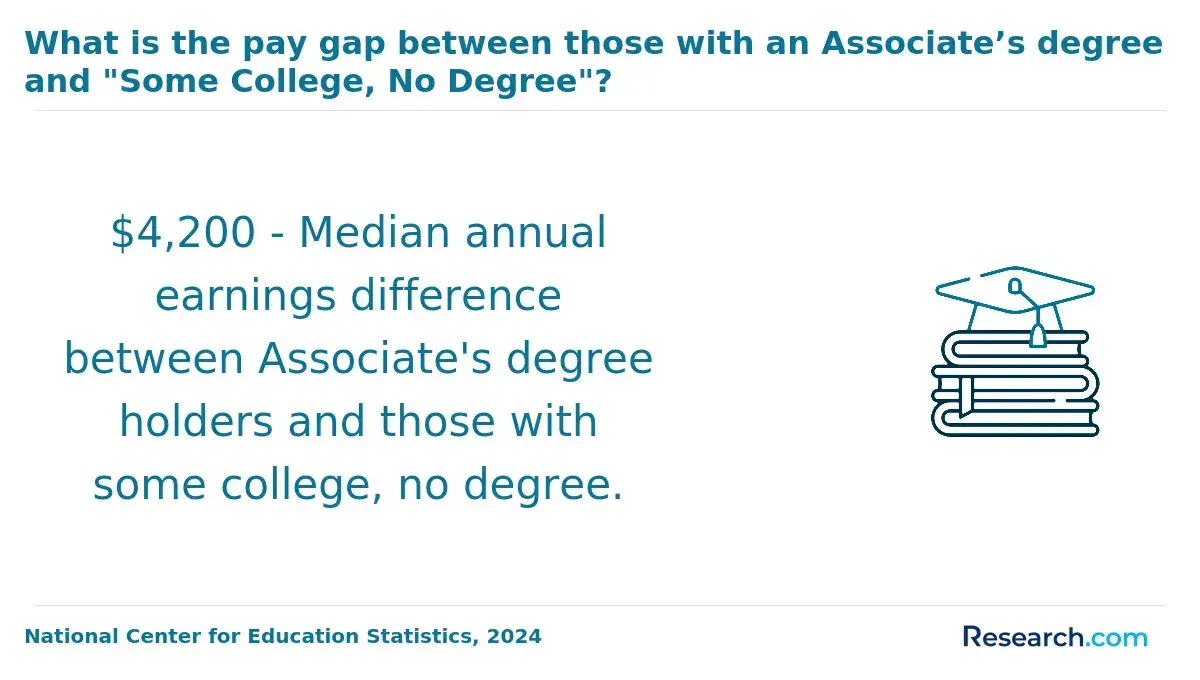
Completing a dental assistant bachelor's degree often boosts career prospects by unlocking roles reserved for degree holders-such as supervisory and licensed positions-resulting in a measurable salary increase compared to those with some college but no degree.
Data from the College Scorecard and Bureau of Labor Statistics confirm a notable earnings premium tied to degree completion, frequently ranging from 15% to 25%. This uplift reflects eligibility for credential-gated titles and promotions commonly inaccessible without formal degree verification.
Working adults earning their degree while employed leverage valuable real-world experience-an advantage that sets them apart from new graduates. This practical background enables them to pursue advanced job openings right after graduation, rather than starting at entry-level positions. Alumni outcome studies reinforce that these professionals often report smoother transitions into management or specialized roles within dental care.
Prospective students should investigate key factors that differentiate reputable dental assistant degree completion programs, including how prior learning credits-such as military training or previous coursework-are recognized and transferred. Accreditation status and program alignment with employer and licensure requirements remain critical to ensure the degree supports intended career paths, particularly for those targeting licensure, advancement, or graduate education.
Financial planning is essential for working adults balancing education with life commitments; therefore, understanding available financial aid options tailored to degree completion students is advisable.
Evaluating programs against objective criteria-such as flexible scheduling, cost-effectiveness, institutional research capabilities, and demonstrated graduate career outcomes-helps candidates make informed decisions that maximize return on investment and support long-term professional goals.
- Promotion Eligibility: Degree completion frequently opens doors to leadership and supervisory roles beyond clinical support.
- Credential Access: Graduates gain qualification for licensed or specialized positions requiring formal academic credentials.
- Salary Premium: Median earnings for completers exceed those of partial college attendees by significant margins.
- Professional Experience Leverage: Employed students combine practical expertise with academic credentials to target senior roles.
- Career Alignment: Verifying program accreditation and credential recognition is vital for advancing to licensure, management, or graduate study.
How Do Employers View a Dental Assistant Degree Completed Through a Completion Program?
Concerns about how employers view degrees earned through completion programs are common among working adults.
However, surveys from the Society for Human Resource Management (SHRM) and the National Association of Colleges and Employers (NACE) reveal that employers focus mainly on the accreditation and recognition of the awarding institution rather than the student's method of completion or the amount of credit earned via prior learning assessments (PLA).
- Accreditation: Credentials from accredited colleges offering recognized dental assistant programs carry the most weight. Diplomas usually do not specify if a degree was earned through traditional or completion pathways, making the credential equal in value.
- Resume Presentation: Candidates should list their degree as it is awarded, without highlighting completion pathways. When asked during interviews, mentioning the accelerated or adult-focused design of the program can underscore valuable skills such as time management and dedication.
- Regulated Hiring: Certain employers-particularly federal agencies governed by Office of Personnel Management (OPM) standards or state dental assistant licensing boards-may scrutinize how a degree was earned more closely. Prospective students in these sectors should confirm credential acceptance with relevant licensing bodies or HR offices before enrolling.
- Private Sector: In most private dental and healthcare settings, practical experience, proven skills, and strong references tend to outweigh concerns about the enrollment format. Completion degrees are considered legitimate enhancements to professional qualifications, not lesser alternatives to traditional degrees.
What Graduates Say About Dental Assistant Degree Completion Programs for Working Adults
- Alden: "Completing my dental assistant degree as a working adult was a game changer because the program's scheduling formats really adapted to my busy life-offering evening and weekend classes that made balancing work, family, and study possible. The accreditation standards gave me confidence that my credential would be recognized by employers nationwide, which was crucial for my career growth. Plus, the clear credit transfer policies allowed me to leverage previous coursework efficiently, saving both time and money. This wasn't just education-it was a tailored pathway to success."
- Bear: "What stood out to me in the dental assistant degree completion program was how cost considerations were transparently handled from the start, alleviating the worry about unexpected fees or hidden expenses. The structure itself-focused on practical, hands-on learning combined with strong theoretical foundations-felt so much more valuable than generic alternatives I'd seen advertised. Graduating, I realized this thoughtful setup directly translated into better career outcomes, opening doors that aligned perfectly with my professional goals and financial situation."
- Easton: "Reflecting on my journey, the structural features of the program really set it apart-compact modules and focused content made learning manageable even for someone juggling a full-time job. I appreciated how accreditation standards weren't just a stamp but a commitment to quality, which showed in the instructors' expertise and the program's industry connections. Knowing that such a respected credential could fit my hectic life and deliver solid career prospects gave me peace of mind throughout the process."
Other Things You Should Know About Dental Assistant Degrees
Many dental assistant degree completion programs provide tailored support services such as academic advising, tutoring, and career counseling designed specifically for working adults. These services help balance coursework with employment and family responsibilities. Additionally, some programs offer flexible scheduling and online resources to accommodate busy adult learners.
Credits earned in dental assistant degree completion programs often transfer to related graduate programs, particularly in healthcare administration or dental hygiene. However, this depends on the institution's policies and the accreditation of the completion program. Prospective students should verify transfer agreements before enrolling to ensure their credits will support future academic goals.
Networking is critical within dental assistant degree completion programs, offering students access to professional mentors, internship opportunities, and job placement resources. These connections often lead to career advancement or specialized roles in dental offices and clinics. Programs with strong industry ties can enhance the value of the degree by facilitating these relationships.
References
- How Assisting 101’s Dental Assisting Course Gets You Job-Ready in Months https://www.assisting101.com/how-assisting-101s-dental-assisting-course-gets-you-job-ready-in-months/
- Do You Need a Degree to Be a Dental Assistant? Breaking Down the Entry-Level Options https://gdap.net/blog/do-you-need-a-degree-to-be-a-dental-assistant-breaking-down-the-entry-level-options/
- Exploring Career Pathways for Dental Assistants Beyond the Clinic https://www.alliancedentalinstitute.com/exploring-career-pathways-for-dental-assistants-beyond-the-clinic
- How to Choose a Dental Assistant Training Program: What Actually Matters https://indydentalassistantschool.com/blog/dental-assisting/dental-assistant-training-program-how-to-choose/
- How Long Does Dental Assistant Training Take? | UEI College https://www.uei.edu/guides/dental-assistant/how-long-to-become-dental-assistant/
- Dental Assistant Program Admission Requirements | Madison College https://madisoncollege.edu/academics/programs/dental-assistant/admission
- Can I Study Dental Assisting Online https://archdentalassistant.com/blog/dental-assisting/can-i-study-dental-assisting-online/
- How to Balance Work, Family, and Dental Assisting School - American Institute of Dental Assisting https://dentalassistantco.com/blog/how-to-balance-work-family-and-dental-assisting-school/
- Dental Assistant Certificate vs. Degree https://www.chcp.edu/blog/dental-assisting-certification-vs-dental-assisting-degree/
- How Long Does It Take to Become a Dental Assistant? https://www.stepful.com/post/how-long-does-it-take-to-become-a-dental-assistant