2027 Can You Complete Dental Assistant Clinicals Locally?

Co-Founder and Chief Data Scientist
Students pursuing a dental assistant degree often imagine clinical training as a fixed, far-away requirement, yet many programs collaborate with local dental offices to facilitate hands-on experience nearby. For working adults balancing job responsibilities, commuting hours can be a major concern, making local clinical placements essential.
According to the U.S. Bureau of Labor Statistics, employment for dental assistants is projected to grow 11% through 2032, underscoring the need for accessible and practical training pathways. This article examines the feasibility of completing dental assistant clinicals locally and highlights the factors influencing placement availability and program partnerships.
Key Things to Know About Completing Dental Assistant Clinicals Locally
- Programs often collaborate with local dental offices or clinics to arrange clinical placements, supporting students in gaining practical experience close to home.
- Completing clinicals locally offers flexibility, reduces commuting time, and minimizes relocation expenses for students balancing personal commitments.
- Students must confirm state licensing requirements, availability of approved clinical sites, and program authorization to ensure local placements satisfy curriculum standards.
Can you complete dental assistant clinicals near your home or hometown?
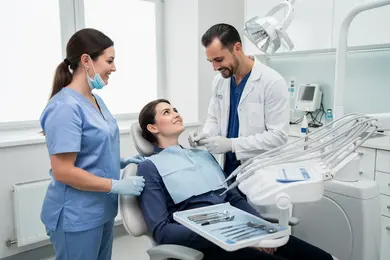
Completing clinical placements near a student's home or hometown is often possible in dental assistant programs, depending on how the program is structured and the scope of school partnerships with local healthcare providers. Local clinical opportunities can significantly improve scheduling flexibility and accessibility, which benefits students managing other responsibilities. In fact, about 75% of dental assisting clinical placements occur close to students' residences, underscoring the preference for local experiential learning.
Several key factors influence whether students can complete dental assistant clinicals near home, including program affiliations, geographic location, and regulatory requirements.
- School Affiliation Networks: Much like how a top-tier online PharmD program establishes remote clinical rotations, many schools establish formal partnerships with nearby dental clinics and offices, which simplifies the placement process and ensures approved, supervised training environments are available locally. These networks often determine the extent of local dental assistant clinical placement options.
- Geographic Location: Students living in urban areas typically have access to a greater number of approved facilities, while those in rural or underserved regions may need to travel farther to complete required clinical hours due to limited local options.
- State Requirements: State or regional regulations may dictate that clinical hours must be completed in licensed, approved settings under direct supervision, sometimes restricting placements to specific facilities that meet these legal standards, which may not always be nearby.
- Facility Approval Process: Dental offices must be evaluated and approved by educational programs before hosting students. Delays or strict onboarding procedures can influence the availability and proximity of clinical sites.
- Coordination and Scheduling: Schools with active coordination efforts and communication with local providers tend to secure more convenient placements. Efficient scheduling processes help minimize travel and optimize the clinical experience for students.
How do dental assistant clinical placements work?
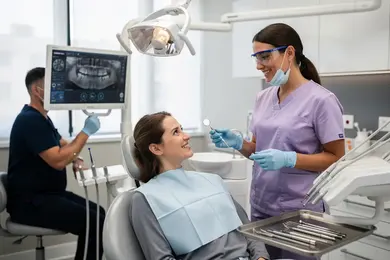
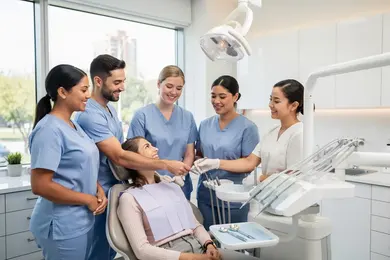
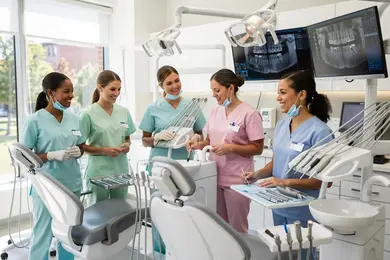
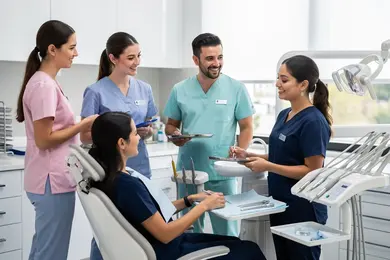
Clinical placements in dental assistant programs are arranged through partnerships between schools and approved training sites, enabling students to gain essential hands-on experience. These supervised settings help students translate classroom knowledge into real-world skills, essential for professional development.
Approximately 70% of dental assisting programs emphasize clinical training capacity as a vital element for preparing students for careers in dental care. Placement structures, availability of facilities, and scheduling logistics can influence where students complete their clinical hours.
Key aspects of how local clinical placement processes for dental assistant programs typically work include:
- School Partnership Networks: Educational institutions collaborate with a variety of healthcare providers, including dental offices and public health clinics, to create a network of approved clinical sites that meet accreditation standards.
- Placement Coordination: Schools coordinate directly with these partners to schedule student shifts and arrange clinical hours that align with program requirements and state regulations.
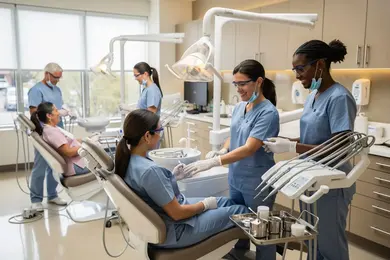
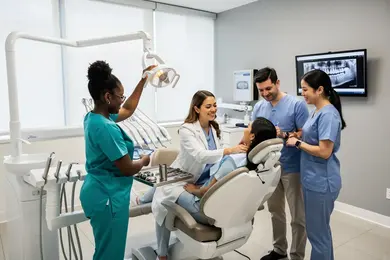
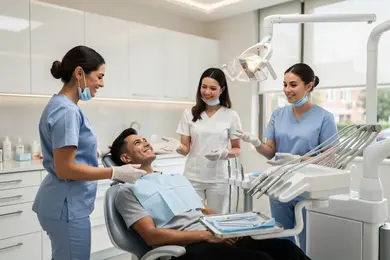
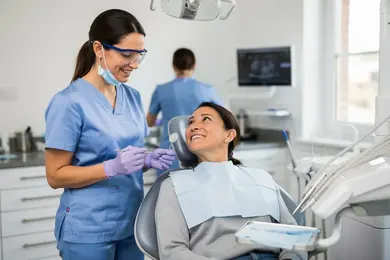
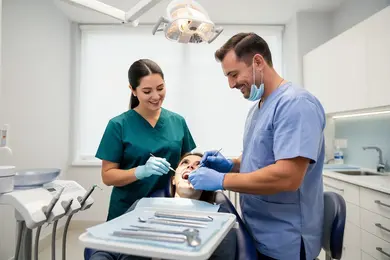
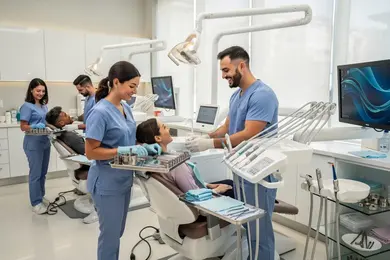
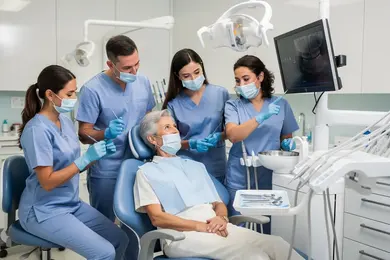
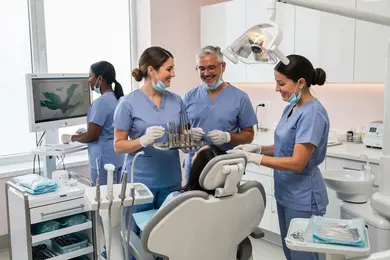
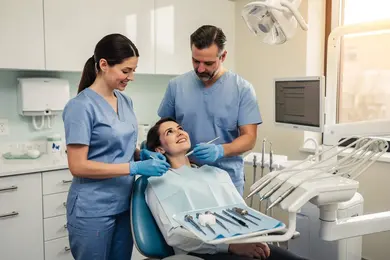
- Supervised Clinical Training: Students complete hands-on tasks under the supervision of licensed dental professionals, ensuring proper technique, safety, and skill development in real healthcare environments.
- Approved Training Environments: Only facilities that comply with safety guidelines and supervision criteria are chosen, ensuring students gain appropriate experience recognized by accreditation and dental boards.
- Geographic Considerations: Clinical sites are often selected based on proximity to a student's residence to minimize travel challenges, making the local clinical placement process for dental assistant programs a practical option for many students.
For those exploring other healthcare training paths, affordable options are available, such as affordable online FNP programs, which also emphasize practical clinical experiences in accessible healthcare settings.
What state authorization and licensing rules affect local clinicals?
State authorization policies, regional education regulations, and professional licensing standards play a pivotal role in determining whether students enrolled in dental assistant programs can complete their clinical placements near their homes. Variations in state requirements often influence eligibility for placement, necessary administrative approvals, and access to authorized training sites. A 2022 NC-SARA survey found that about 80% of healthcare education clinical placements face restrictions due to state authorization laws.
Several key factors impact the ability to complete dental assistant clinicals locally, including:
- State Authorization Agreements: These agreements decide if a program can operate and send students to clinical sites within a given state. Without such authorization, students may be required to travel or enroll in in-state programs to meet their clinical requirements.
- Professional Board Approval: State dental boards regulate who can supervise clinical hours and outline permissible procedures for students. Compliance with these board standards ensures students receive appropriate, state-sanctioned training under licensed professionals.
- Interstate Clinical Restrictions: Many states restrict or tightly control out-of-state clinical placements, limiting training options for students attending programs outside their resident state. Coordination between institutions and regulatory bodies is often required to secure allowable clinical sites.
- School and Clinical Site Agreements: Formal contracts between educational institutions and clinical facilities are crucial to secure placements. These ensure that sites meet accreditation and legal requirements, allowing students to acquire supervised experience locally.
- Documentation and Oversight Standards: Regulations frequently mandate verification that local clinical sites comply with program and licensure requirements. This oversight protects educational quality and patient safety during clinical training.
A dental assistant degree graduate shared that navigating local clinical placement was often a "complex juggling act." They recalled having to "wait several weeks for official clearance" from both the school and state boards, which caused stress and uncertainty. The process required patience and strong communication skills to coordinate between multiple entities, but ultimately "learning to advocate for oneself and stay organized became invaluable soft skills" throughout that phase.
Can online dental assistant programs arrange local clinical placements?
Online dental assistant programs often assist students in completing clinical requirements near their hometown by collaborating with local healthcare facilities or dental offices. These partnerships increase accessibility and offer scheduling flexibility for students enrolled in hybrid or fully online programs.
Recent research shows that nearly 70% of online healthcare education programs incorporate local clinical site options to maintain hands-on learning despite distance barriers.
The ability to arrange local clinical placements depends on several key factors:
- Affiliation Agreements: Schools must establish formal contracts with local clinics or dental offices, outlining responsibilities and ensuring compliance with educational standards and liability coverage.
- Geographic Availability: Placement opportunities vary by region; rural or underserved areas may have limited approved sites capable of providing proper supervision and meeting program requirements.
- State and Regional Restrictions: Licensing bodies and accrediting organizations often require both the school and clinical sites to be authorized within specific jurisdictions, potentially limiting placement options.
- Student Support and Coordination: Some programs assist students by vetting suggested sites, providing guidance to find eligible locations, and managing approvals to ensure clinical placements align with accreditation criteria.
- Facility Approval Standards: Clinical facilities must meet stringent verification processes, including supervisor qualifications and compliance with educational objectives, to qualify as local sites for clinical hours.
For students interested in related healthcare roles, understanding options for local training is crucial; for example, aspiring coders often research a certified medical coder salary to gauge career prospects after education.
What types of facilities can you use for dental assistant clinicals?
Many dental assistant programs enable students to complete their supervised clinical training near their homes, with about 70% partnering with local healthcare sites. This trend supports the growing demand for flexible, accessible hands-on learning without requiring relocation. Such arrangements help students balance education with other life commitments while gaining real-world experience.
Various types of facilities are commonly approved for these clinical hours, including:
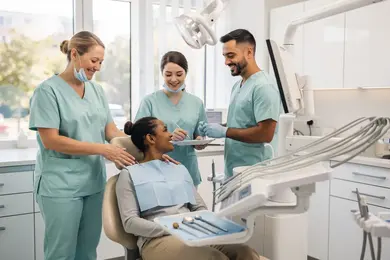
- General Dental Offices: These settings provide foundational experience through routine procedures and patient care under experienced supervision, allowing students to develop essential dental assisting skills in a typical practice environment.
- Specialty Dental Clinics: Focusing on areas like orthodontics or oral surgery, these facilities expose students to advanced treatments and specialized patient management, broadening their clinical knowledge.
- Community Health Centers: Serving diverse populations, these centers offer opportunities to practice dental assisting while addressing public health challenges and improving communication skills.
- Hospital Dental Departments: These units allow students to encounter complex cases and multidisciplinary care settings, enhancing their ability to work alongside various healthcare professionals.
- Long-Term Care Facilities: In such centers, students learn to assist with dental care for elderly or disabled patients, emphasizing adaptability and comprehensive care approaches.
I spoke with a professional holding a dental assistant degree about her clinical placement experience. She recalled feeling apprehensive at first about finding a nearby site that would accept her for hands-on training. "It wasn't just about location-it was about finding a facility where I could truly learn and feel supported," she said.
Eventually, she secured a position at a community health center, which exposed her to a wide range of patient needs and taught her invaluable soft skills. Reflecting on it, she emphasized how vital that experience was for building confidence and a sense of belonging in the dental field, affirming that local clinical placements can be both challenging and rewarding when matched carefully to a student's goals.
How flexible are dental assistant clinical schedules and locations?
Dental assistant programs often provide adaptable clinical scheduling and placement options to accommodate diverse student needs and geographic locations. Around 60% of healthcare training now incorporates some online or hybrid formats, which enhances flexibility in fulfilling clinical requirements. This adaptability is crucial for students balancing education with work, family, or travel limitations.
Key features of this flexibility include:
- Local Placement Access: Many programs coordinate with dental offices near students' homes, reducing commute times and allowing students to integrate hands-on training without major disruption to their daily lives.
- Alternative Hours: Evening and weekend clinical shifts are frequently offered to support those with daytime work or personal commitments, helping a wider range of students complete necessary hours on their own schedules.
- Partnership Diversity: Collaborations with various dental providers-such as private practices and community health centers-increase the number of potential clinical sites, offering students a variety of location and timing options for hands-on learning.
- Rural Considerations: For students in less populated areas, programs often help manage longer travel requirements by adjusting placement schedules or arranging transportation support, easing the burden of distance.
- Hybrid Program Coordination: Combining online coursework with in-person clinical experiences allows students to tailor their schedules more efficiently, balancing remote study with flexible, supervised clinical time to meet program standards.
How do preceptors and clinical site approvals work?
Dental assistant programs collaborate extensively with local healthcare providers to secure clinical sites and qualified preceptors, ensuring students gain supervised, practical experience near their communities. Nearly 75% of healthcare training programs face challenges finding sufficient preceptors, highlighting the critical role these partnerships play in clinical placement availability. This coordination supports compliance with accreditation standards and promotes effective student learning.
The approval of clinical sites and preceptors typically involves several key components that help maintain quality and consistency in dental assistant training:
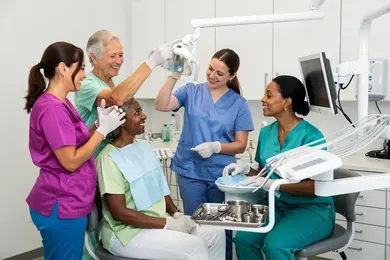
- Preceptor Qualifications: Preceptors must be licensed dental professionals with relevant clinical experience who can mentor students effectively. Their role includes providing direct supervision, guidance, and constructive feedback throughout the clinical training period.
- Affiliation Agreements: Formal agreements between schools and clinical sites define responsibilities, roles, and liability considerations. These contracts ensure legal compliance and clarify expectations for all parties involved in the clinical education process.
- Site Evaluation: Clinical locations undergo thorough evaluations assessing patient volume, safety protocols, and availability of necessary dental equipment. This process ensures that sites offer a learning environment aligned with program education goals.
- Supervision Standards: Preceptors monitor student performance carefully and confirm that required competencies are met. Depending on program policies, supervision may be direct or indirect but always emphasizes maintaining educational quality and patient safety.
- Approval Timelines: Obtaining site and preceptor approval can take several weeks due to background checks, documentation verification, and coordination with accrediting bodies. Early planning by students and programs facilitates timely placement.
- Student Coordination: Students contribute by submitting clinical site preferences and necessary paperwork promptly. Their proactive engagement helps streamline scheduling and communication between the educational institution and clinical partners.
What costs should you expect when completing dental assistant clinicals locally?
Students pursuing dental assistant clinical placements near home can face various direct and indirect expenses beyond tuition. Research indicates that healthcare students often spend between $500 and $1,500 out-of-pocket on clinical-related costs, which may impact their overall affordability during training. Balancing these expenses alongside other financial responsibilities is a common challenge.
When budgeting for local clinical requirements, several typical costs should be considered:
- Transportation and Fuel: Regular travel to clinical sites can be costly, especially if the facility is not nearby. Students may spend $50 to $150 monthly on gas, vehicle maintenance, or public transit fares depending on distance and transportation mode.
- Uniforms and Supplies: Clinicals usually require students to purchase specific uniforms such as scrubs, along with essential supplies like gloves, masks, and protective eyewear. Initial costs for these items generally range from $100 to $250 based on quality and quantity.
- Immunizations and Background Checks: To comply with healthcare regulations, students need current immunizations and clear background screenings before starting clinicals. These medical and administrative requirements typically cost between $100 and $300, varying by location and provider.
- Parking Fees: Many clinical sites impose parking charges that range from $5 to $15 per day. Over several weeks or months, these fees add noticeably to the total expenses for students completing local dental assistant clinical costs.
- Site-Specific Onboarding Fees: Some facilities require orientation or administrative fees for onboarding, which can range from $50 to $200. These charges are usually mandatory and not negotiable for students placed onsite.
For those interested in flexible study options related to healthcare, exploring online radiology programs can provide alternative pathways. Careful planning will help prospective students decide whether local clinical placements align with their finances or if relocation might be necessary when managing expenses for dental assistant clinical placements near home.
What challenges can students face with local clinical placements?
Some students pursuing dental assistant degrees may find opportunities to complete clinicals near their home or hometown, but local placements often come with logistical, administrative, or geographic challenges. Issues such as limited placement capacity, coordination demands, and facility availability can affect scheduling and access. Nearly 40% of healthcare training programs report clinical placement shortages, making local experiential learning increasingly competitive and restricted.
Common challenges encountered with local dental assistant clinical placement include:
- Limited Placement Sites: Many local healthcare facilities have few or no available spots for dental assistant clinical students, increasing competition and making it harder to secure a placement nearby.
- Geographic Restrictions: Students living in rural or underserved regions may face a scarcity of qualified clinical sites within reasonable commuting distance, limiting their options.
- Approval and Coordination: Schools must approve clinical sites, but varying onboarding procedures and communication issues with coordinators can delay or complicate scheduling placements.
- Scheduling Conflicts: Clinical site hours may not align well with academic timetables, forcing students to manage challenging class and placement schedules simultaneously.
- Qualified Supervisors: Access to certified or experienced clinical supervisors can vary locally, affecting the quality of hands-on training available to students.
Given these factors, dental assistant students should carefully assess whether their program's clinical placement process and local site availability will meet their needs. For those interested in related healthcare fields, exploring alternative options such as a nutritionist degree online may also provide more flexible clinical opportunities.
Can local dental assistant clinicals help you get a job after graduation?
Completing dental assistant clinicals locally offers valuable hands-on experience and helps students establish meaningful connections within their regional healthcare community. Studies show that over 70% of healthcare employers prefer candidates who have clinical experience in nearby facilities, highlighting the advantage of local placements for job prospects. Such proximity allows students to gain practical skills while becoming familiar with area-specific healthcare practices.
Local clinical experiences can enhance employment opportunities in several important ways:
- Professional Networking: Students build relationships with dental professionals and staff in their area, increasing the chances of receiving job referrals or endorsements based on familiar connections.
- Healthcare System Familiarity: Working in local clinics helps students understand operational workflows and cultural norms unique to the region, easing their transition into the workforce.
- Employer Recognition: Demonstrating competence in a local clinical setting raises a student's profile among potential employers who value proven, practical skills in their own community.
- Workforce Needs Alignment: Regional employers often seek graduates acquainted with their patient demographics and protocols, making local clinical experience especially relevant.
- Communication Skills: Ongoing interactions with care teams during local placements strengthen collaboration abilities, a key proficiency valued by employers.
- Practical Readiness: Hands-on experience nearby builds confidence and real-world competence, smoothing the shift to paid roles post-graduation.
What Students Say About Completing Dental Assistant Clinicals Locally
- Alden: "Completing my dental assistant clinical hours locally has been a huge advantage, providing hands-on experience in a familiar healthcare environment close to home. The placement process required submitting detailed documentation and meeting specific prerequisites, which made me feel prepared and supported throughout. I genuinely believe that gaining clinical experience nearby has enhanced my confidence and readiness for a dental career without the stress of considering relocation."
- Bear: "Coordinating dental assistant clinical placements in my area has been more challenging than I expected, mainly due to limited availability at clinics nearby and scheduling conflicts. While I wish there were more local opportunities, working through these hurdles taught me valuable problem-solving skills and persistence. Despite the obstacles, I feel that local clinicals are instrumental in building practical skills that make the transition to a full-time role much smoother."
- Easton: "I chose to fulfill my dental assistant clinical hours at healthcare facilities near where I live because it allowed me to maintain my personal routine while gaining meaningful experience. The program's clear guidelines on clinical requirements helped me seamlessly integrate into local practices without needing to relocate. This proximity not only strengthened my career prospects but also gave me a real sense of community involvement and professional growth."
Other Things You Should Know About Dental Assistant Degrees
Yes, most local clinical sites require supervision by a licensed dentist or a qualified dental professional who meets state regulations. The supervising professional must often be approved by the educational institution and available during all clinical hours to ensure proper guidance and patient safety. These supervision rules ensure the quality and legality of the clinical experience.
Clinical performance is usually assessed through direct observation, skill checklists, and written evaluations from supervisors at the clinical site. Students may also need to complete a clinical log or portfolio demonstrating competency in specific procedures. This structured evaluation is critical for ensuring that students meet the required standards before certification or graduation.
While students can express preferences, placement options are often limited by the availability of approved sites and the capacity of local dental offices to host students. Educational programs typically maintain a list of pre-approved clinical sites and coordinate placements to match program requirements with available options. Flexibility and early communication with the program coordinator improve the chances of a satisfactory local placement.
References
- Clinical Site Preceptor Approval Policy | School of Medicine https://med.unr.edu/about/policies/physician-assistant-student-policies/clinical-site-preceptor-approval-policy
- Clinical Rotation Centers https://bayuniversity.org/clinical-rotation-centers/
- Navigating the Challenges of Local Hiring - Troika https://troikatechnology.com/navigating-the-challenges-of-local-hiring/
- State Authorization | CIIS https://www.ciis.edu/admissions-and-financial-aid/student-location/state-authorization
- FNP Clinical Rotation Sites: How to Find and Get Approved https://www.nphub.com/blog/find-fnp-clinical-rotation-sites
- Dental Assistant Onboarding Checklist: A Step-by-Step Guide https://wonderfuldental.com/blogs/news/dental-assistant-onboarding-checklist
- State Authorization https://www.utoledo.edu/offices/internalaudit/institutional-compliance/state-authorization
- Dental Students | Clinical Placement | One Dental https://www.onedental.com.au/dental-students-clinical-placement/
- Clinical Trial Costing: Phase-By-Phase Budget Guide | Abacum https://www.abacum.ai/blog/clinical-trial-costing
- A comprehensive guide to multi-state licensing in behavioral health - blueBriX https://bluebrix.health/blogs/comprehensive-guide-to-multi-state-licensing-in-behavioral-health