2027 Dental Assistant Practicum Requirements Explained

Co-Founder and Chief Data Scientist
Students pursuing a dental assistant degree often struggle to meet practicum requirements essential for graduation and licensure. Programs and state licensing boards set strict standards for supervised clinical hours, approved placement sites, GPA minimums, and background checks-factors that can delay progress if misunderstood.
According to the American Dental Education Association, nearly 65% of dental assistant students encounter placement challenges due to limited clinical sites or scheduling conflicts. Early comprehension of these requirements helps students navigate program-specific rules, arrange compliant placements, and maintain eligibility for certification.
This article clarifies dental assistant practicum expectations across states and programs to help readers prepare effectively and avoid delays.
Key Things To Know About Dental Assistant Practicum Requirements
- Practicum hours provide essential hands-on experience-allowing students to apply theoretical knowledge in real dental office environments and enhance clinical skills under expert supervision.
- Field experience and internships expose students to workplace dynamics and patient interaction-developing professional communication and teamwork critical for career success.
- Meeting practicum requirements is often mandatory for certification-ensuring graduates are well-prepared and competitive in the job market with verified clinical competence.
What Is A Practicum In Dental Assistant Program?
A practicum in a dental assistant program serves as an essential bridge between classroom instruction and practical application, providing supervised hands-on experience in clinical settings. These practicums are commonly integrated into U.S. higher education curricula to meet accreditation standards and prepare students for professional roles. Studies indicate that over 70% of healthcare employers prefer candidates who have completed direct experiential training, underscoring the value of practicum requirements for dental assistant programs in the US.
Key elements of a dental assistant clinical practicum overview and eligibility criteria include the following:
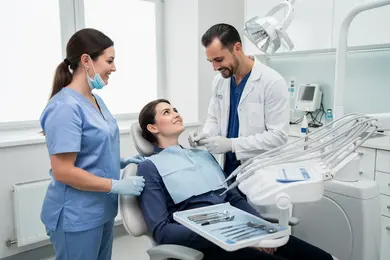
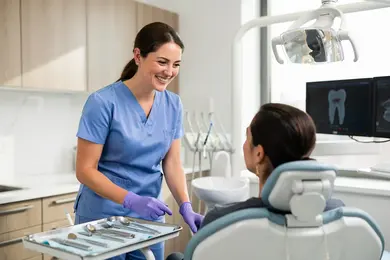
- Supervised Fieldwork: Students participate in patient care activities under the guidance of licensed dental professionals, gaining applied experience by assisting in procedures and practicing infection control. This structured fieldwork ensures real-world skill development in a controlled environment.
- Clinical Hours Requirement: Programs typically require between 100 and 300 clinical practicum hours, providing sufficient exposure to a range of dental procedures and patient interactions. These hands-on hours are essential to building competency.
- Timing Within Curriculum: Practicums usually follow prerequisite coursework covering anatomy, dental materials, and safety protocols to ensure students have foundational knowledge before clinical exposure.
- Evaluation and Feedback: Licensed dentists or certified dental assistants closely supervise and assess students' clinical skills, professionalism, and safety adherence. Their evaluations inform final grades and certify readiness for certification exams.
- Placement and Approvals: Academic programs coordinate with approved dental offices or clinics to secure practicum sites that meet educational and licensure standards, ensuring quality training environments.
The practicum is not only a program requirement but also a strategic asset that enhances employability by fostering practical skills, mentorship, and professional exposure. For students seeking accessible options, exploring the easiest nursing program to get into can provide insights into pathways with supportive clinical requirements.
What Are The Eligibility Requirements For Dental Assistant Practicum?
Eligibility criteria for dental assistant practicums help ensure students are academically and professionally prepared for supervised clinical experiences. These standards protect patient safety while enhancing student success through structured hands-on learning. According to the American Dental Education Association, over 85% of dental assisting programs require documented competency before students begin field placements, underscoring the importance of readiness in experiential learning.
Typical eligibility requirements for dental assistant practicum placement include the following key factors:
- Academic Performance: Students are usually required to maintain a minimum cumulative GPA-commonly between 2.5 and 3.0-to demonstrate mastery of foundational coursework. This academic benchmark ensures learners are prepared to handle clinical responsibilities effectively.
- Prerequisite Coursework: Completion of essential coursework such as anatomy, dental terminology, and infection control is mandatory before practicum participation. These courses lay the groundwork for safe and knowledgeable patient interaction.
- Competency Demonstration: Programs commonly require students to prove proficiency in clinical skills or simulated tasks. This is often assessed through practical exams or faculty evaluations, confirming readiness for real-world dental assisting duties.
- Faculty Approval: Formal endorsement from instructors or program coordinators is typically necessary. This approval considers academic performance, skill levels, and professional conduct within the program.
- Administrative Compliance: Students must complete background checks, drug screenings, immunizations, and health clearances according to clinical site policies. Additionally, liability insurance and site-specific onboarding are frequently required to meet legal and institutional standards.
Students interested in the sector may also explore affordable educational paths such as the cheapest online nursing programs as a related option within healthcare fields.
How Many Practicum Hours Are Required For Dental Assistant Program?
Practicum hour requirements in dental assistant programs ensure students acquire the hands-on experience necessary for clinical competence and workforce readiness. These mandates differ by institution, state laws, and accreditation guidelines-often involving substantial time in patient care settings. Research indicates employers highly value candidates with robust practical training as a foundation for job performance.
Several critical factors shape how practicum hours are established and fulfilled in dental assistant education:
- Typical Hour Ranges: Most programs require between 200 and 500 practicum hours, with variations depending on whether the program is a certificate or an associate degree, as well as state regulatory expectations.
- Hands-On vs Observation: While observation counts toward total hours, the majority must be direct patient care and clinical procedures. This balance ensures technical skills are developed rather than passive participation.
- Phased Practicum Structure: Many curricula divide practica into rotations across specialties such as general dentistry, orthodontics, or oral surgery. This segmented approach broadens clinical exposure and prepares students for diverse workplace environments.
- Supervision and Verification: Supervising dental professionals must oversee practicum activities, signing off on completed hours. Programs require detailed logs and competency assessments to confirm skill mastery before graduation.
- Weekly Commitment and Timeline: Students typically log consistent weekly practicum hours over one or more semesters. This pacing aligns with academic calendars and facilitates gradual skill acquisition rather than last-minute completion.
A professional who completed a dental assistant degree shared his experience about meeting practicum hour requirements: "Balancing clinical rotations with schoolwork was challenging, especially coordinating schedules with supervisors. Keeping an accurate log was crucial because every hour had to be documented and verified. The hands-on practice was intense but rewarding-it really solidified my confidence before entering the workforce. At times, I felt overwhelmed, but the structured rotations helped me see how each phase built on the last." This reflection highlights that beyond counting hours, the practicum is a demanding yet invaluable component of training that shapes readiness for real-world dental assisting careers.
What Courses Must Be Completed Before Starting Practicum?
Prerequisite coursework serves a critical function in equipping students with the essential knowledge and skills necessary for a successful dental assistant practicum. Academic programs often sequence theoretical study before clinical placements to ensure students are prepared to engage safely and competently in supervised fieldwork-over 70% of programs follow this structure to enhance student readiness. These foundational courses set the stage for practical learning and meet employer expectations for applied preparation across health professions.
The following categories of coursework are typically required before beginning practicum experiences in dental assistant programs and related fields such as nursing or allied health:
- Foundational Theory: Students must grasp dental anatomy, terminology, and oral health principles, building a scientific base that underpins procedural support and clinical tasks during practicum.
- Professional Ethics and Compliance: Courses in ethical standards and legal responsibilities prepare students to maintain patient confidentiality and engage in responsible conduct throughout their practice.
- Research and Clinical Assessment: Training in evidence-based methods and health evaluation sharpens critical thinking, enabling students to understand patient conditions and infection control protocols essential to practicum duties.
- Communication and Documentation: Focused instruction on interpersonal skills and accurate record-keeping facilitates effective interactions with patients, dental teams, and supervisors under real-world clinical conditions.
- Field-Specific Skills Development: Lab work and simulated practice equip students with hands-on experience in dental tools and procedural support, bridging the gap between theory and practical application.
While the core components remain similar, these prerequisite sequences vary by discipline-for example, counseling emphasizes communication and ethics more, whereas nursing includes intensive clinical science courses. Curriculum sequencing and academic progression ensure students meet eligibility criteria for practicum, thereby aligning coursework completion with workforce readiness. For students exploring accelerated pathways, examining 1 year degree programs can provide insight into streamlined preparation timelines within health education.
How Does The Dental Assistant Practicum Placement Process Work?
The practicum placement process in dental assistant programs connects theoretical coursework with hands-on clinical experience by coordinating students' practical training at approved external sites. Schools collaborate with dental offices, clinics, and hospitals to provide structured opportunities that ensure students gain essential skills and meet accreditation standards. Approximately 70% of dental employers show a preference for candidates who have completed supervised practicum training, emphasizing its value in professional readiness.
This process involves several key phases:
- Eligibility Verification: Students must satisfy prerequisites including coursework completion and health compliance measures such as immunizations and background screenings. This step ensures readiness before clinical engagement.
- Application and Matching: Candidates submit preferences or applications to their institution's placement office, which then aligns student schedules and skill levels with available practicum sites in the community.
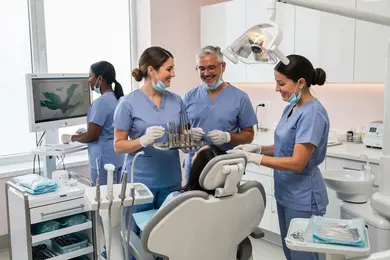
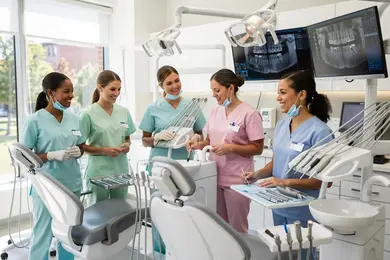
- Institutional Coordination: Faculty coordinators communicate with host facilities to finalize placements, confirm site capabilities, and clarify educational and clinical expectations for students.
- Interview and Screening: Some sites require interviews or screenings to evaluate professionalism, communication, and overall fit within the clinical environment before confirming placement.
- Placement Confirmation and Onboarding: Once assigned, students complete orientation, submit necessary documentation, and resolve logistical challenges such as transportation to ensure smooth integration.
- Ongoing Supervision and Evaluation: Licensed dental professionals and faculty supervisors oversee performance through regular assessments and site visits to maintain compliance with program standards.
A dental assistant graduate reflected on her practicum experience as a pivotal phase-she described initial anxieties about meeting health compliance deadlines and adapting to clinic routines. Despite these hurdles, she appreciated the direct mentorship from experienced professionals and valued how the structured process gradually built her confidence. "The clear communication between my school and placement site made the onboarding much easier than I expected," she noted. This experience ultimately solidified her skills and helped launch her professional career after graduation.
What Documents And Paperwork Are Required Before Practicum?
Prior to beginning practicum placements, dental assistant students must complete essential paperwork to confirm their eligibility and ensure compliance with clinical site standards. These requirements support institutional policies, enhance student preparedness, and uphold safety protocols-reflecting practices noted in 85% of healthcare training programs that emphasize stringent pre-practicum screening. Proper documentation also serves to protect patients and clinical staff throughout the educational experience.
Students typically need to provide several key documents before enrolling in a practicum, including:
- Practicum Application: A formal submission detailing academic progress, contact information, and preferred placement sites. This application allows coordinators to verify prerequisites and monitor student participation.
- Institutional Approval: Authorization from the academic program confirming the student's enrollment status and good standing. Often, this requires faculty endorsements or departmental permissions to ensure eligibility for external fieldwork.
- Health Clearances: Documentation such as immunization records, tuberculosis test results, and physical exams that comply with clinical site health policies. Keeping these records current is essential to minimize risks and meet professional safety standards.
- Background Checks: Criminal history screenings mandated by many placement sites to ensure safety and regulatory compliance. These checks must be completed well in advance to allow for processing and verification.
- Consent and Liability Forms: Signed agreements that acknowledge understanding of confidentiality rules, liability waivers, and professional conduct expectations. These forms safeguard all parties involved and reinforce ethical practice.
- Placement Verification: Site-specific documents that might include insurance proof, orientation completion, or other onboarding requirements unique to the clinical environment. These facilitate seamless integration into the practicum setting.
What Background Checks, Immunizations, Or Clearances Are Needed?
Pre-practicum compliance requirements in academic programs serve an essential role in protecting both students and the patient populations they will encounter during field experiences. Health, safety, and legal clearances ensure that students meet professional standards and reduce risks inherent in clinical environments. Research shows that over 90% of healthcare-related education programs enforce stringent background and immunization screenings to maintain workplace safety and regulatory compliance.
Common required checks and clearances typically include the following:
- Criminal Background Checks: These reviews evaluate a student's criminal history, often including fingerprinting, to safeguard patients and comply with healthcare regulations. They prevent individuals with disqualifying convictions from participating in clinical placements.
- Immunizations and Tuberculosis Testing: Immunity proof for vaccines such as MMR, Hepatitis B, and influenza is required alongside tuberculosis screening. These measures protect against disease transmission and affirm student suitability for patient contact.
- CPR Certification: Basic Life Support (BLS) or CPR certification is generally mandatory, ensuring students can respond to emergencies effectively throughout their practicum.
- Drug Screening and Occupational Clearances: Some placement sites require drug tests to promote safety, while occupational health clearances confirm physical ability to perform clinical duties.
- Institutional and Regulatory Compliance: Depending on the practicum location, additional clearances such as child abuse registry checks may be mandated, reflecting varying legal and ethical obligations across settings and states.
What Should Students Expect During Dental Assistant Practicum Placement?
Practicum placements in dental assistant programs provide crucial hands-on experience that connects classroom instruction with real-world clinical practice. These supervised experiences enable students to develop essential skills while navigating authentic work environments, enhancing their preparedness for employment. Research shows that 82% of dental employers prefer candidates with completed hands-on practicum training, underscoring the growing importance of experiential learning in workforce readiness.
Students should expect several important elements during their dental assistant practicum daily responsibilities and learning process:
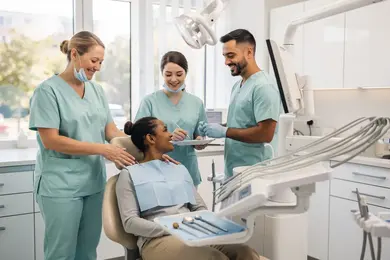
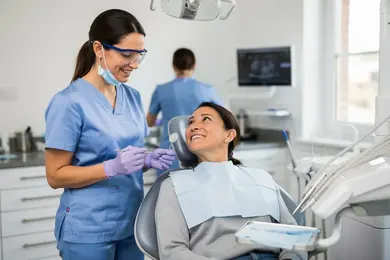
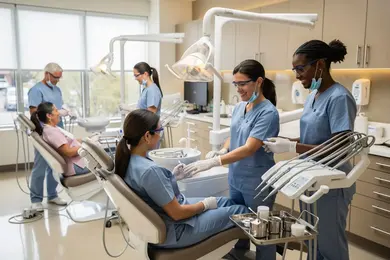
- Clinical Responsibilities: Students assist with patient preparation, instrument sterilization, and maintaining dental records. These tasks foster familiarity with office workflows and help build foundational practical skills under careful supervision.
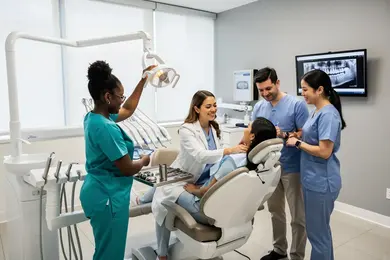
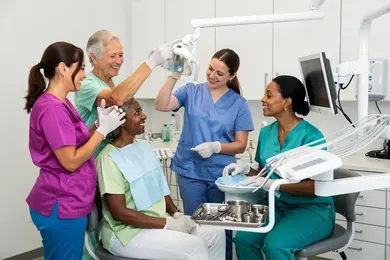
- Supervision and Mentorship: Licensed dental professionals closely oversee placements, providing expert guidance and constructive feedback. This mentorship supports student growth by refining clinical techniques and emphasizing professional standards.
- Professional Conduct: Students must adhere to workplace policies such as confidentiality, punctuality, and appropriate attire. Demonstrating professional behavior is vital to showing readiness for the healthcare environment.
- Evaluation and Feedback: Regular assessments review skill proficiency, communication effectiveness, and the ability to follow directions. These evaluations help identify areas for improvement and ensure alignment with program competencies.
- Skill Development: Both technical skills-like dental impressions and material preparation-and soft skills such as patient interaction and teamwork are emphasized. This comprehensive training strengthens career readiness and confidence.
- Communication in Practice: Effective, respectful communication with patients and team members is essential. Developing these interpersonal skills contributes to smoother clinical operations and a positive workplace atmosphere.
- Common Challenges: Students often face time management demands and adapting to fast-paced clinical settings. Overcoming these challenges builds resilience and adaptability crucial for professional success.
For students aiming to further their education, exploring options such as a PhD healthcare can complement practical knowledge gained from the practicum.
How Are Practicum Students Supervised And Evaluated?
Supervision and evaluation in dental assistant practicums serve to ensure that students develop essential clinical skills while upholding academic standards. These processes support student growth through ongoing feedback and structured oversight, which are commonly integrated across U.S. educational programs to maintain accountability and promote effective learning. Research shows that structured experiential learning increases workforce readiness by up to 30% in allied health fields, highlighting the importance of thorough practicum assessments.
To understand how dental assistant practicum supervision is conducted and evaluated, consider these key components:
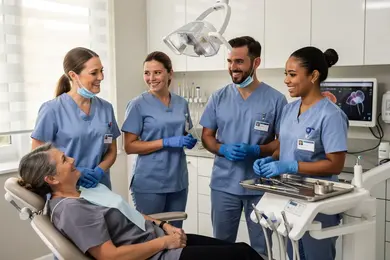
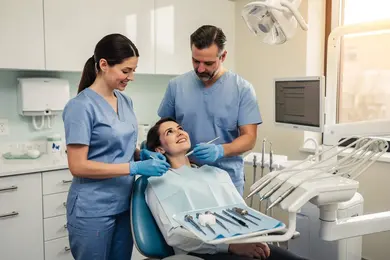
- Supervisor Roles: Clinical supervisors, typically experienced dental professionals, provide direct daily oversight of student activities. They deliver immediate guidance, correct techniques, ensure patient safety, and act as the primary source of hands-on instruction.
- Mentor and Faculty Support: Faculty advisors and mentors offer broader academic coordination between the institution and practicum site. They monitor student progress, address challenges, and facilitate communication to align hands-on experience with curricular objectives.
- Communication and Feedback: Regular progress meetings create continuous dialogue between students and supervisors. Feedback includes observations, discussions, and written evaluations aimed at fostering reflective learning and refining skills.
- Assessment Methods: Evaluation of dental assistant practicum students employs direct observation, competency checklists, reflective journals, and performance reviews by site coordinators and faculty. These tools collectively measure technical proficiency, professionalism, and adherence to safety protocols.
- Documentation and Reporting: Supervisors and coordinators use standardized forms or digital portfolios to document assessments, providing academic staff with comprehensive records of student achievements and areas for improvement.
- Variability Across Programs: While the specifics of supervision and evaluation can differ based on institutional policies or accrediting bodies, the overall goal remains ensuring students meet competency requirements and enter the workforce prepared.
For those interested in broader allied health education pathways, exploring accredited kinesiology programs can provide additional insight into structured practicum opportunities that similarly emphasize supervision and evaluation quality.
How Does Practicum Help With Licensure Or Certification Requirements?
Practicum experiences are essential for dental assistant students aiming to meet licensure or certification prerequisites by providing supervised, hands-on clinical training that links academic study to professional standards. These placements ensure students gain practical skills while fulfilling regulatory mandates-recently, over 85% of employers reported preferring to hire licensed dental assistants who have completed documented practicum hours.
Key elements of practicum requirements include the following:
- Clinical Hours Fulfillment: Practicum serves to complete mandatory clinical hours required by licensing agencies, giving students essential patient care exposure that cannot be replicated through classroom instruction alone.
- Competency Evaluation: Students undergo assessments during practicum to verify mastery of critical dental assisting procedures and workplace skills, ensuring readiness for certification exams and safe practice.
- Structured Supervision: Licensed professionals or credentialed educators supervise practicums to guarantee adherence to accrediting body standards, promoting consistent, high-quality experiential learning.
- Documentation and Verification: Educational institutions systematically track practicum completion and submit official confirmations to certifying boards, providing proof that students satisfy all experiential mandates.
- Discipline-Specific Application: While especially relevant for dental assisting, practicum standards also extend to related fields like healthcare education and counseling, with requirements tailored to each profession's scope and credentialing criteria.
What Do Students Say About Their Dental Assistant Practicum Experience?
- Alden: "During my dental assistant practicum, I initially struggled with meeting the eligibility requirements because some of my immunization records were delayed. However, once everything was sorted, I found the hands-on experience extremely valuable-much more than I expected. My supervisor was very supportive and provided consistent feedback, which really helped me improve my clinical skills day by day."
- Bear: "I was a bit nervous going into the practicum, but the experience completely exceeded my expectations. The placement environment felt very professional, and I appreciated how closely I was supervised, yet given enough responsibility to develop confidence. The evaluations were detailed and constructive, highlighting areas for growth while celebrating my progress."
- Easton: "The practicum was a pivotal part of my dental assistant training, though I encountered some hiccups with scheduling that made the start a little rocky. Reflecting on it now, the structured supervision and candid evaluations I received strengthened not only my technical abilities but also my communication skills with patients. It was a pragmatic learning curve that prepared me well for real-world dental settings."
Other Things You Should Know About Dental Assistant Degrees
Yes, many dental assistant programs allow students to complete practicum hours at more than one dental office. This flexibility helps students experience diverse work environments and broaden their practical skills. However, all placements must be approved by the program to ensure quality and compliance with training standards.
Policies vary by institution-some dental assistant programs assist students by arranging practicum sites, while others expect students to find placements independently. Students should confirm with their program coordinators to understand their responsibilities and seek assistance if needed.
If students encounter difficulties completing practicum hours within the prescribed timeframe, they must communicate promptly with their program administrators. Extensions may be granted in certain circumstances, but failure to complete hours on time can delay program completion and certification eligibility.
References
- How Can I Prepare for Dental Assistant Training? - Dental Assisting School of Arizona - Tempe, AZ 85283 https://dentalassistingschoolofphoenix.com/blog/how-can-i-prepare-for-dental-assistant-training/
- Things You'll Learn During Your Externship | NE Dental Academy https://www.nedentalacademy.com/blog/
- Dental Assistant Education Explained | Risio Institute https://risiodental.com/dental-assistant-education-explained/
- Background Clearance Info - PIAA https://www.piaa.org/officials/become/clearances.aspx
- COCC Dental Assisting Practicums: Hands-on Training in Real Dental Clinics - Central Oregon Community College https://cocc.edu/programs/dental-assisting/practicums
- Dental Assisting https://www.sait.ca/programs-and-courses/certificates/dental-assisting
- Dental Assisting - Admissions https://admissions.usask.ca/dental-assisting.php
- How to Become a Registered Dental Assistant in the UK https://www.sagedentalnursing.uk/blog/how-to-become-a-registered-dental-assistant
- What to Expect During Your Dental Assistant Externship | B.O.B Dental Academy Blog https://bobdentalacademy.com/blog/dental-assistant-externship-expectations
- iprospectcheck.com: Verifying that you are not a robot... https://iprospectcheck.com/healthcare-background-checks/