2027 Entry-Level Jobs With a Dental Assistant Degree

Co-Founder and Chief Data Scientist
What entry-level jobs are available with a dental assistant degree in today's competitive healthcare market? Many recent graduates face this question while navigating a field expected to grow 11% through 2032, according to the U.S. Bureau of Labor Statistics. Beginner roles often include chairside assistant, sterilization technician, and front office staff, providing valuable experience and foundational skills.
These positions offer practical exposure to dental procedures and patient care, essential for career advancement. This article explores common entry-level careers for dental assistant degree holders and guides graduates on potential employment paths as they start their professional journey.
Key Benefits of Entry-Level Jobs With a Dental Assistant Degree
- Entry-level jobs with a dental assistant degree provide essential hands-on experience, allowing graduates to develop practical skills in patient care, radiography, and office management early in their careers.
- These roles lay the foundation for career advancement by offering exposure to various dental procedures, increasing job readiness for supervisory or specialized positions within five years.
- Working in entry-level positions helps graduates build professional networks and strengthen resumes, factors linked to a 15% higher employment rate in dental health fields.
What Entry-Level Jobs Can You Get With a Dental Assistant Degree?
Employment for dental assistants is expected to grow by 11% over the next decade, reflecting strong demand for entry-level candidates in this field. Graduates who have earned a dental assistant degree can access a variety of beginner roles that provide critical hands-on experience and develop foundational skills.
Below are common entry-level dental assistant jobs that help build career momentum and professional competence.
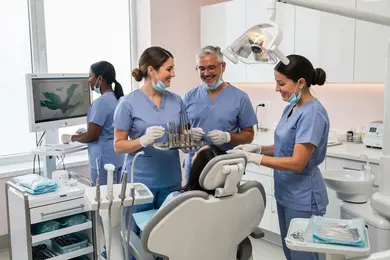
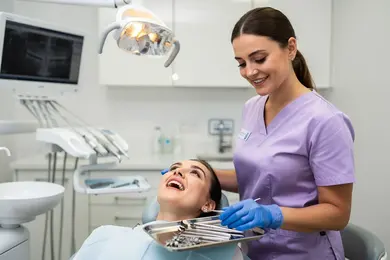
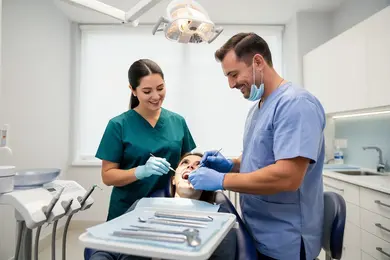
- Dental Assistant: This core role involves supporting dentists during procedures by prepping instruments, sterilizing equipment, and assisting with patient care. It offers practical clinical experience essential for advancing within dental healthcare settings and deepening knowledge of oral treatment protocols.
- Dental Receptionist: Focusing on administrative duties, dental receptionists manage appointments, patient records, and billing processes. This position enhances communication and organizational skills while exposing graduates to the operational side of a dental office.
- Dental Lab Assistant: Lab assistants work behind the scenes crafting dental prosthetics such as crowns and dentures. Tasks like trimming and polishing develop technical proficiency and understanding of dental materials, complementing clinical expertise for future opportunities.
- Radiology Assistant: These assistants operate dental X-ray equipment to capture diagnostic images, gaining specialized knowledge in dental imaging and patient safety protocols. This role equips graduates with skills that are increasingly relevant in modern dental practices.
- Patient Care Coordinator: Serving as a liaison between patients and providers, patient care coordinators explain treatment plans and assist with insurance matters. This customer-facing job strengthens interpersonal and administrative capabilities critical to any dental assistant career.
For those interested in expanding their skillset beyond traditional dental assisting roles, exploring courses such as the cheapest medical billing and coding online courses can provide valuable complementary knowledge supporting career advancement.
Which Industries Hire the Most Dental Assistant Graduates?
Dental assistant graduates find employment in a variety of sectors where their clinical and administrative skills are highly valued. Industry demand remains strong, with nearly 85% of graduates working in traditional dental offices. Several other industries also actively recruit dental assistants, reflecting diverse career paths based on skills and specialization.
Below are some of the main industries hiring these graduates.
- General Dental Practices: This industry employs the largest share of dental assistants, providing routine oral care such as exams, cleanings, and fillings. Graduates support dentists and patients through both clinical procedures and office administration, making it a foundational employment sector.
- Specialty Dental Practices: Fields like orthodontics, periodontics, and oral surgery require dental assistants with knowledge of specialized instruments and procedures. These practices offer opportunities to work on complex treatments, enhancing graduates' clinical expertise.
- Healthcare Facilities: Hospitals and outpatient centers employ dental assistants to integrate oral health with broader medical care. Here, assistants often collaborate with healthcare teams, assisting patients with medically complex conditions or surgical procedures.
- Educational and Public Health Organizations: These organizations hire dental assistants for community-based roles such as oral health education, preventive screenings, and public dental health initiatives. This sector focuses on improving access and awareness in underserved populations.
- Dental Product Manufacturers: Some graduates work with companies producing or distributing dental products, using their clinical knowledge to support training, demonstrate products, and assist sales teams in effectively communicating benefits to dental professionals.
A dental assistant degree graduate shared that finding the right industry match was a learning experience. "Initially, I wasn't sure whether to join a general dental office or explore specialty clinics," he explained.
He recalled feeling overwhelmed by the variety of roles but found that shadowing different workplaces helped clarify his preferences. "The biggest challenge was adapting to the pace and expectations in each setting," he reflected. Ultimately, this exposure expanded his skills and confidence, underscoring how diverse employment options shape a career after graduation.
Which Entry-Level Dental Assistant Jobs Pay the Highest Salaries?
Entry-level salaries for dental assistant jobs can vary widely depending on the specific duties and skills required. Positions that demand additional training or take on more complex tasks often start with higher pay. Below are several roles ranked by their typical starting salary and responsibilities.
- Expanded Function Dental Assistant (EFDA): This role involves performing advanced clinical tasks such as applying sealants and taking impressions, which require specialized certification. Entry pay usually ranges from $37,000 to $52,000 annually due to the increased technical expertise needed.
- Surgical Dental Assistant: Surgical dental assistants support oral surgeons during procedures, handling sterile instruments and adhering to strict protocols. Their frontline surgical role commands starting salaries generally between $40,000 and $55,000.
- Orthodontic Assistant: Focused on assisting with braces and orthodontic devices, this position calls for specific skills in adjusting appliances and managing treatment schedules. New orthodontic assistants typically earn between $35,000 and $48,000.
- General Dental Assistant: Offering supportive clinical tasks like sterilization and chair-side assistance, this common entry-level role pays roughly $30,000 to $40,000. Its broader, less specialized nature reflects the moderate starting salary.
- Front Office Dental Assistant: Concentrating on administrative duties rather than clinical work, these assistants usually start with lower salaries, around $28,000 to $35,000. Their essential office management role does not typically demand the clinical skills linked to higher pay.
What Skills Do Employers Look for in Entry-Level Dental Assistant Graduates?
Employers hiring entry-level dental assistant graduates focus heavily on practical abilities and soft skills beyond textbook knowledge. A 2022 survey by the American Dental Assistants Association revealed over 60% of employers see interpersonal skills as a significant gap among recent graduates.
Below are some essential skills for entry-level dental assistant jobs that candidates must showcase.
- Attention to Detail: Precise handling of dental instruments, accurate recording of patient data, and the ability to take quality digital impressions are critical. This skill ensures patient safety and efficient office workflows, often assessed during clinical externships or hands-on tests.
- Communication Skills: Clear and compassionate interactions with patients and dental teams help reduce anxiety and foster a cooperative environment. Effective communication is indispensable for explaining procedures and supporting daily teamwork.
- Time Management: Managing multiple duties like tool sterilization, scheduling, and assisting during treatments requires strong prioritization. This skill helps maintain smooth operations and reduces patient wait times in fast-paced clinical settings.
- Manual Dexterity: Steady, precise use of small instruments is vital for quality dental care. This capability is typically evaluated through clinical rotations and practical demonstrations to ensure they meet workplace demands.
Entry-level dental assistant graduates should focus on developing strong communication skills and proficiency in clinical tasks to meet employer expectations. For those exploring further education, programs like the DNP program offer pathways to advance clinical expertise and career growth.
Do Employers Hire Dental Assistant Graduates With No Internships?
Employers typically favor dental assistant candidates who have completed internships, as hands-on experience provides valuable exposure to clinical settings, patient care, and office workflows. Studies indicate that around 65% of hiring managers prefer applicants with internship backgrounds, viewing this practical training as an asset during entry-level recruitment. However, internship experience is not an absolute requirement in all cases. Many employers also consider other factors when evaluating recent graduates.
Graduates lacking internship experience can still secure positions by highlighting strong academic records and relevant coursework that demonstrate their knowledge of dental assisting practices. Transferable skills such as effective communication, organizational abilities, and familiarity with healthcare software also strengthen a candidate's profile.
Additionally, project work or simulated clinical exercises completed during training can showcase practical competence. It's important to note that hiring preferences vary depending on the specific job, employer size, and workplace setting, with some prioritizing adaptability and eagerness to learn over prior internship experience alone.
What Certifications Help Entry-Level Dental Assistant Graduates Get Hired?
Certifications can significantly enhance a dental assistant graduate's job prospects by validating specialized skills beyond their degree. Research shows that certified dental assistants have about a 25% higher likelihood of employment within their first year compared to those without credentials.
Below are key certifications that strengthen early career opportunities in this field.
- Certified Dental Assistant (CDA): This credential from the Dental Assisting National Board confirms proficiency in clinical assisting, infection prevention, and radiation safety. Employers prefer CDA holders as it signals adherence to national standards and reliable performance in essential duties.
- Radiation Health and Safety (RHS) Certification: Many states require dental assistants to have RHS certification to legally operate X-ray equipment. Holding this certification indicates an assistant's qualified handling of radiographic tools, expanding the scope of responsibilities they can undertake.
- Infection Control Exam (ICE) Certification: Also offered by DANB, the ICE certification verifies expertise in maintaining sterile environments and reducing contamination risks, which are critical for patient safety and regulatory compliance.
- CPR Certification: While not dental-specific, CPR training is a common prerequisite ensuring readiness to manage emergencies. It adds to an assistant's employability by demonstrating preparedness for urgent medical situations.
- Expanded Functions Dental Assistant (EFDA) Certification: In states where available, this advanced credential permits assistants to perform additional clinical tasks like applying sealants or placing temporary fillings, thus enhancing job versatility and career momentum.
A professional with a dental assistant degree shared that after graduating, she faced initial uncertainty about standing out among many applicants. She explained, "Getting my CDA felt like unlocking a new level of confidence. It wasn't just about having a diploma anymore; it was proof to employers that I was ready to handle real responsibilities safely."
She recalled the rigorous exam preparation and the relief when certification opened doors to interviews that previously seemed out of reach. Her experience underscored how certifications not only validate skills but also boost morale during the challenging job search process.
How Can Students Prepare for Entry-Level Dental Assistant Jobs While in College?
Early preparation significantly boosts employability for dental assistant graduates, as many employers prioritize candidates who show practical skills and workplace readiness immediately after college. A 2023 survey by the American Dental Education Association found that 78% of employers favor hiring graduates with hands-on experience during their studies.
The following strategies help students build career readiness before graduation.
- Practical Experience: Volunteering in dental offices or assisting faculty with clinical tasks provides real-world familiarity with dental procedures and patient care. This early exposure allows students to develop confidence and adapt quickly to workplace demands.
- Technical and Soft Skills: Mastering dental software, sterilization techniques, and other technical skills enhances job readiness. Equally important are communication and teamwork abilities, which improve interactions with patients and colleagues.
- Academic Projects: Participating in coursework or projects simulating dental assisting scenarios fosters critical thinking and problem-solving capabilities. These skills are highly valued by employers in clinical environments.
- Campus Resources: Utilizing career services, attending workshops on interviewing and resume writing, and engaging in healthcare networking events prepare students for job search challenges. These resources also help students understand employer expectations and industry standards.
How Competitive Is the Entry-Level Job Market for Dental Assistant Graduates?
The entry-level job market for dental assistant graduates remains moderately competitive, balancing steady demand with a substantial number of applicants. Employment in this field is projected to grow by about 7% over the next decade, indicating reliable hiring trends for new graduates. This steady growth means there are consistent opportunities, but competition can still be significant.
Key factors influence how competitive the entry-level dental assistant job market trends and hiring expectations unfold. The volume of applicants each year is high due to many accredited programs producing well-trained graduates, and employers often look beyond basic qualifications. They typically seek candidates with strong interpersonal skills and the ability to adapt quickly to clinical environments.
Geographic location and the type of dental practice also play a role-urban areas generally offer more positions but attract more candidates, while specialized roles may demand additional experience, making those positions more selective. Exploring options like online colleges with no application fee can also help some candidates prepare more affordably for this career.
What Remote Entry-Level Jobs Can You Get With a Dental Assistant Degree?
Remote work opportunities for entry-level professionals with a dental assistant degree have grown considerably, mirroring a broader trend seen in healthcare support occupations. According to the U.S. Bureau of Labor Statistics, early career remote work in these roles increased by over 20% in the past five years.
This shift reflects the growing impact of telehealth and digital tools in dental care, enabling recent graduates to find remote positions that build experience and skills. Below are common remote dental assistant roles for recent graduates.
- Dental Insurance Claims Processor: This role involves verifying patient insurance coverage and submitting claims remotely. It helps dental offices secure timely reimbursements while developing knowledge of dental procedures and attention to detail.
- Patient Scheduling Coordinator: Coordinators handle appointment bookings, cancellations, and follow-ups from home, supporting effective communication between patients and providers to improve office workflow.
- Dental Billing Specialist: Focused on billing operations, these specialists prepare invoices and track payments remotely. The position enhances understanding of dental practice management and financial systems.
- Telehealth Dental Assistant Support: Assisting during virtual dental consultations, this role manages patient data and digital records, providing exposure to emerging telehealth practices directly related to dental assisting.
Those exploring remote dental assistant roles for recent graduates may also consider expanding their education or skills through related fields, such as an accelerated biology degree, which can open additional career pathways within healthcare and life sciences.
How Quickly Can Dental Assistant Graduates Get Promoted?
Promotion timelines for dental assistant graduates vary widely, typically ranging from one to three years after starting in entry-level roles. Advancement largely depends on an individual's performance, skill acquisition, and how complex their assigned duties become. For many, upward movement happens faster in smaller dental offices where multitasking is common, while larger organizations may have more structured career paths that slow promotion rates.
Notably, 67% of dental assistants report promotions or expanded responsibilities within their first two years, highlighting common early-career advancement trends in competitive job markets. Advancement speed is influenced by several factors, including ongoing skill development and strong workplace performance. Dental assistants who communicate well and adapt to new technologies tend to progress more quickly.
Increasing role complexity-from basic chairside tasks to managing records or assisting with intricate procedures-also plays a significant role in promotion potential. However, the average timeline for dental assistant career advancement in entry-level roles varies significantly depending on the employer and regional demand. Those interested in exploring related healthcare education options might consider direct-entry MSN programs for non-nurses online to expand their professional opportunities.
What Graduates Say About Entry-Level Jobs With a Dental Assistant Degree
- Alden: "Applying for an entry-level dental assistant role taught me the importance of flexibility, especially since many positions require on-site work to assist directly with patient care. I prioritized jobs that offered mentorship opportunities because I wanted to build strong foundational skills early on. Starting in this role made me realize how critical these experiences are for advancing to specialized dental fields later."
- Bear: "When choosing an entry-level dental assistant job, I focused on workplace culture and the patient demographic served, as these factors shaped my growth and daily job satisfaction. My application process emphasized finding roles that supported hybrid schedules, which helped me balance work with continuing education. Reflecting back, these positions gave me the confidence to pursue certifications that propelled my career forward."
- Easton: "My perspective on entry-level dental assistant jobs centers on seeing each position as a stepping stone rather than just a paycheck. I carefully reviewed job descriptions to find roles that aligned with my long-term goals, especially those offering exposure to various dental procedures. Being proactive in these roles significantly impacted my ability to transition quickly into more advanced responsibilities."
Other Things You Should Know About Dental Assistant Degrees
Entry-level dental assistants typically work in private dental offices, group dental practices, and community health clinics. Some may also find opportunities in dental schools or hospital dental departments. These settings usually provide supervised, hands-on patient care and administrative experience essential for skill development.
Entry-level positions can be both full-time and part-time, depending on the employer and location. Many dental offices offer flexible scheduling to accommodate new graduates, especially during the first year. Part-time roles may offer fewer benefits but allow for gaining experience while continuing education or certifications.
New dental assistants are often tasked with preparing patients for dental procedures, sterilizing instruments, and assisting dentists during exams and treatments. They may also handle basic administrative duties such as scheduling appointments and managing patient records. These responsibilities provide a broad foundation for career growth.
References
- Dental Assistant Skills Employers Look For When Hiring https://bartramdentalassisting.com/dental-assistant-skills-employers-look-for-guide-florida/
- Top Skills Dentists Want in a Dental Assistant https://dentalassistantschoolsaz.com/blog/qualities-of-a-good-dental-assistant
- Can I Get a Dental Assistant Job With No Experience? https://www.tnpti.com/blog/can-i-get-a-dental-assistant-job-with-no-experience
- Explore Dental Assistant Certification Options https://www.moderndentaltraining.com/post/top-dental-assistant-certifications-for-your-career
- Top Skills Employers Look for in Dental Assistants - Medquest https://medquestcollege.edu/top-skills-employers-look-for-in-dental-assistants/
- Remote Dental Assistant Jobs https://www.virtualvocations.com/q-remote-dental-assistant-jobs.html
- The Future of Dental Assistant Jobs - GoTu https://gotu.com/dental-professionals/the-future-of-dental-assistant-jobs/
- 10 Beneficial Tips for Fresh Dental Assistant Graduates https://gdap.net/10-helpful-tips-for-newly-graduated-dental-assistants/
- How to Become a Dental Assistant: Timeline & Costs https://www.toothio.com/blog/how-to-become-dental-assistant