2027 Medical Billing & Coding Degree Programs With Rolling Admissions

Co-Founder and Chief Data Scientist
Imagine a career changer navigating the challenge of late decisions amid strict enrollment deadlines. Rolling admissions in medical billing & coding programs offer a solution by enabling flexible start dates and accommodating varying schedules common among working adults. According to the National Center for Education Statistics, 41% of postsecondary students are part-time learners balancing education with employment, underscoring demand for adaptable admission processes.
This flexibility is particularly relevant given the certification exams and employer onboarding timelines that shape pacing and readiness in medical billing & coding careers. This article explores how rolling admissions affect access, timing, and suitability for diverse student needs.
Key Benefits of Medical Billing & Coding Degree Programs With Rolling Admissions
- Rolling admissions allow students to start medical billing & coding programs aligned with personal schedules, but may lead to uneven cohort experiences affecting peer learning and instructor availability.
- Employers increasingly expect certifications aligned with workforce demand timing; rolling admissions enable timely credentialing, though students must balance speed with mastering evolving coding standards.
- Continuous enrollment reduces barriers for those balancing costs or job transitions, yet inconsistent start dates can complicate financial aid planning tied to traditional academic calendars.
How Do Medical Billing & Coding Degree Programs With Rolling Admissions Work?
Rolling admissions in medical billing and coding degree programs fundamentally shift enrollment dynamics by allowing students to start training as soon as they are ready, rather than being confined to traditional semester deadlines. This model addresses real workforce demands for flexible staffing timelines but introduces a range of operational and academic tradeoffs that affect both institutions and students.
- Continuous Enrollment: Students can apply and begin courses throughout the year instead of waiting for fixed start dates. This flexibility aligns with the fluctuating nature of healthcare employment needs, enabling quicker transitions into credentialing and job placement.
- Academic Coordination: Programs often face challenges synchronizing course offerings and cohort activities because students enroll at different times. This can result in uneven access to electives or collaboration opportunities, potentially impacting learning outcomes.
- Workforce Responsiveness: Rolling admissions accommodate employers' need for a steady pipeline of certified professionals, reducing gaps in administrative healthcare roles that directly affect revenue cycle operations. Graduates entering on flexible timelines may be better positioned for timely employment.
- Student Autonomy: Without fixed cohort schedules, learners must proactively manage prerequisites and academic pacing. Greater self-discipline is required, as institutional support services might be less regimented, demanding careful planning to maintain progress.
- Access Expansion: This admission style lowers barriers for non-traditional students balancing work, family, or reskilling needs, enabling immediate application and start. For example, a displaced worker can quickly enter a program without waiting months, reflecting evolving academic strategies in medical billing and coding degree programs with rolling admissions timelines.
Students evaluating their options should weigh how rolling admissions influence both program structure and career timing. For some, this model offers essential flexibility absent in typical cohort-driven systems, but it may come with coordination challenges and less predictable peer interaction. Those seeking the easiest BSN program to get into might appreciate the parallels in how rolling admissions operate across healthcare-related fields, as detailed in easiest BSN program to get into.
What Are the Admission Requirements for Rolling Admissions Medical Billing & Coding Programs?
An ongoing, rolling admissions process prioritizes prompt verification of baseline academic readiness over competitive candidate comparison, reflecting the immediate workforce demand for competent medical billing & coding professionals. This approach supports students balancing external commitments but requires timely and complete documentation to avoid enrollment delays that could hinder entry into the healthcare administration pipeline.
Key admission requirements typically manifest as the following:
- High School Diploma or Equivalent: Essential proof of foundational education, such as a GED, ensures candidates possess basic literacy and numeracy necessary for accurate coding and billing tasks.
- Application Form: A completed form detailing personal information and educational background, enabling continuous candidate tracking without admission cycles.
- Transcripts: Submission of official prior academic records may be required, especially when credits transfer toward further credentials or degrees.
- Basic Computer Literacy: Demonstrated skill with computers is critical due to the reliance on electronic health records and coding software integral to medical billing.
- Placement Tests or Assessments: Some programs incorporate these to identify gaps that could necessitate preparatory coursework, safeguarding students from falling behind in technical content.
- Background Checks and Health Clearances: Reflecting real-world employment contingencies, these nonacademic prerequisites align candidate suitability with compliance standards typical in healthcare settings.
Since rolling admissions facilitate access for working adults or career changers, applicants must recognize that incomplete or late submissions can disrupt timely enrollment and delay credential attainment, impeding entry into a competitive labor market where many employers value verified readiness alongside flexible learning pathways.
When Should You Apply for Rolling Admissions Programs?
Rolling admissions medical billing & coding programs operate through continuous application review, allocating seats as candidates apply rather than waiting for a fixed deadline to evaluate all submissions collectively. This mechanism inherently advantages those who apply early, as they encounter less competition for limited openings and often gain access to rolling scholarship opportunities. Applicants submitting mid-cycle tend to face diminishing seat availability and fewer financial incentives but benefit from having clarified prerequisites and career objectives. Conversely, late applicants risk facing closed programs or minimal aid, forcing difficult tradeoffs like deferring enrollment or compromising on scheduling flexibility-factors that directly impact timely credential completion and employability in a field where prompt certification reflects professionalism to many employers.
Strategically, the timing of application aligns closely with personal readiness and the evolving state of program capacity. Applying before full preparedness can stall progress if foundational documents or prerequisites require updating, whereas waiting too long compresses preparation time for core coursework and delays entry into the workforce, undermining practical career momentum. For working students or those with competing responsibilities, mid-cycle applications provide a viable window but require vigilant monitoring of seat status to avoid last-minute closures. Ultimately, balancing application timing within rolling admissions demands weighing readiness against competitive realities and financial aid cycles-a deliberate calibration that influences both access to education and subsequent employment outcomes in the medical billing & coding profession.
One graduate shared that she originally hesitated to apply immediately, feeling her prerequisite coursework was incomplete despite early seat availability. "I waited until I finished my anatomy and computer classes, but by then, scholarship opportunities had dwindled, and a couple programs had already closed," she recalled. This delay shortened her options and added pressure to complete the program on an accelerated timeline. Yet, her preparedness allowed her to avoid administrative setbacks that earlier submission might have caused. "In hindsight, applying just as soon as I met the requirements struck the right balance between readiness and timing," she reflected, emphasizing the nuanced decision-making involved in rolling admissions cycles.
Are Rolling Admissions Common in Online Programs?
Rolling admissions tend to be more prevalent in online medical billing and coding degree tracks than in traditional on-campus programs, primarily due to the need to accommodate flexible, self-paced learning formats. Institutions adopt rolling enrollment models to manage scalable access, enabling students balancing work or family obligations to start classes promptly without waiting for fixed semester dates. This approach also helps schools smooth out enrollment fluctuations and better allocate faculty and support resources over time.
However, not all online programs utilize rolling admissions-some preserve structured cycles to maintain cohort continuity or comply with accreditation requirements. For prospective students, these differences can mean choosing between immediate enrollment possibilities and more predictable, scheduled starts depending on their personal and professional readiness. From a workforce perspective, rolling admissions in online medical billing and coding programs offer advantages in meeting rising demand across healthcare systems by rapidly producing credentialed professionals.
According to data from the National Center for Education Statistics, a growing share of healthcare-related online certificates and degrees implement rolling enrollment, reflecting the shift toward accommodating nontraditional learners. Students benefit from more frequent start dates and expedited course access, although popular terms may have intensified competition for limited seats. Those evaluating options for a hospital administration course online or similar programs should weigh how rolling admissions align with their ability to establish consistent study patterns amid these tradeoffs.
Do Rolling Admissions Schools Have Higher Acceptance Rates?
Rolling admissions policies do not inherently result in higher acceptance rates; this is a common misconception grounded in the continuous review of applications rather than selectivity criteria. The admissions model primarily structures how and when applications are evaluated, not the threshold of admission standards or cohort capacity. Factors such as program size, employer demand for graduates, and institutional enrollment goals exert greater influence on acceptance rates than the presence or absence of set deadlines. For instance, a medical billing & coding program facing intense local hiring needs may maintain low acceptance despite open admission timelines, reflecting workforce rigor rather than flexible timing.
The timing within a rolling admissions cycle can create an appearance of easier entry, as early applicants often encounter more available seats, while late applicants face diminished openings, reinforcing a first-come, first-served dynamic. However, this does not translate to systematically reduced expectations or compromised program quality. Variability in acceptance rates across medical billing & coding programs arises more from strategic enrollment planning and market forces than admissions structure alone. National datasets confirm that acceptance percentages fluctuate widely among institutions offering similar programs, underscoring that rolling admissions is one element among many shaping admissions outcomes rather than a direct driver of selectivity or leniency.
How Much Do Rolling Admissions Medical Billing & Coding Programs Cost?
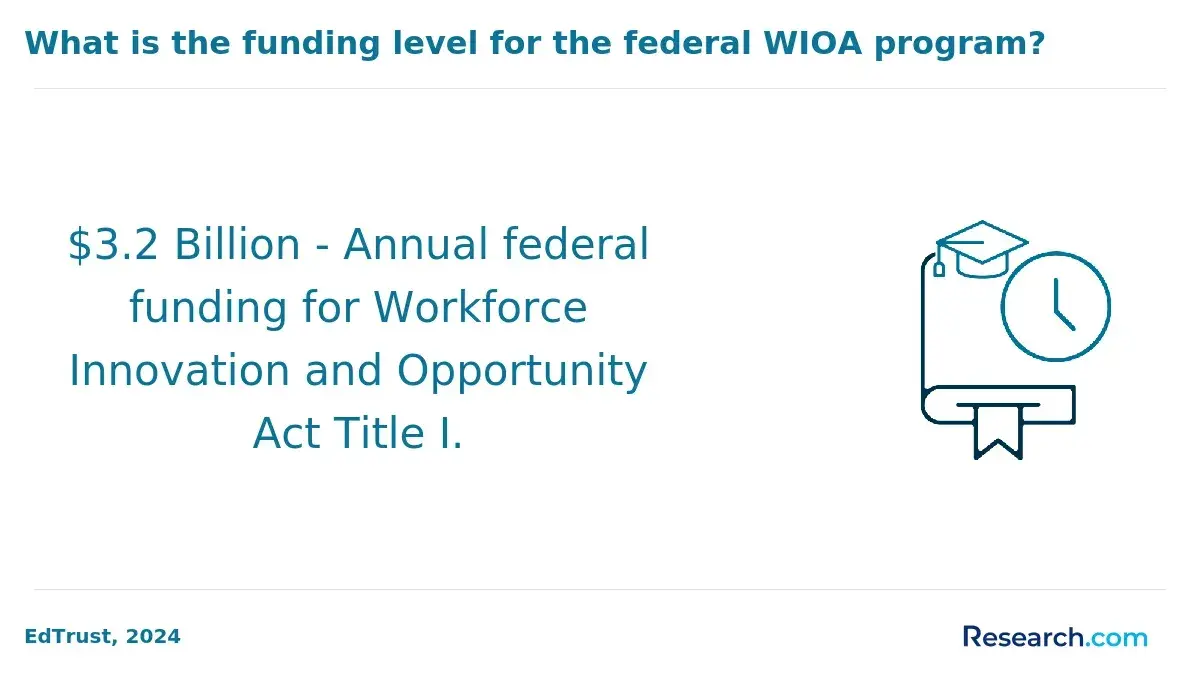
Tuition structures in rolling admissions medical billing & coding programs generally mirror those with fixed deadlines, meaning the flexible enrollment window itself does not directly lower or increase costs. Instead, the defining impact lies in when students start their education and how they manage payments over time. Tuition typically is charged per credit hour or per term, while some programs offer flat-rate or subscription-style pricing allowing students to progress upon demonstrating competency.
Typical tuition ranges between $3,000 and $15,000 for certificates or associate degrees, with lower costs common at community colleges or fully online formats. Beyond base tuition, institutional fees, such as technology charges from $100 to $500 per term, and material costs including textbooks and lab fees, add to the overall expense. These elements illustrate why an affordable rolling admissions medical billing & coding program involves understanding total cost structure rather than focusing solely on headline tuition.
Program design shapes how costs accumulate and impact students practically. Online programs reduce indirect expenses such as transportation or housing but may require purchasing specialized software or electronic medical record system access. Hybrid or accelerated pathways cost more upfront but can shorten credential completion time, potentially limiting lost wage impacts. Some cohort-based rolling admissions combine pacing predictability with flexibility, though this reduces some timing advantages.
Prospective students should also consider relevant certification pathways-for instance, understanding the CCS certification-to align program choice with employer expectations. Thus, how much do rolling admissions medical billing & coding programs cost depends not only on tuition pricing but on payment timing flexibility, fee aggregation, and program modality, all of which directly influence affordability and workforce entry tradeoffs.
Are Career Outcomes Different for Rolling Admissions Students?
The format of rolling admissions itself does not significantly influence career outcomes for students pursuing medical billing & coding degrees. Instead, professional success hinges on factors like the program's accreditation, instructional quality, and the depth of specialization it offers. Hiring managers and credentialing bodies prioritize candidates with recognized certifications such as the Certified Professional Coder (CPC), which typically require comprehensive training and exam preparation beyond mere enrollment timing. Additionally, the presence of internships or hands-on experience within a program often weighs more heavily in employer evaluations than when or how a student began their studies. Regional demand and local healthcare markets further modulate employment possibilities, making geographic context essential to consider alongside program attributes.
That said, rolling admissions can indirectly affect career trajectories by enabling earlier program start dates and potentially faster completion. This timing advantage can be meaningful for students balancing urgent personal or financial needs, allowing them to enter the workforce without waiting for traditional semester schedules. According to the U.S. Bureau of Labor Statistics, employment for medical records and health information technicians is expected to grow 9 percent from 2022 to 2032, indicating ongoing opportunity but also the importance of meeting industry standards promptly. However, variability between institutions means that not all rolling admissions programs provide equal access to experiential learning or networking, which remain critical for meaningful employment outcomes.
One graduate who completed a medical billing & coding degree through a rolling admissions program recalled initially hesitating to apply due to uncertainty about course start dates and financial aid timelines. "I worried that if I delayed, I'd fall behind peers in traditional semester programs," they explained. Yet their flexibility to enroll mid-year gave them time to align studies with work obligations, ultimately allowing completion sooner than expected. They noted that the real challenge wasn't the admission format but securing a strong internship and certification preparation within the program-elements they felt varied more by institution than admission policy. This nuanced experience highlighted that while rolling admissions eased access, the students' post-graduation prospects depended more decisively on program content and local job market conditions.
Can Rolling Admissions Programs Lead to High-Paying Careers?
High-paying careers in Medical Billing & Coding do not directly correlate with the presence of rolling admissions programs. While rolling admissions offer greater flexibility in enrollment timing, they primarily affect when students start rather than their eventual salary potential. Employers and industry standards emphasize program quality, accreditation, and demonstrated competence over application timelines.
For instance, graduates from accredited programs with established internship placements may secure positions offering salaries closer to the upper median range-often between $40,000 and $55,000 annually-regardless of whether their program had rolling admissions. In contrast, those attending lesser-known institutions or lacking practical experience may face lower initial wages despite flexible admissions options.
Rolling admissions can facilitate earlier entry into a Medical Billing & Coding program, which may translate into quicker workforce participation, but this timing advantage does not guarantee higher pay. Geographic location and labor market demand remain critical drivers of salary, with metropolitan areas and large healthcare providers typically offering more lucrative roles. Additionally, certifications, continuous education, and networking play essential roles in career advancement.
Therefore, students should view rolling admissions as a logistical convenience rather than a strategic lever for income maximization. The real determinants of high-paying outcomes lie in the program's rigor, experiential learning opportunities, and the ability to cultivate professional connections that meet employer expectations.
What Are the Disadvantages of Rolling Admissions Programs?
Rolling admissions programs in medical billing & coding often appear flexible, but this extended application timeline can create substantial drawbacks that impact students' practical planning and career outcomes. When applicants delay submission due to ongoing acceptance periods, they risk losing strategic momentum necessary for well-timed financial aid applications or thoughtful preparation. This can be especially problematic for those navigating complex personal schedules or dependent on federal aid and scholarship deadlines tied to traditional academic calendars.
These rolling admissions challenges for medical billing & coding programs also extend into the classroom dynamic. Uneven cohort sizes and inconsistent start dates can diminish critical peer interaction and networking opportunities that employers value highly. Many hiring managers prefer graduates from programs with regimented schedules as these better reflect discipline and readiness; notably, a 2022 survey found that 68% of healthcare recruiters favored candidates coming from traditional semester-based programs, associating rolling enrollment with less predictability in graduate performance.
In addition, aligning course completion with certification exam schedules is more complicated under rolling admissions. Credentialing bodies maintain fixed testing windows, so students in rolling programs may face delays entering the workforce due to misaligned timelines. For those examining potential drawbacks of medical billing & coding rolling enrollment, this disconnect creates real barriers to timely professional credentialing and employment.
Prospective students interested in understanding the comparative value of program structures should also consider reviewing options that offer consistent scheduling. Detailed comparisons of affordable pathways, such as those highlighted by the health information technology degree programs, can shed light on tradeoffs in flexibility versus structured progression.
How Do You Choose the Best Medical Billing & Coding Program With Rolling Admissions?
Comparing medical billing and coding programs with rolling admissions requires more than simply noting application flexibility. Real differences in enrollment windows, accreditation, and career support significantly impact your ability to complete the program on your schedule and gain meaningful certification. For example, a working parent might prioritize programs that allow multiple start dates per year and robust online learning options to balance family demands, whereas someone transitioning careers quickly needs confirmed rolling admissions without restrictive start deadlines.
- Admissions flexibility that aligns with your timeline: True rolling admissions let you apply and begin classes multiple times annually, accommodating unexpected life changes. Beware programs that call themselves "rolling" but limit start dates, as this restricts your agility.
- Accreditation ensuring recognized quality: Employers and certification bodies prefer graduates from accredited programs, which often translate to higher exam pass rates and better job prospects. Accreditation is a reliable proxy for curriculum rigor and industry relevance.
- Graduation and job placement metrics revealing outcomes: High completion and employment rates indicate effective student support and curriculum alignment with healthcare coding demands, which affects your return on investment.
- Curriculum relevance to current coding standards: Up-to-date content, including practical software experience, prepares students for real-world accuracy requirements, reducing employer training burden.
- Support for online learners if remote study is needed: Technical support and meaningful instructor interaction during rolling admissions can influence retention and comprehension, critical for those juggling work and study.
Students evaluating the best medical billing and coding programs with rolling admissions should consider these operational realities alongside their personal circumstances. For those who must integrate coursework around shifting schedules, referencing reliable data on program outcomes offers a more grounded decision framework than surface-level flexibility claims. Also, for learners interested in expanding healthcare career options rapidly, reviewing shortest online nurse practitioner program pathways can provide perspective on accelerated credentialing alternatives within healthcare professions.
What Graduates Say About Medical Billing & Coding Degree Programs With Rolling Admissions
- Brittany: "Balancing full-time work and family commitments meant I had less time and money to invest in my education, so I chose a Medical Billing & Coding program with rolling admissions to start immediately and adapt my schedule as needed. While I expected certification to open doors quickly, I found that employers often prioritized candidates with relevant portfolios or documented internships, which I had to seek out on my own. Ultimately, the practical coding skills I developed helped me secure a stable remote billing position, though I'm aware advancement may require additional credentials or experience."
- Matthew: "Switching careers from retail was daunting, especially since I needed to move fast due to financial pressures. The rolling admissions in Medical Billing & Coding programs allowed me to enroll without waiting months, which was crucial for me to enter the workforce rapidly. However, after graduating, I realized many hospitals preferred candidates with prior healthcare exposure, so I supplemented my studies with a volunteer internship that significantly strengthened my resume and helped me land an entry-level coding job."
- Wesley: "With a limited budget and a desire for a flexible job, I carefully chose a Medical Billing & Coding program that accepted students on a rolling basis to avoid excess costs and lengthy enrollment waits. While the coursework gave me a solid foundation, I found the hiring landscape competitive; employers often sought candidates with hands-on experience rather than just certification. This reality led me to pursue paid internships early, which made a tangible difference when I transitioned into a permanent billing specialist role, albeit with modest starting pay."
Other Things You Should Know About Medical Billing & Coding Degrees
Rolling admissions often mean programs start at multiple points throughout the year, which can lead to varied cohort sizes and dynamic pacing. Students should anticipate that courses might run on accelerated timelines or nontraditional semesters, impacting the intensity of weekly assignments and exams. For medical billing & coding specifically, this can compress essential coding practice and billing system exercises, requiring disciplined time management to keep up with complex content and hands-on software applications.
Students without prior healthcare experience should carefully evaluate rolling admissions for their potential to offer flexible entry but possibly accelerated content delivery. While flexibility supports nontraditional learners, newer students might benefit more from structured cohort pacing that allows gradual skill acquisition and peer interaction. If adaptability is critical due to personal schedules, rolling admission programs with mentoring or supplemental labs should be prioritized to offset the intensity.
Rolling admissions often reduce the frequency and size of student cohorts, which can limit networking with peers and faculty compared to traditional semester models. This fragmentation might also constrain access to group projects, career fairs, and internship placements typically scheduled at set times. Prospective students should prioritize programs that integrate robust virtual networking tools or flexible clinical placement options to maintain professional development pathways despite staggered starts.
References
- The pros and cons of medical billing and coding as a career https://www.trainingdirectusa.com/blog/pros-and-cons-of-medical-billing-and-coding/
- Medical Billing & Coding Salary in 2025 | Job Outlook & Pay Guide https://calregional.com/blog/what-is-the-salary-for-medical-billing-and-coding-in-2025/
- Medical Billing & Coding | Miller-Motte College https://www.miller-motte.edu/programs/medical-billing-coding/
- What is Medical Billing and Coding? - AAPC https://www.aapc.com/resources/medical-billing-and-coding-training
- Medical Schools Without Rolling Admissions https://bemoacademicconsulting.com/blog/medical-schools-without-rolling-admissions
- Medical Billing and Coding Requirements https://www.bridgeport.edu/academics/programs/medical-billing-coding-cert/admission-requirements
- 5 Simple Steps to Become a Medical Billing Expert | AIHT Education https://aiht.edu/blog/steps-to-become-a-medical-billing-expert/
- Online Medical Billing and Coding Certification Prep | Online Career Training and Personal Development Courses | Talladega College https://www.talladega.edu/online-programs/ges1014-medical-billing-and-coding-voucher-included/
- How to Choose the Best Online Medical Billing & Coding Program https://www.midwesttech.edu/resources/careers/how-to-choose-the-best-online-medical-billing-and-coding-program/
- Medical Billing and Coding Training: Why It Matters and How CPa Medical Billing Excels https://cpamedicalbilling.com/medical-billing-and-coding-training-why-it-matters-and-how-cpa-medical-billing-excels/