2027 Medical Billing & Coding Degree Programs You Can Start Without Meeting All Requirements

Co-Founder and Chief Data Scientist
If your GPA, prerequisites, or transcript history do not meet the standard requirements for a medical billing and coding program, you may still have realistic options. Many colleges use conditional admission, provisional enrollment, bridge coursework, placement testing, portfolio review, or work-experience review to decide whether an applicant can begin before meeting every traditional benchmark.
These pathways are not shortcuts. They usually come with clear academic conditions, such as earning a required GPA in the first term, completing missing prerequisites by a deadline, limiting the number of credits taken, or meeting regularly with an advisor. Used well, they can help motivated students start sooner while proving they are ready for healthcare documentation, coding systems, billing processes, compliance rules, and medical terminology coursework.
This guide explains how flexible admission works for medical billing and coding students, what questions to ask before enrolling, and how to compare online, campus-based, community college, and bridge-program options. According to the Bureau of Labor Statistics, medical records and health information technicians earn a median annual wage of $47,660, but admission flexibility should be evaluated alongside accreditation, cost, student support, and whether the program prepares you for your intended credential or career path.
Key Things to Know About Medical Billing & Coding Degree Programs You Can Start Without Meeting All Requirements
- Conditional admission policies allow students to enroll while completing unmet prerequisites-typically requiring a minimum GPA and successful course completion within the first semester to continue enrollment.
- Bridge and foundational courses offer tailored curricula to build core competencies, enabling adult learners and career changers to catch up without delaying full program entry.
- Alternative credential reviews-such as professional experience or certifications-are increasingly recognized, helping nontraditional applicants bypass standard transcript requirements and begin coursework promptly.
What Is the Minimum GPA Requirement for a Medical Billing & Coding Degree Program?
The minimum GPA for a medical billing and coding program depends on the type of school, the credential level, and how competitive the program is. Open-admission colleges may accept applicants with a GPA of about 2.0, while more selective four-year universities or competitive community colleges may expect a GPA between 3.0 and 3.5. Moderately competitive programs often set expectations from 2.5 to 3.0.
A published GPA minimum is only one part of the admissions decision. Some programs use it as a firm cutoff, while others review the full academic record to determine whether the applicant can handle the coursework. Before assuming you are ineligible, ask the admissions office whether the program offers conditional admission, academic recovery options, or a review process for students whose records do not reflect their current readiness.
Admissions staff may look at several factors beyond the final GPA:
- Institutional tier: Selective colleges often rely more heavily on GPA to assess academic readiness, while open-access institutions may focus more on access, advising, and student support.
- Grade trends: A student whose grades improved over time may be viewed differently from a student whose academic performance declined recently.
- Course rigor: Strong grades in challenging or relevant courses may help offset a lower cumulative GPA.
- Grade replacement policies: Some schools allow students to retake courses and recalculate GPA, which can improve eligibility for admission or full program standing.
If your GPA falls below the stated requirement, contact the program before applying. Ask whether you can submit an explanation of past academic challenges, enroll first as a non-degree student, take bridge courses, or enter under a conditional admission agreement. These options usually require you to meet specific grade, credit, or timeline expectations after enrollment.
Adult learners and career changers should also ask whether recent coursework, healthcare experience, employer training, or professional credentials can strengthen the application. In some cases, a recent record of success matters more than older academic problems.
Students comparing fast-entry allied health options may also find it useful to review the shortest medical assistant program pathway, which shows how some healthcare programs structure accelerated or alternative entry routes.
The next sections explain how specific admission models work for applicants with academic deficiencies, missing prerequisites, or incomplete records.
Which Medical Billing & Coding Programs Accept Applicants on Academic Probation or With Academic Deficiencies?
Some medical billing and coding programs admit students who are on academic probation or who have transcript deficiencies, but they usually do so under written conditions. These conditions are designed to protect both the student and the institution: the student gets a chance to begin, while the program sets measurable standards for continued enrollment.
Examples of conditional or probationary admission structures include:
- Midwest Community College: This regionally accredited institution offers an associate degree with conditional admission available for applicants on academic probation. Students must maintain a minimum 2.0 GPA during their first 12 credit hours, usually within the initial semester. Advisor oversight includes mandatory biweekly meetings focused on academic progress and personalized support.
- Southeastern Technical Institute: This diploma program permits provisional enrollment for applicants with academic deficiencies. Probationary students are limited to 9 credit hours in their first term and must achieve at least a 2.5 GPA. Advisors conduct monthly progress reviews focused on study strategies and access to academic resources.
- Western State University: This bachelor's degree track admits students on academic probation under a conditional contract. Students are required to earn a 2.75 GPA during their first 15 credit hours and participate in regular academic coaching sessions organized by assigned advisors.
- Pacific Coast College: This accredited college's certificate program accepts conditional admits with transcript gaps. The initial probationary term limits enrollment to 6 to 9 credit hours with a 2.3 GPA minimum. Weekly advisor check-ins are used to monitor academic and personal support needs.
- Capital City University: Graduate certificate candidates who do not meet direct entry requirements may receive conditional admission based on portfolio review and remedial coursework completion. Students must maintain a 3.0 GPA in the first 6 credit hours and meet biweekly with their advisor to assess academic and professional goal alignment.
Because academic probation policies vary widely, verify requirements directly with the admissions office and, when possible, the department that oversees the program. Ask whether the probation terms are written into an admission contract, what happens if you miss a benchmark, and whether you may appeal or repeat a course if your first term does not go as planned.
A weak transcript does not automatically prevent admission. Programs may consider a personal statement, references, recent coursework, healthcare work history, and evidence that the applicant understands the demands of medical billing and coding. The strongest applications do not excuse past performance; they explain what changed and show a credible plan for success.
Adult learners exploring long-term healthcare education pathways may also compare progression models such as BSN to DNP programs online, which illustrate how healthcare programs can accommodate students with different academic and professional backgrounds.
How Do Conditional Admission and Provisional Enrollment Work for Medical Billing & Coding Degree Seekers?
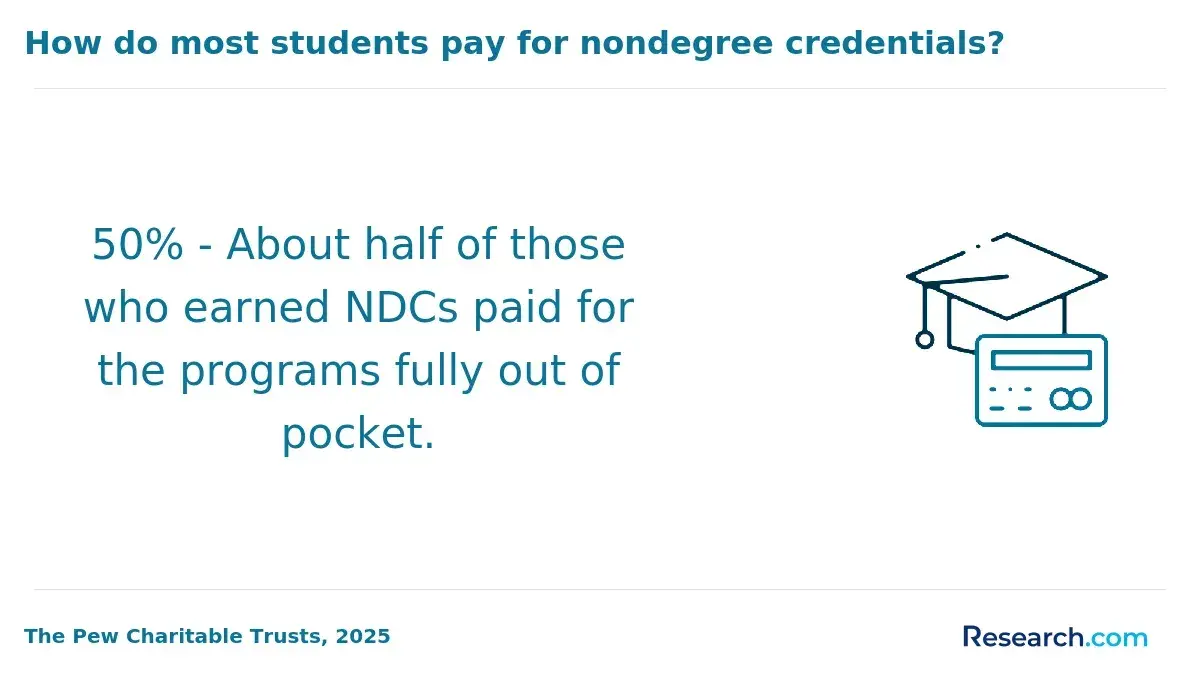
Conditional admission means the school has accepted you into the program, but only if you meet specific requirements after enrollment. For medical billing and coding students, those requirements may include maintaining a minimum GPA of around 2.0 to 2.5 in early foundational courses, completing missing prerequisites such as anatomy or medical terminology, or passing required courses within one or two semesters. If you meet the conditions, you typically move into full admission. If you do not, the school may dismiss you from the program or change your status to non-degree enrollment.
Provisional enrollment is slightly different. It often applies when the school is waiting for required documents, such as final transcripts or test scores, or when the student is temporarily classified as exploratory or non-degree. This status is usually short-term, typically one semester, while the institution verifies missing records or evaluates early academic performance.
Before accepting either status, ask the program to define the terms in writing. Important questions include:
- Condition triggers: Which issue led to conditional or provisional status: GPA, missing prerequisites, incomplete transcripts, test scores, or another requirement?
- Required benchmarks: What GPA, course grades, credit completion, or documentation must be submitted?
- Review timeline: When will the school evaluate your progress, and how often will reviews occur?
- Decision authority: Who decides whether you move to full admission: admissions staff, the program director, an academic committee, or an advisor?
- Consequences: What happens if you narrowly miss a benchmark, withdraw from a course, or need to repeat a prerequisite?
Conditional admission can be helpful because it turns uncertainty into a defined plan. It can also be risky if the requirements are unrealistic for your schedule, work obligations, or current academic preparation. Students should compare the course load, support services, tutoring availability, and financial aid implications before enrolling.
- : "A professional who completed a medical billing and coding degree said that starting under conditional admission because of a low GPA was intimidating but manageable. “I had to focus intensely on bridge courses and meet every grade requirement my advisor set. It was stressful at times, but regular check-ins helped me stay accountable,” he said. “Once I completed the necessary prerequisites and showed steady improvement, I moved into full admission confidently. It wasn’t easy, but the structured conditions gave me clear goals rather than just uncertainty.”"
If you have not completed all prerequisites for a medical billing and coding program, you may still qualify through an alternative admission pathway. These routes are most common at career-focused colleges, community colleges, technical schools, and online programs that evaluate applicants using more than a transcript alone.
- Portfolio review: Some programs allow applicants to document relevant learning, work samples, prior coursework, or healthcare administration experience. This is most useful for career-focused certificate and associate degree programs at institutions with flexible admissions. Documentation may include work samples, employer certifications, detailed experience letters, or unofficial transcripts showing relevant study.
- Demonstrated professional experience: Applicants with substantial experience in healthcare administration, insurance processing, patient records, or related office roles may be able to substitute work history for some academic expectations. Schools may request employer letters, job descriptions, pay stubs, or employment certificates validating the role and duration.
- Prior learning assessment credit: Prior learning assessment may award credit for previous training or industry certifications like CPC. This option is more likely at community colleges and technical schools with formal PLA policies. Applicants may need official continuing education transcripts, certification exam results, and a detailed portfolio.
- Placement testing: Some programs use placement tests in anatomy, medical terminology, computer skills, or other foundational areas to determine whether a student can begin core coursework or must first complete a bridge course. These tests are usually administered through a campus testing center or online proctoring system.
Bridge and foundational courses can also help students begin while filling academic gaps. A student missing medical terminology, for example, may be allowed to take it before or alongside early coding coursework. Students who want a shorter credential before committing to a degree may also compare medical coding and billing certification options with degree pathways to determine which route best fits their timeline and career goals.
Do not rely only on the public admissions page. Program directors, department chairs, and academic advisors often know whether exceptions, prerequisite substitutions, or departmental reviews are available. Ask direct questions and keep written copies of any approval you receive.
Students seeking flexible entry points may also research online colleges with open enrollment and no application fee, especially if application cost or rigid admissions deadlines are barriers.
Some medical billing and coding programs allow concurrent, or co-requisite, enrollment. This means students may begin selected program courses while completing remaining prerequisites at the same time. It differs from conditional admission because the main issue is not necessarily a weak application; it is the timing of unfinished courses.
For example, a student may be allowed to take an introductory coding course while finishing healthcare terminology, anatomy and physiology, introductory statistics, or general education requirements. This can shorten the path to completion, but it can also create a demanding first term.
Students considering concurrent enrollment should confirm three points before registering:
- Which courses can be taken together: Not all prerequisites are flexible. Some courses may be required before any coding, billing, or health information management coursework begins.
- Whether co-requisites affect progression: Ask whether failing or withdrawing from the prerequisite blocks you from continuing in the next course sequence.
- How the schedule affects workload: Medical terminology, anatomy, coding rules, and documentation standards can be time-intensive when taken together.
To determine whether concurrent enrollment is available, students should:
- Review course catalogs: Look for co-requisite language, prerequisite completion deadlines, and sequencing charts.
- Consult academic advisors: Ask for guidance on course load, prerequisite timing, and realistic first-term expectations.
- Request degree audits: Use an audit to identify completed requirements, outstanding courses, and the best order for registration.
Strong time management is essential. Students should plan weekly study blocks, compare major assignment dates across courses, use tutoring early, and communicate with instructors before falling behind. Concurrent enrollment is most effective when it accelerates progress without overwhelming the student.
- : "One professional who completed a medical billing and coding degree reflected on her concurrent enrollment experience: “Starting core courses before finishing all prerequisites was tough. I juggled anatomy alongside my first coding class, which meant double the studying and constant time management, especially since I was working part-time. But regular check-ins with my advisor helped me stay on track and adjust my schedule when needed. It was challenging, yet rewarding to see progress in both areas simultaneously.”"
Community college partnerships can help students enter medical billing and coding programs even when they do not yet meet full admission standards for a four-year institution or more selective program. These partnerships often give students a lower-risk way to complete prerequisites, rebuild GPA, earn transferable credits, and show recent academic success.
Formal 2+2 articulation agreements are especially useful because they define how credits from the first two years at a community college transfer into a four-year program. When the agreement is clear, students can avoid taking unnecessary courses and reduce uncertainty about whether credits will count.
- Dual-enrollment arrangements: Some students enroll in community college and university coursework at the same time. This can help recent high school graduates or adults returning to school begin relevant coursework while transitioning gradually into a larger program.
- Pathway programs: These programs often focus on completing prerequisites, improving GPA, and building skills in medical terminology, healthcare documentation, billing processes, and academic writing.
- Coursework valued by admissions: Transfer admissions committees may place strong weight on recent prerequisite grades, GPA rebuilding courses, and foundational healthcare courses when evaluating applicants with older academic problems.
- Identifying articulation agreements: Students should contact both the community college advisor and the target medical billing and coding program. Ask for a written transfer guide or course equivalency list.
- Flexible transfer criteria: Transfer applicants may be evaluated differently from first-time freshmen. Recent college-level performance can carry more weight than older GPA gaps or incomplete academic history.
According to the National Center for Education Statistics (2023), over 60% of bachelor's degree earners started at community colleges. For medical billing and coding students, this makes the community college route a practical option for strengthening academic standing before entering a more advanced program.
If no formal agreement exists, ask whether the target school will complete a course-by-course equivalency evaluation before you enroll. This step can prevent wasted credits and help you choose classes that support admission, certification preparation, or degree completion.
When your GPA, prerequisites, or transcript history fall short, the personal statement and letters of recommendation can help the admissions committee understand your readiness beyond the numbers. They are most valuable in programs that use holistic review, conditional admission, portfolio review, or professional-experience evaluation.
A strong personal statement should be specific, accountable, and forward-looking. Explain the academic issue clearly, but do not spend the entire statement defending the past. Focus on what changed, what you have done to prepare, and why you are ready for medical billing and coding coursework now.
Useful topics to include are:
- Academic context: Briefly explain low grades, gaps, withdrawals, or unfinished prerequisites without exaggeration or blame.
- Evidence of improvement: Mention recent coursework, training, employer feedback, certifications, or work responsibilities that show readiness.
- Relevant experience: Connect healthcare, office administration, insurance, records, data entry, or compliance-related experience to medical billing and coding.
- Program fit: Explain why the specific program structure, advising model, online format, or bridge option matches your needs.
- Success plan: Describe how you will manage time, tutoring, advisor meetings, work obligations, and required benchmarks.
Letters of recommendation should come from people who can evaluate your academic or professional performance directly. A supervisor who has seen your accuracy, reliability, confidentiality, and attention to detail may be more persuasive than a generic character reference. An instructor from a recent course can also help show that your current academic habits are stronger than your older transcript suggests.
Applicants should give recommenders enough context to write useful letters. Share the program name, admission concern, career goal, resume, and any specific skills the school values. The best recommendation letters provide examples, not broad praise.
Bridge and foundational courses give students a structured way to satisfy missing requirements before or during admission. They are especially useful for applicants who lack medical terminology, anatomy, computer skills, recent academic coursework, or the GPA needed for direct entry.
Non-credit boot camps: Community colleges and vocational schools commonly offer short, intensive boot camps for students who need quick preparation. These courses may cover basic terminology, healthcare documentation, coding foundations, or academic skills. Completion is usually recorded as a non-credit achievement that supports entry into the main medical billing and coding curriculum. Boot camps may last from a few days to several weeks and can be useful for students who need rapid remediation.
Post-baccalaureate preparatory sequences: Universities and some four-year colleges may offer graded, credit-bearing preparatory courses for adult learners, career changers, or students with incomplete transcripts. These sequences can span one or two semesters and may count toward degree requirements or prerequisites. They are generally more formal than boot camps and may be appropriate for students seeking a stronger academic record before full admission.
Certificate-level prerequisite bundles: Technical institutes and specialized training centers may group prerequisite courses into a formal credential. These bundles usually take a few months to a year and may strengthen both an application and a resume. Students should ask whether the credits transfer, whether the bundle is required for admission, and whether completing it guarantees or merely supports entry.
Self-paced online remediation modules: Accredited online schools and community colleges increasingly use self-paced modules for prerequisite preparation. These can help students complete foundational material flexibly, but they require discipline. Completion may be documented through certificates or credit transcripts, depending on the institution.
Before enrolling in any bridge option, ask whether it replaces an admission requirement, counts toward the degree, affects financial aid, or simply prepares you for a placement test. Students comparing medical billing and coding bridge courses with broader healthcare administration pathways may also find context in best MHA programs, especially if they are considering long-term advancement in healthcare management.
Work experience can sometimes substitute for academic requirements in medical billing and coding programs, particularly at schools that use holistic admissions, prior learning assessment, portfolio review, or conditional admission. This option is most relevant for applicants with healthcare administration, billing, coding, insurance, records management, compliance, or related office experience.
Professional background does not automatically erase GPA or prerequisite requirements. Instead, it gives the program additional evidence that the applicant may be ready for the curriculum despite an incomplete or uneven academic record. The key is whether the experience aligns with the skills taught in the program.
- Recognized experience: Admissions committees may value industry certifications, multiple years of employment in medical billing and coding roles, leadership positions, and contributions such as published or presented professional work.
- Volunteer or community service: Unpaid roles connected to medical billing and coding can demonstrate commitment and practical exposure, especially when the work involved records, patient information, insurance processes, or administrative systems.
- Documenting experience: Applicants should prepare a resume for academic review, not just employment. Include measurable responsibilities, relevant systems used, certifications earned, and clear employment dates.
- Supporting materials: Programs may request copies of certifications, letters of recommendation, performance evaluations, employer verification, or portfolios of work samples.
- References: Choose references who can speak to skills relevant to medical billing and coding, such as accuracy, confidentiality, attention to detail, productivity, and professionalism.
- Caution: Confirm whether the program formally reviews professional background before spending significant time assembling materials.
Applicants with strong work histories should ask whether experience can support admission, reduce prerequisite requirements, or qualify for prior learning credit. These are different outcomes. Admission review may help you get accepted, while prior learning credit may reduce the coursework needed for completion.
Many students combine professional experience with bridge coursework to show both practical ability and academic readiness. This can be especially effective for career changers and adults returning to school after a long break.
Students interested in how healthcare programs evaluate professional experience may also review best RN to BSN programs for another example of bridging workplace background and formal education.
Conditionally admitted medical billing and coding students may still qualify for financial aid, but eligibility depends on the school, enrollment status, program type, and whether the student meets satisfactory academic progress requirements. Students should never assume aid is guaranteed during a conditional or provisional term.
- Federal aid: Conditional admission does not automatically disqualify students from federal support. Students generally need to submit the Free Application for Federal Student Aid (FAFSA), enroll at least half-time, and maintain satisfactory academic progress.
- Institutional scholarships: Some schools offer grants or scholarships for students in bridge, foundational, or academic recovery pathways. These awards may consider potential, financial need, or professional goals in addition to grades.
- Private and specialized scholarships: Non-traditional learners, adults returning to school, and career changers may qualify for awards that consider work experience, financial need, or interrupted academic history.
- Enrollment impact: Provisional or non-degree status can affect aid eligibility and award amounts. Students may face out-of-pocket costs if prerequisite or bridge courses are not aid-eligible.
- Advisory consultations: Meet with both the financial aid office and the academic advisor before registering. Ask whether your exact courses, credit load, and admission status qualify for aid.
The most important financial aid issue for conditional students is satisfactory academic progress. If the admission agreement requires a certain GPA or credit completion rate, missing that benchmark may affect both program standing and future aid. Ask how the school calculates progress, whether repeated courses count, and what appeal options exist if life circumstances interfere with performance.
Online medical billing and coding programs often offer more flexible admission routes than campus-based programs, especially when they are designed for working adults, transfer students, or career changers. Some online programs allow students to begin coursework before completing every prerequisite, while others use open enrollment, conditional admission, or self-paced foundational modules.
Campus-based programs may be less flexible when seats are limited, lab schedules are fixed, or cohort models require students to follow a strict sequence. However, campus programs may offer stronger in-person support, easier access to tutoring, and more immediate advisor contact. The best choice depends on how much structure and support you need.
- Prerequisite waivers: Online programs may be more likely to offer waivers, bridge courses, or foundational classes that let students build skills during enrollment.
- Accreditation standards: Flexible admission does not replace the need to verify accreditation. Students should confirm that the institution and program meet the standards expected for transfer, employment, or credential preparation.
- Support services: Online learners should carefully review advising, tutoring, disability accommodations, technology support, and mental health resources. Availability can vary widely.
- Academic obligations: Conditional admission usually includes a timeline and performance benchmarks, regardless of whether the program is online or campus-based.
- Scheduling demands: Online programs offer flexibility, but they also require self-direction. Students who struggled academically in the past should consider whether they need more structured deadlines and regular check-ins.
Flexible admissions should not be confused with lower standards. A program that is easy to enter may still be rigorous once coding systems, payer rules, compliance issues, and documentation requirements are introduced. Compare programs based on accreditation, cost, support, completion expectations, and alignment with your career goals, not admission flexibility alone.
What Graduates Say About Medical Billing & Coding Degree Programs You Can Start Without Meeting All Requirements
- : "Starting the medical billing & coding program without meeting every initial requirement felt daunting, but the flexible academic expectations really helped me stay on track. I learned early on that maintaining steady progress and hitting key performance benchmarks could keep me in good standing even if I stumbled at first. That reassurance made all the difference. The clear timeline expectations encouraged me to manage my time better than I ever had before. — Baker"
- : "Reflecting on my experience, I'm grateful the program allowed entry without completing all prerequisites upfront. It gave me a chance to prove myself academically. However, the conditional requirements were strict and made it clear that consistent effort and meeting performance criteria were non-negotiable to continue. This structure motivated me to prioritize assignments and grasp the material quickly, ultimately speeding up my path through medical billing & coding. — Matthias"
- : "As a professional returning to education, I appreciated the program's approach of admitting students under conditions. It acknowledged potential over perfection. The academic obligations required precise focus, and the timeline they set wasn't flexible, but those standards helped me develop discipline. Most importantly, the performance benchmarks weren't merely hurdles but clear goals that demonstrated readiness to advance in medical billing & coding. — Wesley"
Other Things You Should Know About Medical Billing & Coding Degrees
Colleges can ask for a high school transcript or GED, any college transcripts, placement test scores, a personal statement, and proof that missing prerequisites will be completed before a stated deadline. Some programs also require a minimum GPA, often 2.0, for conditional admission or later full acceptance.
Students who have not met traditional prerequisites can strengthen their application by showcasing relevant work experience, completing foundational courses elsewhere, or presenting strong letters of recommendation. Some programs offer placement tests or require submission of recent academic transcripts to demonstrate readiness. Highlighting professional skills related to healthcare or administration can also support an argument for conditional admission.
Many programs provide bridge courses or foundational modules designed to build essential skills before full program enrollment. Academic advising, tutoring, and mentoring services are often available to assist conditionally admitted students in meeting performance benchmarks. These support systems aim to help learners stay on track academically and understand the expectations needed to continue in their course of study.
- Essential skills for success in medical coding and billing - AAPC https://www.aapc.com/resources/seven-essential-skills-for-success-in-medical-coding-and-billing
- Why Online Medical Billing and Coding Courses Are Worth It https://www.snhu.edu/about-us/newsroom/health/are-online-medical-billing-and-coding-courses-worth-it
- How to Choose a Program - MedicalBillingandCoding.org https://www.medicalbillingandcoding.org/resources/choosing-a-program/
- 5 Simple Steps to Become a Medical Billing Expert | AIHT Education https://aiht.edu/blog/steps-to-become-a-medical-billing-expert/
- What Is Conditional Admission? How Does It Work? https://blog.prepscholar.com/what-is-conditional-admission
- Cigma Medical Coding | Medical Coding, Billing, Australian Coding, Transcription Courses in Kochi, Cochin, Kerala https://www.cigmamedicalcoding.com/blogs/online-vs-on-campus-learning-opportunities-in-medical-billing-and-coding
- Medical Billing and Coding (Voucher Included) https://tcathartsville.edu/business-industry/medical-billing-and-coding-voucher-included
- Medical Billing & Coding Schools Online with Financial Aid https://www.edumed.org/online-schools/medical-billing-coding/financial-aid/
- Requirements https://www.downstate.edu/education-training/school-of-health-professions/programs/medical-billing-coding-program/admission-requirements.html
- Schools | American Medical Billing Association https://www.americanmedicalbillingassociation.com/schools/