2027 Cost per Credit for Online Media Communication Master's Programs: Tuition Comparison Guide

Co-Founder and Chief Data Scientist
Choosing an online media communication master's program often hinges on comparing cost per credit, yet overlooked fees and residency rules can skew true expenses. While tuition alone seems straightforward, mandatory charges and differential in-state versus out-of-state rates complicate budgeting efforts for prospective students.
As enrollment in online graduate programs grew 12% in 2024 according to the National Center for Education Statistics, this trend spotlights how adult learners prioritize affordability alongside flexibility. Accreditation and licensure nuances further affect whether degrees hold equivalent value in competitive job markets. This guide systematically breaks down tuition, hidden costs, and financial aid to inform precise, outcome-driven program choices.
Key Things to Know About the Cost per Credit for Online Media Communication Master's Programs
- Per-credit tuition varies substantially by institution type, with public universities often offering lower rates but offset by mandatory fees; understanding these hidden costs is vital to accurately assess total program expenses.
- Accreditation directly affects employer recognition and licensure eligibility, meaning degrees from regionally accredited programs generally yield stronger workforce acceptance in media communication fields.
- Residency policies impact cost and timeline flexibility; nonresident surcharges may inflate per-credit prices, delaying degree completion and complicating career transitions for geographically fixed or working professionals.
What Is the Average Cost per Credit Hour for Online Media Communication Master's Programs, and How Does It Compare Across Institution Types?
Focusing on the average cost per credit hour offers a sharper lens than total tuition when assessing online media communication master's programs, given how credit requirements and pricing structures differ widely between institutions.
For instance, a working professional comparing programs might find that a school with a lower total tuition demands significantly more credits, ultimately raising the effective per-credit cost and extending time to completion-both critical practical considerations.
This metric foregrounds the real value proposition by normalizing cost relative to actual academic workload, making it a pivotal factor for career changers investing their own resources.
Data sourced from recent IPEDS reports illustrates a marked variation in per-credit tuition rates by institution type. Public universities generally provide the most affordable baseline, especially benefitting in-state students whose tuition frequently ranges from moderate to low.
However, out-of-state enrollees can encounter sticker prices that rival or even surpass those of private nonprofit schools, which maintain higher but uniform rates across residency statuses due to their independent funding models. Private for-profit institutions, meanwhile, often present heterogeneous pricing patterns with occasional premium rates shaped by bundled fees and market-driven strategies.
Factors influencing the sticker price per credit extend beyond base tuition. Residency impacts remain pronounced in public universities, affecting eligibility and cost drastically. Various program fees-such as required technology access or media resource charges-inflate the true per-credit expense. Meanwhile, some schools adopt cohort-based or flat-rate billing models that redistribute cost weight across credits unevenly, complicating straightforward cost comparisons.
- Residency Impact: Differences in in-state vs. out-of-state tuition critically influence affordability and require early verification.
- Program Fees: Embedded mandatory fees for online course delivery and specialized tools can raise overall costs well above base per-credit rates.
- Pricing Models: Variations between per-credit billing and lump-sum or cohort pricing affect the transparency and comparability of costs.
- Institutional Type: Public, private nonprofit, and for-profit schools apply distinct pricing linked to their funding structure and operational aims.
- Financial Aid and Discounts: Access to targeted aid or institutional discounts can significantly lower net expenses despite higher sticker prices.
This guide proceeds by first analyzing baseline per-credit tuition across these institution types, next navigating residency and fee layers, then integrating financial aid impacts, and finally considering accreditation and licensure factors that determine employer and licensing board recognition.
This layered approach helps prospective students build comprehensive, realistic cost expectations beyond superficial tuition figures, empowering more strategic decisions.
Working professionals and recent graduates seeking an online master degree in media communication can thus evaluate nuanced cost-benefit tradeoffs and verify how affordability aligns with credential value in their chosen career pathways. For those evaluating offers, this framework clarifies why scrutinizing per-credit costs alongside total program costs is indispensable.
How Many Credit Hours Are Typically Required to Complete an Online Media Communication Master's Program, and How Does That Affect Total Tuition?
The total credit hours required to complete an online media communication master's degree significantly influence the real cost and value of the program. Choosing a program solely based on its per-credit tuition can obscure the true financial commitment if the credit requirement varies considerably.
Most online master's programs in media communication require between 30 and 60 credit hours to graduate, with this range reflecting differences in curriculum depth, accreditation demands, and specialization tracks. Programs at the lower end often feature accelerated or non-thesis options, which reduce total credits but may limit research or practicum engagement.
Conversely, programs requiring 45 to 60 credits typically emphasize comprehensive coursework, included internships, or thesis research, thereby increasing total tuition despite similar per-credit rates.
- Credit Hour Range: Ranges from approximately 30 to 60 credits; higher credit requirements result in substantially higher total tuition even if per-credit costs appear lower.
- Practicum and Internship Fees: Mandatory practicum or fieldwork components often carry additional fees-either higher per-credit charges or flat supervision fees-that increase overall expenses compared to programs without such experiential requirements.
- Per-Credit vs. Total Cost: A program charging $700 per credit for 36 credits (totaling $25,200) could be more affordable overall than one charging $500 per credit for 60 credits ($30,000), illustrating why total credit load matters more than sticker price per credit.
- Calculation Formula: Estimate total tuition as Total Credits × Per-Credit Tuition + Additional Fees to capture realistic financial obligations and enable meaningful program comparisons.
- Decision Impact: Considering both credit hour demands and hidden fees is vital for assessing true affordability, helping working professionals, first-generation students, and recent graduates make informed investment decisions.
Assessing credit hour requirements alongside accreditation and delivery format allows prospective students to evaluate the practicality and employer recognition of their degree, ensuring the credential's value aligns with long-term career and financial goals.
Which Online Media Communication Master's Programs Offer the Lowest Cost per Credit Hour Among Accredited Institutions?
Selecting an affordable, accredited online media communication master's program involves more than just comparing per-credit tuition; the eligibility conditions and additional fees often shape the true cost and accessibility of the degree.
For professionals funding their education independently, identifying programs with the lowest cost per credit hour requires careful scrutiny of residency policies, cohort-based enrollment, and mandatory technology or activity fees that may inflate nominal rates.
Among the most cost-effective accredited programs, Fort Hays State University offers a notably low in-state per-credit rate around $319 for 33 credits, totaling approximately $10,527. However, this rate primarily benefits Kansas residents, limiting access for nonresidents who face higher costs. Southern New Hampshire University charges near $627 per credit for a 36-credit program, culminating in about $22,572 in tuition; mandatory fees vary and should be confirmed by applicants.
The University of Arkansas at Little Rock sets a fair per-credit rate of $405 across 33 credits, with a flat technology fee adding to the total, but without residency restrictions, enhancing statewide inclusivity.
Liberty University's $565 per credit (36 credits total) is moderate but includes additional administrative fees and potential rate hikes for part-time enrollees, impacting affordability for nonfull-time students. Illinois State University's rate exhibits the greatest disparity-$346 for residents but $716 for nonresidents over 36 credits, which can double tuition costs depending on residency.
This range highlights that lower per-credit costs do not always translate into the lowest overall prices once fees and residency factors are applied. Candidates must verify current tuition and fee schedules directly with these programs to build an accurate budget.
For comprehensive, verified options that balance financial and credential legitimacy, prospective students might consider reviewing marriage and family therapy online programs accredited as a model for assessing similar program transparency and quality. Navigating these nuances is key to making cost-conscious decisions aligned with long-term employability in media communication.
Many public universities historically maintained sharp distinctions between in-state and out-of-state tuition rates for online media communication master's programs, imposing significantly higher costs on nonresidents. This practice reflected conventional state subsidy models rather than the realities of online education, where students' locations do not impact institutional expenses in the same way.
Increasingly, institutions recognize that residency-based pricing creates a financial barrier that may discourage otherwise qualified candidates from enrolling, especially those balancing career changes or geographic constraints.
Several public universities now bypass this division by offering uniform per-credit tuition rates regardless of a student's residence, simplifying budgeting and enhancing accessibility.
Notable examples include:
- University of Florida, which provides a single rate for all online media communication students;
- Northern Arizona University, adopting flat tuition for its entire online graduate portfolio;
- Oregon State University, which fosters equitable access through consistent online fees;
- University of Massachusetts-Amherst, applying a residency-neutral tuition fee across its program;
- East Carolina University, maintaining one uniform rate that does not vary by residency.
Remaining schools that enforce differential tuition often place an additional financial burden on out-of-state online learners, requiring careful consideration of whether the cost premium yields sufficient returns in career advancement or program quality.
Tuition reciprocity agreements and regional compacts such as WICHE or SREB can alleviate some disparities by offering in-state rates to qualifying students in partner states, but these arrangements are complex, limited, and not universally applicable. As a precaution, prospective students should verify tuition policies with the bursar or financial aid offices directly since published rates can change unexpectedly and marketing materials may not fully reflect residency policy nuances.
One recent graduate recalled the challenges during their application to an online media communication program with rolling admissions. They delayed submitting materials while awaiting confirmation of residency classification and precise tuition costs. This uncertainty stretched the decision timeline, creating stress over financial planning and program compatibility with career goals.
Only after direct communication with the bursar's office did they receive clear tuition details that matched their budget, enabling a timely enrollment decision without incurring last-minute cost shocks.
Additional mandatory fees often push the true cost of online media communication master's programs well beyond published per-credit rates, a crucial factor for prospective students assessing financial commitment and return on investment. For example, a working professional budgeting tuition based on per-credit cost alone may underestimate expenses by upwards of 10%, impacting their cash flow and degree affordability.
- Technology Fees: Institutions frequently charge these to maintain learning management systems and software access, typically $50 to $150 each term, which accumulate significantly over multiple semesters.
- Program or Course Fees: Flat charges applied to specialized resources or administration specific to media communication curricula, sometimes amounting to several hundred dollars annually, inflating the overall sticker price beyond credit costs.
- Student Services Fees: Covering career support, library access, and advising, these fees are usually assessed per semester and range from $100 to $300, underscoring ongoing non-tuition financial commitments.
- Graduation Fees: One-time mandatory expenses for degree conferral and ceremonies often fall between $75 and $150, representing a final cost that is easy to overlook in early budgeting.
- Practicum or Experiential Learning Surcharges: When programs include internships or lab components, additional fees apply to supervision and coordination, sometimes several hundred dollars per credit or enrollment period.
The variance in fee structures across accredited online programs means students can face dramatically different total costs, with some fees exceeding 15% of tuition. Because these charges are frequently itemized separately from advertised tuition, relying exclusively on per-credit rates without a full fee schedule can lead to inaccurate comparisons and misplaced financial expectations.
Prospective students should obtain detailed fee disclosures early to calculate an all-in per-credit cost that integrates tuition and prorated fees. This comprehensive financial metric offers a more realistic basis for comparing program affordability and aligning education investments with long-term career objectives.
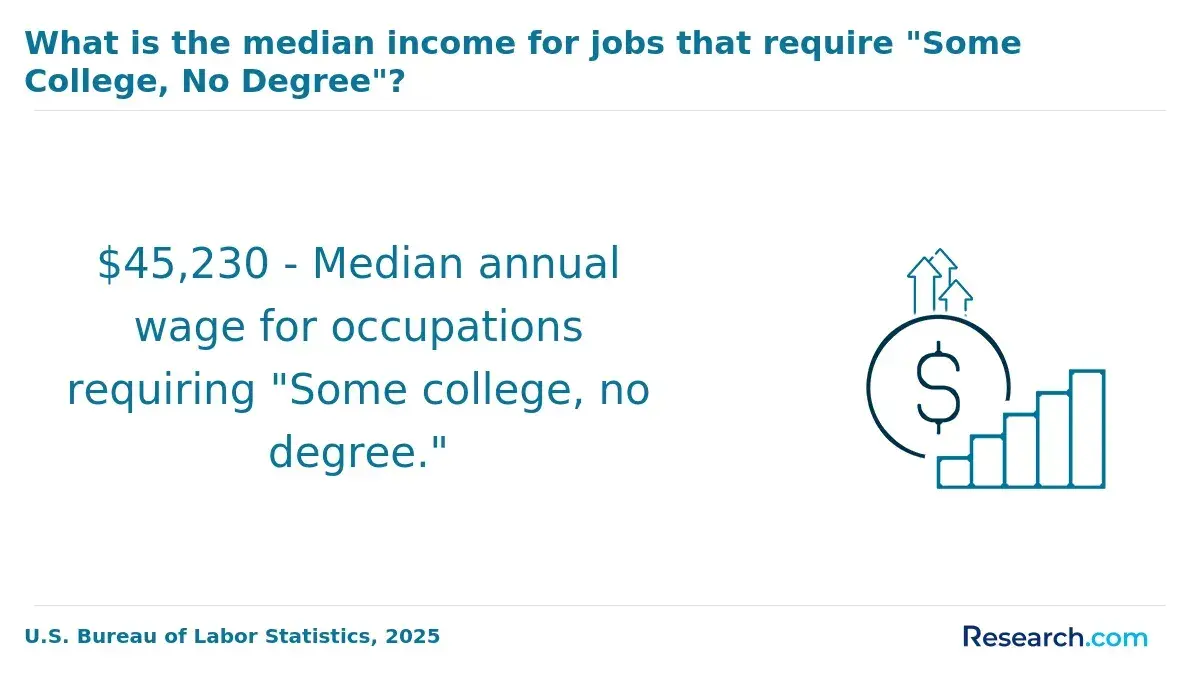
Cost differences between public and private universities for online media communication master's programs stem largely from institutional funding structures and scale. Public universities typically offer lower per-credit tuition-ranging from about $400 to $700-because state subsidization and legislative tuition caps reduce expenses, especially for in-state students. These schools also benefit from economies of scale as large enrollments allow fixed costs to be spread across many online learners.
However, some public universities charge rates comparable to private institutions when program prestige or delivery format factors influence pricing. Private nonprofit programs tend to charge between $700 and $1,200 per credit, reflecting smaller cohort sizes, reduced faculty-to-student ratios, and often more personalized academic support tailored to professional networking and mentorship needs.
For-profit options fall within a similar or higher price range but often add mandatory fees, increasing total costs.
- Pricing Trends: Public institutions often provide greater cost efficiency but may have limited financial aid availability for out-of-state or nontraditional students compared to private nonprofits that offer more merit-based scholarships.
- Value Propositions: Higher tuition at private universities generally supports more individualized learning environments and enhanced career services, which can contribute to stronger employer brand recognition in competitive media communication job markets.
- Accreditation and Quality: Both public and private programs vary in regional and specialized accreditation status, affecting licensure eligibility and employer acceptance-key factors when evaluating upfront tuition against long-term career impacts.
- Hidden Costs: Fees such as technology surcharges and required course materials can significantly increase all-in expenses beyond per-credit tuition estimates, particularly at private and for-profit institutions.
- Career Impact: Working professionals and first-generation students choosing between options must weigh upfront tuition against qualitative benefits like networking and program reputation for informed, cost-conscious enrollment decisions.
When comparing tuition of online media communication master's degrees in public and private institutions, students should consider these differences alongside accreditation and financial aid availability to build a realistic cost estimate. For those balancing budget with professional adaptability, assessing full program value is essential. Resources like the office administration course guide can offer additional insight into comparable program expenses and outcomes across fields.
Locking tuition rates at enrollment can significantly reduce uncertainty in the total cost of an online media communication master's degree, especially when programs increase tuition annually. Students paying out of pocket or managing strict budgets benefit most from tuition lock policies that freeze the per-credit price throughout their enrollment. However, these guarantees often come with specific conditions that can influence financial planning and enrollment strategy.
- Scope: Tuition locks may cover a designated cohort of students entering together, apply by academic year, or be limited to a set number of semesters.
- Continuity Requirements: Maintaining uninterrupted enrollment is typically required; breaks or leaves of absence often void the lock.
- Duration: Locks usually correspond to the program's expected completion timeframe, which may disadvantage part-time learners extending beyond the standard schedule.
Students who take longer to complete coursework-commonly part-timers balancing jobs or personal responsibilities-face an increased risk of rising rates without tuition locks. A locked rate can be a hedge against escalating costs but only if the student meets the program's strict policies. It is crucial to obtain written confirmation outlining eligibility and forfeiture conditions rather than assuming the lock applies indefinitely.
This diligence strengthens long-term cost estimates and aids more precise budget comparisons among online media communication master's programs.
One graduate recalled the uncertainty during admissions when tuition lock status hinged on the program's rolling enrollment cycle. They hesitated to accept an offer before securing an official confirmation of the rate guarantee, knowing a delay could raise their per-credit price once the lock expired.
Their careful verification before starting ensured financial stability throughout a part-time schedule lengthened by unforeseen work demands, highlighting the practical value of clear, enforceable tuition locks amid flexible program timelines.
Reducing the net cost of an online media communication master's degree often requires navigating a complex mix of financial aid that extends well beyond advertised tuition rates. Many graduate students rely on federal unsubsidized loans as a baseline funding source; while these loans cover tuition broadly, accrued interest begins immediately upon disbursement, necessitating careful consideration of long-term debt service versus alternative aid.
- Graduate Assistantships: Traditionally a valuable aid form, these positions frequently include tuition waivers or stipends but are far less accessible to online students who lack proximity to campus resources, limiting their impact in many media communication programs structured for distant learners.
- Institutional Scholarships: Although universities offer merit- or need-based awards, master's level scholarships in media communication are significantly more competitive and smaller in scale compared to undergraduate offerings, thus relying solely on these can be insufficient for budget planning.
- Professional Association Awards: Certain media communication associations provide targeted scholarships or grants rewarding professional engagement, but these are limited in number and frequently contingent on active membership, restricting availability to segments of the student population.
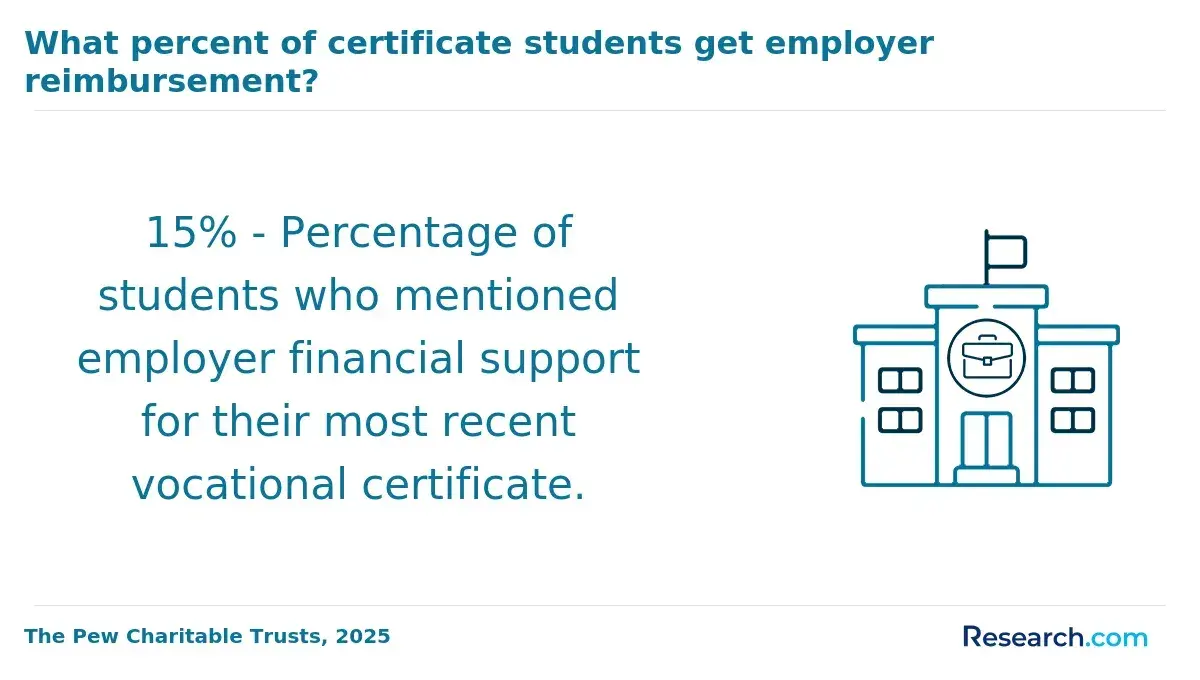
- Employer Tuition Reimbursement: With strong demand in media communication careers, many employers offer tuition assistance programs. Importantly, the IRS allows up to $5,250 annually in tax-free educational assistance, a cap students should factor into total aid expectations. Negotiating or confirming tuition benefits during hiring or performance reviews can maximize this support.
Because many online media communication master's students self-fund or juggle work-study balances, directly contacting program financial aid offices to obtain tailored net cost estimates-not just sticker prices-is essential. Comparing offers on net cost, factoring in hidden fees, required materials, and aid eligibility, leads to more realistic budgeting and reduces unexpected financial strain.
A practical decision weighs published tuition against the scope of available institutional and employer aids and acknowledges that online formats may curtail access to traditional assistantships or scholarships.
One real-world consideration is that media communication enrollment patterns often peak in fall, and students admitted off-cycle might find their access to employer tuition support discounted or delayed, impacting timing for funding.
Prospective candidates should also investigate accreditation and licensure considerations, ensuring that any cost-saving aid does not come at the expense of professional recognition. For working professionals seeking a career transition, such a comprehensive financial strategy complements the program's educational value.
Those uncertain how to verify employer tuition assistance or scholarship eligibility for online programs may find comparative insights in resources like best associate degrees for felons, which offers structured financial guidance within specialized educational pathways.
Cost per credit in online media communication master's programs often reflects significant operational and structural differences tied to delivery format, rather than simply institutional pricing policies. Synchronous programs typically demand higher per-credit tuition because they require real-time instructional technology, live faculty engagement, and rigid scheduling infrastructure.
This increases institutional expenditure compared to asynchronous models, which leverage scalable, on-demand content enabling schools to serve larger student populations with relatively lower marginal costs.
- Infrastructure Costs: Synchronous delivery incorporates live-session platforms and dedicated faculty availability, raising expenses that frequently translate into steeper tuition.
- Scalability and Resource Allocation: Asynchronous formats benefit from amortizing fixed production costs over many students and semesters, reducing per-credit charges; hybrid programs usually have intermediate pricing but add costs linked to intermittent campus visits.
- Indirect Student Costs: Scheduling constraints in synchronous programs can extend time-to-degree for working professionals, inflating total spending; hybrid formats introduce travel, lodging, and childcare expenses alongside tuition, complicating cost forecasting.
- Student Fit and Long-Term Savings: Candidates aligned with the pacing and structure of their chosen format often complete programs more quickly, achieving better return on investment despite surface tuition differences.
Prospective students weighing tuition differences in synchronous vs asynchronous media communication master's programs should construct comprehensive cost estimates that include both direct and hidden expenses. Understanding how delivery format interacts with personal circumstances can decisively affect outcomes and financial efficiency.
For those exploring accelerated paths, reviewing offerings like 1-year MPA programs offers additional perspective on compact, career-focused graduate options within related fields.
Minimum GPA requirements for admission to online media communication master's programs serve as an initial gatekeeper but rarely guarantee entry. Most programs set a baseline near a 3.0 undergraduate GPA, yet some accept applicants with as low as 2.75 if bolstered by relevant professional experience or strong recommendations.
On the opposite end, highly selective programs with competitive applicant pools often demand minimum GPAs of 3.5 or higher, reflecting the program's rigorous standards and the likelihood that incoming students will exceed these thresholds. This disparity means candidates near the minimum should carefully assess where their academic profile is genuinely competitive rather than relying solely on stated minimums.
Contrary to common assumptions, higher program selectivity-measured through GPA requirements, acceptance rates, or cohort size-does not consistently translate into higher per-credit tuition in media communication. Several selective programs charge premium rates, but some moderately selective or larger programs may have comparable or even higher tuition without the same admission hurdles.
For working professionals and recent graduates funding their own education, this decoupling of cost and selectivity emphasizes the need for nuanced financial planning that goes beyond sticker price to include hidden fees, financial aid options, and accreditation impacts on career outcomes.
- Selectivity and Cost: High GPA thresholds and low acceptance rates do not reliably correspond with higher per-credit costs; some less selective programs may charge more despite easier entry.
- Admissions Strategy: Applicants should identify at least one or two programs where their academic credentials meet or exceed admission criteria to build a realistic, cost-conscious enrollment plan that avoids wasted application fees and enables targeted financial aid pursuit.
- Workforce Implications: Given the competitive nature of media communication roles, choosing programs with balanced selectivity and cost can improve employability by aligning academic preparation with affordable, accredited credentials that employers recognize.
What Graduates Say About the Cost per Credit for Online Media Communication Master's Programs
- Reign: "Balancing a full-time job and family commitments meant I needed a program that was flexible yet rigorous, so I opted for an online media communication master's. Midway, I had to decide whether to pursue an unpaid internship linked to the program or focus solely on coursework; choosing the internship paid off by giving me a portfolio that employers actually valued, even if the financial return wasn't immediate."
- Yousef: "I switched careers at 30 and faced tight finances, which made the affordability of an online media communication master's decisive. While I gained strong theoretical knowledge, I quickly realized that many hiring managers prioritized hands-on experience and certifications over just the degree itself, so I invested in specialized workshops afterward to complement what the program offered."
- Logan: "Juggling coursework alongside freelance gigs was challenging during my media communication master's, and I often questioned whether the extra time was worth it without the licensure some competitors had. Although salary growth can be slower without formal industry licenses, I found the remote network projects and collaboration experience invaluable, helping me land remote communications roles that emphasize practical skills over formal credentials."
Other Things You Should Know About Media Communication Degrees
For-profit schools often list lower advertised per-credit costs but may impose higher mandatory fees and less generous financial aid, inflating total expenses. Moreover, these programs sometimes face skepticism from employers regarding academic rigor and program stability.
Nonprofit programs, while sometimes pricier per credit, usually provide more transparent cost structures and stronger reputations, reducing risks of credential devaluation. Prospective students should prioritize nonprofit programs unless the for-profit option offers specific advantages aligned with their goals.
Yes. Many online media communication master's programs add separate technology fees, often charged per course or per term in 2027. Schools may also list distance-learning or online-access fees apart from tuition, so applicants should review the full cost sheet before comparing per-credit prices.
Per-credit costs are just one part of a complex financial equation and should be weighed alongside program length, credit requirements, fee structures, and expected outcomes like job placement rates.
Analyzing all-in costs relative to program quality and employer recognition helps identify programs that maximize return on investment. Students should prioritize programs that balance affordable per-credit rates with strong reputations and career support services to avoid costly surprises and enhance post-graduation prospects.
- 2025 Most Affordable Online Master's in Communications https://www.onlineu.com/most-affordable-colleges/communications-masters-degrees
- Master’s in Communication Online https://www.snhu.edu/online-degrees/masters/ma-in-communication
- Course Delivery Formats 101: Synchronous, Asynchronous, and Blended/Hybrid Learning Explained https://www.iacet.org/events/iacet-blog/blog-articles/course-delivery-formats-101-synchronous-asynchronous-and-blended-hybrid-learning-explained/
- The Best Online Master's in Communications Programs https://www.onlinecolleges.net/rankings/best-online-masters-communications/
- Pros and Cons of Synchronous, Asynchronous, and Hybrid Learning | Class http://www.class.com/blog/the-benefits-and-drawbacks-of-synchronous-asynchronous-and-hybrid-online-learning/
- The Curriculum: Innovative ideas for building a digital media career http://schoolofconvergence.com/applied-journalism/media-communication.html
- How Long is an Online Master’s in Communication Program? https://www.onlineeducation.com/communication/faqs/how-long-to-earn-a-communications-masters-degree-online
- Tuition & Fees for Online Students | University at Albany https://www.albany.edu/cost-aid/tuition-fees/online-students
- Best Accredited Online Universities in 2025 https://www.study.eu/article/best-accredited-online-universities