2027 Top Universities Offering Online Media Communication Master's Degrees

Co-Founder and Chief Data Scientist
Choosing a top online media communication master's program requires analyzing how universities design and deliver their curricula to meet evolving industry standards. Employers increasingly prioritize graduates who possess specialized skills aligned with current workforce demands, such as data-driven storytelling, digital ethics, and integrated media strategies. Accreditation and faculty expertise shape academic rigor, while practicum integration and certification preparation impact real-world readiness.
Scheduling models and support services affect accessibility for working professionals. This article compares top programs by examining these dimensions, emphasizing functional program quality and professional alignment rather than institutional prestige or generic rankings, to guide informed decisions with lasting career implications.
Key Benefits of Top Universities Offering Online Media Communication Master's Degrees
- Strong specialization in digital strategy demands mastery of emerging platforms but limits interdisciplinary electives, which affects adaptability in diverse communication roles.
- Employers increasingly prioritize data literacy in media roles; graduates with integrated analytics training report 23% higher job placement rates, signaling a clear market-driven curriculum shift.
- Online formats reduce geographic and schedule barriers, yet variable tuition across accredited programs requires candidates to weigh cost-efficiency against accreditation and career networking potential.
Which Universities Offer the Best Online Media Communication Master's Degrees?
Programs delivering high-caliber online media communication master's degrees commonly emerge from institutions emphasizing robust curriculum depth and strategic specialization design tailored to evolving digital media trends. Faculty composition is frequently marked by professionals blending academic credentials with active industry experience, which grounds coursework in current practices and technological competencies.
Successful programs also integrate applied learning through case studies, virtual internships, or collaborative projects with media organizations, ensuring experiential components complement theoretical foundations. This focus on structural rigor and practical skill-building distinguishes the more effective offerings in a crowded online graduate education marketplace.
The impact of these institutional characteristics is evident in improved student outcomes, notably in employability and readiness to meet industry demands. Programs aligned with recognized professional certifications or that embed ethical and strategic communication frameworks tend to produce graduates who demonstrate stronger competencies valued by employers.
Working professionals pursuing these degrees benefit from curricula that balance academic expectations with flexible pacing, though programs with greater specialization intensity may require more sustained time commitments. According to recent data from the National Center for Education Statistics, about 85% of online graduate communication programs maintain accreditation from reputable regional bodies, a factor closely linked to consistent retention rates and rigorous learning standards.
Tradeoffs surface in students' decisions between programs prioritizing operational flexibility versus those emphasizing academic rigor and experiential intensity. While courses with asynchronous content and broad accessibility cater to diverse schedules, they may limit interactive mentorship or networking opportunities critical in media communication fields.
Conversely, programs demanding cohort-based participation or synchronous engagements, like accelerated bachelor's degree online accredited, often enhance skill application and peer collaboration but require firmer time investments. Prospective students should weigh these factors deliberately, considering how each approach aligns with their professional goals and learning preferences, especially when comparing online media communication master's degree programs in the US to ensure the best fit.
Why Does Accreditation Matter for Online Media Communication Master's Programs?
Accreditation in online media communication master's programs serves as a crucial mechanism for validating academic legitimacy and ensuring consistent program quality across institutions. It enforces curriculum standards that align with evolving industry demands and mandates institutional oversight to maintain instructional rigor and resource adequacy. This regulatory framework helps assure prospective students that the program content delivers both theoretical grounding and practical competencies necessary for media communication careers.
For example, accreditation bodies require programs to demonstrate measurable learning outcomes and faculty expertise, which limits variability in educational quality that can otherwise hinder graduate preparedness in a fast-changing field.
From a pragmatic standpoint, accreditation directly impacts how employers, licensing bodies, and other educational institutions perceive graduates. A 2024 survey by the National Association of Colleges and Employers found that over three-quarters of hiring managers prefer candidates from accredited programs, reflecting trust in the thoroughness of their training. Students who graduate from non-accredited programs may face barriers in transferring credits or qualifying for certifications critical to specialized roles, potentially delaying career progression or necessitating additional coursework.
For instance, an online media communication graduate seeking a certification in digital content strategy might find their prior course credits rejected if their master's degree lacks recognized accreditation, leading to increased time and cost for credentialing. Thus, while some non-accredited programs may offer niche benefits, prospective students should weigh these advantages cautiously against the tangible risks associated with limited recognition and institutional accountability.
Which Universities Offer the Most Flexible Online Media Communication Master's Programs?
Flexibility in online media communication master's programs hinges primarily on structural design elements such as asynchronous course delivery, part-time study options, and pacing models that accommodate diverse student schedules. A growing share of programs-nearly 70% according to a 2024 National Center for Education Statistics report-offer fully asynchronous classes, allowing learners to engage in material without fixed meeting times.
Other critical factors include multiple enrollment periods throughout the year, permitting immediate or rolling admissions, as well as customizable curricula through electives or specialization paths. Cohort-based formats may limit schedule freedom but can strengthen peer networks, whereas self-paced structures maximize individual control over timing but may reduce opportunities for real-time collaboration.
The practical consequences of these design choices often present tradeoffs between flexibility and consistency. For working professionals, part-time asynchronous options help balance education with job demands, yet this can extend time to degree completion and complicate access to internships or practicum experiences requiring synchronous engagement. For instance, a student opting for a fully flexible self-paced model might struggle to align projects with employer expectations or miss cohort feedback valuable in strategic communication roles.
Meanwhile, synchronous seminars can bolster peer interaction and immediate feedback but at the cost of rigid attendance windows that not all students can accommodate. Evaluating flexibility thus involves weighing immediate schedule control against potential impacts on networking, skill validation, and curriculum rigor.
A mid-career student who pursued an online media communication master's program remembers feeling initial relief at enrolling in a fully asynchronous curriculum that promised ultimate scheduling freedom. However, balancing coursework with a demanding job soon revealed challenges-while the absence of fixed class times eased participation, the lack of structured peer interaction left the individual craving mentorship and timely feedback.
This student eventually supplemented the program by joining external professional groups and sought specialized workshops to offset those gaps, illustrating how flexibility alone does not guarantee comprehensive educational support or career readiness.
Online media communication master's programs designed for working professionals often emphasize flexible scheduling with asynchronous coursework and part-time enrollment options that accommodate irregular work hours and personal obligations. Programs that align their curricula closely with employer needs tend to incorporate applied projects and updated digital strategies, ensuring practical relevance.
Accessibility to responsive faculty and career services tailored for remote learners further supports students balancing professional and academic demands. These structural elements create a framework where working adults can integrate advanced study without sacrificing job performance or family responsibilities, a critical feature for sustaining momentum in lifelong learning.
In practice, such flexibility allows professionals to manage workload alongside job duties and meet academic deadlines without excessive conflict. However, maintaining consistent progress requires strong self-discipline and realistic planning, as uncontrolled delays can prolong completion.
Research from the National Center for Education Statistics in 2024 highlights that nearly 60% of online graduate students juggle employment while studying, which underscores the importance of program design in supporting time management and reducing stress. Incorporating internship options within these flexible media communication master's degrees with internship options helps translate theory into practice, but employed students often negotiate limited hours for hands-on experiences, influencing the depth of portfolio development.
Tradeoffs in these programs include slower degree completion timelines and often reduced cohort interaction, which can affect peer networking and collaborative learning opportunities. Meanwhile, the availability of practicum placements varies, with some institutions offering robust remote or local alternatives tailored to working learners. Prospective students must weigh these factors against their career goals and time constraints, recognizing that program adaptability often outweighs institutional prestige in delivering sustainable professional gains.
Career changers, in particular, benefit from programs balancing foundational coursework with advanced specializations to navigate transitions effectively. For those comparing options, exploring accredited, employer-responsive curricula remains essential, as well as evaluating practical supports beyond the classroom, including mentorship and up-to-date technology platforms suited for interactive online engagement. These considerations are key when selecting an online business administration degree or related fields.
Tuition for leading online media communication master's programs in 2024 typically spans from approximately $15,000 to beyond $40,000, reflecting substantial variation tied to institutional type, program format, and curriculum intensity. Public universities often provide lower costs through in-state tuition while private or out-of-state options tend to command higher fees. Pricing differences also stem from whether programs charge per credit hour-usually between $500 and $1,200-or offer flat-rate tuition models, with some including fees for technology, course materials, or optional residencies. These structural factors interplay with the degree's experiential components and specialization depth, shaping the overall financial commitment demanded by prospective students.
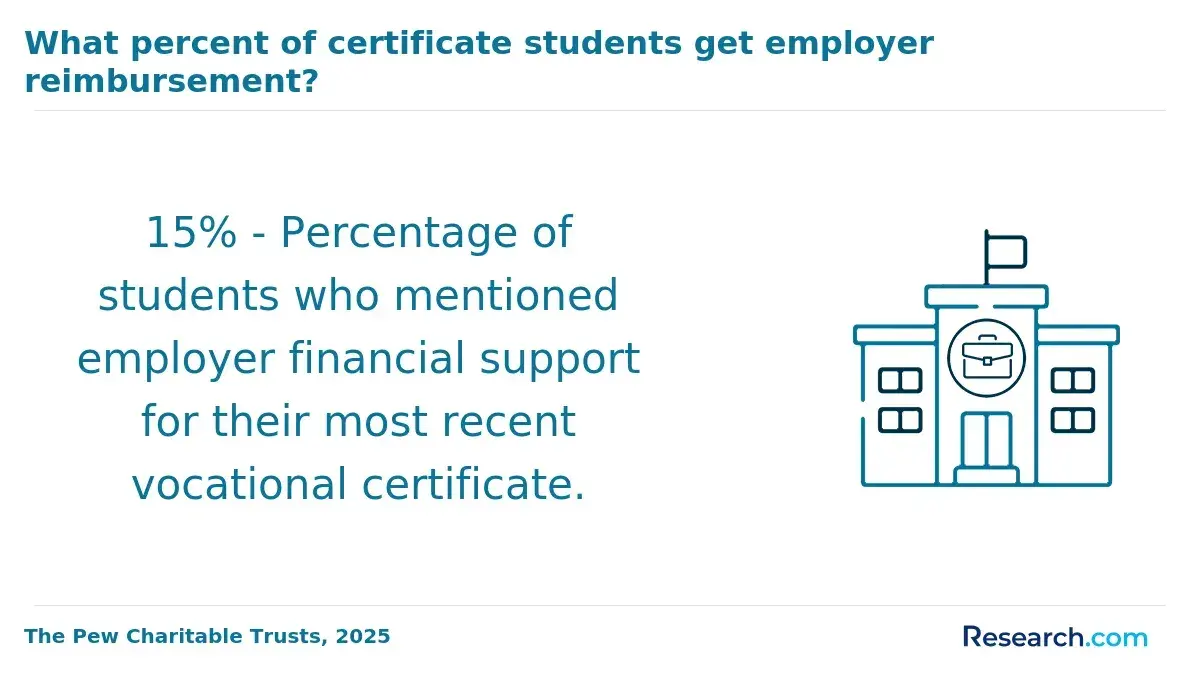
Financially, students must navigate tradeoffs balancing upfront cost against long-term return, factoring in employer tuition reimbursement, part-time flexibility, and career alignment. Accelerated or specialization-heavy programs may carry premium tuition but offer faster or more targeted pathways versus less costly programs that can stretch over longer periods. For example, a working professional might opt for a higher-priced program with flexible scheduling to minimize income disruption, whereas another may prioritize affordability despite less adaptability. Such choices impact debt levels and post-graduation outcomes, underscoring a need for careful evaluation beyond sticker price alone when selecting a program.
One enrolled student recalled grappling with timing during the rolling admissions process for a top-tier online media communication master's program. Despite preparing application materials months in advance, uncertainty about acceptance timing caused hesitation in finalizing the financial aid paperwork. This delay led to a near-miss with a preferred start date, prompting the student to weigh waiting for a decision against applying elsewhere. Ultimately, the experience highlighted how admissions timing and financial planning are crucial and sometimes unpredictable factors influencing the effective cost and enrollment experience.
Online media communication master's programs that are hardest to get into typically reflect a combination of limited cohort sizes, rigorous academic prerequisites, and professional experience expectations rather than relying solely on institutional brand or prestige. Programs focused on specialized fields like brand journalism, digital strategy, or emerging media often require applicants to present detailed portfolios or relevant industry experience, which narrows the pool to highly prepared candidates.
Furthermore, these selective programs usually maintain low faculty-to-student ratios to provide personalized mentorship and access to advanced digital resources, creating structural constraints that intensify admission competition.
The reality for applicants targeting the most selective online media communication master's degrees is that preparation must extend beyond academic transcripts to include clear professional trajectories, strong strategic communication skills, and timely submission of comprehensive applications.
According to data from the National Center for Education Statistics in 2024, acceptance rates at top-tier research institutions offering such programs average between 20% and 35%, substantially lower than less selective regional universities. Working professionals often face a delicate balancing act-accumulating relevant work experience while ensuring academic requirements and portfolio elements meet these programs' expectations, which influences when and how they apply.
Prospective students should consider the tradeoffs involved: highly selective admissions may signal peers with strong industry credentials and rigorous curriculum demands but often come at the cost of scheduling flexibility or cohort-based intensity. Conversely, more accessible programs may offer a better fit for career changers balancing employment with study commitments.
Such decisions directly impact professional outcomes over time, making it crucial to assess how program attributes align with individual career goals and learning preferences. Those seeking pathways combining analytic rigor with media skills might also find value reviewing options like a masters degree in data science online to complement communication expertise in a rapidly evolving job market.
Graduate transfer credit policies in online Media Communication master's programs are often more accommodating at public universities and institutions oriented toward adult learners and working professionals. These universities typically implement flexible credit evaluations, prior learning assessments, and clear articulation agreements as part of curricula structured to recognize experiential learning and previous graduate coursework.
Programs designed with practical outcomes in mind frequently adopt a modular or competency-based framework, which facilitates integration of transfer credits by aligning learning objectives across institutions. Such structural flexibility contrasts with more traditional research universities, where stricter accreditation requirements and highly specialized course sequences limit the number of acceptable transfer credits.
Transfer-friendly policies can significantly shorten degree timelines and reduce tuition expenses for graduate students, particularly those balancing professional and academic commitments. However, this flexibility may come at the cost of less customization within certain subject specializations or reduced elective options, as schools seek to maintain curricular coherence.
For example, a working professional returning to graduate study might utilize transfer credits from a prior master's program to bypass foundational courses but encounter challenges aligning advanced, niche electives required for their new program's focus.
According to a 2024 report from the National Center for Education Statistics, nearly half of graduate students transferring between institutions successfully transfer over 12 credits, underscoring the variability and impact of institutional policies on degree progress. Ultimately, students must weigh transferability benefits against potential academic and professional tradeoffs when selecting programs that best match their long-term goals.
Online media communication master's programs that most effectively facilitate internship placements typically integrate structured experiential learning requirements directly into their curricula. Such programs often maintain active partnerships with local and regional media outlets, marketing agencies, and nonprofits, which create reliable pipelines for student internships. Dedicated career services teams or placement coordinators frequently manage these connections, leveraging faculty networks and alumni to match students with relevant roles.
Cohort models and mandatory practicum components further reinforce accountability and ensure that internships are not merely optional but closely aligned with academic objectives, leading to measurable improvements in placement rates. According to data from the National Center for Education Statistics in 2024, programs embedding practicum elements demonstrate approximately a 30% higher internship placement rate than those offering internships as extracurricular options.
In practice, these institutional supports translate into tangible advantages for students, such as access to higher-quality internship opportunities, more flexible schedules adapted to working professionals, and enhanced preparation for employer expectations around digital proficiency, storytelling, and strategic communication skills.
Programs lacking embedded internships or formal placement support often leave students to independently source opportunities, which can vary widely in relevance and rigor and limit networking possibilities within industry circles. Regional partnerships also mean that geographic location can affect availability; students in areas without strong media markets may face narrower options or need to rely on virtual internships, which can differ significantly in experience and employer perception.
Tradeoffs between flexibility and structured placement support are critical considerations. While some online programs offer asynchronous coursework appealing to diverse student schedules, those without integrated internship frameworks may compromise long-term employability outcomes.
Therefore, prospective students should evaluate how effectively a program's internship infrastructure and community connections align with their professional goals, especially when considering fully funded SLP programs online, recognizing that robust placement support often plays a decisive role in translating graduate education into career opportunities within media communication fields.
Online media communication master's programs with best job placement rates typically share institutional characteristics that prioritize applied curriculum design, employer engagement, and integrated experiential learning. Programs embedding internships, client-facing projects, and mentorship directly into course requirements tend to produce graduates who align more closely with hiring expectations.
Industry advisory boards and regional partnerships offer pipelines for real-world networking and recruitment, which consistently improve job placement outcomes. The emphasis on digital literacy, portfolio development, and analytics skills tailored to evolving media landscapes further distinguishes programs that substantively prepare students beyond theoretical knowledge.
However, reported job placement rates vary widely across programs and specializations, reflecting differences in data collection methodologies and graduate cohorts. Working professionals enrolled part-time often experience more immediate employment benefits compared to full-time students who may require additional training or time to establish market connections post-graduation.
Prospective students should interpret institutional placement claims cautiously, weighing how well specialized tracks correspond to their career goals and how flexible learning options affect access to internships or networking. These dynamics are critical given that media communication roles increasingly demand measurable digital competencies and adaptability.
Placement metrics also carry limitations, as many programs count employment within short periods after graduation that may exclude slower-entry sectors or freelance work typical in media fields. Self-reported data can inflate outcomes, while labor market fluctuations heavily impact opportunities for recent graduates.
For example, a program's integration of applied learning components may accelerate access to positions in digital strategy or content creation, whereas less structured curricula might necessitate pursuing easy licenses and certifications to get online as supplemental credentials. Careful scrutiny of these structural and market factors offers a clearer assessment of which top media communication master's degrees for career outcomes truly translate into sustainable employment.
Choosing a graduate school for media communication involves balancing tradeoffs in cost, curriculum design, specialization, delivery flexibility, and career outcomes. It is program structure rather than brand prestige that fundamentally shapes employability, skill acquisition, and professional trajectory in this evolving field.
- Curriculum Structure and Rigor: Programs balancing theoretical foundations with applied skills like digital storytelling and data analytics offer graduates a competitive edge by meeting employer expectations for job-ready competencies. Coursework intensity and pacing can affect time-to-completion, especially for working professionals managing concurrent obligations.
- Accreditation and Academic Credibility: Regional accreditation coupled with recognized program endorsements ensures academic standards align with industry norms and certification pathways. This factor heavily influences employer acceptance and graduate eligibility for further credentials, reflecting the critical role of accreditation and academic rigor in online media communication programs.
- Specialization Depth and Career Alignment: The alignment of faculty expertise and program content with targeted career paths-such as content strategy or digital media management-impacts long-term opportunities. Shallow specialization may limit advancement in niche roles amid increasing market demands.
- Experiential Learning Integration: Internship and practicum availability enhances practical skill development and networking, often differentiating graduates in competitive hiring. Absence of real-world exposure risks skill readiness gaps despite theoretical knowledge.
- Delivery Format and Flexibility: Asynchronous courses and part-time scheduling are essential for those balancing work and study. Programs lacking these options may exclude many prospective students, underscoring the importance of flexibility and support for working professionals in graduate media communication degrees.
- Cost and Financial Tradeoffs: Direct costs must be weighed against potential return on investment considering program length, financial aid, and job placement rates. Cost-saving options like transfer credits or prior learning assessments can influence overall affordability.
- Faculty Industry Experience: Instructors actively engaged in media communication industries contribute timely insights and mentorship, boosting program relevance and employer alignment.
- Employer Alignment and Job Placement Outcomes: Graduates from programs emphasizing applied skills report a 15% higher employment rate within six months, according to data from the National Center for Education Statistics (2024). Strong employer connections and career services materially affect hiring success.
- Transfer Credit and Prior Learning Policies: Programs recognizing prior experience allow accelerated completion and reduce redundancy, supporting working professionals' scheduling constraints and minimizing educational costs.
Those comparing graduate media communication degrees should integrate these factors into decision-making processes rather than defaulting to institutional prestige. Students may also find comparative value in cross-disciplinary opportunities such as an online PhD in AI for expanding skill sets in a data-driven media landscape.
What Graduates Say About Top Universities Offering Online Media Communication Master's Degrees
- Reign: "Completing my online media communication master's pushed me to develop a robust portfolio that employers care about far more than just the degree itself. I found that internships and practical projects included in the curriculum were crucial for securing interviews, especially since many hiring managers value real-world experience over licensure or certifications in this field."
- Yousef: "I appreciated the flexibility the program offered, allowing me to balance remote work while advancing my studies. However, I quickly learned that salary growth has its limits without additional industry-specific certifications, so I'm weighing whether to pursue those next or pivot toward roles that emphasize creativity and content strategy over conventional credentials."
- Logan: "The most challenging part after graduation was navigating a competitive job market where many candidates have similar degrees. This experience-reflective lens made me rely heavily on networking and freelance gigs, realizing that an online media communication master's is valuable but not a guaranteed fast track to leadership positions without building extensive hands-on experience."
Other Things You Should Know About Media Communication Degrees
The balance between theoretical and practical coursework enhances the value by nurturing a comprehensive understanding of media theories while providing hands-on experience. In 2027, top universities offer programs that integrate industry-relevant projects and real-world scenarios, allowing students to apply theoretical concepts in practical settings, thus equipping them for dynamic media careers.
Most programs require a laptop with a current operating system, broadband internet, webcam, headset, and access to Adobe Creative Cloud or similar editing software. Some also require proctored exam software and a microphone for live presentations, class discussions, and multimedia production assignments.
Asynchronous learning offers flexibility crucial for working professionals but may reduce real-time feedback and spontaneous creative exchange critical in media communication fields. Synchronous classes foster dynamic discussions and immediate instructor guidance, which can improve skill acquisition, especially in areas like digital production or media strategy. However, inflexible schedules can strain students balancing multiple commitments. Prospective students should assess their ability to engage actively in live sessions and consider hybrid approaches that blend both methods to maximize learning outcomes and practical skill development.
Media communication employers increasingly expect familiarity with specific digital tools and platforms, from content management systems to analytics software. Programs that integrate these technologies into coursework provide a tangible advantage, reducing the learning curve in professional environments. However, focusing solely on tool training without contextual strategic concepts can limit critical thinking skills. Prioritize programs that embed technology within broader strategic and communication frameworks, ensuring graduates remain adaptable as tools evolve and industry standards shift.
- Advice for Choosing a Master’s in Communication Program https://www.mastersincommunications.com/features/advice-for-choosing-a-masters-in-communication-program
- Master’s in Communication Online https://www.snhu.edu/online-degrees/masters/ma-in-communication