2027 Media Communication Master's Degree vs Graduate Certificate: Which Is Better?

Co-Founder and Chief Data Scientist
Choosing between a media communication master's degree and a graduate certificate poses a common dilemma for many professionals. Both credentials aim to enhance skills, yet they differ significantly in cost, duration, admission criteria, employer recognition, and career impact. For example, recent data shows graduates with a master's in media communication earn on average 18% more annually than those with only a graduate certificate. The time-to-completion also varies-master's programs typically require two years versus one year for certificates. This article explores these distinctions in detail-equipping readers with data-driven insights to select the credential that best aligns with their career goals and resources.
Key Things to Know About Which Is Better: A Media Communication Master's Degree or a Media Communication Graduate Certificate
- The media communication master's degree-typically costing 3 to 5 times more-offers deeper expertise but requires a larger financial commitment compared to a graduate certificate.
- Graduate certificates can be completed in under a year, providing a faster route for career changers or working professionals than the 2-year master's timeline.
- Employers often recognize the master's degree as yielding higher salary potential-median earnings rise by up to 20% over certificate holders in 2024 industry reports.
What Is the Difference Between a Media Communication Master's Degree and a Media Communication Graduate Certificate?
A media communication master's degree is an advanced graduate credential requiring 30 to 48 credit hours. It encompasses a comprehensive curriculum that includes theories, research methods, strategic communication, media ethics, and often a thesis or capstone project. The program's academic objectives focus on developing advanced knowledge, critical thinking, and preparation for leadership roles or doctoral studies. In contrast, a media communication graduate certificate consists of 9 to 15 credit hours centered on specific skills or distinct topics within media communication, offering a targeted, practical education without the depth of a full master's program.
Credit Hours: Master's degrees involve extensive coursework and academic rigor, while certificates require fewer credits-usually focusing on immediate skill application.
Curriculum Scope: Master's programs provide broad and deep coverage, blending theory, research, and hands-on learning; certificates emphasize specialization for professionals seeking quick upskilling or exploring niche areas.
Duration and Flexibility: The master's degree usually requires about two years full-time, with longer durations for part-time students. Graduate certificates can often be completed within a year, appealing to those needing faster, flexible options.
Admission Requirements: Master's programs typically require a bachelor's degree with relevant background and sometimes standardized tests. Certificates tend to have more lenient admission standards, sometimes accessible without a prior degree or alongside a master's program.
Stackability: Some institutions permit stacking certificates into a master's degree, which complicates straightforward comparison but offers pathways for career changers or current certificate holders.
Academic Standing: The master's degree holds higher academic prestige; certificates serve as supplemental credentials primarily for career enhancement.
Intended Audiences: Master's degrees suit individuals committed to long-term media communication careers or advanced academia. Certificates attract working professionals and career changers seeking fast, specific credentialing.
This distinction between a media communication master's degree vs graduate certificate differences extends to cost, employer recognition, salary impact, and career applicability-critical factors explored further in this guide. For those evaluating affordable options and financial aid, researching online colleges that pay you to attend may provide useful insights.
What Are the Typical Admission Requirements for a Media Communication Master's Program Compared to a Media Communication Graduate Certificate?
When weighing media communication master's program admission requirements against those for graduate certificate admission criteria for media communication, distinct differences emerge-primarily reflecting the depth of study and commitment each demands. Master's programs generally enforce more rigorous standards, aimed at preparing students for advanced academic and professional challenges.
- Undergraduate GPA: A minimum GPA around 3.0 on a 4.0 scale is commonly required for master's applicants to demonstrate sustained academic performance. Graduate certificates often accept lower GPAs or may not specify strict thresholds, making them more accessible.
- Prerequisite Coursework: Master's candidates usually must complete targeted undergraduate courses in communication, media studies, or allied fields to ensure solid foundational knowledge. Certificate programs often waive these prerequisites, inviting students from diverse academic backgrounds.
- Standardized Test Scores: Many master's programs request GRE or similar scores, though this is becoming optional at some institutions. Graduate certificates rarely require standardized test submissions, lowering barriers for enrollment.
- Letters of Recommendation: Strong endorsements from academic or professional references are typically needed for master's admission to confirm readiness for graduate-level study. Certificates demand fewer or no letters, streamlining the process.
- Personal Statements: Detailed personal statements outlining academic goals and career plans are usually mandatory for master's hopefuls, highlighting motivation and program fit. Graduate certificates may require shorter statements or none at all, focusing on convenience.
This contrast in admission rigor matters greatly for prospective students who may not yet meet the master's criteria, whether due to GPA, coursework gaps, or experience. Graduate certificate programs offer a strategic academic on-ramp, building relevant skills and credentials that can enhance future master's applications. Additionally, they appeal broadly to working professionals and career-changers seeking focused skill augmentation without the full master's commitment.
For those exploring cost and duration alongside admission, it's helpful to investigate options such as the cheapest masters degree online, which can provide affordable pathways into advanced media communication education.
What Is the Minimum GPA Requirement for a Media Communication Master's Program?
Minimum GPA Range: Accredited media communication master's programs usually require undergraduate GPAs ranging from 2.5 to 3.0 on a 4.0 scale. This minimum varies by university selectivity-more competitive schools often expect at least a 3.0 or higher as a baseline.
Program Competitiveness: Selective programs use these minimum GPA thresholds as a basic screening tool but typically admit students with stronger academic records. Conversely, professionally oriented or open-enrollment programs might accept applicants with lower GPAs, placing greater emphasis on relevant experience and skills.
Published vs. Actual Standards: Official minimum GPAs function as admission floors rather than precise targets. Many admitted students surpass these minimums significantly-especially at research-focused institutions reflecting intense competition.
Provisional Admission: Some schools offer conditional admission for those slightly below the GPA cutoff. These students usually must achieve certain academic goals during an initial period or finish additional coursework to confirm readiness.
Remediation Requirements: Conditional acceptance may require enrollment in foundational classes, maintaining minimum grades early on, or complying with academic probation to ensure satisfactory progress.
Applicant Advice: Prospective students should view minimum GPA requirements as entry points, not goals. Enhancing academic credentials or supplementing with relevant experience can improve admission chances and better prepare candidates for the challenges of a master's in media communication.
One professional who earned a media communication master's shared that despite initially feeling intimidated by the GPA requirements, he focused on bolstering his experience and sought schools offering conditional admission. He recalled, "Balancing work and studies wasn't easy, but meeting those early performance benchmarks gave me confidence. The process pushed me to develop skills I hadn't anticipated needing." This approach helped him overcome initial doubts and successfully complete his degree.
Completion times for a media communication master's degree vary-typically two years full-time, while part-time enrollment can extend to three or more years. Accelerated tracks condense this into roughly 12 to 18 months through intensified course loads. Graduate certificate programs offer a shorter path, often finishing within six months to a year full-time and 12 to 18 months part-time, making them attractive for quick skill acquisition. The flexibility of certificates suits working professionals seeking to balance education with employment demands.
- Program Structure: Master's degrees demand a heavier credit load-usually 30 to 45 credits-including comprehensive exams, a thesis, or a significant capstone project that requires extensive research and synthesis, contributing to longer timelines.
- Graduate Certificates: These are designed with 12 to 18 credits centered on specialized skills without comprehensive exams or thesis requirements, facilitating faster completion.
- Working Professionals: Time constraints and career urgency push many toward certificates, which offer targeted knowledge quickly. A master's degree requires balancing in-depth study with potentially less flexible scheduling.
- Life Circumstances: Family responsibilities, finances, and immediate career needs influence credential choice. Those needing rapid upskilling may prefer certificates, while others seeking comprehensive expertise might invest more time in a master's.
A realistic grasp of media communication master's degree completion time and graduate certificate duration in media communication programs helps match students to their unique situations. For example, individuals interested in a degree in finance often encounter similar timing considerations when comparing credentials. Evaluating such factors guides prospective students to align their educational goals with practical life demands.
Cost Comparison: Tuition for a media communication master's degree varies significantly by institution type. Public in-state students typically pay between $15,000 and $35,000, while out-of-state students face costs of $30,000 to $60,000. Private schools often charge $40,000 to $90,000 or more. In contrast, graduate certificates generally cost less-public in-state tuition ranges from $5,000 to $10,000, out-of-state fees fall between $8,000 and $15,000, and private institution costs hover around $10,000 to $20,000.
Cost Drivers: The higher price of master's programs stems from longer durations requiring 30 to 36 credit hours versus 9 to 15 for certificates. This extended timeframe means more faculty involvement, use of research facilities, and access to full student services. Many master's programs include thesis or capstone projects, which further increase academic resources and oversight.
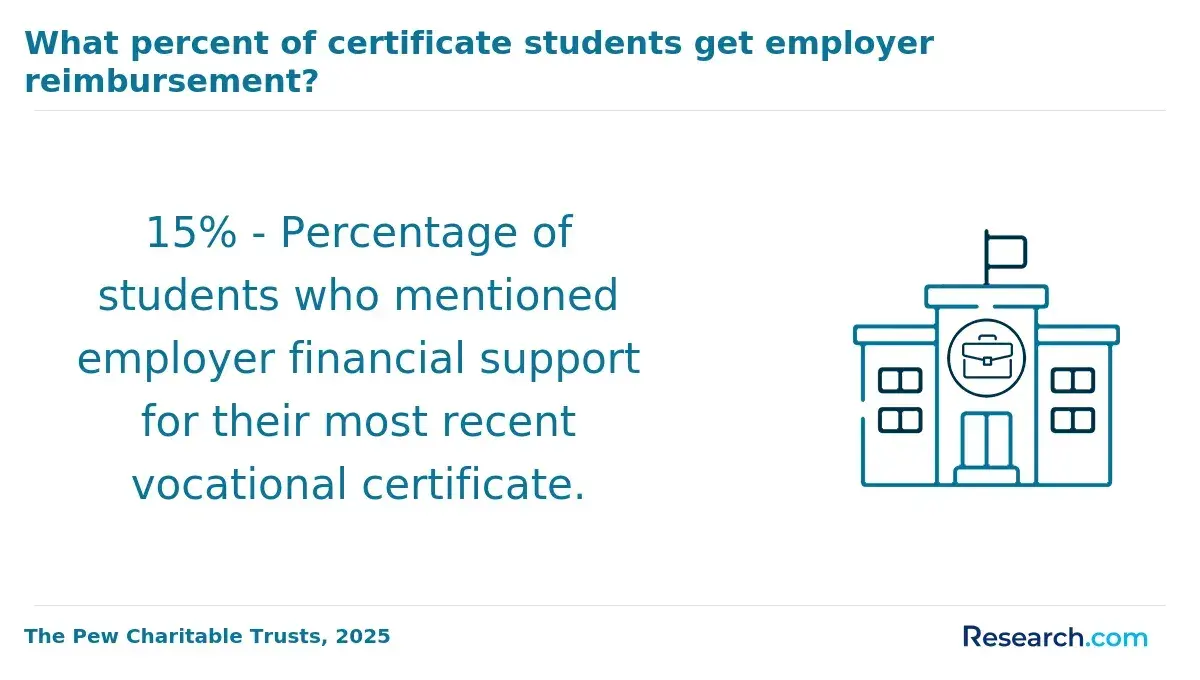
Financial Aid: Graduate financial support-such as teaching or research assistantships, fellowships, and employer-paid tuition reimbursement-is more commonly available to master's candidates. These funding sources can substantially reduce net costs. Certificate students, however, generally encounter limited aid and must often cover expenses out of pocket.
Hidden Costs: Beyond tuition, master's students may incur opportunity costs from delayed full-time employment and postponed career advancements. Certificates require less time commitment, leading to fewer indirect financial burdens, but this often correlates with a narrower scope of salary and career growth.
Return on Investment: Evaluating net cost after aid is crucial-rather than focusing solely on sticker price-when judging value. Free online calculators exist to help prospective learners estimate personalized ROI by including both direct expenses and the costs of time invested in education.
When asked about the cost differences between these credentials, a professional who completed a media communication master's degree shared that financing the program felt daunting but ultimately manageable thanks to assistantships and employer support. She recalled, "Balancing work and coursework was challenging, and sometimes the long hours made it hard to feel the immediate financial payoff. Still, the comprehensive curriculum and networking opportunities opened doors I hadn't anticipated." Her experience highlighted that while the investment was substantial upfront, the program's depth and resource access justified the expense through long-term career benefits.
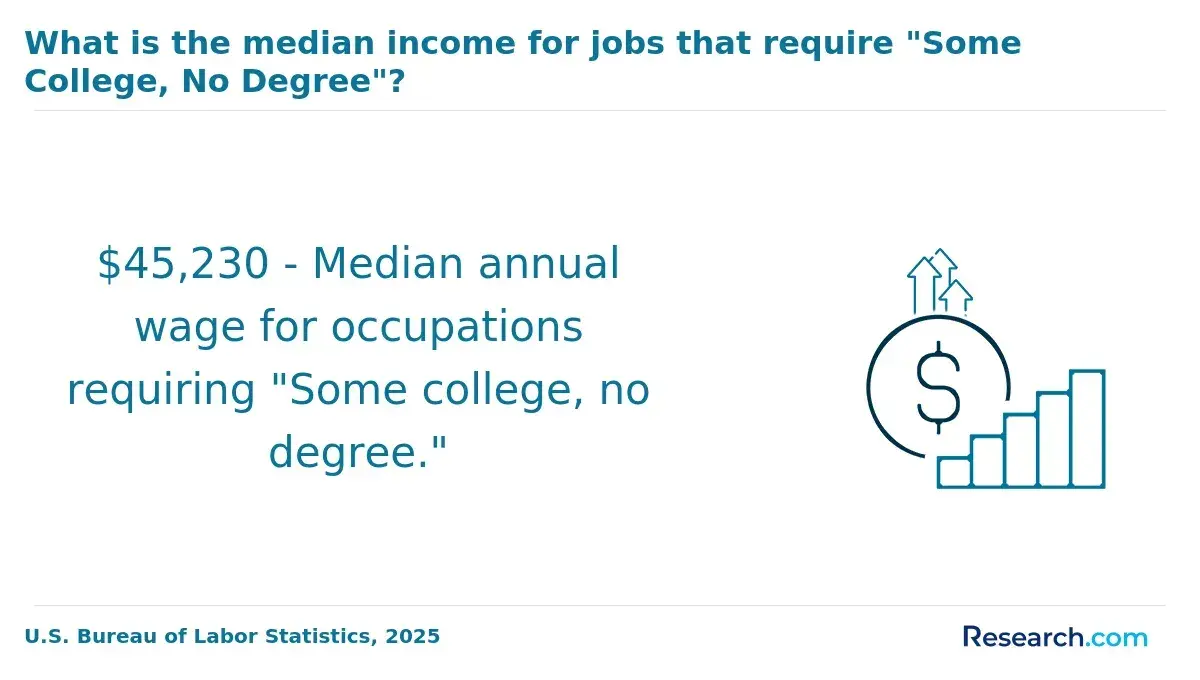
Data from the Bureau of Labor Statistics, NACE, and Georgetown University reveal clear income advantages for media communication professionals with master's degrees over those holding graduate certificates. On average, master's degree holders see an annual salary increase ranging from 15% to 30%, highlighting stronger median wages tied to advanced qualifications.
- Salary Premium: The earnings boost for master's graduates is significant-especially in leadership and strategic positions that require deeper expertise.
- Industry Impact: Sectors such as corporate communications, digital marketing firms, and broadcasting demonstrate the widest salary gaps, reflecting value placed on advanced credentials in these competitive fields.
- Employer Recognition: Government agencies and large corporations often offer higher starting salaries and better career progression pathways for those with master's degrees, whereas smaller companies might prioritize practical skills over formal education.
- Senior Roles: Executive and specialist roles-like communications directors or media strategists-frequently list a master's degree as a minimum requirement, aligning with substantial pay differentials compared to certificate holders.
- Certificate Strengths: Specialized certificates focusing on niche skills such as social media analytics or video production can rival or surpass master's earnings at entry to mid-level positions, particularly when complemented by strong portfolios.
- Return on Investment: While master's programs demand greater time and financial resources, their long-term income benefits often justify the investment for those targeting leadership or specialized careers. Graduate certificates offer faster, cheaper alternatives yielding modest salary gains, suitable for rapid reskilling or career shifts.
According to recent 2024 trends, demand for media communication specialists with advanced digital skills continues to rise, enhancing the value of credentials signaling both breadth and depth of expertise.
Certain media communication career tracks-such as leadership roles, research-intensive positions, and licensed professions-consistently require a master's degree due to the comprehensive knowledge, research skills, and formal qualifications involved. Employers and professional organizations hold these positions to higher academic and ethical standards, often outlined in job postings and professional association guidelines.
- Leadership Roles: Media directors, public relations managers, and communications strategists typically need a master's degree to demonstrate strategic thinking, advanced project management, and theoretical expertise that go beyond the practical scope of graduate certificates.
- Research-Intensive Positions: Careers in media analysis, audience research, or policy research prioritize strong methodological training and theoretical grounding, which a master's program provides but certificates generally lack.
- Licensed Professions: Certain specialties-like licensed communication consultants or media therapists-require a master's degree for certification or licensure, affirming the credential as essential for meeting regulatory standards.
- Career Advancement: Many organizational career ladders explicitly list a master's degree as a formal criterion for promotion to senior or specialized roles, making the degree structurally necessary rather than merely beneficial.
Data from labor market analyses indicate a 15% higher hiring rate for master's degree holders in advanced media communication roles compared to certificate holders, reflecting stronger employer preference and better salary trajectories. For individuals targeting leadership, research, or licensure pathways, planning to earn a master's degree early optimizes both career trajectory and alignment with professional standards.
Certain media communication career paths distinctly favor a graduate certificate over a master's degree-especially in roles where employers emphasize practical, applied skills and faster training instead of comprehensive academic study. Job market data from platforms like LinkedIn Workforce Insights and employer surveys reveal that in fields requiring specialized technical competencies or rapid adaptation, certificates are often viewed as equally valid or even preferable to full master's programs.
- Technical Specialization: Careers such as digital content production, social media management, and multimedia editing reward candidates with current, hands-on expertise. Graduate certificates focusing on tools like video editing software or analytics platforms help professionals meet precise job demands without the theoretical coursework of a master's.
- Rapid Skill Upgrade: Professionals holding undergraduate or graduate degrees frequently pursue certificates for quickly bridging emerging skill gaps-such as mastering new communication technologies or data visualization-rather than committing to two or more years for a master's degree. This approach aligns well with those seeking the best graduate certificate options for media communication professionals.
- Career Changers: Individuals moving into media communication from other industries benefit from certificates providing essential applied knowledge and skills, enabling faster workforce entry. Employers recognize these targeted credentials as proof of relevant abilities and focused preparation.
- Employer Preference: Hiring managers in evolving sectors like digital marketing and broadcast technology often prefer candidates with certificates verifying relevant and updated expertise, which matches industry change more precisely than lengthier academic programs.
- Cost and Time Efficiency: Graduate certificates are more affordable and time-effective for professionals balancing work and education-delivering immediate practical value. For example, those interested in specialized study might consider options like online photography degrees that offer certificate pathways aligned with career goals.
Whether a media communication graduate certificate is stackable toward a master's degree depends largely on institutional policies, not a universal academic rule. Many accredited universities offer graduate certificate programs that permit credit transfer from media communication graduate certificate to master's degree programs within the same or closely related field-though this is far from guaranteed throughout all schools.
Key factors influencing stacking media communication graduate certificates with master's degree programs include:
- Institutional Policy: Some universities explicitly allow coursework from a media communication graduate certificate to apply toward their master's programs if the certificate and degree share strong alignment.
- Grade Requirements: Students usually must earn a minimum grade-commonly a B or higher-for the certificate courses to qualify for transfer credit.
- Time Limits: Credits from the certificate often must be completed within a set timeframe-typically five to seven years-to remain eligible for stacking.
- Program Alignment: Both credentials must be offered by the same institution or have formal transfer agreements; otherwise, stacking may be disallowed.
- Advising Confirmation: Prospective students should verify stackability policies directly with graduate admissions to avoid assumptions and ensure coursework counts toward the desired master's degree.
This stackable certificate pathway offers a strategic advantage by providing a lower-risk, more affordable entry point for students uncertain about committing to a full master's degree in media communication. It allows candidates to demonstrate academic capability and experience graduate-level study before fully investing time and finances.
For those comparing credentials or exploring related fields, resources such as GIS degree programs illustrate how stacking and credit transfer policies vary across disciplines and institutions.
Industry: Employers' views on master's degrees versus graduate certificates differ widely across sectors. Technology and consulting industries often favor certificates as evidence of current, specialized skills. These sectors prize agility and targeted expertise. Conversely, regulated fields and academia typically regard master's degrees as the definitive credential, reflecting comprehensive knowledge and academic rigor.
Role: For broad, analytical positions-especially entry-level or mid-career-a master's degree usually carries more influence. Certificates are valued more for niche or technical roles, where specific competencies matter most. Senior and leadership positions generally require advanced degrees, with certificates serving as supplementary qualifications rather than substitutes.
Reputation: The prestige and accreditation of the issuing institution heavily influence employer perception. A graduate certificate from a respected university can outweigh a master's degree from a lesser-known school. Employers prioritize the quality and relevance of the credential over the degree type itself.
Expectations: Job seekers should align their credential choices with the preferences of their target employers and industry trends. Research into organizational culture and hiring patterns helps set realistic goals-whether that means pursuing a full master's program or opting for a focused certificate to accelerate career advancement.
For professionals moving into media communication from unrelated fields, a graduate certificate offers a streamlined and cost-effective pathway to build relevant skills and establish credibility quickly-without the time or financial investment required by a full master's degree.
- Accessibility: Certificates often feature shorter program lengths and less stringent admission criteria, making them practical for career-changers seeking a fast transition.
- Applied Learning: These credentials focus on hands-on projects and skill development, enabling students to compile a portfolio that highlights their media communication expertise.
- Flexibility: Many programs provide flexible schedules and stackable credits, allowing learners to progress toward a master's degree later if desired.
- Cost Effectiveness: Compared to traditional graduate programs, certificates demand less tuition and associated expenses-important for those exploring a new career path.
- Limitations: While certificates build a solid foundational knowledge, they may not carry the prestige or depth necessary for advancement into senior or highly specialized roles requiring advanced theory or research skills.
- Strategic Enhancement: To improve employment prospects, certificate holders should complement their credential with concrete deliverables such as portfolios, internships, or volunteer projects that demonstrate applied media communication capabilities.
Ultimately, a media communication graduate certificate acts as an expedient first step for career changers intending to gain immediate industry-relevant skills, with the option to pursue a master's degree later for expanded academic and professional opportunities.
What Graduates Say About Which Is Better: A Media Communication Master's Degree or a Media Communication Graduate Certificate
- Reign: "Choosing between a media communication master's degree and a graduate certificate was initially challenging, but I found that the master's program-though more costly-offered a much better return through deeper career utility and stronger employer recognition. The time-to-completion was longer, yes, but that extra investment really paid off in the salary boost I experienced. For anyone serious about long-term growth, the full degree is worth every penny."
- Yousef: "From my experience, the media communication graduate certificate was a practical route because the admission requirements were less demanding and the shorter time-to-completion allowed me to re-enter the workforce quickly. While it didn't carry quite the same weight with some employers, it still positively impacted my salary in a reasonable timeframe. If you're balancing career shifts and cost constraints, the certificate is a strong option."
- Logan: "Reflecting on the two paths, the master's degree in media communication offers substantial advantages for those aiming for significant salary growth and wider career utility, despite its higher cost and stricter admission processes. My graduate certificate served as an excellent stepping stone, but I noticed that the master's opened doors that the certificate couldn't. Ultimately, it's about your professional goals and how much time you can dedicate to the journey."
Other Things You Should Know About Media Communication Degrees
Online master's programs in media communication typically offer a more comprehensive curriculum and carry greater academic weight than graduate certificates. While both credentials are recognized, employers often regard a master's degree as a sign of advanced expertise and critical thinking skills. Graduate certificates focus on specific skills or topics and may not provide the same depth or breadth, affecting long-term career advancement.
Accreditation is vital when selecting either credential, as it ensures the program meets educational standards respected by employers and other institutions. A regionally or nationally accredited master's program often has more influence on salary potential and job opportunities. Graduate certificates from accredited schools add credibility but may not always be as rigorously vetted, making accreditation a key factor for both options.
Professionals seeking leadership or academic roles typically benefit more from a media communication master's degree, due to its comprehensive curriculum. In contrast, a graduate certificate is ideal for those looking to gain specific skills quickly, enhancing their qualifications in current roles or pivoting to new specializations.
A master's degree usually requires a regionally accredited bachelor’s degree, a minimum GPA around 3.0, transcripts, recommendations, and a statement of purpose. A graduate certificate often accepts bachelor’s holders with fewer materials, and some programs admit applicants with 2–5 years of media or communications experience.
- Communication and Media Graduate Programs https://hss.mnsu.edu/academic-programs/communication-media/communication-and-media-graduate-programs/
- Marketing vs communications degree: Which master's is right for you? | edX https://www.edx.org/resources/should-you-get-a-masters-degree-in-marketing-or-communications
- GPA Requirements for Online Master’s in Communication Programs (2.5, 2.75, 3.0 GPA) https://www.mastersincommunications.com/faqs/online-masters-in-communication-gpa-requirements
- Why Study Communication? Jobs for Master’s in Communication Graduates https://www.snhu.edu/about-us/newsroom/liberal-arts/jobs-for-masters-in-communication-graduates
- Programmes https://www.ub.bw/programmes/humanities/media-studies/master-arts-media-communication-mmc
- Graduate Certificate in Media & Communications Areas https://www.graduatecertificate.org/media-communications/
- Integrated Marketing Communication (Graduate Certificate) https://www.setonhill.edu/academics/degrees-programs/graduate-programs/integrated-marketing-communication-graduate-certificate.html
- What is a master's degree in communication and how do I get in? - Sup de Pub https://www.supdepub.com/en/guide/what-is-a-masters-degree-in-communication-and-how-do-i-get-in/
- Communication and Media Studies - MA - Thesis https://grad.ucalgary.ca/future-students/graduate/discover-opportunities/explore-programs/communication-and-media-studies-ma-thesis
- Careers in emerging media | University of Idaho https://www.uidaho.edu/newsroom/emerging-media-careers