2027 Best Value Online Media Communication Master's Degrees: Affordable Accredited Programs with the Highest ROI

Co-Founder and Chief Data Scientist
Choosing an online media communication master's degree demands more than picking a program with a recognizable name. With a 12% increase in enrollment among nontraditional graduate students reported by the National Center for Education Statistics in 2024, affordability and accreditation weigh heavily on decisions as professionals balance cost against career advancement.
Many applicants face the dilemma of selecting programs that promise high return on investment without sacrificing quality or flexibility. This analysis uncovers programs that align with workforce expectations while addressing access barriers, guiding career changers and first-generation students toward degrees that maximize long-term professional value without excessive financial strain.
Key Things to Know About the Best Value Online Media Communication Master's Degrees
- Programs balancing affordability often limit elective variety, requiring students to weigh specialization depth against total cost, shaping the strategic scope of their media communication expertise.
- Employers increasingly value accreditation from recognized bodies, as it signals curriculum relevance and rigor, directly influencing graduate employability and potential for career advancement in shifting media landscapes.
- According to the National Center for Education Statistics (2024), over 40% of graduate enrollments are adult learners opting for online formats, highlighting access improvements but also demanding self-directed time management and cost-effective pacing.
What Are the Best Value Online Media Communication Master's Programs in the U.S.?
Best value in an online media communication master's program extends beyond sticker price to encompass accreditation legitimacy, graduation success, and measurable salary improvements after graduation. For example, a working professional choosing between a $17,000 program and a $30,000 alternative must weigh whether synchronous engagement or higher alumni salary lift justifies the additional cost. This tradeoff often impacts time-to-completion and employability, especially in fields where practical digital media skills are rapidly evolving and employer expectations demand both theoretical grounding and applied expertise.
- Institution: University of Florida
- Estimated Tuition: $17,000 total
- Delivery Format: Fully asynchronous
- Differentiator: Offers an interdisciplinary curriculum grounded in research-driven communication theory and hands-on digital media projects.
- Institution: Texas Tech University
- Estimated Tuition: $20,500 total
- Delivery Format: Asynchronous with optional synchronous seminars
- Differentiator: Strong focus on media strategy and crisis communication suited to professional working students.
- Institution: Emerson College
- Estimated Tuition: $27,000 total
- Delivery Format: Primarily synchronous classes
- Differentiator: Industry-experienced faculty with specialization in media production and storytelling techniques.
- Institution: University of North Carolina at Chapel Hill
- Estimated Tuition: $30,000 total
- Delivery Format: Asynchronous with live cohort workshops
- Differentiator: High graduation rates combined with strong alumni salary gains in communications leadership roles.
- Institution: Syracuse University
- Estimated Tuition: $34,500 total
- Delivery Format: Combination of synchronous and asynchronous
- Differentiator: Offers robust media analytics courses emphasizing data-driven decision-making in communication strategies.
Prospective students seeking an affordable accredited online media communication degrees with high ROI should critically evaluate how delivery formats align with their schedules and learning preferences. This balance is essential since employers increasingly value demonstrated capabilities in digital storytelling, analytics, and strategic messaging-skills that certain programs embed more explicitly than others. For those pursuing specialization within the shortest timeframes, exploring a one year masters degree options can offer accelerated but rigorous pathways to integrate these competencies efficiently.
What Accreditations Should an Online Media Communication Master's Program Have?
Choosing an online media communication master's program without recognized accreditation can severely limit your ability to transfer credits, access federal financial aid, or gain employer credibility-factors that directly impact career mobility and long-term return on investment. For example, graduates from nationally accredited but regionally unaccredited institutions often encounter barriers when pursuing advanced degrees or competing for roles with employers focused on institutional legitimacy.
Accreditation in media communication graduate programs generally operates on two levels. Regional institutional accreditation is the essential baseline, granted by one of seven federally recognized regional bodies such as the Higher Learning Commission (HLC), Southern Association of Colleges and Schools Commission on Colleges (SACSCOC), or Middle States Commission on Higher Education (MSCHE). This status is critical for qualifying for federal financial aid and ensuring that earned credits are transferable among regionally accredited institutions-a vital consideration if you anticipate further education or employer verification.
Field-specific or programmatic accreditation for media communication programs is less ubiquitous but still influential. While business programs might rely on AACSB accreditation and engineering fields on ABET, media communication degrees may benefit from recognition by entities like the Accrediting Council on Education in Journalism and Mass Communications (ACEJMC). Such specialized accreditation signals adherence to industry standards and curricular relevance, enhancing employability in media-driven sectors.
Caution is warranted when encountering programs accredited only by national or for-profit agencies lacking recognition from the U.S. Department of Education or the Council for Higher Education Accreditation (CHEA). These programs often restrict credit transfer options and raise skepticism from employers, which can hinder job prospects and graduate school acceptance.
Prospective students should confirm these key points directly with admissions representatives:
- Regional Accreditation: What specific regional accreditor does your institution hold, and is it recognized by the U.S. Department of Education?
- Programmatic Accreditation: Is the media communication master's program endorsed or accredited by relevant professional organizations like ACEJMC?
- Credit Transferability: Can credits from this program transfer to other regionally accredited institutions?
- Employer Outcomes: Can you provide evidence of employer recognition or graduate success metrics reflecting program value?
How Much Does an Online Media Communication Master's Degree Cost on Average?
Estimating the total cost of an online media communication master's degree involves more than tuition per credit hour-it requires scrutinizing ancillary expenses that often escape initial budgeting. Public universities usually offer lower tuition for in-state students, though many now charge a uniform flat rate to all online enrollees, which can simplify financial planning but eliminate traditional residency discounts. Private nonprofit institutions typically demand higher per-credit rates, yet their flat semester or program fees often include additional support services, bringing some predictability at a premium.
- Public University Average: Tuition varies widely by residency but often falls into a moderate total cost range after fees, with some programs adopting flat rates for all students.
- Private/Nonprofit Average: Consistently higher tuition rates accompanied by comprehensive service offerings and flexible scheduling; flat-rate tuition is common, making total expenses more transparent.
- Mandatory Fees: Many programs tack on charges for student services, registration, and library access, inflating costs beyond advertised tuition.
- Technology Fees: Online coursework often involves platform usage, software licenses, or specialized media equipment fees not included in tuition.
- Thesis/Capstone Fees: Completion requirements sometimes carry extra fees for faculty supervision or administrative processing of final projects.
- Proctoring Costs: Online exams may necessitate third-party proctoring services, often billed per course or exam.
- Residency Requirements: A minority of programs impose brief on-campus residencies or intensives, adding travel and lodging expenses.
Given these cost components, students focused on the best value online media communication master's degree cost should weigh the tradeoffs between baseline tuition and hidden fees. Programs that freeze tuition for all students regardless of residency and minimize extra charges can offer clearer budgeting and better potential ROI, especially for working professionals and first-generation students balancing limited financial flexibility. Prospective candidates can also explore options to study psychology online for comparison in program cost management and financial aid strategies across disciplines.
Assessing the return on investment (ROI) for an online media communication master's degree requires going beyond sticker prices to examine how salary increases measure against total program costs. ROI, in graduate education terms, is calculated as the difference between post-degree and pre-degree salaries, minus program expenses, divided by those expenses-often expressed as a percentage or the number of years needed to recoup costs through increased earnings.
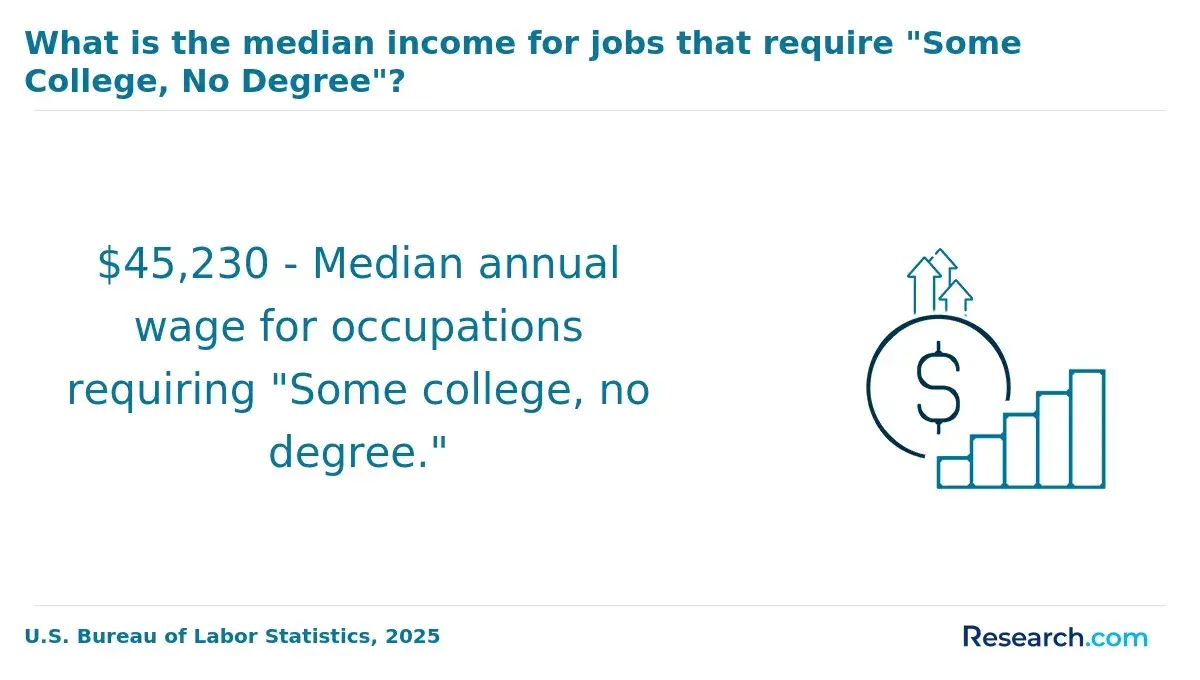
Median data from labor surveys show that professionals typically see median salaries rise from roughly $55,000 in bachelor-level communication roles to $80,000-$90,000 in positions requiring or favoring a master's degree, such as media managers or communications directors. Given program costs ranging from $15,000 to $40,000, typical payback periods span approximately two to five years, but this varies by individual circumstances.
Several key factors influence this ROI calculation:
- Work Experience: Candidates with substantial communication experience often leverage the degree for quicker promotion and applied skill use, accelerating ROI.
- Institution Prestige: While degrees from top-tier schools might command higher salaries, their elevated costs can reduce net financial return.
- Regional Demand: Areas with concentrated media industries typically offer better post-graduation employment prospects and salary growth.
- Specialization: Focused tracks, such as digital media analytics or corporate communication, tend to yield enhanced compensation.
- Non-Monetary ROI: Career shifts, stronger networks, eligibility for leadership roles, and job security form important benefits outside direct salary gains.
An online media communication graduate shared that navigating rolling admissions introduced real uncertainty: despite submitting application materials early, they faced delays in acceptance notifications, which complicated timing decisions around job offers and relocating. This wait required balancing cautious optimism with practical urgency-choosing to continue working while maintaining flexible plans to enroll once acceptance arrived. Such an experience highlights the operational realities often overlooked in ROI discussions, where the payoff is not only financial but also hinges on navigating admissions complexities that impact a candidate's professional and personal timing.
Admission to online media communication master's programs demands strategic assessment beyond a mere GPA cutoff; such evaluations weigh both academic background and professional potential. While an undergraduate GPA near 3.0 on a 4.0 scale is a common benchmark, applicants often face nuanced variation-some programs prioritize experience or demonstrated expertise over strict grade thresholds. For instance, a working professional with extensive industry exposure but a marginally lower GPA may find certain programs more receptive than those focused solely on academic metrics.
- Letters Of Recommendation: These offer critical qualitative perspectives, usually requiring two to three endorsements from academic mentors or supervisors directly acquainted with the candidate's communication skills or workplace performance. Their value lies in contextualizing achievements and work ethic beyond transcripts.
- Statement Of Purpose Or Personal Essay: This narrative clarifies motivation and fit, asking applicants to detail how their career trajectory aligns with program offerings and how the degree will concretely enhance their expertise or employment prospects.
- Professional Resume Or CV: Emphasizing relevant professional history, internships, and media projects, the resume substantiates practical skills that complement academic preparation.
- Prerequisite Coursework: Some programs require foundational studies in communication theories or digital media; lacking this background may necessitate additional coursework, which impacts time and cost considerations.
Standardized Tests: The GRE or GMAT is increasingly optional or waived, reflecting the field's shift away from standardized metrics, though programs with a STEM emphasis may still insist on quantitative proficiency evidence.
Given these disparities, candidates benefit from applying across a spectrum of programs-reach, match, and safety-to navigate the variable standards and optimize admission chances while managing financial and temporal investments.
The minimum GPA requirement for online media communication master's programs often serves as a threshold that distinguishes applicants eligible for consideration from those who are unlikely to be admitted. Most accredited programs typically set this floor between a 2.75 and 3.0 undergraduate GPA, but competitive programs commonly expect closer to a 3.2 or higher. This distinction matters because the minimum GPA is simply the baseline to apply, whereas the competitive GPA reflects the academic profile of the median admitted student and can significantly affect acceptance chances. For instance, a working professional with a 2.8 GPA might meet the minimum but face tougher competition compared to peers at or above 3.2, impacting their admission probability and timing.
Programs often publish both minimum and competitive GPA benchmarks, which helps prospective students gauge their standing. Many also offer GPA waivers or alternatives, allowing candidates to compensate for lower academic records with strong professional experience, portfolios, or standardized test scores. This flexibility can lead to conditional or provisional admission, providing a pathway that values real-world skills alongside academic metrics. It's important to recognize that admissions committees apply a holistic review process, weighing work experience, recommendations, and personal statements - so GPA is just one part of a broader evaluation.
- Minimum GPA: Commonly required between 2.75 and 3.0 as the eligibility baseline at many accredited online media communication master's programs.
- Competitive GPA: Often around 3.2 or higher, reflecting the typical profile of admitted students rather than a strict cutoff.
- GPA Waivers: Available at many programs for candidates with strong professional experience, portfolios, or test scores that compensate for a lower GPA.
- Conditional Admission: Some schools admit students provisionally when GPAs fall below typical thresholds but other qualifications are strong.
- Holistic Review: GPA is weighed alongside professional background, letters of recommendation, and personal statements, emphasizing a comprehensive evaluation.
Prospective students considering affordability alongside academic standards might find value in exploring programs with flexible GPA policies while also evaluating their long-term return on investment. For those interested in comparative cost benefits without the hurdle of standardized tests, researching options like the cheapest online MBA can offer perspective on how admissions requirements and financial commitments vary across disciplines and institutions. Understanding the average GPA needed for media communication master's degree admission in the US helps align expectations and informs strategic application decisions.
Graduate students pursuing an online media communication master's degree often face a unique financial aid landscape that requires careful navigation to avoid long-term debt burdens. Unlike undergraduate students, they have limited access to federal grants, which shifts reliance toward loans and scholarships with distinct terms and obligations. Understanding the tradeoffs among aid types is crucial for managing both upfront costs and post-graduation financial health.
- Federal Loans: Graduate students primarily qualify for Direct Unsubsidized Loans and Graduate PLUS Loans via FAFSA, but these loans accrue interest immediately, increasing total repayment amounts over time. Pell Grants and similar federal grants typically do not apply, which surprises many first-generation applicants expecting need-based aid.
- Institutional Scholarships and Fellowships: Universities may offer merit- or experience-based awards specifically for media communication graduate students, though competition is stiff and timing matters. These funds reduce debt without repayment obligations but require early and targeted applications.
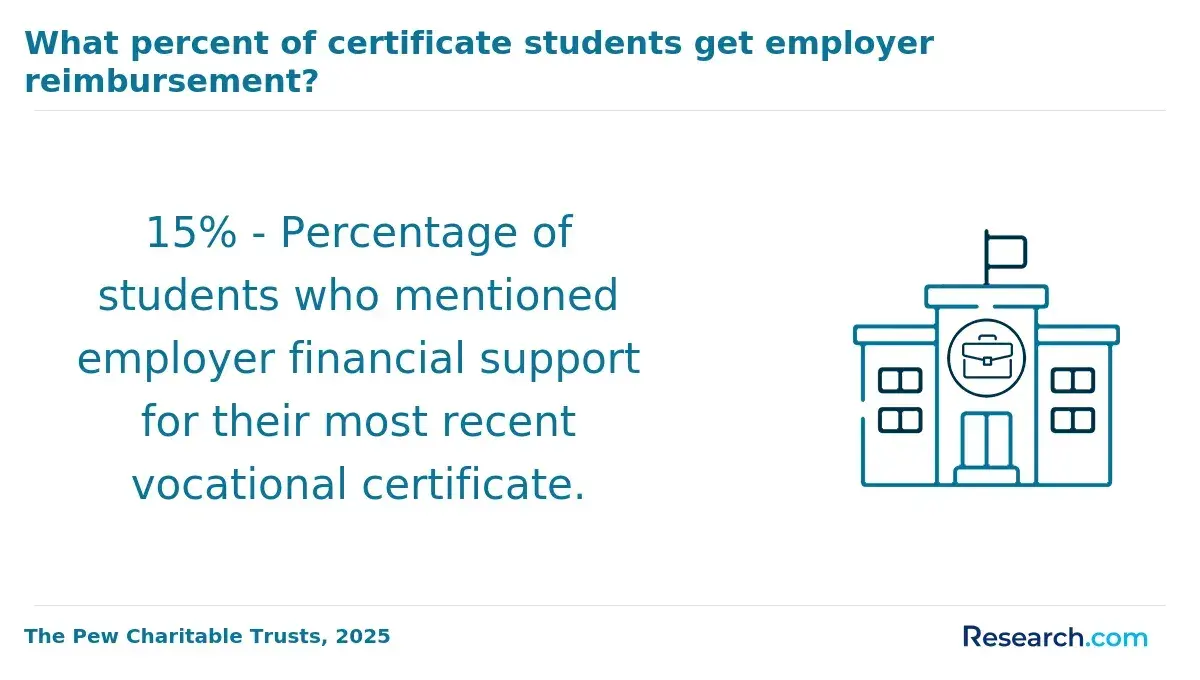
- Employer Tuition Reimbursement: For those working full-time, employer-sponsored tuition aid can substantially offset expenses, but often demands continued employment and satisfactory grades, potentially limiting flexibility.
- Graduate Assistantships: Some programs, including select online options, provide assistantships combining tuition waivers with stipends; however, these require significant time investment, which can conflict with work or family responsibilities.
- External Scholarships: Professional organizations within media communication offer specialized scholarships, rewarding aligned career interests but necessitating tailored applications.
The FAFSA process for graduate students now calculates aid eligibility using the Student Aid Index, which factors income differently than for undergraduates, often limiting grant access. To maximize financial support, applicants should apply early, target discipline-specific awards, proactively negotiate with aid offices, and explore state-specific grants or loan forgiveness programs when available.
An online media communication master's student recalled the uncertainty she faced with rolling admissions and financial aid deadlines. Despite submitting FAFSA promptly, institutional scholarship decisions were staggered, causing a stressful waiting period that forced her to balance accepting a less ideal loan package against holding out for potential aid. Her experience underscored the importance of early preparation and maintaining open communication with financial aid counselors to clarify timelines and available resources before committing financially.
Completion time for an online media communication master's degree depends heavily on the student's enrollment choices and program design, which directly influence workforce reentry and career timing. Full-time students generally finish in 18 months to 2 years, enabling quicker transitions or promotions, while part-time students-comprising the majority of online graduate students-often take between 2.5 and 4 years. This extended timeline can accommodate working professionals balancing job demands but may delay advancement opportunities. For example, a mid-career professional pursuing part-time study might forego immediate salary increases compared to a peer able to complete full-time.
- Credit Hour Requirements: Most accredited online media communication master's programs require 30 to 45 credit hours, influencing how many courses students must complete and thereby affecting program length.
- Course Load: Taking on more credits per semester accelerates completion but increases the risk of burnout, especially for students managing work and family obligations.
- Transfer Credits: Previous graduate coursework can reduce time and cost, but transfer policies vary widely and should be confirmed before enrollment.
- Scheduling Format: Cohort-based programs lock students into fixed schedules, fostering peer support but limiting flexibility, whereas self-paced tracks suit students needing to adjust timelines for life demands.
- Accelerated Options: Some programs offer accelerated completion in about 12 months; however, faster routes require scrutiny to ensure academic rigor and employer recognition remain intact.
- Thesis or Capstone Requirements: These can add one or two semesters depending on student progress and faculty availability, extending total time to degree.
For students without prior higher education credits, exploring online associate degrees may be a strategic step before graduate study. Understanding how long it takes to complete an online media communication master's degree in the United States is critical for aligning educational investment with career timelines and financial planning.
Many students base program selection on the average duration of accredited online media communication master's programs, but it is crucial to weigh tradeoffs between program length, costs, and prospective employer expectations in communication fields where both credentials and relevant experience matter.
Choosing a specialization within an online media communication master's program significantly shapes both career direction and salary potential. For example, a student focusing on digital media production may quickly qualify for technical roles in content creation, while those concentrating on strategic communication might better align with leadership positions in marketing or corporate communications. Many programs require early declaration of a concentration, which influences the curriculum depth and networking opportunities available. Alternatively, some offer a generalist path with electives, appealing to students seeking broader exposure but potentially less targeted preparation. It's crucial for prospective students to analyze current job listings, identifying which concentrations appear most frequently in employer requirements to ensure alignment with desired outcomes.
Common concentrations available in accredited online media communication master's programs include:
- Digital Media Production: Emphasizes skills in video, audio, and multimedia content creation for various platforms.
- Strategic Communication: Focuses on crafting effective messages and campaigns within organizational and public contexts.
- Public Relations: Centers on reputation management, media relations, and crisis communication strategies.
- Social Media Management: Covers content strategy, audience engagement, and analytics across social platforms.
- Media Analytics: Involves using data to evaluate media effectiveness and guide communication strategies.
- Communication Theory and Research: Provides a foundation in scholarly inquiry and methodical analysis of media phenomena.
- Health Communication: Applies media communication principles to public health messaging and education.
- Corporate Communication: Prepares students for internal and external communications within business environments.
Not all concentrations generate equal employment outcomes or salary advantages. Engaging with program alumni or academic advisors can yield valuable insights regarding how specific tracks are perceived in the labor market. This consideration is especially important for first-generation graduate students and career-changers who must strategically invest limited resources for maximum return on investment (ROI). Some students pursuing affordable media communication master's degree concentration options with high ROI may prioritize gaining credentials aligned with rapidly growing sectors like health communication or media analytics.
For working professionals evaluating educational pathways, exploring accelerated online degrees can also bridge the gap between study and salary impact more efficiently.
Employer surveys, including data from SHRM, consistently show that hiring managers generally do not differentiate between online and on-campus media communication master's degrees earned from the same regionally accredited university. This parity places accreditation at the center of credential value, with the critical caveat that few but some diplomas explicitly note an "online" origin, potentially affecting perception in niche markets. Candidates must recognize that while accreditation equalizes degree credibility, modality influences practical experiences and networking realties that shape long-term workforce integration.
Deciding between online and on-campus delivery involves weighing key operational distinctions that impact career trajectories and cost-benefit calculations. On-campus programs typically provide richer, immediate access to in-person networking and direct recruitment pipelines-a tangible advantage in fields leveraging face-to-face connections. Conversely, many online programs have incorporated virtual events, employer partnerships, and hybrid intensive residencies to replicate these benefits, although some nuances of spontaneous, informal networking may be diminished.
- Accreditation: Regional accreditation ensures credential equivalence; degrees from accredited universities carry equal weight regardless of modality, assuming diploma design does not explicitly label the degree as online.
- Networking: On-campus programs often enable direct in-person connections and campus recruiting, while online offerings leverage virtual networking and structured employer collaborations to enhance access.
- Applied Learning: Hands-on labs, practicums, or media production requirements may limit purely online formats; hybrid models increasingly integrate remote projects with optional on-site sessions to bridge this gap.
- Outcomes Transparency: Investigate alumni employment by reviewing LinkedIn profiles and institutional outcome reports to assess how each program supports entry and advancement in competitive job markets.
- Individual Institutions: Institutional reputation and industry connections frequently outweigh modality, shaping ROI and salary potential, with communication master's graduates often encountering salary ranges from $45,000 to $85,000 depending on specialization and role.
What Graduates Say About the Best Value Online Media Communication Master's Degrees
- Reign: "Balancing a full-time job and family commitments made it impossible for me to attend a traditional program, so I chose an affordable online master's in media communication that offered flexible scheduling. The decision paid off with a summer internship I secured remotely, which boosted my portfolio and helped me transition into a mid-level digital strategist role. However, I quickly realized that without certain certifications, my salary growth remains somewhat capped in competitive agencies."
- Yousef: "I was switching careers from finance and had a strict budget, so affordability and accreditation were crucial in picking my media communication master's program. The curriculum's strong emphasis on writing and multimedia storytelling directly led to freelance gigs and eventually a steady job with a nonprofit communications team. Still, competing against candidates with more years of experience means I often have to prove my practical skills beyond the degree alone."
- Logan: "Time was my biggest constraint since I wanted to fast-track into the workforce, so I opted for a well-priced online master's that allowed me to finish within 18 months. This quick turnaround helped me land a remote role in content creation right after graduation, with the added benefit of portfolios valued highly by employers over traditional licensure. That said, I've found that advancing into management requires more than just the degree-it demands ongoing certifications and some on-the-ground leadership experience."
Other Things You Should Know About Media Communication Degrees
Graduates from online media communication master's programs typically find roles in content strategy, digital marketing, public relations, and media production, but outcomes vary widely depending on the program's industry connections and specialization options. Programs that emphasize hands-on projects, internships, or partnerships with media firms generally yield higher job placement rates and stronger employer recognition. Prospective students should prioritize schools with proven success in placing graduates into roles aligned with their career goals rather than simply focusing on tuition cost or brand reputation.
Beyond tuition, students often face additional expenses such as technology fees, software licenses for media editing tools, and required hardware upgrades to handle demanding media projects. These costs can add up to several hundred or even thousands of dollars over the course of the degree, disproportionately impacting affordability for low-income or first-generation students. Transparency about these fees should factor into program comparisons, and students should budget accordingly rather than assume the listed tuition is all-inclusive.
Many accredited programs require either a capstone project or a thesis, usually in the final 6 to 9 credit hours. A capstone often includes a professional portfolio, campaign plan, or research project, while a thesis is more common in research-focused tracks.
Selection should be grounded in clear alignment between the program's curriculum and the desired professional trajectory, including available specializations, elective courses, and networking opportunities within the media industry. Prioritizing programs with career services that facilitate internships, mentorships, and job placement is crucial-especially for career-changers or professionals targeting competitive sectors. Students must weigh flexibility and affordability against the program's demonstrated ability to deliver relevant skills and tangible career advancement.
- All Master’s in Mass Communication & Media Communication Programs (2026 Update) https://www.mastersincommunications.com/specializations/media-mass-communication
- Is a master's in communication worth it | edX https://www.edx.org/resources/is-a-masters-in-communication-worth-it
- Online Master of Arts in Digital Communication | Become a Thought Leader https://www.emeris.ac.za/qualifications/online/master-of-arts-in-digital-communication
- Fully Funded Master's Programs in Communications and Journalism | ProFellow https://www.profellow.com/fellowships/fully-funded-masters-programs-in-communications-and-journalism/
- Average Cost of a Master's Degree: 2025 Analysis https://educationdata.org/average-cost-of-a-masters-degree
- MA in Digital Media & Global Communications online & on-campus | UNF https://www.unfc.ca/academics/graduate/master-of-arts-in-digital-media-and-global-communications
- Master communications, Media and Creative Industries https://www.sciencespo.fr/ecole-management-impact/en/academics/masters/master-communications-media-creative-industries/
- Communication and Media Studies - MA - Thesis https://grad.ucalgary.ca/future-students/graduate/discover-opportunities/explore-programs/communication-and-media-studies-ma-thesis