2027 Media Communication Master's Programs With Bridge or Foundation Courses

Co-Founder and Chief Data Scientist
Applicants without a direct media communication background often face complex hurdles, such as heavy prerequisite credits or uncertain admission status, when pursuing master's programs in the field. Programs offering bridge or foundation courses promise a streamlined path, yet vary widely in structure, cost, and credential recognition.
Notably, 2024 data from the National Center for Education Statistics reveals a 12% rise in graduate enrollment among adult learners seeking flexible, integrated coursework. This shift highlights growing demand for programs balancing foundational knowledge with graduate rigor, emphasizing decision factors like financial aid eligibility and workforce alignment to ensure practical value beyond admission policies.
Key Things to Know About Media Communication Master's Programs With Bridge or Foundation Courses
- Programs integrating bridge or foundation courses often structure prerequisite credits within core curricula, extending time-to-degree but consolidating credential delivery, a tradeoff impacting part-time students balancing work commitments.
- Conditional admission frameworks permit enrollment despite gaps in foundational knowledge, yet employers increasingly favor graduates who demonstrate full competency through accredited credentials, reflecting evolving workforce standards emphasizing practical expertise.
- The rising prevalence of integrated programs correlates with a 15% growth in adult online learners reported by the National Center for Education Statistics in 2024, signaling improved timing and access for career changers unable to pursue standalone preparatory pathways.
What Are Media Communication Master's Programs With Bridge or Foundation Courses, and Who Are They Designed For?
Media communication master's programs with bridge or foundation courses fundamentally address a persistent obstacle for those shifting careers or entering graduate study without a directly relevant undergraduate background. Unlike standard master's programs that require full prerequisite completion prior to admission, these integrated pathways embed essential foundational courses within the graduate curriculum itself.
For instance, a professional transitioning from business or sociology into media communication can avoid additional post-baccalaureate certificates or second degrees, opting instead for a single, structured graduate program. This approach mitigates costs and time lost to segmented credentialing while maintaining academic rigor.
Foundation courses in these programs are typically sequenced either before core master's classes or taken concurrently, a choice that influences overall program duration and intensity. Some programs mandate completion of the bridge coursework first to establish crucial theoretical and technical skills, ensuring smoother progression through advanced modules.
Others offer concurrent enrollment, allowing students to immediately apply emerging foundational knowledge in their graduate studies. This tradeoff between extending program length by a semester or two and providing uninterrupted academic progression is important for working professionals who require flexibility without pausing their careers.
Institutions offering media communication foundation courses for non-traditional students range widely-from research-intensive universities to regional public colleges-reflecting media communication's inherently interdisciplinary nature and industry demands. The pathway is especially advantageous for career changers, recent graduates coming from adjacent but distinct fields, and working adults pursuing graduate credentials without the disruption of standalone prerequisite studies.
- Barrier Addressed: Overcomes prerequisite coursework gaps for applicants from unrelated undergraduate majors or career changes without requiring separate credentialing.
- Program Structure: Foundation courses are either prerequisites taken before core master's classes or taken concurrently, influencing total program duration.
- Target Students: Career changers, recent graduates with adjacent majors, and working professionals needing integrated, time-efficient pathways.
- Institutional Range: Offered by diverse accredited universities adopting flexible admissions reflecting media communication's interdisciplinary nature.
- Outcome Orientation: Designed to equip students quickly with both foundational and advanced competencies valued by employers and graduate programs alike.
Considering the financial and temporal demands of graduate education, exploring programs with embedded foundation courses provides a strategic alternative to more fragmented routes. Notably, candidates balancing ongoing employment with academic goals benefit from this streamlined format, especially compared to enrolling separately in post-baccalaureate certificates.
Prospective students may also consult resources that analyze comparable flexible learning alternatives, such as the cheapest ABA certification online, to evaluate parallel models of integrated credentialing across disciplines.
Which Accredited U.S. Universities Offer Media Communication Master's Programs With Built-In Bridge or Foundation Courses?
Programs offering media communication master's degrees with built-in bridge or foundation coursework provide essential pathways for students lacking direct undergraduate preparation, but these integrated structures differ widely in scope, cost, and admission conditions, impacting long-term career flexibility and financial planning.
Selecting the right program requires assessing tradeoffs between full versus conditional admission, prerequisite credit burden, and the program's regional recognition-factors that strongly influence employability and the ability to maintain career momentum during study.
- Public Universities: Institutions like the University of North Carolina at Chapel Hill embed foundational courses within their media communication master's programs to accommodate career changers and recent graduates from related fields, offering full admission contingent on completing bridge coursework. Their regional accreditation supports broad employer recognition and access to comprehensive financial aid, but applicants must weigh the longer total time and cost due to prerequisite completions.
- Private Nonprofit Universities: Syracuse University exemplifies private nonprofit options that integrate hybrid foundation modules tailored to students without a directly aligned undergraduate major. These programs balance academic rigor with professional outcomes, often housed within AACSB- or ACEJMC-accredited schools, yet candidates should consider how conditional admissions and cumulative tuition affect the overall ROI and timing for workforce entry.
- Online-Focused Institutions: Purdue University Global's fully online media communication master's path includes built-in bridge courses designed for working professionals needing flexibility. These programs offer modular pacing and transparent prerequisites but require careful verification of admission policies and curricular updates directly from admissions, as periodic changes can affect credit transfer and graduation timelines.
Geographically, the highest concentration of such integrated programs is in the East Coast and Midwest, reflecting both higher university densities and diverse student demands. Smaller teaching-focused colleges rarely provide formal bridge pathways, making research universities and established online providers the primary sources of these comprehensive options tailored for non-traditional students.
Prospective applicants benefit from consulting official university program webpages, regional accreditation listings, and the Integrated Postsecondary Education Data System (IPEDS) for the most accurate program descriptions. Since bridge or foundation courses may be renamed or restructured across catalog years, relying on third-party aggregators risks misinformation about admission status, prerequisite requirements, and financial aid eligibility.
Direct contact with admissions offices remains the best strategy to secure current, precise details that align graduate pathways with individual career objectives and timing constraints.
What Specific Bridge or Foundation Courses Are Commonly Required Before Full Admission to a Media Communication Master's Program?
Applicants aiming for a media communication master's without a directly relevant undergraduate degree face a nuanced gateway of prerequisite coursework designed to bridge foundational gaps. Such bridge and foundation courses serve not only to align academic preparation but also to mitigate potential struggles with graduate-level rigor-a critical factor since employers increasingly expect graduates to demonstrate both theoretical fluency and practical skills.
For career changers or those with adjacent fields, understanding these requirements is essential before committing to any program, as the required course load directly impacts time-to-degree, tuition costs, and the ability to maintain professional obligations.
- Discipline-Specific Courses: These typically include introductory classes in media theory, communication research methods, journalism basics, and digital media production, addressing core knowledge gaps for those without prior media communication experience.
- Graduate Readiness Courses: Programs often require academic writing, research design, or statistics courses to sharpen critical analysis and communication skills, underpinning success at the graduate level.
- Assessment Processes: Institutions determine necessary foundation courses through transcript evaluations, placement tests, or standardized rubrics; applicants should inquire about these methods to gauge potential academic workload before enrollment.
- Variation by Program: The scope of bridge courses ranges significantly-from a single course to a full semester sequence-substantially affecting financial commitments and program length.
- Admission Status Impact: Completion of these courses may be tied to conditional admission, influencing eligibility for financial aid and enrollment status, which can affect overall career timelines.
- Cost and Workload Considerations: Prospective students must weigh the cost-benefit of additional tuition and academic effort against entering a program prepared for success and aligned with employer expectations.
This layered approach to foundation course requirements is particularly relevant for those pursuing a media communication master's who need integrated pathways without pausing their careers. Carefully assessing bridge course demands is crucial, whether you are a recent graduate from a related but non-aligned major or a working professional seeking an online master's in counseling with a media communication component.
Understanding these prerequisite obligations upfront enables informed decision-making, optimizing both educational investment and long-term professional outcomes.
Choosing between a master's program with embedded bridge or foundation courses and pursuing a post-baccalaureate certificate or second bachelor's degree significantly shapes a candidate's pathway into media communication. Integrating bridge courses within a master's program often streamlines progression by offering conditional admission that enables students to fulfill prerequisite gaps alongside graduate coursework.
This can shorten time to degree and preserve comprehensive financial aid eligibility-advantages that sequential post-baccalaureate certificates or second bachelor's degrees seldom provide.
The implications of this structure extend beyond scheduling. Bridge-integrated master's programs tend to minimize redundant tuition and administrative expenses, making them more cost-efficient for those balancing work and study. Conversely, second bachelor's degrees generally involve longer, costlier commitments under undergraduate tuition models, often lacking flexibility critical for working adults.
Post-baccalaureate certificates, while sometimes favored by applicants targeting highly competitive programs needing robust foundational preparation, usually offer limited financial aid and do not equate to the credential recognition of a full master's degree.
- Program Structure: Bridge courses embedded in master's programs enable conditional admission with a continuous curriculum, while post-baccalaureate certificates and second bachelor's degrees require separate enrollments.
- Total Time to Credential: Integrated pathways typically reduce total study duration by avoiding sequential program completion.
- Financial Aid Eligibility: Graduate-level aid generally covers bridge programs but often excludes standalone certificates and second bachelor's degrees.
- Cost Efficiency: Overlapping credit elimination and single tuition structures favor bridge programs over multiple discrete credentials.
- Credential Recognition: Master's degrees with bridge components maintain full professional and licensing equivalence; certificates and second bachelor's degrees are less recognized.
- Admission Competitiveness: Certificates can enhance preparation for rigorous master's admissions but may delay entry.
- Flexibility for Working Adults: Bridge programs usually offer part-time options and integrated advising; second bachelor's degrees often require full-time study.
- Strategic Planning: Candidates benefit from mapping out full credit loads, timeframes, and aid eligibility across pathways before committing.
One media communication master's graduate recalls the uncertainty during their program's rolling admissions cycle. Initially considering a post-baccalaureate certificate to strengthen prerequisites, they hesitated as the timeline lengthened and funding options tightened. When the bridge-integrated master's offer arrived, it offered a more immediate and financially viable route.
Navigating the conditional admission terms required careful planning, but the integrated coursework ultimately enabled them to advance without delaying career goals-a tradeoff balancing preparation, cost, and timing that highlighted the practical decision-making such program pathways demand.
Admission criteria for media communication master's programs with bridge or foundation courses often relax typical prerequisites to accommodate candidates without direct undergraduate preparation in the field. This flexibility broadens access for career changers, recent graduates from adjacent disciplines, and busy professionals needing an integrated pathway without pausing their careers.
- Undergraduate GPA: These programs typically expect a minimum GPA near 2.75 to 3.0 but may waive this in favor of relevant work experience or a compelling personal statement, unlike traditional programs which usually enforce stricter academic thresholds upfront.
- Required Documents: Applicants provide standard materials such as transcripts, resumes, letters of recommendation, and essays outlining their motivation and readiness for graduate study, emphasizing transferable skills.
- Standardized Test Policies: Many waive the GRE, recognizing diverse backgrounds, though policies vary and some competitive programs still recommend or require it, reflecting differing institutional priorities.
- Professional Experience: Relevant communication-related work can compensate for weaker academic records and demonstrate practical competence, enhancing admission prospects.
- Program Structure Impact: Unlike standard master's tracks demanding full prerequisites at entry, integrated bridge programs embed foundational coursework early, creating cohorts with varied pacing needs and academic readiness.
- Conditional Versus Direct Admission: Conditional admission requires successful completion of bridge coursework with benchmark grades before full graduate status and financial aid become accessible; direct admission offers immediate matriculation and smoother credit transfer if students switch programs.
While designed for non-traditional entrants, success in these programs hinges on early cultivation of research, writing, and critical thinking skills to manage the distinct rigor of the bridge phase and transition confidently into advanced media communication coursework.
Admission to media communication master's programs with bridge or foundation courses typically requires an undergraduate GPA near 3.0, but this baseline varies to accommodate applicants from diverse academic backgrounds. These programs recognize that many candidates come without traditional media communication prerequisites, making the prior academic field a vital factor in evaluating eligibility.
For instance, a candidate with a 2.8 GPA in an unrelated undergraduate major may still be admitted conditionally if they supplement their application with relevant professional experience and complete foundation coursework successfully. This flexibility contrasts with standard media communication master's programs, where GPA expectations often exceed 3.0, reflecting stronger prior specialization and less emphasis on remedial phases.
- Minimum GPA Range: Most accredited bridge-inclusive programs require a minimum undergraduate GPA between 2.7 and 3.2, lower than the 3.0-3.5 typical of direct-entry programs, balancing access with academic rigor on the foundation path.
- Impact of Prior Academic Background: Applicants without a media communication undergraduate major face increased scrutiny of GPA combined with prerequisite knowledge; however, bridge courses help address gaps, allowing some leniency when coupled with relevant experience.
- Evaluation of Applications: Holistic admission processes weigh GPA alongside letters of recommendation, personal statements, and applicable work history more heavily for non-traditional candidates, recognizing potential rather than just past academic metrics.
- Comparison with Standard Programs: Bridge programs prioritize a transitional phase of academic rigor that demands commitment but offer greater flexibility in baseline GPA standards than programs targeting solely specialized applicants.
- Conditional Admission Options: Candidates near or below GPA thresholds may receive conditional admission, contingent on successful completion of foundational coursework prior to full matriculation.
- Professional Experience and Coursework: Relevant work experience and targeted post-baccalaureate courses can sometimes compensate for lower GPAs, reinforcing the applicant's readiness for graduate-level media communication study.
For professionals unable to pause their careers for separate preparatory programs, integrated bridge courses offer a practical route to graduate credentials. Additionally, those exploring the risk-reward tradeoff in balancing admissions competitiveness with career timelines should consider post-baccalaureate coursework or professional experience to strengthen applications.
Prospective students assessing their fit should keep in mind that admission criteria reflect both academic potential and workforce relevance.
Those interested in exploring related flexible graduate pathways might also consider affordable options in parallel fields, such as the affordable online MBA human resources programs, which value practical experience alongside academic achievement.
Bridge or foundation courses in media communication master's programs often add between 6 and 18 extra credit hours to the degree requirements, reflecting a program's response to students' entry-level preparation. Programs admitting candidates without a relevant undergraduate background typically require more extensive leveling coursework, while those with prerequisite alignment demand fewer or no additional credits.
Whether these courses are embedded in the degree or taken as separate prerequisites significantly impacts the student's path and financial burden.
Each additional credit translates directly into higher tuition costs, so a program charging $800 per credit could add between $4,800 and $14,400 beyond the core curriculum tuition solely due to bridge classes. Comparing only per-credit rates without considering total credit loads risks underestimating the actual cost.
For part-time students, the extra credits extend enrollment by one or more semesters, increasing indirect expenses like lost wages, living costs, and delayed workforce re-entry-factors that amplify the total economic impact beyond tuition alone.
Prospective students should verify with admissions whether bridge credits count toward the master's degree or require separate registration, as this influences financial aid eligibility and credential timelines. This clarity is essential for those balancing ongoing employment or seeking streamlined entry into media communication careers.
- Delivery Formats: Fully online, hybrid, and in-person options regularly accommodate working adults.
- Admission Status: Conditional admission is common when bridge coursework is needed.
- Financial Aid: Typically limited to degree-credit courses, affecting funding strategies.
One graduate recalled a pivotal period during their rolling admissions process when the uncertainty around bridge course requirements caused hesitation. Initially expecting minimal additional credits, they hesitated to commit due to concerns about delayed graduation. After clarifying that some bridge credits counted toward the degree, the student adjusted their timeline and enrollment decisions accordingly, balancing urgency with the flexibility these integrated prerequisites provided.
This experience underscored how nuanced program policies around foundational coursework can meaningfully shape planning and financial readiness.
Media communication master's programs with bridge or foundation courses serve a distinct student profile that demands careful evaluation due to the added time and financial investment. These integrated programs appeal primarily to individuals who lack direct prerequisites in media communication but possess strong academic aptitude and a clear intent to pivot into this field.
For example, a recent marketing graduate with a high GPA seeking to shift careers without pausing full-time employment may find such a program uniquely valuable, as it consolidates prerequisite leveling and graduate study. This approach aligns well with workforce realities where employers increasingly value demonstrated capability over narrowly linear academic paths.
- Academic Background: Best suited for candidates with solid undergraduate performance in related disciplines like journalism, marketing, or communications studies who have not completed core media communication coursework required for direct graduate admission.
- Professional Motivation: Clear, focused career change intentions facilitate persistence through bridge requirements, which extend duration and costs but ultimately improve employability in media communication-aligned roles.
- Financial and Scheduling Flexibility: The necessity to manage extra semesters and tuition means candidates must have resources and time flexibility; this is less feasible for those unable to reduce work hours or gain financial aid coverage for pre-master's courses.
- Less Suitable Candidates: Applicants with extensive prior media communication credits may face unnecessary duplication, while those targeting highly selective media communication master's programs-often without bridge admission options-should consider direct graduate entry to avoid delays and expenses.
- Self-Assessment: An honest evaluation of prior coursework, career timeline, financial runway, and long-term goals is critical to determine if a bridge-inclusive program is optimal or if alternatives like post-baccalaureate certificates or direct admission better align with personal and workforce trajectories.
Recent enrollment data show a growing number of working professionals enrolling in integrated media communication master's pathways, reflecting the need for easiest MBA programs to get into-style flexibility and credentialing. These programs represent a pragmatic solution for non-traditional students who must balance career continuation with upskilling, underscoring why the best candidates are those who combine academic readiness with realistic planning for bridge workload and financial commitments.
In sum, media communication master's programs for non-traditional students incorporate bridge coursework most effectively when aligned with deliberate, resource-aware career transitions supported by strong foundational academic skills and clear professional goals.
Bridge or foundation courses in media communication master's programs are offered through a variety of delivery formats, each with distinct implications for accessibility, cost, and instructional quality. Students who require a fully online path to balance employment and location constraints may find asynchronous or synchronous live-online formats most practical.
However, these online options can limit experiential learning opportunities that are essential for building hands-on skills, potentially affecting readiness for the more rigorous, practical demands of the master's core curriculum.
On the other hand, traditional on-campus foundation courses grant direct access to specialized equipment, studios, and mentorship, fostering deeper skill development. This advantage often comes at the expense of added time, travel, and financial burdens, which may be prohibitive for working professionals or those with family obligations.
Hybrid models strive to merge the strengths of both approaches by offering online theoretical instruction supplemented with infrequent on-site sessions. While this can provide critical practical exposure without full relocation, scheduling conflicts and limited campus time may reduce the overall flexibility.
Crucially, prospective students should verify whether the delivery format of bridge or foundation courses aligns with the master's core program. Divergent formats can force unexpected travel or residency, disrupting the anticipated fully online progression and complicating work-life balance. Considering that many media communication master's programs cater to career changers and recent graduates whose undergraduate focus was only adjacent or unrelated, format consistency becomes a key factor in program transparency and student success.
- Fully Online: Offers geographic flexibility and lower commuting costs but may lack hands-on training critical for media communication skills.
- On-Campus: Enables immersive, practical learning but imposes significant time and relocation costs.
- Hybrid: Balances theoretical online instruction with in-person experience, yet scheduling can remain a challenge.
- Format Consistency: Alignment between the bridge and master's core formats is essential to avoid unexpected commitments.
- Program Transparency: Confirm delivery mode requirements across all program phases before enrolling to ensure genuine flexibility.
Including bridge or foundation courses within a single-degree pathway is especially vital for working professionals who cannot pause their careers or complete separate post-baccalaureate programs. Careful assessment of format tradeoffs helps ensure preparedness for graduate-level expectations in media communication, enhancing employability in a competitive field. For applicants considering their options, examining detailed program structures alongside potential financial aid opportunities and credential recognition is essential.
Those seeking structured online alternatives might also explore related fields; for example, resources on the best online cybersecurity degree programs for veterans highlight similar delivery challenges and opportunities relevant across disciplines.
The bridge or foundation component in media communication master's programs notably influences the total financial commitment, often reshaping how candidates navigate program entry and funding decisions. Employers increasingly expect both foundational knowledge and specialized skills, placing candidates who must complete bridge coursework at a strategic crossroads: pay more upfront via integrated bridge fees or potentially extend their timeline and expenses through separate prerequisite pathways.
Accredited programs typically use three pricing structures for bridge credits: charging at the full graduate per-credit tuition identical to core courses, applying a reduced per-credit rate, or billing a flat fee for all foundational coursework. These variations critically affect total cost of attendance, often making integrated routes pricier but more time-efficient.
Bridge course fees generally range from $3,000 to $12,000, with full program costs-bridge plus core tuition-commonly totaling between $25,000 and $50,000 or higher. This contrasts with programs without bridge requirements, which may present lower sticker prices but require separate prerequisite completion, delaying entry into the workforce.
Additionally, hidden costs such as technology fees, materials, proctoring charges, and practicum or lab fees can augment the bridge phase's nominal tuition by several hundred to a few thousand dollars, necessitating careful budgeting and inquiry.
Prospective students should obtain comprehensive cost-of-attendance disclosures that itemize both tuition and incidental fees across the integrated curriculum. Comparing these figures against alternatives like post-baccalaureate certificates or second bachelor's degrees helps clarify which pathway aligns with individual financial constraints, career timing needs, and long-term return on investment.
- Pricing Models: Bridge credits may be billed at full graduate tuition rates, a reduced per-credit rate, or as a flat fee covering foundation coursework.
- Cost Range: Bridge components usually add $3,000-$12,000 to total costs, with full programs frequently totaling $25,000-$50,000 or more.
- Hidden Fees: Technology, materials, proctoring, and practicum fees often increase the bridge phase's effective price beyond published tuition.
- Cost Comparison: Integrated bridge pathways can be pricier than completing prerequisites separately but save time and streamline admissions.
- Consumer Advice: Students should obtain full cost estimates and weigh total investment and practical outcomes before commitment.
- Strategic Evaluation: Compare integrated bridge master's costs against alternative pathways like post-bacc plus master's or second bachelor's routes for best value assessment.
What Graduates Say About Media Communication Master's Programs With Bridge or Foundation Courses
- Reign: "Balancing a full-time job while enrolled in the bridge courses was challenging, but I chose this program because it offered a flexible schedule that fit my hectic routine. The practical portfolio projects were a major factor in landing my current role in digital media, as employers heavily emphasized demonstrated skills over formal licensure. Still, I had to accept that salary growth might be slower without additional certifications, so I'm considering that step next to advance further."
- Yousef: "After making a late career switch, I had limited time and funds, which pushed me towards this master's with foundation courses to quickly build relevant skills. The decision paid off when I secured a valuable internship, which I believe mattered more to my employer than my academic credentials alone. That said, I've noticed that competition for senior roles remains tough without extensive experience, so I'm focusing on building relationships and freelance projects while I gain footing."
- Logan: "The workload was intense, and I debated whether to opt for a traditional degree track, but the foundation courses promised faster entry into the media communication field with some crucial skills upfront. I'm now working remotely in a content strategy role, which I wouldn't have accessed without this practical, application-focused training. However, some hiring managers still prioritize industry certifications, so I'm weighing whether to pursue those alongside my current job commitments."
Other Things You Should Know About Media Communication Degrees
Yes. In many 2027 programs, bridge or foundation courses carry 3 to 6 ECTS each, and students must pass them before starting the core master's modules. Some universities count them toward the degree, while others require them only as a preparatory block.
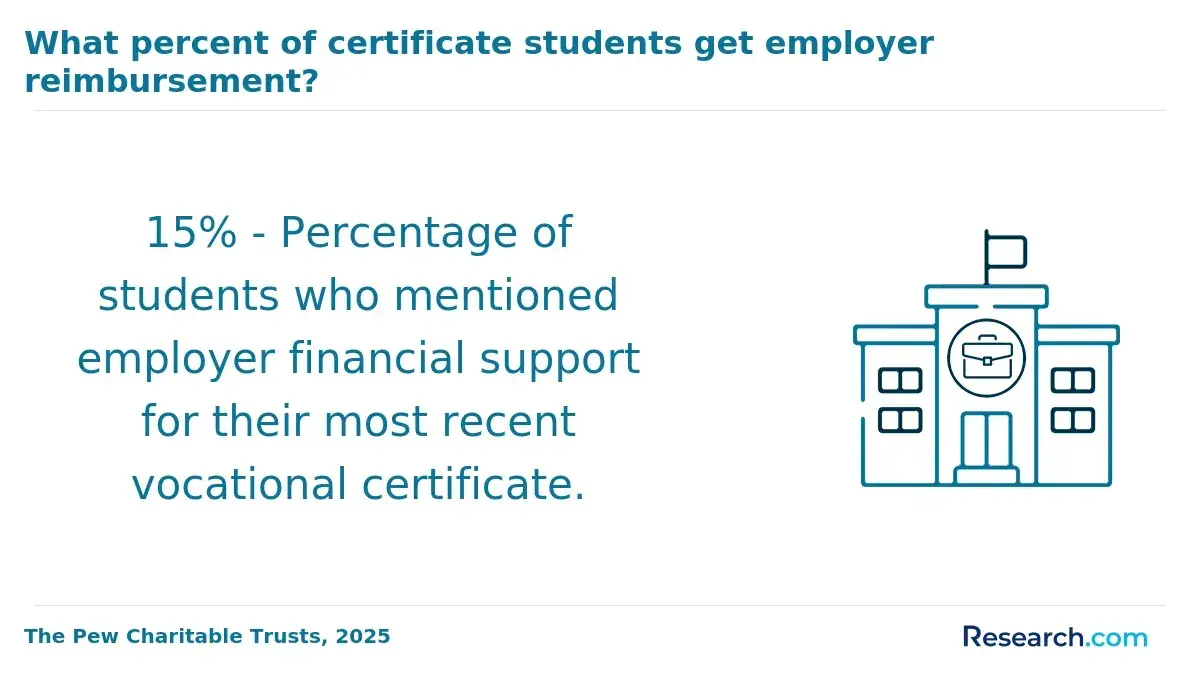
Financial aid eligibility during the bridge or foundation phase varies considerably by institution. Some programs treat bridge courses as part of the graduate curriculum, enabling access to federal aid and scholarships, while others classify them as undergrad-level prerequisites, limiting funding options. Employer tuition reimbursement often excludes foundational coursework if it's perceived as remedial, which affects working professionals relying on benefits. When evaluating programs, applicants should confirm how bridge courses factor into financial aid packages to avoid unexpected personal costs early on.
Applicants must weigh the tradeoff between accessibility and program rigor. Programs with extensive foundation coursework can accommodate non-traditional backgrounds but often extend total study time and increase tuition. Choosing a program with a well-structured bridge phase that integrates smoothly into the master's curriculum reduces risks of attrition and delays. Prospective students should also consider flexibility and delivery modes, especially if balancing work commitments, alongside proven career support services that demonstrate strong employment outcomes despite the additional preparatory layer.
- MA in Communication - Prospective Students https://www.stmarys-ca.edu/graduate-professional-studies/ma-communication/prospective-students
- Master of Communication https://qiu.edu.my/programmes/master-of-communication/
- Admissions Requirements for Master's in Communication Programs (Campus, Online) https://www.mastersincommunications.com/faqs/admissions-requirements
- Master’s in Communication in Illinois https://www.mastersincommunications.org/state/illinois/
- School of Communication https://catalog.tsu.edu/graduate/schools-colleges/communication/
- Explore Master’s Degrees in Media and Communications at Full Sail - The Hub https://hub.fullsail.edu/articles/explore-masters-degrees-in-media-and-communications-at-full-sail
- Mass Communications Course in Malaysia - Careers & Requirements https://eduadvisor.my/course-guide/mass-communication
- Master of New Media and Communication Studies https://mila.edu.my/programme/master-of-new-media-and-communication-studies-by-coursework/
- Master’s Degree in Communications – Earn a Masters in Communication, Explore Communications Masters Programs at UT San Antonio https://future.utsa.edu/programs/master/communication/
- Foundation in Arts (Communication) - City University Malaysia https://city.edu.my/foundation-in-arts-communication/