2027 Choosing an Online Ed.D. in Leadership and Learning in Organizations Around a Public Agency Budget Cycle
Audited and Verified:
Our Editorial and Data Verification Process
Research.com uses government datasets, official education statistics and primary institutional information to support its career and degree guides. Our review process checks factual accuracy, occupational definitions, source dates and the requirements associated with the credentials discussed.
How This Article Was Fact-Checked
Our editorial team verifies salary estimates, employment projections, education requirements and program information against original data providers and official organizations. Salary figures are checked against the relevant occupational definitions and reporting periods. Information about licensure, accreditation and required in-person training is reviewed separately.
Fact-checked and verified on:

Co-Founder and Chief Data Scientist
Public agency work does not pause for doctoral coursework. Budget proposals, hearings, approvals, and year-end reporting can compete with live classes and an applied research project - often at the least convenient points in the academic calendar.
This guide is for government and public-institution professionals considering an online Ed.D. in leadership and learning in organizations. It explains how to compare programs against your agency's budget calendar, verify project access and employer support, and decide whether a doctorate is worth the commitment or a shorter route would better serve your goal.
Key Things You Should Know
- Compare the program's actual class, team, residency, and project deadlines with your agency's busiest budget periods; "online" does not mean self-paced.
- Choose a program whose applied-project rules allow a feasible agency problem, authorized data access, and a fallback if approvals or employment change.
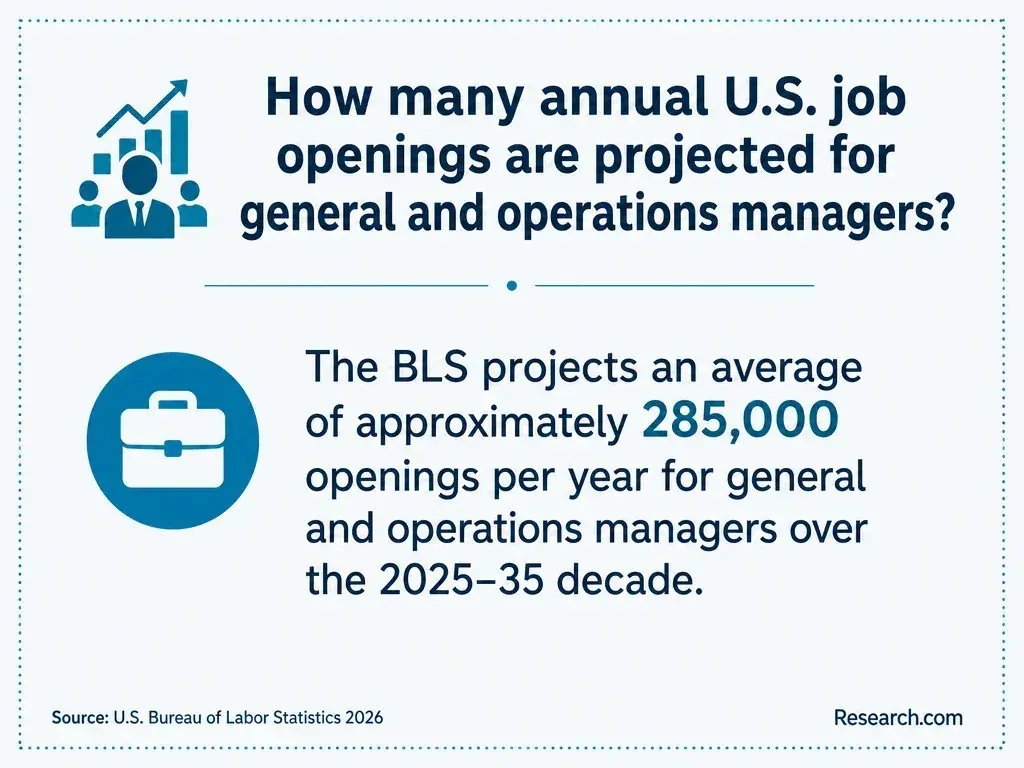
- Do not budget around an assumed promotion: the U.S. Bureau of Labor Statistics reports a $133,000 median annual wage for training and development managers in 2025, not an expected salary for Ed.D. graduates or public employees.
What Is an Online Ed.D. in Leadership and Learning in Organizations?
An online Doctor of Education in leadership and learning in organizations is a practice-oriented doctorate concerned with how people learn, how organizations change, and how leaders use evidence to improve performance. Depending on the school, students may study adult learning, organizational development, evaluation, and applied research. The exact degree title, curriculum, and final project vary; a leadership course does not necessarily constitute a formal concentration.
For a public agency leader, the degree is most relevant when the goal is to improve workforce development, implement change across units, or evaluate a learning initiative - not simply to acquire a senior title. A research-focused PhD may fit a goal of producing scholarly research, while an MPA, targeted evaluation coursework, or employer leadership program may be more direct for someone primarily seeking budgeting or management skills.
How Does an Online Ed.D. Prepare Leaders for Public Agency Budget Cycles?
An Ed.D. cannot change an agency's appropriations process. It can help a leader define a workforce or service problem, assess whether learning is part of its cause, evaluate a proposed response, and explain findings to decision-makers. The useful test is whether the program lets you apply those skills within your actual decision authority and calendar.
The table shows how common budget-cycle stages can affect doctoral work. Agencies differ in fiscal calendars, approval processes, and restrictions, so use your own agency's schedule rather than assuming these stages fall in particular months.
| Agency stage | Likely doctoral-study constraint | Potentially relevant learning task |
| Proposal development | Forecasting and justification compete with coursework | Define a workforce need and examine existing evidence |
| Review and hearings | Briefings and revisions can make live attendance difficult | Communicate an evaluation plan without overstating expected results |
| Appropriation and implementation | Staffing, procurement, and spending authority may shift | Revise an implementation plan to match approved resources |
| Closeout and reporting | Financial deadlines may collide with project milestones | Interpret available measures and document limitations |
A strong applied project might examine how an existing training initiative is implemented or how staff use a new process. It should not presume that training will fix a staffing, incentive, procurement, or governance problem. Before relying on an agency project, check who can authorize the work, what data may be used, whether academic review is required, and what can be shared publicly.
How Do You Choose an Accredited Online Ed.D. Program?
Start by verifying that the university holds institutional accreditation from an accreditor recognized by the U.S. Department of Education or the Council for Higher Education Accreditation. Then confirm the specific program's degree designation, delivery requirements, final-project model, and any licensure claims with the institution. Institutional accreditation does not by itself establish school-administrator licensure eligibility.
Compare programs against the work you want to do, not the breadth of their leadership branding. Guidance on selecting a professional focus for an Ed.D. can help you distinguish an organizational-learning emphasis from a K-12 administration pathway.
Request the proposed entry term's course sequence and academic calendar. Mark live-session times, attendance rules, group-work periods, campus convenings, project-approval checkpoints, and submission deadlines against your agency's budget calendar. Ask whether required courses are offered if you slow your pace and what happens if a proposed agency project loses its sponsor. A program is a poor fit if its unavoidable deadlines repeatedly coincide with periods when you cannot leave budget duties.
Relevant study may include adult learning, organizational culture, change implementation, research methods, and program evaluation. For an agency professional, the distinction between those subjects matters: a training needs assessment asks what people must be able to do; an organizational diagnosis also examines processes, resources, and incentives; an evaluation asks whether an initiative was implemented and what the evidence supports.
Look beyond course titles. Ask to see learning outcomes and project examples that show whether students practice analyzing administrative data, interviewing stakeholders, assessing implementation, and reporting uncertainty. Confirm which courses are required, which are electives that may not run every term, and how faculty supervise applied inquiry. If budget formulation is your main skills gap, a public-finance course or MPA may offer more relevant preparation than a broad learning-and-leadership curriculum.
Requirements vary by institution. Programs may ask for a completed graduate degree, transcripts, recommendations, a statement of purpose, and evidence of professional experience; some also set grade, interview, or other requirements. Public-sector applicants should describe decisions they have actually influenced - such as implementing staff development or evaluating a service change - rather than relying on job title alone.
In a statement of purpose, identify a genuine agency learning problem and explain why doctoral study would help you investigate it. Do not promise access to personnel records, agency endorsement, or a project site before obtaining permission. Applicants returning to doctoral study should separately verify admission eligibility and whether any credits apply to the new degree; resources on Ed.D. pathways for students with prior doctoral study are a starting point, not a substitute for a written institutional evaluation.
Time to completion depends on the program's required credits, course availability, enrollment pace, and final-project rules. An agency budget cycle can add a practical constraint: a project may need to wait for an approval window, procurement decision, or access to usable records. Ask the program for its published completion requirements and what a reduced course load would do to the schedule.
Build a cost estimate from the school's current tuition and fee schedule rather than an advertised headline price. Include required credits, technology fees, travel and lodging for any convenings, and the cost of continuing enrollment during a delayed project. Ask your employer whether education assistance is available for this degree, whether reimbursement requires a grade or continued employment, and whether release time is separate from tuition support. Compare the resulting estimate with affordable distance learning education doctorates, while checking that each alternative meets your scheduling and project needs.
Online delivery removes some commuting but may retain fixed evening classes, group meetings, and campus visits. Campus-based study can make faculty and peer interaction easier to schedule locally, yet regular travel may be impractical during hearings or closeout. Neither format removes the time needed for reading, research, or an applied project.
Test both formats against one busy budget period, not an average week. Identify which obligations require attendance, which can be completed asynchronously, and whether a missed session can be made up under published policy. If agency demands vary unexpectedly, ask about leave, part-time enrollment, and the effect of either on course sequencing and project supervision. Get the applicable policy in writing rather than assuming flexibility from the word "online." If funding is central to your decision, distinguish a scholarship from a loan or a conditional employer reimbursement. Grant and scholarship options for higher education leadership research study may be worth reviewing, but confirm eligibility and availability directly before including any award in your budget.
Possible directions include agency workforce-development leadership, training management, organizational development, program evaluation, consulting, and administration in public institutions. The credible next step depends on your existing responsibility. A manager who has led cross-unit improvements may use doctoral work to strengthen an internal advancement case; someone new to learning and development may first need experience designing, delivering, and evaluating programs.
If your target is a college or university role, compare online Ed.D. pathways for college organizational leadership with programs aimed at government or cross-sector practice. Higher-education administration has its own governance and hiring expectations. In any sector, a degree complements rather than replaces a record of leading people, managing resources, and delivering accountable work.
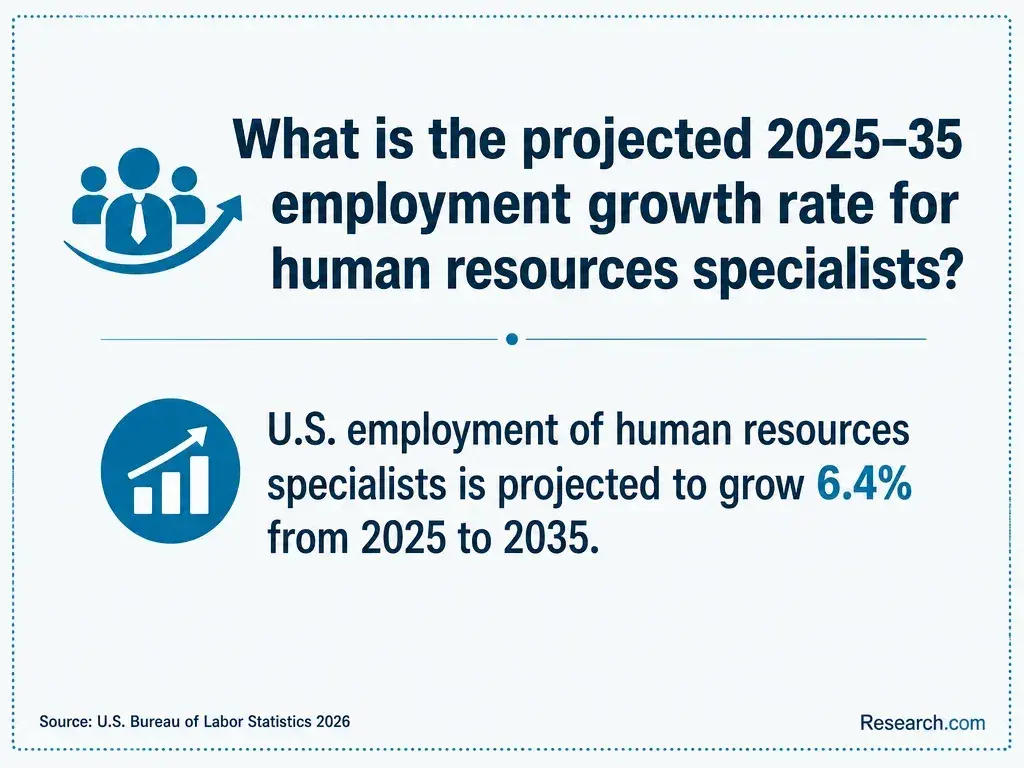
There is no single Ed.D. graduate salary. In U.S. Bureau of Labor Statistics data for 2025, training and development managers had a median annual wage of $133,000, with employment projected to grow 6.4% from 2025 to 2035. That occupation is relevant to workforce-learning leadership, but its median covers workers with varied education and experience across employers; it is not a public-agency pay offer or a return-on-investment forecast.
For a realistic comparison, consult the salary range and eligibility rules for the specific civil-service classification or institution you want to enter. Determine whether the doctorate changes your eligibility, pay placement, or promotion prospects under those rules. If it does not, weigh the cost primarily against the skills, project opportunities, and responsibilities you expect to gain.
Do Ed.D. Leadership Careers Require Licensure or Certification?
General organizational-learning, workforce-development, and agency-management roles typically depend on an employer's qualifications rather than an Ed.D.-specific professional license. Some roles have separate rules: public school principals and superintendents may need state credentials, while particular education or regulated professional positions may impose their own requirements.
Do not infer licensure preparation from "education" or "leadership" in a degree title. If a regulated role is your goal, obtain the program's licensure disclosure and confirm eligibility with the relevant state authority before enrolling. For an agency learning role, review actual job postings to see whether a professional certification is requested or whether demonstrated experience matters more.
Other Things You Should Know About EdD Leadership
Possibly, but your authority over employees creates consent and confidentiality concerns. Discuss the design with your faculty advisor and agency officials before recruiting participants or accessing records; independent recruitment or another project setting may be more appropriate.
No. Public availability does not establish that the records answer your question or that their use meets program requirements. Check data quality, permitted use, and whether combining records could expose individuals.
Ask the program how project changes are approved. A narrowly scoped question that remains useful across leadership changes, plus an alternative authorized site or data source, can reduce - but not eliminate - that risk.
That depends on university requirements and agency rules governing confidentiality, review, and intellectual property. Agree on what may be disclosed before collecting data; academic approval alone may not authorize public release of agency information.
- Fast Facts: Tuition costs of colleges and universities (76) | ed.gov https://nces.ed.gov/fastfacts/display.asp
- Accreditation in the U.S. | ed.gov http://www.ed.gov/laws-and-policy/higher-education-laws-and-policy/college-accreditation/accreditation-in-the-us
- Employer-offered educational assistance programs can help pay for college | Internal Revenue Service https://www.irs.gov/newsroom/employer-offered-educational-assistance-programs-can-help-pay-for-college
- Tuition and Required Fees - Bursar's Office | University of South Carolina https://sc.edu/about/offices_and_divisions/bursar/tuition_and_required_fees/
- What Topics Do EdD Students Research in the EdD Program? | Fairfield University https://www.fairfield.edu/news/insights/education-human-development/what-topics-do-edd-students-research.html
- How to Read the Schedule of Classes | Oregon State University https://registrar.oregonstate.edu/how-read-schedule-classes
- EdD vs. PhD in Education: What's the Difference? | Campus Insider https://insider.augusta.edu/edd-vs-phd-education/