2027 Cheapest Online English Language Learning Doctorate Programs That Pay Well: Tuition, Duration, and Career Outcomes

Co-Founder and Chief Data Scientist
Low-cost online English Language Learning doctorate programs are attracting more working educators because doctoral tuition keeps rising while flexible Ed. D. and Ph. D. options have become easier to access. The decision matters: NCES data published in 2024 shows graduate tuition varies sharply by institution type, and BLS May 2024 data lists median pay of $103,960 for postsecondary education administrators.
This guide helps teachers, TESOL specialists, curriculum leaders, and master's graduates compare estimated tuition, duration, accredited low-cost universities, aid options, and career outcomes so they can lower out-of-pocket costs and improve long-term ROI.
Key Things About the Cheapest Online English Language Learning Doctorate Programs That Pay Well
- Affordable online ELL-related doctorates are usually Ed.D. or Ph.D. programs in TESOL, bilingual education, literacy, language education, curriculum and instruction, or educational leadership; tuition-only totals often fall around $20,000 to $45,000 at lower-cost accredited schools before fees.
- The fastest realistic completion window is about 3 years for students with transfer credits, strong dissertation readiness, or an Ed.S.; many working professionals need 4 to 6 years because dissertation research and part-time enrollment slow progress.
- High-ROI outcomes are strongest when the doctorate supports leadership roles such as postsecondary administrator, instructional leader, senior learning executive, or training and development manager, with BLS May 2024 median pay for training and development managers at $125,040.
What is the estimated cost of completing an online doctorate in English Language Learning?
The estimated cost of completing an online doctorate in English Language Learning depends less on the label of the degree and more on credit requirements, tuition policy, dissertation fees, and whether the program is public, private nonprofit, or private for-profit. Because few U.S. universities use the exact title "doctorate in English Language Learning," most affordable options are online Ed.D. or Ph.D. programs with concentrations in TESOL, English as a Second Language, bilingual education, literacy, language education, or curriculum and instruction.
As a practical planning range, the cheapest accredited online ELL-related doctorates often cost about $20,000 to $45,000 in tuition before books, fees, travel, and dissertation continuation charges. Mid-priced programs commonly move into the $45,000 to $75,000 range, while premium private doctoral programs can exceed that. NCES data published in 2024 shows why comparison shopping matters: average graduate tuition and required fees differ substantially between public and private nonprofit institutions, which means institution type can affect your baseline cost before aid is even applied.
The table below summarizes the cost categories most applicants should expect when comparing online English Language Learning doctorate programs. Use it to estimate total cost of attendance, not just advertised tuition.
| Cost category | Lower-cost estimate | Higher-cost estimate | Why it matters |
| Tuition per credit | $300 to $550 | $700 to $1,200+ | Per-credit tuition is the biggest driver of total cost, especially in 54- to 66-credit programs. |
| Total tuition | $20,000 to $45,000 | $45,000 to $90,000+ | Total tuition depends on whether transfer credits, Ed.S. credits, or advanced standing reduce required credits. |
| Technology and online fees | $200 to $1,000 total | $1,000 to $4,000+ total | Online fees can erase part of the savings from a low per-credit rate. |
| Books and research tools | $1,000 to $2,500 | $2,500 to $5,000+ | Doctoral students may need statistics software, transcription services, APA tools, or database access. |
| Residency or campus travel | $0 to $1,500 | $2,000 to $6,000+ | "Online" programs may still require short residencies, dissertation intensives, or defense travel. |
| Dissertation continuation | $0 to $3,000 | $3,000 to $10,000+ | Students who need extra dissertation terms can face recurring enrollment charges. |
Before applying, calculate the degree as a full project cost. A program with a slightly higher tuition rate may be cheaper overall if it accepts more transfer credits, has no residency, includes dissertation support early, or charges a flat tuition rate per term.
Applicants who want a broader benchmark can compare ELL-related programs with lists of cheapest online EdD programs, especially because many low-cost Ed.D. degrees allow research in language learning, literacy, TESOL, and multilingual education even when the concentration name is broader.
How long does it take to complete the cheapest online English Language Learning doctorate program?
The cheapest online English Language Learning doctorate programs usually take 3 to 6 years. A 3-year plan is possible when the program is cohort-based, the dissertation or capstone begins early, and the student enters with a closely aligned master's degree or Ed.S. A 4- to 6-year timeline is more common for working educators who take part-time course loads, pause during busy school years, or need extra time for dissertation data collection.
Program length is shaped by three variables: required credits, transfer policy, and dissertation momentum. Many Ed.D. programs require about 54 to 66 credits beyond the master's degree, while some Ph.D. programs require more research coursework and a longer dissertation sequence. The cheapest option is not always the fastest; a very low tuition program can become more expensive if dissertation delays add continuation fees.
The table below compares common doctorate structures for ELL-focused applicants. It can help you decide whether speed, research depth, or work-life balance should drive your choice.
| Format | Typical completion time | Best fit | Budget consideration |
| Accelerated online Ed.D. | 3 to 4 years | Working educators seeking leadership, curriculum, TESOL administration, or district roles | Can reduce opportunity cost if dissertation support is built into the coursework |
| Part-time online Ed.D. | 4 to 6 years | Full-time teachers, instructional coaches, and administrators balancing work and family | Lower term-by-term payments but possible extra fees if the dissertation stretches out |
| Online Ph.D. in language, literacy, or education | 4 to 7 years | Students aiming for research, faculty, policy, or academic scholarship roles | May require more research credits and longer dissertation timelines |
| Ed.S. to Ed.D. pathway | 2 to 4 years after eligible Ed.S. credits | Educators who already hold a specialist degree and want advanced standing | Often one of the strongest cost-saving routes if credits transfer cleanly |
To shorten the timeline without increasing risk, ask admissions staff for a written degree plan before enrolling. The plan should show transfer credits, dissertation milestones, required residencies, and the number of terms you must remain enrolled after coursework.
Use these questions to test whether a fast program is realistically affordable for your schedule:
- Can I begin dissertation or capstone planning in the first year instead of after all coursework is complete?
- Does the program accept graduate transfer credits from my master's, Ed.S., TESOL certificate, or prior doctoral coursework?
- Is there a required summer residency, synchronous class schedule, or research intensive that could interfere with full-time work?
- What happens financially if I do not finish the dissertation within the standard program window?
- Does the university publish recent completion timelines for online doctoral students in education-related fields?
If your priority is speed, compare language-learning doctorates with 1 year EdD programs online and other accelerated models, but be cautious: extremely short doctoral timelines are usually realistic only for students entering with substantial post-master's credits, a defined research problem, and strong writing readiness.
Which accredited universities offer the lowest tuition for an online English Language Learning doctorate?
The lowest-tuition choices are usually regionally accredited universities offering online education doctorates with ELL-adjacent concentrations rather than a degree titled exactly "English Language Learning." When comparing schools, verify institutional accreditation, program curriculum, dissertation flexibility, and whether faculty can support research in second-language acquisition, TESOL, bilingual education, multilingual learners, literacy, or language policy.
The examples below represent accredited U.S. universities that have offered comparatively low-cost online doctoral pathways relevant to ELL professionals. Tuition changes frequently, so treat the figures as planning estimates based on published doctoral tuition patterns and confirm current rates directly with each university before applying.
| University | Relevant online doctorate pathway | Accreditation status to verify | Estimated affordability profile | Best for |
| American College of Education | Ed.D. in Curriculum and Instruction or related education leadership options with possible ESL, bilingual, or curriculum focus | Institutional accreditation recognized by the U.S. Department of Education | Often among the lowest tuition-only totals for online Ed.D. study | Teachers and instructional leaders seeking an applied doctorate with a practical capstone or dissertation |
| University of the Cumberlands | Online Ed.D. or Ph.D. in leadership or education fields with research flexibility | Regional institutional accreditation | Low per-credit doctoral tuition compared with many private universities | Working educators who want leadership credentials and flexible research topics |
| University of West Georgia | Online Ed.D. in school improvement or education-related fields that may support language and literacy research | Regional institutional accreditation | Public university pricing can be competitive, especially for online education doctorates | Public school educators interested in improvement science, literacy, and school-level leadership |
| Indiana University Online | Online doctorate options in literacy, culture, language education, or related education fields when available | Regional institutional accreditation | Public research university option; cost depends on residency and program structure | Students seeking stronger research identity and language education faculty depth |
| Liberty University | Ed.D. in Curriculum and Instruction with TESOL-related study options when offered | Regional institutional accreditation | Moderate online doctoral tuition with possible military or institutional discounts | Students seeking a structured online Ed.D. with recognizable national online delivery |
Do not choose a program based on tuition alone. The best-value program is the one that combines low net price, recognized accreditation, relevant faculty expertise, manageable dissertation expectations, and career alignment.
A simple comparison process can prevent costly mistakes:
- Confirm the university appears in the U.S. Department of Education or CHEA-recognized accreditation ecosystem.
- Ask whether the doctoral chair or faculty committee can supervise ELL, TESOL, bilingual education, or literacy research.
- Request a full tuition-and-fee worksheet showing total credits, fees, dissertation enrollment, and residency costs.
- Compare the net price after scholarships, employer aid, transfer credits, and military benefits, not the sticker price.
- Review dissertation completion support, including writing labs, research methods coaching, and chair assignment timelines.
If you already hold an education specialist credential, explore EDS to EdD programs, because advanced standing can reduce both the number of credits and the number of semesters you pay for.
What hidden fees should you expect in an online English Language Learning doctorate program?
Hidden fees can turn the cheapest advertised online doctorate into a more expensive degree. The most common mistake is comparing only per-credit tuition while ignoring recurring fees tied to online learning, dissertation enrollment, research software, graduation, and campus residencies.
Before enrolling, ask for an itemized cost of attendance that covers every required term through dissertation completion. This is especially important in ELL-related doctoral programs because dissertation research may involve schools, multilingual learners, IRB review, transcription, translation, or specialized qualitative analysis tools.
The table below shows fee categories that often surprise online doctoral students and how to interpret them when comparing programs.
| Hidden cost | Typical trigger | Why it can affect affordability |
| Technology fee | Charged every course or term | A small recurring charge can add up across 3 to 6 years. |
| Dissertation continuation fee | Charged after coursework if the dissertation is unfinished | This can become one of the largest avoidable expenses in a delayed doctorate. |
| Residency or intensive fee | Required short campus visit or virtual intensive | Travel, lodging, meals, and missed work can raise total cost even in an online program. |
| Research and software costs | Statistics, qualitative coding, transcription, survey tools, or language assessment tools | ELL research may require tools not included in tuition. |
| Background check or placement fee | Research in K-12 schools or clinical education settings | School-based research may require compliance expenses. |
| Graduation and document fees | Final term or degree conferral | These are usually modest but should be included in the final budget. |
The best way to avoid unexpected costs is to request direct answers before submitting a deposit. Save the responses in writing so you can compare schools fairly.
- Ask whether tuition is charged per credit, per term, or as a flat program rate.
- Ask how many dissertation continuation terms students typically need after coursework.
- Ask whether online students ever have mandatory campus attendance.
- Ask whether the university provides library database access, statistics software, transcription support, or research-methods tutoring.
- Ask whether transfer credits reduce only electives or also reduce total tuition owed.
- Ask whether dropping below half-time enrollment changes aid eligibility or loan deferment status.
Applicants considering a broader education technology or curriculum route can also compare doctoral goals with lower-cost master's pathways, including best online instructional design master's programs, if their main goal is corporate learning, e-learning design, or training leadership rather than doctoral-level research.
What financial aid options and federal grants are available for online English Language Learning doctoral candidates?
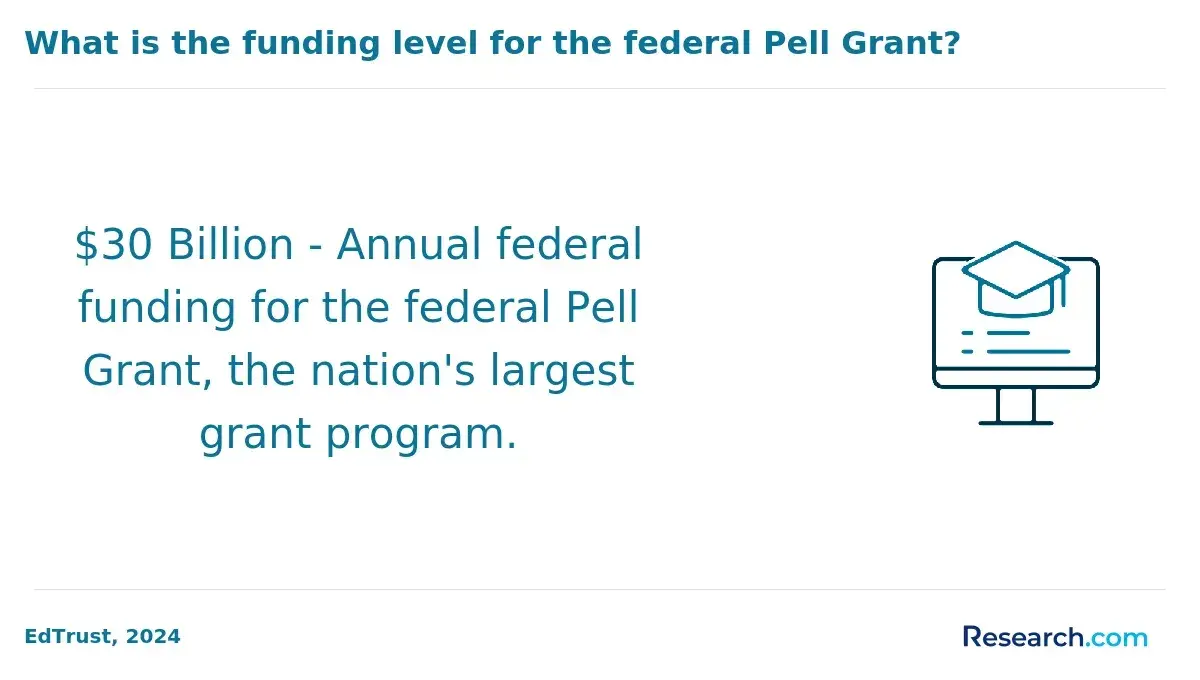
Online doctoral candidates in accredited programs may qualify for several forms of financial aid, but graduate aid works differently from undergraduate aid. Federal Pell Grants generally do not apply to doctoral study, so most students rely on federal loans, institutional scholarships, employer tuition assistance, military education benefits, state programs, and sometimes assistantships or fellowships.
The first step is completing the FAFSA for any accredited institution that participates in federal student aid. Even if you hope to avoid borrowing, the FAFSA can help schools determine eligibility for need-based institutional support, work-study where available, and federal loan options. Federal Student Aid materials updated for the current aid cycle continue to emphasize annual FAFSA completion because aid eligibility can change when income, enrollment status, or program cost changes.
The table below compares common funding sources for online English Language Learning doctoral candidates. It is designed to help you separate aid that reduces price from financing that delays payment.
| Aid option | Typical availability for online doctoral students | Reduces total cost or finances cost? | Best use |
| Institutional doctoral scholarship | Varies by university and program | Reduces cost | Lowering tuition before loans are considered |
| Employer tuition reimbursement | Common in K-12 districts, universities, nonprofits, and corporations but policy-specific | Reduces cost if paid by employer | Working professionals whose research aligns with employer needs |
| Federal Direct Unsubsidized Loan | Available to eligible graduate students at participating schools | Finances cost | Covering tuition gaps after grants, scholarships, and employer aid |
| Federal Grad PLUS Loan | Credit-based federal loan for eligible graduate students | Finances cost | Last-resort coverage for remaining cost of attendance |
| Military and veterans benefits | Depends on service history, transfer rules, and institutional participation | Can reduce or finance cost | Eligible service members, veterans, and dependents |
| State or district educator grants | Varies by state, shortage area, and employment setting | Often reduces cost | Teachers serving multilingual learners or high-need schools |
To minimize out-of-pocket cost, treat financial aid as a sequence rather than a single application. Start with gift aid and employer funding, then use loans only for the remaining amount.
- Complete the FAFSA as early as possible for each aid year you will be enrolled.
- Ask the university whether online doctoral students qualify for the same scholarships as campus-based students.
- Request a written net price estimate after transfer credits and institutional aid.
- Ask your employer whether tuition reimbursement applies to doctoral courses, dissertation credits, books, and fees.
- Check whether your research topic can support a district, nonprofit, or university improvement initiative that may qualify for sponsorship.
- Borrow conservatively and estimate interest while enrolled, especially if you plan to study part time for several years.
The most common financial mistake is using loans before checking employer reimbursement. Many school districts and higher education employers will not advertise doctoral sponsorship widely, but they may approve partial funding when the degree supports multilingual learner achievement, curriculum improvement, accreditation, compliance, or staff development.
How can fellowships and research stipends offset the cost of an online English Language Learning doctorate?
Fellowships and research stipends are less common in fully online professional doctorates than in full-time campus Ph.D. programs, but they are still worth pursuing. ELL doctoral candidates may find funding through university research centers, federally funded language and literacy projects, grant-supported faculty research, nonprofit education organizations, assessment publishers, or school-district improvement initiatives.
For working professionals, the most realistic funding is often project-based rather than a full doctoral stipend. For example, a district may fund tuition or release time if your dissertation examines multilingual learner achievement, family engagement, dual-language program outcomes, teacher professional development, or language assessment practices.
The table below distinguishes the funding types you may encounter. This helps you understand which opportunities reduce tuition directly and which provide income, experience, or research support.
| Funding type | How it helps | Typical fit for ELL doctoral candidates | Limitation |
| University fellowship | May reduce tuition or provide a stipend | Strong applicants in research-intensive doctoral programs | Often more available to full-time Ph.D. students than part-time online Ed.D. students |
| Graduate assistantship | May include tuition remission, hourly pay, or stipend support | Students who can support teaching, research, tutoring, or program evaluation | May require set work hours or campus affiliation |
| Faculty research stipend | Pays for work on grant-funded studies | Students with skills in TESOL, bilingual education, data analysis, or qualitative research | Usually competitive and tied to grant availability |
| District-sponsored research | May fund tuition, data access, release time, or materials | Employees solving a real multilingual learner challenge | Requires employer approval and careful research ethics review |
| Professional association award | Provides small grants, conference funding, or dissertation support | TESOL, literacy, bilingual education, and applied linguistics researchers | Usually supplemental rather than full funding |
To improve your chances of receiving stipend or fellowship support, make your research useful to an institution. Funders are more likely to support a project that answers a practical problem in multilingual education, workforce language training, assessment equity, or teacher preparation.
- Identify faculty whose current research includes multilingual learners, TESOL, language policy, literacy, or bilingual education.
- Email a concise research interest statement before applying and ask whether funded projects include doctoral student roles.
- Ask whether online students can serve as research assistants remotely through data coding, literature reviews, survey design, or virtual interviews.
- Contact your district or employer with a one-page proposal showing how your dissertation could improve measurable outcomes.
- Apply for small dissertation grants early because awards may have deadlines before data collection begins.
Do not count on a fellowship unless it is included in your official aid package. Instead, build a base budget you can afford without it, then use stipends or grants to reduce borrowing, pay for research costs, or shorten unpaid dissertation time.
What is the average starting salary and long-term earnings potential for English Language Learning doctorate graduates?
There is no single national salary for "English Language Learning doctorate graduates" because outcomes depend on role, employer, geography, prior experience, licensure, and whether the graduate works in K-12, higher education, government, nonprofit leadership, publishing, assessment, or corporate learning. The doctorate tends to pay best when it moves the graduate into leadership, administration, research, policy, or executive learning roles rather than when it simply adds a credential to the same teaching position.
BLS May 2024 wage data provides the most useful public benchmark for U.S. labor markets. For example, the median annual wage for postsecondary education administrators was $103,960, while training and development managers had a median annual wage of $125,040. These figures do not mean a doctorate guarantees those salaries, but they show where doctoral-level ELL expertise can align with higher-paying management and leadership roles.
The table below gives salary context for common roles that may value doctoral study in ELL, TESOL, literacy, curriculum, or educational leadership. Use these as occupational benchmarks rather than guaranteed outcomes.
| Career pathway | Relevant BLS May 2024 wage benchmark | How an ELL doctorate may help | ROI strength |
| Postsecondary education administrator | Median annual wage: $103,960 | Supports roles in academic affairs, international programs, language centers, student success, and educator preparation | Strong when the doctorate leads to promotion or administrative hiring |
| Training and development manager | Median annual wage: $125,040 | Connects language learning expertise with workforce development, global training, and learning strategy | Strong for candidates with corporate learning or management experience |
| Instructional coordinator | Median annual wage: $74,720 | Supports curriculum leadership for multilingual learners, teacher training, and program evaluation | Moderate to strong depending on district pay scale and leadership duties |
| Postsecondary teacher in English, education, TESOL, or related fields | Pay varies by discipline, contract type, and institution | Often required or strongly preferred for tenure-track or full-time faculty roles | Variable because faculty hiring is competitive and adjunct pay can be low |
| Education policy or assessment leader | Often benchmarked against management, research, or administrator roles | Supports expertise in language assessment, equity, accountability, and multilingual learner policy | Strong when combined with quantitative, evaluation, or leadership experience |
Starting salary after the doctorate is usually highest for students who already have leadership experience. A classroom teacher who earns an online doctorate may see a salary-lane increase, but the largest returns usually come from moving into administration, curriculum leadership, higher education, consulting, assessment, or corporate learning.
Long-term earnings potential is strongest when the doctorate is paired with marketable capabilities, not just research knowledge. These include program evaluation, grant writing, bilingual or multilingual education leadership, data analysis, instructional design, accreditation support, faculty development, and strategic planning.
What high-paying career paths justify the cost of an online doctorate in English Language Learning?
An online doctorate in English Language Learning is most financially justified when it helps you qualify for a role with higher authority, larger budgets, broader institutional impact, or doctoral-preferred hiring. It is less likely to produce a strong ROI if you remain in the same role, receive no salary-lane increase, and pay full tuition with loans.
The strongest career paths usually combine ELL expertise with leadership or specialized research capacity. The doctorate can be especially valuable when the employer needs someone who understands multilingual learner outcomes, language policy, curriculum systems, assessment validity, teacher preparation, and adult learning.
The table below summarizes high-paying pathways where an ELL-related doctorate can make financial sense. It also shows when the degree may not be necessary.
| Career path | Why it can justify the doctorate | When it makes sense | When it may not |
| Director of multilingual learner programs | Doctoral research can support districtwide program evaluation, compliance, and instructional improvement | You already have teaching, coaching, or administrative experience | You do not hold required state administrator credentials where applicable |
| Higher education TESOL or language education faculty | Doctoral credentials are often expected for full-time academic roles | You want teaching, research, program coordination, or educator preparation work | You need a guaranteed faculty role quickly; academic hiring can be competitive |
| Postsecondary administrator | Doctorate can strengthen candidacy for leadership in academic affairs, language centers, international education, or student success | You have management experience and can show measurable outcomes | You lack administrative experience and expect the degree alone to open executive roles |
| Senior instructional design or learning executive | ELL expertise can apply to global learning, workforce language training, accessibility, and learning strategy | You combine the doctorate with digital learning, analytics, or corporate training experience | Your goal is entry-level instructional design, where a master's and portfolio may be enough |
| Assessment, curriculum, or education policy consultant | Doctoral training can support credibility in evaluation, research design, and language learning policy | You have a niche, network, and evidence of impact | You expect consulting income immediately without clients or sector experience |
Applicants should be honest about whether the doctorate is required, preferred, or simply respected in their target role. In many executive jobs, experience can substitute for a doctorate; in research, faculty, and senior academic roles, the doctorate may be much more important.
Use this decision filter before enrolling:
- Find five job postings for your target role and note whether a doctorate is required, preferred, or optional.
- Compare the salary range to your current compensation, including benefits and pension considerations.
- Estimate how much of the degree your employer, scholarships, or transfer credits can cover.
- Ask whether a lower-cost credential, administrator license, TESOL endorsement, or master's certificate could achieve the same outcome.
- Choose the doctorate only if it clearly improves access to leadership, research, academic, or high-compensation roles.
Which high-paying industries actively recruit professionals with an online doctorate in English Language Learning?
High-paying opportunities for ELL doctorate holders are not limited to schools. Demand can come from any organization that needs advanced expertise in language learning, curriculum, training, literacy, assessment, cross-cultural communication, or education policy. The online format is usually less important than accreditation, dissertation quality, work experience, and the relevance of your research to the employer's needs.
BLS employment projections released in 2024 show continued need for education, training, and management roles across the U.S. economy, although growth varies by occupation. For ELL doctoral candidates, this means the best strategy is to target industries where language learning expertise solves a business, compliance, workforce, or student-success problem.
The table below highlights industries where doctoral-level ELL expertise may be valued and the types of roles to investigate.
| Industry | Typical roles | Why ELL doctoral expertise is relevant | Compensation outlook |
| K-12 public school systems | Director of multilingual learner programs, curriculum director, professional learning director | Districts need leaders who can improve outcomes, support compliance, and train teachers serving multilingual learners | Strongest in large districts and administrative roles |
| Higher education | Faculty member, language center director, academic affairs administrator, international student success leader | Universities need expertise in TESOL, academic English, teacher preparation, and student support | Varies widely by institution type and contract status |
| Education technology | Learning scientist, curriculum strategist, assessment specialist, product research lead | Companies building language tools need evidence-based learning design and assessment expertise | Can be strong when paired with analytics or product experience |
| Corporate learning and development | Training director, global learning manager, workforce language program lead | Large employers may need scalable language, communication, onboarding, and cross-cultural training | Often strong for candidates with management and digital learning skills |
| Assessment and publishing | Language assessment researcher, curriculum editor, program evaluation lead | ELL expertise supports test design, validity, content development, and instructional materials | Strongest for candidates with research methods and psychometrics exposure |
| Government and nonprofits | Education policy analyst, refugee or immigrant education program leader, grant director | Organizations need language access, adult education, literacy, and program evaluation expertise | Moderate to strong depending on seniority and funding source |
To compete in these industries, build evidence while you are enrolled. A dissertation alone may not be enough; employers respond better to a portfolio of applied outcomes.
- Turn major course projects into publishable briefs, conference presentations, or district improvement reports.
- Choose a dissertation topic that produces evidence useful to employers, such as program effectiveness, teacher training outcomes, assessment fairness, or learner persistence.
- Develop complementary skills in data visualization, qualitative analysis, grant writing, instructional design, or learning analytics.
- Network beyond your current school system by joining TESOL, literacy, bilingual education, workforce development, and education research communities.
- Track measurable outcomes from your work, including program growth, learner achievement, teacher training completion, retention, or cost savings.
How quickly can you achieve a positive ROI on an online English Language Learning doctorate?
Positive ROI depends on net cost, salary increase, promotion timing, loan interest, and whether the degree helps you enter a higher-paying role. A low-cost online doctorate funded partly by employer reimbursement can pay back much faster than an expensive program financed entirely with loans.
A practical ROI estimate starts with the amount you actually pay after scholarships, transfer credits, employer aid, and tax-advantaged education benefits where applicable. Then compare that net cost with the annual increase you reasonably expect from a salary-lane move, promotion, consulting income, administrative appointment, or new industry role.
The table below shows simple payback scenarios. These are not guaranteed outcomes; they illustrate how net cost and salary movement affect the timeline.
| Net doctoral cost after aid | Annual salary increase after completion | Approximate payback period before taxes and interest | Interpretation |
| $20,000 | $10,000 | About 2 years | Strong ROI if the salary increase is realistic and sustained |
| $35,000 | $10,000 | About 3.5 years | Reasonable for educators with clear promotion or salary-lane benefits |
| $50,000 | $15,000 | About 3.3 years | Can work well if the doctorate leads to administration, higher education leadership, or corporate learning |
| $75,000 | $10,000 | About 7.5 years | Riskier unless the degree is required for a specific advancement path |
| $90,000 | $0 to $5,000 | May not produce timely financial ROI | Hard to justify financially unless funded by employer or pursued for nonfinancial goals |
The fastest ROI usually comes from reducing the net cost before enrollment and targeting roles where the doctorate has direct value. Waiting until after graduation to think about promotion strategy is a common mistake.
Use this ROI checklist before committing:
- Calculate total tuition, fees, travel, books, dissertation charges, and loan interest under your expected timeline.
- Subtract confirmed scholarships, tuition reimbursement, military benefits, transfer credit savings, and stipends.
- Ask your employer whether the doctorate triggers a salary-lane increase, promotion eligibility, or leadership stipend.
- Identify target roles before enrollment and compare actual job postings for degree requirements and salary bands.
- Choose a dissertation topic connected to your desired promotion, industry move, or consulting niche.
- Avoid high-debt enrollment if the doctorate is optional in your target role and a cheaper credential would produce the same career result.
The best balance of low tuition, fast completion, and strong outcomes usually comes from an accredited online Ed.D. with ELL-relevant faculty, generous transfer policies, no residency surprises, early dissertation support, and a clear link to leadership or specialized roles. A research Ph.D. can be the better investment for academic research and faculty goals, but it may take longer and should be chosen for scholarly fit rather than speed alone.
Other Things You Should Know About English Language Learning
Not always. Some programs are designed for licensed teachers or administrators, while others accept applicants from higher education, adult education, nonprofit, corporate training, or language program backgrounds. Always check whether the program requires licensure, teaching experience, or state-specific credentials.
It can be, if the university is properly accredited and the program matches the role. Employers usually care more about accreditation, relevant experience, dissertation quality, leadership results, and specialized expertise than whether coursework was completed online.
Most doctoral programs require either a dissertation, applied dissertation, doctoral capstone, or major research project. Applied Ed.D. programs often focus on solving a practical education problem, while Ph.D. programs usually emphasize original research and scholarly contribution.
You may want to wait if you are unsure of your career goal, cannot verify accreditation, would need to borrow heavily without a salary path, or only need a shorter credential for advancement. In those cases, a TESOL endorsement, graduate certificate, administrator license, or specialized master's program may be more cost-effective.
References
- How Long Does It Take to Complete an Online Doctorate? https://acacia.edu/blog/how-long-does-it-take-to-complete-an-online-doctorate-timeline-workload-and-expectations/
- 13 Highest-Paying Doctoral Degrees in 2026 https://www.edumindslearning.com/blog/highest-paying-doctoral-degrees
- Funding your Degree https://gradsense.org/funding-your-degree/
- Educational Funding https://phdproject.org/educational-funding/
- Doctor of Education EdD Salary and Career Outlook https://teach.com/online-ed/education-degrees/online-edd-programs/edd-careers/
- Professionalization in Perspective https://www.mla.org/professionalization
- A Deep Dive Into Ph.D. Employment Data from NSF https://www.christophertsmith.com/reflections/a-deep-dive-into-phd-employment-data-from-nsf
- English Language Education and English Literature (Full-time) https://www.uwtsd.ac.uk/programme-courses/postgraduate-pgce/doctoral-college/english-language-education-and-english-1
- Average Cost of a Doctorate Degree [2026]: Ph.D., Psy.D. & More https://educationdata.org/average-cost-of-a-doctorate-degree