2027 Low-Cost Online English Language Learning Doctorate Programs with Financial Aid: Scholarships, Grants, and Employer Tuition Support

Co-Founder and Chief Data Scientist
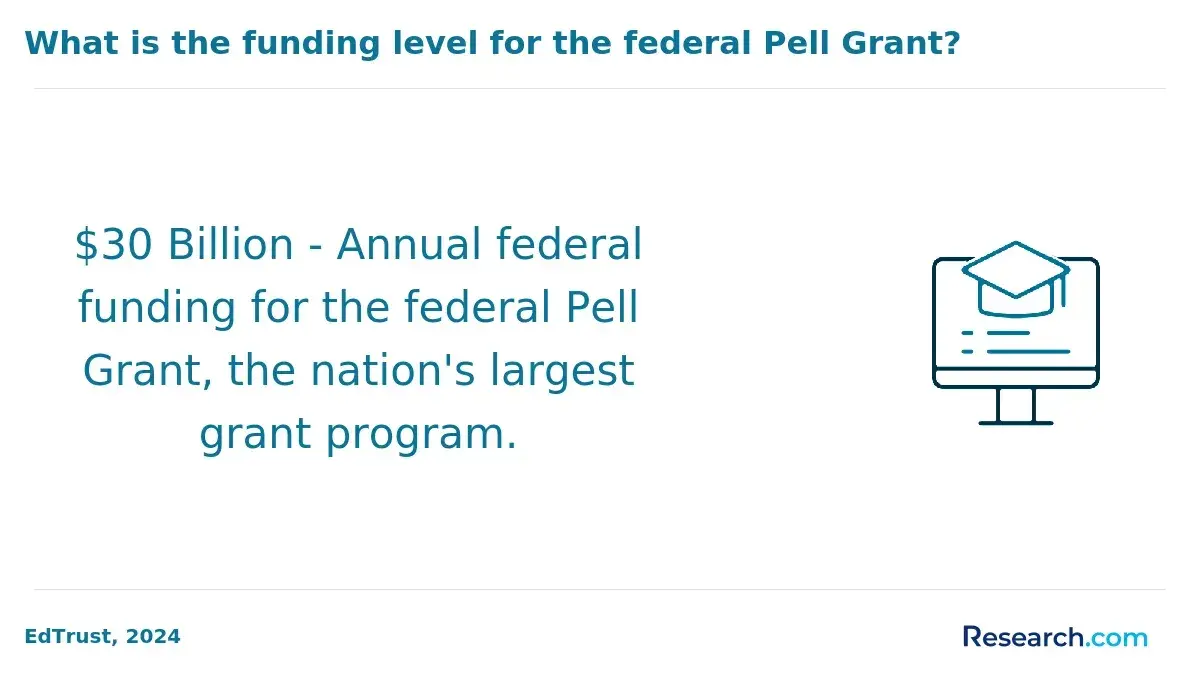
Choosing an online doctorate in English language learning can be financially risky if you compare tuition alone. Graduate borrowing is expensive: Federal Student Aid set the 2024-25 Direct PLUS Loan rate for graduate students at 9.08%, which makes scholarships, grants, employer support, and program length especially important.
This guide is for teachers, TESOL specialists, curriculum leaders, instructional designers, and administrators comparing affordable online EdD or PhD options. You will learn how to estimate total cost, identify funding, avoid hidden fees, and choose a program that fits your career goals without taking on unnecessary debt.
Key Things You Should Know
- The lowest-cost online English language learning doctorates are usually online EdD programs in curriculum and instruction, literacy, TESOL, bilingual education, or educational leadership with an ELL/ESOL focus, especially when they use public tuition rates, fewer credits, or EdS-to-EdD pathways.
- Graduate students should pursue gift aid and employer support before borrowing because federal graduate PLUS loans for 2024-25 carry a 9.08% fixed interest rate, making even small tuition reductions valuable over time.
- Employer education benefits can be powerful but limited: under current federal tax rules, up to $5,250 in qualifying employer-provided educational assistance may be excluded from taxable income through 2025, depending on the employer's plan.
Which Online English Language Learning Doctorate Programs Offer the Lowest Total Cost?
The lowest total cost usually comes from a program's full structure, not its advertised per-credit tuition. For English language learning, many students will not find a doctorate titled exactly "English Language Learning." Instead, affordable options often appear as online EdD or PhD programs in curriculum and instruction, language and literacy, TESOL, bilingual education, applied linguistics, or educational leadership with coursework or dissertation options focused on multilingual learners.
A practical first step is to compare broad affordable EdD options, then verify whether each school supports research or concentrations in ELL, ESL, ESOL, bilingual education, or second language acquisition. A curated list of cheapest online EdD programs can help you identify institutions where the base tuition is already lower before scholarships or employer benefits are applied.
The table below shows the program types most likely to produce a lower total cost. Use it to narrow your search before requesting official cost sheets from schools.
| Program type | Why it may cost less | Best fit | Cost risk to check |
| Online EdD in curriculum and instruction with TESOL, ESL, or multilingual learner coursework | Often designed for working educators and may have fewer credits than research-heavy PhD programs | K-12 teachers, curriculum specialists, instructional coaches, district ELL leaders | Whether ELL coursework is substantial enough for your career goal |
| Online EdD in educational leadership with dissertation work in ELL policy or equity | May offer cohort pricing, part-time pacing, and professional doctorate structures | School administrators, district leaders, program directors | Residency, leadership internship, or licensure-related fees |
| Online PhD in literacy, language education, applied linguistics, or curriculum studies | May provide stronger research alignment and, in some cases, more funding opportunities | Future researchers, faculty candidates, policy analysts | Longer completion time and more limited fully online availability |
| EdS-to-EdD completion pathway | May reduce required doctoral credits if the school accepts prior specialist-level coursework | Educators who already hold an Education Specialist degree | Transfer-credit caps and whether older credits expire |
| Flat-rate or in-state public online doctorate | May charge the same online rate regardless of residency or offer lower public tuition | Students who want predictable costs | Mandatory distance-learning, technology, and dissertation fees |
The strongest low-cost option is usually the one that combines three features: a reasonable credit requirement, a clear ELL-related academic fit, and policies that keep you enrolled continuously without forcing unnecessary extra terms. A cheap program becomes less affordable if it lacks faculty expertise in multilingual education or if the dissertation process stretches out because support is weak.
Common red flags include comparing only per-credit tuition, ignoring required doctoral fees, assuming "online" means no campus costs, and enrolling before confirming whether the dissertation can focus on English learners. Ask each school for a written total cost estimate that includes tuition, fees, residencies, dissertation continuation credits, technology fees, graduation fees, and expected books or digital materials.
What Financial Aid Is Available for Online English Language Learning Doctorate Students?
Online doctoral students in English language learning may qualify for several types of aid, but the mix differs from undergraduate aid. Graduate students typically have fewer need-based grant options, so the best strategy is to combine institutional aid, external scholarships, employer support, and careful borrowing rather than relying on one source.
The table below compares the major funding sources. It is useful because each option reduces cost in a different way and carries different obligations.
| Funding source | How it helps | Typical eligibility factors | Key limitation |
| Institutional scholarships | Reduces tuition directly and may be renewable | Academic record, educator experience, leadership potential, program fit | May require early admission or separate applications |
| Need-based or mission-based grants | Provides gift aid that usually does not need repayment | Financial need, service in high-need schools, research focus, demographic or professional criteria | Graduate grant availability is often limited |
| Employer tuition assistance | Pays or reimburses part of tuition and fees | Employment status, job relevance, grade requirements, manager approval | May require repayment if you leave the employer too soon |
| Assistantships or fellowships | May include tuition support, stipend, or research funding | Research fit, faculty needs, enrollment status, teaching or research skills | Less common in fully online professional doctorates |
| Federal Direct Unsubsidized Loans | Provides borrowing access without credit-based underwriting | FAFSA completion, eligible program enrollment, satisfactory academic progress | Interest accrues while enrolled |
| Federal Graduate PLUS Loans | Covers remaining eligible cost of attendance after other aid | FAFSA completion and credit check | Higher interest rate than unsubsidized graduate loans in many years |
Students should file the FAFSA even if they expect to pay out of pocket. Some schools use FAFSA information to determine institutional aid, emergency grants, work-study eligibility, or loan options. However, the FAFSA does not automatically mean you should borrow the full amount offered.
A smart funding order is to pursue money that does not need repayment first, then employer support, then low-cost payment plans, and only then loans. The safest sequence is:
- Apply for admission early enough to meet institutional scholarship deadlines.
- Submit the FAFSA and any school-specific aid forms.
- Ask your employer about tuition assistance, reimbursement, service obligations, and tax treatment.
- Search for TESOL, literacy, bilingual education, and educator leadership scholarships.
- Accept only the loan amount needed after all gift aid and employer benefits are confirmed.
The biggest mistake is assuming that an online doctorate is automatically cheaper because it avoids relocation. Online study can reduce commuting and housing costs, but doctoral fees, extended dissertation enrollment, and part-time pacing can still raise the total price.
Which Scholarships Help Reduce the Cost of an Online English Language Learning Doctorate?
Scholarships for online English language learning doctorate students are usually tied to teaching, language education, research, school leadership, literacy, bilingual education, or service to multilingual communities. Many awards are not labeled specifically for "online doctoral students," so eligibility often depends on enrollment in an accredited graduate program and a clear connection to the scholarship mission.
The table below summarizes scholarship categories worth checking. Exact award amounts and deadlines change, so applicants should verify current requirements directly with each sponsor and the school's financial aid office.
| Scholarship category | Who should look for it | Common selection factors | How it lowers cost |
| TESOL and ESL professional association awards | Teachers, teacher educators, and researchers focused on English learners | Professional membership, teaching record, conference involvement, research proposal | May offset tuition, research expenses, or professional development costs |
| Bilingual education and multilingual learner scholarships | Educators serving multilingual communities or dual-language programs | Language background, school service, equity focus, district need | Can reduce out-of-pocket costs for students in high-need fields |
| Literacy and curriculum scholarships | Students studying language development, reading, writing, or curriculum design | Academic record, dissertation topic, leadership experience | May support coursework, dissertation research, or materials |
| Minority, first-generation, and educator leadership awards | Students from underrepresented backgrounds or those serving underserved schools | Personal statement, service history, leadership goals | Can stack with institutional aid if the school allows it |
| Dissertation research grants | Doctoral candidates collecting data, traveling, transcribing interviews, or purchasing software | Approved proposal, research design, faculty recommendation | Reduces late-program expenses that students often forget to budget for |
Scholarship applications are strongest when they connect the applicant's doctoral work to a specific problem, such as improving academic language development, supporting newcomer students, expanding dual-language programs, or improving teacher preparation for multilingual classrooms. A generic statement about wanting a doctorate is usually less competitive.
Use this checklist before applying so you do not waste time on awards that are unlikely to fit:
- Confirm that online doctoral enrollment is eligible and that part-time students may apply.
- Check whether the award requires membership in a professional organization.
- Ask whether the scholarship can be combined with institutional aid or employer reimbursement.
- Prepare a short research summary that clearly names your ELL, TESOL, literacy, or bilingual education focus.
- Track renewal rules, minimum GPA, enrollment intensity, and required progress toward the degree.
A common mistake is skipping scholarships because the award appears small. For a doctoral student, even a modest scholarship can prevent interest from accumulating on borrowed funds, especially if it replaces graduate PLUS loan borrowing.
How Can Employer Tuition Assistance Help Pay for an Online English Language Learning Doctorate?
Employer tuition assistance can be one of the most valuable funding sources for online English language learning doctorate students because many candidates already work in schools, districts, colleges, nonprofits, edtech companies, or training departments. The benefit may come as upfront payment, reimbursement after grades are posted, professional development funds, or a salary lane/step incentive after degree completion.
Under federal tax rules, up to $5,250 in qualifying employer-provided educational assistance may be excluded from an employee's taxable income through 2025 if the employer has an eligible plan. This does not mean every employer offers the benefit, but it gives employees a concrete number to ask about when discussing doctoral tuition support.
Employer policies vary widely, so students should evaluate the benefit as a contract, not a casual promise. Before counting employer support in your budget, ask for written answers to these questions:
- Does the benefit cover doctoral-level coursework, fees, books, residencies, dissertation credits, or only tuition?
- Is payment made upfront, or must the employee pay first and wait for reimbursement?
- Are there grade, course relevance, accreditation, or approval requirements?
- Does the employer require a service commitment after reimbursement?
- Will the employee owe repayment if they resign, are laid off, or change departments?
- Is the annual benefit based on the calendar year, fiscal year, academic year, or course completion date?
Employer support is especially useful for part-time students because the annual benefit can reset while the student continues working. For example, a student who takes fewer courses per year may be able to match enrollment to the employer's annual cap and reduce borrowing. The trade-off is time: stretching the program too long may increase fees, delay career advancement, or create dissertation momentum problems.
The main red flag is signing an employer repayment agreement without understanding the consequences. Tuition assistance can become expensive if you must leave the job for family, relocation, health, leadership opportunity, or district restructuring reasons before the service period ends.
How Do Assistantships, Fellowships, and Research Funding Work for Online English Language Learning Doctorate Students?
Assistantships, fellowships, and research funding are more common in research-intensive doctoral programs than in fully online professional doctorates, but online students should still ask. English language learning intersects with high-priority areas such as literacy, multilingual education, teacher preparation, equity, assessment, and educational technology, which may create funding opportunities through faculty projects or centers.
The table below explains how these funding options differ. It can help students ask more precise questions when contacting program directors.
| Funding type | What it may provide | Where it is more common | What online students should verify |
| Graduate assistantship | Tuition support, stipend, or hourly pay in exchange for teaching, advising, grading, or administrative work | Campus-based or hybrid doctoral programs | Whether remote assistantships are available |
| Research assistantship | Pay or tuition support for helping with grant-funded research | PhD programs and faculty-led research centers | Whether the project aligns with ELL, TESOL, bilingual education, or literacy |
| Doctoral fellowship | Competitive tuition support, stipend, or dissertation funding | Research universities and mission-based scholarship programs | Whether professional EdD students are eligible |
| Dissertation grant | Funds for data collection, transcription, software, travel, or participant incentives | Universities, foundations, associations, research institutes | Whether the expense is allowed and when funds are disbursed |
Students in online EdD programs should not assume they are ineligible. Instead, they should ask whether faculty need remote support for literature reviews, data coding, instructional material development, language assessment research, or grant reporting. These tasks can sometimes be completed online.
The best time to ask about research funding is before enrollment, not after the dissertation stage. Use the admissions process to ask:
- Which faculty currently supervise ELL, TESOL, bilingual education, literacy, or applied linguistics research?
- Do online doctoral students ever receive assistantships, fellowships, or paid research work?
- Are there internal dissertation grants for professional doctorate students?
- Can students apply for travel funding to present at TESOL, literacy, or education conferences?
- Is funding tied to full-time enrollment, campus presence, or a specific research lab?
A higher-tuition program with meaningful funding can be cheaper than a low-tuition program with no aid, but only if the funding is realistic and renewable. Ask for recent examples of online students receiving support rather than relying on broad language in a brochure.
Which Program Features Have the Biggest Impact on the Total Cost of an Online English Language Learning Doctorate?
The features that most affect total cost are credit count, tuition rate, transfer-credit policy, residency requirements, dissertation structure, and whether the program supports continuous progress. A shorter program can save money, but speed only helps if the structure matches your schedule and research readiness.
Some students compare accelerated options because time in school has a financial cost. Fast formats, including 1 year EdD programs online, may be attractive for experienced educators who already have a focused research problem, strong academic writing skills, and a supportive employer. They are less suitable for students who need extensive exploration before choosing a dissertation topic.
The table below shows the cost impact of major program features. Use it to identify which schools are truly affordable after all requirements are included.
| Program feature | How it affects total cost | Low-cost sign | Red flag |
| Total required credits | More credits usually mean more tuition and more time | Clear pathway with no unnecessary prerequisite credits | Vague credit reviews after admission deposit |
| Transfer-credit policy | Accepted credits can reduce tuition and time | Written evaluation before enrollment | Strict caps that make prior graduate work unusable |
| Residency requirements | Travel, lodging, meals, and time away from work add cost | Virtual or low-cost residency options | Multiple mandatory campus visits not included in cost estimates |
| Dissertation or capstone model | Delayed completion can add continuation credits and fees | Structured milestones and early topic development | Little advising until late in the program |
| Part-time pacing | Can align with employer benefits but may extend fees | Predictable schedule for working educators | Course rotation that forces stop-outs |
| Accreditation and licensure alignment | Impacts recognition and employment value | Regional accreditation and transparent licensure disclosures | Unclear accreditation or promises of automatic licensure |
English language learning students should also check faculty fit. A low-cost doctorate in general education may not be a good value if no faculty member can supervise research on multilingual learners, academic language, bilingual education, TESOL pedagogy, or language assessment.
One common mistake is choosing the fastest or cheapest program without considering dissertation feasibility. A program that helps you finish is often more affordable than a lower-tuition program where students struggle to move from coursework to proposal approval.
How Can Students Reduce Borrowing While Earning an Online English Language Learning Doctorate?
Reducing borrowing requires a plan before the first course begins. The goal is not simply to find the lowest tuition; it is to lower the amount you finance at interest while preserving program quality and career relevance.
Use the following sequence to estimate and reduce your real net cost:
- Request a full cost-of-attendance estimate that includes tuition, mandatory fees, residencies, dissertation continuation credits, books, technology, and graduation costs.
- Subtract confirmed gift aid, not hoped-for aid, including scholarships, grants, fellowships, and school discounts.
- Subtract employer support only after confirming reimbursement timing, annual caps, covered expenses, and repayment obligations.
- Compare full-time and part-time plans based on total terms, not just semester affordability.
- Ask whether prior graduate credits, an EdS, professional certificates, or approved transfer credits can reduce required coursework.
- Borrow only the amount needed for the current academic period instead of accepting the maximum loan offer automatically.
- Revisit the budget each year because tuition, fees, employer benefits, and scholarship eligibility can change.
Students who continue working often have more options to reduce debt because they can use employer benefits, pay some costs from income, and apply their doctoral work to current workplace problems. However, working full time can slow dissertation progress. A lower monthly cost is not always a lower total cost if the program extends by several terms.
Borrowing may make sense when the doctorate is required or strongly preferred for a clear role, such as higher education administration, faculty work, district-level leadership, curriculum leadership, language program administration, or research-oriented positions. Borrowing is riskier when the student is unsure about the target job, chooses an unaccredited program, or assumes the degree alone will create a large salary increase.
Students should also avoid these financing mistakes:
- Using loans for living expenses without comparing the long-term repayment impact.
- Ignoring payment plans that could spread tuition without adding loan interest.
- Missing scholarship deadlines because the admission application was submitted late.
- Failing to ask whether dissertation delays require additional registration fees.
- Choosing a program before confirming that the online format works with teaching, family, and fieldwork responsibilities.
Does Paying Less for an Online English Language Learning Doctorate Affect Career Outcomes?
Paying less does not automatically hurt career outcomes, but choosing a program solely because it is cheap can. Employers, districts, colleges, and universities tend to care about accreditation, faculty relevance, research quality, leadership experience, and whether the degree fits the role. A low-cost accredited program with strong ELL faculty alignment can be a better investment than a more expensive program with weak support for your specialization.
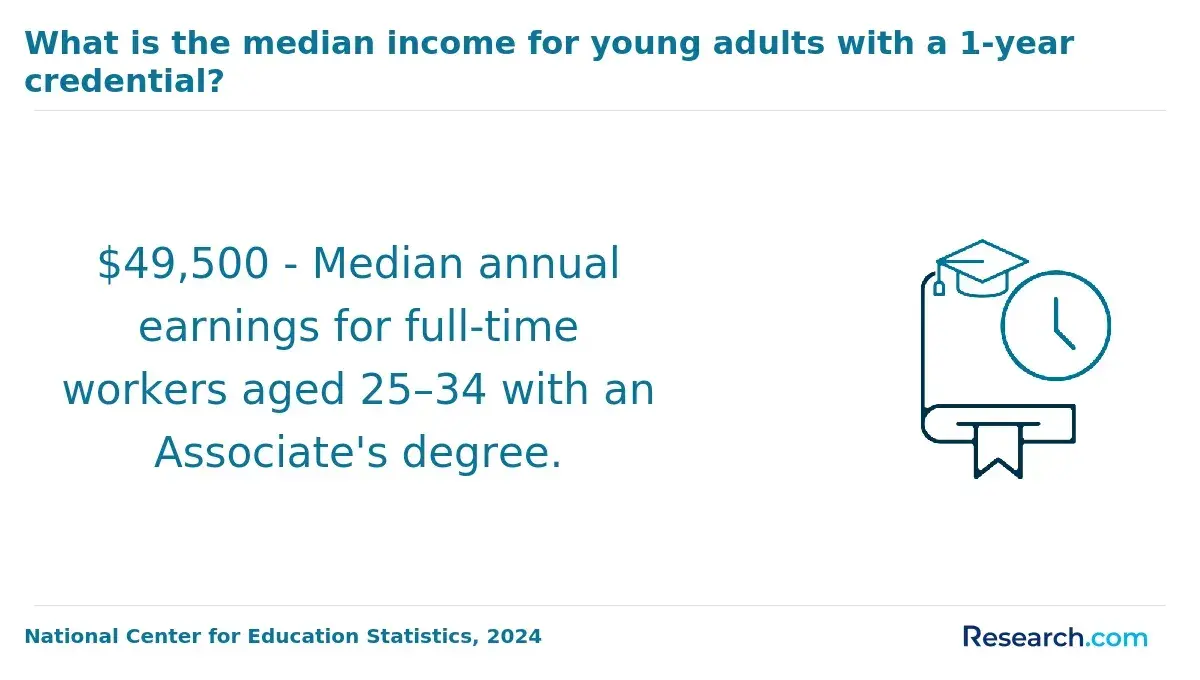
Salary outcomes vary by role. For example, the U.S. Bureau of Labor Statistics reported a May 2024 median annual wage of $103,960 for postsecondary education administrators. That figure does not guarantee earnings for doctoral graduates, but it shows why some educators consider advanced credentials when pursuing leadership roles in colleges, universities, language programs, or academic support units.
Career value depends on your intended path. An online English language learning doctorate may support roles such as ELL director, TESOL faculty member, curriculum leader, literacy or language specialist, district administrator, instructional designer for multilingual learning, researcher, or education consultant. For some instructional design roles, a doctorate may be unnecessary; students considering curriculum technology or learning design careers may want to compare doctoral study with lower-cost options such as the best online instructional design master's programs.
The best return on investment usually appears when the doctorate directly supports a defined advancement path. The degree may be more financially defensible when it helps you qualify for a leadership lane, faculty role, district position, grant-funded research work, consulting specialization, or a promotion already discussed with an employer.
A low-cost program may be the wrong choice if it lacks regional accreditation, has unclear dissertation support, cannot support your ELL research topic, or makes unrealistic claims about salaries and job placement. A higher-cost program may be worth considering if it offers strong faculty mentorship, meaningful funding, recognized research networks, or a format that helps you finish faster while continuing to work.
Which Online English Language Learning Doctorate Programs Offer the Best Combination of Cost, Financial Aid, and Flexibility?
The best combination of cost, financial aid, and flexibility usually comes from programs that let working educators reduce required credits, use employer benefits, stay enrolled part time, and complete an ELL-focused dissertation without relocating. This is why the "best" program differs for a classroom teacher, district administrator, college instructor, and instructional designer.
Students who already hold an Education Specialist degree should pay close attention to bridge or completion pathways. Well-designed EDS to EdD programs may reduce repeated coursework and shorten the route to completion, although transfer policies must be confirmed in writing before enrollment.
The table below summarizes which type of program is likely to offer the strongest value for different student profiles.
| Student profile | Best-value program pattern | Why it may work | What to verify |
| K-12 ESL or bilingual teacher | Online EdD in curriculum, literacy, or language education with ELL faculty | Aligns with classroom practice, instructional leadership, and dissertation-in-practice models | Whether the program supports multilingual learner research and teacher leadership goals |
| District ELL coordinator or aspiring administrator | Online EdD in educational leadership with ELL policy or equity focus | Connects doctoral work to program evaluation, compliance, family engagement, and systems leadership | Whether state licensure or administrator certification is separate from the doctorate |
| College ESL instructor or future faculty member | Online or hybrid PhD/EdD with strong research methods and language education faculty | May better support publication, research, and higher education teaching goals | Whether the credential is competitive for the type of faculty role you want |
| EdS holder | EdS-to-EdD completion program with accepted transfer credits | Can reduce duplicated coursework and total tuition | Exact number of credits accepted and remaining dissertation requirements |
| Instructional designer serving multilingual learners | EdD in learning design, curriculum, or instructional technology with ELL research option | Connects language learning with online pedagogy and workplace training | Whether a doctorate is required for your target role or a master's is enough |
Flexibility matters because most ELL doctorate students are working professionals. Look for asynchronous coursework, predictable course rotations, remote advising, clear dissertation milestones, and the ability to use workplace-based research when appropriate. Flexibility should not mean weak structure; doctoral students need deadlines, feedback, and faculty availability.
The strongest value is usually not the absolute cheapest program. It is the accredited program that you can afford, finish, and use for a clear professional goal.
How Should Students Compare Low-Cost Online English Language Learning Doctorate Programs?
Students should compare low-cost online English language learning doctorate programs using a net-cost and outcome framework. Published tuition is only the starting point. A program with higher tuition but stronger scholarships, employer compatibility, transfer credits, and dissertation support can cost less in practice than a lower-tuition program with delays and fees.
Use this comparison process before committing to a school:
- Confirm accreditation first, including institutional accreditation and any relevant educator preparation or licensure disclosures.
- Identify the exact academic fit, such as TESOL, ESL, ESOL, bilingual education, literacy, curriculum, applied linguistics, or multilingual learner leadership.
- Ask for a written degree plan showing required credits, transfer credits, course sequence, residencies, and dissertation milestones.
- Request a full cost estimate for the entire program, not just one term.
- Compare confirmed aid offers, including scholarships, grants, assistantships, tuition discounts, and employer reimbursement.
- Calculate the amount you would need to borrow under each realistic enrollment plan.
- Ask for recent examples of dissertation topics, completion timelines, and career paths for online students with ELL-related interests.
- Evaluate faculty fit by reading bios, research areas, publications, and advising interests.
- Check whether the program's schedule fits your work calendar, especially if you teach during the school year.
- Choose the program that offers the best combination of affordability, support, specialization, and completion likelihood.
Before enrolling, ask admissions and financial aid offices direct questions. Good programs should be able to answer them clearly:
- What is the estimated total cost if I finish on the standard timeline?
- What fees are not included in advertised tuition?
- How many online students receive institutional aid?
- Can I apply employer reimbursement to each term, and when are bills due?
- How are dissertation chairs assigned?
- What happens financially if my dissertation takes longer than expected?
- Can I focus my dissertation on English learners, multilingual education, TESOL, bilingual education, or language learning technology?
The safest final decision is the one you can explain in writing: why the program fits your goal, what it will cost after aid, how you will pay each year, what you will borrow, and how the degree connects to realistic career outcomes.
Other Things You Should Know About English Language Learning
ELL usually refers to English language learners, while ESL and ESOL refer to programs or instruction for students learning English. TESOL refers to the field of teaching English to speakers of other languages and may describe coursework, professional associations, certificates, or academic programs.
Not always. Many doctoral programs require a master's degree and professional education experience, but a teaching license may only be necessary if the program includes administrator licensure, teacher leadership requirements, or fieldwork tied to state rules. Always check state and school requirements.
Some programs can be completed fully online, while others require short residencies, synchronous meetings, internships, research activities, or dissertation defenses. Students should confirm all in-person requirements before enrolling.
An EdD is usually better for applied leadership, curriculum, district, and practitioner-focused roles. A PhD is usually better for research-intensive academic, policy, or scholarly careers. The better choice depends on whether your main goal is practice-based leadership or original research.
References
- Talent Studies: Investing in employee education benefits everyone https://www.luminafoundation.org/our-work/talent-investments/
- PhD Scholarships: Types, Requirements & How to Apply https://www.wemakescholars.com/blog/apply-phd-scholarships-types-requirements
- Funding your Degree https://gradsense.org/funding-your-degree/
- Pebble Hills University Launches Affordable Online PhD Program - Pebble Hills University https://pebblehills.edu.pl/pebble-hills-university-launches-affordable-online-phd-program/
- Complete Guide to Scholarships & Grants [2026 Update] https://www.applykite.com/blog/phd-guide-funding
- How To Take Advantage Of Your Job's Education Benefits https://www.learnhowtobecome.org/career-resource-center/employer-benefits-nontraditional-student/
- Scholarships and Discounts https://www.kozminski.edu.pl/en/scholarships-and-discounts
- Types of Financial Aid | Roosevelt University https://www.roosevelt.edu/tuition-aid/types-of-financial-aid
- Affordable Online PhD Programs That Fit Life https://expandinghorizonuniversity.com/affordable-online-phd-programs-that-fit-life/
- Employer Tuition Reimbursement Explained - Graduate Programs for Educators https://www.graduateprogram.org/blog/employer-tuition-reimbursement-explained/