2027 Online English Language Learning Doctorate Program Costs: Tuition, Fees, Financial Aid, and Employer Reimbursement

Co-Founder and Chief Data Scientist
An online English Language Learning doctorate can advance careers in TESOL, bilingual education, applied linguistics, curriculum leadership, and higher education, but the cost decision is serious. Federal graduate loans remain expensive, with graduate Direct Unsubsidized loans carrying rates near 8% and Grad PLUS loans near 9% for recent award years.
This guide is for educators, administrators, and working professionals comparing online doctoral options. You'll learn how tuition, fees, residency rules, aid, employer reimbursement, and ROI fit together so you can estimate the real cost before committing.
Key Things to Know About Online English Language Learning Doctorate Program Costs
- There is no single federal "average" for online English Language Learning doctorates, so applicants should compare total program cost by multiplying required credits by per-credit tuition and adding dissertation, technology, residency, and graduation fees.
- Federal graduate borrowing can cover up to the school-certified cost of attendance through Direct Unsubsidized loans and Grad PLUS loans, but recent rates near 8% to 9% make scholarships, assistantships, and employer support especially important.
- Employer educational assistance can be tax-free up to $5,250 per calendar year under current IRS rules, but many employers require job relevance, minimum grades, repayment agreements, or continued employment after reimbursement.
What is the average tuition cost of an online English Language Learning doctorate program?
The average tuition cost of an online English Language Learning doctorate is difficult to state as one national number because federal datasets do not isolate online TESOL, bilingual education, applied linguistics, or English language learning doctoral programs as a separate tuition category. A better approach is to calculate the tuition-only range using the program's required credits, tuition rate, and whether dissertation continuation credits are charged separately.
Most applicants are comparing EdD, PhD, or education doctorate concentrations related to English learners, multilingual education, language and literacy, TESOL leadership, or applied linguistics. These programs often differ more by credit requirement and tuition model than by the label on the degree.
The table below shows how the same doctorate can produce very different tuition totals depending on credit load and per-credit pricing. Use it as a planning model, not as a substitute for a school's official cost of attendance.
| Planning scenario | Required credits | Per-credit tuition | Estimated tuition only | Best fit |
| Lower-cost public or discounted online rate | 48 | $500 | $24,000 | Students with transfer credits, in-state pricing, or employer discounts |
| Mid-range online doctorate | 54 | $800 | $43,200 | Working educators seeking a balance of flexibility and institutional support |
| Higher-cost private or specialized doctoral rate | 60 | $1,100 | $66,000 | Students prioritizing a specific faculty match, research area, or cohort model |
For decision-making, the most useful question is not "What is the average?" but "What is my total cost to finish?" Ask the program for a degree audit showing required credits after transfer review, dissertation enrollment rules, mandatory fees, and the expected number of terms for part-time students.
Are online English Language Learning doctorate programs subject to distance learning or technology fees?
Yes. Many online English Language Learning doctorate programs charge distance learning, technology, online course, proctoring, or student services fees in addition to tuition. These charges matter because a program that looks cheaper per credit can become less affordable if fees are assessed every course or every term.
Fee names vary by institution, but the categories below are common in online graduate education. Review them before comparing programs because they can change the real cost of a doctorate without changing the advertised tuition rate.
| Fee type | How it is usually charged | Why it matters | Question to ask |
| Technology or online learning fee | Per credit, per course, or per term | Can add recurring cost across the entire doctorate | Is this included in the published tuition estimate? |
| Distance education fee | Often tied to online course registration | May apply even if the student never visits campus | Does every online doctoral course carry this fee? |
| Dissertation or doctoral continuation fee | Per term after coursework or during dissertation enrollment | Can increase cost if the dissertation takes longer than planned | What is the maximum continuation period before extra charges apply? |
| Graduation, transcript, or records fee | One-time administrative charge | Small compared with tuition but easy to overlook | Which one-time fees are required before graduation? |
A common mistake is comparing only tuition per credit. Instead, ask admissions or the bursar for a full cost sheet that separates tuition, mandatory fees, optional fees, and estimated indirect expenses.
What out-of-pocket expenses should online English Language Learning doctorate students anticipate?
Online students often avoid relocation and daily commuting, but they still face out-of-pocket expenses that may not appear in a tuition quote. These costs are especially important for English Language Learning doctorate students because research, fieldwork, language assessment tools, conference participation, and dissertation data collection can add expenses over several years.
The table below summarizes the most common non-tuition expenses and why they should be part of your budget. Amounts vary by school, location, and dissertation design, so the safest approach is to request the school's official cost of attendance and compare it with your own work and family situation.
| Expense category | What it may include | When it becomes expensive | How to evaluate it |
| Books and digital materials | Textbooks, ebooks, databases, language assessment manuals | Courses require specialized research or assessment texts | Ask for recent syllabi or a book cost estimate |
| Software and equipment | Laptop upgrades, transcription tools, statistical software, qualitative analysis tools | Dissertation research requires paid licenses | Check whether the university provides software access |
| Residency travel | Airfare, lodging, meals, ground transportation | The program requires campus intensives or dissertation defenses in person | Confirm how many residencies are required and whether virtual attendance is allowed |
| Research and fieldwork | Participant incentives, survey tools, transcription, printing, school site travel | The dissertation involves classroom observations or multilingual learner data | Discuss likely research costs with faculty before enrolling |
| Professional development | TESOL, applied linguistics, or education conferences | Students need presentations or networking for academic career goals | Ask whether doctoral students can apply for travel grants |
To avoid underbudgeting, build a "completion reserve" for the dissertation stage. Even one extra term can be costly if the school charges continuation tuition or requires active enrollment until the dissertation is approved.
Does in-state versus out-of-state residency status impact online English Language Learning doctorate tuition?
Residency status can affect online English Language Learning doctorate tuition, but the impact depends on the school's pricing model. Some public universities still use different graduate rates for in-state and out-of-state students, while many online programs use a flat online tuition rate regardless of where the student lives.
This distinction is important because the lowest advertised tuition is not always the lowest price for your situation. The table below shows the major tuition structures you are likely to encounter.
| Tuition model | How it works | When it helps | Potential drawback |
| Public in-state tuition | Residents pay a lower graduate rate | Best for students who qualify for the resident rate and can keep enrollment costs low | May not be available to online out-of-state students |
| Public out-of-state tuition | Nonresidents pay a higher graduate rate | May still be worthwhile for a unique language learning specialization | Can erase the affordability advantage of a public university |
| Flat online tuition | All online students pay the same rate | Useful for out-of-state students comparing national programs | May be higher than an in-state public rate |
| Cohort or program-level tuition | Tuition is set for the doctoral cohort or program | Makes budgeting easier if fees and credits are clearly disclosed | Less flexible if you slow down or pause enrollment |
If you already hold an Education Specialist credential, ask whether bridge credits can reduce your total doctoral load. Some EDS to EdD programs are designed for advanced educators who want a shorter path from specialist-level study to a doctorate, but transfer rules vary widely.
How do total costs for an online English Language Learning doctorate compare to traditional on-campus programs?
Online English Language Learning doctorates are often more affordable than on-campus programs in total living cost, but they are not automatically cheaper in tuition. The real savings usually come from staying employed, avoiding relocation, reducing commuting expenses, and enrolling part time without leaving a school district, university, nonprofit, or education company role.
The comparison below shows where online and on-campus costs typically differ. Use it to decide whether the online format lowers your actual cost or simply shifts expenses into technology, travel, and time-management demands.
| Cost factor | Online doctorate | On-campus doctorate | Decision point |
| Tuition | May be flat-rate online, per credit, or cohort-based | May depend on residency, assistantship status, and full-time enrollment | Compare total credits and fees, not delivery mode alone |
| Employment during study | Often easier to maintain full-time work | May require reduced work hours or relocation | Lost income can outweigh tuition differences |
| Housing and relocation | Usually no relocation required | May require moving near campus | Important for mid-career educators with families |
| Campus fees and commuting | Lower commuting costs but possible online fees | Parking, transportation, campus service fees, and local living costs may apply | Ask which fees are mandatory for each format |
| Assistantship access | Often more limited for fully online students | May be stronger for full-time residential students | Assistantship eligibility can change the affordability comparison |
Accelerated timelines can reduce the number of terms you pay fees, but they are not right for everyone. If you are comparing 1 year EdD programs online, confirm whether the structure includes dissertation support, realistic workload expectations, and enough time for high-quality research.
Can graduate assistantships and fellowships reduce online English Language Learning doctorate costs?
Graduate assistantships and fellowships can reduce doctoral costs, but online English Language Learning doctorate students should verify eligibility early. Many assistantships are tied to on-campus teaching, research labs, faculty projects, or full-time enrollment, which can limit access for fully online and part-time students.
That does not mean online students should ignore institutional funding. Ask specifically about remote research assistantships, dissertation fellowships, tuition waivers, language education grants, school district partnerships, and conference travel awards.
Use the questions below when speaking with the graduate school, department, and program director. They help you separate true funding opportunities from general scholarship language that may not apply to online doctoral students.
- Are fully online doctoral students eligible for tuition waivers, assistantships, or fellowships?
- Do assistantships require full-time enrollment, campus work hours, or a teaching assignment?
- Are there remote research assistant roles connected to multilingual education, TESOL, literacy, or applied linguistics projects?
- Does the program offer dissertation completion awards or small research grants?
- Will receiving employer reimbursement reduce institutional scholarship eligibility?
The main red flag is vague funding language. If a program advertises doctoral funding but cannot explain how many online students receive it, what it covers, and whether it renews, treat the award as uncertain until you receive written confirmation.
What financial aid options are available for students enrolled in an online English Language Learning doctorate?
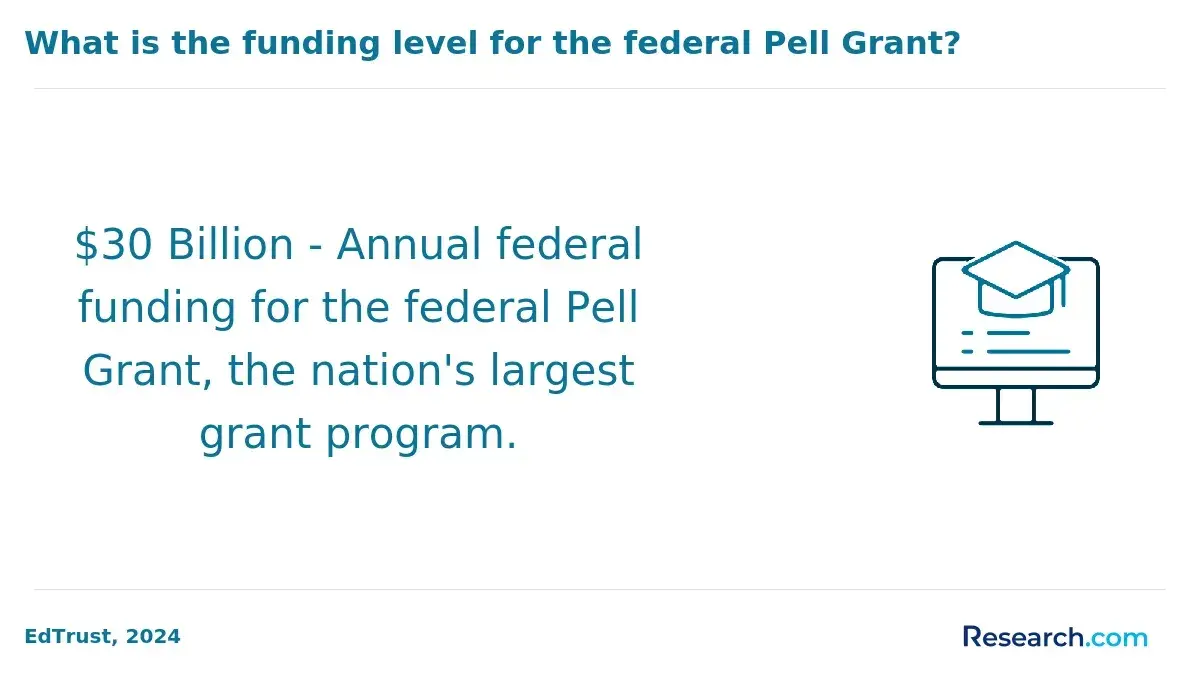
Financial aid for an online English Language Learning doctorate can include federal loans, institutional scholarships, private scholarships, grants, veterans benefits, payment plans, and employer support. To qualify for federal aid, the school must be eligible for Title IV aid, and the student must complete the FAFSA and meet graduate aid requirements.
Federal loan terms are a major cost factor. For loans first disbursed in the 2025-26 award year, graduate Direct Unsubsidized loans carry a 7.94% fixed interest rate, while Grad PLUS loans carry an 8.94% fixed interest rate. These rates mean borrowing should be planned carefully, especially for students who expect to take several years to finish the dissertation.
The table below compares common funding sources. It focuses on how each option affects affordability rather than treating all aid as equally valuable.
| Funding option | What it can cover | Repayment required? | Best use |
| Direct Unsubsidized Loan | Graduate tuition and approved cost of attendance up to the annual loan limit | Yes | Baseline federal borrowing before considering Grad PLUS |
| Grad PLUS Loan | Remaining school-certified cost of attendance after other aid | Yes | Gap funding when scholarships, savings, and unsubsidized loans are not enough |
| Institutional scholarship | Tuition, fees, or partial awards depending on school policy | No, if requirements are maintained | Reducing borrowing before enrollment begins |
| External scholarship or grant | May support tuition, research, conference travel, or dissertation expenses | Usually no | Students with TESOL, bilingual education, literacy, or public service goals |
| Payment plan | Term charges spread over installments | No loan repayment, but payments are due during study | Students trying to avoid interest-bearing debt |
If price is the main constraint, compare funding offers alongside lower-tuition options. A program listed among the cheapest online EdD programs may still require careful review of credit requirements, fees, dissertation costs, and whether the curriculum fits English Language Learning career goals.
Does employer tuition reimbursement cover an online English Language Learning doctorate?
Employer tuition reimbursement may cover an online English Language Learning doctorate when the degree is clearly connected to the employee's current role or future leadership path. This is common for K-12 teachers, district multilingual learner coordinators, curriculum specialists, instructional designers, higher education staff, nonprofit education leaders, and corporate learning professionals working with language access or adult learning.
Under current IRS rules, employers can generally provide up to $5,250 in tax-free educational assistance per employee per calendar year. That amount may not cover a doctorate by itself, but over several years it can meaningfully reduce cash payments or loan borrowing.
Before relying on reimbursement, review the policy in writing. Most employers attach conditions that affect whether the benefit is useful for doctoral study.
- Job relevance: The doctorate may need to support your current role, promotion path, licensure area, or organizational learning goals.
- Accreditation: The employer may require a regionally accredited institution or a program eligible for federal financial aid.
- Grade requirement: Reimbursement may depend on earning a minimum grade or passing each course.
- Timing: Some employers reimburse after course completion, which means you may need to pay upfront.
- Service commitment: The employer may require you to remain employed for a set period or repay benefits if you leave.
The biggest mistake is assuming approval after enrollment. Get written preauthorization for the specific program, course sequence, tuition rate, and reimbursement amount before signing a financial agreement with the university.
How can working professionals negotiate employer sponsorship for an online English Language Learning doctorate?
Working professionals can negotiate employer sponsorship by connecting the doctorate to measurable organizational needs. For English Language Learning professionals, the strongest case usually involves multilingual learner outcomes, teacher training, curriculum design, compliance, workforce development, adult ESL programming, or leadership succession.
A good proposal should be specific, realistic, and tied to business or education value. Use the sequence below to make the request easier for a supervisor, HR team, or district administrator to approve.
- Identify the employer's problem, such as multilingual learner achievement gaps, staff training needs, curriculum redesign, language access, adult education growth, or retention of instructional leaders.
- Match the doctorate to that problem by naming the courses, dissertation focus, or research skills that directly support the organization.
- Present the cost clearly, including tuition, fees, expected calendar-year reimbursement, and any amount you will self-fund.
- Offer a return commitment, such as leading professional development, building assessment tools, mentoring teachers, or sharing dissertation findings.
- Ask for a written agreement covering reimbursement amount, grade standards, payment timing, tax treatment, and repayment rules if employment ends.
If the employer is not ready to sponsor a full doctorate, propose a lower-cost stepping stone. For example, professionals moving toward curriculum technology or workplace learning may compare best online instructional design master's programs before committing to doctoral tuition.
What ROI can graduates expect from an online English Language Learning doctorate?
The ROI of an online English Language Learning doctorate depends on the career outcome, total debt, time to completion, and whether the credential is required for the role. The strongest financial case usually appears when the doctorate supports a specific advancement path, such as university faculty hiring, district-level leadership, curriculum administration, grant-funded research, or senior instructional design leadership.
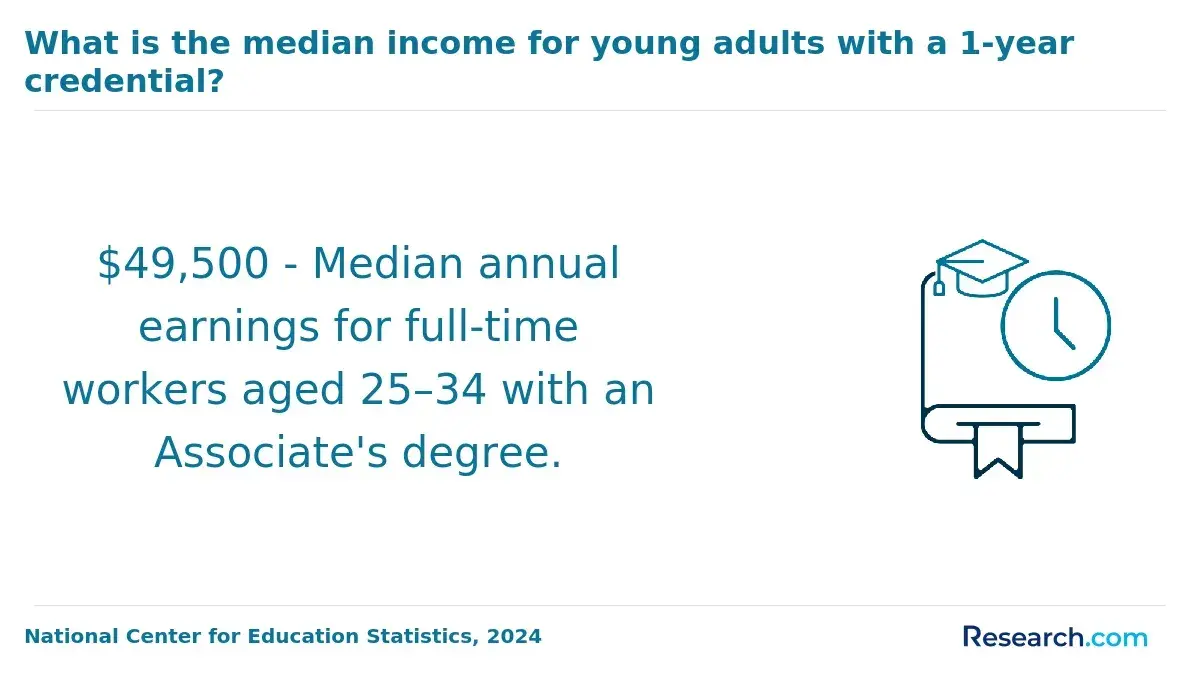
Recent labor data shows why ROI must be evaluated role by role. The U.S. Bureau of Labor Statistics reports that postsecondary teachers had median annual pay of $83,980 in 2024, but that broad category includes many disciplines, institution types, and appointment models. A doctorate may be essential for some tenure-track roles, while other English learner leadership roles may value experience, licensure, and administrative credentials just as heavily.
The table below summarizes common career directions and how a doctorate may affect the value equation. Use it to think about fit rather than as a salary guarantee.
| Career direction | How the doctorate may help | ROI strength is higher when | ROI risk is higher when |
| Postsecondary faculty in TESOL, applied linguistics, literacy, or education | Can meet doctorate expectations for full-time faculty, research, and doctoral teaching roles | The program supports publication, research methods, and faculty mentorship | The student borrows heavily without geographic flexibility for academic jobs |
| District multilingual learner or curriculum leadership | May support promotion into director, coordinator, or central-office leadership roles | The employer recognizes doctoral credentials in salary schedules or leadership hiring | The district does not reward doctoral study financially or professionally |
| Instructional design and learning leadership | Can strengthen research, assessment, and program evaluation skills | The student already has technology, curriculum, and adult learning experience | A master's or certificate would achieve the same career move at lower cost |
| Policy, nonprofit, or research roles | May build credibility for evaluation, grant work, and language access initiatives | The dissertation aligns with a marketable research problem | The program lacks quantitative, qualitative, or applied research depth |
Who should invest? The degree makes the most sense for experienced educators with a clear doctoral-level goal, employer support, manageable debt, and a research interest that matches faculty expertise. Who should be cautious? Applicants seeking only a general salary increase, those unsure about academic research, or those who would need high-interest loans for the full cost should compare lower-cost credentials first.
Other Things You Should Know About English Language Learning
Many working professionals take about three to five years, depending on transfer credits, enrollment pace, dissertation progress, and whether the program uses a cohort model. The dissertation stage is the most common reason timelines extend.
Yes. Accreditation can affect federal financial aid eligibility, employer reimbursement, transfer credit review, and professional credibility. Verify institutional accreditation before comparing tuition discounts or scholarship offers.
Sometimes. Schools may accept a limited number of graduate transfer credits, but they usually review course age, grade, relevance, accreditation, and whether credits were already applied to another degree.
An EdD is often better for applied leadership, curriculum, and district or organizational improvement. A PhD is often better for research-intensive academic careers. The better choice depends on your target role, not just tuition.
References
- Financial Aid for Undergraduate International Students https://www.nafsa.org/about/about-international-education/financial-aid-undergraduate-international-students
- What Are Tuition Assistance Programs? A Legal Overview https://legal-resources.uslegalforms.com/t/tuition-assistance-programs
- 2025 Most Affordable Online Doctorates in Education https://www.onlineu.com/most-affordable-colleges/education-doctoral-degrees
- Tuition & ROI | ACE https://ace.edu/tuition-and-admissions/tuition-details/
- Tuition Reimbursement Programs [A Guide for HR and Employers] https://compt.io/blog/employee-tuition-reimbursement/
- What is Tuition Reimbursement and How Does it Work? https://www.aiuniv.edu/blog/2016/march/what-is-tuition-reimbursement
- How Much Does a PhD Cost https://aituedu.org/how-much-does-a-phd-cost/
- Educational Funding https://phdproject.org/educational-funding/
- Tuition Reimbursement: How Do Employers Benefit from It? | KBI Benefits https://www.kbibenefits.com/tuition-reimbursement-benefits
- Average Cost of a Doctorate Degree [2026]: Ph.D., Psy.D. & More https://educationdata.org/average-cost-of-a-doctorate-degree