2027 Can You Get a General Psychology Bachelor's Degree After 30?

Co-Founder and Chief Data Scientist
Many adults over 30 face the challenge of balancing work, family, and education when considering a general psychology bachelor's degree. Unlike traditional students, they often juggle multiple responsibilities that delay or complicate their path to graduation. Statistics show that 45% of bachelor's-degree seekers over 30 enroll part-time, extending time to completion.
For career changers, military veterans, and parents, understanding flexible pathways and credit options is crucial. This article examines enrollment patterns, program types, financing, and employer perceptions to guide adult learners through earning a general psychology bachelor's degree efficiently and confidently.
Key Things to Know About Getting a General Psychology Bachelor's Degree After 30
- Admission often requires a high school diploma or GED-many programs accept transfer credits and prior learning assessments to shorten completion time for adult learners.
- Flexible financing options include employer tuition support, federal aid, and scholarships-balancing family needs is achievable through part-time, online, or evening courses.
- Graduates over 30 report median earnings increases of 20-30% within five years-highlighting strong long-term ROI despite initial time and cost investments.
Can You Really Get a General Psychology Bachelor's Degree After 30?
Enrollment of adult learners aged 25 and older in bachelor's degree programs has been steadily rising, according to National Center for Education Statistics (NCES) data. This surge includes those pursuing a general psychology bachelor's degree as an adult over 30, reflecting broader shifts in demographics and educational access. Many colleges now offer tailored programs that accommodate the realities of adult students balancing work, family, and personal commitments. Returning to college after 30 is not only possible but increasingly common, with millions successfully earning degrees each year despite challenges.
- Enrollment Growth: NCES reports show a consistent increase in adult learners returning to undergraduate studies, highlighting a growing presence in general psychology fields. Universities recognize and support this demographic with programs designed to meet their unique needs.
- Program Flexibility: Evening, weekend, online, and hybrid courses allow adults to manage school alongside other responsibilities. Accelerated formats can help reduce time-to-completion, enabling faster degree attainment for busy adults.
- Financial Options: A range of financial aid, scholarships, and employer tuition assistance is often available to adult students. Proper financial planning can ease the burden of returning to school later in life.
- Career Impact: Earning a general psychology degree after age 30 can facilitate career changes and open new opportunities. Employers value the dedication and real-world experience brought by adult learners.
- Support Systems: Academic advising, career counseling, and peer networks help adult learners navigate their educational journey, contributing to higher graduation rates.
For those seeking the fastest credentialed pathway into psychology or related fields, exploring options like a fastest online degree can be an effective strategy. This guide will further explore time management, finances, program types, and support resources to help adult students confidently pursue their goals in general psychology education.
Why Are More Adults Over 30 Pursuing a General Psychology Bachelor's Degree?
More adults over 30 are returning to college to pursue a general psychology bachelor's degree, marking a significant shift in higher education demographics. Longitudinal data from the Lumina Foundation and the National Center for Education Statistics (NCES) reveal accelerating enrollment of adult learners motivated by practical and economic factors. This trend highlights the growing appeal of general psychology programs for those seeking versatile skills and career growth.
- Career Transitions: Adults in their 30s often seek new career paths or advancement opportunities. General psychology offers foundational knowledge relevant to counseling, social work, human resources, and related fields, serving as a strong base for meaningful professional pivots.
- Employer Tuition Benefits: Increased access to tuition assistance and reimbursement programs eases financial barriers, encouraging adults balancing work and family to continue their education.
- Layoffs and Economic Shifts: Workforce disruptions, especially post-pandemic, have pushed many toward re-skilling with credentials that improve job security and adaptability-general psychology fits well into this demand.
- Increased Online Program Availability: The expansion of accredited online degree options provides flexibility essential for adult learners managing multiple responsibilities, making degree attainment more accessible than ever.
- Wage Premiums and Career Value: Research from the American Council on Education shows that bachelor's degree holders in psychology-related fields earn higher wages and enjoy greater job stability compared to those without such credentials.
Post-pandemic workforce changes have heightened demand for mental health professionals and related roles, directly benefiting those with general psychology degrees. Robust infrastructure such as flexible schedules and credit for prior learning further supports adult learners, validating their educational pursuits. For career changers and working adults, this makes general psychology an especially promising field.
For adults looking to explore cost-effective options within this field, programs like the cheapest online lpc programs provide viable pathways. These offerings align well with the reasons adults over 30 choose general psychology degrees and emphasize the tangible benefits of earning a general psychology bachelor's degree later in life.
What Are the Most Common Challenges Adults Over 30 Face When Pursuing a General Psychology Degree?
Time Constraints: Balancing full-time work, family duties, and coursework can create intense pressure. Many adults find themselves spread thin-caring for children or aging parents while managing jobs-leading to fatigue and scarce time for study or class participation.
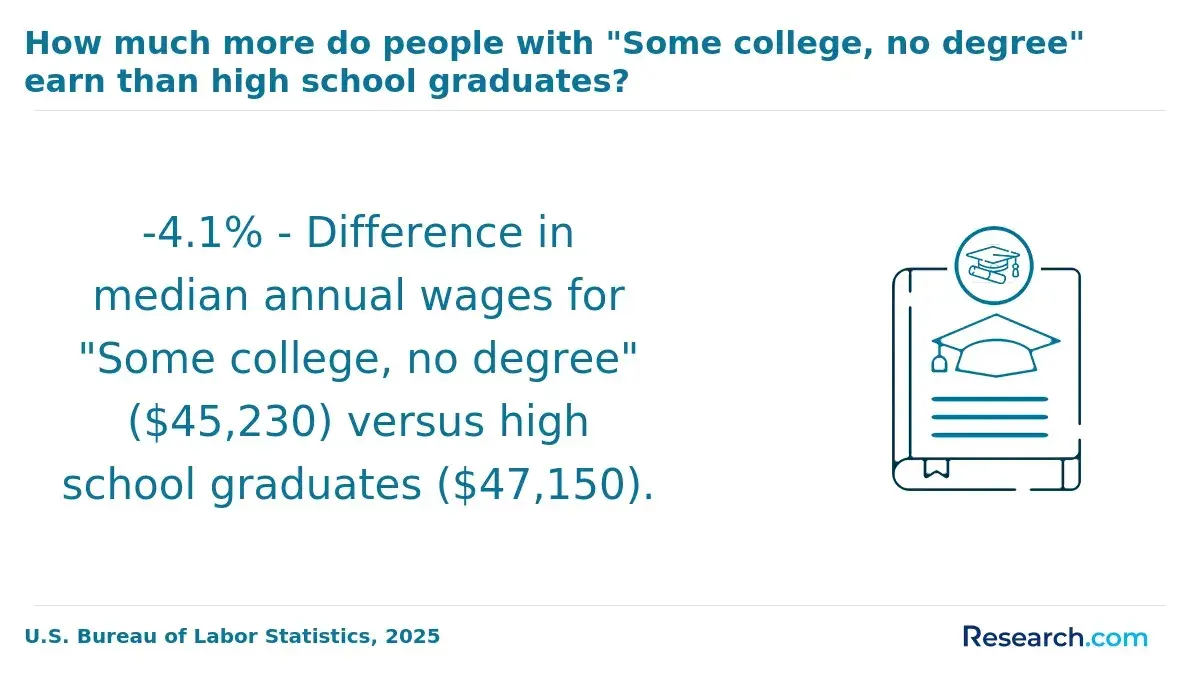
Financial Pressures: Adult learners typically finance their education independently, covering tuition, textbooks, and living costs without reliance on parental aid or traditional scholarships. This often results in part-time enrollment or juggling jobs, which slows academic progress.
Technology Gaps: Returning to school after a long absence can expose gaps in familiarity with newer technologies like online platforms, digital libraries, and learning management systems-tools essential for success in modern general psychology programs.
Imposter Syndrome: Many adults feel out of sync with younger classmates or doubt their academic competence, which can undermine confidence and participation. This emotional barrier often stems from a belief that they should already grasp material or belong less in the academic environment.
Academic Bureaucracy Navigation: Complex enrollment forms, credit transfers, and financial aid processes may overwhelm adult students without tailored guidance. Confusion or frustration in negotiating these hurdles frequently causes delays or dropout.
Although demanding, each of these challenges has proven solutions-time management tools, financial aid programs, digital literacy training, peer support groups, and specialized advising will be discussed later to assist learners in overcoming these obstacles. Most adult students in general psychology face multiple of these issues at once, so recognizing their commonality helps reduce self-blame and fosters resilience.
When asked about his journey, a professional who enrolled in a general psychology bachelor's program after 30 shared that "the hardest part wasn't just keeping up with homework but feeling like I didn't fit in with younger students." He described late nights spent mastering online course tools and searching for financial aid resources, often juggling shifts at work with study deadlines. Yet he found that reaching out to advisors and peer mentors made a difference, helping to navigate administrative confusion and build confidence. His experience underscores how persistence combined with available support can transform these challenges into milestones on the path to degree completion.
What Types of General Psychology Bachelor's Degree Programs Are Best Suited for Adults Over 30?
Adult learners pursuing a flexible general psychology degree options for working adult learners can choose from diverse program structures tailored to their needs.
Fully Online: Programs like those at Arizona State Online and Southern New Hampshire University offer the greatest scheduling freedom, enabling students to study anytime without residency requirements. This flexibility suits parents and veterans balancing multiple responsibilities.
- Hybrid: Combining virtual classes with occasional on-campus visits, this format appeals to those seeking some face-to-face interaction while minimizing travel. Campus sessions are usually held during evenings or weekends to accommodate professionals.
- Evening and Weekend On-Campus: Designed for local adults, these programs provide a structured semester schedule outside traditional work hours. Learners benefit from routine and direct instructor support without daytime attendance.
- Competency-Based Education (CBE): Institutions such as Western Governors University allow students to advance by demonstrating mastery rather than seat time. This approach accelerates degree completion for those with prior knowledge and demands little to no campus residency.
- Accelerated Cohort Models: These intensive programs group students who progress together on a fast track with a mix of synchronous and online sessions, ideal for adults aiming to finish efficiently with peer support.
Choosing the ideal format depends on one's learning style, career timeline, and commitments. Adults seeking the best bachelor's degree programs in general psychology for adults over 30 should consider these options carefully to align education with life goals.
How Long Does It Take to Earn a General Psychology Bachelor's Degree After 30?
Adult learners pursuing a general psychology bachelor's degree often see completion times influenced by enrollment status, transfer credits, and program format. Full-time students usually graduate in about four years, according to NCES data, while part-time attendance-common among those juggling family or jobs-can extend this to five to seven years. Credit for prior learning, such as military experience or professional coursework, can shorten degree time by as much as a year or more. Tools like CLEP exams and prior learning assessments offer additional opportunities to bypass foundational courses, supporting accelerated progress.
Programs tailored for adults sometimes feature condensed schedules and year-round classes, enabling completion in roughly two and a half to three years for highly motivated students. Estimating one's timeline requires a clear understanding of existing credit transfers, how many courses one can handle weekly, and the chosen program's pacing-be it traditional, part-time, or accelerated.
Recent data reveals more than half of adult psychology students utilize some form of prior learning recognition to speed their studies, highlighting shifting education norms. Personalized plans that assess individual circumstances are crucial for realistic expectations and successful goal setting.
- Enrollment Intensity: Full-time attendance often requires four years; part-time learners generally need five to seven due to competing responsibilities.
- Credit Recognition: Military, professional, and academic credits can reduce program length by 25%-30%, allowing students to skip introductory coursework.
- Accelerated Options: Specialized adult-focused programs offer condensed terms, potentially finishing in under three years for dedicated learners.
- Personalized Planning: Factoring prior credits and weekly course loads helps tailor timelines suited to each student's lifestyle and goals.
- Growing Use of PLA: Over 50% of returning adult students leverage prior learning assessments or exams, reflecting increased institutional support for credit transfer.
Reflecting on her journey, a professional who earned her general psychology degree after 30 described the process as both demanding and rewarding. Managing work and family meant she progressed part-time, yet prior military training credited toward her degree shortened her path considerably. She emphasized the importance of flexible programs and the reassurance provided by recognizing her existing skills, saying, "Knowing that some of my experience counted saved me months of study and kept me motivated." Her story showcases how realistic planning and credit recognition can transform a daunting commitment into an achievable milestone.
How Can Adults Over 30 Pay for a General Psychology Bachelor's Degree?
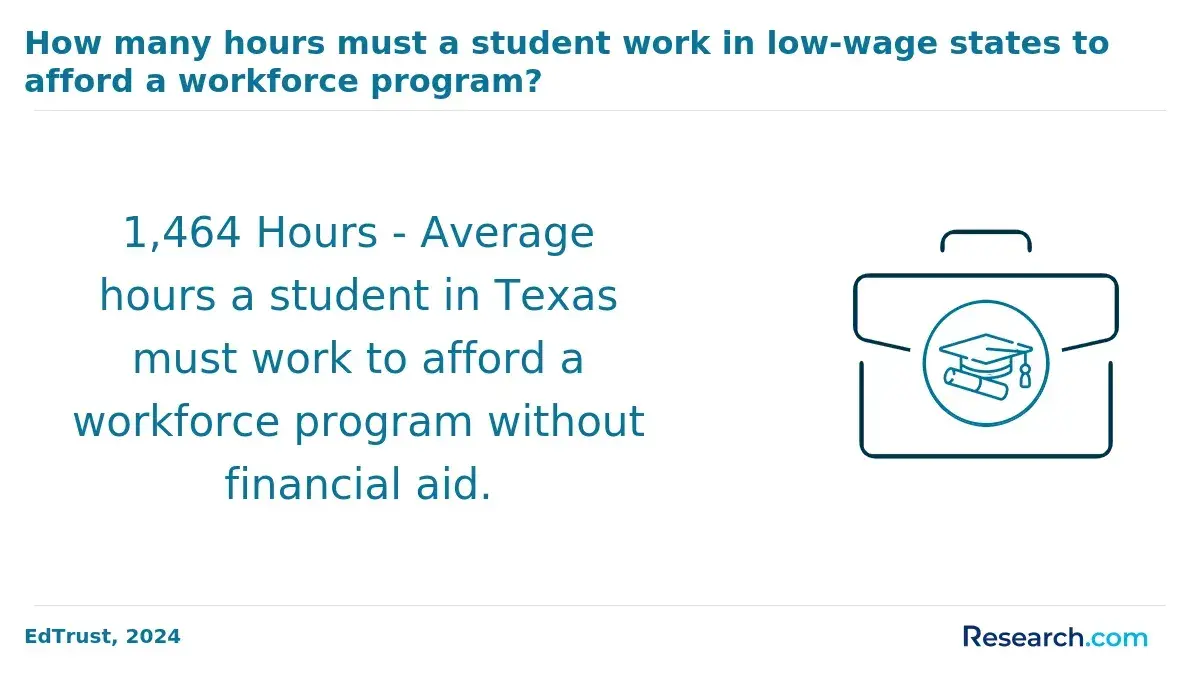
Federal Financial Aid: Adults over 30 can file the Free Application for Federal Student Aid (FAFSA) regardless of age, contradicting the myth that aid is reserved for traditional students. Pell Grants provide need-based funding with no repayment obligation, while subsidized and unsubsidized loans offer flexible borrowing options accessible to all eligible U.S. citizens or non-citizens enrolled in accredited programs, according to the Federal Student Aid office.
Employer Tuition Assistance Programs: Workers returning to school should verify if their employers offer tuition reimbursement or assistance, which may cover partial tuition for courses that support job performance or career growth.
State Adult Learner Grants: Numerous states fund adult-specific grants that complement federal aid. These programs often cater to working adults with eligibility criteria tailored to non-traditional student circumstances.
Scholarships from Professional Associations: Organizations such as the American Psychological Association offer scholarships recognizing academic merit or professional aspirations in General Psychology, easing out-of-pocket expenses for adult students.
Income Share Agreements (ISAs): A growing number of online and private institutions offer ISAs, linking repayment amounts to post-graduate income rather than fixed loans-an appealing model for adults cautious about traditional debt.
Tuition varies widely by program format and institution type. Online degrees typically reduce costs by eliminating commuting, while public universities generally charge less than private schools, which may justify higher fees with specialized services.
To maximize aid and minimize debt, consider these steps:
- Submit the FAFSA early to unlock federal benefits
- Consult your employer's HR department about tuition support
- Investigate state grants targeting adult learners
- Apply for scholarships through psychology-related associations
- Compare costs between online and on-campus programs
Recent data from the National Student Clearinghouse Research Center shows enrollment among students aged 30 and above is steadily increasing, underscoring the relevance of accessible financial resources for mature learners pursuing higher education.
Will Employers Respect a General Psychology Bachelor's Degree Earned After 30?
Employers widely respect a general psychology bachelor's degree earned after age 30-especially when it comes from a regionally accredited institution. Data from the Society for Human Resource Management (SHRM) and the National Association of Colleges and Employers (NACE) show that hiring managers prioritize the credential itself over a graduate's age or the time taken to complete the degree. This means the degree on your resume holds equal weight whether you finish at 22 or 40.
- Employer Value: Hiring managers in general psychology fields often view adult learners favorably due to their demonstrated perseverance, professional maturity, and relevant real-world experience, which can deepen their understanding and application of psychology concepts.
- Industry Standards: In fields like mental health services, counseling support, social work assistance, and human resources, a bachelor's degree in general psychology typically serves as a non-negotiable credential qualifying candidates for entry-level roles or graduate programs.
- Resume Recognition: Employers verify the degree-not the graduate's age-during background and credential checks, ensuring that educational standards are met regardless of when the degree was earned.
- Age-Related Perception: The LinkedIn Workforce Insights report reveals a rising trend of hiring workers over 30 who return to school to upskill, reflecting growing employer appreciation for lifelong learning and adult learners.
- Recent Trend: A 2023 NACE study found that 72% of employers do not discriminate based on the age when a degree was earned-instead, they focus on the skills, experience, and credentials achieved.
How Does Prior Work Experience Factor Into a General Psychology Bachelor's Degree Program After 30?
Adult learners pursuing a general psychology bachelor's degree after 30 often gain significant academic credit through recognition of professional experience in adult psychology education. Many colleges implement credit for prior work experience in general psychology degrees by converting accumulated skills and knowledge into transferable credits, reducing time and cost to degree completion.
- Prior Learning Assessment (PLA): Colleges use PLA to evaluate knowledge gained from work, military service, or volunteer activities. According to the Council for Adult and Experiential Learning (CAEL), students may earn 15 to 30 semester credits through PLA, often covering foundational psychology courses.
- Portfolio Evaluation: Adult learners compile portfolios showcasing work samples, certifications, and reflective essays. Evaluators at institutions such as Thomas Edison State University and Excelsior College assess these portfolios to confirm alignment with course competencies, facilitating credit transfer for psychology-related experience.
- CLEP and DSST Exams: Standardized exams let learners test out of introductory or general education courses. Psychology exams, such as introductory psychology tests, are widely accepted by regionally accredited institutions, enabling credit recognition for prior knowledge.
- ACE-Recommended Credit: The American Council on Education endorses credits for some professional certifications, including mental health counseling and human services, which may transfer into general psychology degree programs if ACE-recommended.
Admissions staff evaluate non-traditional applicants holistically, valuing detailed records of relevant professional roles to present work history as an academic asset rather than a gap. Experience in counseling, case management, research assistance, or similar psychology-adjacent fields signals readiness for advanced courses. Years of work in general psychology or related sectors can substantially shorten the degree path-adult learners often combine PLA, CLEP exams, and ACE transfers to accelerate progress efficiently.
For career changers, veterans, transfer students, and parents reentering the workforce seeking a flexible yet credible credential, understanding these credit conversion mechanisms is essential. Those interested in fast-tracking education while balancing life obligations can explore options like the best online mba in entrepreneurship for further flexible degree pathways.
What GPA and Admission Requirements Apply to General Psychology Bachelor's Programs for Adult Learners?
Admission requirements for general psychology bachelor's programs geared toward adult learners often differ from traditional undergraduate pathways-reflecting flexibility to accommodate career changers, veterans, and those returning to school after a break. Many institutions recognize that applicants over 30 bring diverse experiences and prior learning, which shapes their admissions approach.
- Minimum GPA: Most programs typically expect a minimum cumulative GPA ranging from 2.0 to 2.5 on previous college coursework. However, some schools waive strict GPA requirements for adult learners, especially if they have relevant professional experience or military service.
- Standardized Test Waivers: Students over 25 frequently qualify for waivers of ACT or SAT scores, acknowledging that these exams may not reflect current academic capabilities or life experience.
- Letters of Recommendation: These are sometimes required but less commonly emphasized for adult applicants. When requested, letters may come from employers, supervisors, or community leaders rather than academic sources.
- Personal Statement or Essay: A personal statement often plays a critical role, providing space to explain academic history, career goals, and motivation for pursuing general psychology. This helps admissions committees assess readiness and commitment beyond transcripts.
- Residency and Transfer Credit Policies: Adult learners benefit from schools with generous transfer credit policies, including recognition of work experience, military training, and prior college credits. Residency requirements vary, but many online or hybrid programs minimize on-campus time, easing access. Transfer credits and prior learning assessments are especially important for students who want to shorten their time-to-completion.
- Open or Rolling Admissions: Schools serving adult students frequently offer open or rolling admissions with less emphasis on competitive GPA thresholds. This contrasts with traditional programs that have fixed deadlines and selective criteria, enabling adults to enroll year-round.
- Academic Renewal and Grade Forgiveness: Applicants with low GPA from earlier attempts may find programs with academic renewal policies that allow them to exclude poor grades from GPA calculations or conditional admission tracks that require demonstrating success in foundational courses before regular acceptance.
Students over 30 pursuing admission to general psychology bachelor's degrees should carefully evaluate their academic history and seek programs aligned with their profile, especially those recognized as online schools that accept low gpa. Understanding policies around transfer credits, prior learning credit, and admissions flexibility will help identify the fastest and most realistic pathways, particularly for adults balancing work and family commitments.
How Do Family and Work Responsibilities Affect Completing a General Psychology Degree After 30?
Adult learners over 30 pursuing a general psychology bachelor's degree often juggle caregiving duties and full-time jobs, which significantly limit study time and extend graduation timelines. The Institute for Women's Policy Research highlights how these combined responsibilities, along with financial pressures from managing household costs and tuition, increase the risk of delayed degree completion or interruptions in education.
Effective scheduling techniques improve success rates. Many adult students adopt block scheduling-dedicating specific daily hours solely to coursework-and utilize digital planning tools to organize tasks and prioritize high-impact assignments during peak focus periods. These strategies help integrate study time amidst busy personal and professional lives.
Support networks are essential. Flexible employment options, such as remote work or adjustable hours, allow students to better balance academic and job demands. Emotional and practical support from family-like sharing childcare duties-eases stress. Additionally, campus services offering childcare facilities and emergency financial aid provide vital assistance in crisis situations.
Before enrolling, students should assess their personal support systems and connect early with their school's adult learner services. Proactive communication facilitates access to tailored accommodations and resources that improve academic persistence and completion outcomes.
- Caregiving Challenges: Child and elder care reduce available study hours, often prolonging degree timelines.
- Time Management Strategies: Block scheduling and digital planners help prioritize critical coursework efficiently.
- Employer and Family Support: Flexible jobs and shared domestic duties enable sustained academic progress.
- Campus Resources: Childcare access and emergency aid ease financial or family crises.
- Proactive Communication: Early engagement with support services unlocks helpful accommodations.
What Campus and Online Support Services Help Adults Over 30 Succeed in a General Psychology Program?
Research from the National Student Clearinghouse and Complete College America reveals that advising intensity significantly boosts completion rates for adults pursuing a general psychology degree. Checking a program's support services tailored for adult learners can make all the difference in finishing on time and reaching career goals.
- Dedicated Adult Learner Advisors: These specialists understand the unique challenges adults face-managing coursework alongside life and work responsibilities. They offer personalized advice on course planning, credit transfer, and staying enrolled continuously.
- Prior Learning Assessment Offices: By assessing work experience, military training, or certifications for academic credit, these offices shorten time-to-degree and reduce redundant classes-a key benefit for veterans, career changers, and transfer students.
- Evening and Weekend Tutoring: Flexible tutoring hours accommodate those balancing jobs and family, with options for both in-person and virtual support to suit diverse schedules and learning preferences.
- Virtual Library Access: Around-the-clock access to online research tools and e-books empowers distance learners and busy adults to complete assignments whenever convenient, breaking down geographic and time barriers.
- Career Services for Career Changers: Specialized counseling helps adult learners transition into psychology careers by offering tailored resume building, interview prep, and job placement services based on prior experience.
- Peer Networks for Non-Traditional Students: These communities provide motivation and reduce isolation through academic support and emotional encouragement, which are vital for persistence and graduation.
Prospective students should ask programs directly about these adult learner supports. Their availability is a strong indicator of whether an adult learner will thrive and complete their general psychology degree.
What Graduates Say About Getting a General Psychology Bachelor's Degree After 30
- Damian: "Enrolling in the general psychology bachelor's degree program after 30 was a transformative decision-I appreciated the well-structured financial support options, which made continuing education financially feasible. The program's accreditation reassured me about the quality and recognition of my degree, opening doors I hadn't expected. Most importantly, the experience equipped me with practical knowledge that directly enhanced my professional skills in counseling."
- Cairo: "Returning to school for a degree in general psychology later in life was daunting, but the career outcome focus of the program truly stood out to me. I was able to align my studies with real-world applications, which helped me transition smoothly into a new role within mental health services. Plus, the financial aid available lessened the burden significantly, making it feel achievable at every step."
- Deidre: "The general psychology bachelor's degree program offered more than just academic growth-it gave me peace of mind about the program's accreditation and the financial support options designed for adult learners. Reflecting on my journey, I recognize how the supportive environment and status of the degree boosted my confidence as I pursued roles that require advanced psychological understanding. This experience truly reshaped both my personal and professional outlook."
Other Things You Should Know About General Psychology Degrees
Yes, many institutions offer accelerated or credit-for-experience programs tailored for adults over 30. These programs recognize prior learning, professional experience, or military service to reduce required coursework. Accelerated formats also allow faster completion through condensed classes or year-round semesters, supporting adult learners balancing education with other responsibilities.
A frequent misconception is that adults over 30 face significant barriers in academic success compared to younger students. Research shows that adult learners often have stronger motivation, clearer goals, and better time management. Another myth is that careers in psychology require early degree completion-however, many professionals enter the field later and successfully build meaningful careers.
Adults over 30 should prioritize programs offering flexible schedules, credit for prior learning, and supportive services like advising or tutoring. Accreditation and alignment with career goals-whether clinical, counseling, or organizational psychology-are also critical. Evaluating online versus in-person options based on personal circumstances will help ensure successful degree completion.
References
- Psychology Degree Requirements | University of Bridgeport https://www.bridgeport.edu/news/psychology-education-requirements/
- Psychology degree entry requirements | Whatuni https://www.whatuni.com/advice/clearing/psychology-degree-course-entry-requirements/91993/
- Is 30 Too Old to Become a Psychologist? https://www.getbookflow.com/blog/is-30-too-old-to-become-a-psychologist
- One College Major Is More Popular Than Ever—but Comes With Financial Catch - Newsweek https://www.newsweek.com/one-college-major-more-popular-ever-comes-financial-catch-2094197
- This is the age when you should remove your graduation year from your resume https://www.cnbc.com/2018/07/06/heres-when-you-should-remove-your-graduation-year-from-your-resume.html
- Online MSc Psychology (BPS) | Master in Psychology | Arden University https://arden.ac.uk/our-courses/postgraduate/masters/msc-psychology-bps
- ‘A damning picture of the challenges facing psychologists’ | BPS https://www.bps.org.uk/psychologist/damning-picture-challenges-facing-psychologists
- What Can You Do With A Psychology Degree? | Psychology.org https://www.psychology.org/resources/alternative-careers-for-psychology-majors/
- School of Psychology https://www.ndnu.edu/psychology/
- Whirlpool https://forums.whirlpool.net.au/thread/31k5ykm3