2027 Is 40 Too Late to Earn a General Psychology Bachelor's Degree?

Co-Founder and Chief Data Scientist
Facing the decision to return to school at 40 often stirs a blend of hesitation and hope. For many balancing family commitments and career plateaus, pursuing a bachelor's degree in general psychology represents both a challenge and an opportunity. With over 15% of mid-career adults enrolling in undergraduate programs to pivot or advance, this field offers relevant skills adaptable to various industries.
Advances in online and hybrid learning make education more accessible despite busy schedules. This article explores whether 40 is too late to earn a general psychology bachelor's degree and examines factors that can influence success in this path.
Key Things to Know About Whether 40 Is Too Late to Earn a General Psychology Bachelor's Degree
- At midlife, earning a general psychology bachelor's degree remains relevant, with many careers valuing maturity and diverse life experiences alongside academic credentials.
- Flexible online and part-time programs make returning to school feasible for adults balancing work and family, increasing accessibility for learners aged 40 and above.
- Long-term benefits include enhanced critical thinking, personal growth, and expanded job prospects in mental health, education, and social services sectors.
Can You Start a General Psychology Bachelor's Degree at 40?
Returning to college for a general psychology degree later in life is increasingly accessible, as age is no longer a barrier to enrollment in many undergraduate programs. Universities have evolved to embrace students of all ages, reflecting a broader commitment to lifelong learning and inclusivity. Admission policies are designed to welcome mature learners, making it entirely feasible to start a general psychology bachelor's degree at 40. This shift allows adult learners to pursue academic goals without facing restrictions that once hindered older applicants.
Institutions often provide robust academic structures and support systems tailored specifically for adult learners, fostering an environment that values diversity and inclusion. These supports include specialized advising, mentorship, and resources to assist students transitioning back into academic life. Educational pathways are intentionally designed to accommodate non-traditional students, ensuring they have the assistance needed to succeed. For those interested in further social work education, exploring MSW programs online can be a beneficial next step.
What Are the Biggest Challenges of Going Back to College at 40?
Returning to college around age 40 to earn a general psychology bachelor's degree involves navigating several challenges that require careful adjustment. Studies show that adult learners often juggle multiple responsibilities, making their journey different from traditional students. For many mature students, balancing family, work, and studies becomes a delicate act demanding resilience and good planning.
- Time Management: Balancing study hours with family duties and personal life is often the biggest challenge. Mature students need to create organized schedules to ensure consistent progress without neglecting other responsibilities.
- Balancing Family, Work, and Studies: Many adult learners find themselves managing childcare, household tasks, or caring for aging relatives alongside coursework. This balancing act can cause stress but also fosters strong multitasking skills crucial to success.
- Financial Pressures: Beyond tuition, managing day-to-day expenses influences focus and motivation. Budgeting for essentials like textbooks and supplies adds to financial strain, which many returning students must confront.
- Adapting to Technology: Returning adults may feel unfamiliar with modern digital tools used for research and learning. Gaining confidence in online platforms, virtual libraries, and collaboration software requires time but is essential for academic achievement today.
Overcoming Self-Doubt: Anxiety about keeping up with younger classmates or academic rigor can affect confidence. Recognizing these feelings and seeking support helps maintain persistence through challenges.
Mature students exploring pathways to earn a general psychology degree might also consider related fields, such as a library science degree online, for broader career options and transferable skills.
Can You Work Full-Time While Earning a General Psychology Degree at 40?
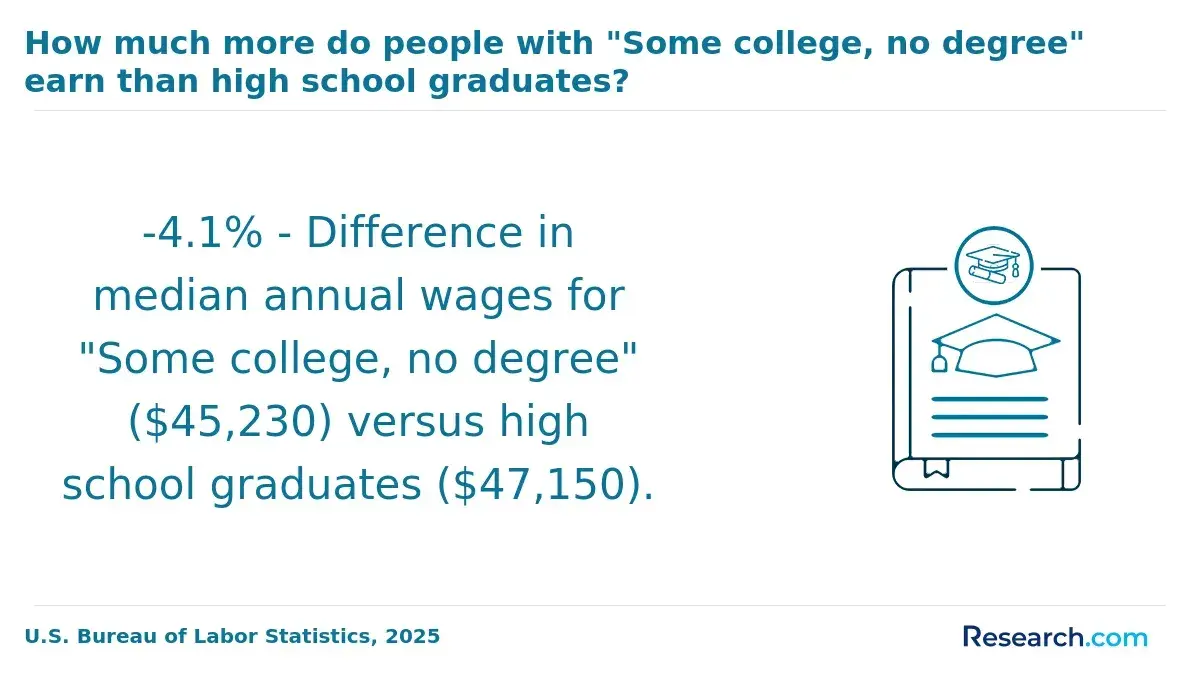
Balancing full-time employment while earning a general psychology degree at age 40 is certainly achievable with effective planning and dedication. Many adult learners succeed by establishing structured routines that allocate time for study, class attendance, and assignments alongside professional responsibilities. This disciplined approach often strengthens motivation and sharpens focus, reinforcing the idea that returning to school at 40 is both realistic and fulfilling.
The ability to manage these commitments highlights the resilience and maturity that adult students bring to their academic pursuits, proving that age does not hinder educational success.
When asked about his experience, a professional over 40 currently enrolled in a general psychology bachelor's program shared, "It's a constant juggling act, especially with deadlines and unexpected work demands, but breaking down tasks into smaller goals keeps me on track." He also mentioned that communicating openly with his employer and family has been crucial in receiving the necessary support during peak academic periods.
While there are moments of exhaustion, he finds that the challenge enhances his time-management skills and overall determination. "Sometimes I feel stretched thin, but completing each assignment is a reminder that this journey is worth the effort," he reflected.
What Are the Most Flexible Ways to Earn a General Psychology Bachelor's Degree at 40?
Flexibility plays a vital role for adults near 40 pursuing a general psychology bachelor's degree, as they juggle work, family, and other responsibilities. Adapting educational options to fit busy lifestyles helps maintain motivation and makes completing the degree more attainable.
- Online Learning: Many institutions offer flexible online general psychology bachelor's degree programs that allow students to attend virtual lectures, join discussions, and submit assignments on their own schedule. This eliminates commuting constraints and supports balancing education with personal and professional commitments.
- Part-Time Enrollment: Taking courses part-time lets learners distribute their workload over a longer timeframe, easing weekly pressures. This approach is especially beneficial for those who require steady employment or caregiving while continuing their studies.
- Evening and Weekend Classes: Access to classes outside traditional hours offers face-to-face instruction without conflicting with daytime responsibilities, making it easier for adult learners to attend campus sessions comfortably.
- Self-Paced Study: Programs structured around self-paced progress allow students to move through coursework according to their individual rhythms. This flexibility can improve retention and engagement through adjustable deadlines and modular content.
For those weighing financial options, exploring the cheapest online EdD programs may provide insights into affordable paths for continuing education and achieving career goals.
How Long Does It Take to Finish a General Psychology Bachelor's Degree at 40?
Completing a general psychology bachelor's degree at age 40 is often comparable in duration to the experience of younger students, but several factors influence the timeframe. While the length can vary, understanding these elements can help adult learners set realistic expectations and plan effectively.
- Course Load: Full-time enrollment typically leads to graduation in about four years, aligning with the traditional path. Many adults opt for part-time studies, balancing their education with other life commitments, which naturally extends the time needed to complete the degree.
- Prior Credits: Previous academic work such as college courses, associate degrees, or relevant certifications can reduce the time to finish. Transferring credits allows students to bypass some requirements, while those without prior credits will follow the full curriculum.
- Life Responsibilities: Managing work, family, and other obligations often means taking lighter course loads or breaks between terms. These adjustments make the process more manageable but may prolong degree completion.
- Personal Commitment: The ability to maintain consistent motivation, adapt schedules, and plan realistically plays a crucial role. Balancing studies with other areas of life requires flexibility to stay on track without burnout.
An adult learner who returned to college at 40 shared her journey to earning a general psychology bachelor's degree. She described starting with some apprehension about balancing family and coursework but found that steady pacing was key. "There were moments when juggling deadlines and personal demands felt overwhelming," she recalled, "but breaking tasks into smaller goals helped me keep moving forward." Her experience confirmed that while the process can stretch longer than for traditional students, determination and thoughtful planning made finishing the degree an attainable achievement. She emphasized that embracing the challenges and celebrating small victories were vital parts of her success.
How Much Does It Cost to Get a General Psychology Bachelor's Degree at 40?
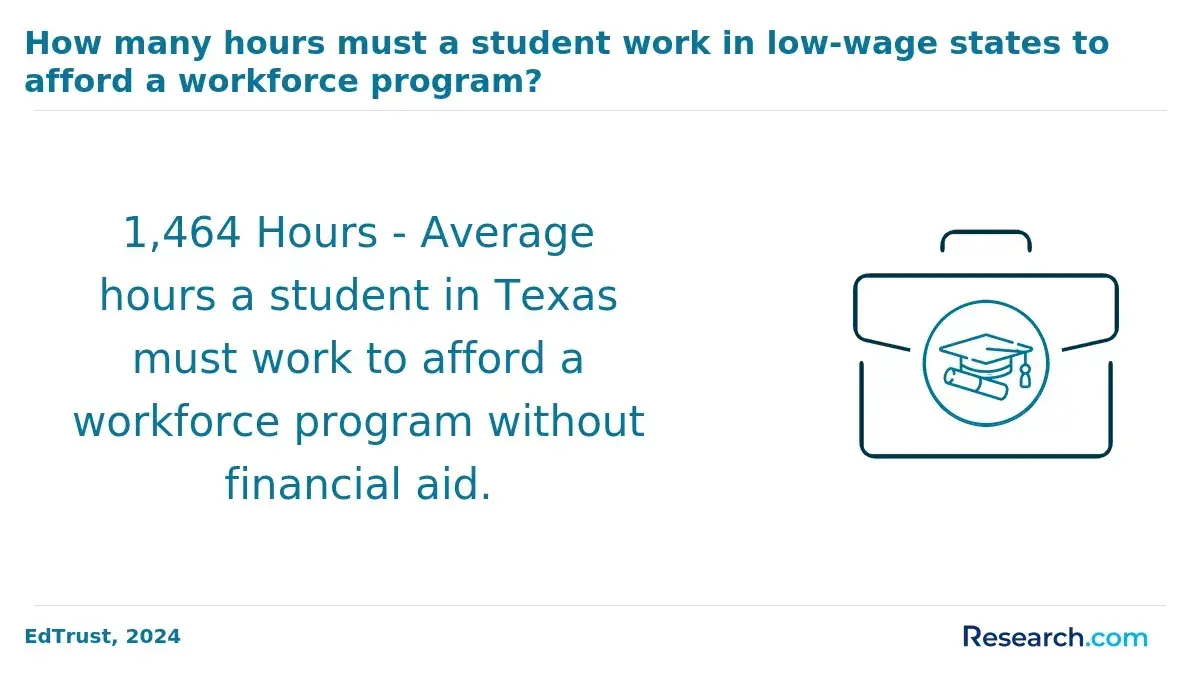
The average cost to earn a general psychology bachelor's degree in the United States can range widely, often exceeding $40,000 in total tuition depending on the type of institution. For adult learners around age 40, several key factors influence the overall financial commitment beyond just tuition fees.
- Tuition Variability: Tuition rates differ significantly between public and private schools, with public universities generally charging less for in-state students. Out-of-state and private institutions often command higher fees that can affect total costs substantially.
- Learning Materials: Textbooks, software, and other educational resources add to expenses. Some programs bundle these costs into tuition or offer digital versions, but budgeting for up-to-date materials remains important for successful study.
- Enrollment Intensity: Choosing between full-time and part-time enrollment impacts the pace and overall tuition paid. Part-time students may pay less each semester but could face extended timelines that increase other related expenses.
- Additional Fees: Costs like technology charges, library access, and lab fees vary by program but are common components that increase the total price of attendance.
- Indirect Costs: Transportation and opportunity costs, especially for in-person classes, influence affordability. These may include travel expenses and the value of time spent on coursework rather than earning income.
What Are the Risks of Going Back to College at 40?
Returning to college around age 40 to pursue a general psychology bachelor's degree can offer valuable growth but also brings challenges that deserve attention. Adults in this stage may face unique obstacles balancing academic demands with personal and professional life. Recognizing potential risks can help in developing practical strategies for success.
Key considerations include:
- Workload Demands: Psychology programs often involve extensive reading, research, writing, and critical thinking. Managing these rigorous academic requirements alongside other life responsibilities can be mentally taxing and time-consuming.
- Academic Adjustment: Older students may need to adapt to learning with younger peers and new technologies like virtual classrooms and learning management systems. This adjustment can affect confidence and engagement initially.
- Balancing Responsibilities: Juggling family commitments, work, and social life while meeting academic deadlines is frequently challenging. Effective time management and stress reduction techniques are essential to maintain well-being.
- Social Integration: Returning students might experience feelings of isolation or self-doubt in environments dominated by younger classmates. Building connections and seeking support can ease this transition.
- Study Habit Reinforcement: Reestablishing strong study routines and academic discipline is important. Renewing these skills after a time away from structured education demands dedication and persistence.
Can You Start a New Career at 40 With a General Psychology Bachelor's Degree?
Starting a new career in psychology at 40 with a general psychology bachelor's degree is both achievable and rewarding. This degree builds a strong foundation in human behavior, critical thinking, and research skills, which are highly valued across various fields like counseling, social services, human resources, and education. Those pursuing a career change with a general psychology degree over 40 can leverage their life experience alongside academic knowledge to enter roles emphasizing interpersonal skills and psychological principles. Additionally, exploring options such as 6 week certification programs online can further enhance qualifications and support career transitions.
Workforce trends reveal a growing number of adult learners embracing new degrees later in life, reflecting increased accessibility to educational opportunities and shifting career pathways. Employers increasingly recognize the unique value of diverse experiences combined with formal education, which makes career changes more plausible well into midlife. The expansion of professional fields related to psychology often allows bachelor's graduates to enter or shift roles without the necessity of advanced degrees. This movement toward re-skilling and lifelong learning supports dynamic labor markets, especially for those starting a new career in psychology at 40 or later.
Do Employers Value General Psychology Bachelor's Degrees Earned at 40?
Employers generally value general psychology bachelor's degrees earned at 40 as indicators of strong commitment to personal development and lifelong learning. Research shows about 40% of adult learners return to college motivated by career advancement, underscoring the increasing acceptance of mature students in the workforce. Education paired with rich life experience frequently enhances an individual's professional relevance.
Key factors employers consider when evaluating general psychology degrees earned at 40 include:
- Relevance Of Skills: Degrees provide foundational knowledge in human behavior, communication, and research methods. These skills apply across diverse industries and contribute to versatile career opportunities with a general psychology degree for adult learners.
- Integration Of Professional Experience: Life and work experience accumulated over time enrich practical understanding, allowing graduates to solve problems with insight and maturity that younger candidates may lack.
- Adaptability And Resilience: Returning to higher education later in life demonstrates flexibility and discipline. Employers recognize these traits as essential for navigating today's rapidly changing professional environments.
- Continuous Learning Mindset: Mature students who seek updated knowledge beyond their initial education signal a proactive approach to career growth, which employers highly appreciate.
- Transferable Soft Skills: Emotional intelligence, critical thinking, and interpersonal skills honed through both education and experience are critical assets valued in many roles.
When exploring degree options, adult learners may also consider the mechanical engineering cost of education to compare how investments in various fields align with their career goals and financial plans.
What Steps Should I Take Before Applying to a General Psychology Bachelor's Program?
Preparation before applying to a general psychology bachelor's program lays the foundation for academic success and informed choices. Early planning helps adult learners align program options with their goals and increases enrollment confidence; approximately 60% of returning adults cite adequate preparation as crucial to their college success. Consider these essential steps to get started.
- Assess Academic Background: Review your previous coursework to identify any missing prerequisites. Knowing your academic standing enables you to target programs that match your qualifications and highlights areas for improvement.
- Understand Program Focus: Explore curricula to see if the program emphasizes research, social psychology, statistics, or other topics. This ensures the program aligns with your personal and career interests.
- Evaluate Learning Formats: Decide between in-person, online, or hybrid classes based on your learning style, schedule flexibility, and other commitments. Picking the right format supports consistency and retention.
- Gather Documentation: Prepare transcripts, recommendation letters, and personal statements in advance. Organizing these materials early helps reduce stress and simplifies the application process.
What Graduates Say About Earning a General Psychology Bachelor's Degree at 40
- Damian: "Returning to college at 42 was intimidating, but choosing a general psychology bachelor's degree felt like a perfect fit for my curiosity about human behavior and personal growth. The degree not only deepened my understanding but opened doors to careers in counseling I hadn't imagined possible. I now feel more confident that it's never too late to change your path and pursue what truly interests you."
- Cairo: "At 45, I decided to earn a general psychology bachelor's degree because I wanted a meaningful career shift that aligned with my passion for helping others. The program challenged me intellectually and gave me practical tools to improve communication and empathy in my current role. Completing this degree later in life reinforced that age is just a number and growth can happen at any stage."
- Deidre: "Choosing to study general psychology after turning 40 was a reflective decision rooted in decades of observing human interactions in my workplace. Earning the degree expanded my professional opportunities and provided me with a fresh perspective that enhanced my leadership skills. This experience proved that investing in education later in life can be both rewarding and transformative."
Other Things You Should Know About General Psychology Degrees
Yes, many financial aid options are available specifically for non-traditional or adult learners, including scholarships, grants, and loans tailored to students over 40. Some organizations and institutions offer funding programs designed to support career changers or those returning to education later in life. It is important to research and apply early as eligibility and availability can vary.
Many programs offer credit for prior learning, including transfer credits from previous colleges and recognition of relevant professional experience. This can shorten the time needed to complete the degree. Each institution has its own policies, so it is advisable to consult admissions or academic advisors to evaluate which credits can be applied.
Completing a general psychology bachelor's degree at 40 can open new career paths and enhance qualifications for advancement in related fields. While age itself is generally not a barrier, continuous professional development alongside the degree strengthens career prospects. Many employers value the maturity and experience adult learners bring to psychology-related roles.
References
- Late to the game, or exactly where we should be? | BPS https://www.bps.org.uk/psychologist/late-game-or-exactly-where-we-should-be
- 6 Great Master's Programs for Psychology Majors https://www.verywellmind.com/alternative-graduate-programs-for-psychology-majors-2794781
- Accelerated Psychology Degree Online | Warner Pacific University https://www.warnerpacific.edu/programs/psychology-and-human-development/
- Going Back To School For Psychology | Psychology.org https://www.psychology.org/resources/returning-to-school/
- Thinking of changing career at 40! Psychology is very appealing to me.. am I too old | Mumsnet https://www.mumsnet.com/talk/_chat/4203916-Thinking-of-changing-career-at-40-Psychology-is-very-appealing-to-me-am-I-too-old
- Common Obstacles for Mature-Age Students Returning to Study - Sero Institute https://seroinstitute.com.au/common-obstacles-for-mature-age-students-returning-to-study/
- How to Complete Your Bachelor's Degree as an Adult | CIIS https://www.ciis.edu/news/how-complete-your-bachelors-degree-adult
- How to Succeed in an Online Psychology Bachelor’s Program as a Working Adult | Palo Alto University https://paloaltou.edu/resources/blog/how-succeed-online-psychology-bachelors-program-working-adult
- What can you do with a general psychology degree? https://www.pointloma.edu/resources/accelerated-undergraduate/what-can-you-do-general-psychology-degree
- New Online B.A. Psychology Program Fast-Tracks Graduate Study https://www.thechicagoschool.edu/insight/news/new-ba-psychology-focused-path-program/