2027 What Jobs Can You Get With a General Psychology Bachelor's Degree?

Co-Founder and Chief Data Scientist
Graduates with a general psychology bachelor's degree often face uncertainty when navigating the diverse job market related to human behavior and mental processes. Many wonder which career paths align best with their educational background, especially given the broad skill set acquired through their studies. According to the Bureau of Labor Statistics, employment in psychology-related occupations is projected to grow 8% from 2022 to 2032, indicating expanding opportunities yet competitive entry-level positions.
Understanding viable job options is essential for making informed decisions about further education and career development. This article explores the spectrum of jobs available to general psychology graduates and offers guidance on leveraging this degree for professional success.
Key Benefits of the Jobs You Can Get With a General Psychology Bachelor's Degree
- A general psychology bachelor's degree offers career versatility, enabling work in fields like human resources, marketing, and social services, adapting skills to various industry needs.
- Positions available often provide competitive salaries and clear paths for advancement, with median incomes around $60,000 and growth exceeding 8% through 2030.
- The degree supports long-term professional growth by fostering critical thinking and research skills, essential for graduate studies or varied roles in mental health and business sectors.
What Entry-Level Jobs Can I Get With a General Psychology Bachelor's Degree?
A general psychology bachelor's degree equips graduates with essential knowledge of human behavior, research methods, and critical thinking skills applicable to various entry-level psychology jobs for graduates. About 65% of those with this degree secure employment within a year in positions related to their studies, demonstrating the degree's practical value in real-world settings.
- Psychiatric Technician: Graduates assist mental health professionals by monitoring patient behavior and supporting daily activities for those with mental illnesses or developmental disabilities. Understanding psychological principles helps provide appropriate care and maintain a safe environment.
- Case Manager Assistant: This role involves coordinating services, managing records, and facilitating communication among social services. A background in psychology supports recognizing behavioral and emotional challenges, enhancing client support.
- Research Assistant: Working closely with researchers, these assistants contribute to data collection, literature reviews, and experimental design. A general psychology bachelor's degree develops familiarity with research methods and ethical standards essential for this role.
- Behavioral Health Technician: Employed in clinical or community settings, behavioral health technicians help implement treatment plans and support patients undergoing mental health therapy. The degree provides necessary insight into therapeutic techniques and patient care.
- Human Services Specialist: Specialists link clients to community resources such as housing and healthcare. Knowledge from a general psychology degree aids in assessing needs and delivering empathetic communication to provide effective assistance.
Graduates looking to continue their education may explore online doctoral programs as a pathway to advanced roles. Overall, these career options with a general psychology bachelor's degree lay a strong foundation for both practical experience and further academic pursuits.
What Industries Hire General Psychology Bachelor's Degree Graduates?
A general psychology bachelor's degree provides graduates with versatile skills applicable in numerous industries. Demand for bachelor's degree holders continues to rise as employers seek professionals who can analyze data, communicate effectively, and adapt to evolving workplace needs. Statistics show that organizations across sectors increasingly prefer candidates with critical thinking and behavioral insights, shaping diverse career opportunities.
- Healthcare: Psychology graduates contribute to patient support services, behavioral health coordination, and mental health outreach programs at hospitals, clinics, and rehabilitation centers. Their understanding of psychological principles improves patient care and enhances communication between healthcare providers and patients, making them valuable assets in the realm of general psychology careers in healthcare and social services.
- Human Resources: Organizations in corporate, nonprofit, and government sectors hire psychology graduates for talent acquisition, employee training, and organizational development roles. Insight into motivation and group behavior allows graduates to help create effective and supportive workplace environments.
- Social Services: Agencies that focus on community support, youth services, and counseling rely on psychology graduates to conduct assessments, provide case management, and facilitate support initiatives. Their skills play a critical role in addressing behavioral and social challenges in diverse populations.
- Education: Schools and educational organizations utilize psychology graduates to support student services, design learning programs, and implement behavioral interventions. These roles promote better learning environments and enhance student well-being.
- Market Research: Businesses, advertising agencies, and nonprofits employ psychology graduates to assist in data collection, analyze consumer behavior, and evaluate marketing campaigns. Understanding decision-making processes helps craft impactful strategies that drive organizational success.
For those exploring options to fast-track their education, programs offering 2 year accelerated bachelor degrees online can be an efficient pathway to enter industries hiring general psychology bachelor's degree graduates.
Can You Get Jobs Outside Your Major With a General Psychology Bachelor's Degree?
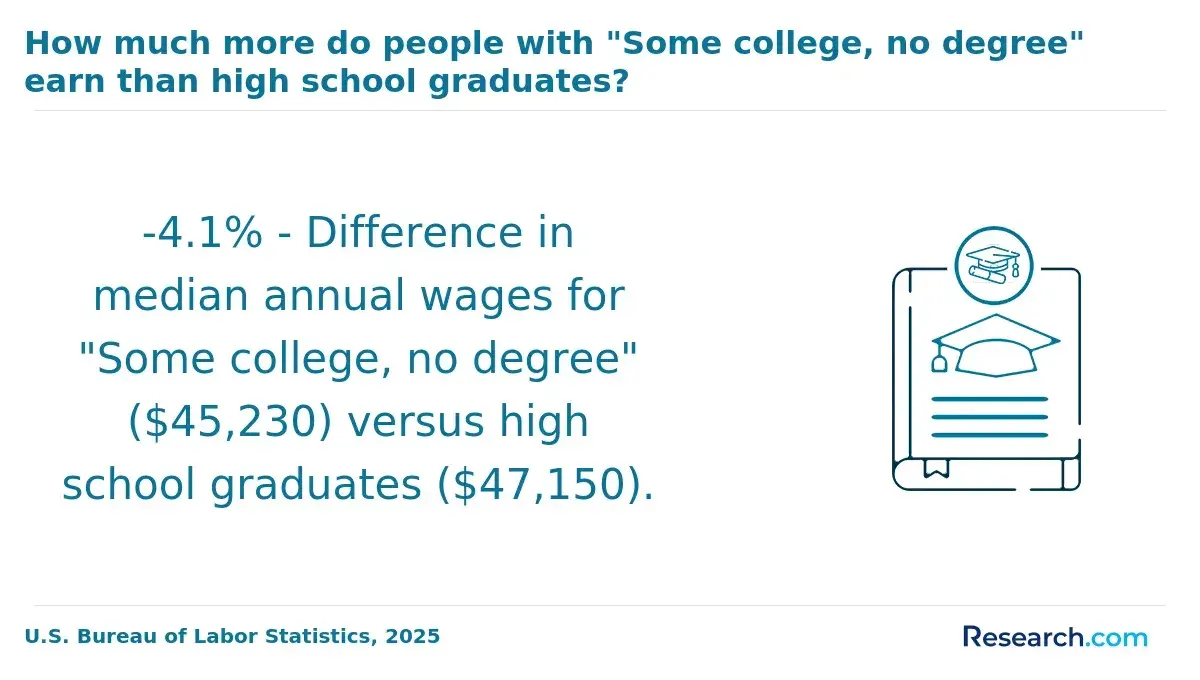
Many graduates pursue careers beyond their specific major, thanks to transferable skills and changing job market demands. In fact, about 40% of college graduates work in roles not directly related to their field of study, highlighting significant career flexibility.
- Transferable Skills: A general psychology degree develops critical thinking, research abilities, and insights into human behavior. These competencies are valuable in numerous professions where analyzing people and data plays a vital role.
- Employer Hiring Trends: Employers often prioritize interpersonal skills and practical experience over a narrowly defined degree. Holding a general psychology degree signals strong communication and analytical strengths, increasing appeal across diverse sectors.
- Experience and Additional Training: Beyond the degree, relevant internships, volunteer work, or specialized training can greatly expand job prospects. Hands-on experience is frequently essential for breaking into careers that may initially seem unrelated to one's academic background.
The broad adaptability of a general psychology bachelor's degree offers graduates a flexible foundation to enter varied career paths by leveraging their core skills and continuously gaining practical experience.
What Remote Jobs Can I Get With a General Psychology Bachelor's Degree?
Remote work continues to expand, with over half of U.S. employees now able to work from home at least part of the time. This shift has created numerous opportunities for individuals with a general psychology bachelor's degree, particularly in roles that rely on interpersonal insight, research skills, and digital communication. The degree's blend of behavioral knowledge and analytical training supports success in many virtual positions.
- Behavioral Health Technician: This role involves assisting clients through telehealth platforms, helping implement care strategies, and tracking patient progress. A general psychology background provides a solid foundation in mental health concepts and remote communication techniques.
- Research Assistant: Many research efforts now incorporate online survey administration, virtual data collection, and statistical analysis. The methodological skills acquired during psychology studies are crucial for managing these tasks effectively in a remote environment.
- Human Resources Specialist: Remote HR professionals use digital tools to manage recruitment, employee morale, and training programs. Psychology graduates understand motivation and workplace behavior, enabling them to navigate virtual team dynamics and candidate evaluations.
- Case Manager: Supporting clients remotely through service coordination, documentation, and virtual meetings is central to this position. The psychology degree hones empathy, organizational ability, and problem-solving skills essential for remote case management.
Remote work demands strong time management, adaptability to online tools, and clear communication-qualities often nurtured during a general psychology program. When asked about pursuing remote opportunities with this degree, a recent graduate reflected on the initial adjustment to digital workflows and virtual interactions. She described a learning curve adapting to various platforms and balancing flexibility with discipline. "It took time to become comfortable managing my schedule without in-person cues," she said, "but the skills I built during my studies-especially around understanding people and analyzing data-gave me confidence to thrive in remote roles." Her experience highlights how the degree prepares graduates for the challenges and rewards of working virtually.
Can I Switch Careers With a General Psychology Bachelor's Degree?
Many professionals use a general psychology bachelor's degree as a flexible foundation to shift into new careers, benefiting from the broad skill set it provides. With workforce trends showing that nearly 30% of employees work outside their original field of study, career change options with a general psychology bachelor's degree have become increasingly viable. This adaptability is influenced by evolving labor market demands and the degree's focus on skills that apply across multiple roles. As a result, graduates often leverage their education to pursue diverse opportunities beyond traditional psychology careers.
A general psychology degree develops essential transferable skills such as communication, problem-solving, adaptability, and analytical thinking, all crucial for job flexibility after earning a general psychology bachelor's degree. Successful career shifts tend to involve gaining additional experience through internships, volunteering, or hands-on training, which enhances practical knowledge. Self-directed learning, including online courses and workshops, also supports individuals in refining relevant skills for new roles. Those interested in further education might explore options like the cheapest online edd programs to complement their background and expand career possibilities.
What Are the Highest-Paying Jobs With a General Psychology Bachelor's Degree?
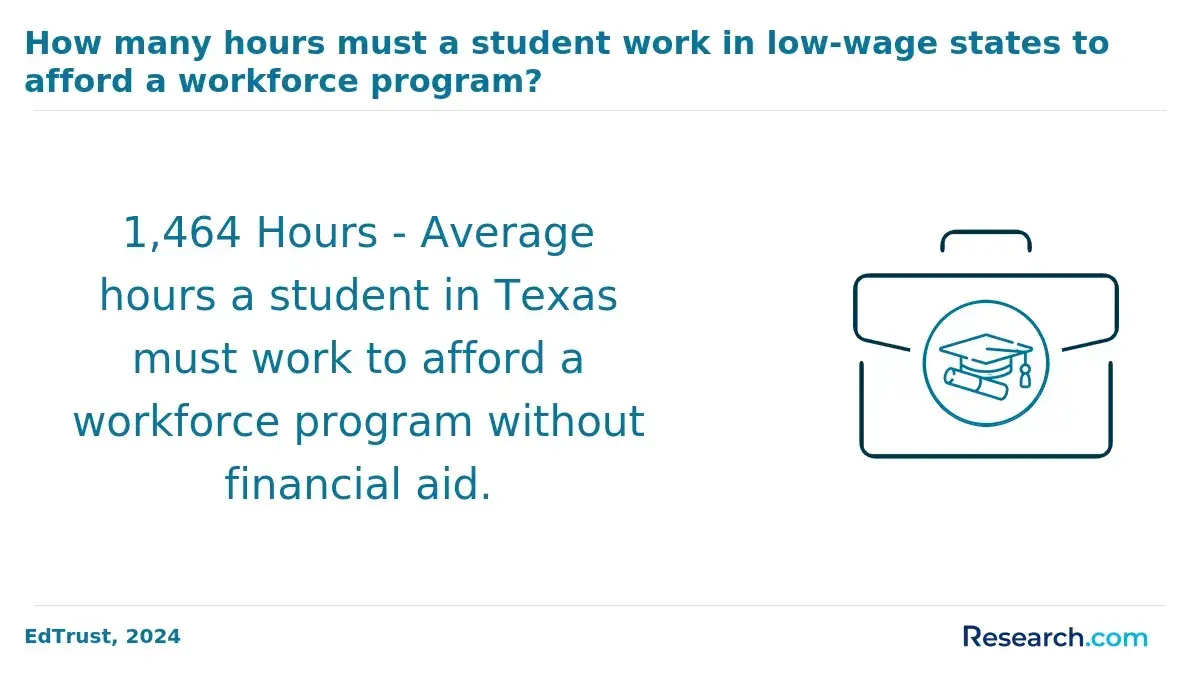
Income from careers tied to a general psychology bachelor's degree can differ widely based on the sector, level of expertise, and area of focus. Holding a bachelor's degree in this field typically offers a financial advantage over a high school diploma, with higher education correlating with increased median earnings according to labor statistics. This degree opens the door to a variety of roles that blend psychological knowledge with practical workplace applications.
- Human Resources Specialist: This position involves managing recruitment processes, employee relations, and training initiatives, using insights from psychology to enhance team dynamics. Salaries generally range from $55,000 to $90,000 annually and tend to rise with experience and organizational size.
- Market Research Analyst: Professionals in this role examine consumer behavior and market data to inform strategic decisions. A background in psychology supports understanding customer motivations, with compensation typically falling between $60,000 and $100,000 as responsibilities expand.
- Case Manager: Often employed in healthcare or social services, case managers coordinate comprehensive care plans, applying psychological principles to address client needs effectively. Earnings usually range from $45,000 to $70,000 annually.
- Sales Manager: By leading sales teams and developing strategies that leverage knowledge of human motivation, individuals in this position benefit from their psychology education. Salary ranges start near $70,000 and can surpass $120,000 for those with significant experience.
- Behavioral Health Technician: Working closely with patients, these technicians support mental health treatments using applied psychology skills. Entry-level salaries typically range from $35,000 to $55,000, increasing with practice setting and seniority.
What Career Growth Opportunities Are Available With a General Psychology Bachelor's Degree?
A general psychology bachelor's degree provides a solid foundation for long-term career development and advancement across different roles. Graduates often progress into positions with higher responsibilities, such as supervisory or managerial roles, where they oversee teams or projects. Career growth may also involve building specialized expertise in areas like behavioral assessment or client services, enhancing one's value in the workplace.
Additionally, many professionals expand into leadership or cross-functional roles that combine psychology with fields like marketing or healthcare, creating unique opportunities to influence organizational strategy. Skill development and practical experience are crucial for moving into these advanced roles.
When asked about the career growth opportunities available with a general psychology bachelor's degree, a professional shared that early on, navigating the transition from entry-level tasks to leadership responsibilities was both challenging and rewarding. He mentioned, "It wasn't just about gaining experience but learning how to communicate effectively with diverse teams and manage complex projects." This process involved trial and error, adjustments, and ongoing learning. Reflecting on his journey, he noted that the most significant growth came from embracing opportunities that required adapting his psychology background to solve business challenges, which opened doors he had not initially anticipated.
What Jobs Require Certifications After a General Psychology Bachelor's Degree?
Graduates with a general psychology bachelor's degree often find that some job roles require or strongly prefer additional certifications. These credentials validate specialized skills and enhance a candidate's eligibility by aligning with industry standards and job responsibilities in certified career paths for graduates with a general psychology bachelor's degree.
- Behavioral Health Technician: These specialists assist patients experiencing mental health challenges in clinical or community settings. Obtaining the Certified Behavioral Health Technician (CBHT) credential helps demonstrate competence in behavioral interventions and patient care.
- Human Resources Specialist: Although a general psychology degree offers foundational insight into human behavior, certifications such as the Professional in Human Resources (PHR) or SHRM Certified Professional (SHRM-CP) enhance credibility and focus on HR-specific expertise like recruitment and employee relations.
- Substance Abuse Counselor: Positions in addiction treatment typically require state-recognized certifications such as the Certified Alcohol and Drug Counselor (CADC) or Licensed Chemical Dependency Counselor (LCDC). These credentials certify skills in counseling and substance abuse recovery techniques.
- Case Manager: Case managers coordinate services and care for clients, particularly in healthcare or social services fields. The Certified Case Manager (CCM) credential validates proficiency in care planning and resource management.
- Psychiatric Technician: Working in hospitals or residential treatment facilities, psychiatric technicians often obtain the Psychiatric Technician Certification (CPT) to verify skills in patient observation and crisis management.
The broad understanding of human behavior gained through a general psychology degree serves as a valuable foundation in jobs requiring certifications after a general psychology bachelor's degree in the United States. These certifications sharpen practical skills and meet regulatory or employer requirements, which can increase job prospects. Those interested in how specialization affects career earnings can explore how much do forensic psychologists make.
What Jobs Require a Master's After a General Psychology Bachelor's Degree?
While a general psychology bachelor's degree offers various entry-level career options, many roles require a master's degree for advanced knowledge, specialization, or licensure. In fact, about 60% of psychology-related positions prefer or require graduate education for professional roles beyond assistant or technician levels. This demand highlights the importance of understanding master's degree requirements after a general psychology bachelor's degree for certain career paths.
- Licensed Professional Counselor (LPC): LPCs provide mental health therapy and counseling, requiring a master's degree to develop clinical skills and meet licensure requirements. This education enables them to work independently with clients facing psychological challenges.
- School Psychologist (Master's Level): Although many school psychologists hold doctorates, some states allow master's-level professionals to practice under supervision. This role needs additional training in educational assessments, interventions, and collaboration with educators.
- Marriage and Family Therapist (MFT): MFTs specialize in family dynamics and relational issues. A master's degree offers the necessary theoretical frameworks and practical skills specific to family therapy and counseling.
- Human Factors Specialist: These specialists apply psychology to improve interaction between users and systems or environments. A master's program provides key knowledge in cognitive psychology and ergonomics needed for advanced design and research work.
- Social and Community Service Manager: Managing social service programs and coordinating client services typically requires a master's degree to strengthen managerial skills and deepen understanding of social systems.
Exploring careers needing graduate study after a general psychology bachelor's degree can reveal opportunities for greater specialization and professional growth. For students interested in alternative educational paths, some certificate programs that pay well may also complement or serve as stepping stones toward advanced roles within psychology-related fields.
What Is the Job Outlook for General Psychology Careers?
Employment opportunities for careers related to a general psychology bachelor's degree are expected to grow moderately, with projections from the U.S. Bureau of Labor Statistics indicating an 8% increase over the next ten years. This growth aligns closely with the average across all professions, reflecting ongoing demand for individuals skilled in understanding human behavior. However, job prospects can differ widely depending on the industry, with healthcare, social services, education, and human resources showing higher needs due to their focus on mental health and behavioral support. Economic changes, organizational priorities, and regional trends also impact demand for psychology graduates. Skills that emphasize assessment, behavioral analysis, and mental wellness tend to be particularly valuable in these sectors.
Several factors shape the longer-term outlook for general psychology careers, including advances in technology and shifting workforce expectations. Innovations such as data analytics and artificial intelligence are transforming how behavioral information is gathered and utilized, increasing opportunities for professionals who can blend psychological insights with technical expertise. Moreover, many employers are seeking candidates with multidisciplinary knowledge, combining psychology with business, technology, or other fields to address complex challenges. The evolving job market favors adaptable skills capable of supporting diverse roles across various organizations, indicating broad but specialized potential for psychology graduates in the future.
What Graduates Say About the Jobs You Can Get With a General Psychology Bachelor's Degree
- Damian: "Choosing a general psychology major was a pivotal decision because I was fascinated by human behavior and wanted a degree that offered diverse career paths. Navigating employment was initially challenging, but the critical thinking and research skills I gained opened doors in HR and counseling roles. This degree has truly shaped my ability to understand clients and collaborate effectively in professional settings."
- Cairo: "My journey through a general psychology bachelor's degree was driven by a desire to help people and work in social services. Although the job market can be competitive, the experience taught me how to apply psychological principles in real-world settings, which employers value highly. Reflecting on my career, this degree provided a solid foundation for my work as a behavioral specialist and paved the way for further specialization."
- Deidre: "Enrolling in a general psychology program offered me a broad understanding of mental processes and research methodologies, which I knew would be beneficial in multiple career fields. Securing a position in healthcare required leveraging my degree's emphasis on communication and analysis. Looking back, this education enhanced my professional confidence and adaptability across diverse roles, from case management to advocacy."
Other Things You Should Know About General Psychology Degrees
Internships provide practical experience that enhances your resume and helps develop workplace skills. Many employers prefer candidates who have completed internships because they demonstrate an ability to apply academic knowledge in real-world settings. Engaging in internships can also help build professional networks within psychology-related fields.
Yes, many roles value research skills such as data collection, analysis, and report writing. A general psychology degree often includes training in research methods, which can be crucial for positions in market research, human resources, and behavioral analysis. Strong research abilities can set candidates apart when applying for various jobs.
For 2027, statistical skills can be crucial for psychology graduates pursuing roles in research, data analysis, and mental health assessments. While not mandatory for all positions, such skills enhance employability in fields where interpreting data and conducting research are part of the job responsibilities.
Volunteering offers valuable experience working with diverse populations and demonstrates commitment to the field. It can also build transferable skills such as communication, empathy, and problem-solving. Employers frequently regard volunteer experience as a positive indicator of a candidate's motivation and initiative.
References
- What can you do with a general psychology degree? https://www.pointloma.edu/resources/accelerated-undergraduate/what-can-you-do-general-psychology-degree
- Entry Level Psychology Jobs - PsychologyJobs.com https://psychologyjobs.com/entry-level-psychology-jobs/
- 48 Jobs You Can Get with a Psychology Degree - Mid-Atlantic Christian University https://www.macuniversity.edu/48-jobs-you-can-get-with-a-psychology-degree/
- 3 Reasons You Should Major in Psychology https://gsep.pepperdine.edu/blog/posts/3-reasons-you-should-major-in-psychology.htm
- What Can You Do With A Psychology Degree? | Psychology.org https://www.psychology.org/resources/alternative-careers-for-psychology-majors/
- The Highest Paying Jobs with a Bachelor's in Psychology https://www.bestpsychologydegrees.com/posts/highest-paying-jobs-bachelors-degree-in-psychology/
- Career options in psychology | BPS https://www.bps.org.uk/career-options-in-psychology
- What Can You Do With a Master’s in Psychology? https://www.iona.edu/iona-blog/what-can-you-do-with-masters-psychology
- Bachelor's in Psychology Jobs: Career Options https://www.verywellmind.com/what-can-you-do-with-a-bachelors-degree-in-psychology-2794943
- What Can You Do with a Bachelor's Degree in Psychology? https://www.furman.edu/blogs/what-can-you-do-with-a-psychology-degree/