2027 Can an Animation Degree Lead to Remote Jobs?

Co-Founder and Chief Data Scientist
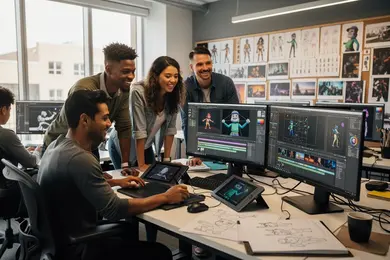
The remote work environment for Animation graduates is increasingly shaped by the specialized digital competencies cultivated through degree programs. Curricula often integrate industry-standard software like Autodesk Maya, Adobe After Effects, and Blender within digital lab settings that simulate real-world production pipelines. Licensing and portfolio-driven assessments align student outcomes with collaborative project delivery models common in global animation studios.
According to a recent U.S. Bureau of Labor Statistics report, over 40% of Animation industry roles now support partial or full remote work, reflecting a structural shift in project management and talent distribution. This article examines the practical pathways and considerations for Animation graduates pursuing remote careers, helping readers assess alignment with their professional objectives.
Key Points About Animation Degrees That Lead to Remote Jobs
- Remote careers like 3D modeling, visual effects, and storyboard design demand specialized software skills; mastering industry tools increases employability but requires consistent upskilling aligned with evolving technology standards.
- Employment growth in animation-related fields is projected to outpace average job markets, reflecting rising content demand; however, employers prioritize portfolios and freelance experience over formal credentials, reshaping hiring practices.
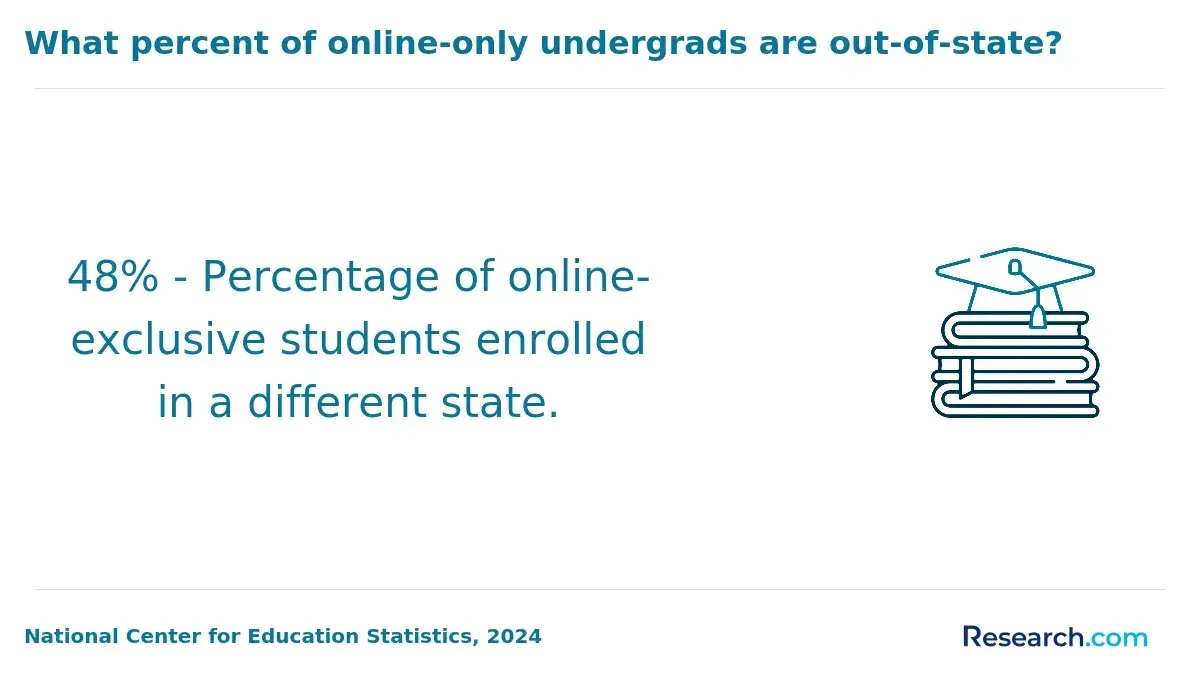
- Online Animation degrees see surging enrollment as adult learners seek cost-effective, flexible options; this accessibility reduces timing barriers but may limit hands-on mentorship crucial for complex remote projects.
Is it possible for Animation graduates to work remotely?
Animation graduates can find remote work opportunities, though availability depends on the specific role and employer. Positions focused on digital content creation-such as 2D and 3D animators, motion graphic designers, and storyboard artists-often offer greater remote or hybrid flexibility. Conversely, roles requiring close collaboration in production pipelines or interaction with live-action shoots tend to have more on-site demands.
Employers increasingly expect remote animation professionals to be proficient with cloud collaboration tools and self-directed in managing their workflows. Building skills across popular animation software combined with experience in freelance or contract settings improves prospects for remote assignments. Still, the sector's readiness for fully remote production varies, requiring graduates to adapt to differing company standards and project complexities.
While a growing portion of animation jobs support flexible work models, candidates must also consider that many studios maintain hybrid arrangements rather than fully remote setups. Success in remote roles relies as much on communication and project management capabilities as on technical proficiency, emphasizing the need for graduates to balance creative skills with remote work discipline and adaptability.
What are the typical entry-level remote positions for new Animation graduates?
Entry-level remote positions are increasingly available for new animation graduates due to the digital-centric nature of this field. Many roles focus on software use and digital asset handling, which allow for remote or hybrid workflows. The following are typical entry-level remote animation jobs that align with these conditions:
- Junior 3D Animator: This role involves crafting basic animations, rigging characters, and assisting with scene preparation. Because the work centers on software and digital files, employers often offer flexible work options, including remote and hybrid setups.
- Storyboard Artist: Storyboard artists convert scripts into visual narratives through sketches. Since feedback and revisions occur via virtual meetings and shared digital files, this position frequently supports remote collaboration.
- Motion Graphics Designer: Focused on developing animated graphics for media such as ads and websites, this job relies heavily on digital tools that facilitate remote work, making it common in freelance and remote job markets.
- Visual Effects (VFX) Assistant: Supporting senior VFX professionals, this position entails preparing assets and compositing elements. With access to cloud-based project management platforms, these tasks can be effectively handled remotely.
- Asset Designer: Responsible for creating 2D or 3D assets, this role suits remote work well due to deliverables being digital files managed through cloud collaboration systems.
These remote positions share reliance on specialized software, consistent digital file exchange, and remote communication tools. While access to remote roles is growing, new animation graduates seeking remote positions for new animation graduates should be prepared to develop strong virtual communication skills, disciplined time management, and adaptability to remote team environments.
Choosing animation programs aligned with practical, industry-standard training can ease this transition. More broadly, exploring easy degrees to get online that pay well can provide complementary skills or alternative options in the evolving creative and digital job market.
Are there senior-level remote positions for Animation professionals?
Senior-level remote positions for new animation graduates remain limited but are expanding as studios and agencies adopt hybrid and fully remote workflows. The availability of such roles depends heavily on demonstrated expertise and the ability to manage complex projects independently.
Below are five common senior positions that commonly support remote or hybrid arrangements for animation professionals.
- Senior Character Animator: This role demands mastery of animation software and the ability to craft nuanced character movements that drive storytelling. Its focus on individual creative output makes it well-suited for remote settings where digital asset sharing is standard.
- Animation Director: Responsible for maintaining the creative vision and guiding teams, this role increasingly leverages collaborative tools to accommodate remote work and asynchronous feedback across different time zones.
- Lead Visual Effects (VFX) Artist: Specialists in combining animated elements with live-action footage can often work remotely, as rendering and compositing tasks are frequently handled on personal systems supported by cloud infrastructure.
- Senior Storyboard Artist: Creating visual narratives that organize animated projects, storyboard artists benefit from remote work flexibility, which allows for concentrated creative effort without constant in-person meetings.
- Pipeline Supervisor: Oversees technical workflows and software integration; this role requires constant troubleshooting and productivity enhancements that are increasingly managed through digital communication in remote or hybrid setups.
These senior remote animation jobs share essential operational characteristics: reliance on digital tools, asynchronous collaboration, and sustained focus on intricate projects. Employers typically expect experienced professionals to self-manage while maintaining clear communication despite lacking direct supervision. Navigating these dynamics effectively is crucial for securing and thriving in top-level remote positions for animation professionals.
For those considering academic pathways, exploring 2-year accelerated bachelor degrees online can offer faster entry into roles demanding strong technical and creative skills relevant to remote animation work.
Which industries hire the most remote workers with Animation degrees?
Remote job opportunities for animation graduates exist across various industries, each with distinct hiring practices and role expectations. The following list highlights five sectors that frequently recruit remote animation talent and the types of positions they typically offer.
- Technology: Remote animator roles here often involve creating digital assets, user interfaces, and visual effects for video games and software applications. The sector's digital-first workflows and globally distributed teams support sustained remote collaboration.
- Entertainment: Film, television, and streaming studios increasingly adopt hybrid models that allow animators to work remotely on tasks like character modeling, storyboarding, and special effects, enabled by cloud-based production tools that facilitate off-site contributions.
- Advertising: Agencies depend on animators for developing digital campaigns, social media videos, and explainer content. The deadline-driven, project-focused nature of this work fits well with remote arrangements where flexibility and timely delivery are prioritized.
- Education: E-learning companies use animators to produce instructional videos and interactive materials, frequently employing freelancers or contract workers remotely due to the episodic, task-specific workflow.
- Augmented and Virtual Reality: This evolving field requires animation professionals to craft immersive content, often within distributed teams that tap specialized skill sets worldwide. Remote work here reflects the sector's experimental structure and niche technical demands.
Tailoring job searches to the operational rhythms and technological preferences of these industries can better position animation graduates for remote roles. Awareness of each sector's specific tools, collaboration norms, and project management styles is crucial for navigating expectations and securing sustainable remote employment.
How do salaries differ for remote vs on-site roles in Animation?
Salary differences for remote animation roles compared to on-site jobs in the US largely depend on employer compensation policies and geographic pay scales. Many companies apply geographic tiering, paying remote workers in lower-cost areas less than those working on-site in industry hubs like Los Angeles. This results in average annual remote salaries tending to be 10-20% lower than equivalent on-site positions, reflecting cost-of-living adjustments and hiring strategies.
However, specialized positions, such as senior animators or technical directors with rare expertise, often receive pay closer to or matching on-site levels despite working remotely. The scarcity of such talent creates strong employer incentives to offer competitive compensation regardless of location. This dynamic illustrates how the salary gap for remote animation salaries compared to on-site jobs narrows with higher skill and specialization.
For animation graduates considering remote roles, understanding these distinctions is important. While many remote positions might start with reduced pay, advanced skills can significantly mitigate this difference. Those evaluating educational paths may also consider how credentials like associate degrees align with workforce demands and salary realities in remote animation roles across diverse regions.
What are the common challenges of working remotely with an Animation degree?
Working remotely in animation introduces distinct operational and professional hurdles that influence project execution and career development. These challenges arise from the unique technical demands, communication dynamics, and security concerns inherent to animation workflows.
Below is a summary of key difficulties commonly faced by remote animators.
- High hardware and bandwidth dependency: Animation files and software require substantial computing power and fast internet connections. Without adequate resources, rendering and data transfers slow down, delaying project milestones and straining collaboration.
- Delayed iterative feedback: The iterative nature of animation demands frequent, rapid reviews. Remote setups often lack instant face-to-face exchanges, creating communication lags that hinder creative momentum and timely revisions.
- Data security risks: Sensitive intellectual property must be protected through secure VPNs, encrypted storage, and updated software. Remote work increases vulnerabilities, requiring vigilant cybersecurity protocols to prevent breaches.
- Visibility challenges due to proximity bias: Remote animators risk being overlooked for promotions or input opportunities because managers more readily notice onsite team members, impacting professional recognition and involvement.
- Coordination difficulties across time zones: Distributed teams frequently face scheduling conflicts that complicate synchronous collaboration. Managing deadlines and meetings requires flexibility and clear communication to avoid workflow bottlenecks.
When asked about his experience, a recent graduate of an online animation bachelor's program described grappling with inconsistent feedback cycles and technical setbacks. He noted, "Waiting hours or even a day for review comments disrupted my creative flow more than I expected." He also highlighted the challenge of securing reliable, high-spec equipment independently to meet project demands.
"Working remotely meant I often had to troubleshoot issues by myself, which was stressful but forced me to become more proactive about my setup and communication." This experience underscores the importance of anticipating these operational hurdles and developing strategies to navigate them effectively in remote animation roles.
Are there certifications that can improve remote hiring outcomes for Animation graduates?
Certifications can play a pivotal role in improving remote hiring outcomes for animation graduates by verifying skills aligned with industry requirements. Below are five credentials often prioritized by employers that enhance the candidacy of those seeking remote work in animation.
- Autodesk Certified Professional (ACP): This certification validates advanced proficiency in 3D software such as Maya or 3ds Max, essential for many production pipelines. Earning ACP demonstrates a candidate's technical capability, reducing onboarding time for remote roles focused on 3D modeling and animation.
- Adobe Certified Expert (ACE): Specializing in Adobe tools like After Effects and Photoshop, this credential signals mastery of digital media applications widely used in animation workflows. It aids graduates targeting remote positions involving post-production and compositing tasks.
- Unity Certified Developer: Focused on game engines and interactive media, this certification benefits animators looking to enter remote roles in gaming and VR sectors. It proves fluency in scripting, asset integration, and real-time rendering essential for such environments.
- Toon Boom Harmony Certification: Designed for 2D animation workflows, this credential confirms expertise with Toon Boom's software, often required for remote animation projects in TV and film. It assures employers of a candidate's ability to produce professional 2D content efficiently.
- CGSociety Certificate: This certificate validates advanced digital artistry and creative skills beyond software knowledge, focusing on artistic principles and portfolio quality. It helps graduates differentiate themselves in competitive remote markets where visual storytelling is key.
While certifications do not substitute for a comprehensive portfolio or practical experience, remote work certifications for animation graduates provide concrete proof of relevant competencies. Industry bodies such as Autodesk, Adobe Systems, and the International Animated Film Association help maintain standards that many remote employers recognize.
Balancing the time and expense of earning these credentials against potential gains in employability is critical. For those interested in broader educational options that may complement animation-related qualifications, online real estate classes offer an example of how targeted certifications can open alternative remote job opportunities beyond traditional creative tracks.
How can Animation degree students increase the chances of landing remote roles?
Students with an Animation degree face specific challenges when pursuing remote roles, where employers demand clear evidence of autonomous project management and relevant technical proficiency. The following strategies enhance an Animation graduate's chances of landing remote jobs by aligning portfolios and skills with remote hiring practices.
- Develop a detailed remote portfolio:Create case studies that clarify your creative process, tools utilized, obstacles overcome, and solutions, emphasizing ownership. Multimedia content and highlight reels can illustrate both technical skill and artistic range, essential to impress remote hiring managers evaluating asynchronous work.
- Engage in specialized remote job platforms: Target remote-first job boards and creative communities, such as ArtStation Jobs and Remote OK. Active participation in Animation-focused Slack or Discord groups connects candidates with peers and recruiters who frequently post remote opportunities, cultivating networks beyond traditional job searches.
- Master asynchronous task execution: Employers often assign trial projects simulating real workload scenarios to assess self-motivation and time management remotely. Efficient completion paired with transparent progress updates signals strong remote work suitability and professionalism.
- Leverage virtual collaboration tools: Familiarity with technologies like Loom for video walkthroughs or Figma for joint design accelerates workflows and showcases adaptability to distributed teams, an increasingly common requirement for remote Animation positions.
- Showcase technical fluency through code repositories: Maintaining a presence on platforms like GitHub allows sharing of animation scripts or project files, reflecting an ability to combine creative and technical competencies valued in remote Animation roles.
Animation graduates looking to strengthen their remote job prospects should consider how these approaches integrate practical skills and visibility in line with actual employer expectations. Candidates who invest in a robust remote portfolio and engage deeply with digital networks enhance their competitiveness in this evolving employment landscape, especially as demand rises for professionals adept at remote collaboration and independent delivery.
For those exploring intersecting fields, relevant educational options such as an online human services degree may also broaden job opportunities connected to the creative sector.
How do remote Animation roles impact long-term career trajectory and promotions?
Remote animation positions redefine typical career progression patterns by shifting evaluation criteria away from traditional visibility and informal office interactions. Employers increasingly prioritize tangible deliverables, consistent output, and documented communication over physical presence. This creates a need for animators to cultivate meticulous reporting habits and demonstrate leadership through digital means rather than casual networking.
Performance assessments in remote settings often rely on peer feedback, client input, and reliable deadline adherence. Leading remote animation teams demands proficiency in coordinating across time zones and communicating with clarity and foresight, often without immediate supervision. Success depends on mastering asynchronous tools such as Slack or project trackers to maintain workflow transparency and team cohesion.
Remote animators face the challenge of making their contributions and initiative visible through structured updates and active participation in virtual meetings. Establishing a strong online professional footprint and proactively seeking mentorship are critical strategies to compensate for the absence of spontaneous in-person guidance. Ultimately, career advancement remotely requires treating growth as a deliberate, documented process, emphasizing accountability and self-driven management rather than relying on traditional office dynamics.
Is a remote career in Animation sustainable for the next decade?
Remote careers in animation appear viable over the long term, given the increasing reliance on cloud-based platforms and real-time collaboration tools that enable geographically dispersed teams to function effectively. Technological advances such as AI-driven automation of repetitive tasks and virtual reality for creative convergence enhance productivity and address some traditional remote work challenges.
However, the absence of immediate in-person feedback and spontaneous studio interactions may limit creative synergy, making self-discipline and strong communication skills essential for remote animators to thrive. Employer demand emphasizes adaptability to evolving software and remote workflows, which reflects broader trends in digital content creation industries.
Economic fluctuations and corporate preferences for flexible work models indicate a sustained yet competitive landscape where animation professionals must continually upskill and maintain professional networks to secure relevant projects. The enduring remote animation roles will likely favor those capable of integrating new technologies while managing the tradeoffs of physical separation from collaborative settings.
When asked about sustainability, an animation professional who completed an online bachelor's program shared that maintaining consistent communication and managing time zones remain ongoing hurdles. He noted, "It's a constant effort to stay connected without the natural office rhythm."
He also emphasized the learning curve with new tools and the importance of building relationships virtually, stating that "success isn't just about technical skill but also how well you navigate remote team dynamics." These experiences underscore that a remote career in animation demands strategic personal adaptation beyond formal education.
What Graduates Say About Animation Degrees That Lead to Remote Jobs
- Jason: "After completing my degree in animation, I quickly realized that building a strong portfolio was more crucial than any formal licensure for landing a remote role. Employers in the industry often prioritized hands-on experience and internships, which allowed me to showcase my skills directly. Working remotely has been a great fit, although staying connected with team members across different time zones demands a consistent communication routine and self-discipline."
- Camilo: "Graduating with a degree in animation opened doors to remote opportunities faster than I anticipated, mainly because the field values adaptable, tech-savvy creatives. However, I noticed career advancement can sometimes plateau without additional certifications or specialized training beyond the degree. Remote work offers amazing flexibility, but I found I needed to be proactive about professional development to keep pace with industry trends."
- Alexander: "My journey after earning an animation degree involved a strategic pivot since many remote roles require experience that isn't always easy to gain without face-to-face mentorship. I found that internships and small freelance projects were essential in bridging that gap and landing a stable remote position. The reality in this field is that competing for remote jobs is tough, so demonstrating reliable delivery and collaboration skills virtually is just as important as artistic talent."
Other Things You Should Know About Animation Degrees
The specialization you choose can significantly affect your remote work prospects. For example, 3D modeling or visual effects often require software proficiency that's highly valued in remote production pipelines, making those areas more conducive to remote roles. However, highly collaborative or narrative-driven specializations like storyboarding may demand tighter in-person teamwork, limiting remote opportunities. Prioritizing technical skills in widely used remote-friendly software can therefore improve employability in remote settings more than broader creative focuses.
Yes, portfolio quality remains a decisive factor in remote hiring for animation roles. Programs that integrate real-world project work, client simulations, or remote collaboration practices help students produce portfolios that employers trust for remote productivity and quality. Choosing a degree with structured mentorship and feedback focused on remote-relevant deliverables typically yields a stronger position in competitive remote job markets. Prioritizing such practical, portfolio-driven programs is more strategic than programs primarily focused on theory or classroom-only projects.
Programs offered fully or partially online can provide practical insight into remote workflows and discipline, but they might also reduce opportunities for hands-on collaboration or immediate feedback. Conversely, in-person programs often foster teamwork skills vital for certain animation roles but may delay acclimatization to remote work independence. Prospective students must weigh the tradeoff: online formats offer convenience and remote work alignment but may limit critical in-person mentoring; blended formats can balance both, enhancing adaptive skills necessary for remote positions.
References
- Film Animation Career Outlook | All Art Schools https://www.allartschools.com/animation/film-animation-career-outlook/
- Top 10 Animation Career Paths and How to Get Started https://bigcreative.education/top-10-animation-career-paths/
- Are Animation Jobs in Demand? Pro Tips for Career Success https://ianimate.net/more/articles/are-animation-jobs-in-demand-pro-tips-for-career-success
- Animator Jobs With Top Global Clients | Twine https://www.twine.net/jobs/animators
- animatedjobs.com | Find 2D/3D, Storyboard Artist Animation Jobs https://animatedjobs.com/
- Senior Animator https://remote4africa.com/jobs/senior-animator-1
- The Challenges and Benefits of an Animation Career | BSBI https://www.berlinsbi.com/blog/the-challenges-and-rewards-of-a-career-in-animation
- We Work Remotely | Remote Animation Jobs https://weworkremotely.com/remote-jobs-animation
- Online Certifications for Remote Jobs: A Guide for 2026 https://learntube.ai/blog/marketing/digital-marketing/online-certifications-for-remote-jobs-a-guide-for-2026/
- In-Office vs Remote Pay Trends https://madisondavis.com/in-office-vs-remote-pay-trends/