2027 How Many Credits Can You Transfer Into an Animation Degree Program?

Co-Founder and Chief Data Scientist
Transfer credit acceptance varies widely among animation degree programs, influenced by factors like curriculum alignment and accreditation standards. A 2024 National Student Clearinghouse report highlights that nearly 62% of students transferring from community colleges encounter partial credit denial, reflecting a broader trend toward stricter course equivalency assessments. This limitation impacts transfer students' ability to accelerate degree completion and shapes how institutions evaluate prior learning.
Understanding how many credits may transfer requires reviewing individual program policies and departmental criteria, particularly as animation blends technical, artistic, and theory coursework. The following discussion explores these transfer credit parameters across common program structures and institutional types.
Key Things to Know About How Many Credits Can You Transfer Into an Animation Degree Program
- Transfer caps in animation programs often limit applicable credits from unrelated fields, requiring tailored academic planning to ensure specialized coursework aligns with industry-standard skill sets and portfolio development.
- Employers emphasize mastery of specific animation software and storytelling techniques, making partial credit transfers less impactful if core practical competencies aren't fully met, affecting graduate employability.
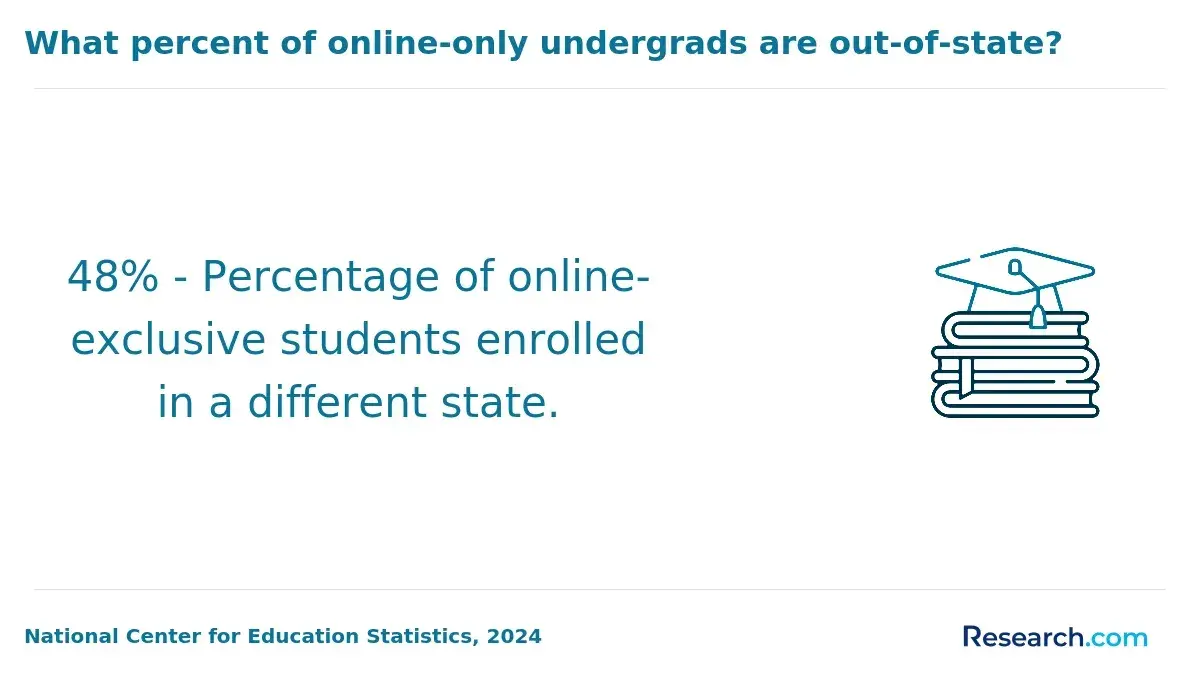
- As online animation enrollments rose by over 20% since 2022, according to the National Center for Education Statistics, credit transfer policies shape timely degree completion, affecting reduced tuition costs and workforce entry timing.
How Many Credits Can You Transfer Into an Animation Degree Program?
Transfer credit limits in animation degree programs often regulate not just the quantity but the quality and relevance of previously earned credits, directly impacting a student's timeline and degree trajectory. Many programs cap the maximum transferable credits between 60 and 90 semester hours, equating to roughly half or two-thirds of the degree requirements, which preserves rigorous exposure to core curriculum on campus. For example, a community college graduate aiming to transfer may find that despite having completed numerous general education and foundational art courses, only those that closely align with animation-specific competencies-like 3D modeling or storytelling-will be accepted as core credits.
Accreditation status also plays a decisive role, as credits from regionally accredited institutions are generally preferred, while coursework from less recognized schools might be relegated to electives or rejected, thereby extending time and cost to degree completion. These restrictions mean that students must strategically evaluate their prior coursework against program expectations to avoid losing progress or facing redundant classes that delay entry into the labor market.
Upper-division coursework requirements add another layer of complexity, especially for transfer students aiming to meet specialized animation competencies and industry standards, which increasingly value hands-on proficiency with current technology and collaborative projects. Many animation programs require at least 30 upper-division credits to be completed onsite, limiting how many advanced credits can transfer and often compelling late transfers or career changers to undertake substantial campus-based study despite prior experience. This tradeoff affects degree completion strategies, as students must balance transferring enough credits to shorten their path without sacrificing eligibility for advanced classes critical to employability.
Planning early with academic advisors is essential to align transferable credits with sequencing requirements and avoid extended programs that do not accelerate workforce entry. For those interested in alternative fast-track options, links to accelerated EdD programs may offer insights into similarly accelerated degree pathways, though with distinct disciplinary focus and transfer policies.
What Types of College Credits Can Transfer Into an Animation Degree Program?
Transfer credits into an animation degree program reflect a strategic balancing act between acknowledging prior learning and ensuring relevance to core competencies demanded by employers. For instance, an adult learner from a community college background might have credits in general education and art fundamentals, but without careful evaluation, these could delay progress or diminish engagement with essential portfolio development. Employers in animation fields often prioritize demonstrated practical skills over accelerated credit accumulation, making critical the distinction between credits that merely shorten time to degree versus those that substantively build technical and creative proficiency.
- General Education Credits: These cover foundational subjects like English, math, and social sciences and generally transfer straightforwardly. However, animation programs frequently require these credits to fulfill specific distribution mandates rather than simple elective pools, reinforcing a balanced intellectual foundation that supports contextual creativity.
- Art and Design Foundations: Credits in drawing, color theory, or 2D design undergo detailed portfolio or syllabus review to confirm equivalency with introductory animation courses. These credits are pivotal since they establish the visual and technical language that advanced animation builds upon.
- Specialized Animation or Digital Media Courses: Courses covering animation principles, 3D modeling, or proprietary software like Maya or Adobe Creative Suite face scrutiny for currency and rigorous project-based learning, as outdated or superficial content often results in denial of transfer credit.
- Technical and Elective Credits: Some programs accept computer science, graphic design, or multimedia courses that enhance relevant technical skills, but approval is inconsistent. Students should assess whether these credits complement animation competencies or merely inflate elective totals without contributing to skill mastery.
- Non-Traditional Learning and Prior Experience: Military training, professional certifications, or portfolio assessments may be credited selectively, emphasizing demonstrable outcomes aligned with animation objectives. This reflects an industry trend toward valuing experiential learning while maintaining strict standards for applicability and rigor.
Does Accreditation Affect How Many Credits Transfer Into an Animation Degree?
Transfer credit acceptance in animation degree programs hinges heavily on the accreditation status of the originating institution. Regionally accredited schools typically provide a smoother transfer process because their academic standards align more closely with most receiving institutions, often allowing full or near-full credit recognition.
By contrast, credits from nationally accredited or career-focused vocational schools are scrutinized more rigorously and frequently face partial acceptance or outright rejection. Additionally, programmatic accreditation specific to art and design disciplines, such as NASAD, may bolster credit transfer chances but only if the animation coursework matches the curricular expectations of the next school. This layered accreditation landscape means students must carefully assess not only institutional reputation but also specialized program recognitions when planning credit transfers.
The consequences of these accreditation disparities are tangible: according to a 2024 National Center for Education Statistics report, over one-third of transfer students lose some or all of their credits, often resulting in delayed graduations by at least one semester. For animation students, this may entail retaking foundational courses like 3D modeling or character animation-even if they mastered those skills previously-adding financial burdens and prolonging time to workforce entry.
Those coming from non-regional or non-accredited schools face heightened risks of such setbacks, which can stall momentum and complicate career pathways in a competitive creative industry. Understanding these accreditation nuances is vital for adult learners or community college graduates seeking to maximize the efficiency of their degree completion without redundant coursework.
One recent animation program applicant shared how the timing of credit evaluations shaped their admissions experience. They submitted transcripts from a nationally accredited institution and waited anxiously during the rolling admissions period. Initially hesitant to accept the offer without clear credit transfer outcomes, they delayed enrollment, fearing unnecessary course repeats. Only after receiving a detailed credit assessment midway through the application cycle did they commit, relieved to discover a significant portion of their prior coursework would count. This uncertainty prolonged their decision but underscored how accreditation-related credit acceptance can drive critical strategic choices and affect enrollment timing.
How Do Universities Evaluate Transfer Credits for Animation Programs?
Universities scrutinize transfer credit applications for animation programs by carefully comparing course syllabi with established learning outcomes in their curriculum. This process gauges whether transferred courses demonstrate similar skill development, utilize relevant software tools, and match project complexity, reflecting the rigor expected in animation studies. Typically, credit hours must align closely, with many programs requiring at least three credit hours per course, particularly for upper-division offerings that demand specialized competencies.
Accreditation status of the sending institution is another critical filter; credits from non-accredited schools often receive limited or no recognition. Departmental faculty then assess whether transfer credits fulfill core requirements or qualify only as electives-a distinction especially important for advanced animation courses tied directly to employability. For example, credits from broad art or introductory media classes may transfer more readily as electives but rarely satisfy upper-division production or theory classes.
Institutional policies and program competitiveness also shape transfer outcomes, as some programs maintain strict standards to protect graduate quality in high-demand fields like 3D modeling or visual effects. According to a 2024 National Center for Education Statistics report, only about 45% of transfer credit applications in creative majors achieve full course equivalency, underscoring frequent partial credit acceptance.
Students should proactively compile detailed course materials and consult advisers early to navigate this complex evaluation. This approach helps set realistic timelines since some transfer credits may count solely toward electives. Transfer credit policies for animation degrees reflect these operational considerations and can affect progression toward degree completion.
For those considering educational pathways, reviewing options like the best online CACREP counseling programs can offer insight into transfer evaluation processes in related fields.
Can Work Experience Count as College Credits in an Animation Degree Program?
Work experience can translate into college credits in animation degree programs, but acceptance depends heavily on institutional policies and the quality of supporting documentation. Colleges typically assess prior learning through formal processes like prior learning assessment (PLA), portfolio evaluation, and competency-based exams, aligning real-world skills with specific course outcomes. For example, an animator with a comprehensive portfolio showcasing expertise in character rigging or 3D modeling may earn credits equivalent to foundational classes if faculty verify the skills meet curricular standards.
However, this approval requires detailed evidence of job functions and outputs, as well as faculty or committee review, making the process selective and inconsistent across schools. According to the Council for Adult and Experiential Learning in 2024, about 35% of U.S. institutions provide credit for documented prior experience, yet the rate is lower in technically specialized fields like animation.
The practical impact for students involves credit caps-often between 15 and 30 credits-limiting how much work experience can shorten degree timelines. In some cases, work experience won't substitute for courses emphasizing up-to-date software training or industry-standard tools, forcing learners to complete those credits traditionally. This tradeoff means relying solely on experiential credit rarely expedites graduation significantly. Furthermore, students must balance the administrative effort and potential uncertainty of PLA submissions against enrolling in formal classes that provide clearer credentials valued by employers. Such decisions influence not just time and cost but also how hiring managers perceive academic rigor, affecting long-term employability prospects.
One graduate recalled navigating the credit evaluation process while applying mid-year. Although confident their decade-long animation career should count, delays emerged due to incomplete portfolio reviews and evolving institutional criteria during rolling admissions. Faced with looming registration deadlines, the graduate debated whether to wait for credit approval or begin courses immediately. Ultimately, enrolling promptly provided relief despite the risk of redundant coursework, highlighting how timing and procedural ambiguity in credit-for-experience policies can complicate practical decision-making for returning students.
Why Do Colleges Reject Transfer Credits for Animation Programs?
Transfer credit policies for animation degrees frequently hinge on academic and program-specific factors that directly impact the acceptance of previously earned coursework. One critical barrier is the accreditation discrepancy between institutions; credits from nationally accredited or non-regional schools may fail to meet the standards of regionally accredited universities, which are often strict about maintaining program integrity. This difference alone can lead to widespread credit rejection.
Outdated coursework is another prominent reason colleges deny animation transfer credits. Animation demands current expertise with rapidly evolving technology and software. Programs that have not adapted their curricula may send credits that no longer align with modern degree requirements, prompting receiving institutions to withhold credit or require students to retake classes to ensure readiness.
Minimum grade thresholds also play a crucial role. Often a grade of C or higher is mandated for transfer eligibility, emphasizing that demonstrated mastery of foundational animation skills is essential. Credits from courses below this standard are typically not accepted.
Course equivalency mismatches are especially common in animation programs where practical components, such as studio labs and project-based work, are integral. Credits from general art or media courses lacking comparable hands-on experience rarely fulfill the specialized requirements, contributing to denial rates.
Upper-division curricula sequence is another institutional concern. Transfer credits from lower-division or unrelated courses can disrupt the intended progression, leading to credit denial to preserve academic continuity and ensure students' preparedness for advanced topics.
The practical outcome of rejected credits includes delayed graduation timelines, repeated coursework, and increased tuition burden. Students transferring from technical programs or older degree frameworks often encounter higher rejection rates, reflecting differences in curricular rigor. Recent higher education audits indicate nearly 40% of transfer attempts in specialized creative fields like animation experience partial or full credit denial, reinforcing the need for careful academic planning.
Transfer students weighing their options should thoroughly evaluate how previous coursework aligns with target animation program requirements, particularly amid evolving curricular standards. For tailored advanced study options, considering a masters in data science online may be a strategic alternative depending on career goals and transfer success expectations.
Which Animation Degree Programs Accept the Most Transfer Credits?
Animation degree programs at public universities often allow the highest volume of transfer credits due to formal statewide articulation agreements with community colleges. These frameworks can enable transfer of 60 to 75 percent of bachelor's degree requirements, streamlining the path for students with completed general education and foundational art courses. Conversely, many specialized art schools impose strict residency rules requiring most upper-division or major-specific coursework to be completed on-site, limiting transfer credits to under 30 percent.
While competency-based and online programs frequently extend even greater flexibility-sometimes accepting prior learning assessments to cover up to 80 percent of degree credits-this often targets non-traditional learners and may come with less emphasis on campus-based project collaboration, which can impact portfolio development valued by some employers.
Prospective students must weigh the substantial credit transfer advantage against potential drawbacks such as reduced curricular flexibility and altered employer perceptions. Programs with extensive transfer acceptance may require adherence to rigid course sequences upon enrollment, constraining students' ability to customize their study plan. Additionally, animation employers in competitive sectors often prioritize comprehensive, institution-specific training and in-house project experience, which can be less pronounced in highly transfer-dependent degrees.
A 2024 report from the National Center for Education Statistics highlights that while maximizing transfer credits accelerates degree completion, it can also affect the perceived rigor and reputation of the credential, ultimately influencing workforce outcomes. Choosing a program with balanced transfer policies aligned with one's career goals and learning preferences remains critical.
How Do Transfer Credits Affect the Time Needed to Complete an Animation Degree?
Transfer credits can both accelerate and complicate the timeline for completing an animation degree, depending largely on how well previous coursework aligns with program-specific prerequisites and upper-division requirements. For example, general education credits often transfer smoothly, yet specialized animation courses or software training may fail to satisfy higher-level prerequisites, requiring students to retake essential classes.
According to a 2024 report from the National Student Clearinghouse, nearly 45% of transfer students face credit loss or mismatch that delays graduation. This misalignment often pushes back when students become eligible for critical internships or portfolio development opportunities, affecting their readiness to enter the animation job market competitively.
On the other hand, accepted transfer credits can reduce the number of semesters needed to graduate, though residency rules usually require that a substantial portion of upper-level animation coursework be completed at the granting institution. Students entering with mostly lower-division credits may confront a condensed, intense sequence of advanced classes, limiting flexibility.
Additionally, some programs enforce expiration policies on technical credits, complicating curriculum planning if previous training becomes outdated. Navigating these tradeoffs demands strategic course selection and strong articulation agreements between community colleges and universities, aiming to maximize credit benefits without undermining timely progression or workforce preparedness.
Do Transfer Credits Reduce the Cost of an Animation Degree?
Transfer credits reduce the cost of an animation degree primarily when those credits are accepted and directly replace required program courses. Many institutions charge tuition by the credit hour, so applying transfer credits to core animation courses effectively lowers total tuition expenses. However, this cost reduction is contingent on institutional policies about credit applicability and residency requirements. According to a 2024 report from the National Student Clearinghouse Research Center, transfer credit acceptance rates vary widely, impacting both time-to-degree and tuition costs. When transferred credits fulfill key curricular needs, students face lower per-credit tuition fees and a shorter path to graduation, a critical factor for those weighing transfer credits and animation degree tuition savings.
In practice, even students with numerous transferred credits may still pay full tuition for substantial portions of their animation program if those credits count only as electives or do not meet residency mandates. Many programs require a minimum number of credits to be completed "in residence" before awarding a degree, limiting the financial benefit from transfer coursework.
Additionally, courses transferred that do not satisfy specific animation requirements often do not decrease overall program costs, since students must take additional classes to meet degree criteria. This makes thorough verification of credit applicability essential. Students evaluating pathways might also consider options like an one year online master's in communication for a potentially more accelerated or specialized route depending on their career goals.
What Is the Best Strategy to Maximize Transferable Credits?
Maximizing transferable credits in animation degree programs often hinges on navigating institutional complexity and aligning coursework with program-specific requirements. For instance, credits earned at a regionally accredited community college typically transfer more smoothly to a four-year animation program, potentially reducing the time and cost to degree completion. However, students must weigh the scope of accepted credits against program rigor and employer expectations in animation-related fields.
Effective credit transfer strategies for animation students include:
- Review articulation agreements between community colleges and universities offering animation degrees to identify pre-approved course equivalencies and reduce transfer uncertainties.
- Request detailed syllabus evaluations from the receiving institution's transfer office by submitting comprehensive course descriptions and learning outcomes along with transcripts, improving the likelihood that credits align with animation curriculum needs.
- Focus on completing prerequisite or core animation coursework rather than unrelated electives, unless the program explicitly permits broad substitutions.
- Utilize prior learning assessments where available to convert relevant professional experience or portfolio reviews into elective or core credits.
- Prioritize earning credits from regionally accredited institutions, as they are accepted about 75% more often than those from nationally accredited or unaccredited providers, according to the National Student Clearinghouse Research Center in 2024.
Strategically leveraging these approaches can significantly enhance credit acceptance and shorten program duration, which is vital for students balancing work, such as those exploring accelerated edd programs, or managing costs. For those comparing animation studies with complementary pathways, an architecture online degree may offer transferable skills but requires distinct evaluation of credit applicability due to differing core competencies.
What Graduates Say About How Many Credits Can You Transfer Into an Animation Degree Program
- Jason: "When I explored transferring credits into my animation degree, the biggest constraint was the cap on transferable studio courses, which led me to carefully choose whether to retake foundational classes or focus on advanced techniques. I decided to push for more credits from my prior art classes, which shortened my time in school by a semester. This really helped me enter the workforce faster, but I realized employers still prioritized my portfolio and internship experience over the specific degree details."
- Camilo: "My main hesitation about transferring credits into the animation program was how it might affect access to specialized electives needed for certain roles in character design. I had to strategically decide which technical credits to transfer and which to leave in to maintain eligibility for those electives. In the end, it limited some options for specialization, but it gave me the flexibility to complete my degree remotely and land a junior position sooner, where real-world projects helped me grow beyond the classroom."
- Alexander: "The biggest challenge I faced was understanding how many animation credits I could transfer without losing eligibility for internship placements that are crucial for job hunting. I weighed transferring enough credits to graduate early versus staying to secure an internship, which turned into a pivotal decision point. Choosing to stay an extra semester for the internship paid off, as the hands-on experience bridged the gap between academic knowledge and real studio expectations, even though my salary growth was initially slower than friends who started working immediately."
Other Things You Should Know About Animation Degrees
Many animation programs require a specific sequence of foundational and advanced courses, and transferred credits often apply mainly to general education or electives. This can leave students needing to complete a majority of specialized animation classes on campus, where hands-on learning and studio work are critical. Prioritizing transfer credits that align closely with foundational animation skills ensures smoother progression and avoids prolonging the time spent completing essential program requirements.
Some animation courses are project-based and rely heavily on in-person collaboration, critique, and access to specific software or equipment. If transferred credits replace these experiences with online or less rigorous courses, students might face skill gaps employers notice. Students should weigh the appeal of advancing faster against the potential loss of immersive, practical training essential to animation portfolios and industry readiness.
Internship placement and networking opportunities often depend on progression within a program's official curriculum. If large numbers of credits transfer in without corresponding at the program's advance level, students might miss critical cohort-based projects or faculty mentorship that facilitate internships. Prospective transfer students should evaluate how credit transfers impact not only degree completion but also access to these vital career-building resources.
In 2027, most animation degree programs allow the transfer of up to 60 credits from accredited institutions. The specific number may vary depending on school policies and the relevance of the completed courses to the animation curriculum. Always check with individual institutions for exact requirements and limitations.
References
- Transfer Credit Evaluation - Warner University https://warner.edu/offices/registrar-and-academic-advising/transfer-of-credits/transfer-credit-evaluation/
- How to Transfer Credits and Maximize What You’ve Already Done - ReUp Education https://reupeducation.com/blog/how-to-transfer-credits-and-maximize-what-youve-already-done/
- Animation: Degree Information https://www.mcad.edu/academics/undergraduate/majors/animation/degree-information
- Verifying that you are not a robot... https://www.degreesight.com/news/how-students-can-maximize-their-transfer-credits/
- Tuition & Payments Options | CG Spectrum https://www.cgspectrum.com/tuition-payment-options
- Understanding Credit Evaluation for College Admissions https://goedmo.com/blog/credit-evaluation-for-college-admissions/
- Transfer of Credit - ACCSC https://www.accsc.org/student-center/transfer-of-credit/
- What Course Should I Take To Become An Animator? | Escape Studios https://www.escapestudios.ac.uk/news-and-blog/what-course-should-i-take-to-become-an-animator/
- Can You Transfer Credits From a Completed Degree? https://www.edvisorly.com/student-guides/can-you-transfer-credits-from-a-completed-degree
- How College Credit Transfer Really Works: A Practical Guide https://www.straighterline.com/blog/transfer-how-college-credit-transfer-really-works-a-practical-guide