2027 Animation Degree Completion Programs for Working Adults

Co-Founder and Chief Data Scientist
Balancing work, family, and education poses a significant challenge for adults pursuing animation degrees-especially when generic undergraduate programs lack flexibility or credit transfer options. High-quality degree completion programs offer structured schedules that accommodate full-time employment and recognize prior learning, including military or professional experience. Accredited programs with transparent credit transfer policies enable efficient completion, reducing time and cost burdens. Considering salary outcomes-animation professionals earn a median annual wage of $75,270-careful program selection directly influences return on investment and career advancement. This article explores how to evaluate these programs, maximize credits, access aid, and choose pathways that align with diverse adult learners' goals and obligations.
Key Things to Know About Animation Degree Completion Programs for Working Adults
- Maximize credit transfer by submitting detailed transcripts and portfolios-military veterans benefit from ACE-accredited training frequently accepted by top animation degree completion programs.
- Choose programs with employer partnerships or licensure recognition-studies show 68% of animation graduates secure higher-paying jobs through such endorsements.
- Working adults can access tailored financial aid options including employer tuition reimbursement and federal grants-available when programs are accredited and designed for nontraditional students.
What Are Animation Degree Completion Programs, and Who Are They Designed For?
Animation degree completion programs for working adults serve as focused pathways allowing students to finish an undergraduate animation degree after partial coursework at other institutions. These programs differ sharply from traditional four-year or graduate degrees by offering accelerated pacing and credit-for-prior-learning policies tailored to adult learners' needs. Such flexibility supports those balancing education with employment and personal responsibilities.
- Accelerated Pacing: These programs condense coursework into intensive modules or shorter terms, helping students progress faster than usual timelines.
- Credit-for-Prior-Learning Policies: Many accept transfer credits from previous college work, military training validated through ACE evaluations, or relevant professional experience, reducing time-to-degree and cost.
- Flexible Scheduling: Options include evening, weekend, online, or hybrid classes designed to accommodate working adults without disrupting careers.
- Target Audiences: Adults with some college but no degree seeking completion, military veterans using ACE-credited training, mid-career professionals needing credentials for advancement, and career changers entering animation.
- Accreditation and Quality: Programs often meet regional accreditation standards and align with bodies like the American Association of State Colleges and Universities, ensuring credibility and employer recognition.
- Financial Aid Accessibility: Many institutions provide federal aid and employer tuition assistance crucial for supporting working adults.
- Career Outcomes: Graduates gain relevant skills and credentials that enhance employment opportunities and career mobility in animation fields.
National research from the National Student Clearinghouse and the Lumina Foundation confirms animation degree completion programs as a viable path for adults to efficiently complete their studies. Their structure reflects an understanding of adult learners' unique circumstances-offering practical, flexible routes that align academic progress with career and life demands. Students exploring accelerated EDD programs will find similarities in how these degree completion models emphasize pacing and credit flexibility to serve working populations effectively.
Many adults seek online animation degree completion programs for career advancement, appreciating how these options enable continued professional growth while finishing their degree requirements on their own terms.
How Do Animation Degree Completion Programs Differ From Traditional On-Campus Degree Programs?
Animation degree completion programs offer structural features that specifically support working adults-flexible animation degree programs for working professionals-which stands in sharp contrast to traditional campus-based education. These programs accommodate busy schedules by providing evening, weekend, online, or hybrid course options rather than the rigid daytime formats typical of traditional offerings. Many completion programs also offer accelerated cohorts or self-paced enrollment, allowing students to advance at their own speed, unlike the full-time, semester-based pacing of conventional undergraduate paths.
- Scheduling Formats: Completion programs deliver flexibility through multiple course delivery methods tailored to balance work and family life; traditional degrees usually adhere to a fixed daytime schedule.
- Pacing Options: Students can choose between accelerated or self-paced tracks in completion programs; traditional programs predominantly require continuous full-time enrollment during fixed academic terms.
- Residency Requirements: Degree completion pathways often minimize on-campus obligations by offering significant portions of coursework asynchronously online, whereas traditional programs demand substantial campus presence.
- Start Dates and Advising: These programs feature rolling or multiple annual start dates combined with streamlined advising designed for adult learners, contrasting with the semester-based enrollment and less flexible advising of traditional programs.
- Credit Transfer Flexibility: Completion programs emphasize maximizing credit transfer-including military and workplace training credits recognized through robust articulation agreements-shortening time to degree. This highlights the importance of understanding animation degree credit transfer policies for adult learners, as traditional degrees often impose stricter residency and credit acceptance limits.
- Enrollment Trends: National Center for Education Statistics (NCES) and IPEDS data reveal growing enrollment in degree completion programs over the past decade, underscoring their increasing appeal to working adults compared to stable or declining traditional undergraduate numbers.
While both pathways culminate in the same Bachelor of Science or Bachelor of Arts in animation degree, completion programs are deliberately designed to minimize disruption to careers and family responsibilities. This student experience leverages technology and flexible policies to benefit military veterans with ACE-credited training, mid-career professionals seeking promotions, and career changers entering animation fields.
Prospective students should evaluate how well programs recognize prior learning, offer employer-recognized accreditation, provide financial aid suitable for working adults, and align with specific career goals. For those exploring options, exploring engineering degree online offerings can provide insights into quality online education models that also apply to animation degree pathways.
What Prior Credits and Experiences Count Toward a Animation Degree Completion Program?
Transfer Credits: Many animation completion programs accept transfer credits from regionally accredited schools, but policies differ widely. The acceptance often depends on the accreditation of the original institution and the types of courses completed, with some programs limiting transferable credits without clear academic reasons.
- Military Training Credits: Programs may award credit for military training evaluated by the American Council on Education (ACE), allowing veterans to convert their service experience into academic credit. Since acceptance varies, confirming this ahead of enrollment is crucial.
- Professional Certifications: Certifications in animation software or production techniques can sometimes count as credits, especially where Prior Learning Assessment (PLA) options exist.
- Prior Learning Assessment (PLA): PLA portfolios document career-related skills and knowledge. According to the Council for Adult and Experiential Learning (CAEL), such assessments can significantly reduce degree completion time-often by several months or more-and lower tuition costs.
- Credit-by-Examination: Exams like CLEP and DSST offer a path to earn credits for foundational subjects, with some animation programs accepting them to meet general education or elective requirements.
Because transfer policies differ, candidates should gather official transcripts, military training records, and certifications early, then request a pre-enrollment credit evaluation. Avoid programs that reject ACE-approved military credits or restrict transfers arbitrarily-these practices can extend time and increase expenses. The American Association of Collegiate Registrars and Admissions Officers (AACRAO) guidelines serve as a trusted standard for fair credit evaluation.
Reflecting on his journey, a professional who completed an animation degree noted the importance of thorough preparation: "Navigating the credit transfer process was overwhelming at first-tracking down from multiple institutions and verifying military training took time. But assembling a detailed portfolio and requesting evaluations upfront saved me months. It was empowering to see my real-world skills recognized-it didn't just cut costs, it gave me confidence I was on the right path."
What Is the Minimum GPA Requirement for Animation Degree Completion Programs?
Degree completion programs for animation often set a baseline cumulative GPA requirement, typically ranging from 2.0 to 2.5 on a 4.0 scale, to confirm satisfactory academic readiness. This requirement balances the realities faced by adult learners juggling work and studies while maintaining required academic performance standards in animation degree completion programs.
Certain schools permit conditional admission for applicants slightly below the GPA threshold-offering tutoring or developmental courses to enhance their chances of success. Others employ open admission policies that recognize substantial professional experience in animation as a valid alternative to strong academic records. This flexibility is vital for career changers and veterans whose real-world expertise may substitute for prior coursework.
- Holistic Review: GPA forms just one part of a comprehensive admissions evaluation, which also weighs professional experience, recommendation letters, and personal essays. Programs accredited by regional bodies such as the Higher Learning Commission rely on this method to assess applicants' overall qualifications.
- Returning Students: Adults with previous low GPAs can often use academic forgiveness or fresh-start policies-where cumulative GPA calculations reset after a period of non-enrollment-helping them regain eligibility for degree completion programs.
- Pre-Admission Evaluation: Prospective students should request formal assessments from chosen schools to realistically gauge their admission prospects before investing in applications or other materials.
The balance of GPA and professional experience is key when choosing among the best animation degree completion programs, much like the criteria used by the top PsyD programs in the US.
How Are Animation Degree Completion Programs Structured Around Full-Time Work Schedules?
Designed to fit around demanding full-time work schedules-often 40 hours or more weekly-animation degree completion programs utilize varied scheduling structures such as evening cohorts, weekend intensives, fully asynchronous online modules, and hybrid formats that mix live virtual classes with independent study. These flexible options allow students to juggle professional duties and family life while maintaining academic advancement.
Most programs suggest a credit load of 6 to 9 credits per term for working adults to balance steady progress with manageable workloads. Cohort learning models-where students start and move through courses together as a fixed group-are common. This approach creates accountability, peer networks, and predictable schedules, which are crucial for adults who coordinate study plans months ahead amid shifting work and home responsibilities.
Research from the National Student Clearinghouse Research Center indicates higher persistence and graduation rates for students in cohort-based completion programs compared to those enrolled in traditional, self-paced formats. This structure fosters consistent engagement, reduces dropout risk, and strengthens motivation through peer and institutional support.
When exploring program compatibility, prospective students should inquire about policies on course cancellations, options to make up for missed sessions due to work conflicts, and access to dedicated student success advisors who support personalized scheduling and help prevent falling behind when professional demands arise.
- Scheduling Flexibility: Evening, weekend, asynchronous, and hybrid models fit varied work and life schedules.
- Credit Load: 6 to 9 credits per term encourage balanced, sustainable study.
- Cohort Model: Fixed group progression enhances accountability and reliable scheduling.
- Student Outcomes: Cohort programs improve persistence and graduation compared to traditional formats.
- Advising Support: Advisors provide tailored guidance to navigate scheduling and avoid delays.
The professional I spoke with shared how the program's hybrid structure was vital for managing her full-time job and family obligations. She recalled nights spent reviewing asynchronous lessons after work and weekends dedicated to cohort projects that strengthened her connection to classmates. "Having a fixed group helped me stay committed," she reflected, "because we held each other accountable, and the advisors were great at helping me adjust when work got hectic." Her journey wasn't without stress-balancing deadlines and family time required frequent adjustments-but the program's design made perseverance possible and ultimately led to her establishing a solid career in animation.
Is Online or Hybrid Delivery Available for Animation Degree Completion Programs?
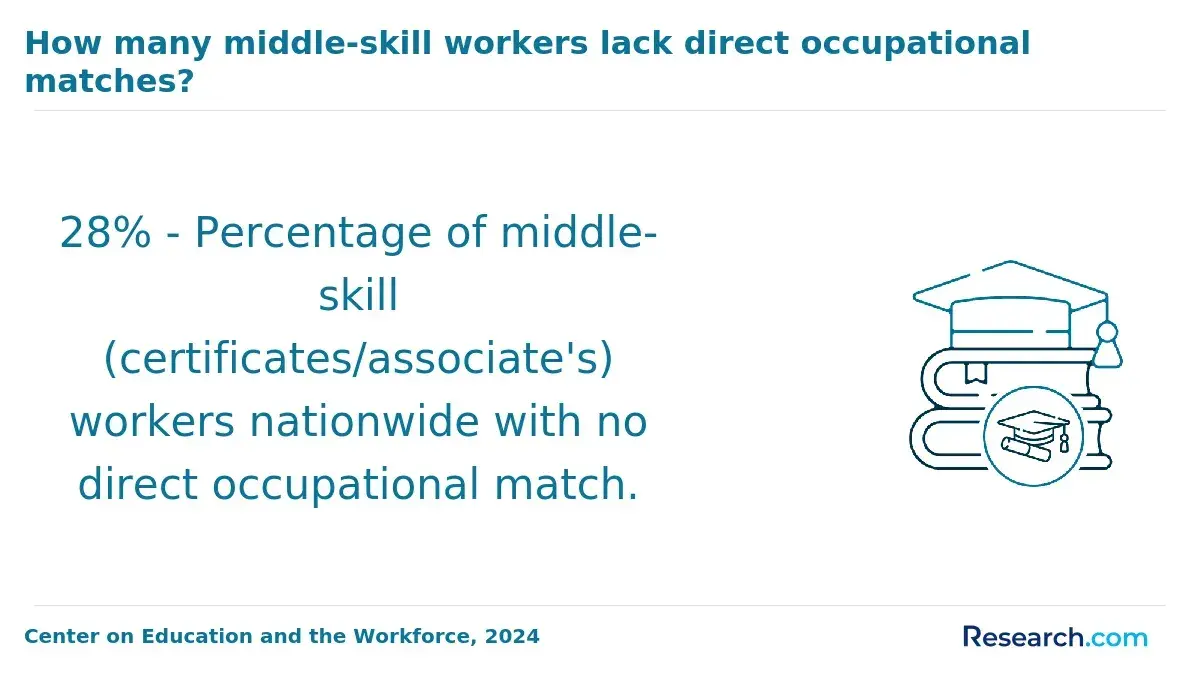
The availability of online and hybrid animation degree completion programs has grown, making it easier for working adults to finish their credentials. Data from the NCES Integrated Postsecondary Education Data System shows about 65% of adult learners enroll in fully online programs, while 25% choose hybrid formats combining on-campus and remote elements. This trend accelerated as the COVID-19 pandemic pushed colleges to improve online offerings, including in animation.
Key delivery formats include:
- Synchronous Live Sessions: Real-time video conferencing mimics in-person classes but requires fixed schedules that might conflict with work or family demands.
- Asynchronous Recorded Lectures: Pre-recorded content offers maximum flexibility, ideal for those managing varied schedules or living in different time zones.
- Blended Hybrid Models: A mix of online coursework and mandatory in-person intensives suits students seeking practical experience and networking opportunities alongside flexible learning.
When assessing programs, adults should weigh important quality measures:
- Faculty Credentials: Verify instructors' industry expertise and academic qualifications.
- Student-to-Faculty Ratios: Smaller online class sizes often enable more personalized support.
- Virtual Academic Support: Effective tutoring, career advising, and tech assistance improve success rates.
- Accreditation: Programs should have the same accreditation as the institution's main campus to ensure degree recognition.
Determining the best format involves consulting advisors about scheduling options, credit transfer policies, technology needs, and experiential learning chances. According to the 2023 Online Learning Consortium report, hybrid enrollment in degree completion programs saw a 20% increase year over year-highlighting a rising preference for flexible, interactive learning in the animation field.
How Long Does It Take to Complete a Animation Degree Completion Program?
The time required to complete an animation degree completion program varies significantly based on students' prior credits, enrollment status, and program design. Students entering with approximately 60 prior credits typically face about two years to finish required coursework through part-time study. Those with 90 or more credits can often finish within a year if enrolling full-time or following accelerated plans. Substantial prior learning assessed through prior learning assessments (PLA) may further shorten completion, although awarded credits depend on institutional policies and evaluation rigor.
- Credit Transfer and PLA: The volume of transferable credits and PLA awards primarily impacts degree duration-more credits reduce required coursework and accelerate completion.
- Enrollment Pace: Full-time or accelerated course loads yield faster completion, yet part-time formats help working adults balance studies with professional and personal commitments, typically extending time-to-degree.
- Fixed Program Components: Internships, capstone projects, or fieldwork usually have predetermined lengths that limit how much a degree timeline can be compressed regardless of academic progress.
- Financial Impact: Completing faster reduces total tuition and opportunity costs from lost earnings, granting earlier access to higher post-degree salaries-demonstrating that accelerated programs offer strategic financial benefits, not just flexibility.
- Audience Advice: Prospective students should request in writing each program's average completion time for candidates matching their credit background, since advertised minimum times often apply only to highly credit-advantaged students enrolled under ideal conditions.
What Accreditation Should a Animation Degree Completion Program Hold?
- Regional Accreditation: Regional accrediting bodies such as the Higher Learning Commission (HLC), the Middle States Commission on Higher Education, and the Southern Association of Colleges and Schools Commission on Colleges (SACSCOC) set the standard for accredited animation degree programs for working adults. These institutions meet rigorous academic and administrative criteria recognized by employers, graduate schools, and the federal student aid system. Programs with regional accreditation ensure smoother credit transferability and broader professional acceptance.
- National Accreditation: National accreditation, commonly awarded by agencies like the Distance Education Accrediting Commission (DEAC), is generally viewed as lower in status. Earning a degree from a nationally accredited institution may limit options for transferring credits and reduce recognition by employers or graduate programs. Students seeking national accreditation standards for animation degree completion should carefully consider these trade-offs before enrolling.
- Programmatic Accreditation: Specialized accreditors influence credentials in related technical and business fields rather than animation specifically. For example, ABET accredits engineering and technology programs relevant to digital media, while business-related animation tracks might align with ACBSP or AACSB. Additionally, some disciplines connected to creative industries may pursue accreditation like CSWE for social work. This accreditation affects licensure eligibility, hiring prospects, and graduate admissions by verifying program quality.
- Risks: Beware of programs claiming accreditation from unrecognized agencies or holding only national accreditation. Their credentials may not be accepted by employers or licensing bodies-resulting in wasted financial resources and limited career advancement. Mid-career professionals and career changers must evaluate these risks thoroughly as they pursue completion degrees.
Verification: Prospective students should use the U.S. Department of Education's Database of Accredited Postsecondary Institutions and Programs (DAPIP) to authenticate accreditation status independently instead of relying solely on institutional marketing. This step is critical to ensuring that the chosen program meets recognized quality benchmarks for a successful career and educational outcome.
Working adults considering degree completion options should also explore cost-effective pathways-such as programs targeted to those with prior credits or ACE-credited military training-and compare formats that accommodate life obligations. For additional insight into affordable pathways in related fields, consider reviewing resources like the cheap project management degree online options.
How Much Do Animation Degree Completion Programs Cost, and What Financial Aid Is Available?
Costs for animation degree completion programs vary significantly by institution type. Public regional universities typically charge between $300 and $600 per credit hour for in-state students, while private nonprofit schools often range from $600 to $1,200 per credit. For-profit institutions generally fall into the higher bracket and may add mandatory fees. Beyond tuition, budgeting $500 to $1,200 annually for essential technology and software is common, along with potential travel costs for required residencies or intensives that provide hands-on experience and networking opportunities. This cost structure is crucial for working adults pursuing animation degree completion program costs and financial aid options.
- Tuition and Fees: Rates vary by school type and residency, with additional mandatory fees frequently covering technology access or student services.
- Financial Aid: Working adults can qualify for Pell Grants-even when enrolled part-time-depending on income and enrollment. Employer tuition reimbursement programs also provide significant financial assistance for animation degree programs.
- Military Benefits: Veterans and military-affiliated students benefit from GI Bill and MyCAA programs that cover tuition, fees, and supplies related to their animation degree completion.
- Institutional Scholarships: Non-traditional adult learners should investigate scholarships targeted specifically at degree completion candidates, often available directly through universities.
- Tax Advantages: The Lifetime Learning Credit may reduce tax liability for tuition paid out-of-pocket, while IRS Section 127 allows up to $5,250 tax-free annually in employer-provided educational assistance-consulting a tax professional is advised for personalized guidance.
- Cost Comparison: Evaluating net tuition after financial aid and transfer credits-plus employer reimbursement eligibility-offers a more accurate total cost than the sticker price alone, which often misrepresents true expenses for mid-career students leveraging prior learning and benefits.
Working adults exploring financial assistance for working adults in animation degree programs also benefit from understanding transfer credit policies and program accreditation-two factors that significantly impact total costs and credential value. Scheduling formats accommodating part-time study enable degree completion without interrupting work life. For careful comparison of options that balance cost and quality, consider programs recognized by employers and licensure bodies.
Finally, prospective students interested in pursuing an affordable path can explore the quickest cheapest masters degree programs available, which may have parallels in animation degree completion pathways designed for efficiency and cost-effectiveness.
What Career Outcomes Can Working Adults Expect After Completing a Animation Degree?
Completing a bachelor's degree in animation provides significant career benefits-especially for working adults who already possess industry experience. With this blend of practical knowledge and formal education, graduates often bypass entry-level roles to pursue senior or specialized positions directly after finishing their degree.
- Advancement: Earning an animation degree can unlock promotions and qualifying credentials for advanced titles such as lead animator, technical director, or art director. These roles commonly require formal academic credentials, particularly within creative team leadership or specialist functions.
- Salary Premium: Research from the Georgetown University Center on Education and the Workforce indicates a notable pay boost-typically 20% to 30% higher median earnings-for those who complete the degree versus peers with some college credits but no diploma. College Scorecard data shows that animation bachelor's degree completers often earn between $60,000 and $75,000 annually just five years post-graduation.
- Employment Stability: Graduates report improved job retention and greater opportunities to transition into fast-growing fields like virtual reality and game design-where a recognized credential increases professional credibility.
- Professional Positioning: Adults completing their degrees while employed leverage their experience to negotiate roles valuing both expertise and academic qualification, often bypassing the usual starting-level barriers.
- Credential Requirements: Prospective students aiming for licensed roles, management promotions, or graduate study should verify that their selected program is accredited and meets industry standards, ensuring alignment with their career objectives before enrolling.
How Do Employers View a Animation Degree Completed Through a Completion Program?
Employer surveys from the Society for Human Resource Management (SHRM) and the National Association of Colleges and Employers (NACE) reveal that organizations prioritize the accreditation status of the institution and program over how a degree was earned, including the use of prior learning assessment (PLA) credits. For working adults completing an animation degree, this means the pathway-traditional or completion program-matters far less than whether the school holds regional or national accreditation, which confirms educational quality and legitimacy.
- Accreditation: The hallmark of acceptance, accreditation assures employers the program meets established standards, regardless of enrollment method.
- Diploma Uniformity: Completion programs award diplomas identical to traditional tracks without indicating the mode of study, ensuring graduates are equally qualified on paper.
- Resume Presentation: Candidates should emphasize their degree's value and only mention accelerated or adult-focused formats in interviews when it highlights strengths like time management or skill application.
- Employer Scrutiny: Specific sectors-such as federal government roles subject to Office of Personnel Management criteria or professions requiring state licensing-may require verification of degree completion approaches. Prospective students in regulated fields should confirm acceptability with HR or licensing authorities before enrolling.
- Private-Sector Hiring: Most private animation employers focus on experience, competencies, and professional references over degree completion details, positioning the completion degree as a credible credential that supports career advancement rather than a lesser substitute for a traditional bachelor's degree.
What Graduates Say About Animation Degree Completion Programs for Working Adults
- Jason: "Completing my animation degree while working full-time was only possible because of the flexible scheduling formats offered. The evening and weekend classes allowed me to balance work and study without sacrificing either-something many generic programs just don't accommodate. Additionally, the program's strong accreditation reassured me that my diploma would be respected by industry employers, which was crucial for my career growth."
- Camilo: "I appreciated how the animation degree program's credit transfer policies recognized my previous college coursework, saving me both time and money. The structure of the program-focused on practical, career-oriented skills-helped me immediately apply what I was learning to my job in digital media. Cost considerations mattered a lot to me-as a working adult, finding a quality program that didn't break the bank was vital, and I found that balance here."
- Alexander: "Reflecting on my animation degree experience, the standout factor for me was the program's emphasis on career outcomes-there were dedicated resources and networking opportunities tailored to working professionals. The accreditation standards were rigorous, which meant the coursework truly prepared me for the demands of the animation industry. Plus, the well-designed structural features ensured that I could progress steadily even with my unpredictable work schedule."
Other Things You Should Know About Animation Degrees
Many animation degree completion programs provide tailored support services for working adults, including academic advising, tutoring, and career counseling. These resources help students balance their studies with work and family responsibilities while staying on track for graduation. Some programs also offer technical support for learning new software essential in the animation field.
Networking is a crucial element in animation degree completion programs-it connects students with industry professionals, faculty, and alumni. For working adults, these connections can lead to job opportunities, mentorship, and collaborations. Many programs facilitate this through online forums, virtual events, and internships designed specifically for career advancement.
Military veterans can often apply their education benefits-such as the GI Bill®-toward animation degree completion programs. Many institutions recognize ACE credits earned during service, reducing the time needed to graduate. Veterans should consult with program advisors to understand eligibility, benefit application processes, and any additional resources tailored to their unique needs.
References
- Best Animation Bachelor's Degree Programs, Jobs, and Salaries https://careerkarma.com/blog/best-animation-bachelors-degrees/
- Online Degree vs. Traditional: Choosing the Right Path https://beal.edu/online-degree-vs-traditional/
- How Much to Become an Animator: Costs and Financial Aspects https://ianimate.net/more/articles/how-much-to-become-an-animator-costs-and-financial-aspects
- AnimSchool is Now Accredited https://animschool.edu/Accreditation.aspx
- Animation Professional Certificate https://www.auarts.ca/continuing-education/professional-development/professional-certificates/animation-professional-certificate
- Animation Degree vs Diploma: Career Guide 2026 | Vogue Institute https://www.voguefashioninstitute.com/degree-vs-diploma-in-animation-which-is-better-for-your-career-in-2026/
- Top 25 Animation Bachelor's of Science (BS) Degree Programs in the U.S. – 2024 College Rankings | Animation Career Review https://www.animationcareerreview.com/articles/top-25-animation-bachelors-science-bs-degree-programs-us-2024-college-rankings
- Animation: Degree Information https://www.mcad.edu/academics/undergraduate/majors/animation/degree-information
- Bachelor in Character Animation and Animated Filmmaking https://www.gobelins-school.com/animated-filmmaking/programmes/ca30-bachelor-arts-character-animation-animated-filmmaking
- What do you study on an Animation degree? | Escape Studios https://www.escapestudios.ac.uk/news-and-blog/what-do-you-study-on-an-animation-degree/