2027 Is Walden University's Online MS in School Counseling - Addiction Counseling Worth It? What Students Should Know

Co-Founder and Chief Data Scientist
Choosing an online MS in School Counseling - Addiction Counseling program involves balancing flexible learning with career relevance. As the U. S. Bureau of Labor Statistics forecasts faster-than-average growth for substance abuse counselors, prospective students face rising expectations for specialized credentials and practical skills. Yet, online formats vary in clinical practicum support and licensure alignment-critical factors that affect postgraduation employment and mobility. Walden University's program must be examined not only for curriculum but also for how it fits diverse schedules, professional licensing paths, and employer standards. This article evaluates these elements to help determine if Walden's online MS in School Counseling - Addiction Counseling meets essential academic and career objectives.
Key Points About Walden University's Online MS in School Counseling - Addiction Counseling Program
- Walden University offers open admission for its MS in School Counseling - Addiction Counseling, allowing diverse applicants immediate access without stringent entry barriers, though this may affect cohort consistency.
- The program's $34,458 tuition leads to a median alumni salary of $42,810, yielding a 2.05x earnings to debt ratio, which suggests moderate financial return requiring consideration of career goals.
- Employers recognize graduates from this program, reflecting Walden's strong faculty and curriculum that support advancement in counseling and addiction treatment professions.
What makes Walden University's online MS in School Counseling - Addiction Counseling program stand out?
The scale and flexibility of Walden University's online MS in School Counseling - Addiction Counseling program present distinct advantages but also require careful consideration of individual student needs. With over 44,223 students enrolled and a faculty of 3,423, including 1,117 full-time staff, the program supports broad access yet may challenge those seeking highly personalized mentorship. For working professionals balancing jobs and family, the fully online format allows coursework to be completed remotely on a flexible schedule, a key tradeoff for maintaining employment during study.
The program's focus on addiction counseling integrated with school counseling skills is especially relevant in settings where behavioral health intersects with education. Students exposed to virtual simulations and research-based content learn intervention strategies applicable to real-world school environments. This specialized emphasis can better prepare graduates for roles in districts prioritizing addiction expertise, compared to more general counseling degrees. However, candidates should weigh whether an online program's less direct clinical supervision aligns with their career goals in therapeutic practice versus educational administration.
Is it difficult to get admitted to Walden University's online MS in School Counseling - Addiction Counseling program?
Admission to typical MS in School Counseling - Addiction Counseling programs often involves competitive entry, with some universities limiting cohort sizes and requiring standardized test scores or minimum GPAs. Such barriers can restrict access and increase the wait time for prospective students, especially in programs linked to well-known institutions or urban regions with high demand.
Walden University's program diverges sharply by adopting an open admission policy that does not mandate standardized testing like the SAT or ACT. This substantially lowers obstacles to entry, allowing a wider applicant pool to enroll without facing cutoffs or quotas. The absence of competitive filtering means the difficulty of gaining admission is comparatively low, making it a pragmatic option for applicants who might struggle with traditional screening or need flexibility around application timing.
While this accessibility benefits working professionals seeking flexible, online study formats, it also entails tradeoffs. Employers or licensing boards may weigh the program's open admission against its rigor or selectivity when evaluating credentials, especially if hiring standards emphasize academic competition or reputation. Candidates should consider this dynamic alongside their career goals and regional licensure requirements.
Reflecting on my own experience applying here, I hesitated initially, uncertain about investing time in a program without conventional admission benchmarks. The application was straightforward but felt too open at first, raising questions about peer quality and program rigor. After some delay caused by gathering transcripts and reassessing my schedule, I eventually applied and appreciated how the process respected my professional commitments. That flexibility allowed me to start sooner than other more selective programs would have permitted.
How does the curriculum of Walden University's online MS in School Counseling - Addiction Counseling program stay aligned with current industry trends?
Choosing a program that reflects current workplace demands is crucial for graduates seeking to impact addiction counseling within educational settings. Walden University's online MS in School Counseling - Addiction Counseling curriculum integrates salient industry trends, positioning its students to respond to the growing complexity of addiction as a biopsychosocial issue. However, prospective students should recognize that the practical value of this program hinges on its embedded experiential components and adaptability to policy shifts. Below are key factors illustrating how this curriculum maintains relevance in a competitive job market:
- Hands-On Practicum: The required practicum experiences enable students to apply theoretical knowledge to real-world counseling scenarios, bridging the gap between academic learning and employer expectations for field readiness and applied skills in crisis management.
- Evidence-Based Interventions: Coursework emphasizes current best practices in addiction treatment, including assessments and treatment planning rooted in research, which aligns well with the demand for counselors proficient in measurable and accountable therapeutic methodologies.
- Ethics and Policy Integration: Embedding training on professional ethics and relevant regulations prepares graduates to navigate complex legal and ethical landscapes, a necessity given evolving state and federal guidelines impacting substance abuse counseling within schools.
While many programs update course content to reflect trends, Walden University's MS in School Counseling - Addiction Counseling curriculum stands out by fostering practical application and policy savvy, critical for employability. However, prospective students should assess how these curriculum updates fit personal career goals and regional job market needs, as local licensing and school district requirements may vary. Considering these factors alongside labor market signals can help students better align their education with dynamic workforce demands often referenced in broader discussions on best college majors for the future.
For prospective students evaluating the financial commitment of the Walden University online MS in School Counseling - Addiction Counseling program, the tuition alone stands near $12,498 annually. When factoring in supplementary costs such as books and supplies, which typically add around $900 each year, the total annual expense approaches $34,458 after including fees, room, and board. This breakdown is critical for learners who must gauge the full scope of investment beyond tuition, particularly if they plan to balance coursework with other financial responsibilities.
Students should also consider the availability of financial aid, as about 90% of undergraduate enrollees at Walden receive some assistance, averaging $3,353 in awards. While graduate-specific aid data is less transparent, these figures suggest institutional prioritization of aid that may extend to MS in School Counseling - Addiction Counseling students, though eligibility and amounts will vary. Walden's flat-rate tuition model can simplify budgeting for remote learners by avoiding location-based fee fluctuations. Additionally, grants and tuition reimbursements, especially through corporate partnerships, offer practical avenues to reduce out-of-pocket costs for eligible students balancing work and study commitments.
When compared to similar programs, the cost of Walden University's counseling degree aligns with national averages, where tuition structures and fees often vary based on residency and institutional policies. This stability in pricing can be advantageous against the backdrop of more complex, tiered systems found elsewhere. However, prospective students should weigh Walden's tuition and aid against specific career trajectories and regional job markets to ensure the investment corresponds with realistic salary expectations and employment opportunities within addiction counseling.
Finally, applicants might find additional context about affordability and program selection through resources covering a range of undergraduate options, such as the easiest online bachelor degree listings, which can inform broader considerations of cost, flexibility, and support when choosing an advanced degree path.
The absence of standardized testing requirements in Walden University's online MS in School Counseling - Addiction Counseling program reflects a strategic choice to lower entry barriers, yet it places greater emphasis on qualitative assessments that gauge candidate readiness. For many applicants balancing work or family commitments, the streamlined requirement of no entrance exams or portfolios can simplify access, although reviewers will use other measures to evaluate commitment and suitability. Understanding the full admission framework is essential since applicants must still meet criteria that confirm they possess foundational competencies and professional intention. The following summarizes key application components candidates should prepare for.
- Open Admission Policy: This program does not require SAT or ACT scores, which reduces initial testing hurdles but shifts the evaluative focus to other application materials.
- Letters of Recommendation: Candidates must submit credible endorsements that speak to their professional qualities and potential in counseling roles, reflecting employer or academic insights.
- Personal Statement: A narrative explaining motivations and alignment with addiction counseling helps determine genuine commitment and self-awareness relevant to the field.
- Professional Resume: Presenting relevant academic or work experience provides concrete evidence of the applicant's capability to succeed in graduate-level counseling coursework.
- Transfer Credit Limits: While transfer credits are accepted, Walden restricts the amount and requires that transferred coursework meet passing standards consistent with institutional policies.
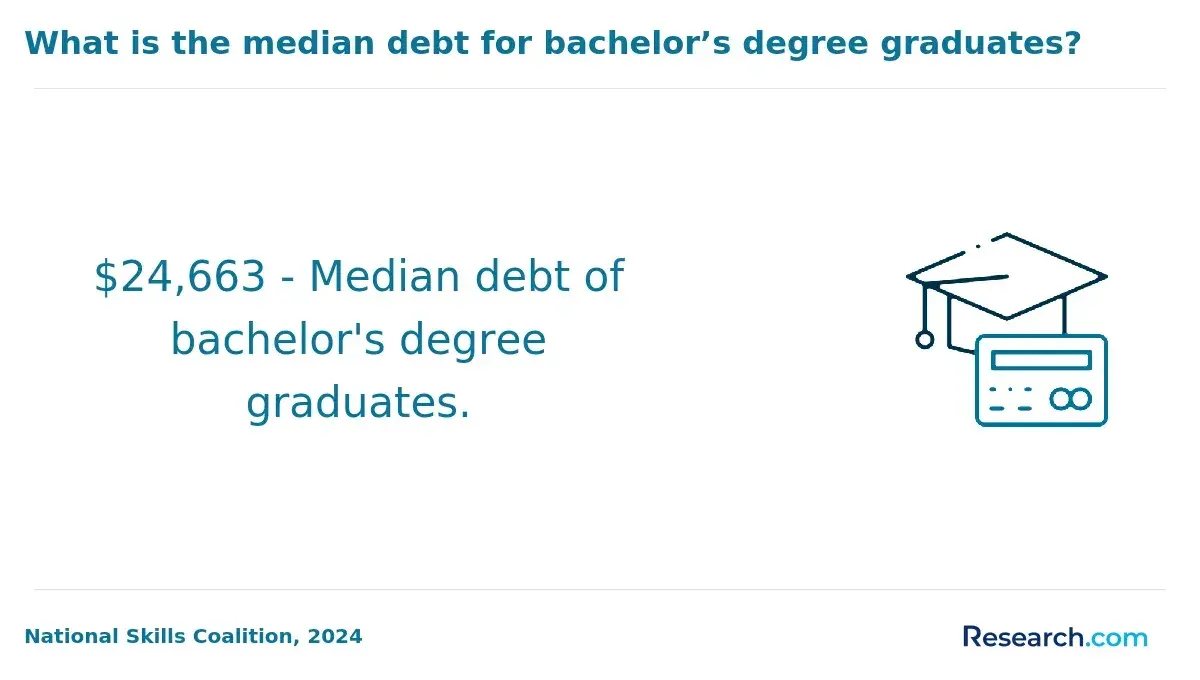
The return on investment (ROI) for Walden University's online MS in School Counseling - Addiction Counseling program hinges on balancing a significant upfront cost against steady income prospects in a specialized field. With an annual total cost near $34,500, students face a considerable financial commitment before accounting for living expenses and debt. Graduates typically start with a median salary around $42,810, which remains stable over a decade, yielding a modest but consistent earning potential in roles across educational institutions and community mental health organizations.
This earning stability supports a graduate earnings-to-debt ratio of approximately 2.05x, indicating graduates can reasonably expect to earn twice their debt over time. However, this ratio may be insufficient for students unable to secure scholarships, grants, or employer tuition assistance, which are crucial to improving overall ROI and mitigating loan burdens. Prospective students should weigh the cost against their likelihood of obtaining licensure and roles that offer incremental salary increases as experience grows.
Given these factors, those aiming for higher earnings or rapid debt payoff might compare this path with alternative counseling degrees or certifications aligned with higher-paying settings. Understanding the tradeoff between manageable but moderate initial debt and steady employment prospects is essential when considering Walden University's program for addiction counseling specialization.
Student satisfaction for walden university's online MS in School Counseling - Addiction Counseling varies in ways that reflect the demands of distance learning combined with program rigor. Many students appreciate the flexibility that allows them to juggle coursework alongside jobs and family obligations, a crucial factor given how demanding counseling training can be. However, this flexibility also requires strong self-discipline, as less structured schedules lead some learners to struggle with time management and motivation, which can diminish overall satisfaction.
The university attempts to mitigate remote isolation through online mentoring and student communities designed for distance learners, fostering peer support and engagement. Such resources help many navigate the emotional and academic challenges inherent in addiction counseling education. Still, the intensity of the program content can feel isolating, particularly for those new to virtual learning environments or balancing multiple responsibilities. Student experiences suggest satisfaction hinges on individual adaptability to online formats and proactive use of available support tools.
A graduate reflected on their experience: "At first, I hesitated because I wasn't sure if online learning would feel impersonal, especially in a field so focused on human connection. But the mentoring groups made a real difference-they provided a sense of accountability and connection I didn't expect. Balancing work, school, and family was tough, but the program's flexible deadlines allowed me to keep up without burning out. It wasn't easy, but I felt supported enough to push through." This highlights how satisfaction often correlates with not just program structure but the student's capacity to engage actively with the university's support mechanisms.
Employers in school and addiction counseling increasingly expect candidates to leverage institutional resources that extend beyond coursework. Institutional support can be a decisive factor in employment, as about 85% of graduates attribute early job placement to connections made through their educational programs. For students in Walden University's online MS in school counseling - addiction counseling program, the availability of targeted career services reflects the practical realities of entering specialized counseling roles. These services not only aid in transitioning from academic environments to professional settings but also help manage tradeoffs such as building a professional identity without traditional campus networking. Effective employment assistance promotes smoother entry into the workforce, which for many is a critical consideration given the competitive nature of counseling positions. To illustrate, participation in virtual job fairs often connects candidates with employers actively seeking qualified addiction counselors, offering networking advantages that online study alone might lack. Below are some key ways Walden supports career outcomes:
- Virtual Job Fairs: These events link students directly with potential employers nationwide, providing opportunities to make real-time impressions and explore current openings before graduation.
- Online Workshops: Focused on resume refinement and interview techniques, these workshops prepare candidates to present their qualifications effectively in a field where practical experience and communication skills matter.
- Alumni Mentorship: The active alumni network facilitates connections between recent graduates and seasoned professionals, delivering career guidance and insider industry knowledge critical to navigating specialized addiction counseling sectors.
Such structured support mechanisms are essential in addiction counseling, where practical job search strategies and network access heavily influence employability. This aligns with broader patterns observed among accredited schools online offering similar degrees, where outcomes correlate strongly with post-graduation career assistance. Integrating these elements signals an understanding of the operational challenges faced by students seeking to translate an online MS in school counseling - addiction counseling into gainful employment.
Career outcomes shape the practical value of pursuing an online mS in School Counseling - Addiction Counseling at Walden University, especially given the field's moderate salary range and specialized focus. Graduates often encounter varying job prospects across educational, clinical, and community settings, requiring clear understanding of tradeoffs between salary potential and meaningful impact. For example, securing a position as a behavioral health counselor may involve navigating public sector budgets that influence compensation but offer stable employment, which is a critical consideration when evaluating worth. Employment opportunities for mS in School Counseling - Addiction Counseling alumni from Walden University generally concentrate on roles that merge counseling and addiction expertise. Below are key roles exemplifying typical career outcomes for graduates of Walden University school counseling addiction programs:
- Addiction Counselor: Professionals in this role provide therapeutic intervention and support to individuals battling substance abuse. Average salaries align with clinical counseling fields, often near $32,000, reflecting entry-level public health compensation norms.
- School Counselor Specializing in Substance Abuse: These counselors develop prevention programs and provide direct assistance to youth in educational environments, balancing administrative duties with counseling. Salaries tend to be modest but offer opportunities for social impact.
- Behavioral Health Counselor: Focusing on mental health and substance abuse, these counselors collaborate with outpatient or governmental agencies, typically earning near the average for human services roles.
- Rehabilitation Specialist: Case management and recovery support define this career, which usually involves structured programs in healthcare or community settings with stable but moderate compensation.
The value of this MS pathway depends on weighing moderate earnings against the tangible social benefits and job availability, especially as the sector responds to increasing demand. For those whose goals include direct community engagement or public health service, the program's specific focus can provide applicable skills and credentials. Considering a foundational credential like an online associate's degree may also play a strategic role in broader workforce entry or advancement before pursuing such specialized graduate studies.
Determining if Walden University's online MS in School Counseling - Addiction Counseling program matches your professional and academic goals depends heavily on specific, individual factors that influence whether the degree advances your intended career path or personal development effectively. For example, a candidate aiming for state licensure in addiction counseling must confirm that the curriculum meets those precise requirements; otherwise, the investment may not translate to employability. Many factors make a program worth it, and students should carefully weigh these key aspects:
- Curricular Alignment: Evaluate how closely the program's coursework and practical experiences align with licensure or certification standards relevant to your career goals. This ensures the credential supports your pathway to employment in a specialized counseling role.
- Program Format and Learning Style: Assess whether the online delivery accommodates your self-discipline, time management, and preference for interaction. Online environments suit autonomous learners, but those who need synchronous or in-person support might find this format limiting.
- Faculty Expertise and Support: Review the qualifications of instructors and availability of academic advising and career services. Experienced faculty with addiction counseling backgrounds and accessible support can significantly influence your education's relevance and quality.
- Graduate Outcomes and Reputation: Consider licensure exam pass rates, job placement, and alumni feedback to gauge how effectively the program converts education into employment. Employer recognition of the degree also plays a critical role in hiring decisions.
- Financial Impact: Weigh total costs including tuition, materials, and potential lost income against expected salary gains or career opportunities. This balance is crucial for determining if the educational investment produces a worthwhile return.
Understanding these points is especially relevant if you seek online degrees for remote jobs, as program design and outcomes must align with such career frameworks to justify your effort and resources.
What Graduates Say About Walden University's Online MS in School Counseling - Addiction Counseling Program
- Aubrey: "Studying the MS in School Counseling - Addiction Counseling at Walden University gave me the flexibility to balance coursework with a part-time job, which was crucial at that stage in my life. The program's emphasis on practical internships proved invaluable, as prospective employers often prioritized hands-on experience over just licensure. While I faced some challenges competing for roles that required state-specific credentials, the knowledge and portfolio I built through Walden helped me secure meaningful positions in school settings focused on addiction recovery."
- Phoebe: "My experience with Walden University's MS in School Counseling - Addiction Counseling program was both rigorous and eye-opening, especially regarding the realities of career advancement in this field. I quickly realized that without additional certifications or licensure, salary growth can be limited, so I've been strategically pursuing further qualifications. That said, the program's curriculum prepared me well for remote work opportunities in counseling, which has offered greater flexibility as I balance career and family."
- Mariah: "After completing the MS in School Counseling - Addiction Counseling at Walden University, I took a reflective approach to my career path, understanding that licensure isn't the only way forward in this industry. Many employers I encountered weighed internships and evidence of practical counseling skills highly, sometimes even more than formal licensing. Navigating the hiring landscape required patience, but the program's strong foundation allowed me to pivot into a role that combines advocacy and direct counseling, which I find deeply rewarding."
Other Things You Should Know About Degrees
In 2027, Walden University's Online MS in School Counseling - Addiction Counseling program offers flexible scheduling and asynchronous coursework, making it manageable for working professionals. Additionally, virtual support services and dedicated faculty provide assistance to help balance career demands with academic responsibilities.
While the program is primarily online, Walden includes in-person practicum and internship components mandatory for licensure. This hybrid approach ensures that students gain hands-on, supervised experience crucial for addiction counseling. However, the distributed nature of placement sites means the quality of supervision and exposure can vary considerably depending on location. Prospective students should proactively assess local internship opportunities and seek programs with strong field placement support if they prioritize consistent, high-quality clinical training.
This program includes coursework aligned with many state licensure requirements, but licensure standards differ significantly by state. Walden University does provide guidance on common requirements, yet students must independently verify that the program meets their state board's criteria, especially for addiction counseling certifications. Those focused on becoming licensed addiction counselors should prioritize checking state-specific requirements early and consider supplementing coursework or supervised hours if necessary to avoid licensure delays.
Before practicum placement, students usually must complete a criminal background check, a drug screen, immunization records, and any site-specific clearance forms required by the placement agency. School counseling fieldwork also follows state and site rules, so requirements must be approved before any direct client contact begins.
- Top Master’s Degrees in Substance Abuse and Addictions Counseling for 2025 https://www.addiction-counselors.com/blog/top-masters-degrees-in-substance-abuse-and-addictions-counseling/
- Master's in Addiction Counseling | Addiction Studies Degree https://www.hazeldenbettyford.org/graduate-school-addiction-studies/masters-addiction-counseling-advanced
- Reflections on my 6-Year Journey as a Walden Graduate AssistantWalden University Career Planning and Development Blog https://waldencareerservices.com/2024/01/19/reflections-on-my-6-year-journey-as-a-walden-graduate-assistant/
- 25+ Affordable Online Masters in School Counseling Programs https://schoolcounselingmasters.org/cheapest-school-counseling-programs/
- Counseling Services, M.A. (School Counseling Specialty) https://www.rider.edu/academics/colleges-schools/college-education-human-services/graduate/school-counseling-services
- MS School Counseling https://www.liu.edu/post/academics/school-of-education/counseling-and-development/MS-school-counseling
- How to Become a School Counselor https://addiction-counselor.org/careers-salary/school-counselor/
- Walden University Counseling Programs Earn CACREP Accreditation https://www.prnewswire.com/news-releases/walden-university-counseling-programs-earn-cacrep-accreditation-300426992.html
- Master of Education in Counseling Program https://www.lincolnu.edu/school-of-education/graduate-programs/counseling.html
- Walden University Reviews https://www.gradreports.com/colleges/walden-university