2027 Animation Practicum Requirements Explained

Co-Founder and Chief Data Scientist
Students pursuing an Animation degree often encounter challenges in meeting practicum requirements critical for graduation and professional preparedness. Many find that accumulating required practicum hours, securing approved placement sites, and complying with supervision standards can extend their timelines. State or program-specific rules may mandate background checks, maintain GPA thresholds, and impose documentation standards, all affecting eligibility for certification or licensure. According to the National Association of Colleges and Employers, 67% of employers prioritize candidates with relevant internship or practicum experience, emphasizing its importance for workforce readiness. This article explains key practicum requirements to help students navigate expectations, avoid delays, and successfully fulfill training obligations.
Key Things To Know About Animation Practicum Requirements
- Completing practicum components offers hands-on experience that bridges academic knowledge with real-world animation workflows and industry software tools-essential for professional readiness.
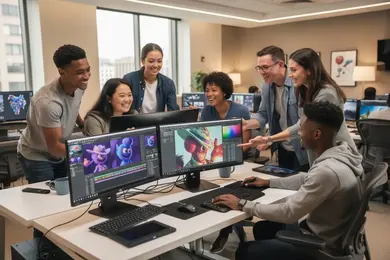
- Field experience and supervised hours cultivate critical collaboration and project management skills by engaging students directly with animation studios, teams, or client projects under expert mentorship.
- Internships and clinical placements enhance career prospects by expanding networks, providing portfolio-worthy work, and offering insight into diverse animation specializations and workplace environments.
What Is A Practicum In Animation Program?
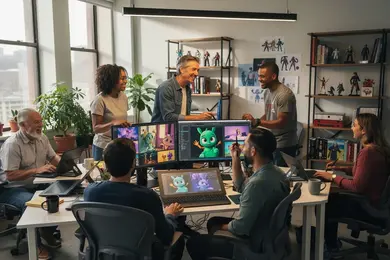
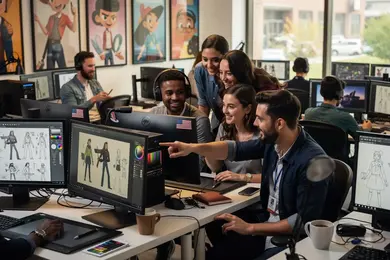
A practicum in an animation program offers students a structured, supervised opportunity to apply academic knowledge in real-world settings, bridging classroom theory and professional practice. Commonly incorporated into U.S. higher education curricula, practicums involve hands-on projects and guided mentorship, ensuring students develop essential skills before entering the workforce. Nearly 80% of employers in creative fields prioritize candidates with such practical experience, highlighting its value for graduate workforce readiness.
Key elements of practicum requirements in animation programs include the following:
- Applied Learning: Unlike internships, clinicals, or capstone projects, practicums focus on closely supervised fieldwork integrated with academic objectives. Students engage in projects that simulate professional animation environments, emphasizing skill application within a controlled educational framework.
- Placement Timing: Practicums typically occur after foundational animation coursework is completed, often during the final year or semester. This ensures students are adequately prepared to contribute meaningfully and maximize learning outcomes.
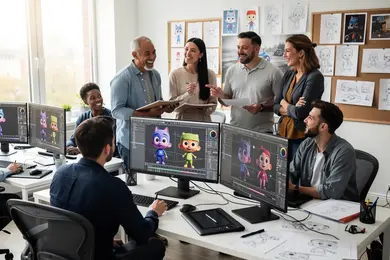
- Supervision and Feedback: Experienced faculty or industry mentors oversee progress, providing structured evaluations such as performance reviews, reflective journals, and project assessments to promote continuous skill development and professional growth.
- Hours and Eligibility: Programs usually require between 120 and 200 practicum hours, completed within an academic term. Eligibility criteria commonly include satisfactory academic standing and completion of prerequisite courses to align with program standards.
- Certification and Graduation: Successful practicum completion often fulfills degree requirements and may support professional certification, validating a student's preparedness for industry roles and meeting accreditation expectations.
For students interested in related fields, exploring online degrees in AI can also complement animation practicum eligibility and structure by expanding technical competencies applicable in creative industries.
What Are The Eligibility Requirements For Animation Practicum?
Practicum eligibility standards are essential in animation programs to ensure students are both academically and professionally prepared for supervised, real-world experiences. Over 70% of animation programs nationwide require students to complete foundational coursework before placement, underscoring the importance of readiness in bridging classroom theory and practical application. These requirements also contribute to higher academic retention and better employability outcomes among graduates.
To meet animation practicum eligibility criteria for students, programs typically require satisfaction of specific academic and administrative benchmarks, including:
- Minimum GPA: Most animation programs mandate a cumulative GPA typically ranging from 2.5 to 3.0 on a 4.0 scale. This ensures students have the academic competence necessary for professional tasks during their practicum experience.
- Prerequisite Coursework: Completion of core courses covering animation techniques, principles of design, and digital media tools is required. These courses provide the foundational knowledge critical for effective participation in hands-on fieldwork.
- Demonstrated Competencies: Students must exhibit key technical skills and software proficiencies relevant to animation production. This competence is often verified through portfolio reviews, skill assessments, or evaluations by instructors.
- Faculty Approval: Practicum placements usually require endorsement by faculty or program committees, confirming students' academic progression and professional readiness.
- Administrative Compliance: Many sites also require students to complete background checks, drug screenings, health clearances, or provide liability insurance documentation. These safeguards protect both students and host organizations.
For students exploring further academic options beyond animation, programs such as a masters of psychology online also emphasize rigorous eligibility criteria to maintain standards of readiness and competence.
How Many Practicum Hours Are Required For Animation Program?
Practicum hour requirements in animation programs are designed to provide essential hands-on experience that complements academic learning. These requirements can differ based on the institution, regional regulations, and accreditation standards. Research shows that employers in creative industries strongly prefer candidates who have completed at least 100 hours of practical training to demonstrate workplace readiness.
Several key elements influence how practicum hours are structured in animation programs:
- Typical Hour Ranges: Most programs mandate between 100 and 200 practicum hours, with bachelor's degrees generally requiring fewer hours than graduate studies, reflecting the depth and complexity expected at each level.
- Observation vs. Participation: Practicum hours often blend passive observation with active participation. While some hours may involve shadowing professionals, the majority typically require direct engagement in projects to develop practical skills effectively.
- Phased Practicum Structure: Students frequently progress through multiple practicum phases or rotations, focusing on varied animation techniques, software proficiency, and production environments to build a comprehensive skill set.
- Supervision and Documentation: Continuous oversight by qualified mentors is standard, with practicum completion verified through time logs, supervisor signatures, and formal performance evaluations ensuring accountability and skill mastery.
- Weekly Time Commitments: Many programs expect a steady weekly involvement, often around 10 to 15 hours, spread across one or more semesters, aligning with academic schedules and facilitating consistent progress.
A professional who completed his animation degree shared that managing the practicum hours was both challenging and rewarding. He appreciated the structured mentor feedback, which helped him grow beyond classroom theory. "Balancing weekly practicum commitments with my coursework required discipline," he recalled, "but the hands-on experiences made the long hours worthwhile. It gave me confidence when entering the job market, knowing I'd developed real-world skills under supervision."
Preparing for practicum experiences requires foundational coursework that strengthens both academic knowledge and practical skills. Academic programs mandate this core training to ensure students are adequately prepared for real-world challenges. Studies show that structured curriculum sequencing can improve practicum readiness by 25%. Such prerequisite criteria shape eligibility and progression in fields like animation, such as practicum prerequisite courses in the United States.
Essential prerequisite coursework typically centers on several critical areas:
- Foundational Theory: These courses cover basic animation principles such as drawing, motion, and design. They build the technical know-how and analytical skills necessary to apply creative concepts effectively during the practicum.
- Professional Ethics: Coursework here addresses industry standards, ethical behavior, and intellectual property issues. Gaining this understanding helps students conduct themselves responsibly in professional settings under supervision.
- Research and Assessment: Students learn research methods relevant to animation and techniques for evaluating their own and peers' work. These competencies foster evidence-based decisions and continual skill improvement throughout the practicum.
- Communication Skills: Training includes verbal, visual, and digital communication strategies vital for collaboration and documentation during supervised fieldwork.
- Field-Specific Skills: This includes mastering animation software and pipeline workflows tailored to hands-on practicum tasks, enhancing job readiness.
Course requirements may differ across disciplines, such as counseling, nursing, or allied health, but consistently emphasize curriculum sequencing to ensure students meet eligibility benchmarks. To explore practical training options connected to animation, check out programs like the game design online degree for broader digital media perspectives.
Practicum placements in animation programs connect classroom learning with practical industry experience under professional supervision. Institutions coordinate these placements with external companies to provide students with real-world exposure, helping ensure readiness for employment and meeting academic standards. Studies show that around 70% of employers in creative media prefer candidates with verified practicum or internship experience.
The placement process typically involves the following critical steps:
- Eligibility Verification: Students must satisfy academic requirements such as minimum GPA and completion of foundational courses before being considered for practicum opportunities. These prerequisites maintain program quality and student preparedness.
- Application and Matching: Students submit portfolios, resumes, and applications to the placement office or faculty coordinator. The review process matches candidates to host organizations that align with their skills and career interests.
- Host Organization Coordination: Established partnerships with studios or companies ensure hosts provide appropriate project scopes, supervision, and compliance with institutional guidelines, including expected hours and deliverables.
- Screening and Interviews: Host organizations conduct interviews or screenings to assess professional fit, verifying students' readiness and compatibility with workplace expectations.
- Faculty Oversight and Approval: Faculty advisors supervise progress throughout the practicum, ensuring learning objectives are met and regulatory standards maintained.
- Onboarding and Supervision: After confirmation, students complete necessary onboarding, often involving confidentiality and safety briefings, followed by ongoing monitoring to provide performance feedback.
A professional who completed her practicum as part of an Animation degree shared that initially navigating the application and interview stages felt daunting, especially coordinating schedules and meeting varied host requirements. However, she emphasized that close communication with faculty and the host company was invaluable-allowing her to clarify expectations and steadily gain confidence. Reflecting on the experience, she noted how the practicum was essential not only for skill development but also for building workplace professionalism and transitioning smoothly into her career after graduation.
Pre-practicum documentation in Animation programs is essential to ensure students meet academic and professional standards before engaging in field placements. These materials help institutions maintain regulatory compliance and confirm that students are prepared for real-world environments. Studies indicate that more than 90% of experiential learning programs require standardized paperwork to facilitate smooth onboarding and uphold safety and accountability.
Common pre-practicum paperwork typically includes the following:
- Practicum Application: This form gathers basic student details, educational progress, and placement preferences. It initiates the practicum process and enables coordinators to verify eligibility based on program requirements before approval.
- Institutional Approval: Academic advisors or department heads usually must provide written confirmation that students have met prerequisite coursework or skill levels. This ensures readiness for hands-on learning and aligns with institutional policies.
- Consent and Liability Agreements: Students sign these documents to acknowledge potential risks and agree to abide by site-specific rules and safety protocols. These agreements protect both students and host sites by clarifying mutual responsibilities.
- Medical Clearances: Depending on the practicum's nature, students may need to submit up-to-date immunization records or health screenings. These requirements minimize health risks, particularly in placements involving close contact or vulnerable populations.
- Background Checks: Certain settings-especially those involving minors or sensitive materials-require criminal history screenings to safeguard the practicum environment and comply with legal or accreditation standards.
- Site-Specific Forms: After placement confirmation, additional paperwork such as confidentiality agreements, insurance verification, or safety training acknowledgments may be necessary. These help students acclimate to the host organization's operational policies.
Pre-practicum compliance requirements serve a critical role in protecting the health, safety, and legal interests of both animation students and the communities they engage with during their field experiences. These screenings ensure students can participate in practical placements with minimized risk while meeting regulatory standards. Recent data shows that over 85% of practicum programs in creative and healthcare sectors require comprehensive background and health screenings before placement, reflecting widespread adoption of these precautions.
Common compliance elements include the following key checks and certifications:
- Criminal Background Checks: These are essential for ensuring a secure environment, particularly when placements involve vulnerable groups or sensitive materials. Requirements vary by state and institution, and processing times can affect practicum start dates.
- Child Abuse And Fingerprint Clearances: For practicums involving minors or educational content, these clearances establish compliance with legal mandates and protect institutions from liability. Students often must update these at regular intervals.
- Immunizations And Tuberculosis Testing: Proof of vaccinations-such as influenza and TB tests-is frequently required to minimize health risks during onsite activities and align with occupational health guidelines.
- Drug Screenings And CPR Certification: Some placements ask for negative drug tests and proof of life-saving skills, supporting safety protocols especially in partner organizations linked to social services.
- Site-Specific Health And Safety Requirements: Institutions may impose additional screenings or trainings based on local policies or sector-specific risks, necessitating students' awareness of variable timelines and documentation needs.
Animation practicum placements serve as a vital link between classroom knowledge and supervised real-world industry experience. Experiential learning has gained importance in higher education and workforce preparation, with studies showing that nearly 75% of students who engage in hands-on training report increased confidence and competence upon graduation. These practical opportunities help students transition smoothly into professional roles by applying academic concepts to actual animation workflows.
Understanding the animation practicum supervision and evaluation process is essential for students to maximize their growth during these placements. Key aspects include:
- Day-to-Day Responsibilities: Students typically contribute to tasks such as storyboarding, character modeling, or assisting with animation sequences. Managing creative tasks alongside technical execution exposes learners to real production pipelines and deadline-driven environments.
- Supervision and Mentorship: Practicum placements involve close oversight from experienced animators or project leads. This mentorship ensures students receive constructive feedback, fostering skill development and industry readiness.
- Professional Conduct: Adapting to workplace norms-such as punctuality, collaboration, and company policies-is crucial. Professional behavior reinforces students' reputations as dependable team members within animation settings.
- Performance Evaluation: Regular assessments through formal reviews focus on technical skills, creativity, communication, and responsiveness to critique. These evaluations guide student improvement and determine program completion eligibility.
- Skill Development: Hands-on experience with industry-standard software and tools enhances practical competence beyond theory. Practicums sharpen both artistic and technical capabilities vital for animation careers.
- Communication and Challenges: Navigating team dynamics and project demands hone communication and problem-solving skills. Students learn to balance assertiveness with receptivity, preparing them for the collaborative nature of animation work.
Students interested in related fields may also explore online colleges for hospitality management as alternatives or complementary career options.
Supervision and evaluation in practicum experiences are vital to connect academic instruction with real-world professional skills, ensuring students develop crucial competencies and accountability. Research shows that well-structured experiential learning can improve student engagement and workforce readiness by up to 30%, particularly in creative technology fields related to animation. These oversight processes are commonly implemented across U.S. educational programs to support consistent development and academic accountability.
Key components of effective supervision and evaluation include:
- Roles and Responsibilities: Supervisors guide daily tasks, mentors provide industry insights and emotional support, site coordinators manage communication between educational institutions and workplaces, and faculty advisors ensure practicum activities align with academic requirements. Each role contributes to a comprehensive support system that enhances the animation practicum student performance assessment criteria.
- Guidance and Communication: Regular meetings, feedback sessions, and digital correspondence keep students informed and motivated. This ongoing dialogue helps students address challenges promptly and refine their skills in alignment with learning objectives.
- Assessment Methods: Evaluations use a combination of direct workplace observation, competency checklists tailored for animation skills, reflective journals maintained by students, and progress reviews from supervisors and faculty. These varied tools capture both technical growth and professional behavior.
- Performance and Professionalism: Supervisory assessments emphasize not only technical proficiency but also professionalism-such as punctuality, teamwork, and adaptability-traits critical to animation careers. These criteria help gauge readiness for career entry.
- Final Evaluation: At practicum completion, supervisors, students, and faculty compile comprehensive evaluations that determine if the student meets required competencies for graduation and certification. This step confirms preparedness for professional roles in the animation industry.
- Contextual Variability: While core supervision and evaluation strategies remain consistent, specifics may vary by institution, discipline focus, or accreditation standards. The overarching goal is to ensure meaningful learning and validate student readiness.
For students exploring additional educational pathways that complement creative fields, options such as online clinical mental health counseling programs offer flexible advancement opportunities that may support wider career goals.
Practicum experiences are essential in meeting licensure and certification requirements for students in animation-related fields. These supervised placements integrate academic learning with the standards set by credentialing bodies, ensuring real-world proficiency. Recent data indicates that over 75% of creative and technical professions mandate practical training as a core component of certification.
Key practicum components include:
- Structured Hours: Students must complete a designated number of supervised practicum hours, fulfilling mandatory field or clinical experience requirements. This hands-on engagement demonstrates active participation in professional environments aligned with animation disciplines.
- Competency Assessment: Student performance is measured against established benchmarks during practicum. This evaluation confirms that practical skills meet the expectations of accrediting organizations and future employers.
- Supervision & Evaluation: Licensed professionals oversee practicum activities, providing guidance and conducting regular assessments. This oversight ensures adherence to accreditation standards and verifies quality in applied work settings.
- Documentation & Verification: Academic programs maintain detailed records and evaluations of practicum experiences. These documents serve as official evidence of meeting licensure-related experiential learning requirements.
- Discipline Application: Various fields, such as education, healthcare, and counseling, enforce practicum prerequisites differently. For animation students engaged in interdisciplinary roles, understanding these distinctions is vital for fulfilling specific certification criteria.
What Do Students Say About Their Animation Practicum Experience?
- Jason: "My practicum experience in animation exceeded what I initially expected-the hands-on projects allowed me to apply classroom theories directly, which was incredibly rewarding. However, I did struggle with navigating the eligibility requirements early on, as some prerequisites weren't clearly communicated. The feedback from my supervisor was timely and constructive, helping me refine my skills while boosting my confidence."
- Camilo: "Reflecting on my time during the animation practicum, I found the supervision to be very thorough, with regular evaluations that encouraged self-assessment and growth. While I was excited going in, I wasn't entirely prepared for the intensity and fast pace of the workplace environment. Still, those challenges deepened my passion for animation and helped me develop resilience that I now value greatly."
- Alexander: "The practicum placement met my expectations in that I gained exposure to real-world animation workflows and collaborative team settings. That said, the eligibility criteria were a bit of a hurdle-I had to adjust my course plan to qualify, which delayed my start. Throughout the practicum, evaluations were formal yet supportive, fostering a professional mindset that I believe will serve me well in my future career."
Other Things You Should Know About Animation Degrees
Practicum hours in animation programs often offer flexibility, allowing students to complete required hours on a part-time basis. Many schools recognize that students may balance coursework or jobs concurrently, so scheduling is commonly adjustable within program guidelines. However, students should confirm with their specific program to ensure part-time practicum hours satisfy all completion criteria.
While some animation programs allow students to suggest preferred practicum sites, final placement decisions typically involve faculty or practicum coordinators to ensure alignment with program learning objectives. Approved sites must provide relevant animation experience and meet program standards. Directly selecting a site without program approval is generally not permitted to maintain educational quality and supervision.
Animation practicum sites are usually approved by the program director or internship coordinator before placement begins. Students must submit the site name, supervisor contact, and a description of duties, and the placement must match the program’s learning outcomes and minimum hour requirements, often 120 to 160 hours.
- Immunization Requirements in Healthcare Higher Education https://blog.verifiedcredentials.com/immunization-requirements-in-healthcare-higher-education
- Animation portfolio tips for students | Blog | Escape Studios https://www.escapestudios.ac.uk/news-and-blog/animation-portfolio-tips-for-students/
- Background Checks and Security Clearances for Federal Jobs https://gogovernment.org/application-process/background-checks-and-security-clearances-for-federal-jobs/
- Healthcare Background Check Requirements: What You Need to Know https://www.cisive.com/blog/healthcare-background-check-requirements
- A Guide to Internships for Animation in the UK https://studioliddell.com/news/guide-to-internships-for-animation-in-the-uk
- What are background checks and security clearances? https://help.usajobs.gov/faq/job-announcement/security-clearances
- How to Become an Animator: A Step-by-Step Guide to Launch Your Animation Career https://ianimate.net/more/articles/how-to-become-an-animator-a-complete-guide
- How to Get an Animation Internship At A Major Studio https://www.cartoonbrew.com/sponsored-by-bravo-bros-studio/how-to-get-an-animation-internship-at-a-major-studio-158496.html
- Professional Licensure Disclosures https://www.umkc.edu/provost/academics/professional-licensure-disclosures.html