2027 Animation Degree Jobs That Do Not Require Licensure

Co-Founder and Chief Data Scientist
What career options are available for animation degree graduates who prefer to avoid licensure? Many roles in the animation industry do not require professional licenses, allowing faster workforce entry and greater career flexibility. According to the U. S. Bureau of Labor Statistics, employment of multimedia artists and animators is projected to grow 16% from 2021 to 2031, reflecting expanding demand. Non-licensed jobs often include storyboard artists, character designers, and visual effects specialists, leveraging creative and technical skills without regulatory barriers.
This article explores animation degree jobs that do not require licensure and examines the opportunities and expectations for graduates pursuing these alternative career paths.
Key Benefits of Animation Degree Jobs That Do Not Require Licensure
- The absence of licensure expedites entry into the workforce, enabling animation graduates to begin earning sooner without delays linked to certification processes.
- Non-licensed roles span industries like gaming, advertising, and film, enhancing career flexibility and broadening employment opportunities beyond traditional pathways.
- Early professional experience in these positions helps build versatile, transferable skills crucial for long-term career advancement and adaptability in evolving sectors.
What Jobs Can You Get With a Animation Degree Without Licensure?
Graduates with an animation degree have access to a variety of creative roles across multiple industries, none of which require professional licensure. The demand for multimedia artists and animators is expected to grow by 13% from 2022 to 2032, signaling strong opportunities in non-licensed career paths. Here are some common animation degree jobs without licensure that can serve as excellent options for aspiring professionals.
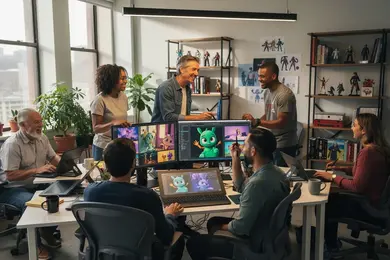
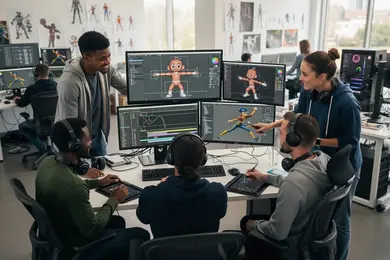
- Animator: Animators produce visual effects and motion graphics for media including films, television, video games, and advertising. An animation degree provides the technical skills and storytelling techniques needed to craft engaging narratives without the need for a professional license.
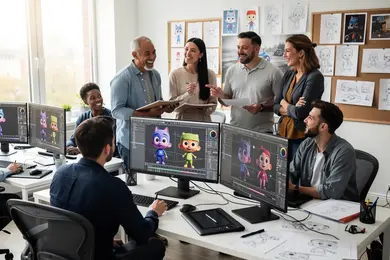
- Storyboard Artist: Storyboard artists visualize scripts and concepts to guide the animation workflow. Their training in conceptual art and sequential storytelling, gained through an animation degree, prepares them well for this role, which doesn't require licensure.
- 3D Modeler: 3D modelers create detailed digital assets used in games, simulations, and movies. Animation programs emphasize 3D modeling software and techniques, allowing graduates to develop the expertise needed to work independently of licensing restrictions.
- Visual Effects (VFX) Artist: VFX artists enhance live-action footage by integrating computer-generated imagery, working with compositing and rendering tools. The hands-on technical training in an animation degree supports success in this specialized field without requiring a license.
- Multimedia Artist: Multimedia artists design graphics and interactive content for websites, apps, and marketing campaigns. Proficiency in digital design tools acquired during an animation degree enables these professionals to thrive in versatile roles that have no licensure requirements.
Students interested in pursuing these roles might also find value in exploring other easy degrees to get that complement their skill set while maintaining a focus on creative, non-licensed career paths in animation and digital media.
Which Industries Hire Animation Graduates Without Licensure?
Certain industries prioritize creative skills and technical expertise over formal licensure when hiring animation graduates. The U.S. Bureau of Labor Statistics projects a 16% growth in employment for multimedia artists and animators from 2022 to 2032, reflecting strong demand for professionals based on portfolios and experience rather than licensing. Below are key industries that commonly hire animation graduates without requiring professional credentials.
- Entertainment: Film studios, television networks, and video game companies employ animation graduates to create visual effects, character movements, and immersive environments. Hiring decisions focus on demonstrable skill through portfolios instead of licensure.
- Advertising and Marketing: Agencies use animation to craft compelling commercials, social media content, and branded storytelling. Animation enhances digital campaigns by combining artistic creativity with marketing strategies to engage consumers.
- Education and E-learning: Educational publishers and online learning platforms incorporate animated content to simplify complex subjects. Animators develop interactive lessons and videos that improve student engagement and comprehension without requiring licensing.
- Software Development (UI/UX Design): Animation graduates contribute to designing engaging user interfaces and experiences. Their work improves application interactivity and visual feedback, which enhances usability and user satisfaction.
- Architectural Visualization: Animators create 3D walkthroughs and realistic presentations of architectural projects. Their skills help architects and developers secure client approvals and support marketing efforts with vivid visualizations.
What Entry-Level Jobs Are Available Without Animation Licensure?
Many industries, including animation, provide entry-level openings that prioritize foundational knowledge and skills over formal licensure. According to the Bureau of Labor Statistics, jobs for multimedia artists and animators are expected to grow by 6% between 2022 and 2032, highlighting a steady demand for new talent. The following roles are common starting points for animation graduates without requiring professional certification.
- Junior Animator: Working under the guidance of senior team members, junior animators contribute to basic animation tasks such as developing storyboards and designing character movements. Animation degrees strengthen their understanding of motion and software tools, enabling them to perform effectively in this creative support role.
- 3D Modeling Artist: This role focuses on creating three-dimensional assets like characters and settings, using specialized software to build models and apply textures. The technical training received during an animation program helps graduates produce high-quality, usable designs for animators and game developers without needing licensure.
- Storyboard Artist: Storyboard artists visually interpret scripts by sketching sequences that direct the animation process. Their ability to translate narrative elements into clear visual guides is sharpened through coursework, making this position accessible to new graduates without certification requirements.
- Animation Production Assistant: Primarily handling organizational and logistical support, production assistants manage files, coordinate assets, and assist creative teams. Familiarity with animation workflows and software gained during degree studies prepares them for this essential behind-the-scenes role.
When asked about entry-level work opportunities without licensure, a recent animation degree graduate shared how navigating the job market was initially overwhelming. He recalled spending hours tailoring his portfolio and applying for roles that matched his skills but required no certification. "It was challenging at first to find positions that valued practical knowledge over formal licenses," he explained, "but once I focused on roles like junior animator and production assistant, I discovered plenty of chances to build experience and grow." His experience highlights the importance of perseverance and leveraging academic preparation in securing those early career positions.
Salary levels for animation positions without licensure vary widely due to factors like industry demand, technical expertise, leadership roles, and impact on business outcomes. According to the U.S. Bureau of Labor Statistics, multimedia artists and animators have a median annual wage near $78,000, highlighting strong earning potential for those with a bachelor's degree in animation. The following roles illustrate some of the highest paying animation jobs without licensure.
- Lead Animator: Lead animators oversee creative teams and develop intricate character movements, combining technical skills and storytelling. Their leadership responsibilities and advanced expertise often earn them between $70,000 and $120,000, supported by formal animation training.
- Visual Effects (VFX) Artist: VFX artists create digital effects for various media, blending artistry with technical precision. This specialization typically commands salaries from $65,000 to $110,000 and relies on animation education to master complex software and design principles.
- 3D Modeler and Animator: Specializing in three-dimensional characters and settings, these animators benefit from strong spatial and creative skills, earning between $60,000 and $100,000. Their work directly reflects expertise gained through an animation degree.
- Storyboard Artist: Storyboard artists translate narrative ideas into visual plans, facilitating production flow. Their ability to convey story sequences efficiently can yield salaries ranging from $55,000 to $90,000, relying on drawing and storytelling skills honed during their studies.
For those seeking a cheap online engineering degree with practical outcomes, understanding these top animation careers with no licensing requirement can guide strategic career planning.
Employers hiring animation graduates without professional licensure often emphasize hands-on skills and adaptability to meet workplace demands. According to a 2023 study by the National Association of Colleges and Employers, 72% of employers value software proficiency when selecting candidates in creative fields. The following essential skills enhance the employability of non-licensed animation graduates.
- Software Proficiency: Mastery of core programs like Adobe After Effects, Maya, and Blender is critical for producing high-quality digital content. These tools are widely used across entertainment, advertising, and education, making technical expertise a strong asset in diverse creative roles.
- Storytelling Ability: The capacity to craft engaging visual narratives helps animators connect with audiences emotionally and intellectually. This skill is crucial not only for traditional animation but also for game design and marketing, where storytelling drives user engagement.
- Effective Communication: Clear verbal and written communication supports collaboration with cross-functional teams such as directors and designers. Being able to interpret feedback and share ideas enhances project outcomes and streamlines workflows.
- Adaptability and Problem-Solving: Graduates who show flexibility in adopting new technologies and creatively solving challenges are better equipped for the fast-evolving animation industry. These attributes allow them to thrive in settings from startups to established studios.
- Time Management: Skillful organization and meeting deadlines are vital in fast-paced production environments. Good time management fosters reliability and consistent delivery, increasing a candidate's value to employers.
Certifications differ from professional licensure in that they are voluntary credentials awarded by industry groups, validating expertise in specific tools or techniques rather than granting legal permission to work. In many animation careers, certifications can substitute for licensure since formal licenses are generally not required. Over 70% of employers in animation-related fields value industry-recognized certifications as proof of job readiness and skill proficiency rather than formal licensure, highlighting a preference for demonstrated abilities over legal credentials. This perspective supports certifications as practical alternatives in non-licensed roles requiring technical competence.
Certifications as alternatives to animation licensure are particularly relevant in roles focused on technical animation, visual effects, or game design, where mastery of specific software is critical. They help candidates stand out by assuring employers of their ability to meet industry standards without needing licensure. However, this substitution has limits: certifications do not confer the professional judgment or ethical responsibilities tied to licensure in regulated professions, which are generally absent in animation career certifications for non-licensed professionals. For prospective students exploring pathways into animation that do not require licensure, researching the most affordable edd online programs can offer insights into expanding credentials and technical skills through alternative education routes.
Remote work has surged across many sectors, with recent data showing a 30% increase in remote job postings over the past few years. Advances in digital tools and virtual collaboration have made it easier for professionals to work from anywhere. For animation graduates, several remote roles capitalize on technical skill and creativity without needing formal licensure.
- 2D/3D Animator: These artists develop animated content for platforms such as video games and commercials. Remote responsibilities often include creating sequences using software like Blender or Maya, where a strong portfolio outweighs licensing requirements.
- Motion Graphics Designer: Specializing in animated visual elements for digital marketing and social media, this position leverages creativity and proficiency in motion design tools. Licensing is not necessary, as employers prioritize demonstrated skills over formal credentials.
- Storyboard Artist: Remote storyboard artists visually map out scenes for films or advertisements. Their work depends on storytelling and sketching expertise typically honed during an animation degree, not licensure.
- Illustrator and Concept Artist: Working remotely on projects ranging from game art to multimedia pre-production, these professionals rely on talent and innovation. The role emphasizes artistic capability rather than certification or licensure.
- Freelance Animator: Many animation graduates find independent contracts producing videos, character designs, or educational materials. This path depends heavily on portfolios, client relationships, and adaptability rather than licensing.
A professional with an animation degree shared her journey transitioning to remote work, highlighting the importance of persistence and portfolio development. "Getting remote gigs wasn't immediate," she recalled, "I spent months refining demo reels and reaching out directly to potential clients. Without licensure, proving my skill through projects was essential." She also emphasized the value of online communities, stating, "Networking virtually helped me learn about niche roles and get feedback on my art." Her experience illustrates how animation graduates can navigate remote opportunities successfully by focusing on tangible skills and connection-building rather than formal certifications.
Graduates without professional licensure often face increased competition in the animation job market, where employers may favor candidates with formal credentials. In fact, 43% of animation employers prefer applicants who hold professional licenses or credentials, even if these are not legally required. These preferences create hurdles that reduce hiring opportunities for non-licensed candidates. Below are some common challenges they encounter.
- Employer Preference: Many studios prioritize applicants with recognized licenses or certifications, associating them with verified skills and reliability. This bias can cause non-licensed graduates to be overlooked, limiting their chances during recruitment.
- Credential Barriers: Employers often use credentials as a quick screening tool to manage high application volumes. Without such qualifications, non-licensed graduates may struggle to showcase their technical abilities and commitment compared to licensed peers.
- Experience Requirements: Job openings frequently demand years of professional experience, but non-licensed candidates find it difficult to gain this experience without access to licensed pathways or formal internships that require credentials.
- Regulatory Restrictions: Certain projects require verified qualifications for legal and insurance reasons, barring non-licensed animators from participation. This limitation restricts job access, especially in studios working on sensitive or high-profile content.
Career limitations for non-licensed animation professionals are generally minimal, as most roles in the creative industry do not require formal licensure. According to a 2022 report from the U.S. Bureau of Labor Statistics, only about 5% of visual arts occupations have regulatory licensing requirements, indicating that the vast majority of animation positions remain accessible to those without professional licenses. This lack of mandatory licensure reflects broader industry trends where skills and portfolio quality often weigh more heavily than official credentials. Nonetheless, these general patterns highlight that animation degree career limitations without licensure tend to be relatively rare across most employment settings.
However, some challenges persist in crossing into specialized fields or regulated sectors. Non-licensed animation graduates may face restricted access or slower advancement in public education roles, government projects, or areas that demand licensed oversight, such as medical or aerospace visualization. These professional boundaries can create reliance on alternative credentials or collaboration with licensed professionals to meet industry standards. Awareness of such nuances is vital for animation students weighing their options, potentially alongside exploring related fields like a master in blockchain, which may offer different licensing landscapes. Such insights into challenges for non-licensed animation professionals help set realistic career expectations in this diverse and evolving creative sector.
Deciding whether to skip professional licensure can significantly shape an animation degree career limitations in the United States. While some pursue a traditional campus experience, others find that earning an affordable masters degrees provides the flexibility needed to balance studies with industry portfolios. About 15% of creative media roles emphasize credentials when hiring, highlighting the importance of this choice for future opportunities. Several factors should be weighed carefully to align licensure decisions with long-term goals.
- Career Goals: Licensure may be essential for students targeting projects requiring formal recognition, such as government contracts or large studio freelance work. It lends credibility and can unlock roles that prioritize verified expertise.
- Industry Requirements: Different animation sectors have varying expectations, with some demanding licensure and others not. Mapping these requirements to one's intended niche ensures focused career planning without unnecessary credentialing.
- Long-Term Growth: Licensure can facilitate upward mobility and leadership opportunities by confirming a professional standard. Without it, animation graduates risk plateauing in technical or managerial tracks where formal credentials are valued.
- Job Accessibility: Some employers and regions prefer licensed candidates for their assurance of skill and ethics, affecting job prospects and location flexibility. Understanding these preferences helps in selecting the best path.
- Time Commitment: The process often demands exams, ongoing education, and fees that may delay entering full-time roles. Evaluating personal readiness for this investment aids in deciding if skipping licensure fits one's priorities.
What Graduates Say About Animation Degree Jobs That Do Not Require Licensure
- Jason: "One thing that stands out about pursuing a career in animation without licensure is the freedom to start creating right away. I chose not to pursue licensure because the industry values skill and portfolio more than formal certifications. This allowed me to jump directly into freelance projects and build real-world experience without waiting on additional credentials."
- Camilo: "Reflecting on my journey, not needing licensure for a job in animation actually broadened my career options significantly. I was able to explore roles in game design and advertising that emphasized creativity and technical skills over formal qualifications. This flexibility meant I could adapt quickly to industry trends and grow my career organically."
- Alexander: "From a professional standpoint, having a career in animation that doesn't require licensure has been a practical advantage. It reduces barriers to entry and lowers costs associated with certifications, which is great for emerging artists like me. More importantly, it emphasizes continuous learning and portfolio development, which truly defines success in this field."
Other Things You Should Know About Animation Degrees
In 2027, internships are highly beneficial for animation graduates seeking jobs without licensure. They offer hands-on experience, industry connections, and practical skills that significantly enhance job prospects, helping bridge academic training and professional work environments.
A strong and diverse portfolio is essential for animation graduates aiming for jobs without licensure requirements. It showcases technical skills, creativity, and the ability to meet project demands. Employers often prioritize the quality of work displayed in portfolios over formal credentials when hiring animators.
Many animation employers require a bachelor’s degree for entry-level roles, but licensure is not part of the hiring process. Common fields include 3D animation, motion graphics, and game design. Some studios accept an associate degree plus a strong portfolio, especially for junior production or storyboard support jobs.
Networking and involvement in professional animation associations can significantly benefit graduates without licensure. These platforms provide access to job openings, industry events, mentorship, and collaborative projects. Building relationships within the animation community often leads to job referrals and career advancement opportunities.
- The Challenges and Benefits of an Animation Career | BSBI https://www.berlinsbi.com/blog/the-challenges-and-rewards-of-a-career-in-animation
- Guides: Copyright for Animation: Working with Licensing https://libguides.capilanou.ca/c.php
- Remote Animation Jobs in Europe | Working Nomads https://www.workingnomads.com/remote-animation-jobs-europe
- Top Certifications to Boost Your Animation Resume by Arena Animation Institute https://arenapune.com/top-certifications-to-boost-your-animation-resume/
- Top 10 Entry-Level 3D Animation Jobs - InFocus Film School https://infocusfilmschool.com/3d-animation-jobs/
- Freelance Animation Jobs – Find new Remote 2D/3D Projects Daily | Contra https://contra.com/featured-jobs/freelance-animation-jobs
- How to Become an Animator: A Step-by-Step Guide to Launch Your Animation Career https://ianimate.net/more/articles/how-to-become-an-animator-a-complete-guide
- Remote Animator Jobs https://www.virtualvocations.com/q-remote-animator-jobs.html
- How to Become an Animator (Without a Degree) in 2024 https://academyofanimatedart.com/become-an-animator/
- Top 5 Challenges Faced by Animation Students and How to Overcome Them ::Frameboxx 2.0 https://frameboxx.in/article/blog/top-5-challenges-faced-by-animation-students-and-how-to-overcome-them/30252