2027 Animation Degree Programs With Rolling Admissions

Co-Founder and Chief Data Scientist
How does rolling admissions influence access to animation programs for career changers balancing part-time jobs and evolving schedules? Unlike fixed deadlines that pressure applicants to apply within narrow windows, rolling admissions accommodate fluctuating readiness and financial planning, reflecting a shift seen in adult learner enrollment-a 12% rise reported by the National Center for Education Statistics highlights growing demand for flexible options.
In animation education, where practical training and portfolio reviews shape competitiveness, the ability to apply continuously can reshape career trajectories by reducing gaps and easing entry. This article analyzes rolling admissions in animation degrees to help readers assess alignment with their timing, goals, and enrollment needs.
Key Benefits of Animation Degree Programs With Rolling Admissions
- Rolling admissions in animation programs allow entry aligned with project cycles, enabling students to start based on creative readiness rather than fixed semesters, but may complicate cohort-based collaboration essential in production workflows.
- Employers increasingly value graduates who can adapt to irregular timelines; rolling admissions cultivate independent pacing, yet may challenge networking opportunities that conventional semesters better facilitate.
- Flexible enrollment reduces financial strain by spreading tuition costs and prevents missed intake windows, but students must meticulously plan sequences of sequential courses critical for mastering animation pipelines.
How Do Animation Degree Programs With Rolling Admissions Work?
Animation degree programs with rolling admissions reshape when and how students enter, reflecting the fluid demands of the animation industry. Their design offers crucial flexibility but also imposes distinctive operational and educational tradeoffs that affect student success and workforce alignment.
- Continuous Access: Programs accept applications year-round rather than fixed deadlines, allowing students to apply once their portfolio and skills meet program standards instead of racing against a calendar. This flexibility especially benefits those who may develop their demo reel incrementally or return to education mid-career.
- Enrollment Timing Impact: Because students can start at various points in the year, integration with cohort-based learning models can be challenging. Animation projects often rely on collaboration and sequential skill-building, so programs must carefully stagger admission to maintain a balanced peer environment.
- Curricular Agility: Rolling admissions enable programs to adjust intake based on current skill demands in areas like 3D modeling or virtual reality. This adaptive capacity ties enrollment more directly to evolving employer needs but requires ongoing curriculum and advising adjustments to support staggered student progression.
- Financial and Resource Tradeoffs: Candidates may miss traditional scholarship deadlines or synchronized internship opportunities due to off-cycle enrollment, potentially complicating financial aid access and practical work experiences common in animation studios aligned to academic calendars.
- Workforce Relevance: From a hiring perspective, graduates from rolling admissions programs may arrive with skills attuned to immediate industry trends, flattening the lag between training and market demand. However, inconsistent start times can fragment networking chances critical for animation job placement.
What Are the Admission Requirements for Rolling Admissions Animation Programs?
The rolling admissions model for animation programs demands a strategic approach where timing can affect the outcome as much as qualifications. Unlike fixed deadlines, this continuous review means early, polished submissions often gain quicker feedback and may avoid capacity constraints. From a workforce perspective, this responsiveness can expedite entry into competitive animation roles, but applicants must stay prepared and engaged over extended periods, balancing portfolio development with evolving industry standards.
- Portfolio Submission: The core of any animation application, portfolios must showcase technical skills in areas like character design, storyboarding, 3D modeling, or motion graphics while reflecting creativity and narrative clarity valued by employers and admissions committees.
- GPA Requirement: While thresholds vary, emphasis lies on relevant coursework in art, design, and computer graphics to ensure foundational readiness rather than solely on overall academic averages.
- Transcripts: Detailed academic records provide context for skill development and completion of prerequisite courses, which help align student backgrounds with program rigor in the absence of uniform deadlines.
- Letters of Recommendation: These offer insights into professional conduct, teamwork, and persistence-traits that distinguish candidates in a field where collaborative and iterative project work mirrors workplace demands.
- Personal Statement: A clear articulation of career objectives and motivation is critical, especially when admissions decisions may hinge on fit with program focus amid rolling evaluations.
- Application Form: Accurate and complete submissions enable ongoing review processes to fairly compare candidates as they apply, avoiding gaps that could delay evaluation.
When Should You Apply for Rolling Admissions Programs?
Rolling admissions in animation programs function as a continuous evaluation process, contrasting sharply with traditional fixed deadlines. Because applications are reviewed as they arrive, early submissions generally secure a competitive edge through increased seat availability and access to merit-based aid, which often depletes as the cycle progresses. Applicants entering mid-cycle can glean benefits from observing early decision patterns and potentially capitalize on spots opened by deferrals or withdrawals, though they must be prepared for quick turnaround times.
Late applicants face a steep tradeoff: fewer openings, diminished chances for scholarships, and compressed timelines that complicate logistical preparations like relocation or job transitions. This system demands candidates balance the advantage of early action against the need to deploy a complete, polished portfolio capable of withstanding ongoing scrutiny.
The practical implications for timing are nuanced. Submitting too late can trigger administrative rush, increasing error risk and reducing admission staff interactions that clarify expectations. This can affect an applicant's ability to adapt their presentation or respond to feedback, ultimately influencing fit and outcome in a program aligned with industry norms.
Moreover, programs with rolling admissions often reflect employer patterns valuing proactive preparation and reliability, making timing a factor in perceived candidate professionalism. A strategic window exists for applicants ready to engage but unable to submit earliest, leveraging evolving insights and possibly capturing opportunities generated mid-cycle-but hesitation beyond that typically undermines those advantages in competitive, resource-limited environments.
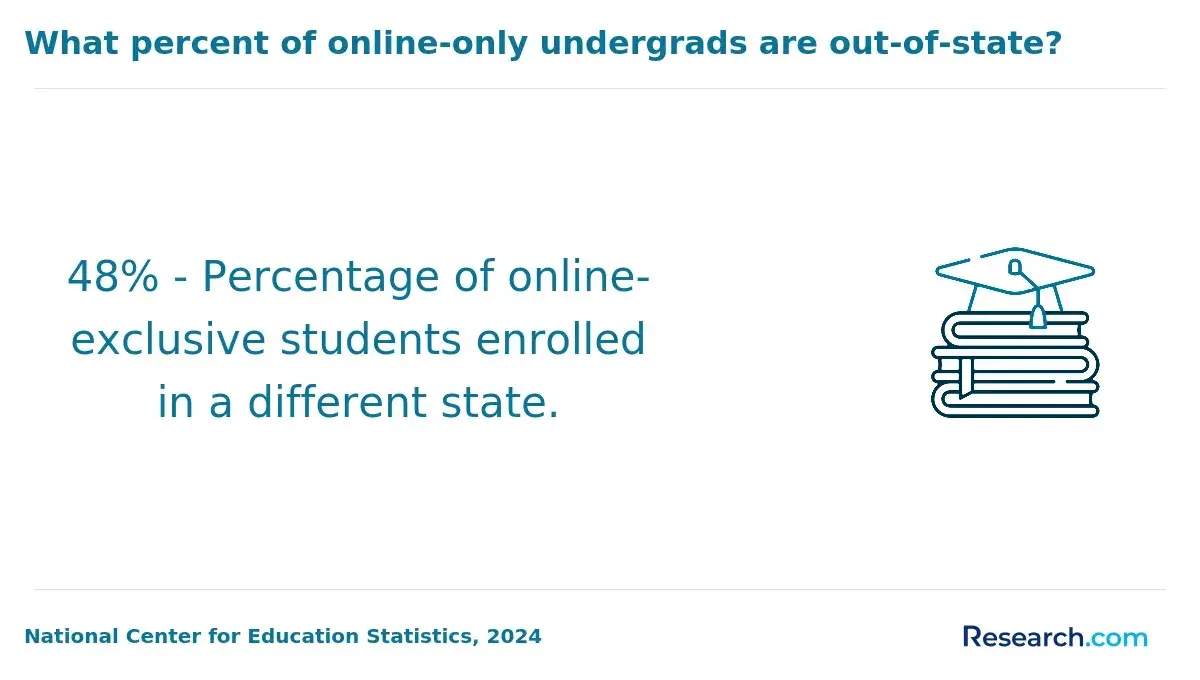
Are Rolling Admissions Common in Online Programs?
Rolling admissions are notably more prevalent in online animation degree programs than in traditional on-campus offerings, reflecting their design to meet flexible student lifestyles. Institutions utilize this model to accommodate remote learners who juggle varying commitments, enabling enrollment at multiple points throughout the year instead of adhering to fixed semesters.
This approach aids programs in managing demand fluctuations and avoiding bottlenecks in faculty and course capacity by spreading student intake across broader timeframes. However, the adoption of rolling admissions varies; some programs maintain cohort-based start dates to preserve collaborative learning dynamics or streamline administrative processes, highlighting differences in online program structures and objectives related to enrollment management.
For students considering animation degree programs with rolling admissions online, the benefits include greater control over start timing and potentially shorter waits for application decisions, which can accelerate entry into the workforce. Yet, highly sought-after online cohorts may still experience intense competition for limited slots despite continuous admission windows, creating a tradeoff between flexibility and availability.
Data from the National Center for Education Statistics shows that around 40% of online bachelor's programs in creative fields employ rolling admissions or multiple start dates, underscoring a shift toward enrollment models tailored for nontraditional students. Prospective learners balancing career shifts or personal obligations should also explore related fields, such as online social work programs, which often share similar flexible admissions strategies aligned with workforce demands.
Do Rolling Admissions Schools Have Higher Acceptance Rates?
Rolling admissions does not inherently mean higher acceptance rates; it is a procedural choice allowing institutions to evaluate applications continuously rather than enforcing a single deadline. Acceptance outcomes depend largely on program-specific factors such as available seats, applicant demand, and cohort size limits.
For example, a highly competitive Animation program with rolling admissions may fill its limited spots quickly, making late applications less likely to succeed despite the flexible timeline. The perception that rolling admissions equals easier entry overlooks these structural constraints and the varying selectivity levels across institutions.
Timing within the rolling admissions cycle can affect chances indirectly since early applicants may benefit from more available slots, but this is a logistical factor rather than a lower admission bar. Admission standards remain consistent regardless of when an application is reviewed, and spots can close before late submissions are considered.
This dynamic is particularly relevant in Animation education, where program type-be it university, art institute, or technical college-and specialization affect competitiveness and workforce alignment. Students should evaluate rolling admissions schools based on how timing flexibility fits their personal and professional context rather than assuming a simpler path to acceptance.
How Much Do Rolling Admissions Animation Programs Cost?
Tuition costs in rolling admissions animation degree programs primarily hinge on credit-hour pricing, not the timing flexibility that these admissions offer. Students typically pay between $300 and $800 per credit hour at public institutions, and $500 to $1,200 at private schools, creating a broad spectrum of financial commitment influenced by the institution's status and delivery format. Rolling admissions themselves do not lower these rates but facilitate staggered enrollment, allowing tuition payments and associated fees to be paced across multiple terms rather than lumped into traditional semester schedules.
This staggered approach can aid in budgeting but requires careful financial planning since institutional fees-covering administration, technology, and sometimes digital resources-still apply per term or course. Course materials and specialized software fees, while not prevalent in all programs, can add unexpected costs especially in online or hybrid formats where technology fees tend to be higher. This cost structure places a premium on understanding the full pricing model rather than the sticker tuition alone when evaluating animation degree program costs in the United States.
Program format further shapes total expenditures, as accelerated or competency-based tracks may shorten time to completion and reduce overall cost, whereas cohort-based or fixed-schedule models might lock students into paying fees over longer periods despite rolling admissions. For example, a part-time working professional opting for an online rolling admissions animation program might pay slightly less in campus facility fees but could incur added expenses for virtual lab access or proctored exams.
The ability to enroll flexibly spreads financial burden but can complicate employer tuition reimbursement timing and personal cash flow. Prospective students seeking cost-effective pathways might compare these factors with alternative flexible setups, such as subscription-style or competency-based programs, often found across disciplines including those in the growing, affordable options outlined in cheapest online construction management degree listings. When assessing average tuition fees for rolling admissions animation programs, this nuanced understanding of payment pacing, fees, and instructional design ultimately informs practical decisions about financing and time investment in animation education.
Are Career Outcomes Different for Rolling Admissions Students?
Career outcomes for students admitted through rolling admissions in animation programs do not show significant variance compared to those accepted via traditional fixed deadlines. Rolling admissions primarily serve as a flexible application timeline, not a factor that directly influences employment or salary prospects.
Instead, key determinants include program quality, accreditation status, and whether the curriculum offers relevant specialization, such as 3D modeling or character design, which align closely with industry demands. Internships and networking remain crucial; the National Association of Colleges and Employers highlights that experiential opportunities can increase job offers by around 20% for creative media graduates, emphasizing the practical over administrative aspects of admission.
Additionally, geographic location plays a prominent role, with entertainment hubs offering more entry-level positions and advancement potential than less concentrated markets. Any indirect benefits gained through rolling admissions, like entering a program earlier and potentially graduating sooner, vary widely depending on institutional structures and individual pacing, making it an unreliable advantage. Labor market projections from the U.S. Bureau of Labor Statistics forecast a 16% growth for multimedia artists and animators through 2032, reflecting increasing demand but not linked to admission timing.
Students should focus resources on programs offering robust professional integration, proven training pathways, and network access rather than relying on admission format as a predictor of long-term success. Variation exists among schools, but no conclusive evidence suggests rolling admissions directly enhance or hinder animation career outcomes.
Can Rolling Admissions Programs Lead to High-Paying Careers?
High-paying careers in animation are predominantly shaped by factors unrelated to the admissions process, including the student's chosen specialization, the institution's reputation and accreditation, and the availability of hands-on training or internships. For instance, graduates focusing on 3D modeling, visual effects, or game design generally encounter different salary trajectories than those in traditional animation or storyboarding.
While rolling admissions programs offer flexibility by allowing applications throughout the year, they do not inherently influence salary potential. Employers prioritize portfolios, skill proficiency, and relevant industry experience over when or how a candidate was admitted.
That said, rolling admissions can offer an indirect advantage through timing-students may enroll earlier, complete their programs sooner, and enter the workforce ahead of peers with fixed deadlines. This early arrival can potentially compound career earnings over time, though its significance varies widely based on individual circumstances and market demand.
Salary data for animation roles typically ranges from $40,000 to $60,000 annually at entry-level, with seasoned professionals or specialists earning six figures; these wide disparities reflect field-specific and skill-based factors rather than admission formats. Ultimately, while rolling admissions provide convenience and accessibility, the long-term financial outcomes depend far more on program quality, networking, and continuous skill development than on flexible enrollment policies.
What Are the Disadvantages of Rolling Admissions Programs?
Rolling admissions programs for animation degrees introduce flexibility but often generate practical challenges that can disrupt students' educational coherence and workforce readiness. While adaptable application timelines serve varied personal circumstances, applicants confront significant tradeoffs that influence collaboration, resource access, and professional perception.
These drawbacks particularly matter for students weighing the pros and cons of flexible application frameworks against the demands of industry expectations.
- Irregular cohort dynamics: Because students enter at different times, the usual immersive cohort experience is fragmented, weakening peer learning and team project cohesion critical to animation practice and networking.
- Unequal resource distribution: Late applicants often face reduced access to scholarships, financial aid, and campus facilities as these resources diminish over the rolling cycle, impacting both affordability and support.
- Competitive disadvantage in placement: Early applicants gain priority for desirable class sections and internship opportunities, whereas later enrollees may end up in less competitive tracks, affecting skill development trajectories.
- Scheduling uncertainty: Without a fixed semester start, students struggle to coordinate internships or part-time work, limiting practical experience integration that employers highly value in animation careers. Approximately 38% of students in rolling admissions programs reported scheduling conflicts delaying their graduation, according to a 2022 survey by the National Association of Schools of Art and Design.
- Perception by employers: Graduates from rolling admissions paths may face assumptions of fragmented training and lower benchmarking against peers enrolled in traditional cohorts, potentially influencing hiring decisions despite comparable capabilities.
Applicants considering challenges of flexible application animation programs should weigh these factors carefully, as the benefits of rolling admissions can be offset by significant operational and professional drawbacks. Those seeking alternative pathways might also explore related credential options, such as online paralegal certificate programs, which illustrate different tradeoffs in flexible program structures and workforce alignment.
How Do You Choose the Best Animation Program With Rolling Admissions?
Choosing among animation programs with rolling admissions demands more than simply appreciating application flexibility; it requires critical appraisal of factors that shape employability and skill relevance. Especially for students balancing work or changing career paths, the core challenge lies in verifying that accessible admissions do not come at the cost of instructional quality or career support.
- Curriculum relevance: Opt for programs that regularly update coursework to incorporate industry-standard software and storytelling techniques. This practical focus often translates into portfolios that employers find compelling.
- Graduation and employment success: Programs with graduation rates exceeding 60% and documented alumni employment metrics demonstrate effective student support systems and solid employer networks, essential for career transitions.
- Faculty industry engagement: Instructors actively working in animation or related sectors bring firsthand insights and networking channels, improving students' transition into studios or freelance work.
- Flexible instructional formats: Growing demand for online and hybrid instruction-up 21% nationally since 2019-supports students juggling personal and professional commitments, sustaining persistence through program completion.
- Career services and internship pipelines: Direct partnerships with studios increase internship opportunities, which frequently lead to job offers and deepen professional integration.
When weighing options among top animation programs with rolling admissions, consider how each program balances accessibility with these practical outcomes. Prospective students might compare these elements alongside complex personal logistics, recognizing that some tradeoffs-like program prestige versus scheduling flexibility-can significantly impact long-term career prospects.
For example, pairing an animation degree with complementary credentials such as an MS in applied artificial intelligence can open diverse vocational pathways unavailable through conventional art programs alone.
What Graduates Say About Animation Degree Programs With Rolling Admissions
- Jason: "Balancing a full-time job while pursuing my animation degree with rolling admissions was tough, but the flexibility was the deciding factor for me. I chose this program because it allowed me to build a strong portfolio incrementally without sacrificing income. Ultimately, this approach landed me a junior animator role at a small studio, though I quickly realized that without specialized certifications, competing for more senior roles remained challenging."
- Camilo: "I transitioned into animation after years in graphic design, constrained by a limited budget and time. The rolling admissions made it easier to start right away, and I focused heavily on internships to compensate for my initial lack of industry-specific skills. While I'm now employed as a storyboard artist, I found that employers valued practical experience and recommendations far more than licensure or formal accolades."
- Alexander: "Completing my animation degree while managing a heavy workload was a calculated risk; I chose the program for its remote options and steady admissions. This enabled me to quickly enter the workforce and accept freelance gigs, which helped me build a diverse portfolio. However, I've noticed that without a traditional degree timeline, some clients question the rigor of my training, which influences the types of projects I can secure."
Other Things You Should Know About Animation Degrees
Since rolling admissions can create asynchronous class schedules, certain specialized electives or advanced courses may only be available during specific terms. This might delay progression in niche areas like 3D character rigging or visual effects if a student begins mid-cycle. Students aiming for highly technical or specialized roles should investigate how rolling admissions programs sequence or rotate these courses before committing, as timely access to advanced skills heavily influences employability in competitive animation jobs.
Animation is a craft that benefits from continuous mentorship and critique. Programs with rolling admissions sometimes face challenges ensuring consistent faculty availability, as instructors may not be scheduled continuously throughout the year or might prioritize cohorts that start in standard terms. Applicants should weigh the likelihood of receiving consistent feedback versus gaining flexible start dates, especially if they rely heavily on faculty mentorship to develop portfolios or refine technical skills vital for industry placement.
While rolling admissions offer schedule flexibility, they often diminish the traditional cohort bonding that facilitates networking and peer support, which are critical in animation careers reliant on collaborative studios and freelance engagements. If networking is a key goal, students might prioritize programs with fixed start dates and larger, synchronized classes to maximize peer and industry connection opportunities. When flexibility is essential, supplementing with external industry events or online animation communities becomes necessary to compensate for less cohort cohesion.
References
- How to Choose the Right Animation School in Canada? https://www.vanarts.com/news-article/how-to-choose-the-right-animation-school-in-canada-7-factors-that-matter/
- FULL-TIME | WINNIPEG LOCATIONS ANIMF-DP Animation https://catalogue.rrc.ca/Programs/WPG/Fulltime/ANIMF-DP/PrinterFriendly
- Animating student engagement: The impacts of cartoon instructional videos on learning experience | Research in Learning Technology https://journal.alt.ac.uk/index.php/rlt/article/view/2124/2514
- Why Choose Animation as a Career | MAAC Academy https://www.maacacademy.com/why-choose-animation-as-a-career
- What Can You Do With an Animation Degree? https://pnca.willamette.edu/academics/bfa/animated-arts/career-options
- BSc Animation Salary and Career Opportunities 2025-26 - Artemisia College https://www.artemisiacollege.com/blog/bsc-animation-career-opportunities-salary/
- Building A Portfolio At Any Age: How Animation Students Go From Beginner To Art School Ready - Elite Animation Academy https://eliteanimationacademy.com/2026/04/building-a-portfolio-at-any-age/
- The Advantages and Disadvantages of Rolling Admissions https://www.petersons.com/blog/the-advantages-and-disadvantages-of-rolling-admissions/
- Top 50 Animation Schools and Colleges in the U.S. – 2025 College Rankings | Animation Career Review https://www.animationcareerreview.com/articles/top-50-animation-schools-and-colleges-us-2025-college-rankings
- Schools for animation? Just starting this process, need help https://talk.collegeconfidential.com/t/schools-for-animation-just-starting-this-process-need-help/1594106