2027 Animation Degree Programs You Can Start Without Meeting All Requirements

Co-Founder and Chief Data Scientist
Many prospective students face obstacles when applying to animation degree programs-falling short of GPA requirements or lacking prerequisite coursework can block immediate admission. Yet, a growing number of institutions now offer conditional admission, bridge courses, and alternative credential evaluations to open early enrollment pathways. These flexible options help individuals re-entering education or changing careers begin their training without delay.
According to the Bureau of Labor Statistics, multimedia artists and animators earn a median annual wage of $78,790, highlighting strong career prospects. This article explores these legitimate admission alternatives, institutional supports, and academic expectations-equipping readers with strategies to start animation degrees before fully meeting all standard requirements.
Key Things to Know About Animation Degree Programs You Can Start Without Meeting All Requirements
- Conditional admission policies allow students who lack full prerequisites to begin animation degree programs while completing required courses with a minimum GPA threshold-typically around 2.0 to 2.5-to maintain enrollment.
- Bridge and foundational courses offer intensive skill-building opportunities for those transferring or returning after a gap, enabling smoother transitions into core animation curricula without delaying progress.
- Programs increasingly accept alternative credential reviews-including portfolios and professional experience-to assess applicant readiness beyond traditional transcripts, reflecting industry demand for diverse animation talents.
What is the minimum GPA requirement for an animation degree program?
The minimum GPA required for animation degree programs varies widely, reflecting differing institution selectivity. Highly selective schools-often those with nationally recognized art or technology reputations-set GPA expectations between 3.0 and 3.5.
Moderately competitive institutions may require between 2.5 and 3.0, while open-admission colleges sometimes accept students with GPAs as low as 2.0 or below. These ranges show the diverse thresholds applicants face when applying.
Admissions committees also consider factors beyond cumulative GPA-such as grade trends that highlight steady improvement-and whether applicants completed rigorous courses in math, design, or technology.
Grade replacement policies, where recent grades supersede older ones, can improve eligibility by reflecting updated academic performance. Understanding these nuances can help applicants assess their competitiveness.
Students with a GPA below the minimum academic GPA for conditional admission in animation should connect with admissions counselors before assuming they are disqualified. Counselors may guide students toward holistic reviews that incorporate portfolios, work experience, or standardized test scores.
Some programs offer conditional admission pathways, allowing early enrollment while completing required coursework and meeting GPA benchmarks.
- Selectivity: GPA ranges differ from open-access to highly selective schools.
- Grade Trends: Steady improvement can offset lower cumulative GPAs.
- Course Rigor: Challenging subjects may positively influence admission decisions.
- Policy Variations: Grade replacement and holistic reviews provide flexibility.
- Next Steps: Engage admissions staff and explore conditional admission opportunities.
Next, we will explore schools that explicitly support students with academic deficiencies through structured conditional acceptance programs and foundational course offerings. For those seeking the easiest doctorate to get, exploring flexible academic pathways modeled after such conditional systems can be an insightful next step.
Which animation programs accept applicants on academic probation or with academic deficiencies?
Applicants with academic probation records or transcript deficiencies often find pathways into animation degree programs through conditional admission tracks designed to support their academic improvement. Such programs typically require students to meet specific GPA benchmarks within a limited credit load during their initial term while benefiting from structured advisor oversight.
- Savannah College of Art and Design (SCAD): This regionally accredited institution offers conditional enrollment for students below the usual GPA threshold. Probationary students must maintain a minimum 2.0 GPA in no more than 12 credit hours their first term.
- Advisor oversight includes mandatory biweekly meetings to assess progress and provide tutoring support.
- California Institute of the Arts (CalArts): Accepting some applicants with academic deficiencies through its foundational year, CalArts emphasizes portfolio development alongside academic skills. Students typically take 9 to 12 credits and must uphold at least a 2.5 GPA to continue.
- Academic advisors meet monthly to offer personalized guidance and adjust course plans.
- Ringling College of Art and Design: Provisional admission is granted if remedial coursework is successfully completed in the first semester. Students maintain at least a 2.0 GPA while enrolled in up to 12 credits.
- A faculty mentor conducts weekly check-ins and progress evaluations.
- Columbia College Chicago: This regional university's animation program allows conditional enrollment based on individualized academic reviews. Students in probationary status must earn a minimum 2.2 GPA during their first 15 credits.
- Regular advising every two weeks focuses on time management and skill development strategies.
- DePaul University: At DePaul's College of Computing and Digital Media, conditional tracks for transfers and other students with academic challenges require achieving at least a 2.3 GPA in a maximum of 13 credits.
- Advisor follow-ups occur every three weeks alongside required attendance in supplemental instruction workshops.
Policies on conditional admission vary widely-especially between undergraduate and graduate animation degree programs-so students should verify requirements with admissions offices to ensure the most up-to-date information. Importantly, applying with a history of academic probation does not automatically bar acceptance.
Strong personal statements that explain academic growth, combined with compelling references, can provide vital context to complement conditional admission decisions. For those looking to re-enter education after a professional gap or career change, understanding these flexible pathways can be crucial.
Prospective students interested in related flexible degree options might also explore affordable online masters in psychology, which can sometimes serve as alternative or complementary academic pathways. Learn more about these programs at affordable online psychology masters.
How do conditional admission and provisional enrollment work for animation degree seekers?
Conditional admission and provisional enrollment represent two separate entry routes for students beginning animation degree programs without fully meeting all admission criteria. These terms often overlap in use but differ in key aspects, impacting students' academic paths.
- Conditional Admission: Students receive this status when accepted under academic or prerequisite requirements. They might have to maintain a minimum GPA-commonly between 2.5 and 3.0-or finish foundational courses like art basics or design principles within one or two semesters. Meeting these requirements leads to full program acceptance; failure usually results in losing admission.
- Provisional Enrollment: Typically a temporary status assigned while students provide pending documents such as test scores or transcripts. This unclassified status allows limited course participation but is generally limited to one semester, with full admission contingent on timely submission of the required materials.
- Performance Benchmarks: For conditional admits, maintaining GPA standards, passing designated foundation classes, and portfolio criteria apply. Provisional enrollees focus mostly on documentation deadlines and initial course grades.
- Path to Full Admission: Conditionally admitted students often reach full standing by successfully completing bridge courses and demonstrating steady academic progress, showing this path supports persistence rather than elimination.
- Key Questions for Admissions:
- What causes conditional or provisional status?
- What is the timeline for progress review?
- Who decides on full admission?
One animation professional who graduated after conditional admission reflected, "At first, keeping my GPA above the set minimum felt overwhelming, especially juggling foundational classes I hadn't taken before. But having clear milestones helped me stay focused.
The school's support programs were crucial-they checked in regularly to guide me. When I submitted my portfolio, I realized the conditional status wasn't a barrier but a structured way to grow. Looking back, meeting those early challenges boosted my confidence more than just being admitted outright."
What alternative admission pathways are available for animation programs when prerequisites are not met?
Many alternative admission pathways are available for animation programs when prerequisites are not met. Here are some of them:
Portfolio Review: Many animation programs emphasize creative skills and allow applicants to gain conditional enrollment pathways for animation prerequisites by submitting a detailed portfolio. These portfolios typically include original artwork, storyboards, or animation samples. This pathway is common in Bachelor of Fine Arts (BFA) programs in animation, digital arts, and visual effects. Applicants need to present high-quality digital or physical work evaluated by dedicated faculty or portfolio committees that assess artistic merit beyond academic records.
- Types of programs: BFA degrees in Animation, Digital Arts, and Visual Effects.
- Required documentation: Original artwork, storyboards, character designs, or animation projects.
- Institutional support: Faculty committees or portfolio panels conducting artistic evaluations.
Demonstrated Professional Experience: Some institutions waive traditional prerequisites by recognizing hands-on industry experience. This flexible admission option suits professional certificates, associate degrees, and certain bachelor's programs. Candidates submit resumes, recommendation letters from industry contacts, work samples, or client feedback. Admissions collaborate with career services and academic staff to verify professional skills in place of formal coursework.
- Types of programs: Professional certificates, associate degrees, and selective bachelor's programs.
- Required documentation: Resumes, letters of recommendation, and work samples.
- Institutional support: Joint evaluation by career services and academic departments.
Prior Learning Assessment Credit (PLAC): By submitting evidence of previous training, certifications, or self-directed projects aligned with curriculum outcomes, students can bypass prerequisites through formal evaluation. This policy is prevalent among community colleges and state universities offering animation diplomas or degrees. Trained evaluators assess experiential learning via standardized tests, portfolio reviews, or challenge exams.
- Types of programs: Community colleges and state university animation degrees or diplomas.
- Required documentation: Certifications, training credentials, or relevant projects.
- Institutional support: Offices specialized in assessing prior learning.
Placement Testing: Applicants may sit for exams demonstrating proficiency in foundational animation skills such as drawing, design basics, or software use, bypassing missing prerequisites. This pathway primarily serves associate degrees and certificate programs. No additional documentation is needed beyond successful test results, which are administered by testing centers linked to admissions or continuing education departments.
- Types of programs: Associate degrees and certificate programs focused on core animation skills.
- Required documentation: None beyond exam performance.
- Institutional support: Integrated testing centers within admissions or continuing education.
Prospective students should actively reach out to department chairs or program directors to explore these alternative admission options for animation degree programs. Many schools facilitate such flexible pathways informally and do not prominently display them on official websites. Direct communication often clarifies details about deadlines, academic conditions, and performance expectations more effectively than centralized admissions offices.
For learners exploring different educational fields or balancing other commitments, reviewing options like an accelerated construction management degree online may also be worthwhile when considering alternative academic routes.
Which animation programs allow students to begin while completing the remaining prerequisites concurrently?
Certain animation programs allow students to start core degree classes while finishing prerequisite courses simultaneously through concurrent or co-requisite enrollment-unlike conditional admission, which lets students enroll only on the condition they meet academic criteria like GPA minimums or pass specific classes within a set time.
Concurrent enrollment enables a more flexible schedule by permitting foundational and animation courses at the same time, often pairing introductory classes such as statistics or research methods with a first-semester animation core course. This model is especially helpful for community college transfers, adult learners re-entering education, or career changers with incomplete transcripts but relevant experience.
The increased workload is significant-students must juggle demands from both foundational coursework, which may require detailed study and practice, and creative animation assignments. Success requires strong organization, focused time management, and added study hours, particularly for those balancing jobs or family duties.
To find out if an animation program offers this concurrent enrollment option, students should:
- Review Course Catalogs: Look for co-requisite or concurrent enrollment details in official program materials.
- Consult Academic Advisors: Discuss policies regarding prerequisite completion and concurrent course registration.
- Request Degree Audits: Get a personalized report to identify outstanding courses and plan schedules that include core animation classes.
Effective strategies for managing the dual workload include:
- Prioritization: Allocate focused time blocks for prerequisite and animation coursework separately.
- Consistent Scheduling: Maintain a balanced weekly routine that accommodates study, work, and personal life.
- Utilizing Support Services: Seek tutoring, peer study groups, and counseling early to build support.
- Communication: Stay in touch with instructors about assignments and deadlines to avoid setbacks.
When asked about which animation programs permit beginning coursework while completing prerequisites, a professional who established her career after graduating reflected, "Balancing foundational courses with demanding animation projects was tough but rewarding.
The flexibility to take both at once helped me stay on track despite my incomplete transcript and part-time job. It required careful planning and reaching out for advising more than once, but it made the difference in progressing steadily without losing momentum." She emphasized that this combined approach often feels overwhelming initially, but building consistent habits and using available institutional supports made it manageable and ultimately essential to her success."
How do community college partnerships help students enter animation programs without full qualifications?
Community college partnerships-such as 2+2 articulation agreements and dual-enrollment programs-offer students who lack full admission qualifications a chance to start animation coursework at the two-year level while preparing for transfer to bachelor's or graduate programs.
These pathways ease entrance by allowing learners to build necessary academic and practical foundations early on.
- Prerequisite Completion: Coursework covering fundamental subjects like drawing, digital media, and art history equips students with the essential background required by four-year animation programs.
- GPA Rebuilding: Stable, focused study at community colleges enables applicants to enhance their academic records before transfer, reducing dependency on freshman admission standards.
- Foundational Skill Development: Emphasis is placed on building proficiency in design software, storytelling, and other hands-on skills valued by admissions committees.
- Articulation Agreement Identification: Prospective students should review transfer policies of target animation schools and consult community college advisors to verify formal partnerships.
- Alternative Transfer Routes: Without official agreements, students can still accumulate transferable general education and core animation credits before coordinating directly with four-year admissions to plan a transfer.
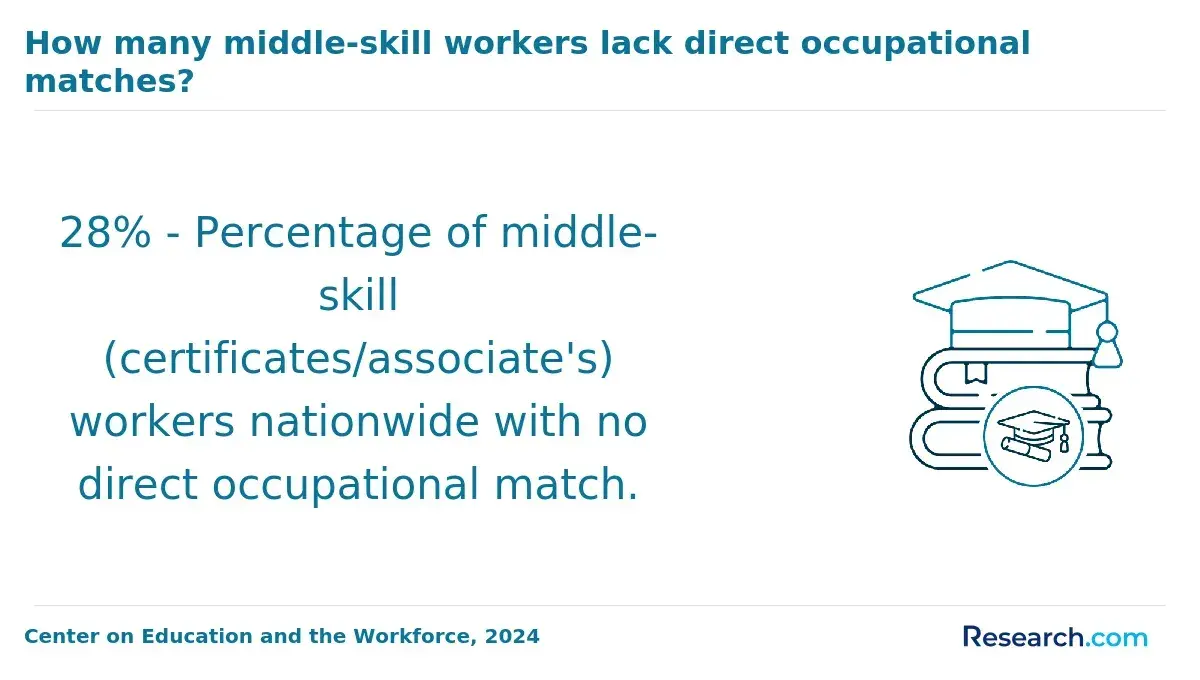
Transfer admission evaluations often apply greater flexibility than freshman admissions-considering course quality, grade trends, and relevant experience rather than strict GPA cutoffs. This leniency benefits career changers, adult learners, and students with complex academic histories. Data from 2023 reveals nearly 45% of animation and digital arts bachelor's students began their education at community colleges, underscoring the increasing importance of these pathways.
What role do personal statements and letters of recommendation play in gaining animation program access without meeting all requirements?
Personal statements and letters of recommendation serve as essential tools for candidates seeking admission to animation programs when their quantitative credentials-such as GPA, test scores, or prerequisite courses-fall short. These documents offer a holistic perspective, allowing applicants to highlight strengths beyond numbers.
A strong personal statement for conditionally admitted animation applicants should include:
- Candidness: Honest reflection on academic challenges or setbacks, showing self-awareness without making excuses.
- Forward Focus: Clear explanation of how past experiences-whether creative projects or professional work-have equipped the applicant for demanding academic study.
- Program Fit: Specific reasons why the selected animation program aligns with the applicant's goals, interests, and learning style.
Letters of recommendation carry the greatest influence when written by individuals familiar with the applicant's intellectual abilities or professional achievements. Supervisors, mentors, or faculty who can attest to creative talent, discipline, and problem-solving skills outweigh generic character references. These endorsements reassure admissions committees that despite missing some credentials, the applicant possesses the necessary qualities for success.
Additional considerations include:
- Authenticity: Both personal statements and recommendations should avoid exaggeration and present a believable narrative.
- Specificity: Concrete examples supporting claims of readiness strengthen the application.
- Perspective: A focus on conditional admission as a bridge to full qualification, not a way to bypass standards.
Which animation programs offer bridge or foundational courses that replace unmet admission requirements?
Many animation programs offer bridge or foundational courses that replace unmet admission requirements. Here are some of them:
Non-Credit Boot Camps: Offered mainly by art institutes and select universities, these short-term, intensive programs focus on practical skills like drawing, software proficiency, and storytelling fundamentals. They are designed to prepare students quickly, often providing a certificate of attendance rather than formal academic credit. While boot camps typically last a few weeks to a couple of months and are relatively affordable compared to full courses, they do not usually shorten the overall timeline to complete an animation degree. This option works well for students seeking foundational course options for flexible admission in animation programs.
Post-Baccalaureate Preparatory Sequences: These are college-level courses offered by research universities and art colleges for students who already hold a degree but need prerequisite animation coursework. Credits earned appear on official transcripts and sometimes apply toward degree requirements. Usually extending over one to two semesters, post-baccalaureate sequences can delay full degree enrollment; however, they offer significant readiness improvements. Tuition aligns with standard rates, making this a larger financial investment, yet potentially shortening degree duration. This pathway suits career changers with incomplete transcripts aiming for animation degree programs with bridge courses for unmet requirements.
Certificate-Level Prerequisite Bundles: Common at community colleges and some universities, these bundled certificates group foundational animation courses to meet admission criteria. They grant formal credentials on academic records and may allow direct transfer into bachelor's programs upon completion. Typically lasting one to two years, this route provides a structured framework but might extend the time before entering the main degree curriculum. Costs vary, often being more affordable at community colleges. Adult learners and transfer students can benefit from such bridge and foundational course options for flexible admission.
Self-Paced Online Remediation Modules: Increasingly offered by public universities and private providers, these modules let students complete prerequisite work remotely and on their own time. Some providers record formal credit, while others treat them as supplemental preparation without transcript notation. Although convenient for managing time constraints, self-paced options usually do not shorten degree timelines since passing all modules is required before full enrollment. Fees range widely-from free to several hundred dollars per module. This pathway often appeals to high school graduates with unmet GPA thresholds seeking animation degree programs with bridge courses for unmet requirements.
Bridge programs and foundational course options are frequently not prominent in admissions materials. Prospective students should actively request information about these pathways when contacting admissions offices to understand eligibility, course sequencing, and integration with full programs.
Being informed about these alternatives helps applicants-whether community college transfer students, adult learners, or career changers-find legitimate routes into animation degree programs without unnecessary delay or expense. For those comparing costs and program flexibility, exploring online colleges for real estate can offer additional insights into affordable educational pathways in other fields that share similar admission challenges.
How does work experience or professional background substitute for academic requirements in animation programs?
Many animation degree programs recognize that some applicants may not meet all academic criteria at entry. In such cases, relevant work experience as admission criteria for animation programs can serve as a valuable substitute-especially when admissions use holistic reviews considering the full range of a candidate's qualifications beyond grades.
Key types of professional background substituting academic requirements in animation degrees include:
- Industry Certifications: Credentials from recognized animation software vendors or professional organizations demonstrate technical expertise and dedication.
- Field-Specific Employment: Several years working in animation studios, freelance roles, or closely related creative industries highlight practical skills and real-world application.
- Leadership Roles: Managing animation teams or projects reflects maturity, responsibility, and industry insight.
- Published or Presented Work: Contributions to exhibitions, conferences, or professional portfolios showcase artistic quality and peer acknowledgment.
- Volunteer and Community Service: Engagement in animation education, local arts initiatives, or nonprofit creative programs illustrates passion and wider commitment.
To present this experience, applicants should prepare a professional resume tailored to an academic audience-emphasizing relevant skills, quantifiable achievements, and ongoing development. Supplemental materials might include work samples, detailed role explanations, and letters of recommendation focused on professional competence rather than academic record. Admissions committees may also request references from supervisors or colleagues who can attest to the applicant's technical and creative aptitude.
A vital caution: prospective students must verify that each program formally considers non-academic credentials before investing significant effort. Policies differ, and thorough documentation of professional background may not influence admission decisions if committees do not review such materials. Early inquiries can clarify eligibility for conditional admission, bridge courses, or support systems allowing early enrollment before completing traditional coursework.
For related insights on career-related earnings, see how much do forensic psychologists make.
What financial aid and scholarship options are available to conditionally admitted animation students?
Many financial aid and scholarship options are available to conditionally admitted animation students. Here are some of them:
Federal Aid: Students conditionally admitted to Animation programs can still access federal financial aid by completing the Free Application for Federal Student Aid (FAFSA). Eligibility generally requires enrollment at a minimum of half-time and maintaining satisfactory academic progress, which typically involves meeting GPA and course completion standards set by the institution.
Institutional Scholarships: Colleges frequently offer scholarships aimed at students with nontraditional admission pathways-such as adult learners, re-entry candidates, and those with interrupted academic histories. These awards often prioritize professional experience, portfolio quality, or potential in Animation over traditional grade metrics. Departments and foundations may have specific funding that supports these unique student profiles.
Private Scholarships: Various private organizations provide aid tailored to Animation students with diverse or nonstandard backgrounds. Career changers and individuals returning from educational breaks may find scholarships requiring essays, recommendation letters, or samples of artistic ability to compensate for weaker academic records.
Enrollment Intensity and Academic Progress: Maintaining financial aid eligibility hinges on staying enrolled at least half-time and meeting institution-defined satisfactory progress benchmarks. Falling below these standards-such as dropping multiple courses or missing GPA targets-can suspend aid until standards are regained.
Advising and Financial Planning: Prospective students should proactively consult both their financial aid office and Animation program advisers before accepting conditional admission. Coordination is key, as enrollment status and academic progress directly impact aid packaging decisions, helping prevent unforeseen costs or loss of funding during the conditional term.
How do online animation programs compare to campus-based programs in admission flexibility?
Here's how online animation programs compare to campus-based programs in admission flexibility:
Admission Flexibility: Online animation programs-especially those within large public university systems or for-profit schools-often provide more accessible entry options than traditional campus programs. They commonly allow prerequisite waivers, accept alternative credentials, and implement conditional admissions to accommodate students such as adult learners, career changers, and transfer students still completing requirements.
Conditional Enrollment: While both formats may use conditional admissions, online programs frequently offer bridge or foundational courses that students must finish before full acceptance. These courses establish clear academic milestones and a timeline that students must meet to remain enrolled.
Accreditation And Degree Outcomes: Despite greater leniency in entry criteria, many online animation degrees meet the same regional accreditation standards as their on-campus counterparts. This ensures that graduates receive credentials with comparable quality and market recognition.
Support Infrastructure: Students admitted conditionally online should assess differences in available resources:
- Academic Advisors: Virtual advising is typical online but responsiveness varies widely.
- Tutoring Services: On-campus tutoring tends to be easier to access, whereas online tutoring may be limited or require scheduling.
- Disability Accommodations: Both formats legally provide accommodations, though ease of access depends on institutional support capacity.
- Mental Health Resources: Campus students often benefit from direct in-person counseling; online students rely on telehealth services, which differ by school.
Quality Vs. Flexibility: Admission flexibility does not mean compromised program quality. Prospective students should verify accreditation, review graduation rates, and consider job placement statistics to ensure their chosen program meets professional and academic standards-not simply accepting ease of entry as a primary factor.
What Graduates Say About Animation Degree Programs You Can Start Without Meeting All Requirements
- Jason: "Starting the animation degree without meeting all the initial requirements was initially intimidating, but it gave me the chance to dive in and prove myself academically. The key was maintaining a solid GPA and staying on top of coursework-these performance benchmarks weren't just formalities but genuine motivators. The program's clear timeline expectations helped me organize my efforts, so I never felt overwhelmed despite the conditional admission. This experience taught me resilience and commitment in a way traditional entry routes might not have."
- Camilo: "Reflecting on my journey through the animation program, starting conditionally meant I had to be extra mindful of academic obligations from day one-attendance, participation, and timely assignment submission counted heavily. The timeline expectations set a pace that felt rigorous but fair, pushing me to develop a steady workflow. Those performance benchmarks weren't just hoops to jump through; they became personal goals that made my progress measurable and rewarding."
- Alexander: "From a professional standpoint, joining the animation degree with conditional status was a strategic move-knowing the academic obligations upfront meant I could tailor my work habits accordingly. The timeline expectations were ambitious, demanding a disciplined approach, but ultimately they prepared me for industry pressures. Meeting those performance benchmarks consistently proved critical, reinforcing that success in animation is as much about persistence and adaptability as raw talent."
Other Things You Should Know About Animation Degrees
Students can strengthen their early admission applications by demonstrating relevant skills through portfolios, prior coursework, or professional experience in animation or related fields. Letters of recommendation and personal statements explaining commitment and capacity to succeed also help. Some programs consider completion of foundational classes at community colleges or online platforms as evidence of preparedness despite not meeting all formal criteria.
Animation programs often provide bridge courses, tutoring, and mentoring to help conditionally admitted students catch up academically. Advisors assist with tailored course planning to meet degree progression requirements. Additionally, access to workshops on software tools and portfolio building supports skill development critical for success in animation disciplines.
Transfer students typically undergo a credit evaluation to identify transferable coursework relevant to the animation curriculum. They may need to complete prerequisite art or technical classes before full admission is granted. Academic advisors guide these students through customized pathways-balancing their prior credits with foundational animation studies to meet graduation criteria efficiently.
References
- Animation degree UCAS personal statement advice | University for the Creative Arts https://www.uca.ac.uk/blogs/animation-ucas-personal-statement-advice/
- Best Animation Bachelor's Degree Programs, Jobs, and Salaries https://careerkarma.com/blog/best-animation-bachelors-degrees/
- 4 Animation Scholarships available https://www.hotcoursesabroad.com/study/international-scholarships/all/qn/animation/cid/qid/jb.64/scholarship.html
- Animation Career and Experiences That Matters https://ianimate.net/more/articles/animation-career-and-experiences-that-matters
- Top 10 Animation Scholarships to Apply for in November 2025 https://bold.org/scholarships/by-type/animation-scholarships/
- Animation Prerequisites: What to Learn Before Animation https://blog.nobledesktop.com/learn/animation/animation-prerequisites
- What Education Do You Need to Be an Animator? Degree vs. Self-Taught by Billy Perry https://contra.com/p/3B7MPN32-what-education-do-you-need-to-be-an-animator-degree-vs-self-taught
- WHICH ANIMATION SCHOOL PREPARES YOU BETTER FOR A CAREER IN ANIMATION? — Hollywood Animation Academy https://www.hollywoodanimationacademy.com/the-animation-school-blog/comparison-of-top-anmation-schools-in-the-us
- Art Programs for Students with Interests in Animation https://talk.collegeconfidential.com/t/art-programs-for-students-with-interests-in-animation/928095
- How to Become a 2D animator without a degree: a step-by-step guide to success https://animationclub.school/blog/how-to-become-a-2d-animator-without-a-degree/