2027 Behavioral Health Leadership Degree Growth by State: Where Interest Is Rising the Fastest

Co-Founder and Chief Data Scientist
State-level shifts in healthcare demands and evolving regulatory frameworks increasingly shape where behavioral health leadership degrees gain traction. For instance, states with rapid population growth and expanded Medicaid access drive heightened enrollment, reflecting practical workforce adjustments.
The National Center for Education Statistics reports a 22% rise in online master's enrollments in healthcare fields since 2022, underscoring a growing preference for flexible program delivery among adult learners balancing work and study. This trend not only shapes which states see surging interest but also signals how accessibility and labor market responsiveness influence candidates' strategic choices in advancing behavioral health leadership careers.
Key Things to Know About the State Where Behavioral Health Leadership Degree Interest Is Rising the Fastest
- States with expanding online program offerings, like Florida, show faster enrollment growth as adult learners balance work and study, yet this flexibility can lengthen time-to-degree, affecting long-term workforce entry timing.
- Regions such as Colorado face stringent state-level licensure regulations that raise employer standards, signaling graduates require more specialized training but may encounter fewer immediate job openings.
- Economic recovery zones in Texas drive demand for behavioral health administrators, encouraging institutional investment in accelerated tracks, but rising tuition in these high-growth areas strains affordability for some applicants.
- Which States Are Seeing the Fastest Growth in Behavioral Health Leadership Degree Enrollment? States Seeing the Fastest Growth in Enrollment
- What Does Enrollment Growth in Behavioral Health Leadership Programs Actually Tell Prospective Students? Interpreting Enrollment Growth
- How Do Regional Job Market Conditions Drive Behavioral Health Leadership Degree Demand by State? Role of Regional Job Market Conditions
- Which States Have Added the Most New Behavioral Health Leadership Degree Programs in the Last Five Years? States That Have Added the Most Programs
- How Has the Rise of Online Education Changed Which States Lead in Behavioral Health Leadership Program Interest? Role of Online Education in Increased Program Interest
- What Demographic Trends Are Fueling Behavioral Health Leadership Degree Growth in Specific States? Demographic Trends Fueling Growth
- How Do State Funding Levels for Behavioral Health Leadership Services Influence Degree Program Growth? Role of State Funding Levels
- Which States Are Emerging as Unexpected Leaders in Behavioral Health Leadership Degree Interest? States Emerging as Unexpected Leaders in Growth
- How Does State Population Size Affect the Interpretation of Behavioral Health Leadership Degree Growth Data? Role of State Population Size
- What Role Do State Licensing Requirements Play in Driving or Suppressing Behavioral Health Leadership Enrollment? Role of State Licensing Requirements
Which States Are Seeing the Fastest Growth in Behavioral Health Leadership Degree Enrollment?
Enrollment growth in behavioral health leadership degree programs across the United States is reshaping the landscape of workforce development, reflecting not just rising interest but also shifting regional demands that influence hiring patterns and program availability. Analyzing data from the Integrated Postsecondary Education Data System (IPEDS) reveals these increases align with states experiencing targeted policy initiatives, demographic shifts, and healthcare reforms that amplify the need for leaders skilled in managing complex behavioral health systems. For prospective students, regional trends in behavioral health leadership enrollment signify more than program popularity-they highlight where institutional capacity intersects with practical workforce demand, which can determine graduates' employment opportunities and career mobility.
- California: Leading in absolute growth, California combines its vast population with strategic investments in mental health infrastructure, which means students enrolling here often contend with a highly competitive job market alongside abundant opportunities in integrated care models, particularly within public health systems.
- Texas: With rapid expansion in graduate behavioral health leadership offerings, Texas reflects a state actively reforming both urban and rural healthcare delivery. Graduates entering this market may face varied employer expectations depending on location, balancing broad leadership skills with specialized competencies to meet shortages in licensed practitioners.
- Florida: Florida's growth coincides with its aging population and culturally diverse communities, requiring leadership adept at navigating multifaceted care environments. Programs here increasingly emphasize strategies tailored to older adults and multicultural service delivery, expected in many local healthcare organizations.
- Ohio: State incentives and academic-provider collaborations fuel Ohio's enrollment spike, which signals an investment in workforce pathways designed to enhance leadership capacity in existing behavioral health organizations. Graduates here benefit from strong ties between education and active service networks but may also experience localized licensure nuances affecting mobility.
- Massachusetts: Massachusetts' expansion reflects its robust healthcare ecosystem and emphasis on innovative leadership education. However, the density of institutions focusing on behavioral health leadership can create tradeoffs between program specialization and network saturation in certain metro areas.
This geographic clustering exposes how economic and regulatory environments combine with institutional focus to drive states' enrollment patterns for behavioral health leadership. Subsequent sections will delve into the socioeconomic drivers behind this growth and assess how it aligns with evolving licensure and labor market realities, offering critical insights for students evaluating online nursing programs or behavioral health leadership studies. Understanding these dynamics enables prospective enrollees to align educational choices with realistic employment prospects and program quality considerations shaped by regional variance.
What Does Enrollment Growth in Behavioral Health Leadership Programs Actually Tell Prospective Students?
Enrollment growth in behavioral health leadership programs can mislead prospective students if viewed without deeper analysis; growth alone does not guarantee quality or positive career outcomes. For example, a program expanding rapidly in a region with surging demand for mental health professionals may offer significant employability advantages, while another growing mainly through lowered admission standards may leave graduates underprepared and facing credentialing challenges.
Raw enrollment data offers an initial signal of interest but falls short of painting a full picture. Contextual metrics such as retention and graduation rates, work placement statistics, and licensure exam success are indispensable to assessing whether growth reflects true academic rigor and labor market alignment. Distinguishing programs growing from market-driven demand versus those relying on aggressive recruitment necessitates attention to these outcome indicators.
- Retention And Graduation Rates: Strong retention and graduation rates demonstrate a program's capacity to support students through to completion, indicating substantive educational quality beyond recruitment volume.
- Job Placement Outcomes: Employment rates in relevant behavioral health leadership roles reveal whether graduates hold real-world value in the current workforce landscape.
- Licensure Pass Rates: High pass rates signal preparedness essential for credentialed practice, differentiating programs that prioritize exam readiness from those that may compromise standards.
- Quality Versus Quantity: Genuine program excellence aligned with workforce needs contrasts sharply with growth driven by marketing strategies and relaxed admissions, a critical distinction for long-term career prospects.
- Critical Inquiry: Prospective students should combine growth data with direct feedback from current enrollees and alumni to gauge program culture, support mechanisms, and career pathways before deciding.
How Do Regional Job Market Conditions Drive Behavioral Health Leadership Degree Demand by State?
Demand for behavioral health leadership degrees is closely tied to nuanced regional labor market conditions, with varying state-level factors shaping enrollment trends and career outcomes. Prospective students should weigh local workforce expansions, sectoral hiring patterns, and incentive structures, as these elements influence job availability, practicum quality, and earning potential. For instance, in states where public sector agencies and healthcare systems are actively growing mental health services, graduate behavioral health leadership programs attract more applicants responding to immediate employment possibilities.
- California: The state's sizable and diverse population coupled with significant investments in public mental health infrastructure drives strong growth in behavioral health leadership roles. This results in abundant practicum opportunities across varied healthcare settings and generally higher salary scales post-degree.
- Florida: Rapid demographic expansion alongside initiatives boosting school-based mental health services increases demand for behavioral health leadership credentials, making the state's programs particularly attractive for school district employees and community health professionals transitioning into leadership roles.
- Texas: Economic growth plus public health funding, especially in large metro areas, combined with employer retention incentives, strengthens demand for credentialed leaders in behavioral health. These labor dynamics encourage local degree pursuit to maximize employer connections and job prospects.
- Washington: Emphasizing integrated behavioral health within primary care and community agencies, Washington's job market shows robust expansion, offering strong practicum engagements that appeal to students valuing hands-on experience and employer networking.
- New York: A complex healthcare ecosystem with aggressive expansion in mental health services creates steady position growth, but the state's high cost of living affects salary negotiations, a critical consideration for degree candidates planning their career finances.
Evaluating behavioral health leadership job market trends by state is essential for aligning graduate study with realistic employment outcomes. States with robust regional workforce demand for behavioral health leadership degrees tend to offer stronger practicum placements, enhancing graduates' experience and influencing hiring decisions. Those targeting program selection should integrate labor market projections from reputable sources like the Bureau of Labor Statistics and state workforce reports into their research. For students uncertain about geographic constraints or career paths, comparing states on these factors informs critical tradeoffs between program accessibility, post-graduate opportunities, and financial return. For a practical reference on related occupational paths and compensation, exploring careers for biology majors can offer insights into pay scales and job markets in adjacent health-related fields.
Which States Have Added the Most New Behavioral Health Leadership Degree Programs in the Last Five Years?
The uneven expansion of behavioral health leadership degree programs across states reflects specific economic and regulatory factors that influence institutional strategies and student options. Growth is not simply about quantity but also about how programs respond to regional workforce needs, state funding, and competitive academic environments. For prospective students, this means evaluating not just program availability, but also how local labor markets and accreditation incentives shape educational quality and career outcomes.
- California: Funding tied to workforce shortage alleviation has prompted universities to launch new programs and add online formats, broadening access for students who balance work with study. However, the increased supply also means graduates face competitive entry to local leadership roles in complex service networks.
- Texas: Expansion here is driven by rising enrollment capacity as institutions vie for students amid a diverse population's growing mental health demands. Prospective students must weigh public versus private configurations, as well as variable tuition structures linked to institutional ambition and market appeal.
- Ohio: A strong emphasis on accreditation and hybrid learning attracts students seeking both quality assurance and flexibility. State workforce shortage designations steer funding, but applicants should consider how well programs integrate with local employer expectations for leadership alongside clinical expertise.
- Florida: Rapid population growth alongside incentives for online program development facilitates regional access for working professionals. Yet, students must assess how online tracks align with licensure requirements and employer networks concentrated in traditional service settings.
- Georgia: Collaborative program models blending leadership with clinical management meet evolving employer demands. Growth here reflects institutional partnerships and targeted grants that create concentration options, though increased program variety can intensify competition for scholarships and reduce transparency in outcomes.
Students examining these states benefit from analyzing tuition competitiveness, specialization choices, and financial aid landscapes before committing. States with numerous programs offer a wider array of concentrations but also present challenges in differentiating quality and career fit amid increased applicant pools. Navigating these dynamics requires careful scrutiny of program track records and employer integration to optimize long-term employability.
A recent graduate from a growing behavioral health leadership program recalled applying during a period when several institutions were expanding access but had staggered admissions timelines. The uncertainty around application deadlines and notification dates created hesitation, prompting the graduate to delay committing while awaiting responses. Their approach reflected strategic prioritization-balancing program reputation, financial aid offers, and geographic intent-underscoring how admission timing and program expansion waves can complicate decision-making for prospective students.
How Has the Rise of Online Education Changed Which States Lead in Behavioral Health Leadership Program Interest?
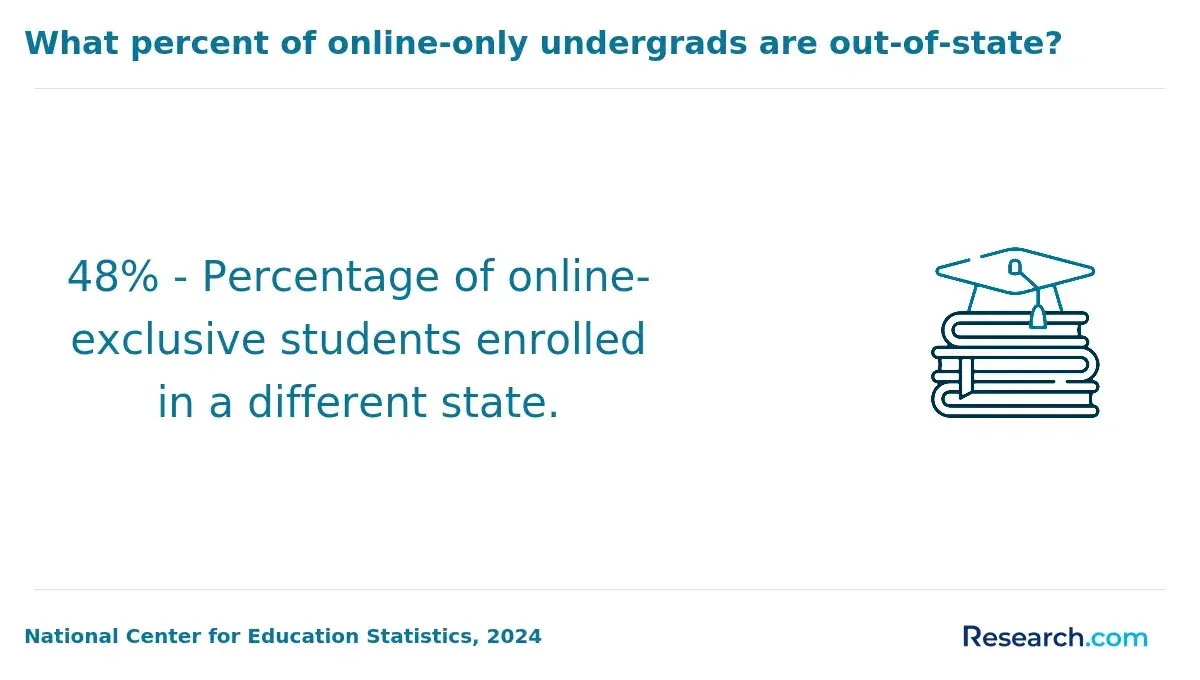
The expansion of fully online behavioral health leadership programs has dismantled the traditional regional limitations that once confined graduate enrollment. Previously, many students focused exclusively on institutions nearby or within states allowing feasible relocation. Today, states hosting well-regarded online offerings are drawing substantial out-of-state interest based on factors like accreditation quality, tuition affordability, and measurable program outcomes. This shift means these states effectively serve as national education hubs, influencing workforce development far beyond their borders.
- Access: Online formats eliminate geographical barriers, enabling students from underserved or remote regions to pursue reputable programs without relocating, thereby broadening the talent pipeline for diverse labor markets.
- Program Attractiveness: States with accredited programs known for strong completion rates and cost-efficient tuition become magnets for learners nationwide, often outpacing traditional enrollment patterns rooted in locality.
- Licensure Considerations: Despite wider access, varying state licensure requirements can restrict graduates' ability to practice across state lines, making it critical for prospective students to verify credential portability before committing.
- Workforce Impact: States acting as out-of-state education providers contribute to shaping behavioral health leadership competencies nationally, indirectly affecting hiring practices and service availability in multiple regions.
- Economic and Demographic Trends: Local demand for behavioral health services, workforce demographics, and regional funding for healthcare education strongly influence which states emerge as online education leaders.
What Demographic Trends Are Fueling Behavioral Health Leadership Degree Growth in Specific States?
Enrollment growth in behavioral health leadership degree programs across the United States is closely tied to distinct demographic shifts that influence local workforce demand. These regional factors shape practical hiring realities, affecting how programs and employers prioritize skills to address emerging community mental health needs. For students weighing educational and geographic choices, understanding these underlying trends clarifies where sustained demand-and therefore career stability-may be more likely.
- Population Aging: States like Florida and Arizona experience heightened demand for leaders skilled in managing complex care models for older adults with multiple health conditions, pushing enrollment growth in behavioral health leadership programs targeting geriatric mental health.
- Immigration Patterns: High-immigration states such as California, Texas, and New York require leaders adept at culturally tailored interventions, navigating linguistic diversity and policy intricacies. This specialization drives localized interest in leadership training responsive to immigrant mental health needs.
- Urbanization: Growing urban hubs in Colorado and Georgia correlate with increased stress-related mental health issues, prompting a rise in demand for community-based leadership capable of addressing socio-economic and environmental stressors.
- K-12 Enrollment Growth: States like Utah and Idaho show a growing focus on behavioral health leadership in educational settings, linked to expanding youth populations and the necessity for school-based mental wellness initiatives and early interventions.
- Rising Rates of Diagnosed Mental Health Conditions: Oregon and Massachusetts demonstrate surges in diagnosed mental health disorders among young people, emphasizing a need for leaders experienced in program development, funding acquisition, and multi-agency coordination.
Because these demographic drivers create fragmented hotspots rather than uniform nationwide trends, students should carefully evaluate the demographic trajectory of target states as a proxy for long-term labor market conditions in behavioral health leadership. States with consistently expanding populations and documented mental health needs generally offer more stable employment prospects. Conversely, markets influenced by cyclical or transient demographic changes may expose graduates to greater employment volatility. Aligning program choice with these realities-inclusive of licensure requirements and outcomes-is essential for practical, career-focused decision-making.
Prospective graduate students might also assess complementary educational paths that leverage emerging workforce demands, such as exploring an online degree in nutrition to broaden integrative care competencies amidst the growing emphasis on holistic behavioral health leadership.
How Do State Funding Levels for Behavioral Health Leadership Services Influence Degree Program Growth?
State funding decisively shapes the expansion and vitality of behavioral health leadership degree programs by influencing employment prospects and institutional investment. High Medicaid reimbursements, targeted block grants, allocations for school-based mental health services, and community health center financing create environments where programs can thrive, providing clear indicators of stable workforce demand. Conversely, states that underfund these services often witness program stagnation and a steady outflow of graduates to more resource-rich regions, further weakening local educational and professional ecosystems.
- Funding Stability: Reliable and substantial state funding signals sustainable job prospects, encouraging universities to develop their behavioral health leadership offerings and attracting students confident in local employment pathways.
- Graduate Retention: Well-supported states retain a higher proportion of graduates, minimizing brain drain and reinforcing regional behavioral health infrastructures critical for ongoing community care delivery.
- Program Expansion: States investing consistently enable academic institutions to grow programs, recruit skilled faculty, and forge clinical partnerships that enhance training relevance and quality.
- Market Competition: Limited funding creates a cycle where programs struggle to attract students, who then seek education and jobs in better-funded states, perpetuating regional disparities in behavioral health leadership capacity.
- Legislative Impact: Evaluating recent state budget priorities and legislative moves related to behavioral health funding offers insight into the stability of future job markets and potential program growth.
- Prudent Enrollment Choices: Prospective students should request data on five-year in-state employment rates of program alumni to gauge the real-world payoff of training within a given state's economic context.
One graduate recounted feeling caught in a waiting game during the rolling admissions cycle of a program in a moderately funded state. They hesitated when another state's program with stronger funding assurances was slow to respond, unsure whether to wait or commit elsewhere. The unpredictability exposed how fiscal backing not only affects program quality but also complicates admissions timing and decision-making, underscoring funding's ripple effect beyond workforce conditions into practical enrollment experiences.
Which States Are Emerging as Unexpected Leaders in Behavioral Health Leadership Degree Interest?
States such as Idaho, West Virginia, Arkansas, and Oregon are redefining the behavioral health leadership degree enrollment growth by state landscape, presenting opportunities that sharply contrast with traditional educational hubs. These emerging states capitalize on distinctive policy shifts, workforce investments, and program accreditations, yet prospective students should weigh sustainability concerns and market maturity when considering these less saturated regions. For example, Idaho's rapid rise in program demand benefits from its rural health infrastructure funding and interstate licensure compacts, creating a regional advantage for students aiming to serve underserved areas. However, reliance on federal rural health grants introduces uncertainty should state funding priorities shift, highlighting a critical tradeoff between lower competition and volatility in program longevity.
- Idaho: Growth is driven by recent investments in rural mental health infrastructure and the addition of accredited graduate programs at state universities. Interstate compact membership facilitates cross-border licensure, enhancing practice flexibility. While federal grants currently propel momentum, lasting expansion depends on sustained state support.
- West Virginia: Enrollment surges reflect aggressive workforce development tied to opioid crisis mitigation and public health partnerships. Pandemic-era federal funding accounted for a portion of this rise, so careful scrutiny of future legislative backing is necessary to assess long-term stability.
- Arkansas: Targeted scholarships and workforce incentives designed to address chronic professional shortages underpin enrollment gains. Institutional commitment appears stronger here, with interstate compact participation improving mobility for graduates evaluating geographic flexibility.
- Oregon: The state's growth is tied to newly enacted mandates for higher staffing ratios and investment in pathways for underrepresented populations. However, rising program costs and competitive admissions signal a potential barrier for some candidates despite robust policy support.
These emerging regions may offer pragmatic advantages such as less competitive admissions and tuition cost savings, but they also expose students to labor market unpredictability if legislative or economic conditions evolve. Enrollment trends show that many employers in these states increasingly value candidates from programs designed with local workforce integration in mind, emphasizing the critical connection between educational pathways and practical hiring realities.
Prospective students navigating behavioral health leadership degree enrollment growth by state should also consider the broader educational context, including comparisons such as Capella university vs WGU RN to BSN programs, to align their academic choices with career goals and market demands.
How Does State Population Size Affect the Interpretation of Behavioral Health Leadership Degree Growth Data?
Interpreting behavioral health leadership degree growth data without adjusting for state population size often leads to skewed conclusions about regional demand and job market opportunities. Large states may show impressive raw enrollment increases-such as adding 2,000 new graduates annually-but this absolute growth can mask stable or saturated markets proportional to their population. In contrast, a smaller state adding 300 graduates might represent a more meaningful expansion relative to its population, signaling a growing labor market with stronger early-career hiring potential. This distinction is crucial for those evaluating behavioral health leadership enrollment trends by state size, as absolute numbers alone do not reveal workforce saturation or true market demand.
Per-capita analysis, measuring graduates or licensed professionals per 100,000 residents, provides a clearer picture of where demand genuinely outpaces supply. States with below-average ratios typically indicate underserved populations and present more accessible entry points for new practitioners. Prospective students and career changers should prioritize markets where behavioral health leadership workforce density is expanding alongside manageable licensure requirements, enhancing practical career pathways. For those balancing educational options, it's also worth noting the availability of aBSN programs with high acceptance rates as part of a broader strategy aligning credentials with regional demand.
- Licensure Complexity: States differ markedly in acceptance and licensure, with some imposing stringent experience or educational prerequisites that slow workforce growth.
- Population Density: Urban states with dense populations often experience slower per-capita growth despite large enrollment, reflecting already saturated professional landscapes.
- Workforce Saturation: Regions with high licensed professional ratios tend to have competitive job markets requiring advanced qualifications for new entrants.
- Regulatory Environment: Streamlined licensure processes in some states facilitate quicker graduate absorption but may raise concerns about maintaining quality and practice standards.
What Role Do State Licensing Requirements Play in Driving or Suppressing Behavioral Health Leadership Enrollment?
State licensing requirements critically shape enrollment in behavioral health leadership graduate programs by affecting both student decision-making and employer hiring practices. States with clearly defined and stable licensure pathways attract more candidates because they reduce the uncertainty surrounding time, cost, and feasibility of eventual certification. For instance, a candidate choosing between two states may favor one with transparent supervised experience and exam requirements over another whose regulations shift frequently or demand extended post-graduate training. This choice affects not only program enrollment but also long-term workforce readiness in those regions.
Licensing boards exert influence indirectly by setting hiring standards: employers in states with well-organized licensure frameworks are likelier to require valid licenses, creating a competitive advantage for graduates who meet those criteria. Labor market data from 2024 reveals that licensed behavioral health leaders earn salaries averaging 15-25% higher than unlicensed peers, reinforcing employer preferences that, in turn, encourage program demand. This dynamic generates a feedback loop where greater enrollment fuels advocacy for enhanced licensure clarity, benefiting future students and the profession.
Prospective students should assess the full licensure pathway before enrollment-degree prerequisites alone are insufficient. Comparing requirements such as supervised hours, examination formats, and continuing education mandates across states can reveal more manageable routes that better align with career goals and geographic mobility.
- Stringency: States with rigorous or frequently changing requirements can deter enrollment due to added time and financial burdens.
- Transparency: Clear, accessible licensing guidelines reduce uncertainty and improve career planning accuracy.
- Employer Expectations: Licensing frameworks shape hiring, generally favoring candidates with credentials that enhance employability and earning potential.
- Feedback Loop: Robust licensure systems boost enrollment, which strengthens advocacy for regulatory improvements.
- Geographic Mobility: Interstate licensing portability influences students' state choices for education and practice.
References
- High-demand social work roles in California: trends and opportunities https://socialwork.pacific.edu/blog/high-demand-social-work-roles-california-trends-and-opportunities
- Nearly 9 in 10 Colleges Plan to Expand Online Programs as Student Demand Soars, New Report Finds https://www.encoura.org/resources/press-room/Nearly-9-in-10-Colleges-Plan-to-Expand-Online-Programs-as-Student-Demand-Soars-New-Report-Finds/
- Bridge Program https://fhu.edu/academics/graduate/graduate-studies-in-counseling/behavioral-health/
- Mental Health Providers | County Health Rankings & Roadmaps https://www.countyhealthrankings.org/health-data/community-conditions/health-infrastructure/clinical-care/mental-health-providers
- Building a New Stackable Pathway into the Behavioral Health Workforce: Colorado’s Community College Innovation - Education Design Lab https://eddesignlab.org/resources/building-a-new-stackable-pathway-into-the-behavioral-health-workforce-colorados-community-college-innovation/
- Mental Health's Role in College Decision-Making | EAB https://eab.com/resources/insight-paper/mental-healths-role-in-college-decision-making/
- Understanding Behavioral Health Licensure Compacts: Insights for Governors and Other State Leaders https://www.nga.org/publications/understanding-behavioral-health-compacts/
- Making the Most of Behavioral Health Funding | Relias https://www.relias.com/blog/behavioral-health-funding
- How Mental Health Licensure Reform Can Impact Your School https://thrivingschools.kaiserpermanente.org/how-mental-health-licensure-reform-can-impact-your-school/
- Budget Cuts Threaten Behavioral Health Services When Students Need Them Most | CCC New York https://cccnewyork.org/budget-cuts-threaten-behavioral-health-services-when-students-need-them-most/
Other Things You Should Know About Behavioral Health Leadership
Employers in states with rising interest in behavioral health leadership degrees often emphasize candidates with practical leadership experience combined with clinical or administrative skills. This demand stems from the complexity of managing diverse teams and navigating regulatory environments unique to behavioral health settings. Graduates who have engaged in applied projects or internships tied to local health organizations tend to have stronger job placement outcomes, highlighting the need to prioritize programs offering hands-on leadership training that aligns with state-specific employer expectations.
In 2027, states with lower tuition and cost of living often see higher enrollment in behavioral health leadership programs. Students prioritize affordability to manage educational expenses while pursuing degrees in high-growth states where job demand and economic incentives align with their budget considerations.
Rural states facing acute shortages in behavioral health leadership roles often expand degree offerings through online or hybrid formats to serve students unable to relocate. These programs sometimes collaborate with regional health agencies to embed community-specific challenges into the curriculum. While this tailored approach improves local workforce readiness, graduates may need to proactively seek partnerships and networking opportunities beyond their programs to overcome limited local employer diversity, a tradeoff intrinsic to these high-need areas.
Enrollment growth signals increased regional interest, but it does not guarantee better job prospects or program quality. Students should use this data as a starting point to investigate how states align emerging degree demand with actual job market capacity, licensure rules, and employer needs. Prioritizing states where program expansion is coupled with targeted employer engagement and clear career pathways will yield better employment outcomes than following growth trends alone, which can sometimes reflect supply saturation rather than sustainable demand.