2027 Is an Online BS in Business Administration the Right Next Step for Bookkeepers?
Audited and Verified:
Our Editorial and Data Verification Process
Research.com uses government datasets, official education statistics and primary institutional information to support its career and degree guides. Our review process checks factual accuracy, occupational definitions, source dates and the requirements associated with the credentials discussed.
How This Article Was Fact-Checked
Our editorial team verifies salary estimates, employment projections, education requirements and program information against original data providers and official organizations. Salary figures are checked against the relevant occupational definitions and reporting periods. Information about licensure, accreditation and required in-person training is reviewed separately.
Fact-checked and verified on:

Co-Founder and Chief Data Scientist
Bookkeeping experience gives you a working knowledge of transactions, records, and deadlines. It may not, by itself, open the door to the broader finance, operations, or supervisory work you want next. An online BS in Business Administration can fill some of those gaps while you keep working, but it is not the most direct route to every accounting career. This guide helps bookkeepers weigh the degree against specialized study, assess realistic job prospects, and check the credits, schedule, and costs that determine whether enrolling makes sense.
Key Things You Should Know
- An online business administration BS is most useful if you want to move beyond bookkeeping into broader business responsibilities; an accounting degree may fit better if you want accounting depth.
- Your existing coursework matters only if the receiving school applies it to degree requirements. Get a written degree audit before relying on an advertised completion timeline.
- The U.S. Bureau of Labor Statistics reports a May 2025 median annual wage of $83,680 for accountants and auditors, but that occupation-wide figure is not an expected salary for a newly graduated bookkeeper.
Is an online bachelor's degree in business administration right for bookkeepers?
It can be the right next step if your goal requires broader business knowledge or a bachelor's degree that your current credentials do not provide. A BS in Business Administration typically combines accounting with finance, operations, management, analytics, and other business subjects. That breadth can help a bookkeeper pursue responsibility for budgets, processes, or cross-functional projects.
The better choice depends on the work you want to do, not the appeal of the degree title. The comparison below separates common goals that are easy to conflate.
| Goal | Potentially better-fitting route | Reason to reconsider |
| Improve current bookkeeping services | Targeted training in accounting software, payroll, controls, or reporting | A full bachelor's may add more cost and breadth than the goal requires. |
| Move into business operations or administrative leadership | Business administration BS plus documented workplace responsibility | The degree alone does not establish supervisory experience. |
| Pursue accounting roles or a CPA pathway | Accounting-focused bachelor's and a review of state board rules | A general business curriculum may not contain the required accounting coursework. |
If finishing quickly is important, use ranked US colleges for faster business degree completion as a starting point - not a promise about your timeline. Ask each school how your credits would apply and whether the courses you still need are offered when you can take them.
What can bookkeepers do with a business administration degree?
A bookkeeper can use the degree to seek work that connects financial records to decisions: explaining budget variances, improving billing processes, coordinating purchasing, or supporting an operations team. Your strongest applications will pair coursework with examples of what you actually handled at work, such as reconciliations, reporting deadlines, or a documented process improvement.
A move into supply chain or procurement is possible, but it calls for skills beyond maintaining financial records. If purchasing or inventory work is the specific goal, compare the business BS with shorter supply chain degrees and career value. Look for relevant courses and chances to gain purchasing, inventory, or vendor-management experience before choosing either path.
How does an online business administration degree compare with campus study?
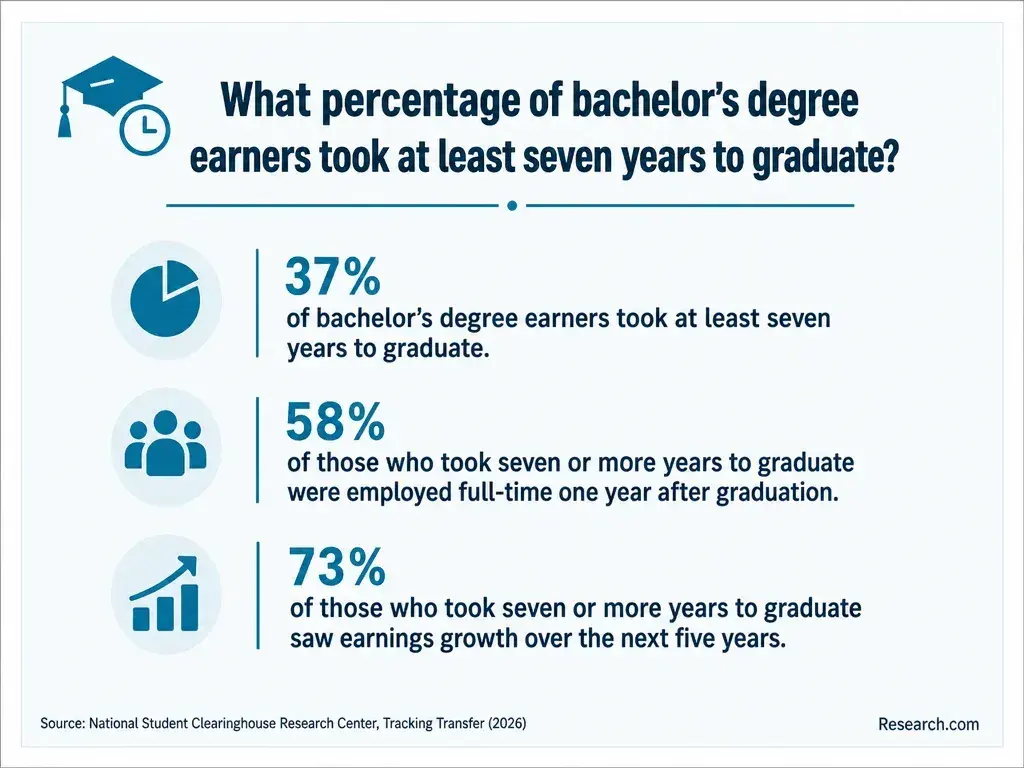
Online study can remove a commute and make continued employment easier. It does not necessarily remove fixed obligations: classes may have live meetings, weekly deadlines, proctored exams, group presentations, or a required internship. Campus study may make face-to-face faculty contact and local recruiting easier, but its scheduled travel and class times can be harder to combine with bookkeeping work.
Ask for sample schedules from required upper-level courses, not just the program's description of "flexibility." Confirm how often students must attend live sessions, whether exams require a testing site, and whether a current job can support an approved project. If speed is the attraction, compare accelerated undergraduate programs against the hours you can reliably devote to study; a shorter calendar does not make the assignments smaller.
Most programs combine general education with a business core and electives. For bookkeepers, the useful progression is often from recording transactions to interpreting financial statements, evaluating costs, working with data, and explaining recommendations to people outside accounting. Depending on the school, relevant courses may include managerial accounting, finance, statistics, information systems, operations, and organizational behavior.
Check the actual catalog before choosing a concentration. An accounting elective is not an accounting major, and a project management course is not a professional credential. Also ask whether prior accounting courses satisfy specific core requirements or merely fill elective space.
Even when comparing a different field, guidance on project management bachelor's completion using existing credits illustrates the same essential distinction: credit accepted by a college is not necessarily credit applied to the courses you need to graduate.
Requirements vary by school and by whether you apply as a first-year or transfer student. Expect to provide records of previous education; some programs also set GPA standards or require particular mathematics or introductory business courses before entry into the major. Bookkeeping employment can strengthen your application, but it does not automatically waive academic requirements or award college credit.
Send transcripts from every college you attended and ask for an evaluation showing which credits satisfy general education, the business core, electives, and any residency requirement.
If an accelerated route appeals to you, the accelerated business college program guide can help frame your comparison; confirm admission rules and prerequisite sequencing directly with each institution. Only the receiving school can determine how your prior coursework applies.
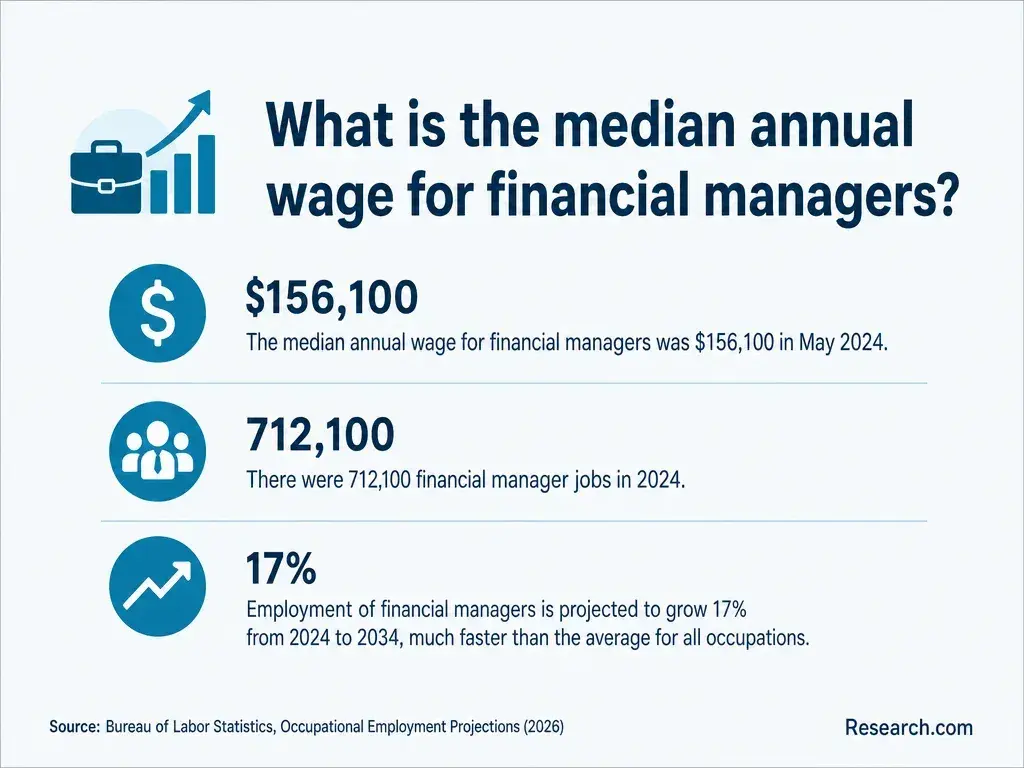
Completion time depends on applied transfer credits, course load, prerequisites, and how often required classes run. Cost depends on the remaining courses and the school's charging model - not just its advertised tuition rate. Compare written estimates that include mandatory fees, books or software, exam costs, and any lost work time. Ask whether employer tuition assistance is paid upfront or reimbursed after a passing grade.
If you are weighing a project-management bachelor's as an alternative, information on financial aid packages for online project management bachelor's students can help you identify aid categories to ask about. For either degree, request your own aid offer and degree audit before comparing net cost. An additional term caused by an unmet prerequisite can change the calculation.
Start with the institution's accreditation status and confirm that its accreditor is recognized by the U.S. Department of Education. Then check whether the business school or program claims separate AACSB, ACBSP, or IACBE accreditation, and verify that accreditor's stated scope. Institutional accreditation and business-specific accreditation answer different questions; neither establishes that a particular graduate will get a job.
Confirm the exact degree name, online delivery arrangement, and accreditation claim with the school and accreditor before enrolling. A list of low-cost business administration degrees with federal aid options can narrow your search, but you still need to verify each school's current status, program details, and your own aid eligibility.
No general license is required simply to hold a business administration degree or work as a bookkeeper. A voluntary bookkeeping or software certification may help demonstrate a specific skill, but it is separate from the bachelor's. Regulated work is different: CPA eligibility is governed by state accountancy boards and depends on requirements that a general business BS may not satisfy.
Choose an additional credential only after identifying the duties in your target job postings. For example, a project-coordination goal does not automatically call for another bachelor's or a project-management certification. If you are comparing that degree route with a credential, examine project management tuition, fees, and financial aid alongside the credential's eligibility rules and your existing experience.
Potential next roles include accounting or finance support, operations coordinator, purchasing support, and - in cases where the coursework and employer requirements align - accountant or auditor. These are different jobs, not automatic promotions. An accounting role may require more specialized coursework; an operations role may place greater weight on coordinating people and processes.
The U.S. Bureau of Labor Statistics reports a May 2025 median annual wage of $83,680 for accountants and auditors. That is the median across workers in the occupation, not the starting wage for business administration graduates or evidence that every bookkeeper qualifies for an accountant position.
Compare local postings with your coursework and experience, then ask employers which gaps matter. When comparing schools, colleges offering economical online business study may be worth examining, but a lower price should be weighed against the courses and career support relevant to your target role.
What is the job outlook for business administration graduates and bookkeepers?
There is no single job-growth rate for business administration graduates: employers hire for occupations, not degree titles. For one possible destination, the U.S. Bureau of Labor Statistics projects 5% employment growth for accountants and auditors from 2025 to 2035. That projection describes the occupation nationally; it does not measure demand for every bookkeeper moving into accounting or guarantee openings in your area.
Use occupational outlook as context, then test your plan against local job postings: do they request accounting coursework, a bachelor's in any business field, particular software, or experience you have not yet gained? If you compare ranked online business schools in America, ask each school for clearly defined outcomes for its online students rather than treating a ranking as evidence of your likely employment result.
Other Things You Should Know About Business Administration
Only with the necessary employer or client permission and under your school's project rules. Use approved, de-identified information where possible; do not upload client accounts, payroll details, or proprietary reports without authorization.
Diploma wording is set by the institution. Ask the registrar for a sample or its written policy rather than assuming online and campus diplomas are identical.
Review the program's mathematics and statistics requirements before applying. A refresher course or tutoring may be more useful than avoiding a degree that otherwise fits your goal.
Possibly, if the college offers a prior-learning assessment and determines that your documented training meets its standards. Ask what evidence is required, what credit could be awarded, and where it would apply in the degree audit.
- Employer-offered educational assistance programs can help pay for college | Internal Revenue Service https://www.irs.gov/newsroom/employer-offered-educational-assistance-programs-can-help-pay-for-college
- Cost of Attendance (Budget) | 2025-2026 Federal Student Aid Handbook https://fsapartners.ed.gov/knowledge-center/fsa-handbook/2025-2026/vol3/ch2-cost-attendance-budget
- Accreditation in the U.S. | ed.gov http://www.ed.gov/laws-and-policy/higher-education-laws-and-policy/college-accreditation/accreditation-in-the-us
- Employer Tuition Reimbursement: How It Works and How to Pay for College | Winston-Salem State University https://ramsonline.wssu.edu/blog/employer-education-benefits/
- BA vs BS: Which is the Better Business Degree? - UC Online https://www.online.uc.edu/blog/ba-vs-bs-which-is-the-better-business-degree-uc-online.html
- and Ask For - Employer Tuition Reimbursement Benefits | Harvard Extension School https://extension.harvard.edu/blog/how-to-use-and-ask-for-employer-tuition-reimbursement-benefits/
- Credit for Prior Learning Pathways | Midland University Catalog https://grad.catalog.midlandu.edu/academicpolicies/cpl
- Online Business Administration Degrees: A Guide to Your Options and How to Choose | University of Arkansas Grantham https://www.uagrantham.edu/blog/business-admin-degree-online/
- Bachelor's Degree in Business: Administration or Accounting? | Bay Path University https://www.baypath.edu/news/bay-path-university-blogs/post/bachelor-s-degree-in-business-administration-or-accounting/
- Fast Online Bachelor's Degree Completion: How to Spot a Smart Investment vs. a Degree Mill https://www.ndnu.edu/articles/business-management/fast-online-bachelors-degree-completion-smart-investment-vs-degree-mill.html