2027 The University of North Carolina at Chapel Hill Online MPH - Nutrition: Cost, Admissions, Curriculum, and Career Paths

Co-Founder and Chief Data Scientist
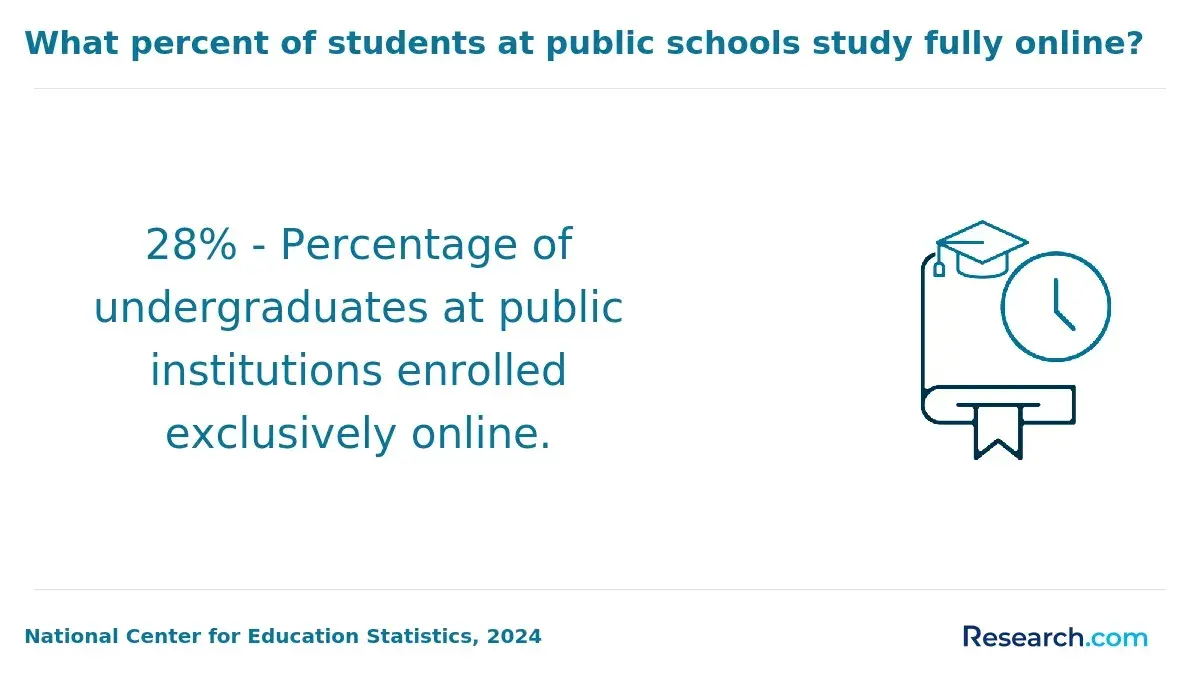
Determining if the online MPH - nutrition program at The University of North Carolina at Chapel Hill fits diverse student needs can be challenging. With 45% of graduate students in the U. S. now opting for online education according to the National Center for Education Statistics, understanding the balance between flexible learning and rigorous nutritional science coursework is crucial.
Adult learners especially prioritize programs that accommodate professional and personal commitments without compromising academic depth. Evaluating how this program aligns with career goals, admissions competitiveness, and curriculum relevance helps clarify its real-world value.
This article examines cost, curriculum, admissions, and career outcomes to aid informed decisions.
Key Points About The University of North Carolina at Chapel Hill's MPH - Nutrition Program
- The University of North Carolina at Chapel Hill's online MPH in Nutrition accepts just 19% of applicants, highlighting the intensive selection process that shapes a highly qualified student cohort.
- Graduates gain recognition in public health and nutrition fields, translating academic rigor into tangible career progress despite the competitive job market demands.
- With tuition at $27,633, candidates face a substantial financial commitment that necessitates careful weighing of return on investment against career advancement.
What can students expect from The University of North Carolina at Chapel Hill's online MPH - Nutrition curriculum?
The University of North Carolina at Chapel Hill's online MPH - Nutrition curriculum demands more than standard foundational knowledge, preparing students to navigate complex public health nutrition challenges with analytical rigor and applied skills.
Compared to many US programs, it follows typical MPH frameworks but stands out by integrating specialized nutrition content with core public health competencies, which is critical when employers seek candidates capable of bridging theory and community health practice.
Consider a public health nutritionist tasked with designing a community program to reduce obesity rates: the curriculum's mix of biostatistics, epidemiology, and nutrition-specific training equips graduates to interpret data, understand behavioral factors, and design effective interventions.
Key coursework expectations break down as follows:
- Biostatistics and Epidemiology: These courses require students to analyze and interpret health data, building a foundational ability to support evidence-based decision-making in nutrition policy and community health initiatives, essential for workforce readiness.
- Advanced Nutrition Assessment: This coursework demands mastery of nutritional biochemistry and assessment techniques, enabling students to accurately evaluate and address nutritional status in diverse populations, a skill increasingly valued in clinical and public health settings.
- Community Nutrition Program Planning: Students engage in program design and evaluation, emphasizing real-world application of theory to craft interventions that reduce health disparities. Practical projects simulate employer expectations for applied problem-solving.
Overall, the program's balance of core public health education and targeted nutrition training reflects a curriculum structure consistent with North Carolina online master of public health nutrition course structure norms but with an emphasis on practical application. This approach aligns with labor market demands in public health nutrition roles and supports students juggling professional commitments.
For those evaluating whether this program fits their trajectory, examining how its curriculum develops skills that translate into tangible outcomes is crucial rather than relying on institutional reputation alone. Prospective students may also consider how such credentials measure against competitors offering the highest paying online degrees.
What are The University of North Carolina at Chapel Hill's admission requirements for online MPH - Nutrition program?
The admissions criteria for the University of North Carolina at Chapel Hill's online MPH - Nutrition program reflect a selective process that prioritizes demonstrable academic preparation and professional readiness, rather than standardized test scores alone. For example, an applicant who has strong academic records but lacks standardized test scores like SAT or GMAT may still be competitive if they provide robust secondary school records and recommendation letters.
The following are key requirements candidates must meet to be considered for admission:
- High School Completion: Applicants must have completed high school and hold a diploma; a GED is explicitly not accepted. This requirement ensures foundational academic preparation and eligibility for graduate-level study.
- Secondary School Records: Submission of official transcripts verifies academic history and performance, which the admissions committee weighs carefully since SAT, ACT, and GMAT scores are not mandatory.
- Letters of Recommendation: These provide qualitative assessment from former instructors or supervisors to support the applicant's suitability and readiness for the program.
- TOEFL Scores: Required for applicants whose first language is not English, this ensures adequate English proficiency necessary for fully online coursework and communication.
- Computer Access: Given the program's online format, students must have reliable computer access, with the university offering purchase or lease plans to accommodate this need.
Transfer policies are unclear and require direct inquiry, while credit for life experience and AP credits can enhance admission prospects and degree progression. Notably, preference for North Carolina residents might impact acceptance chances for out-of-state candidates, which can be a significant factor for applicants evaluating the program's accessibility and competitiveness.
Overall, the admission requirements emphasize documented academic readiness and professional endorsements more than test scores, which aligns with hiring practices valuing demonstrated competence over standardized metrics in public health nutrition roles.
Is it difficult to get admitted to The University of North Carolina at Chapel Hill's online MPH - Nutrition program?
Securing a spot in a reputable MPH - Nutrition program often requires balancing strong academic credentials with relevant hands-on experience, as many programs see an oversupply of qualified applicants relative to available seats. The competitive nature means candidates frequently compete by highlighting specialized skills and public health commitments beyond basic GPA or test scores.
The University of North Carolina at Chapel Hill's online MPH - Nutrition program exemplifies this selectivity, with an overall university acceptance rate of 19% reflecting the institution's rigorous admissions climate.
Out of 57,902 applicants, only 10,850 positions are available each cycle, signaling intense competition across programs. Applicants typically present SAT scores between 680 and 750 verbal and 690 to 780 math or ACT scores from 30 to 34, setting a high academic baseline.
This means admission hinges not only on meeting numeric thresholds but demonstrating distinct qualifications and alignment with public health nutrition priorities in a large, capable applicant pool.
A recent graduate recalled applying amid considerable pressure, juggling a full-time job and assembling a compelling application within a tight window. "I underestimated how critical it was to frame my professional experience clearly alongside my academics," she said.
The clarity in articulating her commitment to community nutrition, rather than just listing credentials, was what finally drew the admissions committee's attention, underscoring the selective and nuanced nature of acceptance here.
What is the cost of attending an online MPH - Nutrition program at The University of North Carolina at Chapel Hill?
The tuition cost for the online MPH - Nutrition program at The University of North Carolina at Chapel Hill is $8,989 annually for base tuition and fees. When accounting for additional expenses such as books and supplies, which run about $622 per year, the total cost of attendance reaches $27,633 annually.
Students should note the university bases tuition on residency, which creates a significant cost advantage for in-state learners compared to out-of-state students. Unlike some programs, UNC Chapel Hill does not charge an online-specific technology fee, but the overall expenses still reflect living and miscellaneous costs that can substantially affect total investment.
The cost of the online MPH - Nutrition program at The University of North Carolina at Chapel Hill tends to be lower than many national averages for comparable degrees. Many employers recognizing public health credentials weigh the degree's content and reputation alongside cost, so the balance of affordability and academic rigor here is critical.
For prospective students in North Carolina evaluating tuition fees for online MPH - Nutrition students in North Carolina, this pricing structure may increase program accessibility while preserving professional credibility.
However, students must weigh these costs against career goals and expected returns, especially when comparing this MPH to alternatives like 1 year associate degree programs or accelerated public health credentials. The difference in total expenses can influence post-graduation financial flexibility, particularly for those budgeting carefully or working part-time during studies.
Prospective enrollees should factor this into realistic assessments of the program's value for their intended workforce role. For those assessing the financial commitment, consulting resources such as 1 year associate degree programs alongside MPH options may offer context on the time-to-completion and cost dynamics across public health education pathways.
Are there financial aid options for online MPH - Nutrition students at The University of North Carolina at Chapel Hill?
Financial aid opportunities for students enrolled in the online MPH - nutrition at The University of North Carolina at Chapel Hill address some of the major cost barriers but require strategic application and eligibility alignment to maximize benefit. Given that over half of the cohort obtains aid, navigating options involves understanding differing eligibility criteria, award amounts, and potential income contingencies that affect net cost and debt.
This makes eligible students' ability to leverage institutional, federal, and third-party resources essential for minimizing reliance on loans and balancing short-term affordability with long-term repayment feasibility. Considerations such as leveraging employer tuition assistance or veteran benefits can further influence the economic calculus of pursuing this degree online.
Key supports available include:
- University Grants and Scholarships: These are competitive awards often tied to academic merit, professional background, or demonstrated financial need. Typically, they cover partial tuition costs and require maintaining satisfactory academic progress.
- Federal Financial Aid: Enrollment in the program enables access to federal grants, subsidized and unsubsidized loans, and work-study programs. Eligibility depends on filing the FAFSA and meeting criteria such as citizenship and enrollment status.
- Veteran Benefits: Students with qualifying military service can apply available GI Bill benefits or other federal veterans' educational support to reduce tuition expenses, often covering a significant portion of costs.
- Employer Tuition Reimbursement: Many healthcare organizations and public health employers offer tuition assistance programs that reimburse employees for educational expenses related to their jobs, provided there is a commitment to continue employment or meet performance criteria.
- Institutional Aid: Supplemental funding may come from The University of North Carolina at Chapel Hill itself, designed to fill gaps left by other sources. Application usually requires submission prior to enrollment and may emphasize fields with public health workforce shortages.
What learning resources are available to online MPH - Nutrition students at The University of North Carolina at Chapel Hill?
Access to high-quality learning resources significantly shapes outcomes for students in an online MPH - nutrition program, especially when balancing studies with professional or personal obligations.
For example, the ability to troubleshoot technical issues swiftly can prevent disruption in coursework that relies on synchronous engagement or timely submission of assignments, which directly impacts degree progression and employability. Understanding how the university supports remote learners reveals underlying institutional priorities and practical tradeoffs that students must navigate.
Below are key resources available to online MPH - nutrition students at The University of North Carolina at Chapel Hill that serve as foundational tools for academic and career success.
- Learning Management System:The platform delivers organized course content, recording of lectures, and interactive features that facilitate group work and real-time participation, which are critical for mastering applied nutrition concepts remotely.
- Technical Support:Dedicated staff assist with connectivity and access issues, minimizing downtime and fostering continuity in learning-important for students juggling clinical or community nutrition placements alongside their studies.
- Academic Advising:Personalized guidance helps students select courses aligned with their career goals and navigate degree requirements efficiently, reducing the risk of delays that can result from unclear program pathways.
- Writing and Tutoring Services:Support in academic writing and subject-specific tutoring enhances the quality of assignments and comprehension, addressing common challenges faced by adult learners returning to graduate-level nutrition education.
- Library Access:Remote availability of extensive research databases and scholarly materials equips students to engage with current evidence-based practices crucial for public health nutrition roles in diverse settings.
Does The University of North Carolina at Chapel Hill's online MPH - Nutrition program have in-person clinicals or practicums?
Most accredited MPH programs require in-person practicums to bridge theoretical study with hands-on professional experience, a non-negotiable in public health training.
The University of North Carolina at Chapel Hill's online MPH Nutrition program aligns with this norm by mandating an on-site practicum, a critical distinction for students expecting a fully remote degree. This requirement directly impacts professionals balancing work, location, and study commitments, as the practicum cannot be fulfilled virtually.
The University of North Carolina at Chapel Hill online MPH Nutrition practicum requirements include placements at community health agencies, public health departments, or clinical nutrition environments, where activities such as nutritional assessments and program planning are standard.
These supervised experiences enhance employability by developing practical skills valued by employers who often prioritize candidates with demonstrated applied competencies. Students collaborate with faculty advisors to secure sites tailored to their career objectives, ensuring relevance and depth in fieldwork.
Students considering the program should recognize the tradeoff between flexible online coursework and the fixed in-person practicum. This hybrid format reflects broader workforce expectations, where practical exposure remains essential despite increasing online education offerings.
Prospective enrollees may benefit from reviewing options among the best affordable online colleges to weigh financial and logistical aspects aligned with their career paths.
What careers can graduates of online MPH - Nutrition at The University of North Carolina at Chapel Hill secure?
The professional marketability of graduates from the online master of public health (MPH) in Nutrition at The University of North Carolina at Chapel Hill is closely tied to their ability to navigate diverse roles where public health principles meet practical nutritional applications.
A fundamental indicator of the program's value is how effectively its curriculum translates into sustainable career opportunities, especially in public health nutrition careers in North Carolina. Graduates often confront real-world tradeoffs such as balancing policy influence with community-level program delivery, which shapes their employability in varied organizational settings.
Below are common career paths exemplifying the practical outcomes of this educational investment.
- Public Health Nutritionist: These professionals design, implement, and evaluate nutrition programs targeting population health improvements. Their work in assessing community needs directly impacts preventive health strategies, with salaries generally aligning with public sector health roles.
- Nutrition Program Coordinator: Graduates in this role manage initiatives promoting healthy eating within schools, workplaces, or government agencies, requiring both organizational and outreach skills crucial for sustained program success.
- Policy Analyst in Nutrition: Focused on analyzing and shaping nutrition policies, these analysts work with governments or nonprofits to address nutrition disparities, combining data analysis with advocacy efforts.
- Health Educator: Responsible for community education on nutritional health, health educators create targeted programs to improve public awareness, often serving as liaisons between research outcomes and population behavior change.
- Clinical Nutritionist: Some alumni engage in clinical environments, offering dietary guidance grounded in public health research to support patient care, balancing research-based nutrition knowledge with individual health needs.
For prospective students evaluating academic and career options, especially those considering an online military college pathway, understanding these distinct roles and their operational expectations can inform whether the program's outcomes match their vocational ambitions within community health roles for MPH - Nutrition graduates in Chapel Hill and beyond.
What is the salary outlook for online MPH - Nutrition graduates?
The salary outlook for online MPH nutrition graduates in North Carolina reflects a median that aligns more closely with broader public health fields rather than niche nutrition-specific roles, illustrating a tradeoff between specialization and market compensation.
For example, while the median alumni salary at The University of North Carolina at Chapel Hill across disciplines is approximately $72,200, those working within public health or nutrition-related sectors often experience starting salaries considerably lower than this benchmark, influencing decisions about educational investment.
More granular salary data for University of North Carolina at Chapel Hill MPH nutrition alumni reveals mid-career earnings in related health areas varying widely, from approximately $28,977 in direct public health roles to around $60,514 in nursing administration and allied health professions.
This disparity highlights how job titles and settings shape income, with many graduates entering community health or clinical nutrition positions where salaries typically fall in the $50,000 to $70,000 range, balancing practical employment opportunities with moderate remuneration.
For prospective students weighing options, it is important to note that the salary returns for an online MPH nutrition degree must be viewed alongside the program's flexibility and field applicability.
Given the competitive landscape, exploring alternative or supplementary credentials, such as the 6-month certificate programs that pay well, may improve immediate earning potential while pursuing a longer credential. This practical consideration is vital within the context of sector-specific salary prospects and workforce demand.
How do you know if The University of North Carolina at Chapel Hill's online MPH - Nutrition program is the right choice for you?
Choosing an MPH - Nutrition program requires a careful match between what the program offers and your specific professional aims and learning preferences. Failing to assess this alignment can lead to unmet expectations, delayed progress, or weaker connections in your network.
Here are key factors to consider when evaluating The University of North Carolina at Chapel Hill's online MPH - Nutrition:
- Flexibility and Learning Format: Determine how well the program's blend of asynchronous coursework with scheduled live sessions fits your daily schedule and learning style, especially if you juggle work or family commitments. Effective time management can hinge on this balance.
- Practical Application Opportunities: Assess whether the program's emphasis on community-based projects aligns with your desire to gain hands-on experience. This is critical for translating theory into actionable public health nutrition skills valued by employers.
- Peer and Professional Network Access: Gauge the program's support for building professional relationships, since a robust network often influences job prospects and collaboration chances after graduation.
- Institutional Reputation and Career Impact: Reflect on how the university's standing influences your target employer's perception and whether that recognition justifies the investment compared to alternatives with similar content.
One graduate shared that the defining moment in choosing the University of North Carolina at Chapel Hill's program was balancing the need for a flexible schedule with meaningful interactive elements. They had been hesitant switching from in-person to online but found value in live discussions that prevented isolation.
They also appreciated that community projects allowed immediate application of concepts within their local public health department, which helped solidify their learning and boosted confidence during job interviews. This practical element ultimately tipped the scales in favor of UNC even though initial concerns about program intensity and workload almost led them to choose a less demanding option.
What Graduates Say About The University of North Carolina at Chapel Hill's MPH - Nutrition Program
- Tyler: "Studying the MPH - Nutrition at The University of North Carolina at Chapel Hill was intense but rewarding, especially the focus on community nutrition and epidemiology. Those coursework and the practical case studies helped me build a strong portfolio, which I found crucial since many employers in nutrition focused more on demonstrated skills and internships than licensure. The program's flexibility allowed me to balance my job and classes, enabling a smoother transition into a remote dietitian role where I continue to apply what I learned."
- Derek: "Reflecting on my time at The University of North Carolina at Chapel Hill, the MPH - Nutrition program exposed me to the complex realities of public health nutrition careers, particularly the hiring challenges around licensure requirements. While the curriculum was rich in theory and research methods, I realized that advancing in clinical settings required additional certifications beyond the degree. Still, the program gave me a solid foundation to pivot toward policy work and advocacy, where my skills and the UNC network opened doors."
- Grant: "The University of North Carolina at Chapel Hill's MPH - Nutrition program was a pragmatic choice that allowed me to enter the workforce faster without relocating. The hands-on projects and emphasis on data interpretation were valuable, yet I quickly noticed salary advancements in nutrition often involve trade-offs if you don't pursue licensure. That said, the agility and credibility the degree offered helped me secure a position in a nonprofit focused on nutritional interventions, a role I wouldn't have accessed without that credential."
Other Things You Should Know About Degrees
The online MPH - Nutrition program limits face-to-face interaction, which can restrict spontaneous networking compared to on-campus programs. Students should proactively engage with virtual study groups, alumni events, and professional organizations to build connections. Prioritizing networking requires deliberate effort; those who leverage available online forums and local public health communities often gain better professional traction.
The program's structure is rigorous, requiring consistent weekly study hours alongside assignments and group projects. Working professionals or those with family responsibilities must assess their time management skills carefully before enrolling. Choosing part-time enrollment or creating a detailed schedule early can prevent burnout and ensure steady progress without compromising work or personal life.
Online learners may find translating theoretical knowledge into practical skill more challenging due to limited in-person practicum options within the program. This can impact readiness for hands-on roles in clinical or community nutrition. Students should seek external practicums or volunteer opportunities early to gain applied experience, which enhances employment competitiveness and bridges gaps left by the virtual learning environment.
References
- University of North Carolina at Chapel Hill Master of Public Health online https://www.edx.org/masters/masters-in-public-health-online/unc-master-of-public-health
- Top 25 MPH Nutrition Programs - MPH Online https://www.mphonline.org/best-mph-nutrition/
- MPH in Public Health Nutrition https://www.mphprogram.com/program/public-health-nutrition/
- Does anyone know UNC Chapel Hill ranking for Public Health Nutrition undergraduate program? https://talk.collegeconfidential.com/t/does-anyone-know-unc-chapel-hill-ranking-for-public-health-nutrition-undergraduate-program/3637335
- What is the Salary Outlook with MPH Degree? https://mphprogramslist.com/what-is-the-salary-outlook-for-mph-program-grads/
- UNC System Course Enhancement and OER Collections - UNC System https://www.northcarolina.edu/unc-system-course-collection-libraries/
- Top Study Notes from University of North Carolina at Chapel Hill https://edubirdie.com/docs/university-of-north-carolina-at-chapel-h
- Find Course Materials | Official Store of the University of North Carolina https://unc.bncollege.com/course-material/course-finder
- UNC Online MPH Programs - Leadership, Nutrition & More https://www.mhaonline.com/school-profiles/university-of-north-carolina-online-mph
- Internships - UNC NRI https://uncnri.org/internships/