2027 Is Southern New Hampshire University's Online MS in Project Management & Operations Worth It? What Students Should Know

Co-Founder and Chief Data Scientist
Choosing an online MS in Project Management & Operations program requires weighing factors like curriculum relevance, flexibility, and career impact. With the U.S. Department of Education reporting a 15% rise in online graduate enrollments recently, accessibility shapes many decisions. Prospective students must assess how well a program aligns with evolving employer demands and real-world project management challenges.
Southern New Hampshire University's offering claims to blend operational strategy with leadership skills, but does it meet industry standards or student expectations? This article explores the program's academic rigor, professional outcomes, and alignment with current workforce trends to help clarify whether it's a strategic investment.
Key Points About Southern New Hampshire University's Online MS in Project Management & Operations Program
- Southern New Hampshire University's online MS in Project Management & Operations has a moderately difficult admission process with a 96% acceptance rate, balancing accessibility against program rigor.
- Tuition totals $51,392 while graduates earn a median salary of $50,318, resulting in an earnings to debt ratio of 2.39x that reflects a moderate financial return.
- The program's faculty engagement and growing employer recognition support alumni success across diverse project management and operations roles, enhancing workforce integration.
What makes Southern New Hampshire University's online MS in Project Management & Operations program stand out?
The online MS in Project Management & Operations program at Southern New Hampshire University offers notable value through its flexible delivery, which suits working professionals balancing varied schedules. Unlike traditional programs confined to fixed semesters, SNHU's asynchronous coursework and multiple start dates allow students to progress without disrupting employment or personal obligations-an essential factor for those needing adaptable timelines amid fluctuating workloads.
This flexibility accommodates both full-time students and part-time learners, reflecting SNHU's scale with 184,099 enrolled students and a diverse faculty of 4,710 full-time and 9,706 part-time staff that support a broad range of learning needs. The program's integration of practical project management and operational strategy prepares students for leadership roles by embedding real-world case studies and interactive learning, which is critical for employers seeking candidates who can translate theory into actionable results quickly.
What differentiates SNHU's program is its comprehensive student support system tailored for online modalities, including academic advising and career services, which mitigate typical attrition risks inherent in remote education. Although the average graduation rate of 45% indicates challenges often found in open-access institutions, students aiming for a flexible and career-relevant pathway may find the combination of scale, resources, and applied curriculum advantageous when weighing long-term employability in project management fields.
Is it difficult to get admitted to Southern New Hampshire University's online MS in Project Management & Operations program?
Admission to most MS in Project Management & Operations programs tends to be moderately competitive due to the combination of growing demand and limited seats. Many programs prioritize candidates with professional experience or strong academic backgrounds, which can tighten acceptance rates. This dynamic often compels applicants to strategically bolster their profiles well before applying to enhance their chances.
Southern New Hampshire University's program deviates from this norm with a notably high acceptance rate of 96%, admitting approximately 43,377 applicants out of 45,127 each year. Despite an overall moderately difficult admission rating, the lack of SAT or ACT requirements lowers common entry barriers. This accessibility can influence the demographics of enrollees by welcoming candidates with diverse academic and professional profiles, though it may also reflect a less selective cohort compared to more exclusive programs.
This openness benefits applicants who prioritize timely enrollment without extensive standard testing preparation but might pose challenges for those seeking highly selective credentials valued by certain employers. In sectors where project management rigor is critical, candidates from this program may need to demonstrate competencies more explicitly through experience or certifications to offset perceptions related to admission leniency.
One graduate described feeling hesitant about applying initially due to uncertainty around their academic readiness. They delayed submission until their professional portfolio was more developed and appreciated that SNHU's minimal testing requirements allowed them to focus on relevant experiences rather than exam scores. The acceptance came with relief but also a conscious awareness that succeeding would rely heavily on leveraging practical skill development during the program to compensate for the program's less restrictive admissions process.
How does the curriculum of Southern New Hampshire University's online MS in Project Management & Operations program stay aligned with current industry trends?
The curriculum of Southern New Hampshire University's online MS in Project Management & Operations responds directly to the evolving demands of employers who require graduates capable of navigating both traditional and agile project environments. A graduate unable to apply data-driven decision-making or translate operational strategies into tangible business impact may struggle in today's competitive hiring landscape, especially compared to peers from programs with more current curricular integrations. The following core factors illustrate how Southern New Hampshire University's project management curriculum alignment with industry standards supports practical workforce readiness:
- Agile and Analytical Integration: The curriculum deliberately includes advanced coursework in both agile methodologies and data analytics, reflecting employer expectations for managers who combine flexibility with quantitative insights. This dual emphasis trains students to interpret data for resource allocation and project risk assessment in contexts where rapid adaptation is critical.
- Experiential Learning: Incorporating case studies and project simulations allows students to experience managing complex, cross-functional projects under realistic constraints. This approach mirrors operational challenges found in varied industries and prepares graduates for leadership roles requiring cross-departmental coordination.
- Soft Skills Development: Beyond technical competencies, the program cultivates communication and leadership skills essential for stakeholder management and team motivation. This focus addresses a frequent gap identified by employers seeking professionals capable of driving consensus and managing diverse teams.
This blend of technical and interpersonal training demonstrates Southern New Hampshire University's commitment to updating its online MS in Project Management & Operations content, consistent with trends observed in New England's competitive graduate education market.
For prospective students weighing program options, factoring in this alignment can be crucial to bridging academic preparation with real-world operational demands. Those interested in exploring related flexible graduate programs can consult resources on the easiest online masters to assess alternative pathways that fit varied professional timelines and learning preferences.
The Southern New Hampshire University online MS in Project Management tuition fees total approximately $16,450 for base tuition and fees, but this figure does not capture the full financial commitment. When adding expenses for books and supplies-estimated at around $1,800 annually-and other living costs such as room and board, the comprehensive cost rises to about $51,392. This separation between base tuition and total cost is important for prospective students to understand because it impacts budgeting and financing strategies.
Financial aid availability can significantly alter the net cost, especially given that about 81% of students at SNHU receive some form of aid, with average awards around $3,350. While this statistic applies to undergraduates, it suggests a culture of institutional support that often extends to graduate programs. For working professionals, corporate tuition reimbursement programs affiliated with SNHU may also reduce out-of-pocket expenses, which is a practical consideration for balancing education with employment obligations. Such scenarios demonstrate how cost may vary widely among students despite a consistent sticker price.
The cost of the online MS in Project Management & Operations at Southern New Hampshire University compares favorably against national averages, where similar programs generally range from $15,000 to $40,000 in tuition alone. The flat-rate tuition SNHU charges to all online learners regardless of geography eliminates technology surcharges common at other institutions, enhancing cost predictability. This pricing structure is especially relevant for individuals examining the tradeoff between affordability and program quality across varied offerings.
Adding broader context, students researching investments in advanced degrees might also explore related options such as 2 year bachelor degree programs, which can affect overall career trajectory and time-to-value considerations. Evaluating the Southern New Hampshire University online MS in Project Management & Operations cost involves balancing the full cost of attendance against financial aid, program structure, and the competitive market of project management education.
Admission to Southern New Hampshire University's online MS in Project Management & Operations reflects a selective process that weighs academic preparation and English proficiency over standardized testing. This approach impacts candidates who may have diverse educational backgrounds or seek transfer credits, requiring careful navigation of the university's policies. Understanding these nuances can prevent common pitfalls related to transfer limits or overlooked documentation, which otherwise could delay enrollment. Below are key admission factors prospective students should consider.
- Academic Background: Completion of high school or GED with a record of secondary GPA and college-preparatory coursework is essential. These elements form the baseline academic credentials evaluated during admission.
- Recommendations: Applicants must submit recommendation letters; while not always strictly mandated, they strengthen the applicant's profile and may offset the absence of formal test scores.
- Language Proficiency: Non-native English speakers must pass the TOEFL exam to demonstrate adequate language skills, reflecting the program's demand for strong communication abilities.
- Transfer Credits: Transfers face moderate difficulty with limits on credit acceptance; policies consider advanced placement and life experience, but require direct confirmation to avoid surprises.
- Testing Requirements: Formal entrance exams like the SAT, ACT, or Wonderlic are not compulsory, allowing flexibility, yet students should be ready to provide supplemental documents such as a personal statement or resume to support their application.
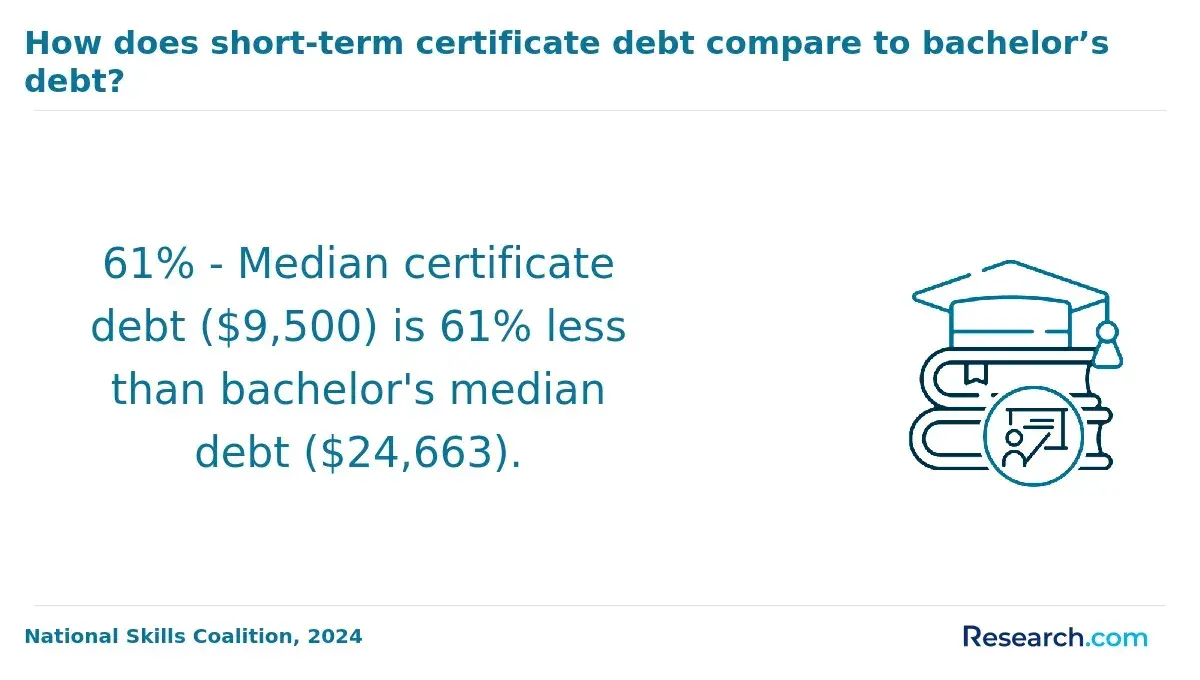
Evaluating the return on investment for Southern New Hampshire University's online MS in Project Management & Operations program hinges on balancing its relatively high total cost against realistic income prospects and career pathways. The annual expense, roughly $51,392 covering tuition, fees, and living costs, contrasts with a median graduate starting salary near $50,318 and a median debt load over $21,000. This creates a graduate earnings-to-debt ratio of about 2.39x within ten years-indicating graduates can reasonably expect to recoup their investment but not without careful financial planning.
For students able to secure scholarships or federal aid, the effective cost may decrease significantly, improving ROI. However, those assuming the full financial burden face tradeoffs: their debt levels may constrain early career flexibility, especially in regions or sectors with less competitive project management salaries. Employers in sectors such as technology, government agencies, or large corporations tend to value these credentials more, increasing hiring chances and salary growth over time, which can enhance overall returns.
While the income outlook aligns broadly with national averages for MS in Project Management & Operations graduates, this program's ROI will vary depending on individual ability to leverage Southern New Hampshire University's networks, geographic job markets, and cost-mitigation strategies. Consequently, prospective students should weigh upfront costs against both employer demand and personal financial circumstances before enrolling.
The 45% graduation rate for Southern New Hampshire University's online MS in Project Management & Operations program signals a mixed level of student success and satisfaction, highlighting the importance of self-discipline and time management in an asynchronous learning environment. For professionals balancing work and study, the program's flexible structure can accommodate varied schedules, but those lacking strong independent motivation may struggle to complete the degree fully. Employers often value project management credentials in conjunction with demonstrated practical skills, so completion and engagement are critical metrics for long-term career impact.
Student culture within the program benefits from a large, diverse online community supported by thousands of full- and part-time faculty members. Active student organizations and mentor-led initiatives create networking channels and foster academic support, offsetting some of the isolation often associated with distance learning. Learners commonly praise the program's adaptability to their personal and professional lives, though some report difficulty maintaining momentum without face-to-face accountability. These factors contribute significantly to the overall satisfaction and retention rates among students.
One graduate shared that while initially apprehensive about managing coursework alongside a full-time job, he found the mentoring program invaluable for maintaining focus and pacing. "There were moments I almost dropped out," he admitted, "but having access to faculty who understood my schedule and peers facing similar challenges made a big difference. It wasn't easy, but the flexibility meant I didn't have to put my career on hold, and finishing gave me real confidence in my next role."
Employers in project management and operations increasingly value candidates who demonstrate immediate readiness and industry connections, which often hinge on the effectiveness of a program's employment support. The ability of Southern New Hampshire University to connect online MS in Project Management & Operations graduates with potential employers directly impacts timely job placement, a critical factor given competitive market conditions.
Research shows access to a well-maintained alumni network and targeted career services can boost job placement rates by up to 20% for graduates, an advantage that influences hiring outcomes in practical terms. The university's approach blends digital access with professional networking opportunities. Below are key employment support features that shape career prospects for Southern New Hampshire University MS in project management employment support:
- Virtual Career Fairs: These events allow graduates to engage with a range of employers actively recruiting project management talent, facilitating interviews and job offers even before program completion.
- Online Workshops: Focused on resume building and interview skills, these sessions equip students with the tools to meet employer expectations and stand out in candidate pools.
- Alumni Mentorship Programs: Leveraging a global alumni network, current students benefit from guidance and industry insights that align academic outcomes with workforce demands.
Students considering this program should weigh these resources against the broader landscape of career placement resources for Southern New Hampshire University online project management graduates, especially when compared to alternative pathways like an associate degree, which may have different employer expectations and outcomes. For those evaluating foundational credentials, exploring what is the easiest associate degree to get can provide valuable context about credential tiers and market positioning.
Evaluating career outcomes is crucial when determining whether an online MS in Project Management & Operations from Southern New Hampshire University aligns with professional goals and industry demands. Graduates often face the tradeoff between pursuing specialized roles with immediate applicability versus broader management positions that may require additional experience.
These choices influence salary trajectories and job placement prospects. Recognizing this dynamic aids students weighing the program's practical value amid competitive labor markets. Below are key career paths reflecting typical roles and salary potentials for graduates, which illustrate the real-world implications of completing this program.
- Project Manager Roles: Project managers coordinate resources, timelines, and team communication to meet deliverables effectively. These positions typically offer competitive salaries aligned with industry standards, supporting growth in sectors like technology and healthcare.
- Operations Manager Positions: Operations managers focus on enhancing organizational efficiency and handling daily business tasks. These roles demand analytical and leadership skills, with salaries reflecting the responsibility of managing operational workflows across industries.
- Program Coordinator Jobs: Program coordinators assist in planning and executing projects within larger initiatives, often acting as liaisons between departments. Though entry-level salaries may be more modest, these roles open pathways to advanced management opportunities.
- Management Sciences Specialists: Graduates leveraging expertise in quantitative methods often find roles emphasizing data-driven decision-making. These jobs are linked to higher average salaries, highlighting the advantage of integrating analytic competencies.
For students balancing academic qualifications with practical job prospects, understanding these varied roles clarifies the degree's relevance to career advancement opportunities for Southern New Hampshire University project management graduates.
While the program can facilitate upward mobility, candidates should consider how gaining domain-specific experience complements academic credentials to optimize job placement and salary growth after MS in Project Management & Operations from Southern New Hampshire University. Additionally, candidates exploring alternative pathways may find value reviewing colleges that don't care about GPA for more flexible entry options.
Determining whether Southern New Hampshire University's online MS in Project Management & Operations aligns with your professional trajectory requires weighing multiple criteria tailored to your specific ambitions. A program's worth hinges on your intended industry and role, balancing academic content against real-world applicability.
For example, a candidate targeting operations leadership in healthcare must prioritize courses that robustly cover supply chain disruptions and risk controls, while another aiming for technology project management may need deeper emphasis on agile methodologies. Various factors make a program worth it depending on an individual's goals. Consider these key elements when deciding if the MS in Project Management & Operations program is the right fit:
- Curriculum Relevance: Analyze whether the course offerings-such as operations strategy, risk management, and agile project management-align closely with your targeted job functions and sector demands. This helps avoid investing time in topics with limited professional applicability.
- Program Flexibility: Since this is a fully online program, assess if the asynchronous format fits your lifestyle and learning preferences, especially if you need to juggle work or family commitments. Flexible pacing and availability of instructor support are crucial for sustained progress.
- Accreditation and Reputation: Verify the program's accreditation status and employers' recognition of the degree. A credible accreditation can influence post-graduation hiring prospects and salary negotiation leverage.
- Cost Versus Return: Evaluate tuition costs relative to your financial resources and potential employer tuition assistance. Also, consider scholarship opportunities and whether the program's career outcomes justify the expense.
- Career Support and Networking: Investigate the availability of mentorship, online professional communities, and career counseling. These services enhance practical networking and increase chances for job placement or advancement.
Those weighing the Southern New Hampshire University online MS in Project Management career alignment should also review data on comparable programs and labor market requirements. For additional accessible learning options tailored to mature students, you might explore open university free courses for over 60s to supplement skills or bridge knowledge gaps.
What Graduates Say About Southern New Hampshire University's Online MS in Project Management & Operations Program
- David: "Studying at Southern New Hampshire University gave me the flexibility I needed while working full time in a demanding project coordinator role. The MS in Project Management & Operations program sharpened my skills in process optimization, which helped me transition internally to an operations analyst position. However, I quickly learned that without a PMP certification or more direct experience, moving into senior project manager roles was a challenge despite the degree. Still, the program's practical approach made remote work opportunities more accessible."
- Anika: "The MS in Project Management & Operations at Southern New Hampshire University was key to my career pivot from general business management to project management. I appreciated how the coursework emphasized real-world applications like agile methodologies and risk assessment. I faced some hurdles in hiring since many employers prioritized robust portfolios and internships, but completing the degree allowed me to build those through practical assignments. Ultimately, the university's structure enabled me to enter the workforce faster while balancing family commitments."
- Adam: "My experience at Southern New Hampshire University was quite rigorous, but the MS in Project Management & Operations program taught me how to manage complex projects with a strategic lens. Post-graduation, I noticed that while salary growth was somewhat limited without professional licensure, the degree positioned me well for lateral career moves into operations leadership roles. Employers have a strong preference for candidates with certifications and hands-on experience, so I had to be proactive with internships and networking to leverage the degree effectively in competitive hiring environments."
Other Things You Should Know About Degrees
Applicants must submit an online application and official transcripts from a regionally accredited bachelor’s program. SNHU also commonly asks for a resume and may review prior coursework for prerequisite alignment. No GRE is listed for admission to this master’s program, and applicants are usually reviewed on a rolling basis.
While the program offers some virtual networking through discussion boards and occasional live sessions, it lacks extensive in-person interaction that many traditional programs provide. This can limit spontaneous professional connections and mentorship opportunities, which are critical in project management careers. Prospective students who prioritize robust networking should proactively leverage external professional organizations or local meetups to supplement the program's virtual engagement.
In 2027, Southern New Hampshire University’s Online MS in Project Management & Operations is designed to accommodate working professionals. The program offers flexible scheduling and part-time options, allowing students to balance their work commitments with academic responsibilities effectively.
Complex topics involving operations management benefit from interactive case studies and hands-on applications, which can be challenging to deliver fully online. Southern New Hampshire's program integrates simulations and real-world scenarios, but the absence of face-to-face collaboration may make absorbing certain nuanced concepts harder for some students. Those who learn best through direct interaction or group problem-solving might need to supplement with peer study groups or real-world practice to gain full mastery.
- Careers and Outcomes | Master of Project Management | Elmhurst University https://www.elmhurst.edu/academics/departments/business/programs/master-project-management/careers-outcomes/
- Southern New Hampshire University https://www.brazosport.edu/snhu/
- (WSB in Gdańsk) Management - IT Project Management, Master https://ww.studyinpoland.pl/en/programme
- Master in Project Management | Rome Business School https://romebusinessschool.com/master-project-management/
- Southern New Hampshire University Review 2022 - https://collegestats.org/colleges/snhu/review/
- What Jobs Can You Get With a Master of Project Management? | CSU Global https://csuglobal.edu/blog/what-jobs-can-you-get-with-a-master-of-project-management
- SNHU Online MBA Programs | ACBSP-Accredited https://www.bschools.org/profiles/southern-new-hampshire-university-online-mba
- SNHU Online Degrees with Biggest Career Opportunities | Business Student.com https://www.businessstudent.com/topics/snhu-online-degrees-with-biggest-career-opportunities/
- MSc International Project Management - GEM https://www.grenoble-em.com/en/programs/msc-international-project-management/
- Getting a Master's Degree in Project Management: To Do or Not To Do | Blog Wrike https://www.wrike.com/blog/getting-a-masters-degree-in-project-management-to-do-or-not-to-do/