2027 Is D'Youville University Good for Online Students? Programs, Flexibility, and Value

Co-Founder and Chief Data Scientist
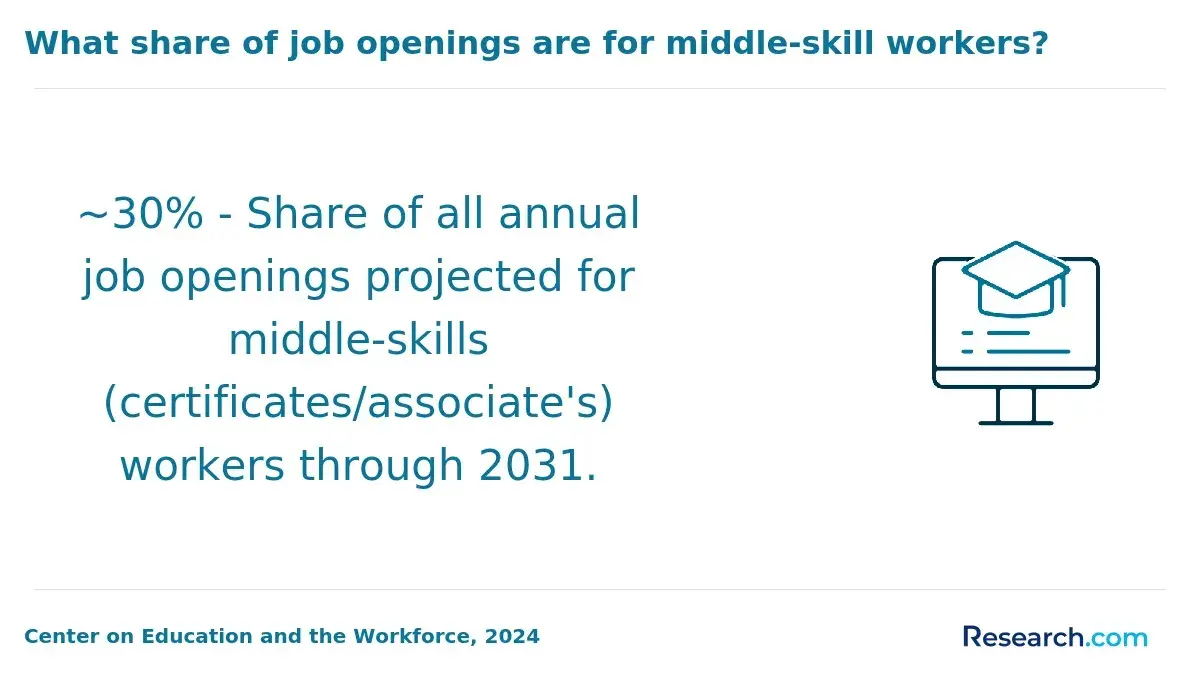
Determining whether D'Youville University provides a supportive online learning environment is crucial as more adults seek flexible education that aligns with work and life demands. In 2024, over 40% of U. S. higher education students engage in some form of online study, reflecting an ongoing shift toward digital platforms that emphasize accessibility and adaptability, according to the National Center for Education Statistics. This trend underscores the importance of assessing not only the variety of programs offered but also their scheduling flexibility, cost-effectiveness, and the strength of student resources.
This article examines these factors at D'Youville University to help prospective online students make informed enrollment decisions.
Key Points About Studying at D'Youville University as an Online Student
- The total tuition cost of $51,360 covers access to virtual libraries and technical support, which supports online learning but requires weighing these resources against comparable program costs.
- A 57% graduation rate indicates moderate completion success, making it important for prospective students to assess their capacity for sustained academic commitment in a remote format.
- Admission is moderately selective with a holistic review approach, suggesting that candidate fit and non-grade factors influence acceptance chances more than strict academic thresholds.
What online degree programs are available at D'Youville University?
The range of online degree programs at D'Youville University reflects strategic alignment with workforce demands, particularly for professionals balancing work and study. For instance, a registered nurse seeking to advance to a Bachelor of Science in Nursing (RN to BSN) can leverage flexible course formats that accommodate shift work schedules, combining asynchronous study with occasional synchronous sessions for interactive learning. Below is a summary of key degree options, illustrating the program types and their delivery models.
- RN to BSN Nursing Completion: Designed for registered nurses aiming to complete their bachelor's degree, this program blends asynchronous coursework with synchronous discussions to maximize clinical relevance and scheduling flexibility.
- Public Health Online Degree: Offers comprehensive exposure to population health and policy with predominantly asynchronous modules, suited for working professionals seeking to expand their public health expertise without interrupting employment.
- Healthcare Administration: Focuses on the operational and strategic aspects of healthcare organizations, delivered via a mix of live online lectures and self-paced assignments to facilitate practical application alongside current work roles.
- Bachelor of Science in Accounting: Serves students pursuing accounting fundamentals necessary for certification pathways, primarily asynchronous with some scheduled group activities to develop collaborative skills essential in finance roles.
- Master of Business Administration (MBA): Structured to meet the needs of aspiring managers, the MBA program combines synchronous sessions that encourage networking with asynchronous content covering core business disciplines.
- Education Degrees with Leadership Focus: Tailored for educators aiming to step into leadership or specialized teaching roles, offering a flexible format that integrates real-world classroom application with online theory.
These offerings demonstrate D'Youville University's efforts to provide flexible online academic paths at D'Youville University, supporting a variety of professional backgrounds. A key practical consideration is how these formats impact learner engagement and employer recognition, particularly in fields with licensure or certification requirements. To explore how degree selections can influence immediate earning potential post-completion, prospective students can consult research on quick degree programs.
Are admissions for online degrees at D'Youville University difficult?
Admission to online degrees at D'Youville University strikes a moderate balance between accessibility and academic expectations, making it neither highly selective nor broadly open. With an acceptance rate of 82%, the university presents a relatively less competitive entry point compared to many institutions, which may appeal to working adults seeking flexibility without onerous hurdles.
The admissions process demands standard qualifications-a completed college-preparatory curriculum, secondary school transcripts, and TOEFL scores for international students-along with SAT scores generally ranging from 445 to 595 in verbal and 440 to 595 in math. This reflects targeted academic standards designed to ensure preparedness without excessive gatekeeping. Uniquely, D'Youville acknowledges prior learning via life experience and advanced placement credits, which can expedite enrollment for nontraditional students and transfers, aligning with its pragmatic admissions approach rather than national trends toward increasing selectivity.
One online graduate recalled applying amid a tight work schedule, appreciating how the credit-for-experience policy eased entrance barriers: "I was juggling full-time work and family, so knowing they valued my professional background and AP credits made me confident I wouldn't have to start from scratch. The process was straightforward, but not so lax that I felt underprepared." This blend of structured yet flexible admission criteria suits those requiring degree completion paths compatible with real-life constraints.
How flexible are the online degree programs are at D'Youville University?
Online degree flexibility at D'Youville University reflects a hybrid model balancing asynchronous and synchronous learning components. Students can access lectures and materials on their own schedules, which is essential for professionals managing work and personal commitments. However, some courses, especially in healthcare-related fields, require in-person clinical or practicum experiences to meet accreditation demands. For instance, a nursing student working full-time might complete most coursework remotely but must coordinate local, in-person clinical hours, presenting logistical considerations that can limit flexibility.
Distance learning options at D'Youville University also hinge on its semester-based academic calendar, offering multiple enrollment periods and a structured term schedule. This can provide a rhythm conducive to sustained progress but may restrict students who need more self-paced pacing. While many programs are fully online, this blend of formats means prospective students should assess specific program requirements and their availability to engage live or attend scheduled sessions.
D'Youville's format suits those who value interaction with faculty and peers alongside flexible access, but it poses challenges for those seeking entirely self-directed study. This approach balances rigor with adaptability, though the need for hands-on components can create barriers depending on a student's location. Students exploring short-term commitments might compare options such as an associate degree in 6 months online free for different flexibility trade-offs.
Is it expensive to attend an online program at D'Youville University?
At $33,560, the base tuition for an online degree at D'Youville University exceeds the typical $20,000 to $30,000 range seen in many online programs nationally. Including estimated books and supplies costs around $2,000, the total attendance near $35,560 reflects a significant financial commitment. This positions D'Youville somewhat above average in terms of sticker price, affecting working professionals weighing the expense against potential career returns based on program outcomes and employer demand.
D'Youville University does not apply additional technology fees or offer a flat in-state tuition rate for online students-tuition remains consistent regardless of location, reducing variability but limiting cost flexibility. For example, an out-of-state student enrolling in healthcare-related programs will face similar tuition to an in-state peer, without discounts or premiums linked to residency or program-specific fees, which is an important consideration for budget planning.
Financial aid plays a critical role in diminishing net price. Approximately 70% of undergraduates receive aid averaging $18,266, substantially lowering the effective cost and offsetting the initial appearance of expense. Prospective students evaluating the cost and value of D'Youville University online degree programs should assess these financial aid possibilities alongside their expected earning capacity post-graduation.
For comparison and due diligence on online programs' affordability and accreditation, many students consult resources listing nationally accredited online colleges. This aids in contextualizing D'Youville's pricing against broader market trends, supporting informed decisions about educational investment and long-term return in a competitive workforce.
What resources are included in the tuition cost at D'Youville University?
Access to targeted online learning resources is a critical factor influencing whether students can effectively manage the unique challenges of remote education. For example, a working professional enrolled in an online degree at D'Youville University might face technical hurdles during peak work hours; having integrated support reduces disruptions and preserves time for study. These resources collectively buffer common obstacles such as digital fatigue, isolation, and workflow interruptions, which frequently cause students to withdraw or underperform. The tuition package at D'Youville University includes several essential tools and services designed to address these practical demands. Key offerings include:
- Centralized Student Portal: This hub consolidates course materials, schedules, and communications into one accessible platform. It simplifies navigation across academic tasks and reduces the risk of missing deadlines or critical updates.
- Technical Support Services: Online students receive assistance with software issues, login problems, or connectivity challenges. Prompt resolution of such issues minimizes downtime and helps maintain continuous engagement with coursework.
- Academic Advising and Tutoring: These services offer personalized guidance on course selection and academic progress through virtual appointments and online chats. Direct access to advisors helps students align courses with career goals and overcome academic difficulties.
- Digital Library Access: Students can remotely utilize comprehensive electronic resources, including databases, e-books, and journals. This support is vital for research-dependent courses and enables study without geographic constraints.
- Career Development Supports: Career services embedded in tuition provide internship placement assistance and facilitate networking through online fairs and alumni connections. These elements enhance students' practical readiness and employer engagement after graduation.
Are the online degrees at D'Youville University ideal for working professionals?
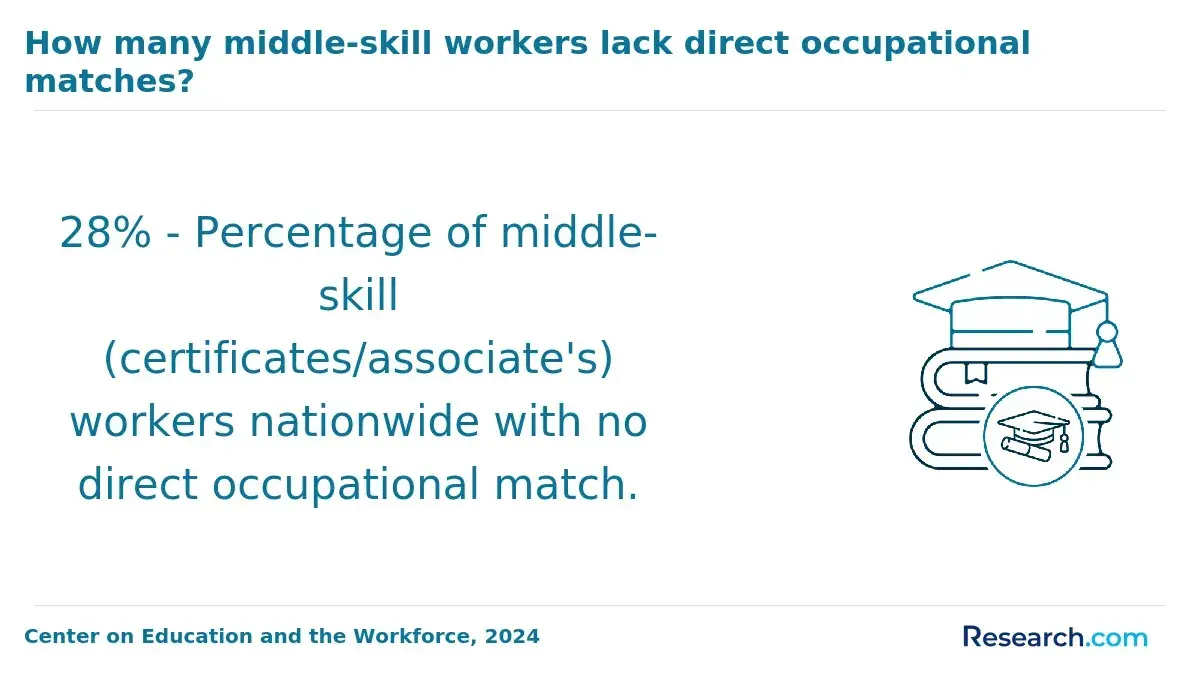
Online degree programs for working professionals at D'Youville University are structured to support meaningful career progression without sacrificing job responsibilities. Consider a full-time healthcare worker aiming to move into management; the university's flexible asynchronous courses enable completion of coursework on personal schedules, helping balance unpredictable shifts while acquiring skills aligned with industry demands. This online learning model fosters professional mobility through practical, career-focused content matched to evolving workplace requirements. The question then becomes how the academic design, delivery methods, and associated opportunities specifically empower working adults to maximize their growth potential. Here are key factors to examine:
- Flexible Scheduling and Pacing: Asynchronous classes allow learners to engage with material during off-hours, accommodating diverse work schedules and unexpected professional demands.
- Relevant Program Offerings: Programs concentrate on healthcare, business, and education sectors, addressing fields where continuous upskilling is crucial to maintaining competitiveness.
- Alignment with Employer Needs: Coursework focuses on applied skills rather than solely theoretical knowledge, improving immediate workplace applicability.
- Corporate Tuition Assistance: Employer-sponsored tuition models reduce financial burdens, making further education more accessible and appealing to working professionals.
- Career Advancement Focus: The curricular emphasis on practical competencies supports transitions to supervisory roles or new professional directions.
- Networking Opportunities: Interactions with peers and faculty often involve professionals facing similar challenges, aiding career-related collaboration and knowledge exchange.
- Balanced Academic Demands: Program design respects competing priorities by setting realistic workload expectations, helping students persist through completion.
This blend of adaptable scheduling and career-aligned programs makes D'Youville University's flexible online education options for career advancement a strategic choice for professionals seeking growth without compromise. For those comparing institutions with accelerated pathways, resources like fast track schools can offer additional insights into accelerated degree completion options.
How big is the online student community at D'Youville University?
The online student community at D'Youville University, while not precisely quantified, represents a meaningful subset of the total enrollment of 2,544 students. For individuals balancing work or family commitments, access to a peer network is critical to mitigating isolation often associated with remote learning. In practical terms, this means a student juggling a full-time job can participate in specialized honor societies and interest groups tailored specifically to online learners, which helps maintain academic motivation and accountability.
The university's digital infrastructure extends beyond coursework to include official social media groups and student-run forums. These platforms provide asynchronous networking opportunities that align with varied schedules and time zones, an essential feature for online populations. For example, a working professional pursuing a degree part-time can leverage these tools to engage in discussions, share resources, or form study groups without rigid temporal constraints.
Such support structures enhance the online experience by fostering a collaborative culture that mirrors traditional campus environments in key ways, including peer support and academic recognition. This can translate into better engagement and potentially improved outcomes, as students are able to connect with peers who understand their unique challenges. However, the scale of this community remains moderate, which means the depth and diversity of connections may be more limited compared to larger institutions primarily focused on online education.
Ultimately, D'Youville University offers a sufficiently sized and actively managed online community designed to support student success and networking. While prospective students should weigh this alongside program content and career alignment, the institution's commitment to online student engagement provides an important foundation for managing the practical realities of distance education.
Is there high online student satisfaction at D'Youville University?
Online student satisfaction at D'Youville University reflects a cautiously positive experience, influenced by faculty engagement and course relevance. For example, a working professional balancing a full-time job often cites the program's flexibility and instructor accessibility as crucial for maintaining progress without compromising personal responsibilities. Such practical support is a significant advantage in online education where direct interaction can be limited.
Students frequently commend the tailored attention they receive from faculty and the alignment of coursework with real-world applications. This focus enhances the perceived value of the degree in professional contexts, helping students connect academic concepts with their career goals. The design of the online environment fosters a sense of support that contributes to persistence despite external pressures.
However, challenges remain, notably intermittent technical glitches and inconsistencies in communication across some programs. These issues can disrupt study routines and dampen satisfaction, particularly for those without strong technological proficiency or who require steady academic guidance. Such drawbacks highlight areas where institutional improvements would better meet student needs.
Overall, online learners at D'Youville University typically report a favorable experience shaped by convenience and personalized support, despite some operational hurdles. The moderate graduation rate suggests room for growth in student retention but does not negate the effective aspects of the university's remote learning model from a practical standpoint.
What is the average salary for online degree graduates at D'Youville University?
The median earnings for online degree graduates of D'Youville University reflect practical economic realities tied to field-specific demand rather than uniform salary boosts. Many graduates see average annual salaries near $66,942, but this baseline conceals significant variation by program that affects postgraduation financial outcomes. For instance, a recent online Business Administration graduate transitioning into a mid-level management role might initially earn around $44,375, placing them in a competitive yet modest income bracket within the business sector.
The average salary for online degree graduates at D'Youville University shifts notably across disciplines, with nursing-related programs offering substantially higher financial returns. Registered Nursing, Nursing Administration, Nursing Research, and Clinical Nursing graduates typically earn around $67,589, reflecting widespread demand and premium compensation in healthcare. Conversely, entry-level salaries for Biology, General degree holders, often around $31,599, point to more limited earning power tied to early-career roles and less direct pathways to high-paying positions.
Employers recruiting from D'Youville University tend to be concentrated in healthcare, education, and business sectors that have strong local and regional ties to the university, improving hiring odds and career trajectory. These salary outcomes underscore the importance for prospective students to critically assess their intended program's economic value. When combined with the flexibility inherent in the university's programs, this practical approach can help students weigh earning potential alongside professional goals, especially when exploring options at online colleges with flexible start dates as they plan their education and workforce transitions.
Does the ROI of an online degree from D'Youville University justify the cost?
Investing in an online degree can impose a significant financial burden, but the potential for long-term earnings growth is a critical factor when assessing whether that cost is justifiable. At D'Youville University, graduates earn approximately 2.68 times the debt they carry, a ratio that highlights a generally positive return relative to what students owe upon graduation. With a median student debt around $25,000-substantially less than the total tuition sticker price of $51,360-many students appear to mitigate costs through scholarships or financial aid, reducing their out-of-pocket burden and altering the timeline for repayment.
For working adults balancing income and education, D'Youville's flexible online schedules allow continuation of employment while studying, preventing income gaps that often lengthen overall ROI timelines. This alignment with ongoing employment enhances the practical payback period, making the debt load more manageable. The university's focus on accredited, career-relevant credentials improves chances that graduates can access positions with higher salaries and stability, which is essential when determining whether the upfront expense yields tangible financial benefits over time.
However, one must consider that recovery of these costs depends on the graduate's field and local job market conditions. While default rates remain relatively low, signaling manageable debt among most students, some may find their earnings insufficient to quickly outpace their obligations if employed in lower-wage sectors. Thus, the economic value of the degree hinges on matching program choice with realistic post-graduation employment scenarios.
Overall, the combination of moderate debt, an earnings-to-debt ratio approaching threefold, and flexible online delivery suggests a cautiously favorable ROI for many students-particularly those who prioritize continuing work and can access financial aid to lower upfront expenses.
A graduate from D'Youville's online program shared that initially, juggling full-time work and coursework felt overwhelming, and the prospect of debt was daunting. Yet, the ability to maintain her job while studying was crucial; she avoided income loss and kept debt manageable through employer reimbursement and scholarships. A year after graduating, she noted her salary had increased enough that repaying her student loans felt achievable without sacrificing daily expenses, though she emphasized this balance required relentless time management and clear career goals from the start.
What Graduates Say About D'Youville University's Online Degree Programs
- Naomi: "Studying online at D'Youville University was a strategic choice for me as I balanced work and family commitments. The flexibility allowed me to complete coursework around my schedule, which was crucial. When I entered the workforce, I found that while many employers valued the convenience of my degree, a strong portfolio and relevant certifications often weighed heavier than the degree itself, making me realize I needed to continuously upskill to stay competitive."
- Claudia: "Pursuing an online degree from D'Youville University gave me the opportunity to pivot careers without sacrificing income, which was invaluable. The remote learning format mirrored the modern work environment, easing my transition into a remote role post-graduation. Although I encountered limits in salary growth without additional licensure, the degree opened doors otherwise closed to me, and I appreciated how it balanced practical knowledge with career flexibility."
- Esmeralda: "My online education at D'Youville University challenged me more than I expected, especially managing deadlines without in-person accountability. Once I finished, I noticed that employers in my field prioritize internships and direct experience alongside academic credentials. Yet, having the degree helped me secure entry-level positions faster and gave me credibility despite the high competition, underscoring that the degree was a valuable but not sole component in my career advancement."
Other Things You Should Know About D'Youville University Degrees
While the virtual environment can limit spontaneous interaction, D'Youville incorporates structured discussion forums, group projects, and virtual office hours to foster engagement. However, networking is often less organic than on campus, so students inclined to build professional relationships should prioritize participating in these online touchpoints and seek out any optional live sessions or local networking events to enhance their community connections.
D'Youville's online courses maintain comparable rigor to their on-campus equivalents, often requiring substantial weekly time commitments for readings, assignments, and discussions. Students juggling full-time work or family responsibilities must realistically assess their capacity for sustained focus, as falling behind can quickly compound. Prioritizing strong time-management skills and early engagement with course materials is essential for success.
Employers generally recognize D'Youville University for its regional reputation and accredited programs, but attitudes toward online degrees can vary by industry. Fields with licensure or certification heavily value the program's accreditation status, so candidates should emphasize these credentials in applications. For career fields that prioritize hands-on experience, supplementing an online degree with practical work or internships can strengthen employability.
References
- D'Youville University Requirements for Admission https://www.prepscholar.com/sat/s/colleges/DYouville-University-admission-requirements
- D’Youville: A Small College with Big Programs https://www.collegefairguide.com/single-post/2018/01/18/d-youville-a-small-college-with-big-programs
- Apply to D'Youville University https://www.commonapp.org/explore/dyouville-university/
- Maple Leaf Schools | World-Class Canadian Education https://www.mapleleafschools.com/schools/best-online-degrees
- D'Youville University Reviews https://www.gradreports.com/colleges/d-youville-university
- D'Youville University - Cost & Financial Aid https://www.meetyourclass.com/dyu/cost