2027 University of Washington Online Learning Format: Part-Time, Full-Time, and Self-Paced Options

Co-Founder and Chief Data Scientist
Consider a working professional managing family responsibilities who wants to advance their education without sacrificing current obligations. They face common challenges deciding between part-time, full-time, or self-paced online study options. Balancing academic progress with personal and work commitments requires understanding how each format affects flexibility, time investment, and graduation timelines.
Currently, roughly 40% of online students at University of Washington enroll part-time, reflecting a national trend of adult learners prioritizing flexible scheduling. This pattern highlights the need to evaluate how program pacing aligns with lifestyle demands and career goals. Assessing course scheduling and format differences becomes essential for realistic planning.
This article examines University of Washington's online study formats, comparing part-time, full-time, and self-paced options. It will help clarify which arrangement best matches various schedules, learning preferences, and educational objectives to support informed decision-making.
Key Points About University of Washington Online Learning Formats
- Part-time online studies at University of Washington accommodate working adults by spreading coursework over longer periods, reducing weekly workload and supporting integration with professional responsibilities.
- Full-time programs demand concentrated effort and time commitment, resulting in accelerated completion but requiring dedicated availability that suits students aiming for faster degree attainment.
- Self-paced formats deliver maximal scheduling control by allowing students to adjust study intensity, ideal for those balancing unpredictable work hours or personal commitments while maintaining steady progress.
What online learning formats does University of Washington offer?
Choosing the right online learning format influences how students engage with material and balance outside commitments. University of Washington offers part-time, full-time, and self-paced options, recognizing that flexibility is crucial to meet the diverse demands of working adults, caregivers, and career changers. A software developer returning to school might select part-time study to maintain employment while progressing steadily. Meanwhile, a recent graduate aiming to enter the workforce quickly could prefer full-time enrollment to accelerate completion.
Part-time formats suit those needing to distribute workload over longer periods, enabling sustained focus without overwhelming outside obligations. Full-time programs generally benefit learners able to dedicate significant hours weekly, often leading to faster degree attainment. Self-paced options provide maximum autonomy, appealing to highly disciplined students requiring schedule freedom or those balancing unpredictable responsibilities. The National Center for Education Statistics notes a 22% increase in online course enrollment among adult learners, underscoring this demand for adaptable learning paths that accommodate complex life situations.
How does part-time study at University of Washington work?
Many students opt for part-time study at University of Washington to balance work, family, or personal commitments with their academic goals. This format allows a reduced course load each term, providing necessary flexibility but extending the time to degree completion. For example, a working parent might take fewer credits to maintain steady employment while progressing through a program. A 2024 study from the National Center for Education Statistics found that nearly 60% of online university students enroll part time, and their average time to degree is about twice that of full-time peers. This highlights the tradeoff between managing life responsibilities and accelerating program completion. Below are key aspects to understand about part-time study options at University of Washington.
- Extended Time to Degree Completion: The lighter course load means graduation often takes twice as long as full-time study, which can impact career timing and financial planning.
- Flexible Course Scheduling: Students can select fewer credits per term, allowing them to juggle work or family obligations without overextension.
- Cost Structure and Financial Aid Considerations: Tuition is charged per credit, so part-time students pay less each term but may face longer overall expenses due to extended duration. Financial aid is available to 55% of students, but specific scholarships for part-time learners are limited.
- Employer Recognition and Workforce Entry: While employers value the commitment of part-time study, they may factor in the longer pacing when considering hiring timelines and readiness.
- Impact on Incidental Costs: Prolonged enrollment may lead to increased incidental expenses such as fees or technology, which should be weighed alongside tuition savings.
- Graduation Outcomes: The University of Washington has an 84% graduation rate overall, reflecting solid completion rates, though part-time learners may require more time to reach this milestone.
- Program Suitability for Certain Students: Part-time study benefits students who cannot commit to full-time study but still want to pursue degrees aligned with best degrees to get for their goals and lifestyles.
What should you expect from full-time online study at University of Washington?
Some online students choose full-time enrollment at the University of Washington to complete their degrees faster despite increased academic demands. This option suits those who can dedicate significant time and focus to their studies. It requires balancing a heavier course load with other life responsibilities, such as work or family. Full-time online study also influences financial aid eligibility and may affect postgraduation outcomes. A recent study found that 42% of online students at University of Washington enroll full time, typically taking 12 to 15 credit hours per semester, which aligns with traditional full-time standards and supports finishing degrees within about four years.
The following points outline key characteristics of full-time online study to help prospective students evaluate if it fits their personal and academic circumstances.
- Accelerated Progression Potential: Full-time online students often complete their degrees faster than part-time peers, enabling earlier workforce entry. This accelerated pace suits learners prioritizing speed but requires sustained discipline to avoid burnout.
- Considerable Weekly Time Commitment: Managing 12 to 15 credit hours demands consistent study hours and self-motivation. Students balancing employment or family should realistically assess whether their schedules support this intensity.
- Enhanced Financial Aid Eligibility: Full-time status often grants access to a wider range of scholarships and grants. At University of Washington, about 55% of students receive some form of aid, partly due to enrolling full time, which can ease upfront financial burdens compared to part-time study.
- Higher Completion Rates: Full-time learners benefit from structured course loads and continuous engagement, leading to an 84% graduation rate that surpasses typical online averages. This reliability matters for students seeking predictable timelines and outcomes.
- Improved Earnings Outcomes: Median alumni salary for full-time online graduates is near $78,466, reflecting how focused study can translate into competitive labor market returns sooner than extended part-time paths.
- Tradeoff with Flexibility: While part-time study offers greater schedule flexibility, full-time online learning at University of Washington demands more rigid commitment. Prospective students should weigh how this impacts work-life balance and learning preferences labeled as full-time online learning schedule flexibility at University of Washington.
- Financial Cost Considerations: Total tuition for full-time online study is $36,679, with total attendance costs around $30,282, but exact fee comparisons with part-time options remain unclear. Part-time study can spread costs over more semesters, influencing budgeting decisions.
For students aiming to combine speed with structured academic progression, full-time online study at University of Washington aligns well with these goals. Those requiring more adaptable pacing might explore part-time or self-paced formats, including accelerated degree programs tailored to different needs.
Prospective online students often prioritize self-paced learning to juggle complex schedules involving work, family, or unexpected demands. Flexibility in timing allows learners to progress when circumstances permit rather than adhering to rigid academic calendars. This approach suits adults balancing multiple commitments but also requires greater self-motivation and time management. The University of Washington offers limited self-paced options compared to its dominant cohort-based formats. Below are key factors to consider for those weighing self-paced study at this institution.
- Limited Availability of Self-Paced Programs: University of Washington mainly provides part-time and full-time online courses, with self-paced options confined to select certificates and professional tracks. This constrains the ability to fully tailor learning speed, unlike more widespread competency-based formats elsewhere.
- Alternative Tuition Models: Tuition for self-paced learning diverges from standard fixed semester fees, often involving subscriptions or per-credit charges. This may benefit some budgeting strategies but complicates direct cost comparisons with structured degree programs costing around $36,679.
- Financial Aid Complexity: While 55% of self-paced students access financial aid, eligibility often depends on enrollment status and timing. Students must navigate these constraints, which can undermine flexibility by requiring adherence to specific disbursement schedules.
- Lower Completion Rates: The typical 84% graduation rate for traditional online study outpaces that of self-paced formats, reflecting difficulties in sustaining motivation without cohort support. This gap impacts long-term outcomes and employer perceptions of program rigor.
- Employability Outcomes Favor Structure: Median alumni salaries of $78,466 largely arise from graduates of structured programs. Prospective students should weigh if the increased flexibility justifies potential impacts on network-building and credential recognition by employers.
- National Trends Favoring Flexibility: Approximately 22% of adult learners prefer self-paced education due to life demands, a growing segment noted by the National Center for Education Statistics. This trend implies rising demand but also highlights the need for robust support services to ensure success.
- Practical Decision-Making Considerations: Selecting self-paced courses at University of Washington suits individuals who can independently maintain progress. Those needing consistent feedback, external accountability, or clearer timelines should consider established cohort models instead.
One University of Washington graduate recalled hesitating between a fully self-paced professional certificate and a part-time online degree. The self-paced option appealed for its scheduling freedom amid a demanding job and family care. However, the student ultimately chose the part-time cohort program, valuing structured deadlines and peer interaction that supported focus. "I worried I wouldn't stay on track alone," the graduate said, "and the program's networking opportunities felt worth the tradeoff." This choice illustrates the nuanced balance between flexibility and structure students must navigate when examining available UW online formats.
Balancing education with work or family demands requires online course scheduling that aligns closely with personal availability. The University of Washington's online class scheduling options address this need with part-time, full-time, and self-paced pathways. This allows students to plan around fixed job shifts or caregiving duties while pursuing credentials that must remain relevant and timely in competitive labor markets.
At University of Washington, full-time courses follow traditional academic semesters with set start dates and assignment deadlines that demand dedicated hours weekly. This schedule suits those able to prioritize study for faster completion but challenges students who cannot reduce work commitments. Part-time options extend coursework across multiple quarters, easing stress and allowing steady progress through mostly asynchronous content with occasional synchronous sessions.
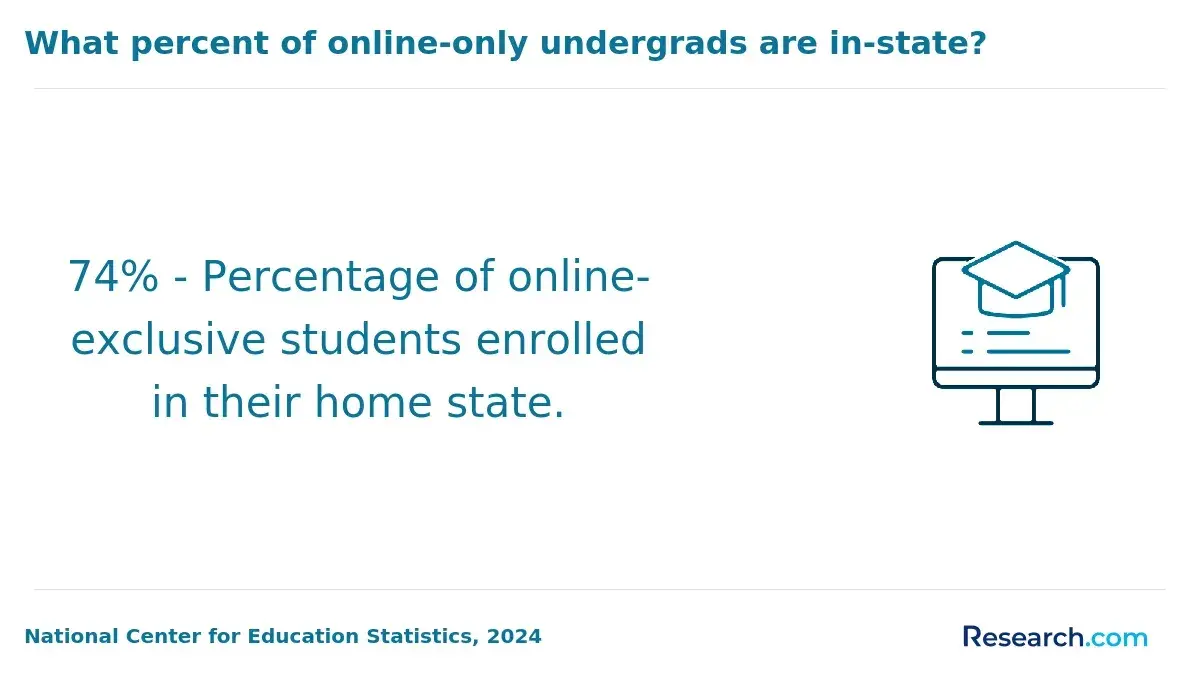
The self-paced format offers maximum flexibility without fixed deadlines, but it requires strong self-discipline to avoid protracted program duration. According to a 2024 study by the National Center for Education Statistics, 74% of working adults prefer flexible online scheduling because it improves balancing employment and study demands. This preference confirms that programs like University of Washington's must balance structure with adaptability to support momentum and employer expectations.
Prospective students should assess their time management skills, job flexibility, and educational timeline when selecting a format. Those aiming for quick workforce reentry might favor full-time, while others juggling complex schedules might prefer part-time or self-paced options. Exploring programs among non profit schools can also provide additional clarity on how scheduling impacts career outcomes.
No single online learning format suits every student at the University of Washington. The best choice depends on balancing individual circumstances with long-term academic momentum and career goals. Full-time programs demand a significant weekly time investment, which benefits those who can commit fully but challenges those with work or caregiving duties. Part-time options provide steady progress without overwhelming schedules, while self-paced formats offer flexibility that can either enhance or hinder timely completion. These factors require careful weighing of personal and professional realities before deciding. Below are key lifestyle considerations to evaluate.
- Work Schedule Flexibility: Students with unpredictable or demanding jobs often benefit from part-time or self-paced formats, which accommodate variable hours better than full-time schedules. Evaluating how consistently one can dedicate focused study time helps determine whether accelerated learning is practical or if spreading coursework over a longer period reduces stress and improves retention.
- Family and Caregiving Responsibilities: Those balancing childcare or eldercare typically find part-time or self-paced options more manageable, allowing them to integrate learning around fluctuating family demands. This factor is crucial because burnout increases when educational commitments clash with caregiving duties, threatening both academic success and personal well-being.
- Learning Style and Discipline: Students who thrive on structure and deadlines may perform better in full-time or part-time formats with set schedules and cohort interactions. By contrast, highly self-motivated individuals capable of maintaining progress independently can leverage self-paced options but must remain vigilant against procrastination that can extend completion timelines.
- Desired Time to Completion: Prospective students prioritizing rapid entry into the workforce often choose full-time formats, accepting the workload in exchange for quicker degree attainment. Those with less urgency and more competing priorities might choose part-time or self-paced paths, trading speed for sustainability and better work-life balance.
- Employer Expectations and Career Plans: Some employers value consistent, steady progress as evidence of reliability and time management, favoring candidates who complete degrees on traditional schedules. Understanding industry norms can guide students toward a format that aligns with professional signals and enhances post-graduation employment prospects.
- Access to Support and Resources: Full-time students may benefit from more frequent interaction with faculty and peers, enhancing engagement and motivation. Part-time and self-paced learners should assess how they will secure necessary academic support remotely, which affects persistence and program satisfaction over time.
- Financial Constraints and Aid Availability: The timing of tuition payments and eligibility for financial aid often differ by enrollment intensity. Students should factor in budget flexibility and funding timelines to select a format that minimizes financial strain while maintaining progress.
A practical example involves Lisa, a mother working a variable schedule in healthcare. She initially wanted full-time enrollment to finish quickly but found her unpredictable shifts made it impossible to keep up with deadlines. Switching to part-time online courses at the University of Washington gave her consistent pace without overwhelming her family life. Still, she worries about falling behind peers but appreciates the balance it offers. Her situation illustrates how aligning format choice with real daily demands avoids burnout and supports steady progression, even if completion is longer.
Enrollment status at University of Washington critically shapes the balance between academic progress, financial commitments, and personal responsibilities for online students. Full-time enrollment accelerates degree completion, allowing students to minimize living costs and enter the workforce sooner. In contrast, part-time status spreads tuition payments over more semesters, easing immediate financial pressure but extending the timeline and potentially increasing total costs.
Full-time students face higher per-semester tuition charges but benefit from a faster route to graduation, which can reduce overall expenses related to housing, fees, and missed income. Part-time students often juggle work and family alongside their studies, enabling steady income flow but delaying degree attainment and increasing cumulative tuition and associated fees. This extended timeline can affect debt accumulation and the timing of salary growth after graduation.
A study by the National Center for Education Statistics shows online full-time learners at University of Washington complete degrees approximately 20% faster than part-time peers. This speed correlates with about 10% lower total debt due to shorter enrollment and fewer fees. This data highlights a crucial trade-off: accelerated study reduces financial burdens but demands significant time and focus, while part-time enrollment offers flexibility with longer cost exposure.
Choosing between part-time and full-time enrollment depends on each student's financial resources, time availability, and career objectives. Those with stable finances who prioritize rapid workforce entry may prefer full-time to maximize return on investment. Students balancing responsibilities may find part-time suits their needs despite higher long-term costs, as it supports ongoing employment and fewer immediate financial strains. Careful assessment of personal circumstances alongside these trade-offs will guide enrollment decisions at University of Washington.
Success in University of Washington online learning formats depends on more than access to technology. Students must also develop disciplined learning habits to manage their studies effectively. Reliable tools and digital literacy form the foundation, while self-directed skills like time management and adaptability determine sustained engagement. For instance, a working professional enrolled part-time could face setbacks without clear technology proficiency paired with structured study routines. Below are key technology requirements and learning skills critical for University of Washington online students.
- Reliable Computer and Software Compatibility: Students need a computer with up-to-date operating systems and modern web browsers to access course materials without interruption. Incompatible devices can cause delays or lost submissions. Ensuring hardware and software readiness before starting courses avoids technical roadblocks.
- Proficiency with Canvas Learning Management System: Navigating Canvas efficiently allows timely submission, participation in virtual discussions, and tracking grades. Mastery of this platform supports academic retention and smooth communication with instructors.
- Stable Internet Connectivity: Consistent access to a fast internet connection prevents disruptions during live sessions or assessment submissions. It ensures engagement across part-time, full-time, and self-paced formats where asynchronous and synchronous learning mix.
- Time Management and Goal-Setting Skills: Students must prioritize coursework alongside personal and professional obligations. Effective scheduling and clear objectives reduce dropout risk and enhance course completion rates.
- Digital Literacy Beyond Basics: Beyond hardware, students should competently manage file uploads, troubleshoot minor issues, and use productivity tools. These skills improve efficiency and reduce dependence on technical support.
- Adaptability to Online Learning Environments: Flexibility in adjusting study habits for self-paced or instructor-led formats is essential. Students who adapt exhibit higher resilience and success across University of Washington online learning technology requirements.
- Self-Regulation and Motivation: National research shows a 27.4% higher online course completion rate among students proficient in digital self-management. Cultivating discipline and intrinsic motivation is vital for progression and achievement.
For prospective students weighing options, assessing technology access and readiness alongside personal learning skills is crucial. Careful consideration helps identify the best fit among University of Washington's part-time, full-time, and self-paced online learning formats. Military spouses and dependents can find tailored support by selecting from military spouse friendly online colleges aligned with their unique circumstances.
Comparing online learning formats is essential since schedule flexibility, pacing, and student support greatly affect completion and career outcomes. Prospective students must look beyond tuition and academic programs to assess how different institutions structure learning. University of Washington's online learning format offers part-time, full-time, and self-paced tracks, providing distinct advantages that align with varied student needs. The University of Washington online learning format comparison demonstrates its ability to serve diverse lifestyles and professional demands.
The University of Washington's model competes well with peers by balancing flexibility and rigor. Its scheduled pacing supports goal-oriented learners, while self-paced options accommodate working professionals seeking autonomy. Retention and graduation rates near 84% suggest effective student engagement, exceeding many public online universities. These structural features matter because learners juggling employment or family benefit from adaptable pacing but still receive sufficient institutional support for persistence.
The total tuition of approximately $36,679 stands above average, but a National Center for Education Statistics study finds alumni median salaries at $78,466, reflecting strong return on investment linked to selective admission and program quality. Such career outcomes differentiate University of Washington's offerings in a competitive online education landscape. Students should weigh the higher upfront cost against these employment dividends when selecting an online format with long-term value.
Students balancing work and learning often choose part-time or self-paced paths for manageable progress, while those prioritizing faster degree completion without schedule compromise may prefer full-time. Understanding these trade-offs helps match learning preferences to goals. For those seeking programs tailored for workforce success, exploring degrees for remote jobs can further guide informed decisions about the best online learning options in Washington universities.
Choosing an online learning format at University of Washington should extend beyond convenience and factor into how the format supports tangible career milestones, shifts in professional direction, or graduate studies preparation. A working professional aiming for a managerial role must consider how the selected schedule fosters relevant skill enhancement and employer recognition. For example, a mid-level engineer juggling full-time work and family might prioritize formats that allow steady progress without sacrificing job performance, thus maintaining income and professional standing.
Full-time study accelerates learning and often leads to faster salary growth, especially in fields like Computer Science where intensive commitment correlates with higher early-career ROI. However, this choice is best suited for those who can pause work or fully redirect effort toward education. In contrast, part-time formats provide a practical balance that sustains employment while building expertise, supporting professionals who seek incremental promotions or lateral moves, with evidence showing part-time learners experience 15% higher salary increases than self-paced peers due to stronger networking and career resource engagement.
Self-paced options offer flexibility ideal for those with irregular schedules or multiple commitments but typically limit structured interaction and employer engagement. This can affect long-term professional returns despite reasonable graduation rates. Students relying solely on self-guided pacing may face slower advancement, particularly in industries valuing consistent peer collaboration or employer connections that part-time and full-time formats better enable.
To choose effectively, students must assess current obligations, employer expectations, desired graduation timelines, and how education aligns with their career trajectory. Those requiring rapid upskilling to meet new job demands might favor full-time study, while working professionals aiming to maintain job stability and grow within existing roles often benefit from part-time options. Careful evaluation of these factors ensures the selected University of Washington online format maximizes both immediate employability and long-term professional success.
What Graduates Say About University of Washington Online Learning Formats
- Ethan: "Choosing the part-time online learning format at the University of Washington was essential for me as I juggled a demanding full-time job and family commitments. The structured weekly schedule helped me maintain steady progress without overwhelming my calendar, though balancing coursework deadlines with work projects sometimes required late nights. Graduating with this paced approach allowed me to gain new skills relevant to my role while avoiding burnout, and ultimately, the degree opened doors for a promotion within my company."
- Martin: "I opted for the full-time online program at the University of Washington because I wanted to immerse myself fully and graduate as quickly as possible. It was intense, demanding strict discipline to stay on top of the fast pace and frequent assignments, but the immersive format let me dive deep into the material and develop a cohesive understanding quickly. Despite the challenge of sacrificing some social activities and downtime, earning my degree rapidly significantly accelerated my career change into the tech industry."
- Fernando: "The self-paced online learning option at the University of Washington suited me best given my unpredictable work schedule and frequent travel. Having the flexibility to adjust when and how I studied let me customize my learning experience, but it also tested my self-motivation-there were moments when procrastination delayed my progress more than I wanted. In the end, this format taught me strong time management skills and allowed me to graduate while managing personal and professional priorities, which positively influenced my credibility and opportunities at work."
Other Things You Should Know About University of Washington Degrees
University of Washington allows some flexibility in transferring credits between part-time, full-time, and self-paced online formats, but it is not seamless across all programs. Credits earned in one format may require advisor approval to count toward another, and not all courses align perfectly when switching formats. This can delay graduation and complicate planning if students change their enrollment intensity mid-program, so it is advisable to consult advisors early if a format shift is anticipated.
Self-paced formats offer scheduling freedom but demand strong intrinsic motivation and time management, as University of Washington does not impose hard deadlines typical in part- or full-time setups. Students who struggle with procrastination or need structured milestones risk falling behind, which can extend their time to completion. For those who prioritize flexibility yet want clearer pacing, part-time enrollment may better balance personal discipline with external accountability.
Most University of Washington online courses follow the same quarterly registration deadlines as on-campus classes, but self-paced courses may use separate start and completion windows set by the specific unit. Students should check the Registrar’s quarterly calendar and the program’s course schedule before enrolling.
- Timelines - UWSOM Intranet https://education.uwmedicine.org/student-affairs/financial-aid/timelines/
- Short Courses - Information Technology https://www.uwb.edu/it/training-and-support/workshops-events/teaching-online-courses
- Benefits and Perks | UW Medicine https://www.uwmedicine.org/jobs/benefits-perks
- What Are the Online Learning Technology Requirements https://www.lenovo.com/us/en/knowledgebase/what-are-the-online-learning-technology-requirements/
- University of Washington vs. Washington State University https://empowerly.com/applications/uw-vs-washington-state/
- Despite online course growth, on-campus learning remains the norm https://www.dailyuw.com/article/despite-online-course-growth-on-campus-learning-remains-the-norm-20250314
- University of Washington Career Benefits Guide https://energy.co.kr:455/news/employee-benefits-at-a-university-of-washington-career.html
- Technology Recommendations https://csswiki.uwb.edu/technology-recommendations/
- University of Washington Open UW – Online Course Providers in Seattle, ONLINE* | SeriousTeachers https://www.seriousteachers.com/globallinks/9722/university-of-washington-open-uw