2027 CACREP Addiction Counseling Programs That Also Support LPC Eligibility

Co-Founder and Chief Data Scientist
Choosing an addiction counseling degree is more complicated when your long-term goal is LPC licensure. A program can prepare you for substance use treatment without meeting every academic requirement your state board applies to professional counselor licensure. The U.S. Bureau of Labor Statistics projects 19% employment growth for substance abuse, behavioral disorder, and mental health counselors from 2023 to 2033. This guide explains how to identify CACREP-accredited programs, compare degree paths, confirm licensure fit, and avoid investing in a program that limits your options.
Key Things You Should Know
- A CACREP-accredited master's program with an Addiction Counseling specialty may support LPC eligibility, but only your state licensing board can determine whether its curriculum meets your state's requirements.
- CACREP master's programs generally include at least 60 semester credit hours, a 100-hour practicum, and a 600-hour internship; many states also require post-degree supervised experience and a licensing exam.
- The Bureau of Labor Statistics projects 19% growth in substance abuse, behavioral disorder, and mental health counselor employment from 2023 to 2033, but pay, titles, and credentials vary substantially by state and employer.
What is CACREP accreditation and why does it matter for addiction counseling programs?
CACREP, the Council for Accreditation of Counseling and Related Educational Programs, is a specialized accreditor for counseling education. It evaluates whether a program's curriculum, faculty, clinical training, assessment practices, and student-support systems meet established counseling-profession standards. Institutional accreditation and CACREP accreditation are different: a university may be institutionally accredited while its counseling degree is not CACREP-accredited.
For an aspiring addiction counselor who also wants the flexibility to pursue Licensed Professional Counselor credentials, CACREP matters because it offers a recognized framework for graduate counseling preparation. Many state boards explicitly recognize CACREP education or review non-CACREP coursework against similar standards. Recognition does not mean automatic licensure, however; boards still evaluate the applicant, degree specialty, required content areas, examinations, and supervised practice.
The key distinction is between an addiction-focused counseling degree and a program that has CACREP accreditation for the precise specialty and campus or delivery format in which you enroll. Verify the specific program rather than relying on a university-wide statement about accreditation.
Use this comparison to understand what CACREP can and cannot do for your career plan.
| Program feature | Why it matters | What to verify |
| CACREP specialty accreditation | Shows the counseling program follows specialized standards | The exact degree, specialty, location, and approved delivery format |
| Addiction counseling curriculum | Builds competence in substance use assessment and treatment | Whether addiction-specific courses and field placements are included |
| LPC educational fit | Determines whether coursework can support state licensure review | Your state board's degree, credit, content, and practicum rules |
| Institutional accreditation | Can affect federal aid, transferability, and degree recognition | The institution's current accreditation status |
Students comparing remote institutions should also distinguish a counseling program's specialized accreditation from a school's broader reputation. A review of most reputable online universities can be a useful starting point, but it does not replace checking the individual counseling program's CACREP status and state authorization.
How can a CACREP addiction counseling program also qualify you for LPC licensure?
A CACREP addiction counseling program can support LPC eligibility when its graduate curriculum satisfies the education rules of the state where you intend to be licensed. In many states, the LPC pathway requires a qualifying counseling master's degree, commonly at least 60 graduate semester credits, specified content areas, supervised practicum and internship experiences, a national examination, and post-master's supervised clinical work. The exact title may be LPC, LPCC, LMHC, or another state-specific designation.
The safest approach is to treat CACREP as a strong educational signal, not as a substitute for board review. Some states may accept an Addiction Counseling specialty directly; others may require or more readily recognize Clinical Mental Health Counseling coursework. A program with addictions electives inside a Clinical Mental Health Counseling degree can be a particularly practical choice for students who want both substance use specialization and broad mental health counseling mobility.
Before applying, complete these steps in order. They reduce the risk of discovering a gap after graduation.
- Choose the state where you expect to seek initial licensure, even if you may relocate later.
- Read that board's current education, clinical-hour, examination, supervised-experience, and residency requirements.
- Ask each program for a curriculum crosswalk showing how required courses and fieldwork align with that state's rules.
- Confirm whether the program's addiction specialty, online format, and practicum placements are acceptable to the board.
- Keep course syllabi, catalog pages, clinical-hour records, and supervisor documentation for your eventual application.
Do not rely solely on an admissions representative's statement that a program "meets LPC requirements." Schools can explain curriculum design, but licensing boards make final determinations. This is especially important for students planning to work across state lines, because counselor licensure portability remains dependent on jurisdiction-specific rules.
What degree pathways lead to both addiction counselor certification and LPC eligibility?
The best pathway depends on whether you want independent clinical practice, agency-based substance use work, or an entry point into the field. For most students seeking both addiction counseling depth and eventual LPC eligibility, a 60-credit CACREP master's degree is the central credential. State addiction counselor certifications may require different education levels and may be available before full LPC licensure.
The following pathways clarify the trade-offs between speed, scope of practice, and long-term flexibility.
| Pathway | Typical outcome | Best fit | Main limitation |
| CACREP Addiction Counseling master's | Advanced substance use counseling preparation; may support LPC review | Students committed primarily to addiction treatment | May have less direct portability than a clinical mental health specialization in some states |
| CACREP Clinical Mental Health Counseling master's with addiction emphasis | Broad mental health counseling preparation plus addiction-focused training | Students seeking wider LPC career options | May require selecting electives or placements carefully to gain addiction depth |
| State-approved addiction counselor certificate or credential | May support entry-level or supervised substance use roles | Working adults testing the field or pursuing a state-specific role | Usually does not independently meet LPC education requirements |
| Bachelor's degree plus entry-level substance use role | Early exposure to behavioral health settings | Students not ready for graduate school | Generally does not lead to independent LPC practice |
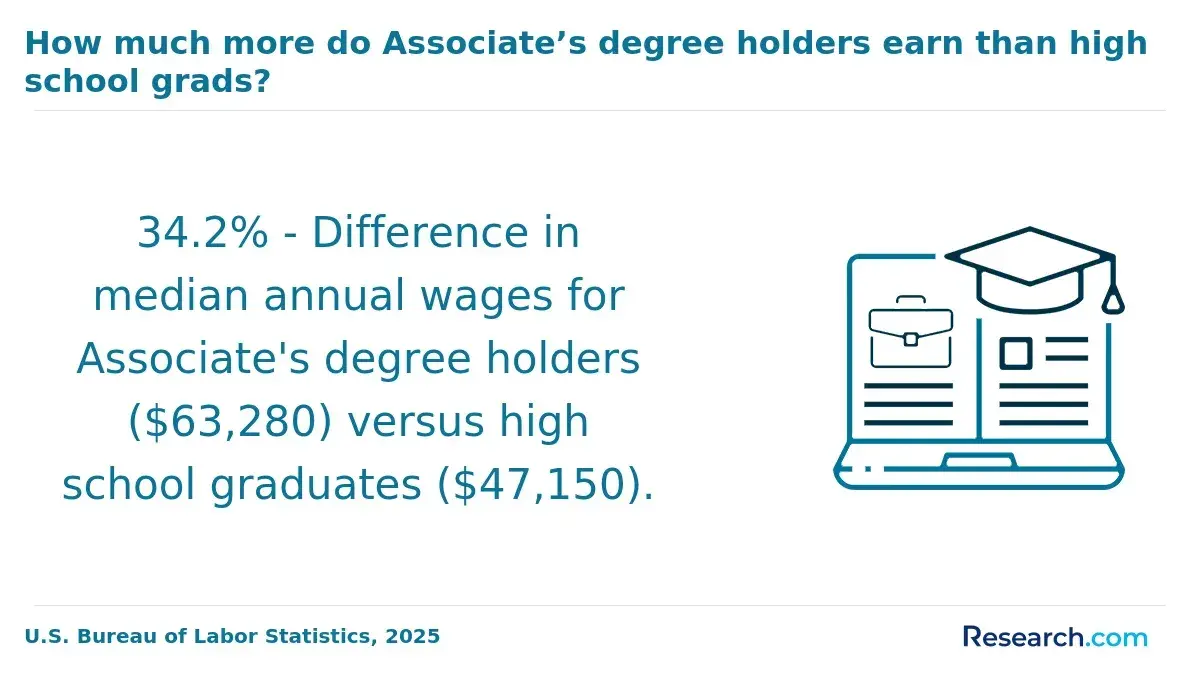
A certificate can make sense if your state allows it for peer, technician, recovery-support, or supervised counseling work, but it is not a shortcut around a qualifying master's degree for LPC licensure. Students who need an earlier academic milestone can explore a fast track associates degree online option only if it supports a separate entry-level plan; it will not replace the graduate counseling degree required for LPC pathways.
Choose the Addiction Counseling specialty when substance use treatment is clearly your primary professional focus and your target board confirms acceptance. Choose Clinical Mental Health Counseling with intentional addiction coursework when you want to work across mental health settings, preserve broader career options, or anticipate relocation.
What admission requirements do CACREP-accredited addiction counseling programs typically have?
CACREP-accredited master's programs commonly require a completed bachelor's degree from an institutionally accredited college or university, official transcripts, an application, a personal statement, recommendation letters, and an interview or writing sample. Requirements differ by school. Some programs set a minimum undergraduate GPA, while others use a holistic review that considers professional experience, academic trends, and readiness for clinical training.
You usually do not need an undergraduate major in psychology, counseling, or addiction studies. Programs may require foundational coursework or recommend exposure to psychology, statistics, human development, or abnormal psychology. Applicants without a related major should ask whether prerequisite courses are required before admission or embedded in the program plan.
Admissions committees are assessing more than academic readiness. Counseling training involves emotionally demanding clinical work, ethics, reflective practice, and professional communication. Relevant experience in social services, recovery support, education, health care, crisis services, or community organizations can strengthen an application, but it does not replace academic or clinical requirements.
Before submitting applications, prepare materials that show both fit and feasibility.
- Explain why you want addiction counseling training and how the program supports your intended licensure state.
- Ask whether your prior coursework satisfies prerequisites and whether any credits may transfer.
- Confirm background-check, immunization, drug-screening, and field-placement requirements before accepting admission.
- Discuss how the program supports students who need practicum or internship sites near their homes.
A common mistake is choosing a program because its admissions process appears easier than alternatives. A manageable admission process may be appropriate, but the more important question is whether the curriculum, clinical placement structure, and board alignment fit your eventual license and work setting. If you are still deciding on an undergraduate route, do not choose an easiest degree to get solely for speed; select a bachelor's program you can complete successfully while building the writing, interpersonal, and behavioral science foundation graduate counseling requires.
How do online CACREP addiction counseling programs compare to campus-based options?
Online CACREP counseling programs can offer the same graduate-level academic curriculum as campus programs, but they are not automatically easier or fully self-paced. Live skills practice, faculty observation, group supervision, residency experiences, and local clinical placements may be required. The critical question is whether the program is CACREP-accredited in the format offered and authorized to enroll students and arrange placements in your state.
Online study is often strongest for working adults who can manage structured deadlines and have access to suitable local practicum and internship sites. Campus-based study can be a better fit for students who want frequent face-to-face skills coaching, prefer a built-in local professional network, or need more direct help identifying nearby placement opportunities.
This comparison highlights the practical differences that matter most for licensure-oriented students.
| Factor | Online or hybrid program | Campus-based program |
| Scheduling | Often more flexible for coursework, with fixed clinical commitments | Usually more predictable in-person class schedule |
| Clinical placements | May require the student to assist in locating approved local sites | May provide stronger local agency relationships |
| Skills training | Can include live video practice and limited residencies | Typically offers frequent in-person observation and practice |
| Networking | Can extend beyond one region but requires initiative | Often stronger with local employers and alumni |
| Best for | Self-directed students balancing work or family responsibilities | Students seeking immersive local support and face-to-face instruction |
Do not confuse online delivery with a quick credential. Readers researching quick online degrees should know that counseling licensure is intentionally built around supervised clinical development, so an accelerated schedule cannot eliminate required practicum, internship, examination, or post-degree supervision steps.
Ask online programs whether they have recently placed students in your county, who approves sites and supervisors, how often synchronous sessions occur, and what happens if a placement falls through. A school that gives clear, documented answers is generally a safer option than one that promises flexibility without explaining clinical logistics.
What core courses and clinical training are included in addiction counseling master's programs?
CACREP-aligned counseling master's programs combine common counseling foundations with specialty preparation. Core study typically covers professional counseling orientation and ethics, social and cultural diversity, human growth and development, career development, counseling relationships, group counseling, assessment, research and program evaluation, and clinical mental health or addiction counseling content.
Addiction-focused training generally addresses substance use screening and assessment, co-occurring mental health conditions, evidence-informed treatment approaches, recovery systems, relapse prevention, family dynamics, trauma-informed care, crisis response, and legal or ethical issues in substance use treatment. Course titles differ, so students should examine descriptions instead of assuming a course labeled "addictions" covers all relevant competencies.
Clinical training is where students translate theory into supervised counseling practice. CACREP standards for master's-level students include a practicum of at least 100 hours, including at least 40 direct service hours, followed by an internship of at least 600 hours, including at least 240 direct service hours. These are program training minimums; they are not the same as the post-graduation supervised hours commonly required for LPC licensure.
When reviewing a curriculum, look for evidence that training progresses from classroom learning to observed skills practice and supervised client contact.
- Confirm whether addiction-specific assessment, treatment planning, and co-occurring-disorders content is required or merely elective.
- Ask whether practicum and internship settings can include outpatient treatment, residential care, community mental health, hospitals, or integrated behavioral health sites.
- Find out how faculty evaluate direct counseling skills, cultural responsiveness, ethical reasoning, and readiness for clinical work.
- Check whether clinical placements expose you to the populations and treatment environments where you hope to work.
A red flag is a program that describes fieldwork vaguely or cannot explain direct-service-hour expectations. Strong clinical preparation requires documented supervision, appropriate client-contact opportunities, and clear procedures for resolving placement problems.
How long do CACREP addiction counseling programs take, and what do they cost?
A 60-credit counseling master's program commonly takes about two to three years of full-time study, while part-time enrollment often extends the timeline. Practicum and internship requirements can make the final stages difficult to accelerate because placement schedules depend on agencies, supervisors, client availability, and university approvals. Your time to independent practice is longer because most states require additional supervised post-master's experience.
Total cost varies more by institution, residency status, credit rate, fees, and required travel than by the word "online" or "campus" alone. Students should calculate the full cost of attendance rather than comparing tuition alone. Field placements can reduce paid work hours, creating an important indirect cost that deserves planning.
This cost framework helps applicants build a realistic comparison across programs without assuming that the lowest posted tuition is the lowest-cost choice.
| Cost category | Why it affects the total investment | How to compare it |
| Per-credit tuition | Most counseling master's programs require substantial graduate credit hours | Multiply the current rate by required credits and ask about annual increases |
| Mandatory fees | Technology, clinical, graduation, and student-service fees can add up | Request a program-specific fee estimate |
| Residency and travel costs | Online programs may require in-person intensives | Include transportation, lodging, meals, and missed work |
| Clinical placement costs | Background checks, insurance, testing, and unpaid hours may be required | Ask for a typical fieldwork expense list |
| Financing | Loans, scholarships, employer aid, and assistantships affect net cost | Compare aid offers and borrowing needs, not just sticker price |
Prioritize federal financial aid eligibility, institutional scholarships, graduate assistantships where available, employer tuition support, and manageable enrollment pacing. Borrowing should be evaluated against conservative income expectations and the possibility that early supervised roles may pay less than fully licensed positions. Transfer credit policies can also affect cost, but counseling programs frequently limit transfers for clinical and core professional courses.
What careers can graduates pursue with addiction counseling training and LPC eligibility?
Graduates can work with individuals, couples, families, and groups affected by substance use disorders, behavioral addictions, mental health conditions, trauma, and co-occurring needs. Job titles vary by employer and state law. A master's degree may qualify a graduate for supervised associate, intern, resident, or provisionally licensed roles while they complete post-degree requirements for independent licensure.
LPC eligibility can broaden career options beyond addiction-only settings. It may allow a counselor, once fully licensed and within state scope-of-practice rules, to provide a wider range of mental health counseling services, pursue insurance credentialing where applicable, supervise developing counselors after meeting additional requirements, or build a private practice.
These common settings show how the addiction emphasis and LPC pathway can complement one another.
| Setting | Potential role | How addiction training helps |
| Community mental health center | Outpatient counselor or integrated-care clinician | Supports work with co-occurring substance use and mental health conditions |
| Substance use treatment program | Addictions counselor, group facilitator, or clinical coordinator | Applies assessment, recovery planning, and relapse-prevention skills |
| Hospital or health system | Behavioral health counselor or discharge-planning clinician | Supports screening, referral, and continuity of care |
| Correctional or reentry program | Behavioral health or substance use counselor | Supports treatment planning within justice-involved populations |
| Private practice | Licensed professional counselor | May support a specialty in substance use, recovery, or co-occurring concerns |
This path fits people who value sustained client relationships, emotionally complex problem-solving, ethical decision-making, and structured supervision. It may be less suitable for someone seeking a rapid route to independent work, minimal client documentation, or a career without demanding clinical conversations. Technology can support telehealth, electronic records, measurement-based care, and scheduling, but it does not remove the need for licensed clinical judgment, relationship-building, and privacy safeguards.
What salaries and job outlook can licensed addiction counselors expect in the United States?
The closest national Bureau of Labor Statistics occupational category is substance abuse, behavioral disorder, and mental health counselors. The BLS reported a median annual wage of $59,190 for this occupation in May 2024. This is a national occupational median, not a guaranteed starting salary or a rate limited to LPCs; actual compensation varies by license level, setting, experience, state, client population, and whether a role is funded by public agencies, hospitals, insurers, or private clients.
The BLS projects 19% employment growth for the occupation from 2023 to 2033, much faster than the average for all occupations. For prospective students, that outlook signals continuing need for behavioral health services, but it should not be used as a guarantee of openings in a particular city or practice specialty. Review state workforce listings and local employer requirements before estimating your likely return on investment.
Early-career earnings may be lower while a graduate is working under supervision, and roles that require independent licensure may have different pay structures. Hospital systems, government agencies, residential programs, outpatient clinics, schools, and private practices can compensate counselors differently. Benefits, caseload expectations, supervision quality, billable-hour targets, and paid administrative time matter alongside salary.
Use these questions when assessing whether a position supports both financial and professional growth.
- Is the role open to a pre-licensed counselor, and does it provide qualifying supervision?
- Who pays for supervision, licensing examinations, continuing education, and professional liability coverage?
- What portion of the workweek involves direct client care, documentation, outreach, and crisis coverage?
- Does the employer support training in co-occurring disorders, trauma-informed care, medication-assisted treatment coordination, or telehealth?
The strongest financial decision is usually to compare total education debt with realistic local supervised-role pay, not with the highest salary figures found online. Licensure flexibility and high-quality supervised experience can be valuable long-term, even when they do not produce the fastest immediate income.
How can students evaluate and choose reputable CACREP addiction counseling programs?
Start with your intended state license and work setting, then work backward to the degree. The most reputable program for one student may be a poor fit for another if it cannot enroll students in the intended state, does not offer enough addiction-focused training, or creates impractical clinical-placement demands. Rankings, brand recognition, and tuition are useful secondary factors, not substitutes for licensure alignment.
Compare finalists using the same evidence requests. Written answers are more useful than broad promotional statements because they create a record you can revisit before enrolling.
- Verify current CACREP accreditation for the exact specialty, campus, and delivery format through CACREP and the program's official materials.
- Check your state counseling board's current rules and ask the program for a written curriculum-to-licensure comparison.
- Request the complete degree plan, course descriptions, clinical handbook, expected direct-service hours, and residency schedule.
- Ask how practicum and internship sites are secured, what happens if a site is unavailable, and whether the school has recently placed students in your area.
- Calculate tuition, mandatory fees, travel, lost work time during fieldwork, and likely borrowing before comparing aid offers.
- Speak with current students or alumni about faculty feedback, clinical supervision, workload, licensure support, and career services.
Common mistakes include assuming every CACREP program automatically leads to every LPC license, overlooking state authorization for online enrollment, and choosing solely by advertised tuition. Another red flag is a school that cannot clearly identify who approves local placements or whether its curriculum meets requirements in your state.
A practical final decision is to select the program that has documented accreditation, a confirmed pathway to your target state's requirements, feasible clinical placement support, an addiction curriculum matching your goals, and a total cost you can reasonably finance. If any of those elements is uncertain, pause before paying an enrollment deposit.
Other Things You Should Know About Addiction Counseling
Usually not. Most LPC pathways require a qualifying graduate counseling degree, supervised clinical experience after graduation, and a licensing examination. A certificate may support entry-level addiction-treatment work or a state-specific credential, but it generally does not replace the master's degree requirement.
No. CACREP accreditation can strengthen educational portability, but each state board sets its own requirements. Confirm that the degree specialty, credit total, coursework, practicum, internship, examination, and post-degree supervision meet the rules where you plan to apply.
Usually, yes. Online programs may deliver academic courses remotely, but counseling internships commonly involve supervised direct client work at approved sites. Some skills activities or residencies may also require live virtual or in-person participation.
An addiction counselor focuses on substance use, recovery, and related treatment services. LPC is a state-issued professional counseling license, although titles vary by state. A licensed professional counselor may specialize in addiction treatment, but the scope of practice depends on state law, education, supervision, and employer requirements.
References
- Graduate Counseling Programs | Mercer University https://admissions-info.mercer.edu/counseling/
- 2025 Best Master's in Addiction Counseling Programs - Online, Low Cost, & Quick Options https://www.counselingpsychology.org/counseling/degrees/addiction-counseling/masters/
- Home - CACREP https://www.cacrep.org/