2027 From RBT to BCBA: Programs That Combine Graduate Study With Workplace Fieldwork

Co-Founder and Chief Data Scientist
RBTs who want BCBA certification must coordinate a graduate degree, qualifying behavior-analytic coursework, and extensive supervised fieldwork - often while working full time. This matters because the BACB requires either 2,000 supervised fieldwork hours or 1,500 concentrated supervised fieldwork hours for the primary fieldwork pathways.
This guide explains how work-study ABA programs operate, how to verify that a workplace can support fieldwork, what programs cost, and how to choose a path that fits your schedule, budget, and state-level career goals.
Key Things You Should Know
- An RBT position can support BCBA fieldwork, but only duties that meet BACB fieldwork rules, receive documented supervision, and involve appropriate behavior-analytic activities can count.
- Most candidates need a qualifying master's degree, qualifying behavior-analytic coursework, and either 2,000 supervised fieldwork hours or 1,500 concentrated supervised fieldwork hours before taking the BCBA examination.
- The strongest combined programs coordinate university instruction with an employer placement, but students must still independently verify supervisor eligibility, monthly documentation, state licensure rules, total cost, and schedule feasibility.
How do RBT-to-BCBA graduate programs integrate supervised fieldwork with academic coursework?
RBT-to-BCBA programs are usually master's programs in applied behavior analysis (ABA), special education with an ABA emphasis, psychology, or a closely related field. "Combined" does not generally mean that the university automatically supplies every required fieldwork hour. Instead, the program may help students secure an approved workplace, align assignments with workplace cases, and provide faculty coordination while the student earns supervised experience through employment.
In a well-designed model, coursework and work duties reinforce each other. A student might learn functional behavior assessment in class, then participate in an assessment at work under a qualified supervisor. The employer provides access to clients and behavior-analytic activities, while the university provides academic instruction, practicum expectations, and sometimes a faculty advisor.
The following comparison shows the most common integration models and the trade-offs each creates.
| Program model | How fieldwork is arranged | Best for | Primary caution |
| Employer-partnered master's program | The university has relationships with ABA providers or school districts that employ students. | RBTs seeking structure and a clearer placement pathway. | Confirm that the specific site, caseload, and supervisor - not just the employer - meet BACB requirements. |
| University practicum placement | The school assigns or assists with a practicum site, sometimes through an affiliated clinic. | Students who need a new placement or more direct faculty oversight. | Placement availability, commuting, and work-hour limits can delay progress. |
| Student-arranged employment fieldwork | The student works for an ABA organization, school, or clinic and arranges supervision independently. | Experienced RBTs with a supportive employer. | The student bears more responsibility for contracts, records, and compliance. |
| Online master's with local fieldwork | Classes are remote; the student completes fieldwork at an approved local workplace. | Working adults who need geographic flexibility. | Online coursework does not remove the need for local client access and qualified supervision. |
A program is most useful when it clearly explains who approves placements, whether fieldwork is included in tuition, how often faculty review progress, and what happens if a student's job changes. Do not assume an RBT job automatically becomes a qualifying BCBA fieldwork placement simply because the employer provides ABA services.
What education and fieldwork requirements must RBTs meet to become BCBAs?
RBT certification is an entry-level paraprofessional credential; BCBA certification is a graduate-level credential for independent behavior analysts. An RBT does not "upgrade" automatically to BCBA status. Candidates must meet the Behavior Analyst Certification Board's current eligibility standards and pass the BCBA examination.
For most candidates, the pathway has three connected components: a qualifying graduate degree, qualifying behavior-analytic coursework, and supervised fieldwork. Requirements can change, so candidates should use the current BACB handbook and their intended state's licensing rules before enrolling.
This overview separates the requirements that commonly affect an RBT's education plan.
| Requirement area | What candidates generally need | Planning implication |
| Graduate degree | A qualifying master's degree or higher from an acceptable institution and field of study under the applicable BACB pathway. | Confirm the degree's eligibility before committing tuition funds. |
| Behavior-analytic coursework | Graduate-level coursework that meets the applicable BACB coursework requirements. | A general psychology or education master's may not contain all required ABA content. |
| Supervised fieldwork | Either 2,000 supervised fieldwork hours or 1,500 concentrated supervised fieldwork hours, completed under the applicable rules. | Map work duties and supervision capacity before the first month begins. |
| Examination | A passing score on the BCBA examination after eligibility is approved. | Plan a review period after coursework and fieldwork rather than relying on course grades alone. |
| State authorization | Licensure, registration, or other authorization where required by the state. | BCBA certification and state practice authority are related but not identical. |
Fieldwork is not simply time spent with clients. Only activities that fit BACB definitions and are properly supervised and documented count. Direct implementation may be part of an RBT's job, but candidates typically need increasing exposure to assessment, data analysis, treatment planning, caregiver or staff training, ethical decision-making, and systems-level work.
Before committing to a program, take these steps to avoid accumulating hours that cannot be used later.
- Read the current BCBA eligibility and fieldwork requirements, including any upcoming implementation dates.
- Ask a prospective employer whether it can provide a qualified supervisor, client observations, protected supervision time, and work assignments beyond direct therapy.
- Obtain the required supervision and fieldwork documentation before counting hours.
- Track hours, activities, supervision contacts, and monthly verification records consistently.
- Check whether your state requires a separate behavior analyst license after certification.
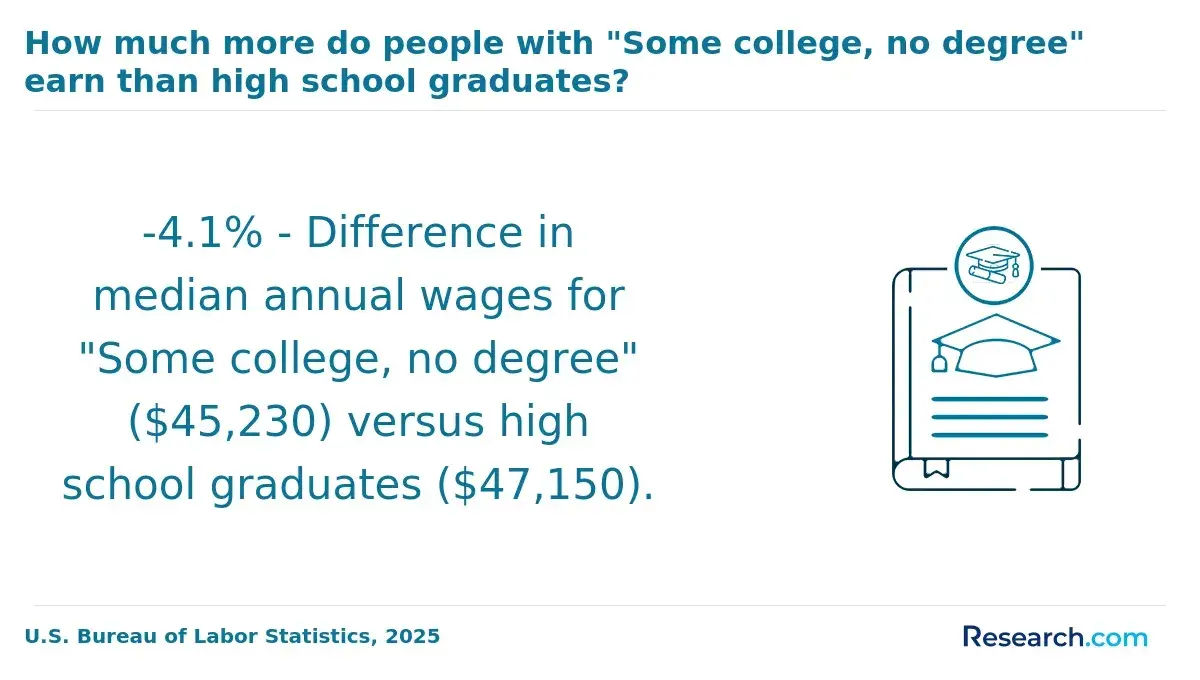
Students who are still exploring shorter entry routes can compare 1 year associate degree programs, but an associate degree alone does not meet BCBA graduate-degree requirements. It may be relevant only as an earlier step toward qualifying for undergraduate admission or related support roles.
How do combined work-study ABA programs meet BACB supervision and fieldwork standards?
Combined work-study ABA programs meet standards only when the individual fieldwork arrangement complies with BACB rules. A university may offer a practicum course, employer partnership, or supervision seminar, but it cannot make nonqualifying job duties count merely by labeling them "practicum."
Under commonly used BACB fieldwork pathways, supervised fieldwork requires a minimum percentage of monthly supervision, while concentrated supervised fieldwork requires a higher supervision percentage in exchange for fewer total hours. Candidates should verify the current rules because requirements and implementation dates can change.
The table below identifies operational features that distinguish a compliant work-study arrangement from a vague employer promise.
| Fieldwork feature | What a strong arrangement provides | Red flag |
| Qualified supervisor | A supervisor who is eligible to supervise under current BACB rules and has the time to do so. | The employer says supervision will be arranged later or cannot name the supervisor. |
| Written agreement | A signed contract defining responsibilities, supervision, feedback, documentation, and consequences if requirements are not met. | Only verbal assurances about counting hours. |
| Appropriate activities | A balance of unrestricted behavior-analytic activities and client-facing work. | Nearly all work involves direct therapy implementation with no assessment, analysis, or programming responsibilities. |
| Monthly oversight | Scheduled observation, feedback, contacts, and verification aligned with current requirements. | Supervision happens only when a problem occurs. |
| Recordkeeping | Monthly experience records retained by the trainee and supervisor. | Hours are reconstructed months later from payroll records. |
One common mistake is treating paid employment and fieldwork as interchangeable. They may overlap, but they are measured differently. Payroll records show time worked; fieldwork records must show qualifying activities, supervision, and monthly compliance. Another mistake is accepting a supervisor who is clinically experienced but not eligible to provide BACB supervision.
Ask the employer whether it can protect time for unrestricted activities. For many RBTs, that is the practical bottleneck: a high volume of direct therapy hours can support income, but it may not create enough experience in assessment, treatment design, graph interpretation, or staff training to build a balanced BCBA portfolio.
What should students look for in ABA program accreditation and university quality?
University quality matters because BCBA eligibility, academic preparation, financial risk, and future employer confidence are all affected by the institution and curriculum. Accreditation should be evaluated at two levels: institutional accreditation for the university and, where applicable, specialized ABA recognition or accreditation for the program. Specialized recognition can be valuable, but students should not assume that its absence automatically makes a program ineligible.
The most important question is whether the degree and coursework fit the BACB pathway that will apply when you seek certification. Ask the program for a written explanation of how its curriculum is designed to meet current requirements, then compare that explanation with BACB rules yourself.
Use these questions when speaking with admissions staff, faculty, and a potential employer partner.
- Is the university institutionally accredited by an accreditor recognized for federal student-aid purposes?
- Which BCBA eligibility pathway is the curriculum designed to support, and what happens if BACB standards change while I am enrolled?
- Does the program offer faculty-led practicum support, arrange placements, or require students to secure their own qualifying workplace?
- Are supervision costs included in tuition, billed separately, or paid by the employer?
- What are the graduation, examination-preparation, placement, and student-support policies, and how are they calculated?
- Can the school confirm whether online students may complete required experiences in my state?
Be cautious with programs that advertise "BCBA preparation" without identifying the qualifying degree, coursework pathway, fieldwork responsibilities, or state restrictions. Also avoid treating a high tuition price, a familiar brand, or a fast completion claim as proof of quality. The better choice is the program that transparently aligns curriculum, supervision access, affordability, and your intended practice location.
How do online ABA master's programs with embedded fieldwork compare to campus options?
Online ABA master's programs can be a practical fit for working RBTs because coursework is often asynchronous or delivered during evenings. However, BCBA fieldwork remains applied, supervised work with clients in an approved setting. "Embedded fieldwork" may mean the program supplies a practicum course and coordinator, not that it provides a job, supervisor, or local client site.
Remote study is strongest for students who already work at a suitable provider or school and can reliably access a qualified supervisor. Campus or clinic-based programs may be better for students who need a university-arranged placement, live near an affiliated training clinic, or learn best through live practice and in-person mentorship.
This comparison helps clarify which format is likely to reduce - not add to - your scheduling and placement risk.
| Decision factor | Online program with local fieldwork | Campus or clinic-based program |
| Schedule flexibility | Often better for RBTs working variable or full-time schedules. | May require fixed class, lab, or clinic times. |
| Placement access | Depends heavily on the student's local employer or self-arranged site. | May offer more direct access to affiliated placements. |
| Geographic reach | Can expand degree options without relocation. | Usually most practical for students near campus. |
| Peer and faculty interaction | Usually virtual, with quality varying by course design. | Often includes more spontaneous in-person collaboration. |
| Hidden cost risk | May involve separate local supervision, travel to clients, or technology costs. | May involve commuting, relocation, and campus fee costs. |
Students comparing online master degree programs should remember that accelerated timelines are not the same as accelerated BCBA eligibility. Even if coursework is completed quickly, fieldwork still requires enough qualifying hours, supervision, and documentation over time.
Before choosing an online option, ask whether faculty can approve your site before enrollment, whether your employer permits recorded or live observation when needed, and whether the program has experience supporting students in your state. Flexible course delivery is helpful only if the fieldwork structure is equally realistic.
What curriculum and practicum experiences are typical in RBT-to-BCBA graduate tracks?
A typical ABA graduate track builds from concepts an RBT may already use - such as reinforcement, prompting, data collection, and behavior plans - toward the BCBA-level skills needed to assess behavior, design interventions, supervise others, and make ethical clinical decisions. Coursework should prepare students to interpret research rather than simply follow established protocols.
Programs vary in sequence and course names, but the following areas are common because they align with professional behavior-analytic practice.
- Behavioral principles, measurement, visual analysis, and single-case research design.
- Functional behavior assessment, functional analysis concepts, and behavior-change procedures.
- Ethics, professional conduct, cultural responsiveness, and documentation.
- Applied intervention design for clients across home, school, clinic, and community settings.
- Supervision, staff training, performance management, and organizational behavior management concepts.
- Capstone, practicum, or seminar experiences that connect coursework to supervised fieldwork.
In a workplace fieldwork arrangement, practicum experiences should gradually move beyond direct implementation. A student may begin by observing assessments and graphing data, then assist with protocol revision, train technicians under supervision, participate in caregiver meetings, and contribute to treatment decisions. The exact duties depend on client needs, setting, employer policy, scope of competence, and supervisor judgment.
A red flag is a practicum that gives students only simulated assignments without helping them connect those assignments to real, supervised professional activities. Simulation can improve skills, but it does not automatically replace required fieldwork experience. Conversely, a workplace that provides only service delivery but no graduate-level analysis may leave students underprepared even if they remain employed throughout the degree.
What are common admissions criteria for ABA programs that include workplace fieldwork?
Admissions requirements differ by university, but ABA master's programs commonly require a bachelor's degree from an appropriately accredited institution, official transcripts, an application, a statement of purpose, and recommendations. Some schools set a minimum undergraduate GPA, while others use a more holistic review. RBT certification and ABA work experience can strengthen an application, but they do not always replace academic prerequisites.
Programs with workplace fieldwork may also screen for placement readiness. They may ask whether you are employed by an ABA provider, whether your employer can support supervision, or whether you can complete local background checks, immunizations, fingerprinting, and confidentiality training required by a school district or clinic.
The following admissions factors are worth checking before you apply because they can affect both acceptance and your ability to start fieldwork on schedule.
| Admissions factor | Why it matters for an RBT applicant | What to verify |
| Bachelor's background | Programs may accept varied majors but may expect foundational coursework or relevant experience. | Whether prerequisite psychology, statistics, education, or research courses are required. |
| GPA and transcripts | Academic records can affect admission and financial-aid review. | Minimum GPA, conditional admission options, and transcript evaluation rules. |
| Employment status | An existing ABA job can make fieldwork logistics easier. | Whether the program requires employment before enrollment or helps students find placements. |
| Background clearance | Client-facing practica often require clearance before site access. | Timing, cost, and whether a prior issue could limit placement options. |
| State location | Distance programs may have state authorization or practicum restrictions. | Whether the school enrolls and places students in your state. |
If you need a program that can accommodate an employer change or delayed placement, investigate online colleges with flexible start dates. Flexible admission can help with timing, but it should not outweigh curriculum quality, fieldwork support, or certification alignment.
Apply with a concise explanation of your professional goals, current client population, and interest in advancing from technician-level implementation to behavior-analytic assessment and supervision. Also ask admissions staff to distinguish clearly between admission eligibility and BCBA certification eligibility; they are not the same determination.
How long do integrated ABA degree and fieldwork programs take, and what do they cost?
For a working RBT, the total timeline is usually driven by both graduate credits and fieldwork capacity. Many master's curricula are designed for roughly two years of part-time study, while the fieldwork requirement can take longer or shorter depending on qualifying monthly hours, supervision availability, and interruptions such as a job change. A faster academic calendar does not override fieldwork limits or documentation requirements.
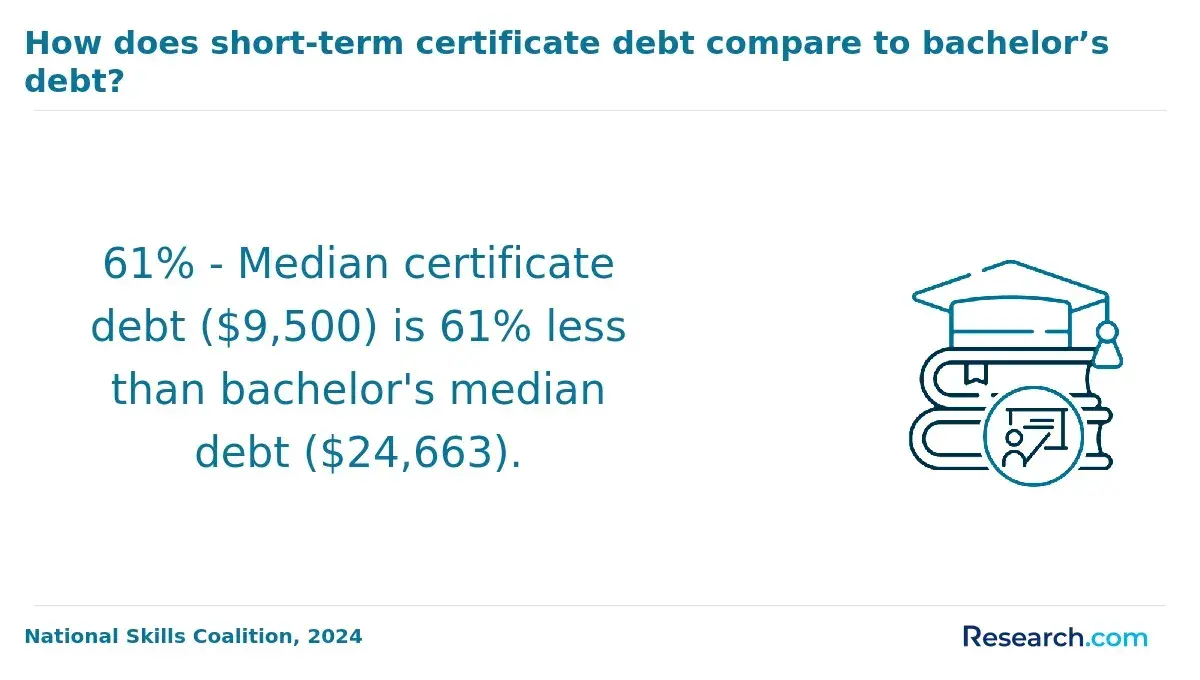
Total cost is similarly broader than tuition. Students should calculate tuition and mandatory fees, books, examination-related costs, background checks, travel, technology, and any separate supervision charges. Employer tuition assistance, paid fieldwork duties, and federal aid may reduce out-of-pocket costs, but terms vary substantially.
This planning table shows the cost and timeline variables that matter most when comparing combined programs.
| Variable | How it affects completion | How it affects cost |
| Enrollment pace | Part-time enrollment can fit work schedules but extends degree completion. | May spread payments over more terms and increase some recurring fees. |
| Monthly qualifying fieldwork hours | More compliant hours can shorten the fieldwork timeline. | Paid work can offset expenses; unpaid practica can create income pressure. |
| Supervision arrangement | Reliable supervision prevents gaps and invalid months. | Employer-funded supervision may be less expensive than private arrangements. |
| Program format | Online study can reduce commuting; campus programs can simplify placement access. | Compare travel, relocation, technology, and campus fees - not tuition alone. |
| Financial aid and employer support | May make a lower work schedule feasible during intensive semesters. | Can reduce borrowing but may include eligibility or repayment conditions. |
Financial aid should be evaluated by net cost, not by the size of a scholarship headline. Compare grants, employer reimbursement limits, federal loan eligibility, required enrollment intensity, and any tuition repayment obligation if you leave an employer. Readers looking for aid-focused comparisons can review what online college gives the most financial aid while confirming that any option also supports their ABA and fieldwork needs.
A practical rule is to request a written estimate for the entire degree and a separate estimate for supervision. Then build a timeline using realistic, not ideal, monthly fieldwork hours. This approach exposes whether an apparently low-tuition program becomes expensive because it leaves students to purchase outside supervision or delay graduation.
What BCBA career paths, roles, and settings are available to RBTs who advance?
BCBAs work wherever behavior assessment, intervention design, staff supervision, and outcome measurement are needed. Autism services are a major employment area, but the credential can also support work in schools, behavioral health programs, residential services, organizational behavior management, health-related behavior change, and community agencies. Actual roles depend on state laws, employer needs, payer rules, professional experience, and the populations served.
Advancing from RBT to BCBA often changes the nature of the work. RBTs typically implement plans under supervision; BCBAs may assess needs, develop and revise plans, supervise technicians, train caregivers or staff, analyze treatment data, and manage clinical quality. The role may bring more autonomy and responsibility, along with documentation, caseload, leadership, and ethical obligations.
This career map illustrates how responsibilities can expand after certification.
| Role or setting | Typical BCBA contribution | Good fit for |
| Clinic-based autism services | Assessment, program design, technician supervision, parent training, and clinical quality oversight. | Professionals who prefer intensive, team-based service delivery. |
| School or district consultation | Functional behavior assessment, behavior intervention planning, educator coaching, and systems consultation. | Those interested in educational environments and collaboration with school teams. |
| Home and community services | Family-centered assessment, caregiver training, and coordination across natural environments. | Professionals comfortable with travel and varied home contexts. |
| Adult or residential services | Support planning, staff training, safety-focused behavior support, and quality improvement. | Those interested in lifespan services and interdisciplinary teams. |
| Organizational behavior management | Performance analysis, training systems, feedback, and workplace improvement. | Experienced practitioners with interest in organizational applications. |
Not every RBT should pursue the BCBA path immediately. It is a stronger fit for professionals who enjoy data analysis, writing, clinical judgment, leadership, and supervising others - not solely direct client interaction. An RBT who prefers hands-on implementation may find that advanced technician, lead technician, or specialist roles better match their interests, depending on local employer structures.
What salary ranges and job outlook can RBTs expect after earning BCBA certification?
BCBA compensation varies widely because the credential applies across different employers, regions, payer systems, caseload structures, and levels of supervisory responsibility. The U.S. Bureau of Labor Statistics does not publish a distinct national wage category for BCBAs, so readers should be skeptical of any source presenting one salary figure as universal. Use local job postings, employer benefit information, and state licensing requirements to assess likely compensation in your target market.
Demand for behavior analysts has been shaped by continuing need for autism and developmental-disability services, school-based behavioral support, and employers' need for qualified clinical supervisors. At the same time, compensation may be affected by insurance reimbursement policies, regional provider competition, in-person travel expectations, and whether an employer requires evening or high-intensity caseload coverage.
When evaluating a job offer after certification, compare the full employment arrangement rather than focusing only on base pay.
- Base salary or hourly compensation, including whether administrative and documentation time is paid.
- Caseload size, billable-hour expectations, travel requirements, and the amount of nonbillable work expected.
- Health coverage, retirement benefits, paid time off, continuing education support, and examination or licensing reimbursement.
- Supervisory scope, including how many RBTs, trainees, clients, or sites you would oversee.
- State licensure, payer credentialing, and whether the employer supports the time needed to complete those processes.
The best return on investment usually comes from aligning the degree with a sustainable role, not from assuming that BCBA certification alone produces a certain income. Candidates should also factor in debt, the likelihood of remaining with a tuition-assistance employer, desired population, and the physical and emotional demands of the setting.
Other Things You Should Know About Applied Behavior Analysis
Some hours from an RBT job may count if the activities meet current BACB fieldwork requirements, are properly supervised, and are documented correctly. Direct therapy hours alone may not provide enough qualifying unrestricted activities, so confirm the arrangement before counting time.
Not always. Some programs include supervision, some coordinate it through practicum sites, and others require students to obtain it through an employer or independently. Ask whether supervision is included in tuition and who is responsible for compliance documentation.
Potentially, if the degree and coursework meet the applicable BACB eligibility pathway and you complete qualifying supervised fieldwork. You must also check whether the program can serve students in your state and whether state licensure requirements apply.
No. Some states regulate behavior analysts through licensure or other requirements. BCBA certification may be necessary for employment or payer credentialing, but candidates should verify the rules in the state where they plan to work.
References
- Can an RBT Become a BCBA? | Advanced Therapy Clinic https://www.advancedtherapyclinic.com/blog/can-an-rbt-become-a-bcba
- Can an RBT Become a BCBA? https://www.newpatternsaba.com/blog/can-an-rbt-become-a-bcba
- RBT to BCBA: The Career Progression Path https://www.appliedbehavioranalysisedu.org/2026/05/rbt-to-bcba/
- Make the Move from RBT to BCBA | Maxim Behavioral https://behavioral.maximhealthcare.com/behavioral-blog/make-the-move-from-rbt-to-bcba/
- How to Move From RBT to BCBA: Step-by-Step Career Guide https://achievementstherapy.com/move-from-rbt-to-bcba/