2027 Programs That Let Employers Pay Tuition Directly Instead of Reimbursing Students

Co-Founder and Chief Data Scientist
Paying tuition upfront can stop workers from using an education benefit at all. Direct-pay employer tuition programs solve that cash-flow problem by sending payment to an approved college or provider instead of reimbursing an employee later. This matters because Internal Revenue Code Section 127 generally allows up to $5,250 in annual employer educational assistance to be excluded from taxable income when requirements are met. This guide helps employees compare major programs, verify school eligibility, understand tax and repayment risks, and choose a credential that fits both career goals and employer rules.
Key Things You Should Know
- Direct-pay tuition benefits let an employer or benefits administrator pay an approved school, learning provider, or marketplace directly, reducing or eliminating the employee's upfront tuition bill.
- Employer educational assistance can generally be tax-free up to $5,250 per employee per year under Section 127; assistance above that amount may be taxable unless another exclusion applies.
- Amazon Career Choice, Target Dream to Be, Walmart's Live Better U, Disney Aspire, Starbucks College Achievement Plan, and Chipotle education benefits are prominent examples, but eligibility, covered schools, course limits, and repayment rules differ substantially.
How do direct-pay employer tuition programs differ from traditional tuition reimbursement plans today?
A direct-pay tuition program, sometimes called tuition assistance, prepaid tuition, or direct billing, pays an approved education provider before or during enrollment. Traditional tuition reimbursement requires the employee to pay first, submit grades and receipts, and wait for repayment. The key difference is not simply who funds education; it is who carries the financial risk and cash-flow burden at the start.
Direct payment is usually the stronger option for employees who cannot comfortably put tuition on a credit card, use savings, or take private loans. Reimbursement can still be useful when an employee wants a school outside the employer's network, but it may require more cash upfront and may impose grade, tenure, or manager-approval conditions.
The comparison below shows why the billing method should be a primary decision factor, not a minor benefit detail.
| Feature | Direct-pay tuition | Traditional reimbursement |
| When the school is paid | Before or near enrollment, often through employer billing or a benefits platform | After the employee pays and submits required documentation |
| Employee upfront cost | Often limited to uncovered fees, books, taxes, or amounts above the benefit cap | Usually includes full tuition and required charges until reimbursement arrives |
| School choice | Commonly limited to approved partner schools, programs, or catalog offerings | May allow broader school choice, subject to policy approval |
| Academic requirements | May require active employment and satisfactory academic progress | Often requires a minimum grade before payment is released |
| Risk if employment ends | Future terms may lose coverage; some plans may address already-paid tuition differently | Employee may become ineligible for reimbursement before a claim is processed |
| Best fit | Workers prioritizing affordability, predictable billing, and approved career pathways | Workers needing flexibility to attend a non-network institution |
Ask the benefits team whether "direct pay" means tuition is fully paid at enrollment or merely billed later. Some programs pay only after enrollment verification, cover tuition but not fees, or require the employee to accept a financial obligation if the employer payment does not post.
Which major U.S. employers currently offer direct tuition payment to colleges and training providers?
Large employers often operate education benefits through a dedicated program and a third-party administrator. Availability can depend on job classification, work location, union status, hours worked, tenure, and whether an employee is active when a term begins. A company's public education-benefit announcement is not a guarantee that every role receives the same coverage.
The following examples illustrate widely known direct-pay or employer-funded education models. Employees should confirm current terms in their own benefits portal because partner lists and eligibility rules can change.
| Employer program | Typical direct-pay approach | Common education focus | Important employee check |
| Amazon Career Choice | Prepaid tuition and education support through participating providers and schools | Certificates, credentials, English-language learning, high school completion, and selected degree pathways | Confirm eligibility timing, provider availability, and covered costs for the chosen pathway |
| Walmart Live Better U | Education benefit administered through an approved education network with employer-paid options | Degrees and career certificates aligned with business and workforce needs | Verify whether books, fees, and program-specific charges are included |
| Target Dream to Be | Employer-funded education through a managed provider network | High school completion, certificates, certifications, English-language programs, and degrees | Check employee-status rules and whether the desired school is in the current catalog |
| Disney Aspire | Direct payment or employer-funded education at eligible institutions and programs | High school completion, English-language learning, vocational training, certificates, and degrees | Review school-specific eligibility and any required application steps before registering |
| Starbucks College Achievement Plan | Employer-supported tuition coverage for eligible online bachelor's study through Arizona State University | Online bachelor's degrees | Determine whether the selected major, transfer-credit plan, and employment status qualify |
| Chipotle education assistance | Education benefits delivered through an education-benefit administrator, including debt-free options at selected schools | Degrees, certificates, high school completion, and English-language learning | Distinguish debt-free partner options from programs that use annual assistance or reimbursement limits |
For employees seeking a fast graduate credential, a direct-pay catalog may include only selected institutions or majors. Compare the employer-approved options with 1 year online masters programs only after confirming that the employer will pay the institution directly and that the program's pace is realistic alongside work.
Do not choose an employer solely because it advertises "free college." The practical value depends on when eligibility starts, whether part-time workers qualify, whether the degree you need is available, and what happens if you leave before completing the credential.
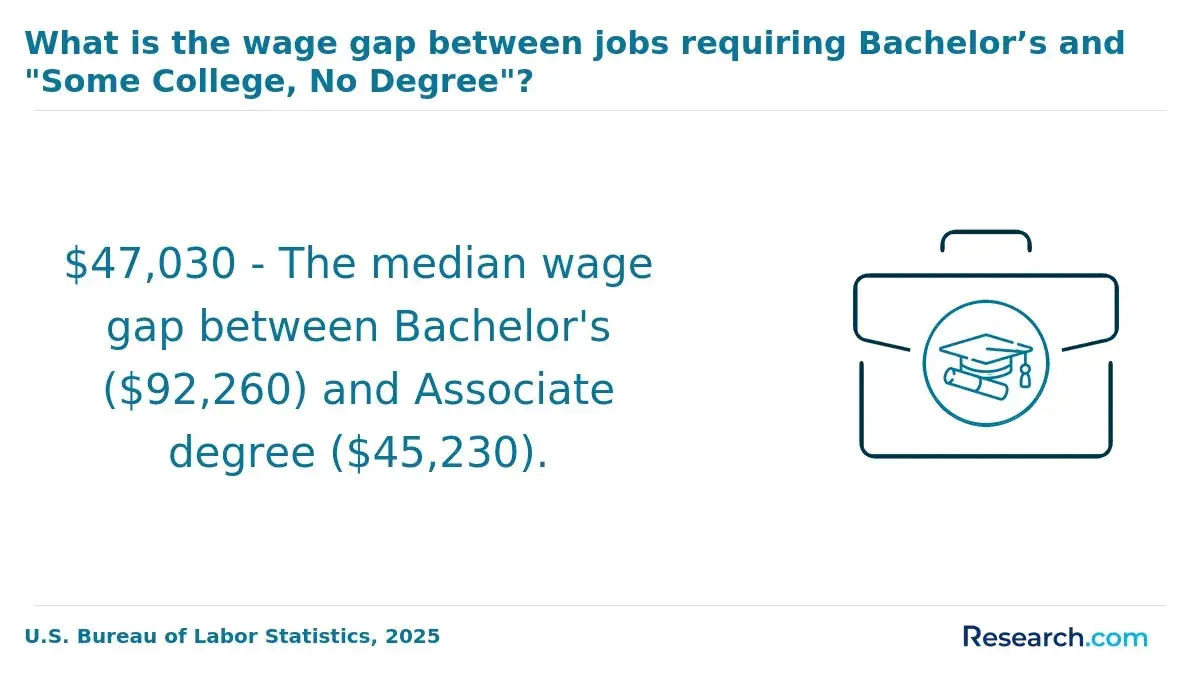
What types of degrees, certificates, and noncredit programs qualify under direct-pay tuition benefits?
Eligible education is defined by the employer's written plan, not by the label "college course." Many direct-pay programs cover a mix of academic degrees, industry certificates, short-term training, high school completion, English-language learning, and professional development. The best choice depends on the job outcome you want and whether the benefit covers the entire path rather than only the first course.
Associate degrees can make sense for workers entering healthcare support, business operations, information technology, logistics, or skilled technical roles, especially when transfer pathways are clear. Before enrolling, compare approved programs with available online associate degrees and verify whether the stated format, credit load, and institution are actually covered by your employer.
This credential comparison can help you avoid using a limited annual benefit on a program that does not match your intended career move.
| Program type | Typical direct-pay eligibility | When it may make sense | Key limitation to investigate |
| Associate degree | Common at partner colleges | You need foundational college credit, a transfer option, or preparation for an entry-level role | Transferability, required general education courses, and clinical or lab requirements |
| Bachelor's degree | Often covered at selected online or campus partners | Your target role requires a four-year degree or you need advancement beyond an associate degree | Major availability, time to completion, and whether prior credits apply |
| Master's degree | Less universal; often subject to annual caps or limited school lists | You already have a bachelor's degree and need specialized advancement | Total cost above the tax-free limit and the employer's graduate-study policy |
| Industry certification preparation | Common for technology, project management, skilled trades, and healthcare support pathways | A certification is recognized by employers and directly tied to a target role | Exam fees, renewal costs, and whether the credential is required or merely preferred |
| Noncredit boot camp or short course | Available in some workforce-oriented catalogs | You need focused, time-limited skill development | Provider quality, job relevance, and whether credits transfer into a degree |
| Apprenticeship-related instruction | May be covered where the employer supports a registered apprenticeship or partner provider | You want paid work experience combined with structured training | State registration, wage progression, and required on-the-job hours |
Use a degree when the occupation, promotion path, or licensing route requires formal academic credit. Choose a certificate or noncredit program when employers in the target field recognize it and it teaches a specific skill faster. Avoid short courses with vague employment claims, unclear instructors, or no transparent description of what learners can do after completion.
Direct billing does not automatically make education tax-free. The tax treatment depends on the employer's plan and the type of education assistance. Under Internal Revenue Code Section 127, an employer can generally provide up to $5,250 per employee per calendar year in qualifying educational assistance that is excluded from the employee's taxable wages. The limit applies whether the employer pays the school directly or reimburses the employee.
For many employees, the $5,250 figure is the first budget checkpoint. If annual tuition is higher, ask whether the employer covers the difference as taxable wages, applies another tax rule, expects employee payment, or limits enrollment to lower-cost partner programs. Do not assume that a "debt-free" program has no tax consequences if the benefit exceeds the applicable exclusion or includes nonqualifying items.
The following cost categories are useful to separate before accepting a direct-pay offer.
| Cost or benefit item | Common treatment under a direct-pay plan | What to verify |
| Tuition | Often the primary covered expense | Annual maximum, term maximum, and whether the school bills the employer directly |
| Mandatory institutional fees | May be covered, partially covered, or excluded | Technology, graduation, course, lab, and distance-learning fees |
| Books and supplies | Coverage varies by employer and provider | Whether materials are included in tuition, paid by voucher, or paid out of pocket |
| Equipment | Frequently excluded unless required by a specific program | Laptop, tools, uniforms, safety equipment, and internet access costs |
| Student-loan payments | May qualify under rules that have been extended for employer student-loan repayment assistance, subject to applicable requirements | Whether the employer offers this separate benefit and how it affects the education budget |
| Assistance above $5,250 | May be taxable unless a different exclusion applies | Payroll withholding, Form W-2 reporting, and the employee's expected tax impact |
Request the written education-assistance policy and a sample billing estimate before classes start. If tax treatment is unclear, the employer's payroll or benefits team can explain its process; a qualified tax professional can advise on your individual return. Tax rules and employer policies can change, so avoid relying on a coworker's past experience.
Accreditation and recognition affect two separate questions: whether an employer will pay for the program and whether the credential will serve your future goal. An employer may limit direct payment to institutions it has vetted, while a licensing board, graduate school, or future employer may have additional standards. Employer approval is useful, but it is not a substitute for checking career-specific requirements.
Institutional accreditation is especially important when you expect to transfer credits, pursue federal student aid for uncovered costs, enter graduate school, or qualify for a licensed profession. Programmatic accreditation can matter in fields such as nursing, counseling, engineering, business, and health professions, depending on the credential and state. For a general online graduate option, compare the school's recognition and transfer policies alongside an online master degree pathway rather than assuming a short completion timeline meets professional requirements.
Use this distinction to identify what needs to be verified before the employer submits payment.
| Recognition issue | Why it matters | Employee action |
| Institutional accreditation | Can affect transfer credit, further study, financial aid access, and employer acceptance | Confirm the institution's current accreditor and status through official school information |
| Programmatic accreditation | May be required for licensure, certification eligibility, or specialized employment | Check the relevant licensing board or credentialing organization before enrollment |
| State authorization for online learning | Some programs cannot enroll students in every state or may have special disclosures | Confirm that the school can serve students in your state of residence |
| Credit transfer agreement | Determines whether completed coursework can count toward a later degree | Get transfer-credit evaluation policies in writing; do not rely on verbal estimates |
| Employer network approval | Determines whether direct billing is available | Verify the exact school, campus or online division, program, and start term in the benefits portal |
A common mistake is enrolling in an employer-approved certificate and discovering later that it does not meet a state licensing requirement or transfer into the desired degree. Start with the target job's requirements, then work backward to the approved school and program.
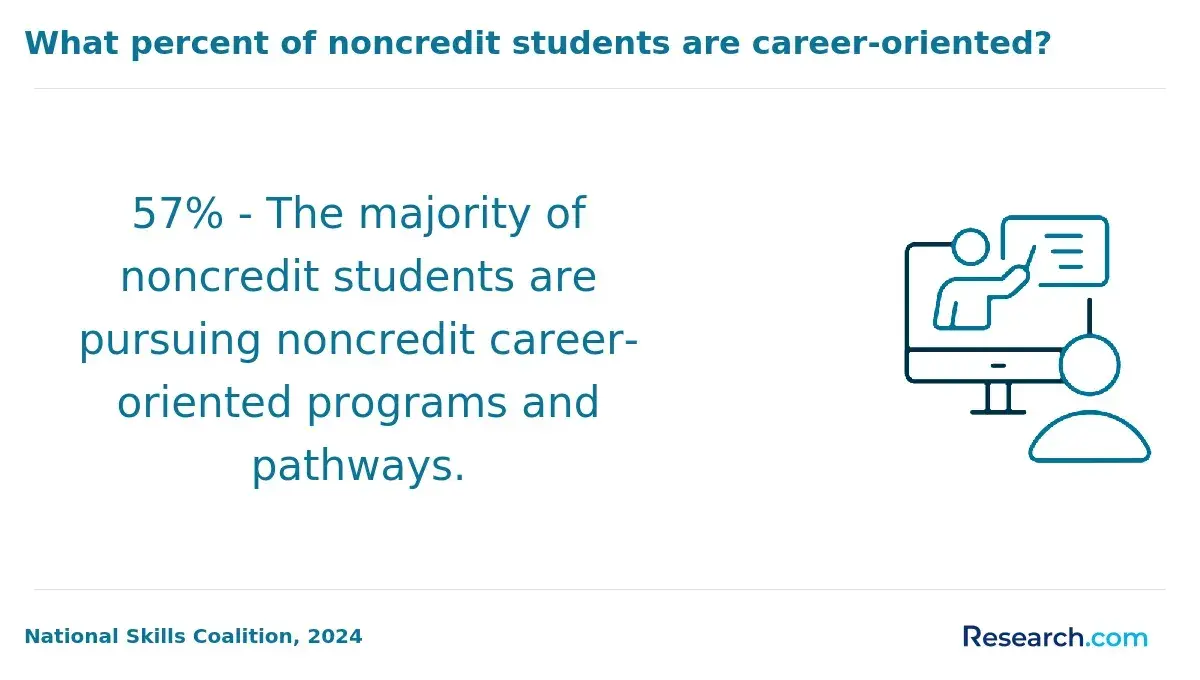
Many employers do not bill schools themselves. They use education-benefit administrators and marketplaces that build school networks, confirm employee eligibility, arrange direct billing, offer coaching, and track completion. Examples in the U.S. market include Guild, Bright Horizons EdAssist Solutions, InStride, and employer-specific education portals. The administrator's role explains why an employer may cover one program at a college but not another program at the same institution.
A network can make enrollment simpler and improve price predictability, but it narrows choice. This trade-off is reasonable when the network includes a credible program that fits your goal; it is less attractive when the only approved programs do not meet your schedule, licensure, location, or advancement needs.
Before selecting a network program, use these steps to confirm that direct payment will work as expected.
- Open the employer's current education-benefit portal and confirm your eligibility date, employment classification, and remaining annual balance.
- Search for the exact credential, major, concentration, campus or online division, and start term rather than relying on the school name alone.
- Request a written itemized estimate that separates tuition, mandatory fees, books, equipment, and any amount you must pay.
- Ask whether the provider receives payment before classes begin and what happens if payment is delayed, a course is dropped, or employment ends.
- Save approval emails, benefit terms, invoices, and academic-progress requirements for each term.
Education marketplaces may also recommend career pathways based on labor demand and employer needs. Treat those recommendations as planning tools, not as a guarantee of placement, promotion, admission, or earnings. Your existing credits, local labor market, and desired occupation still matter.
Direct-pay benefits can support online, hybrid, campus-based, and apprenticeship-related education, but the billing process and hidden costs differ. Online study often provides the best fit for employees with variable shifts because travel is reduced and asynchronous coursework may be available. It is not automatically easier: accelerated terms can demand substantial weekly study time, group projects may require scheduled meetings, and some online programs have proctored exams or in-person placements.
Workers who need maximum scheduling control may consider a self-paced bachelor's degree online option, but should first verify whether the employer's network covers the exact school and whether self-paced terms work with benefit billing deadlines. A flexible format is valuable only if the course sequence, academic support, and transfer rules match your objective.
This format comparison highlights the questions that most often affect total out-of-pocket cost and completion feasibility.
| Format | Direct-pay strengths | Potential uncovered or practical costs | Best fit |
| Fully online | Often easier to include in national partner networks and compatible with shift work | Technology fees, internet, equipment, proctoring, and limited local clinical options | Workers who need geographic flexibility and can manage independent study |
| Hybrid | Combines online flexibility with hands-on or scheduled instruction | Commuting, lodging, parking, and required in-person attendance | Programs requiring labs, collaboration, or practical training |
| Campus-based | May provide stronger access to facilities, faculty, and local support services | Transportation, parking, housing, and schedule conflicts with work shifts | Students who live near an approved institution and benefit from in-person learning |
| Registered apprenticeship | Can combine wages, supervised work experience, and related instruction | Tools, travel, licensing costs, and the time needed to complete required work hours | Workers pursuing skilled trades or occupations with established apprenticeship routes |
For apprenticeships, verify whether the employer is the sponsor, whether the program is registered with the appropriate state or federal apprenticeship system, and whether related classroom instruction is separately billed. For campus and hybrid programs, check whether the employer benefit covers only tuition while you remain responsible for travel and mandatory on-site expenses.
Direct payment reduces upfront cost, but it can create confusion about who owes money if enrollment changes. Employees should receive clear written information about covered charges, academic standards, withdrawal consequences, privacy, and employment separation. A school's enrollment agreement and an employer's benefit policy can both create obligations, so read both before authorizing registration.
The most important red flags are unclear promises of "free tuition," pressure to enroll before you receive a written cost estimate, and vague answers about what happens if you change jobs. Direct-pay benefits are often conditional benefits, not unrestricted scholarships.
Look for the following issues before accepting payment authorization.
- Coverage language that says tuition is paid but does not state whether mandatory fees, books, technology, exams, supplies, or repeat courses are included.
- Policies that require a specific grade, continued employment, minimum weekly hours, manager approval, or a waiting period without explaining the consequence of failing a condition.
- Withdrawal and refund rules that do not explain whether the school refunds the employer, the employee, or both after a course drop.
- Repayment, clawback, or collection terms that could apply if an employee leaves the company, fails a course, or receives an overpayment.
- Marketing claims about jobs, promotions, transfer credit, or licensure that are not supported by written program disclosures.
- Broad data-sharing permissions that allow the school, benefits platform, and employer to exchange more academic information than is necessary for billing and eligibility.
Ask for the policy in writing and keep copies dated for the term in which you enroll. If a representative makes a promise about coverage, get it confirmed through the official portal or email. This documentation is especially important when a benefit administrator, college billing office, and employer each handle different parts of the process.
Employer direct-pay tuition is only one potential funding source. Union collective bargaining agreements may provide separate education funds, wage-replacement support, training leave, or seniority protections. State and local workforce programs may support eligible training, while federal student aid can sometimes help with qualifying programs and remaining costs. The interaction depends on program rules, funding order, and whether another source reduces the amount the employer will pay.
Workers should not assume that combining benefits will create a cash refund. In many cases, aid is coordinated so that total assistance does not exceed allowable educational costs. Some employer plans require employees to apply grants or scholarships first; others pay a fixed benefit regardless of outside aid. The correct sequence should be confirmed before tuition is billed.
This overview shows the typical role each funding source can play in an education plan.
| Funding source | Potential role | Question to ask before combining it |
| Employer direct-pay benefit | Can cover approved tuition and, in some plans, selected fees or materials | Does the plan coordinate with grants, scholarships, union funds, or financial aid? |
| Union education or training fund | May provide training support negotiated for covered workers | Is the program limited to members, classifications, approved schools, or a negotiated calendar period? |
| Federal student aid | May help eligible students cover qualifying educational expenses not paid by other assistance | How will employer payments affect the school's financial-aid package and remaining need? |
| State or local workforce funding | May support eligible in-demand occupations, dislocated workers, or workforce training | Is the school and training program on the agency's approved provider list? |
| Veterans' education benefits | May help eligible veterans and dependents with approved education and training | How will the school certify enrollment and coordinate employer-paid charges? |
Contact the union education representative, benefits office, school financial-aid office, or workforce agency before committing to a payment arrangement. This is particularly important for programs with limited seats, grant deadlines, or rules requiring authorization before the first day of class.
How can employees verify program quality, licensure pathways, and out-of-pocket costs under direct-pay tuition plans?
The smartest way to use a direct-pay benefit is to evaluate the job goal first and the benefit second. A fully funded program is not a good investment if it does not lead to the credential, license, transferable credits, or skills required for your target role. Conversely, a modest employee contribution can be reasonable when a program is recognized, affordable overall, and clearly connected to advancement.
Use a short verification process before applying. It will help you compare employer-approved options without relying on marketing language or assumptions about coverage.
- Define the target outcome: a promotion, career change, state license, industry certification, transfer degree, or graduate-school prerequisite.
- Confirm the actual requirement for that outcome through the relevant employer, licensing board, professional certifier, or graduate program.
- Verify the institution, program, delivery format, and state availability; do not assume all programs at a partner college are approved.
- Request an itemized term-by-term estimate showing tuition, mandatory fees, books, exams, equipment, travel, and the employer-paid amount.
- Calculate the remaining cost after employer assistance and ask whether any amount above $5,250 could be included in taxable wages.
- Check course sequence, transfer-credit evaluation, required clinicals or internships, and realistic time demands around your work schedule.
- Read the withdrawal, employment-separation, satisfactory-progress, and repayment policies before accepting direct billing.
For licensure-oriented programs, get confirmation from the appropriate state board before enrolling, particularly if you live in a different state from the institution or complete coursework online. For career certificates, review job postings in your intended region to see whether employers request that credential, related experience, a degree, or a different certification.
A useful final test is simple: if the employer stopped paying after the current term, would the credential still be worth completing at the remaining cost? If the answer is no, select a shorter approved credential, a lower-cost transfer pathway, or a program with clearer career value.
Other Things You Should Know About Business Administration
Yes. Some employers pay approved colleges, universities, training providers, or education marketplaces directly. You usually must meet eligibility rules and enroll in a school or program listed in the employer's education-benefit portal.
Direct pay is usually better for employees who cannot afford upfront tuition because the employer or administrator sends payment to the provider. Reimbursement may offer more school choice, but it often requires you to pay first and meet grade or documentation requirements before repayment.
Possibly. Qualifying educational assistance is generally excluded from taxable income up to $5,250 per employee per year under Section 127. Amounts above that limit or benefits that do not qualify may be taxable, so review the employer's payroll treatment.
Future terms commonly lose coverage once you are no longer eligible. Treatment of a current term varies by employer and school, so review the written policy for withdrawal, employment separation, repayment, and any balance that may become your responsibility.
- Educational Benefits in Employment: What Employers and Employees Should Know https://www.masoomlaw.com/news/educational-benefits-in-employment-what-employers-and-employees-should-know
- Employee Tuition Reimbursement: What Is It and How Does It Work? https://bootcamp.csuohio.edu/blog/employee-tuition-reimbursement
- Employer-offered educational assistance programs can help pay for college | Internal Revenue Service https://www.irs.gov/newsroom/employer-offered-educational-assistance-programs-can-help-pay-for-college
- How to approach your employer to sponsor your master's degree https://online.kcl.ac.uk/blog/how-to-approach-your-employer-to-sponsor-your-masters-degree
- How to Ask Your Employer to Fund Your Education https://www.investopedia.com/articles/professionaleducation/11/convincing-work-fund-education.asp
- Must-know tuition reimbursement statistics for 2025 https://www.instride.com/insights/tuition-reimbursement-statistics/