2027 Accelerated vs. Self-Paced Accredited Degrees: Completion Risk and Cost

Co-Founder and Chief Data Scientist
Choosing a faster degree can reduce time away from work, but speed can also raise the chance of withdrawal, failed courses, or lost aid. Federal data show that only 63% of first-time, full-time students who began bachelor's study in 2016 completed within six years.
This guide helps working adults, transfer students, and career changers compare accelerated and self-paced accredited degrees, calculate the real cost of delay, verify quality, and choose a format they can realistically finish.
Key Things You Should Know
- Accelerated degrees use fixed, compressed terms and can shorten calendar time, but a 5-to-8-week course may demand the weekly effort of a traditional 15-week class.
- Self-paced programs offer flexible pacing, yet progress depends heavily on self-management; subscription tuition can be economical only when students complete enough credits within each billing period.
- Accreditation, transfer-credit rules, state authorization, financial-aid eligibility, and withdrawal policies matter more than a "finish fast" promise when judging completion risk and total cost.
How do accelerated and self-paced accredited degree formats differ in structure, timing, and oversight?
An accelerated degree is usually instructor-led and cohort-based, with firm start dates, weekly deadlines, live or asynchronous participation expectations, and compressed terms. A self-paced degree lets students move through courses or competency assessments at a variable rate, often within a defined subscription term. Both can be accredited and rigorous; the central difference is where the schedule control sits.
The comparison below separates flexibility from speed. A program can be fully online without being self-paced, and a self-paced program can still have proctored assessments, faculty review, attendance-equivalent activity requirements, and term deadlines.
| Feature | Accelerated format | Self-paced format |
| Course calendar | Short fixed terms, commonly 5 to 8 weeks | Variable progress within a defined enrollment or subscription period |
| Deadlines | Frequent, instructor-set deadlines | Fewer routine deadlines, but term-end and assessment deadlines still apply |
| Learning model | Courses, discussions, assignments, and group work | Coursework and/or demonstrated competency through assessments |
| Best source of momentum | External structure and peer accountability | Ability to accelerate when work and family demands are light |
| Main operational risk | One difficult week can quickly create a backlog | Delaying work can consume the term without enough completed credits |
| Typical oversight | Faculty pacing, learning-management activity, grading cycles | Academic coaching, faculty support, assessment controls, and progress review |
For a student with a predictable schedule, accelerated terms can provide a clear finish line. For someone whose work shifts, caregiving, or travel varies substantially, self-paced study may be more workable - but only if that person can set and protect recurring study blocks. Students comparing providers can review online self paced colleges alongside each school's assessment, transfer, and aid policies.
What completion risks are unique to accelerated online degrees compared with self-paced programs?
Accelerated programs concentrate the same learning outcomes into fewer weeks. Missing an assignment, struggling with a prerequisite concept, or experiencing a family emergency can have a larger immediate effect than it would in a standard-length course. Group projects and scheduled examinations may further limit flexibility even when lectures are asynchronous.
Self-paced programs shift the main risk from falling behind a weekly syllabus to underestimating the effort needed to complete a course. Students may confuse enrollment with progress, postpone assessments, or discover late in a subscription period that an incomplete course produces no transferable completed credit. Programs vary in whether partial work carries forward, so this point should be confirmed in writing before enrollment.
The most common format-specific risks are practical rather than academic ability issues:
- Accelerated: stacking two compressed courses while working full time, underestimating reading and writing volume, or withdrawing after a short-term crisis.
- Self-paced: starting many courses without finishing them, relying on motivation instead of a calendar, or losing momentum when feedback is delayed.
- Either format: transferring in without a written credit evaluation, overlooking required in-person clinical or lab work, or assuming an online degree automatically meets professional-licensure rules.
A useful safeguard is to begin with one course or a lighter credit load. Track actual weekly hours for the first two weeks, then decide whether to add coursework. If the school cannot explain its withdrawal, incomplete, retake, and course-repeat rules in plain language, treat that as a decision-critical red flag.
How do total costs and tuition models compare for accelerated versus self-paced accredited degrees?
Total cost is not simply the advertised tuition rate. It includes fees, books or course materials, technology, proctoring, repeat attempts, credits that do not transfer, and the economic cost of taking longer than planned. For context, the National Center for Education Statistics reported average annual tuition and fees of $9,800 at public four-year institutions for the 2022-23 academic year, before room, board, and other expenses. An online program may reduce commuting or housing costs, but it is not automatically lower-priced.
This comparison shows why a student should model both the expected pace and a slower-than-planned scenario before signing an enrollment agreement.
| Tuition model | How it works | When it can be cost-effective | Primary cost risk |
| Per credit | Charges apply to each attempted credit | Students who need a flexible, lower course load | More terms can raise fees and delay completion |
| Per course or term | Tuition is set for a scheduled course or academic term | Students who can consistently complete planned courses | Withdrawals or repeats may trigger additional charges |
| Flat-rate subscription | One price covers eligible coursework during a fixed period | Experienced, available students who can complete several courses | Slow progress makes each completed credit more expensive |
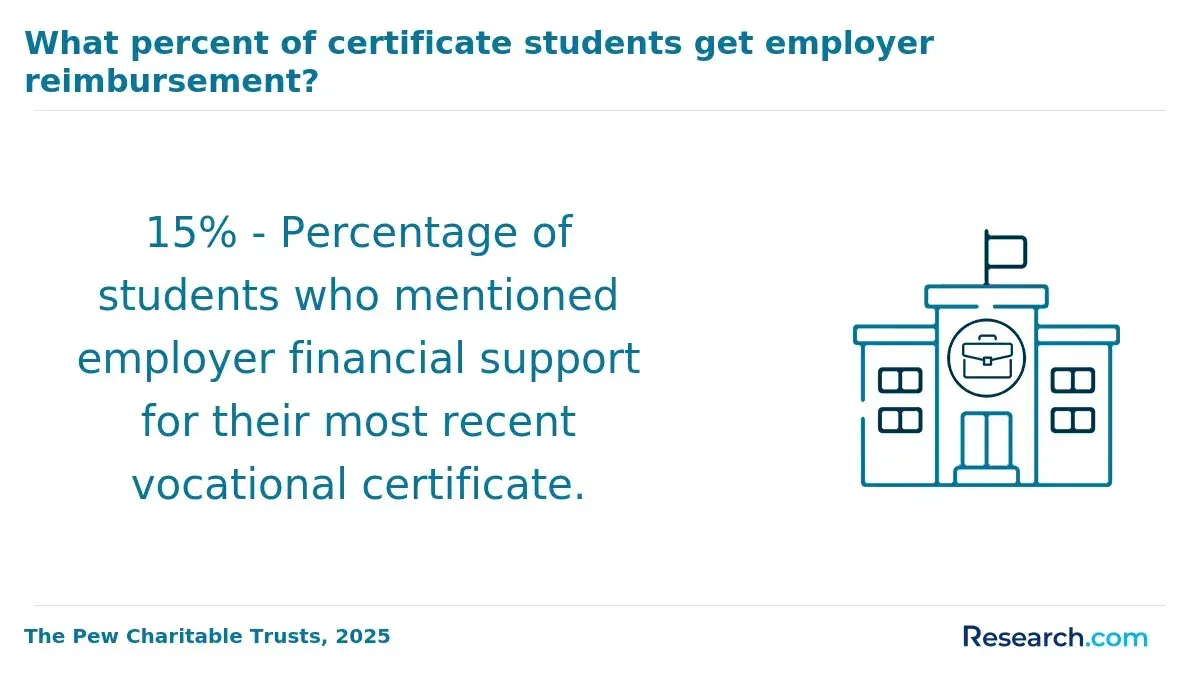
| Employer-supported tuition | Employer benefit offsets eligible education costs | Workers whose program and grades satisfy benefit rules | Annual caps, repayment conditions, and job-change rules may apply |
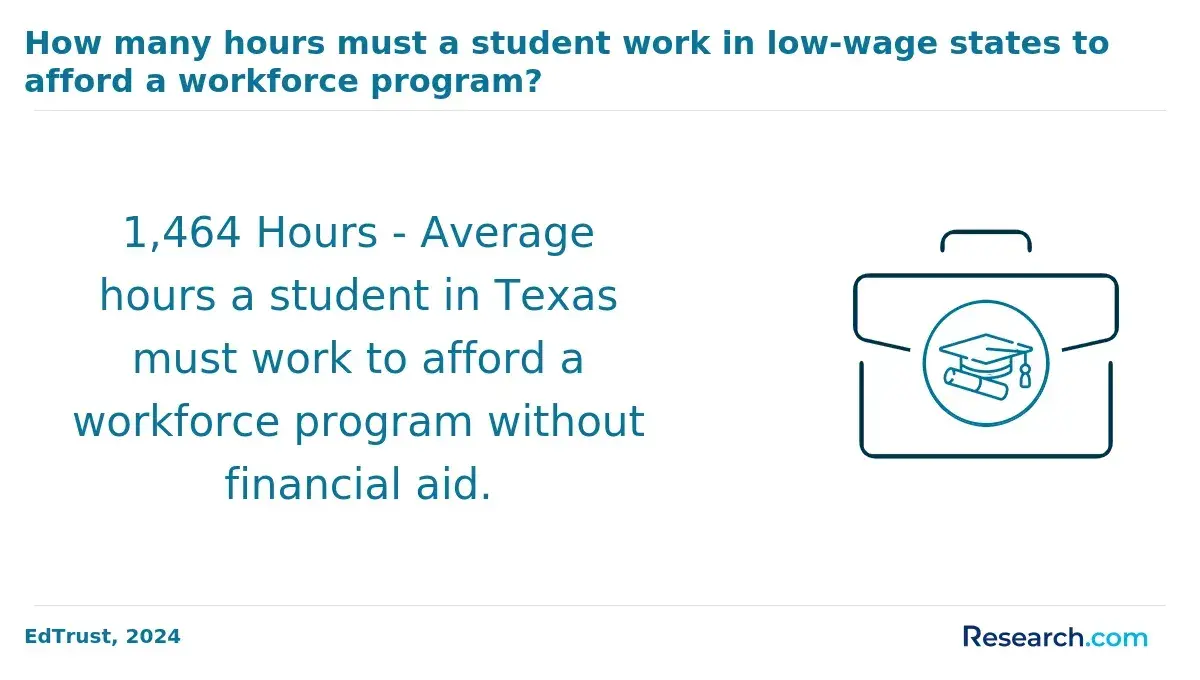
Calculate cost per completed and usable credit, not merely cost per attempted credit. Ask whether tuition changes after a certain number of credits, whether e-books and proctoring are included, how transfer credits affect residency requirements, and whether a failed assessment requires a paid retake. If earnings are a central goal, compare the credential with degrees you can get online that pay well, but evaluate role requirements rather than assuming a short program alone creates a high-paying outcome.
Accreditation is a quality-review process, not a promise that every credit will transfer or every employer will recognize a credential. For most degree seekers, institutional accreditation is the first check because it affects federal-aid eligibility, transfer discussions, graduate-school admissions, and employer confidence. In the United States, institutions may be accredited by agencies recognized by the U.S. Department of Education and/or the Council for Higher Education Accreditation.
Programmatic accreditation is an additional review for certain fields, such as nursing, business, engineering, counseling, social work, and teacher preparation. It matters most when a career path, licensing board, certification body, or graduate program specifically requires it. A business administration degree usually does not need specialized accreditation for general business jobs, but a student targeting a regulated profession should verify requirements with the relevant state board before enrolling.
Accreditation reduces avoidable risk when students use it as part of a wider verification process:
- Confirm the institution's current accreditor in the Department of Education database and on the accreditor's own directory.
- Check whether the exact campus or online division is covered and whether the school has public notices, sanctions, or major changes in status.
- For a regulated career, verify the specific program's approval or specialized accreditation with the state board or credentialing body.
- Obtain a written transfer-credit evaluation and confirm whether completed credits meet residency and major-course requirements.
A school's institutional accreditation does not require another college to accept its credits. Transfer acceptance is determined by the receiving institution, course equivalencies, grades, degree requirements, and residency policies. Students planning to transfer should choose the destination school first whenever possible.
The best format is the one that matches the student's available time, learning habits, support needs, and degree objective - not the one with the shortest advertised timeline. An accelerated program suits learners who benefit from deadlines and can protect a predictable number of study hours every week. A self-paced program suits learners with uneven schedules who have already shown they can plan, begin, and finish independent work without frequent external prompts.
Use the following fit signals to choose a starting format. They are not admissions rules; they identify conditions that commonly make persistence easier.
| Situation | Usually stronger fit | Reason |
| Fixed work schedule and preference for routine | Accelerated | Regular deadlines create a repeatable weekly pattern |
| Rotating shifts, travel, or unpredictable caregiving | Self-paced | Study can be concentrated during available periods |
| Needs instructor interaction and peer discussion | Accelerated | Cohort courses typically provide structured contact points |
| Strong prior knowledge in general education or workplace subjects | Self-paced, if assessment-based | Competency demonstration may allow faster progress |
| Returning after a long break from school | Accelerated with a light first term | Structure can rebuild academic habits without an overwhelming load |
| Needs clinical placement, lab access, or licensure preparation | Program-specific evaluation | Required supervised components may limit both formats |
Caregiving responsibilities do not automatically rule out either path. Parents may find flexible scheduling particularly valuable; readers can explore degrees for stay at home moms while still checking live-session requirements, exam windows, and practicum obligations. Avoid an accelerated schedule if you cannot identify a backup plan for at least one disrupted week per term.
Eligible students may use federal financial aid at qualifying accredited institutions, but enrollment intensity, program structure, and academic progress rules can affect awards and continued eligibility. The Free Application for Federal Student Aid process, annual and aggregate loan limits, and grant eligibility are governed by federal rules; individual colleges set many operational policies within those rules.
Satisfactory academic progress, often called SAP, generally requires students to maintain a minimum grade-point average, complete enough attempted credits, and finish within a maximum timeframe. The exact thresholds and review schedules vary by institution. Accelerated students can reach a review point quickly after a withdrawal or failed short course, while self-paced students may face problems if they enroll but complete too few credits during an evaluation period.
Before accepting aid, ask the financial-aid office these format-specific questions:
- How does the school define attendance or academic engagement in online courses?
- When are SAP reviews conducted, and how are withdrawals, incompletes, and competency-assessment attempts counted?
- What happens to grants and loans if I stop participating before a term or subscription period ends?
- Can I receive aid for repeat coursework, and how does a course repeat affect my remaining eligibility?
Do not assume that a flat-rate self-paced term means unlimited aid or that taking more courses always improves affordability. Federal aid is not designed to reward speed alone; students must remain eligible and make documented academic progress. Get answers from the school's financial-aid office in writing, especially if employer reimbursement or veterans' education benefits are also involved.
National outcome data are more robust for broad institutional categories than for the narrow labels "accelerated" and "self-paced." That limitation matters: a school's published completion rate may include campus and online students, full-time and part-time students, or students who never used the format you are considering. Do not treat a single institutional rate as your personal probability of graduating.
The federal Student Right-to-Know measure reported by institutions focuses on first-time, full-time students and therefore may not represent adult transfers or part-time online learners. Still, it offers an important warning: completion is shaped by finances, transfer pathways, work demands, academic preparation, and support - not only by term length. Ask schools for format-specific information where available, including retention, course withdrawal, median credits accepted in transfer, and the share of students completing within the published schedule.
Credit loss is especially important for students changing institutions. The Government Accountability Office found that students who transferred between schools often lost credits, which can increase time and cost to earn a degree. The practical lesson is to secure a written evaluation before paying for courses and to compare it with a degree audit showing exactly which requirements remain.
A credible school should be able to explain how it measures outcomes and who is included. Be cautious if an advisor gives a precise finish date before reviewing transcripts, prior learning, required sequencing, and availability of major courses. For salary-oriented comparisons, review highest paying bachelor degrees as one input, then test whether the required degree, experience, location, and any licenses align with your target occupation.
"Finish fast" is a marketing claim, not a personalized completion estimate. The actual timeline depends on transfer credits, required prerequisites, course availability, academic performance, assessment readiness, and life interruptions. A claim can be technically possible for a small group of well-prepared transfer students while being unrealistic for a new student starting with few transferable credits.
Watch for marketing practices that obscure the decision:
- Countdown language or enrollment pressure that discourages time to compare the catalog, refund policy, and written credit evaluation.
- A promised graduation date that appears before the school has reviewed official transcripts.
- Tuition comparisons that omit technology fees, proctoring, books, retakes, or charges after a subscription term ends.
- Claims about employer acceptance, licensing eligibility, transferability, or salary that are not tied to a specific requirement or verifiable outcome.
- Admissions representatives who cannot distinguish institutional accreditation from programmatic accreditation or state authorization.
Protect yourself by using the academic catalog and enrollment agreement - not sales conversations - as the controlling documents. Keep copies of emails, cost estimates, transfer evaluations, and disclosures. If a claim affects licensure, aid, employment, or transfer, verify it independently with the receiving school, employer, licensing board, or financial-aid office.
How should employers, advisors, and regulators interpret accelerated and self-paced degrees on transcripts and resumes?
Employers generally focus on whether the degree was awarded by a recognized institution, whether the applicant has relevant skills and experience, and whether the role requires a particular license or credential. A transcript typically records courses, credits, grades, and degree conferral; it may not emphasize whether each course was accelerated or self-paced. Students should describe the credential accurately without implying that a flexible format is equivalent to experience they have not gained.
For hiring managers and advisors, the appropriate question is not "Was it fast?" but "Does the credential meet the role's educational requirement, and what evidence supports the candidate's competence?" Work samples, internships, projects, certifications, prior employment, and verified technical skills may matter substantially for general business roles. Regulators and licensing boards may apply stricter rules, particularly for programs involving supervised practice, examinations, or designated course content.
On a resume, list the degree, institution, graduation date, major, and honors in the normal format. Add relevant projects or concentrations when they clarify job readiness. Do not list "accredited" as a substitute for a degree title, and do not claim that online, accelerated, or self-paced study meets a license requirement unless the relevant board has confirmed it.
Other Things You Should Know About Business Administration
Not necessarily. If the institution is properly accredited and the degree meets the employer's or graduate school's requirements, the format alone is usually not the deciding factor. Regulated fields may have additional course, practicum, or licensure requirements.
It may be possible for a student who transfers substantial eligible credit and completes assessments quickly, but it is not a standard or guaranteed outcome. Request a written evaluation and degree plan before relying on a published timeline.
Neither is always cheaper. Accelerated programs can reduce calendar time, while subscription programs can lower cost for students who complete many credits per term. Compare total charges under both an expected pace and a slower pace.
It can at eligible institutions and programs, subject to federal rules and the school's policies on enrollment, academic engagement, and satisfactory academic progress. Confirm eligibility and withdrawal consequences directly with the financial-aid office.
- Guide to Online Accelerated Degree Programs https://www.onlineu.com/resources/accelerated-degrees
- Cheng, Z., Zhang, Z., Maeda, Y., Gu, P., & Xu, Z. (2025). A meta-analysis addressing the relationship between self-regulated learning strategies and academic performance in online higher education. Journal of Computing in Higher Education, 37, 195–224.https://link.springer.com/article/10.1007/s12528-024-09415-9
- Fischer, C., Baker, R., Li, Q., Avakian Orona, G., & Warschauer, M. (2022). Increasing success in higher education: The relationships of online course taking with college completion and time-to-degree. Educational Evaluation and Policy Analysis, 44(3), 355–379.https://doi.org/10.3102/01623737221086830
- Tainsh, R. D. (2023). The impact of self-directedness on the academic success and persistence of postsecondary online learners. International Journal of Research in Education and Science, 9(1), 92–108.https://eric.ed.gov/?id=EJ1379234
- U.S. Department of Education. (n.d.). Direct assessment (competency-based) programs.https://www.ed.gov/laws-and-policy/higher-education-laws-and-policy/higher-education-policy/direct-assessment-competency-based-programs
- U.S. Department of Education, Federal Student Aid. (2026). School-determined requirements. Federal Student Aid Handbook.https://fsapartners.ed.gov/knowledge-center/fsa-handbook/2026-2027/vol1/ch1-school-determined-requirements