2027 Best Online Speech Pathology Master's Programs for Residents of Lubbock, TX

Co-Founder and Chief Data Scientist

Reviewed by Rhea Paul, PhD
SLP Education & Research Expert
Lubbock residents can pursue an online master's in speech-language pathology without moving, but "online" does not mean entirely remote or automatically Texas-licensure eligible. The right choice depends on CAA accreditation, authorization to enroll Texas students, clinical-placement support, required travel, and the program's Texas licensure disclosures. This guide compares practical options and shows how to verify the details that can affect your ability to become a licensed speech-language pathologist in Texas.
Key Things You Should Know
- A Texas applicant should prioritize a master's program accredited by ASHA's Council on Academic Accreditation (CAA), because CAA accreditation is central to ASHA certification and Texas SLP licensure eligibility.
- Online SLP programs still require supervised clinical education; students may need to complete local placements, attend campus immersions, or travel for intensive sessions even when academic courses are online.
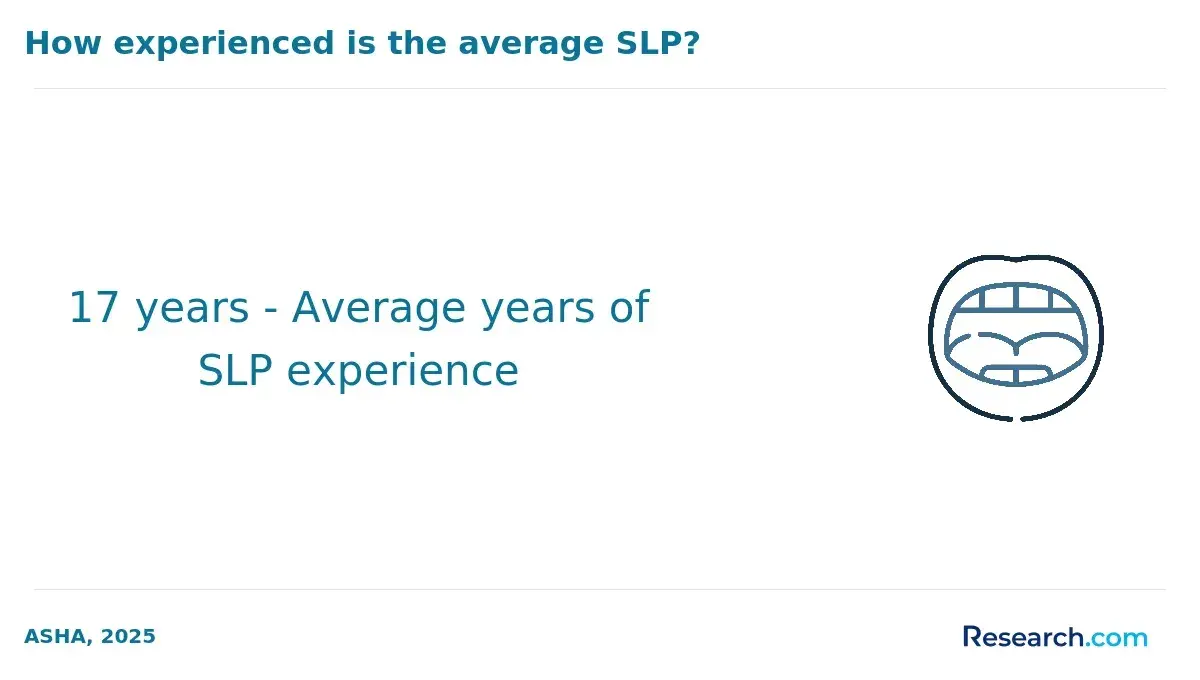
- The Bureau of Labor Statistics reports a $97,870 median annual wage for speech-language pathologists in May 2025 and projects 17% employment growth from 2025 to 2035, but local pay and hiring vary by employer, setting, experience, and licensure.
Which online speech pathology master's programs enroll Lubbock residents without relocation?
Several CAA-accredited programs deliver most academic coursework online and may be viable for Texas residents, subject to current state-authorization and admissions rules. "Without relocation" should be read carefully: it usually means a student can remain based in Lubbock while completing coursework and many clinical placements, not that no travel or local clinical coordination is required.
The programs below are examples worth evaluating because they have established distance-learning pathways. Enrollment eligibility, travel requirements, tuition, and Texas disclosures can change by cohort, so confirm details in writing before applying.
| University and program | Online structure | Potential Lubbock advantage | Important trade-off to verify |
| Texas Woman's University, MS in Speech-Language Pathology distance education pathway | Distance-focused graduate study with required clinical education | Texas public-university context and in-state licensure familiarity may simplify planning | Current availability, required visits, cohort format, and placement expectations |
| Baylor University, online MS in Speech-Language Pathology | Online coursework plus clinical training and immersive experiences | Designed for distance learners and Texas-based students | Private-university cost, travel, live-session expectations, and placement process |
| Emerson College, online MS in Speech@Emerson | Online classes, clinical placements, and in-person immersion components | Nationally established distance format that may permit Texas enrollment | Number and location of immersions, time-zone scheduling, and Texas disclosure |
| New York University, online MS in Communicative Sciences and Disorders | Online graduate coursework with supervised clinical education and required experiences | Option for applicants seeking a nationally delivered cohort model | Required travel, local placement availability, and total private-program cost |
| University of St. Augustine for Health Sciences, MS-SLP | Online academic delivery combined with clinical education requirements | Multiple start dates may appeal to applicants needing scheduling flexibility | Texas enrollment authorization, accreditation status for the specific campus/program, and travel |
These are not interchangeable choices. A Texas public option may be attractive for state-specific familiarity and resident tuition rules, while a national private program may offer a more standardized online delivery model.
Applicants who need the broadest program search can also compare fully online SLP master's programs, while still treating clinical travel and placement obligations as nonnegotiable factors.
A strong first-screening question is: "Can a student residing in Lubbock complete every required practicum and externship while remaining in Texas, and what travel is mandatory?" Ask the answer to be confirmed by the program's admissions and clinical-education teams rather than relying on a general online-program label.
How does Texas licensure affect which online speech pathology degrees Lubbock students should choose?
Texas licensure should drive the selection process. To practice as a speech-language pathologist in Texas, graduates generally need an appropriate graduate degree, supervised professional experience, required examinations, and approval from the Texas licensing authority.
School-based employment can involve separate education-agency credential requirements, so a clinical license alone may not answer every employer's requirement.
CAA accreditation is the most important academic filter because it supports the educational pathway commonly used for ASHA's Certificate of Clinical Competence in Speech-Language Pathology (CCC-SLP) and state licensure. However, accreditation does not replace the applicant's responsibility to meet Texas requirements after graduation.
The distinctions below explain why an otherwise appealing online degree may not be the best fit for a Texas career goal.
| Requirement area | Why it matters in Texas | What to confirm before enrolling |
| CAA accreditation | It is the recognized academic quality standard for entry-level SLP preparation. | The exact degree program is currently accredited, not merely the university or a related department. |
| Texas professional licensure | Most clinical SLP roles require a Texas license. | The school's written disclosure states whether its curriculum is designed to meet Texas educational requirements. |
| ASHA certification pathway | Many employers prefer or require CCC-SLP eligibility or certification. | The program's clinical clock hours, curriculum, and advising support the current ASHA standards. |
| School employment | Public-school roles may require credentials administered through Texas education systems. | Whether the program assists with school-specific requirements and which requirements remain the graduate's responsibility. |
| Clinical fellowship | Graduates typically need postdegree supervised experience before independent practice and CCC-SLP certification. | How the program prepares students for fellowship placement, licensure paperwork, and examination timing. |
A common mistake is choosing a master's program based on online convenience before confirming the Texas disclosure. Avoid that risk by comparing the program's licensure statement with current Texas licensing requirements and saving dated copies of both.
If the school says it has not determined whether the curriculum meets Texas requirements, obtain clarification before paying an enrollment deposit.
Which online speech pathology programs are both CAA-accredited and ASHA certification-ready?
A CAA-accredited master's program is the clearest starting point for a student who wants to pursue the CCC-SLP. CAA is ASHA's specialized accreditor for graduate education in audiology and speech-language pathology. It evaluates the program, not an online course platform or the university's general institutional accreditation alone.
Programs commonly considered by distance learners include Baylor University, Emerson College, New York University, Texas Woman's University, and the University of St. Augustine for Health Sciences, but applicants should check the current ASHA CAA directory for the exact program and accreditation status. Accreditation categories and reporting language can change, particularly for newer programs or additional locations.
"ASHA certification-ready" is useful shorthand, but it does not mean automatic certification. A graduate still must satisfy the applicable ASHA standards, including required clinical education, pass the Praxis examination, complete a clinical fellowship, and submit the required application materials. A school can provide the qualifying education; it cannot award the CCC-SLP on a student's behalf.
Before comparing curriculum features, ask each program for confirmation of the following:
- Its current CAA accreditation status and the date through which that status applies.
- Whether online students complete the same degree and meet the same clinical-education standards as campus students.
- How the program documents supervised clinical hours and prepares students for the Praxis examination.
- Whether its published Texas licensure disclosure identifies the curriculum as meeting, intended to meet, or not determined to meet Texas educational requirements.
Do not confuse a speech-language pathology assistant credential, a communication-disorders bachelor's degree, or a non-CAA master's degree with the standard route to independent SLP practice. Those paths may have value, but they are not substitutes for a CAA-accredited entry-level SLP master's when the goal is Texas SLP licensure.
A five-year combined path can be efficient for undergraduate students, but it generally does not replace prerequisite planning for a person who already holds a degree in another field. Applicants comparing accelerated routes can review speech pathology 5 year programs as a separate option.
What state authorization and SARA rules apply to Lubbock residents in out-of-state online programs?
State authorization determines whether an out-of-state institution may deliver distance education to a student located in Texas. Many institutions participate in the State Authorization Reciprocity Agreement (SARA), an interstate framework that generally supports distance education across member states.
Texas participation in SARA can simplify institutional authorization, but it does not decide professional-licensure eligibility.
This distinction is essential: a school may be authorized to enroll a Lubbock resident through SARA yet still disclose that it has not determined whether its SLP curriculum meets Texas licensure requirements. State authorization concerns the institution's ability to offer education; professional licensure concerns whether the education satisfies a regulated occupation's rules.
Students should also understand that clinical placements can create separate considerations. A program may need agreements with Texas facilities, supervisors who meet its requirements, and approval for each placement site. The university's ability to enroll Texas students does not guarantee that a specific clinic, hospital, school district, or rehabilitation facility can host a student.
Get answers in writing before enrolling. Ask the school's compliance office whether it currently accepts Texas residents, whether it is covered by SARA or another authorization arrangement, whether any state-specific restrictions apply to distance clinical work, and whether a change in residence could affect enrollment. Keep the response with your admission records.
How do top online speech pathology master's programs structure clinical placements for students in Lubbock?
Clinical education is the practical core of an online SLP master's degree. Academic lectures may be remote, but students must develop assessment, treatment, documentation, counseling, and professional skills under qualified supervision. Programs normally combine early practicum experiences with more advanced externships across settings such as schools, medical facilities, rehabilitation organizations, and private practices.
Most programs either secure placements, coordinate placements with substantial student input, or use a hybrid model. The wording matters. "Students are responsible for placements" can mean considerable networking work, while "the university arranges placements" may still mean that location, commute, schedule, and specialty availability are not guaranteed.
The following comparison helps a Lubbock applicant identify the clinical model that fits their circumstances.
| Clinical model | What the program typically does | Best fit | Main risk |
| University-arranged placement | Clinical staff locate and approve sites and supervisors. | Students who need substantial administrative support. | Less control over setting, schedule, commute, or specialty population. |
| Collaborative placement search | Program staff guide the process while the student helps identify local possibilities. | Students with local professional contacts and flexibility. | Placement timing can depend on site capacity and affiliation agreements. |
| Student-initiated placement | Student proposes sites; the program evaluates affiliation and supervision. | Self-directed students with realistic local options. | A preferred site may decline, lack qualified supervision, or be approved too late. |
| Centralized or travel-based rotation | Program places students in designated regions or requires travel for selected experiences. | Students able to travel and seeking exposure beyond one market. | Housing, transportation, and lost work time can increase total cost. |
Ask about placements before accepting admission, especially if you work full time or have caregiving responsibilities. Clarify whether evening or weekend placements are realistic, whether the program has existing Texas affiliations, how far students may be required to travel, and who pays for background checks, drug screenings, immunizations, liability coverage, transportation, and temporary housing.
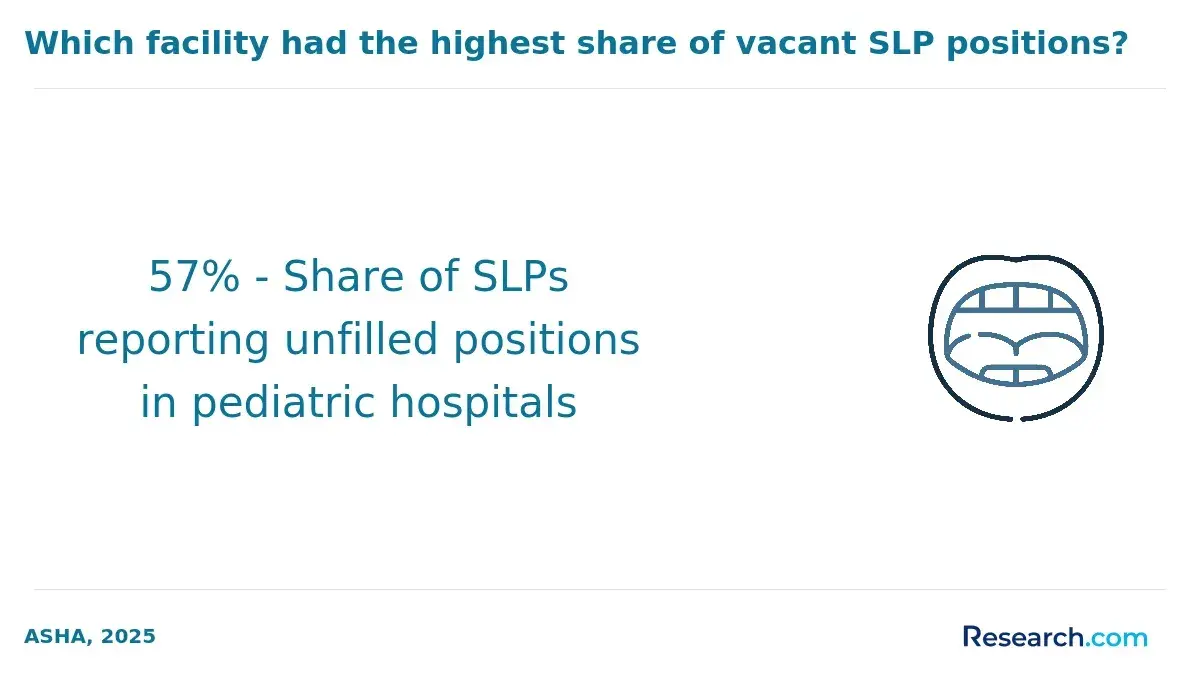
Students interested in school-age caseloads or a future specialty should also consider how placements support career exploration. For example, a goal of becoming a pediatric SLP makes school, early-intervention, and pediatric medical experiences especially relevant, although no program can promise a particular placement setting or patient population.
Which universities offer the strongest online speech pathology options within driving distance of Lubbock?
Lubbock-based applicants should separate two questions: which programs can be completed primarily online from Lubbock, and which Texas universities are practical for required visits or campus-based alternatives. A nearby university may be more useful for clinical relationships, advising, or reduced travel even if its SLP master's is not fully online.
Texas Woman's University is a particularly relevant institution to investigate because it has a distance-education SLP pathway and is located within Texas, though its campus location is not close enough to make frequent commuting from Lubbock practical.
Texas Tech University Health Sciences Center in Lubbock can also be relevant for local health-professions context, but applicants should not assume a local institution offers an online CAA-accredited SLP master's without confirming the current program format directly.
For many residents, the strongest "driving-distance" strategy is not weekly travel. It is choosing a program with limited, predictable immersions and completing approved practicum experiences near home when possible. This approach can be more practical than enrolling in a nominally closer program that requires frequent campus attendance.
Compare travel obligations by total burden rather than miles alone. A two-day immersion once or twice during a degree may be manageable; recurring weekday campus labs can be incompatible with employment or family responsibilities. Include airfare or mileage, lodging, meals, parking, childcare, and unpaid time away from work in your planning.
How do admission requirements for leading online speech pathology programs affect Texas applicants?
Admission to an online SLP master's program is competitive because programs must maintain intensive faculty supervision and clinical capacity. Texas applicants are evaluated under each university's rules, not under a separate statewide online-admission standard. Requirements commonly include transcripts, prerequisite coursework, recommendation letters, a résumé, a statement of purpose, and an interview or recorded response when required.
Your undergraduate major matters less than whether you have completed the necessary communication-sciences-and-disorders foundation courses. Applicants with a CSD bachelor's degree may be ready for direct entry, while career changers often need postbaccalaureate leveling courses.
The table highlights the admissions issues that most often affect Texas applicants.
| Admissions factor | Why it affects applicants | Practical response |
| Prerequisite courses | Programs may require anatomy, phonetics, language development, audiology, statistics, and other CSD coursework. | Request a transcript review early and map missing courses before application deadlines. |
| Observation experience | Programs may expect documented guided observation or exposure to the profession. | Follow the school's documentation rules; do not assume informal shadowing will count. |
| GPA review | Schools may use minimum GPA thresholds and holistic review. | Read the published policy and use the personal statement to address relevant context without overstating outcomes. |
| GRE policy | Requirements vary and can change by admission cycle. | Verify the current cycle's policy directly rather than relying on an older program guide. |
| Interview and technology readiness | Online cohorts often assess communication, professionalism, and readiness for remote learning. | Prepare specific examples of teamwork, client communication, time management, and ethical judgment. |
Do not choose a school only because it appears easier to enter. The better decision is a program where your academic preparation, budget, availability for clinical work, and Texas licensure goal align. Applicants needing a broader admissions comparison can explore SLP master's programs while independently verifying every program's accreditation and Texas eligibility.
What tuition, fees, and funding options matter most for Lubbock students studying speech pathology online?
Total cost is more informative than advertised tuition. Online SLP degrees can include per-credit tuition, university fees, technology fees, clinical fees, immersion travel, books, testing, background checks, immunizations, and living expenses during full-time clinical rotations.
Public programs may offer lower tuition for eligible Texas residents, while private programs may charge one rate regardless of residence; neither model is automatically less expensive after required fees and travel are included.
Use the school's current tuition page and written financial-aid estimate to compare the same cost category. Do not compare one program's per-credit tuition with another program's full-program estimate, and do not assume that a tuition figure includes clinical or travel costs.
| Cost category | Why it matters for online learners | Question to ask |
| Tuition and required credit load | This is the core academic charge and may vary by residency, term, or cohort. | What is the current estimated tuition for all required credits? |
| Mandatory institutional fees | Online, clinical, technology, graduation, and student-service fees can add to the bill. | Which fees are required for distance students, and are they charged per term or once? |
| Clinical compliance costs | Health screenings, CPR, background checks, drug tests, and liability requirements are often student expenses. | What clinical-readiness costs should I budget before the first placement? |
| Travel and housing | Immersions and distant externships can create substantial out-of-pocket costs. | How many trips are required, where are they held, and can travel be required for placement? |
| Lost earnings | Full-time practicum and externship schedules can limit paid work. | At what point will daytime clinical attendance make a full-time job unrealistic? |
Federal student aid may be available to eligible graduate students who complete the FAFSA, and schools may offer scholarships, payment plans, graduate assistantships, or employer-related assistance. Texas residents should also ask whether institutional scholarships apply to online cohorts and whether clinical schedules affect eligibility for aid tied to enrollment intensity.
Borrow only after building a conservative budget that includes travel and reduced work capacity. The profession has favorable national demand - the BLS projects 17% growth from 2025 to 2035 and about 12,500 openings annually over the decade - but a positive labor outlook does not guarantee a particular job, starting salary, or debt-to-income outcome.
Cost-conscious applicants can use comparisons of fully online SLP master's programs to identify lower-cost models, then confirm whether those programs meet Texas professional requirements.
How can Lubbock residents verify accreditation, licensure alignment, and consumer protections before enrolling?
Verification is the most important pre-enrollment step because marketing language can obscure differences between online delivery, institutional authorization, accreditation, and professional eligibility. Use the CAA directory to verify the degree program's accreditation, review the university's Texas professional-licensure disclosure, and consult current Texas licensing requirements independently.
Complete the following checks before paying a deposit or committing to loans:
- Confirm that the exact master's program appears in the current CAA directory and note its accreditation status.
- Read the program's professional-licensure disclosure for Texas and ask for written clarification if Texas is listed as undetermined or excluded.
- Confirm that the institution currently accepts students located in Texas and identify any state-authorization limitation.
- Request a written description of required immersions, clinical placement support, travel expectations, and who pays related expenses.
- Compare the official curriculum, total required credits, tuition schedule, mandatory fees, withdrawal policy, and refund policy.
- Ask whether the school provides a formal complaint process and identify the appropriate state or accreditor complaint pathway.
- Save screenshots or PDFs of the school's disclosures, costs, and correspondence dated before enrollment.
Red flags include a program that cannot identify its CAA status, makes vague promises about licensure, requires a large nonrefundable payment before answering basic compliance questions, or suggests clinical placement is guaranteed without explaining the conditions.
Another warning sign is pressure to decide quickly when the school has not provided a clear estimate of total charges and travel obligations.
Consumer protections matter even when a program is reputable. Read the enrollment agreement, understand leave-of-absence and dismissal policies, and ask how a program change, failed placement, or relocation would affect progression. These details can matter as much as curriculum quality when life circumstances change.
What career and employer outcomes do graduates of top online speech pathology programs report in Texas?
Graduates of CAA-accredited SLP master's programs commonly pursue clinical fellowships and eventual roles in schools, hospitals, outpatient clinics, rehabilitation settings, early-intervention programs, skilled nursing facilities, and private practice. Employers generally focus on degree accreditation, Texas licensure eligibility, clinical experience, communication skills, and - in many settings - CCC-SLP status or progress toward it rather than whether coursework was delivered online.
National labor-market data provides useful context but should not be treated as a local salary promise. The Bureau of Labor Statistics reports that speech-language pathologists had a median annual wage of $97,870 in May 2025.
That figure includes workers across the United States and settings; compensation in the Lubbock area can differ based on employer type, setting, productivity expectations, contract structure, experience, specialty skills, and benefits.
For a new graduate, the key outcome is often not immediate salary but access to a suitable clinical fellowship. Programs can support that transition through career advising, alumni networks, employer events, and licensure guidance, but they cannot guarantee placement or a particular compensation package.
When comparing reported outcomes, ask for the cohort year, the denominator used, and definitions. A school's "employment rate" may measure respondents rather than every graduate, include part-time work, or capture employment at a point before CCC-SLP completion.
More useful questions include whether graduates obtained clinical fellowships, how long the search took, which settings hired them, and whether outcomes are reported separately for online students.
Other Things You Should Know About Speech Language Pathology
Possibly during some academic terms, but many students cannot sustain full-time work during intensive practicum or externship periods. Clinical placements are often scheduled during standard daytime hours. Ask each program for a typical weekly workload and the point at which clinical attendance becomes full time.
Not always. Applicants from other majors may be admitted after completing prerequisite or leveling coursework. The required courses, minimum grades, and timing differ by program, so obtain an official transcript evaluation before assuming you are eligible.
Employers generally care most about whether the degree is CAA-accredited, whether you meet Texas licensure requirements, your clinical preparation, and your professional credentials. An online format does not eliminate the need for supervised in-person clinical education.
Program length varies by school and pacing, and graduates typically complete a supervised clinical fellowship and other licensing steps afterward. The exact timeline depends on prerequisites, program structure, examination timing, fellowship availability, and Texas licensing processing.
References
- Hybrid Online SLP Programs in Texas | Austin & Dallas https://apply.usa.edu/speech-language-pathology-texas
- Speech-Language Pathology (M.S.) https://www.ttuhsc.edu/programs/health-professions/master-of-science-speech-language-pathology
- ASHA-Accredited Online Masters in Speech Pathology Programs https://teach.com/online-ed/healthcare-degrees/online-masters-speech-language-pathology/asha-certification/
- Speech Pathologist Certification: CCC-SLP https://www.speechpathologygraduateprograms.org/speech-language-pathology-certification/
- Best CAA ASHA Accredited Masters Degree Programs Online https://www.speechpathologydegrees.com/online/best-caa-asha-accredited-masters-programs
- 2025 Most Affordable Online Speech Pathology Master's Degrees https://www.onlineu.com/most-affordable-colleges/speech-pathology-masters-degrees