Best online MBA in Accounting programs for public sector professionals

Co-Founder and Chief Data Scientist
Government accountants and budget professionals need more than private-sector financial skills: their decisions must withstand public scrutiny, procurement rules, and changing appropriations. An online MBA in Accounting may help an experienced professional move into broader management, but the right program depends on its accounting depth, schedule, cost, and relevance to government work. This guide offers a fit-based shortlist, explains what to verify with each school, and shows when an MBA - or a more specialized qualification - is the better next step.
Key Things You Should Know
- Start with a fit-based shortlist: LSU Shreveport, the University of Texas at Tyler, and the University of North Alabama offer online MBAs with accounting-focused options, but none should be assumed to teach government accounting in depth.
- Choose for the position you want: an MBA is most useful for broader budget, finance, or organizational leadership; an MPA, accounting master's, or targeted certification may better address a narrower skills gap.
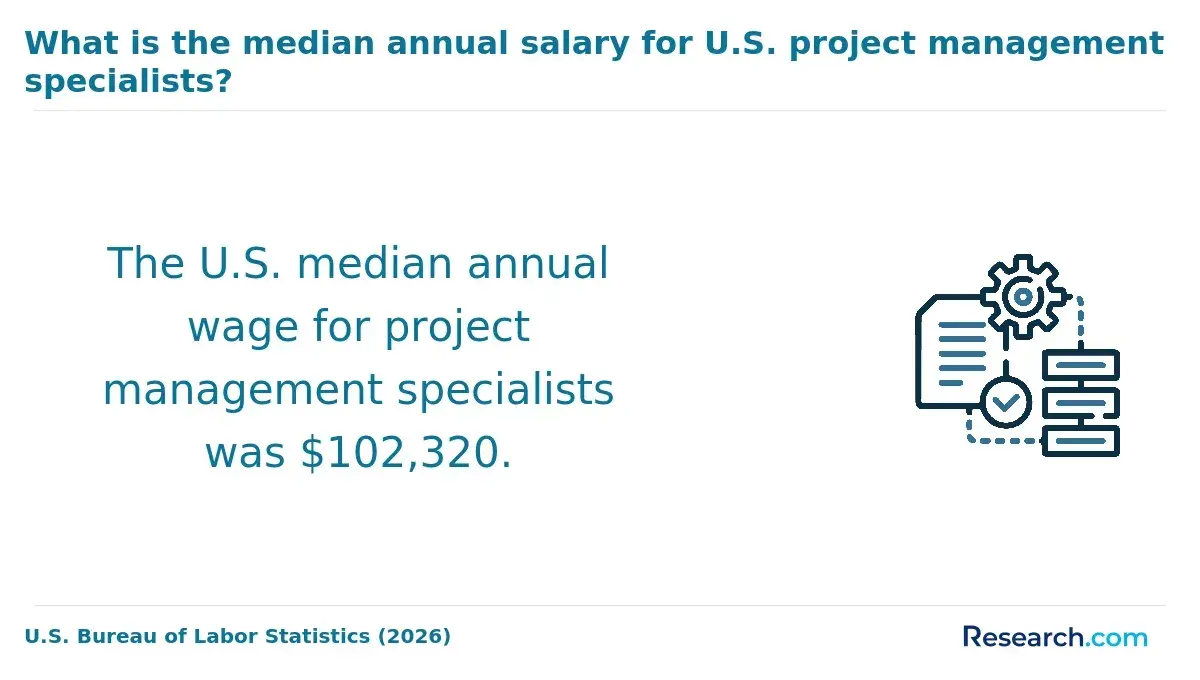
- Do not use broad management pay as an MBA earnings forecast. The U.S. Bureau of Labor Statistics reports a $126,520 median annual wage for management occupations in May 2025, across sectors and education levels - not specifically for government accounting MBA graduates.
What is an online MBA in Accounting for public sector professionals?
An online MBA in Accounting combines a general management core with an accounting concentration, specialization, or designated set of accounting courses. The MBA core typically addresses leadership, strategy, operations, and financial decision-making; the accounting component adds depth in areas such as reporting, analysis, auditing, or taxation. A course in managerial accounting alone does not make an MBA an accounting-concentration program.
For a public sector professional, the appeal is applying those management skills to budget decisions, financial oversight, procurement, and organizational change. The limitation is equally important: business accounting courses may emphasize companies rather than fund accounting, appropriations, or government reporting standards. A public hospital finance professional considering a move into broader operations might also compare online MBA programs in healthcare administration; that focus serves a different goal from strengthening accounting leadership.
Which online MBA in Accounting programs are best for government careers?
There is no defensible universal winner for government careers: program content, total cost, and employer requirements matter more than an unqualified ranking. The shortlist below identifies online MBAs with accounting-focused options and explains the public sector question each applicant should investigate. It is a starting point for comparison, not a claim that these schools provide specialized government-accounting training or identical career services.
The table separates an identifiable program option from its potential fit. Confirm the current concentration name, online course availability, required credits, tuition, fees, and delivery schedule directly with each school before applying.
| Online MBA option | Why it belongs on the shortlist | Public sector fit to investigate |
| Louisiana State University Shreveport - MBA with Accounting concentration | Provides a named accounting option within an online MBA. | Check whether electives or projects can address budgeting, internal controls, or public accountability. |
| University of Texas at Tyler - online MBA with Accounting specialization | Combines an online MBA with an identified accounting specialization. | Compare the required accounting courses with your agency's financial-management responsibilities. |
| University of North Alabama - online MBA with Accounting concentration | Offers an accounting-focused route within its online MBA. | Ask whether scheduling and available electives accommodate government finance interests. |
For an employee seeking finance-unit leadership, the strongest fit is the program whose accounting courses complement - not repeat - existing expertise and whose projects can be applied to agency problems. Someone seeking a technical government-accounting position should first compare the course list with that position's requirements. This shortlist does not establish that any program qualifies a graduate for a particular job or license.
How do you choose an accredited online MBA in Accounting?
Check two different forms of recognition. Institutional accreditation applies to the university and can affect matters such as federal student-aid eligibility and credit transfer. Business-school accreditation, such as AACSB, ACBSP, or IACBE accreditation, evaluates a business unit under that organization's standards; it is not the same thing as institutional accreditation. Verify each claim in the accreditor's current directory rather than relying on an undated program advertisement.
Then evaluate the accounting option itself. Read the current catalog to see whether it is a formal concentration or merely an elective, which courses are required online, and whether any prerequisite or campus attendance applies. For government work, ask for syllabi or course descriptions covering controls, audit, ethics, budgeting, and public or nonprofit entities. A useful final test is to compare those courses with a real vacancy announcement or your agency's promotion criteria.
The MBA core develops management-level judgment: interpreting financial information, allocating resources, leading teams, and making decisions under organizational constraints. Accounting-focused courses may go further into financial statements, assurance, taxation, or advanced analysis, depending on the school. Course titles alone do not show whether students study Governmental Accounting Standards Board reporting or federal financial-management rules.
The most valuable applied assignment may be one tied to a genuine agency problem: improving a budget dashboard, assessing a control weakness, or explaining spending trade-offs to nonaccountant stakeholders. Ask whether projects permit public sector data, subject to employer confidentiality rules. If your immediate gap is technical government reporting rather than management, an accounting master's, relevant graduate course, or employer training may be more direct.
Online study can let a government employee remain in a position while completing the degree, preserving income and opportunities to apply coursework. It does not necessarily mean self-paced study. Live meetings, group projects, fixed deadlines, exams, and occasional campus visits can conflict with budget season, legislative sessions, or emergency-response duties.
A campus program may provide more routine in-person interaction, while an online cohort may make it easier to learn alongside professionals in other jurisdictions. Neither format automatically delivers better government recruiting. Ask each school whether online students receive the same career advising, alumni access, and project opportunities advertised for its campus MBA. Experienced leaders comparing formats may also examine online executive MBA programs, which are designed for a different career stage and may have distinct scheduling requirements.
Requirements vary by school. Applicants should check the current program page for degree and GPA rules, work-experience expectations, references, essays, test policies, and deadlines. An undergraduate accounting major is not universally required; a public administrator or budget analyst with a different degree may nevertheless need preparatory accounting or quantitative coursework. Do not assume that a GMAT or GRE waiver at one school applies to another.
Build an application around specific responsibilities: the size and purpose of budgets you support, audit or control improvements, procurement collaboration, and examples of communicating financial findings to decision-makers. Identify any technical gaps before enrolling. Applicants without business coursework can also compare online MBA programs that don't require business prerequisites, while confirming what preparation graduate accounting courses actually expect.
Completion time depends on required credits, course sequencing, and how many courses a student takes per term. Accelerated pacing can be difficult during audit cycles or fiscal-year close; part-time pacing may be easier to sustain but can delay the career benefit. Ask whether accounting-concentration courses are offered frequently enough to support your planned schedule.
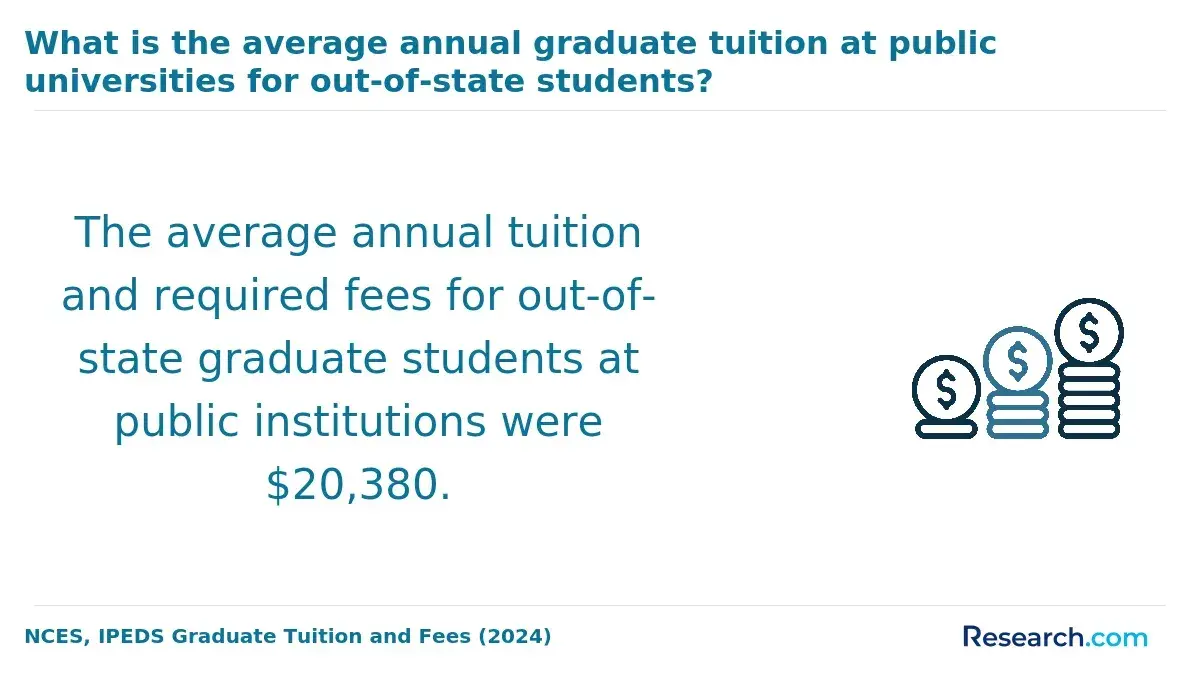
For a meaningful cost comparison, request each school's current required-credit total, tuition rate, mandatory fees, books or software costs, and any travel expenses. Published per-credit tuition is not a total-program price. Compare the amount you would actually pay after eligible employer assistance, and check whether your agency requires preapproval, a minimum grade, or continued service. You can use affordable online MBA programs to widen your search, but compare the complete cost of an accounting-focused path rather than an advertised base rate.
For an accountant or analyst already working in government, an MBA can support a move toward budget management, financial operations leadership, internal-control oversight, or agency-wide planning. These roles call for more than accounting knowledge: managers must coordinate people, explain trade-offs to officials, and operate within legal and public-accountability constraints.
The degree does not replace position-specific experience or hiring requirements. An internal promotion may depend on your civil-service classification, supervisory record, and vacancies; a move into auditing may require different technical experience. Compare actual job announcements before choosing electives. Senior professionals already directing major units might instead consider executive MBA options for senior professionals, provided the format and cost match their responsibilities.
There is no reliable single salary for public sector accounting MBA graduates. Pay depends on the employing jurisdiction, job classification, location, seniority, and supervisory responsibility - not simply the degree. The Bureau of Labor Statistics reports a May 2025 median annual wage of $126,520 for management occupations across the U.S. economy. That broad figure is useful context for management work, but it is not a government-finance salary or an estimate of what an MBA will add to your pay.
For a personal estimate, compare published pay ranges for jobs you could realistically obtain with your current experience, then check whether an MBA is required, preferred, or not mentioned. In a structured government pay system, completing the degree may have little immediate salary effect without a promotion or qualifying role change.
Does an online Accounting MBA meet CPA and government certification requirements?
Not automatically. CPA eligibility is determined by the state accountancy board and depends on its rules for education, specified accounting and business coursework, examination, and experience. An MBA's total credits - or an accounting concentration's label - does not establish that its individual courses meet those rules. Obtain a course-by-course review from the relevant board before enrolling for CPA purposes.
Government finance and auditing certifications have their own eligibility, examination, and experience standards. If a certification is your main objective, compare its published requirements with your existing qualifications first. Targeted coursework and supervised experience may address the gap more efficiently than a full MBA; the MBA makes more sense when you also need broader management preparation.
Other Things You Should Know About MBA
Possibly. Eligibility depends on the school and program, enrollment status, and the student's circumstances. Check the school's financial-aid office rather than assuming every online MBA qualifies.
Not necessarily, but online enrollment authorization and program availability can vary by state. Confirm that the university can enroll residents of your state before applying.
Each school sets its own transfer-credit rules, including limits, grade requirements, and course-equivalency reviews. Request a written evaluation before relying on a shorter completion estimate.
Diploma and transcript wording is school-specific. Ask the registrar for the exact credential notation if it matters for your employer's education-verification process.
- NYS Public Accountancy - Typical 150-hour program https://www.op.nysed.gov/professions/certified-public-accountants/license-requirements/150-hour-education-requirement
- Cost of Attendance (Budget) | 2025-2026 Federal Student Aid Handbook https://fsapartners.ed.gov/knowledge-center/fsa-handbook/2025-2026/vol3/ch2-cost-attendance-budget
- Chapter 4: Governmental Accounting, Financial Accounting for Local and State School Systems, 2003 Edition | ed.gov https://nces.ed.gov/pubs2004/h2r2/ch_4.asp
- Employer-offered educational assistance programs can help pay for college | Internal Revenue Service https://www.irs.gov/newsroom/employer-offered-educational-assistance-programs-can-help-pay-for-college
- Education Requirements | texas.gov https://www.tsbpa.texas.gov/applicants/education/
- United States Accounting Standards: Governmental Entities | Guides at Georgetown Law Library https://guides.ll.georgetown.edu/accounting/accounting-standards-govermental-entities
- Road to CPA - Newark | myRBS - Rutgers University https://myrbs.business.rutgers.edu/undergraduate-newark/road-cpa
- Search Accredited Schools | AACSB https://www.aacsb.edu/accredited
- Government Accounting Jobs & Public Sector Career Guide | STU https://online.stu.edu/degrees/business/masters-accounting/government-jobs-public-sector-careers/
- MBA Requirements: What You Need to Apply in 2026 | SCU https://www.scu.edu/business/blog/admissions/mba-requirements/