Columbia Southern University Online MBA Format: Schedule, Flexibility and Workload

Co-Founder and Chief Data Scientist
An online MBA may fit around a job without fitting easily into every workweek. If you are considering Columbia Southern University (CSU), the practical questions are when coursework is due, whether you must attend live sessions, and how much time you can devote to graduate study.
This guide separates what an online format offers from the scheduling details you should confirm for your enrollment option. It also explains how course load, cost, and career goals affect whether CSU's MBA is a workable choice.
Key Things You Should Know
- CSU offers an online MBA, but online delivery alone does not establish whether every activity is asynchronous or every deadline is flexible.
- Taking one course rather than multiple courses at once can make the workload easier to manage, though it may extend the time needed to graduate.
- Before enrolling, obtain the current MBA course schedule, sample syllabus, degree plan, and tuition-and-fee estimate for your intended enrollment option.
What Is the Columbia Southern University Online MBA Format?
Columbia Southern University's MBA is an online graduate business degree intended to develop broad management knowledge. Online delivery means students access coursework remotely; it does not, by itself, mean there are no scheduled discussions, group meetings, or fixed submission dates.
CSU describes different online enrollment approaches, including term-based study and LifePace Learning. Do not assume both approaches apply to every MBA course or that they have identical deadlines.
Ask for the current MBA-specific enrollment guide and a sample syllabus before choosing a start date. The most useful distinction is between asynchronous work, which you can complete within a deadline window, and synchronous work, which requires attendance at a set time.
Also confirm whether any course requires a campus visit, residency, or scheduled examination. A program's online label should not substitute for written answers about those obligations, particularly if travel or rotating work shifts would be difficult.
How Flexible Is the Columbia Southern University MBA Schedule?
Scheduling flexibility has two parts: control over when you study and control over how quickly you progress. Even if lectures and readings are available on demand, assignment deadlines can determine whether the MBA fits a changing work schedule.
For each enrollment approach available to MBA students, ask CSU when courses start, how long they run, whether assignments have weekly due dates, and whether students can change their course load between enrollment periods. If you anticipate a busy season or a family interruption, get the rules for withdrawal, breaks, and reentry before registering. A flexible program can still be a poor fit if an interruption triggers costs or delays that you cannot absorb.
Students who travel or work shifts should ask whether live participation is required and, if so, how absences are handled. Students balancing work and caregiving should also check whether group projects require meetings outside the formal course schedule. Those details matter more than a general promise to "study anytime."
Be sure to review online MBA programs with accessible admissions in addition to schedule flexibility to discover programs that accepts students at any cycle.
How Much Workload Does the Online MBA Require?
There is no dependable single hours-per-week figure for every CSU MBA student. Time demands vary with course content, the number of courses taken simultaneously, writing and quantitative preparation, and the timing of major assignments. Credit hours describe academic scope; they do not tell you exactly how many evenings a particular course will require.
MBA work may include reading, discussion posts, case analysis, papers, presentations, and applied projects. Accounting or finance assignments can take longer if you need to refresh foundational skills. A familiar management topic may require less preparation but still involve substantial writing and analysis.
To test feasibility, request a recent syllabus for an early MBA course and mark every due date on a typical work calendar. Check whether a major assignment lands during your busiest period, then leave room for revisions and unexpected obligations. Starting with a lighter course load is generally safer than planning around the minimum time you think each assignment could take.
CSU holds institutional accreditation from the Southern Association of Colleges and Schools Commission on Colleges (SACSCOC). Institutional accreditation applies to the university and is an important consideration for degree recognition and federal financial-aid eligibility.
Institutional accreditation is different from specialized business-program accreditation. If an employer, professional pathway, or another school requires a particular business accreditor, verify the MBA's current status directly in the accreditor's program directory. Do not assume that institutional accreditation implies AACSB accreditation, or that one business program's designation automatically covers every degree offered by the university.
The MBA is a broad management degree rather than training for one narrowly defined occupation. Its curriculum addresses business functions such as accounting, finance, marketing, leadership, and strategy. Consult CSU's current catalog for the exact required courses, elective choices, and any concentration available to online students; course names and degree requirements can change.
The syllabus is especially useful for judging workload. A course title will not reveal how often students write papers, complete quantitative assignments, or coordinate projects. If your bachelor's degree is outside business, compare your preparation in accounting and finance with the first courses on your proposed degree plan. These may be preparation gaps to address, not necessarily admission barriers.
Professionals with a technical background should also decide whether they need broad business management or a more focused credential. Comparing online MBA programs for engineers can help clarify which curriculum best connects technical experience with a management goal.
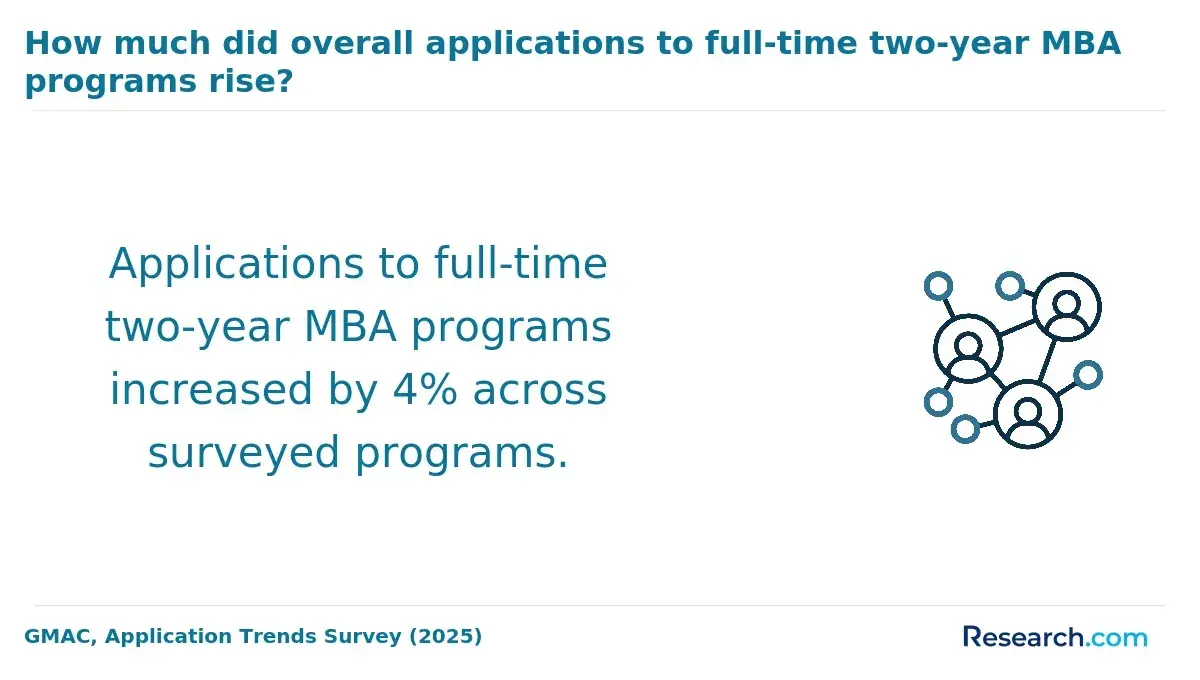
Applicants should expect to document a qualifying bachelor's degree and submit the materials CSU requires for graduate admission. Confirm the current MBA policy for transcripts, academic standing, testing, professional experience, and any additional documentation rather than relying on general MBA admissions advice. A recommendation to strengthen quantitative skills is not the same thing as a formal prerequisite.
If your undergraduate record is a concern, ask an admissions advisor how CSU evaluates the full application and whether any conditional route is available. Compare the answer with published policies for online MBA programs for low-GPA applicants; an accessible application process is valuable only if the program also meets your scheduling and career needs.
Your completion time depends on the current degree requirements, course availability, enrollment approach, and number of courses you take at once. A faster plan can reduce the calendar time spent in school but concentrate assignments into fewer weeks. A slower plan may fit employment better while keeping tuition and study commitments in your household budget for longer.
Request a term-by-term degree plan based on the course load you can realistically sustain, not just an advertised fastest-completion scenario. Ask whether required courses have prerequisites or limited start dates and how a missed enrollment period affects the plan.
If finishing quickly is essential, compare CSU's proposed schedule with accelerated online MBA options, paying close attention to the weekly intensity each option demands.
Calculate cost from CSU's current graduate tuition rate, the credits required for your MBA degree plan, and any applicable fees. A tuition-only calculation is not a complete budget: course materials, technology needs, financing costs, and expenses caused by a change in enrollment may matter. Published rates and policies can change, so obtain an itemized estimate for your intended start date.
Ask your employer whether tuition assistance covers CSU and whether reimbursement depends on grades or continued employment. If you plan to borrow, compare the likely repayment obligation with a realistic advancement opportunity in your existing field. A manageable monthly payment does not, on its own, make the degree a good investment.
For someone already working in a business function, the MBA may help build the financial, strategic, and leadership knowledge needed to pursue broader responsibilities.
For a substantial career change, coursework alone is less likely to replace relevant experience, professional contacts, or function-specific skills. Evaluate the degree against the actual qualifications in jobs you want, not a general list of MBA career titles.
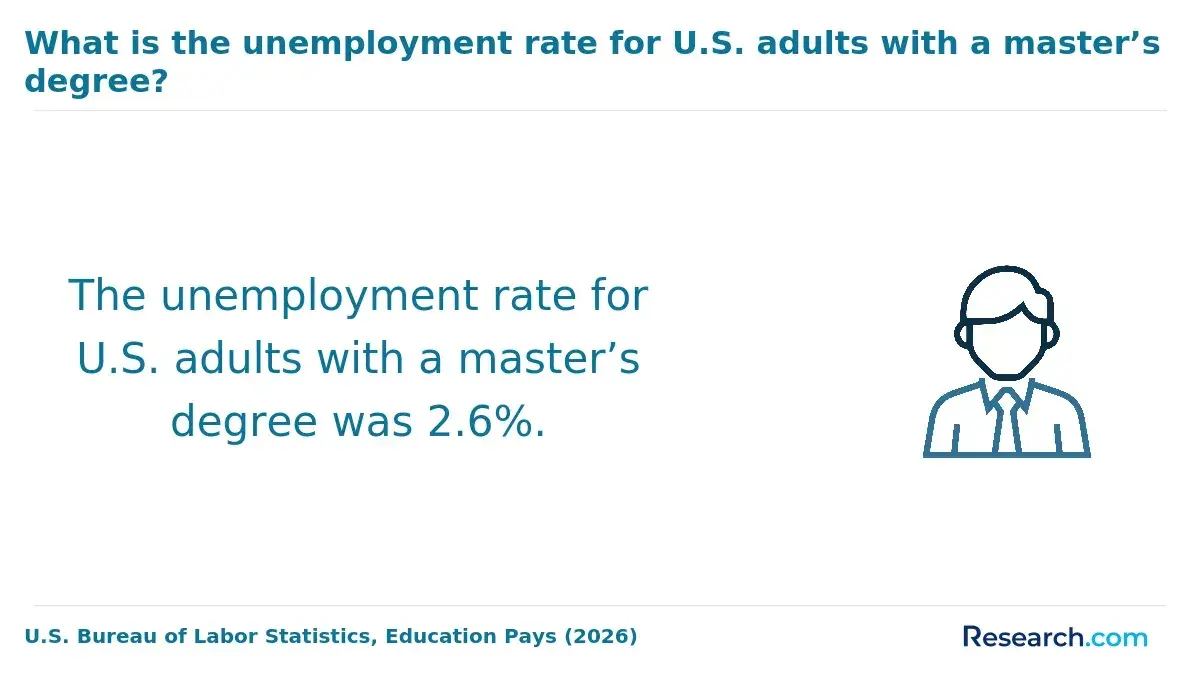
The U.S. Bureau of Labor Statistics reports a median annual wage of $126,520 for management occupations in May 2025. That figure describes workers across management occupations, not CSU graduates, entry-level managers, or an earnings increase caused by an MBA. Use it as labor-market context while investigating compensation for the specific role, location, and experience level you could credibly pursue.
If your goal is a promotion within your present organization, ask what responsibility the MBA could help you take on and whether your employer values the credential. If your goal is entry into a new function, compare the MBA with targeted coursework or experience that addresses the hiring gap more directly.
How Should You Evaluate Columbia Southern University's Online MBA?
CSU is worth closer consideration if its actual MBA course deadlines, enrollment options, and total cost fit your circumstances and its curriculum supports a defined career goal.
It is a weaker fit if you need a predictable live cohort, extensive in-person recruiting, or a pace that the available course schedule cannot support. Neither an online format nor a straightforward application process resolves those trade-offs by itself.
Before committing, ask CSU for a current degree plan, an early-course syllabus, a written explanation of live or campus requirements, an itemized cost estimate, and the rules for taking a break. Then compare another program using the same questions.
If admission likelihood is part of your decision, resources on online MBA programs with accessible admissions can broaden the comparison, but published acceptance figures should never stand in for evidence of academic and scheduling fit.
Other Things You Should Know About MBA Programs
Expect to need a reliable computer and internet connection. Ask CSU for its current technical requirements and any course-specific software requirements before classes begin.
Possibly, but transfer-credit decisions depend on CSU's current policy and a review of the courses. Request an official evaluation before shortening your graduation plan or cost estimate.
Benefit use depends on the student's eligibility and the applicable program rules. Check your benefits with the relevant agency and ask CSU's military-support staff how they apply to your proposed enrollment.
Do not assume what the diploma will display. If the wording matters to you or your employer, request a sample or written confirmation from CSU.
- How students leverage assignment submission flexibility - PMC https://pmc.ncbi.nlm.nih.gov/articles/PMC11570477/
- Full-Time or Half-Time Status / Course Load | University of Nebraska Omaha https://www.unomaha.edu/registrar/students/during-enrollment/course-load.php
- MBA | Master of Business Administration (Online) | Georgia Southern University - https://www.georgiasouthern.edu/degrees/mba-online
- Getting an MBA While Working Full Time: How to Make It Work | Pace University New York https://www.pace.edu/news/getting-an-mba-while-working-full-time
- Business Administration (M.B.A. Program) - Academic Catalog https://bulletins.wayne.edu/graduate/school-business/programs/business-administration-mba/
- How Many Credits Are Needed for an MBA? | University of Bridgeport https://www.bridgeport.edu/news/credits-needed-for-mba-degree/
- MBA Degree Requirements | Continuing and Professional Education https://cape.csustan.edu/mba-degree-requirements
- How Long Does It Take to Get an MBA? Full Timeline | SCU https://www.scu.edu/business/blog/mba/how-long-does-it-take-to-get-an-mba/