2027 Best Online Marketing Degrees for Jobs

Co-Founder and Chief Data Scientist
Choosing the best online marketing degree for job readiness poses challenges-accreditation ensures quality, but not all programs meet rigorous standards. Curriculum depth varies widely, affecting practical skill acquisition crucial for employer demand. Costs can balloon without corresponding salary gains, risking poor return on investment. For instance, graduates from top-tier online marketing programs earn 23% more on average within five years than those from unaccredited programs.
Career outcomes depend on real-world experience and institutional support, often overlooked in rankings. This article evaluates online marketing degrees through accreditation, curriculum, cost-effectiveness, career results, hands-on training, and student services to guide informed program selection.
Key Things to Know About the Best Online Marketing Degrees for Jobs
- Accreditation ensures programs meet national quality standards-AACSB accreditation correlates with 15% higher job placement rates for marketing graduates within a year.
- Curriculum rigor-programs integrating data analytics and digital marketing see a 25% increase in graduate employability compared to traditional marketing tracks.
- Cost and return on investment-online marketing degrees averaging $20,000 often lead to a median salary boost of 18% within two years, improving lifetime earnings.
What Is a Marketing Degree, and What Can It Do for Your Career?
Marketing is the strategic process of creating, communicating, delivering, and exchanging offerings that provide value to customers and society. Unlike advertising or sales, marketing emphasizes broader strategic thinking and building long-term customer relationships, which sets it apart as a distinct discipline recognized by leading academic and professional institutions.
Core knowledge areas within a marketing degree include consumer behavior, market research, brand management, digital marketing, and analytics. Frameworks such as the marketing mix-product, price, place, promotion-help students design effective campaigns and evaluate their impact. Programs also develop applied skills in data analysis, market segmentation, communication strategies, and digital tools, which are essential for today's marketing professionals.
Academic credentials in marketing range from associate's degrees, which prepare graduates for entry-level roles, to bachelor's degrees that open broader career opportunities. Master's programs focus on leadership and specialized expertise, while doctoral degrees train candidates for research, teaching, and strategic development at the highest levels. This range supports diverse career goals across multiple industries.
This guide specifically evaluates the best online marketing degree programs for career advancement, focusing on accreditation, curriculum quality, cost-effectiveness, career outcomes, practical experience, and robust student support systems tailored to working adults and career changers. Readers can also explore the easiest online masters to find flexible graduate options that fit their needs.
- Foundation: Strategic promotion of products and services with a customer-centric focus
- Core Topics: Consumer behavior, market research, brand management, digital marketing, analytics
- Skills Developed: Data analysis, segmentation, communication, digital tools
- Distinct Focus: Broader strategic perspective versus adjacent fields like sales or advertising
- Online Pathway: Comprehensive review of accredited online Marketing degrees with job placement success
How Do Online Marketing Degree Programs Compare to Traditional Campus Programs?
Accreditation is foundational when comparing online marketing degree programs to traditional campus-based alternatives-top online offerings generally hold the same regional or national accreditation, ensuring equivalent academic standards and curriculum rigor. This parity means students should expect comprehensive and challenging coursework in core marketing subjects regardless of format.
- Curriculum Depth and Rigor: Online and campus programs offer comparable curricula aligned with industry demands, often featuring interactive modules and real-world case studies to support applied learning.
- Faculty Qualifications: Leading online marketing programs employ experienced professors who also teach on campus, often complemented by adjunct professionals active in the marketing field, balancing theory with practical insights.
- Student-Faculty Interaction: Traditional programs enable face-to-face engagement, while online courses use synchronous video, discussion boards, and virtual office hours-though some students may find digital communication less spontaneous.
- Peer Collaboration: Campus-based learning fosters natural teamwork, yet online programs simulate this through collaborative platforms, breakout rooms, and cohort models that enhance networking but demand self-motivation.
- Clinical or Practicum Requirements: Both delivery methods commonly require internships or practicums. Online students often secure local placements independently, although some universities provide support via employer networks and virtual practicums.
- Employer Perception: Increasingly positive, especially for accredited online degrees with verified employment outcomes-graduate employment surveys demonstrate comparable career outcomes of online marketing degrees compared to campus programs.
- Structural Advantages for Specific Learners: Online marketing programs particularly benefit working adults, caregivers, military veterans, and individuals in remote locations by offering schedule flexibility without compromising education quality-leveraging access that traditional programs may lack.
- Limitations and Institutional Responses: Challenges include reduced spontaneous interpersonal interaction and fewer amenities available on campus. To address these, many institutions have introduced hybrid models with on-campus residencies, advanced technology, and cohort-based designs.
For prospective students evaluating affordability within this space, resources listing CACREP schools can provide insight into cost-effective accredited online programs aligned with professional standards.
What Are the Accreditation Standards That Define a Reputable Online Marketing Degree?
Accreditation is essential for validating the quality of an online marketing degree-ensuring the program meets standards trusted by employers and graduate schools. The two primary types of accreditation to consider are regional and programmatic.
- Regional Accreditation: This represents the highest institutional standard in the U.S., with agencies like the Higher Learning Commission (HLC), Middle States Commission on Higher Education (MSCHE), and Southern Association of Colleges and Schools Commission on Colleges (SACSCOC). These accreditors evaluate entire institutions, granting degrees that are widely accepted and facilitate credit transfers.
- Programmatic Accreditation: Though less prevalent for marketing programs than in fields such as engineering or business law, accreditation from organizations like the Association to Advance Collegiate Schools of Business (AACSB) signals a rigorous curriculum and often carries additional credibility with employers and graduate admissions committees focused on business disciplines.
Attending an unaccredited or low-quality online marketing program can severely hinder career prospects. Graduates might face obstacles in securing licensure when required, struggle to transfer credits for further education, and encounter skepticism from employers-resulting in diminished job opportunities and lower earnings.
Prospective students should verify accreditation through trusted sources. The U.S. Department of Education maintains a comprehensive Database of Accredited Postsecondary Institutions and Programs for checking a school's status. Likewise, the Council for Higher Education Accreditation (CHEA) provides a directory confirming the legitimacy of accreditors, preventing confusion with unrecognized agencies.
Considering cost and convenience is important, but accreditation must remain a non-negotiable baseline when evaluating online marketing programs-it's the key assurance that your educational investment supports meaningful career and academic success.
Which Types of Marketing Degrees Are Available Online-Bachelor's, Master's, or Doctoral?
Various online marketing degree formats cater to distinct learners-from recent grads to professionals aiming for advancement.
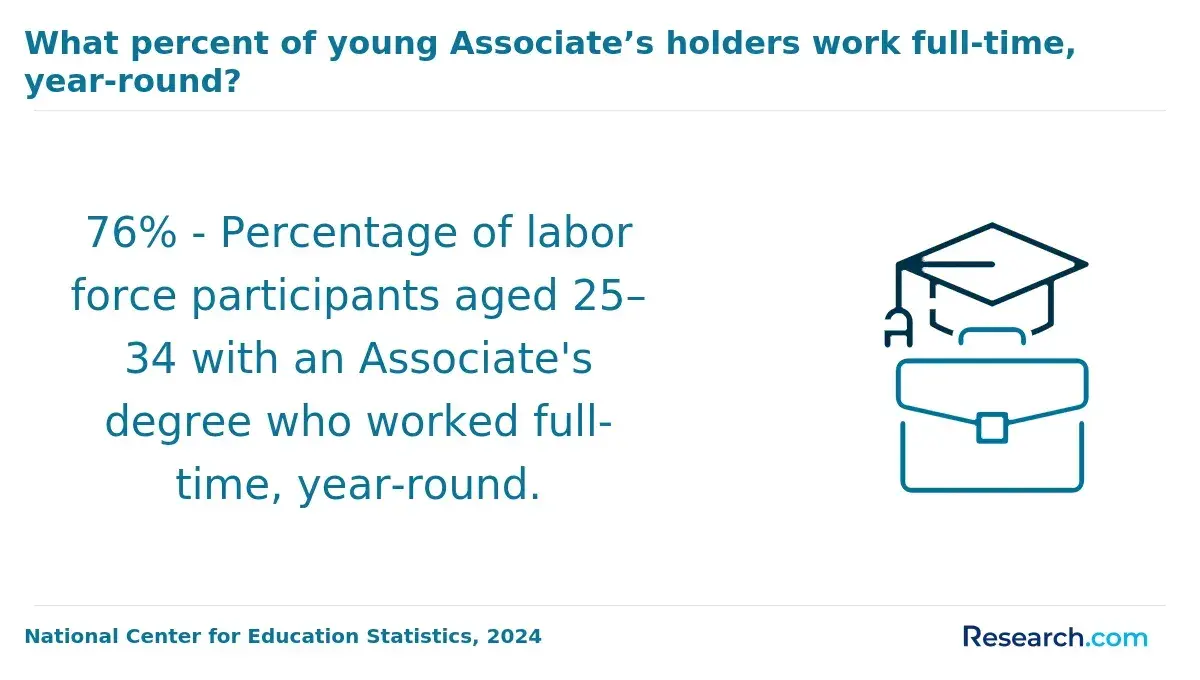
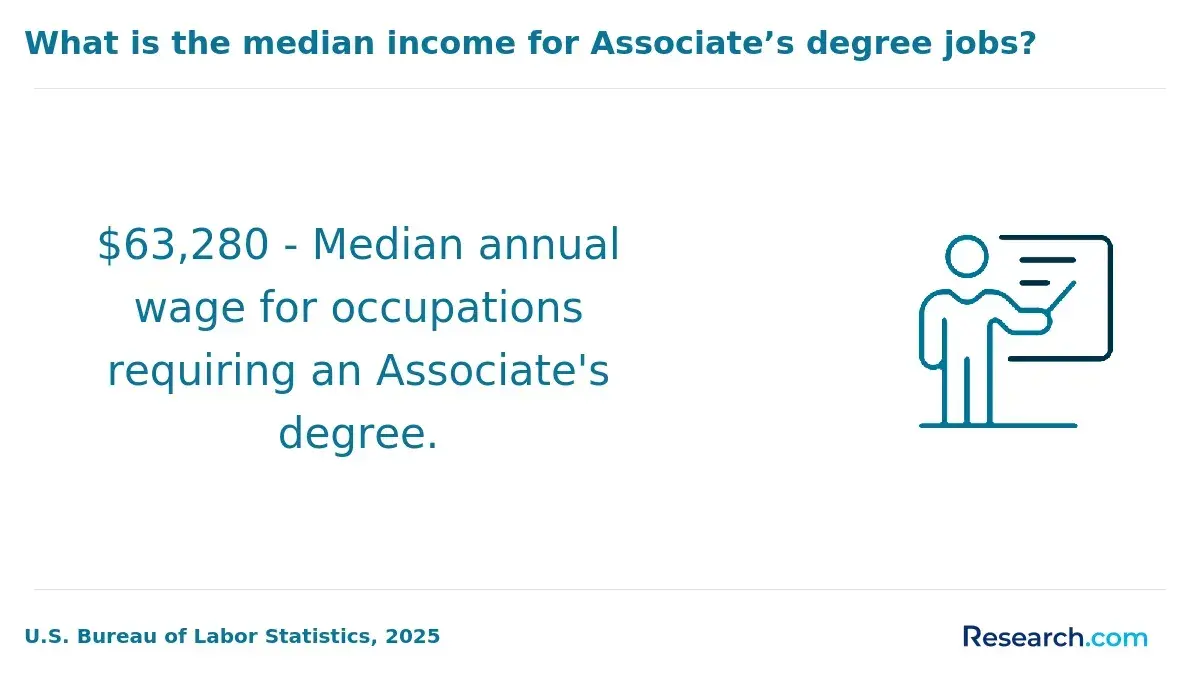
- Associate's Degree: A two-year curriculum for beginners and working adults, requiring minimal prior experience. Graduates qualify for entry-level roles with average salaries near $40,000. Fully online structures show higher completion rates due to scheduling flexibility.
- Bachelor's Completion Programs: Targeted at those with some college background or an associate, these programs enable finishing a full bachelor's in about two years. Career paths include marketing coordinators and analysts, earning between $50,000 and $65,000. They emphasize easy credit transfers and often support stackable credentials.
- Master's Degree: Designed for degree holders, these 1-2 year courses focus on leadership, analytics, and strategic marketing. Admission usually mandates a bachelor's and sometimes relevant work experience. Graduates pursue managerial roles with $70,000+ salaries. Stackable certificates and flexible pacing accommodate working professionals.
- Doctoral Degree: Intensive programs lasting 3-6 years for careers in academia, research, or executive leadership. Requires a master's degree and strong analytical skills. Salaries often surpass $90,000 in various sectors.
- Post-Baccalaureate Certificates: Short programs lasting months, ideal for skill upgrades without long-term commitments. They often stack toward advanced degrees.
IPEDS data show programs offering solid student support and credit transfer options yield better completion rates-vital for those balancing work and study. Online bachelor's marketing degree programs for career starters provide a solid foundation, while master's and doctoral marketing degrees serve those pursuing advanced professional development. For professionals comparing costs and program benefits, exploring the cheapest PsyD programs online can offer insight into balancing tuition and quality across online graduate options.
What Is the Typical Cost of an Online Marketing Degree, and How Can You Finance It?
Costs for earning an online marketing degree vary widely depending on the type of institution-public in-state, public out-of-state, private nonprofit, or for-profit-and additional expenses beyond tuition. Public universities in-state often provide the most affordable option, typically charging between $5,000 and $15,000 annually.
Out-of-state public schools usually demand significantly higher rates, sometimes two to three times more. Private nonprofit colleges generally charge tuition ranging from $20,000 to $40,000 per year. Tuition at for-profit institutions can fluctuate considerably and may not always equate to better value for students.
Students should also anticipate fees beyond tuition, such as technology charges, access to online platforms, library resources, and administrative costs, which can cumulatively add several hundred to a few thousand dollars throughout the program. Some programs may include brief on-campus residencies or in-person exams, introducing additional travel and lodging expenses.
- Federal Financial Aid: Pell Grants support eligible undergraduates with need-based funding. Subsidized federal loans cover interest while students are enrolled, whereas unsubsidized loans accumulate interest immediately.
- Veterans' Benefits: The GI Bill offers educational funding for qualifying military veterans and their families, covering many online marketing programs.
- Scholarships: Various scholarships are available to marketing students through professional organizations, state workforce agencies, and individual institutions based on merit or financial need.
- Cost Evaluation: Calculating total program expenses-not just per-credit-hour tuition-is critical to capturing the full financial commitment from enrollment to completion.
- Net Price Calculators: Tools like the College Scorecard's calculator help estimate true out-of-pocket expenses after aid, enabling better financial planning and program comparison.
How Long Does It Take to Complete an Online Marketing Degree Program?
Associate degrees in marketing typically require about two years of study, though some accelerated options shorten this to 18 months. Bachelor's degrees usually demand four years but can be completed in three with continuous enrollment or transfer credits. Graduate programs vary-master's degrees often take one to two years, while doctoral studies can extend from three to five years, largely depending on research progress and dissertation work.
- Degree Level: Credit requirements differ-about 60 credits for associate, 120 for bachelor's, 30-36 for master's, and doctoral programs focus more on research than fixed coursework loads.
- Transfer Credits: Accepting credits from prior coursework or relevant experience can reduce time to graduation, especially benefiting transfer students or working adults.
- Enrollment Status: Full-time students generally finish faster, while part-time learners balance commitments but may double their program length.
- Pace and Format Options: Competency-based and self-paced models allow learners to advance by demonstrating mastery, not semester timelines. Accelerated tracks and year-round courses help minimize delays between terms.
- Prior Learning Assessment (PLA): Many programs grant credit for verified knowledge through exams or portfolios, accelerating progress for experienced professionals.
- Completion Time Limits: Institutions and financial aid policies enforce minimum and maximum durations. Exceeding limits might jeopardize aid eligibility due to satisfactory academic progress requirements.
- Average Completion Data: Real-world completion often exceeds published timelines because of part-time enrollment, course availability, and personal factors-highlighting the importance of setting realistic expectations.
What Core Curriculum and Coursework Should a Quality Online Marketing Program Include?
High-quality online marketing programs feature a rigorous curriculum aligned with standards from accrediting bodies such as the Association to Advance Collegiate Schools of Business (AACSB) and the Accreditation Council for Business Schools and Programs (ACBSP). Core courses include foundational principles such as consumer behavior, digital marketing strategies, market research, branding, advertising, and social media marketing. These programs also integrate essential business topics like statistics, economics, management, and information systems to provide a comprehensive understanding of market dynamics.
Program sequences typically advance from introductory concepts to specialized subjects, culminating in a capstone or integrative project that synthesizes learning in real-world or strategic marketing contexts. This hands-on experience is vital for developing critical thinking and application skills.
- Competency Areas: Graduates demonstrate proficiency in data-driven decision-making, strategic thinking, effective communication, and ethical considerations backed by measurable learning outcomes verified through assessments.
- Workplace Skills: These competencies translate into practical abilities like campaign management, digital analytics, customer relationship management, and adaptive problem-solving-skills that marketing employers prioritize amid a swiftly evolving landscape.
- Curriculum Currency: Leading programs maintain relevance via regular curriculum reviews often every three to five years. These updates are guided by industry advisory boards and incorporate emergent methodologies and regulations, including data privacy laws.
- Program Transparency: Prospective students should request detailed course sequences, syllabi, and outcomes maps to fully gauge curricular depth, avoiding overreliance on marketing materials that may overlook academic rigor.
Reflecting strong demand for skilled professionals, digital marketing roles experienced job growth exceeding 15%-underscoring the value of programs offering up-to-date, comprehensive coursework and technical preparation.
Which Online Marketing Programs Offer the Best Return on Investment for Working Adults?
Choosing an online Marketing degree that delivers the best return on investment for working adults in the US involves evaluating tuition costs alongside graduate earnings, employment success, and loan default trends. Data from sources like the College Scorecard and institutional outcomes reveal which programs provide strong value beyond surface rankings.
- Cost Efficiency: Public universities with competitive tuition rates often top the list for ROI. In-state tuition reciprocity agreements enable students from neighboring states to pay reduced rates, lowering total expenses significantly.
- Strong Employment Outcomes: Programs affiliated with institutions that maintain extensive employer networks help graduates secure relevant jobs quickly. High employment rates paired with above-average median salaries at six and ten years post-enrollment demonstrate reliable long-term value.
- Financial Assistance: Access to employer tuition reimbursement programs and specific scholarships can considerably improve ROI by decreasing student debt and enhancing economic stability after graduation.
- Program-Specific Outcome Data: Prospective students should focus on detailed online Marketing program data-such as median earnings, graduation rates, and loan default rates-instead of relying solely on broad institutional rankings.
- Accreditation and Curriculum Rigor: Accreditation ensures academic quality, while curricula requiring practical marketing experience better prepare students for career challenges, thereby boosting employability and earnings.
- Student Support: Dedicated online student services-including career counseling, mentorship, and tech support-play a critical role in successful program completion and job placement.
Working adults pursuing career changes or promotion will benefit from researching top accredited online Marketing programs for career-focused professionals that combine affordability with strong employment results. Additionally, exploring opportunities such as employer tuition reimbursement and in-state reciprocity agreements can increase program accessibility and ROI.
For those comparing options, it's valuable to review comprehensive outcome data rather than just institutional prestige. Graduates' median salaries at six and ten years post-enrollment provide essential insight into economic returns. Students should also consider programs that integrate rigorous curricula and practical experience criteria.
Finally, a resource worth consulting for related fields is the best paralegal certificate programs, which demonstrate how targeted online training can enhance career outcomes in specialized disciplines.
What Admissions Requirements Do the Top Online Marketing Programs Typically Require?
Admissions requirements for top online marketing programs vary significantly depending on institutional selectivity and degree level-ranging from open-enrollment community colleges to highly competitive research universities offering master's degrees. Those exploring online marketing degree admissions criteria should note that typical requirements help applicants evaluate their competitiveness and identify areas for additional preparation.
- Minimum GPA: Most competitive graduate programs prefer a cumulative undergraduate GPA of 3.0 or higher, although some may accept applicants with a 2.75 GPA if supplemented by additional qualifications or conditional admission status.
- Standardized Testing: Increasingly, test-optional policies for exams like the GRE or GMAT are common. However, some selective master's programs still require scores as a part of a comprehensive application review.
- Letters of Recommendation: Graduate marketing programs usually expect two to three letters that speak to academic abilities, professional work ethic, or leadership potential.
- Personal Statement or Statement of Purpose: Applicants must articulate their motivations for pursuing marketing, career objectives, and how the program fits their goals.
- Professional Experience: Although some programs admit students directly from undergraduate study, many top-tier online marketing programs prefer candidates with one to three years of relevant professional experience in marketing, business, or related fields.
- Prerequisite Coursework: Applicants without academic backgrounds in marketing, statistics, economics, or business may be required to complete prerequisite courses before admission or during their early terms.
Entry requirements for top marketing programs vary notably by tier. Community colleges offering associate degrees or certificates typically have open-enrollment policies, requiring only a high school diploma or equivalent. Conversely, selective research universities with master's-level marketing programs conduct rigorous evaluations based on GPA, recommendations, personal statements, and sometimes employer endorsements.
Given changing policies-especially the prevalence of test-optional admissions-and variations even within degree levels, prospective students should proactively contact admissions advisors at programs of interest to obtain the most current requirements. This due diligence is vital to planning effective preparation steps and maximizing admission chances. For individuals exploring broader options, programs like the online masters degree in mental health counseling also offer accelerated pathways in related professional fields.
What Career Paths and Job Titles Are Available to Online Marketing Degree Graduates?
Graduates holding an online marketing degree step into a varied job market with numerous career opportunities spanning different industries. Entry-level positions typically available to those with a bachelor's degree offer essential experience and foundational skills needed for growth into more specialized or leadership roles.
- Marketing Coordinator: A common starting role focused on supporting marketing campaigns, gathering data, and managing communications, ideal for building core competencies.
- Social Media Specialist: Centered on managing online platforms and engaging audiences, leveraging analytics and digital tools to boost brand presence.
- Market Research Analyst: Involved in analyzing consumer behaviors and market trends, often leading to advanced roles in analytics and strategy.
- Advertising Account Executive: Acting as a bridge between clients and creative teams, requiring strong coordination and communication skills early in one's career.
- Sales Representative: Emphasizing direct customer interaction and product expertise, providing practical insight into market dynamics.
Advanced qualifications-such as graduate degrees or professional certifications-open doors to higher-level roles that combine strategic oversight with leadership responsibilities.
- Marketing Manager: Responsible for guiding campaigns and teams, managing budgets, and aligning marketing objectives with business goals.
- Brand Manager: Focuses on sustaining and evolving a brand's image across multiple channels over time.
- Digital Marketing Director: Leads digital strategy and drives innovation to maximize online engagement and return on investment.
- Consumer Behavior Analyst: Applies sophisticated research techniques to inform product development and marketing approaches.
An online marketing degree also supports career transitions from related fields like communications, sales, or data analysis. Professionals use targeted upskilling, certificates, or hands-on experience to pivot into marketing-specific roles.
Over five to ten years, career growth typically moves from entry-level jobs such as marketing coordinator or social media specialist to mid-level management or analyst titles, ultimately progressing to senior leadership or specialized strategic roles. Lateral moves within advertising, public relations, digital commerce, and nonprofit marketing further enhance skill sets and provide diverse career pathways tailored to individual goals.
What Is the Salary Outlook for Professionals with an Online Marketing Degree?
Salaries for professionals with online marketing degrees vary widely based on education, experience, industry, location, and specialization. Entry-level graduates typically earn median salaries from $48,000 to $55,000 annually, with averages increasing as skills deepen and career paths advance.
- Degree Level: Advanced credentials significantly impact earnings. Bachelor's degree holders generally see starting salaries around $60,000 to $75,000 after gaining experience, while master's degree graduates often secure salaries 15-25% higher, particularly in leadership and strategic marketing roles.
- Experience: Early-career marketers tend to earn less compared to those with five or more years in the field, who can expect salaries exceeding $90,000. Senior positions such as marketing directors or brand managers commonly offer six-figure compensation.
- Industry Sector: Pay differs considerably by sector. High-paying fields include technology, finance, and healthcare, whereas retail and nonprofit sectors usually provide more modest salaries.
- Geographic Location: Earning potential correlates with cost of living. Large metropolitan areas like New York, San Francisco, and Boston frequently offer the highest wages to marketing professionals.
- Specializations: Expertise in digital marketing, data analytics, and SEO commands premium salaries-reflecting their critical role in driving company growth.
- Certifications and Credentials: Credentials such as Certified Marketing Professional (CMP), Google Analytics certification, and HubSpot Inbound Marketing Certification are linked to increased salary prospects. Online graduates can pursue these certifications to quicken career progression and income growth.
- Salary Outlook: Employment in marketing is expected to grow steadily, particularly fueled by demand for digital skills, which should support ongoing wage increases. Staying current with industry advancements enhances long-term earning capacity.
- Data Currency: Economic factors and technological shifts can quickly render salary data outdated. Job seekers should consult up-to-date Bureau of Labor Statistics figures and industry wage surveys for the most accurate remuneration information.
What Graduates Say About the Best Online Marketing Degrees for Jobs
- Valentino: "Choosing an online marketing degree with strong accreditation standards was a game changer for me-knowing the program met rigorous quality benchmarks gave me confidence employers would take my degree seriously. The curriculum rigor really pushed me to develop critical thinking skills that I use daily now in my job. Plus, the overall cost paired with the solid return on investment means I'm not just educated-I'm set up for financial success."
- Zev: "Reflecting on my experience, the career outcomes of the marketing program were the most impressive aspect. Graduates I connected with had diverse job placements-proof the degree opens real doors. I also appreciated the practical experience requirements-they ensured I left with hands-on skills, not just theory. Lastly, the student support infrastructure stood out, especially when juggling work and studies, making the whole journey manageable."
- Grayson: "From a professional standpoint, the blend of curriculum rigor with practical experience requirements was essential. They didn't just teach concepts; they demanded application, which prepared me well for the workforce. The investment felt justified because of the career outcomes I've achieved post-graduation-each milestone proving the program's value. I highly recommend assessing these elements when searching for the best online marketing degrees for jobs."
Other Things You Should Know About Marketing Degrees
The best online marketing programs focus on developing critical skills such as data analysis, digital advertising, consumer behavior understanding, and content strategy. Graduates typically gain competencies in using marketing tools like SEO software, social media platforms, and analytics programs. These skills prepare students to design campaigns, measure outcomes, and adapt strategies to dynamic market trends.
Employers increasingly value online marketing degrees, especially when they come from accredited and reputable institutions. The key distinction is the program's rigor and the practical experience offered-not the delivery format. Hiring managers often look for candidates with proven skills and relevant fieldwork, which many quality online degrees provide through virtual projects and real-world applications.
Many online marketing programs incorporate internships or practicum experiences to bridge theory and practice. These opportunities are often arranged locally-allowing students to complete hands-on work near their home or workplace. Programs usually support placement by partnering with firms or offering virtual projects, ensuring students gain critical industry exposure despite remote study.
References
- What are the Educational Qualifications Needed for Digital Marketing? - MMC Learning https://mmclearning.com/digital-marketing/what-are-the-educational-qualifications-needed-for-digital-marketing/
- Best Online Marketing Degrees To Propel Your Career | UoPeople https://www.uopeople.edu/blog/best-online-marketing-degree/
- Careers in Digital Marketing https://www.unitemps.com/career-advice/careers-in-digital-marketing/
- WHAT - Translation from English into Polish https://en.pons.com/translate/english-polish/what
- A Guide to Digital Marketing Career Paths in 2025 | Digital Marketing Institute https://digitalmarketinginstitute.com/blog/a-guide-to-digital-marketing-career-paths
- Best Courses for Marketing in 2025 https://www.usiq.org/blog/best-courses-for-marketing-you-should-look-for/
- Top 8 Accredited Online Marketing Degree Programs https://careerkarma.com/blog/online-marketing-degree/
- What you must know before pursuing a Masters in Digital Marketing https://www.avanse.com/blog/what-you-must-know-before-pursuing-a-masters-in-digital-marketing
- WHAT - Translation in Polish - bab.la https://en.bab.la/dictionary/english-polish/what
- The 16 best marketing courses you can take online, from free university classes to a Facebook certificate program https://www.businessinsider.com/guides/learning/best-online-marketing-courses