2027 Best Online Associate Degree Programs for Veterans

Co-Founder and Chief Data Scientist
Choosing an online associate degree as a veteran involves more than finding a flexible schedule: military credit, VA housing payments, transfer plans, and required clinical work can change which program is the best fit. The College Board reported average public two-year in-district tuition and fees of $4,050 for 2024-25, but that figure does not capture every online fee or residency rule. This guide compares six degree fields and explains how to check benefits, costs, accreditation, and career requirements before enrolling.
Key Things You Should Know
- The strongest choice depends on your goal: a transfer-oriented AA or AS, or a career-focused AAS. Many associate programs require about 60 credits, but accepted military credit can change what remains.
- Post-9/11 GI Bill eligibility can provide up to 36 months of benefits; payment amounts depend on eligibility, enrollment, school charges, and whether courses count as online or in-person.
- "Online" does not mean "no travel." Nursing and some healthcare programs require supervised in-person training, while other fields may still require scheduled classes or exams.
Top 10 Best Online Associate Degree Programs for Veterans
Business Programs
An online business AA or AS can suit veterans planning to transfer into accounting, management, or another bachelor's program. A business AAS may emphasize bookkeeping, operations, or office technology for more immediate employment. Compare required software courses and whether military logistics or leadership training can earn applicable credit. Business study can support a move into civilian operations, but an associate degree alone does not normally qualify someone for a management position. Choose a transfer agreement if a bachelor's degree is your goal; choose an AAS only after checking its courses against local job requirements.
Healthcare Programs
Healthcare associate options include health information technology and medical assisting, but their delivery requirements differ. Records-focused coursework may be available online, while patient-facing training often requires labs or supervised placements. Veterans with medical training should ask for a formal credit evaluation rather than assume a military occupational specialty replaces coursework. Before choosing a program, confirm whether it prepares students for the intended certification, whether local placement sites are available, and whether its credential meets employer expectations. A general healthcare AA may be better for transfer than immediate entry into a specialized role.
Information Technology Programs
Online IT associate programs commonly cover networking, systems administration, programming, or cybersecurity fundamentals. An AS may support transfer; an AAS may prioritize hands-on technical skills. Veterans with communications or systems experience should compare credit-for-training policies and ask whether labs use remotely accessible equipment. Look for courses that build a portfolio or prepare students for relevant industry certifications, while checking whether exam fees are included. An IT degree can help establish technical foundations, but employers may also expect demonstrable skills, certifications, experience, or security-clearance eligibility for particular jobs.
Nursing / Pre-Nursing Programs
Pre-nursing AA or AS coursework may be offered online and designed for transfer or later admission to a nursing program; it does not qualify graduates for RN licensure. An associate degree in nursing combines coursework with in-person labs and clinical placements, even when lectures are online. Nursing admission may be selective and separate from college admission. Veterans should confirm prerequisites, clinical-site rules, state board eligibility, and whether the program has the accreditation needed for their goals. Graduates must also meet state licensing requirements and pass the NCLEX-RN before practicing as registered nurses.
Criminal Justice Programs
A criminal justice AA or AS can provide a transfer foundation in law, courts, and public policy; an AAS may focus more on applied public-safety work. Veterans considering policing or corrections should check the hiring agency's age, background, fitness, academy, and state certification requirements. The degree does not replace those steps. Compare electives with your intended occupation rather than assuming every criminal justice program leads to the same role. If your goal is a job with specific academy-based entry requirements, compare the degree's cost and value with applying directly to that pathway.
Psychology / Counseling Programs
An online psychology AA or AS is usually a transfer pathway, not a qualification to practice counseling. It can fit veterans interested in human services, peer support, or eventually earning a bachelor's or graduate degree. Review research-methods and statistics courses alongside the destination university's transfer requirements. Some entry-level support roles may be accessible with an associate degree, but licensed counseling and psychologist roles require substantially more education and state-specific credentials. Choose this path with a realistic plan for the next degree or a clearly identified entry-level occupation.
What Are the Best Online Associate Degrees for Veterans?
There is no single best online associate degree for every veteran. The best program is one that matches your next step while making workable use of your benefits, prior learning, and available study time. The comparison below groups degree fields by their most practical purpose; it is not a ranking of individual colleges.
| Program field | Strongest fit | Trade-off to check |
| Business | Transfer or broad civilian operations skills | An AAS may not transfer as cleanly as an AA or AS |
| Healthcare | Records-focused or defined clinical roles | Certification and placement requirements vary by occupation |
| Information technology | Technical skills backed by projects or credentials | Hands-on practice matters alongside coursework |
| Nursing / pre-nursing | RN preparation or a planned nursing transfer route | Clinical work and selective admission limit flexibility |
| Criminal justice | Public-safety study or transfer | Agency hiring and academy rules remain separate |
| Psychology / counseling | Transfer or an entry-level support pathway | Clinical practice requires further education and licensure |
If you need a fully remote academic schedule, start with business, IT, or a nonclinical transfer program - but verify each school's attendance rules. Comparing online colleges can broaden your search; the deciding evidence should be the specific associate program's delivery, credit policy, and outcomes.
How Can Veterans Use VA Education Benefits for Online Associate Programs?
Eligible veterans can use VA education benefits for an approved online associate program, but approval of the school alone is not the final check. Confirm that the specific program is approved for your benefit, then ask the school's VA certifying official how it reports your courses and enrollment. Post-9/11 GI Bill tuition payments, housing allowance, and book payments depend on benefit eligibility and other rules; students taking only online classes generally receive a different housing rate from those with qualifying in-person enrollment.
Before registering, ask how accepted military or transfer credit changes the courses the school will certify. VA generally pays for courses that apply to your approved program, so taking unnecessary classes can create a costly surprise. Compare GI Bill benefits with any other benefit for which you qualify rather than assuming the same payment rules apply to all VA programs.
How Much Do Online Associate Degree Programs Cost for Veterans?
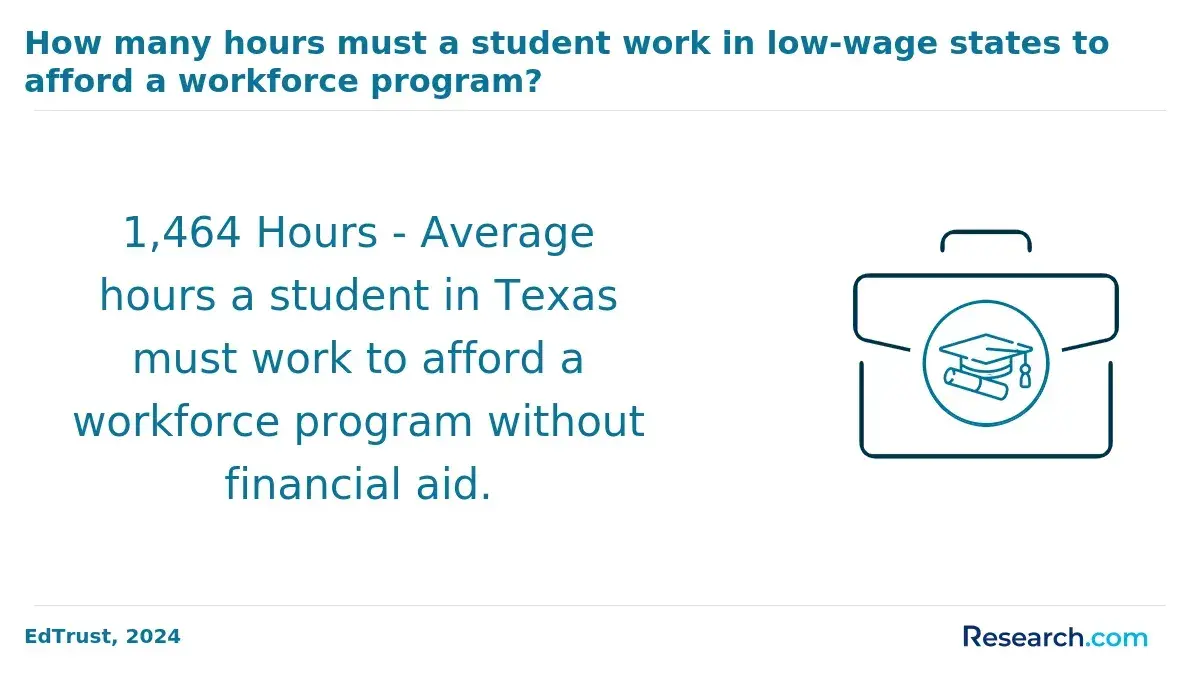
Compare the cost to finish, not just the advertised price per credit. Public community colleges may charge different rates by district or state residency; online course fees, books, technology, proctoring, and required travel can add to the bill. A clinical program may also involve screening, supplies, and transportation costs. Ask each school for a written estimate based on your residency, remaining credits, and required in-person work.
VA benefits may cover eligible charges, but coverage varies with the benefit and your eligibility level. Also check scholarships, military tuition assistance if applicable, and federal aid: a college appearing among FAFSA approved online colleges is a starting point, not proof that every program or expense qualifies. Submit the FAFSA and compare your actual aid offers before borrowing. Low tuition is less valuable if required credits will not transfer or the program cannot be completed from your location.
Which Accreditation Should Veterans Look for in Online Associate Programs?
Look for institutional accreditation from an agency recognized by the U.S. Department of Education. It matters for federal aid eligibility and can affect whether another college considers your credits, although accreditation never guarantees transfer. Check the college's current status, then ask your intended bachelor's institution which courses would satisfy degree requirements - not merely whether it accepts credits.
For regulated or certification-oriented fields, also investigate programmatic accreditation and state approval. Nursing applicants, for example, should verify state board approval and ask whether a nursing accreditor is required for future education or employment plans. An accredited college can still offer a program that does not meet a particular state's licensing requirements.
What Are the Admission Requirements for Online Associate Degrees?
Many associate programs begin with a college application and proof of high school completion or an equivalent credential. Schools may use transcripts or placement measures to determine course readiness. Nursing and some allied-health majors can impose separate prerequisites, grades, screening, or competitive admission even when the college itself has broad-access admission.
If you attended college before serving, request transcripts early and ask for an evaluation of civilian and military learning before committing to classes. Comparing online universities with no application fee may reduce the cost of exploring options, but an application-fee policy says little about program quality or admission to a selective major.
What Do Online Associate Degree Programs Include in Their Curriculum?
Most associate curricula combine general education - such as writing, mathematics, and communication - with major courses. AA and AS pathways often leave room for courses intended to transfer, while an AAS commonly devotes more credits to occupational training. The label alone does not establish transferability: compare the course plan with your target bachelor's degree or job requirements.
Online classes may be asynchronous, yet still have weekly deadlines, scheduled meetings, proctored exams, or group work. IT programs may use virtual labs; healthcare and nursing programs may require physical labs, internships, or clinical placements. Request the full course sequence and a list of every in-person requirement before assuming you can finish from anywhere.
How Long Does an Online Associate Degree Take to Complete?
Many associate programs require around 60 semester credits and can take about two academic years at a full-time pace. Part-time study, course sequencing, prerequisites, and limited clinical placements can extend that timeline. Short course terms do not, by themselves, shorten the total degree.
Military training, examinations, and previous college work may reduce the remaining coursework if the school awards applicable credit. Ask for a degree audit showing what counts toward general education, the major, and electives, plus any minimum credits you must earn at the school. Then build a term-by-term plan using courses the school actually offers online at times you can attend.
What Careers and Salaries Can Veterans Pursue After Graduation?
Career prospects depend on the occupation, local hiring rules, and experience - not simply the degree title. Business and IT programs may support applications for entry-level operations or support work; specialized healthcare programs may lead toward defined roles after any required certification. Criminal justice and psychology pathways can be valuable foundations, but many target roles require an academy, further education, or licensure.
For context, the U.S. Bureau of Labor Statistics reports a 2024 median annual wage of $93,600 for registered nurses. That is an occupation-wide figure, not an earnings estimate for new associate-degree graduates. RN applicants must complete an eligible nursing program and meet licensing requirements; the wage figure should not be used to assume a particular program will produce that outcome. Compare local job postings and qualification requirements with each program's curriculum before treating projected pay as a return on investment.
How Should Veterans Choose a Reputable Online Associate Program?
Start with your destination: a specific job, a bachelor's degree, or both. Then request a degree audit, a complete cost estimate, and the program's online attendance requirements from each school on your shortlist. This sequence exposes differences that a general "veteran-friendly" label may hide.
Ask who evaluates military learning, whether credits satisfy required courses, which services are available to online veterans, and whether the school will help arrange any local placement. Verify accreditation and, where relevant, licensing eligibility with the appropriate authorities. A red flag is a promise that military service automatically earns a fixed amount of credit or that an online nursing program requires no clinical work.
Finally, compare the associate degree with a certificate, apprenticeship, or direct entry into work. If your long-term goal is graduate study, remember that paths such as a 6 month masters degree generally come after a bachelor's degree; they are not substitutes for an associate program or proof that your associate credits will transfer. Choose the option whose verified requirements move you toward your actual goal at a cost and pace you can sustain.
Other Things You Should Know About
Yes, if the specific program is approved and has no required in-person academic components. Confirm its delivery requirements and ask the VA certifying official how online enrollment affects your benefits.
It may. The college decides what credit to award and whether it applies to required courses. Request an evaluation and degree audit before estimating your completion time.
Choose based on your goal rather than your veteran status. AA and AS programs are often transfer-oriented; an AAS often emphasizes job preparation. Verify the actual curriculum and any transfer agreement.
An eligible associate nursing program can be part of that route, but required labs and clinical training take place in person. Graduates must also meet state requirements and pass the NCLEX-RN.
References
- Post-9/11 GI Bill (Chapter 33) - Veterans Affairs https://www.va.gov/education/about-gi-bill-benefits/post-9-11/
- College Credit for Military Training & Experiences | dantes.mil https://www.dantes.mil/credit4training/
- Fast Facts: Tuition costs of colleges and universities (76) | ed.gov https://nces.ed.gov/fastfacts/display.asp
- Supporting Veteran and Military-Connected Students | Teaching and Learning Resource Center https://teaching.resources.osu.edu/teaching-topics/supporting-veteran-military
- Chapter 33 Post 9-11 GI Bill: Veterans | vt.edu https://veterans.vt.edu/students/benefits/veterans-post911.html
- Programs Approved for VA Benefits | Office of Military Services https://military.gmu.edu/va-benefits/va-benefits-chapters/programs-approved-va-benefits
- Post-9/11 GI Bill® Benefits (Chapter 33) | Student Financial Services https://sfs.columbia.edu/content/post-911-gi-billr-benefits-chapter-33
- Transfer Credit for Military Experience | Official Catalog | Charter Oak State College https://www.charteroak.edu/catalog/current/academic_policies_regulations/transfer_credit_military_exp.php