
2027 Most Affordable Associate Degrees for Business Careers

Co-Founder and Chief Data Scientist
A low tuition rate does not necessarily make a business degree affordable: fees, residency rules, and courses that will not transfer can change the final bill. The College Board reported average published tuition and fees of $4,050 for in-district students at public two-year colleges in 2024-25. That benchmark is a useful starting point, not a quote for any particular program.
This guide is for students weighing business majors and nearby alternatives. It explains which paths suit different goals, how to compare full costs, and what to verify before committing.
Key Things You Should Know
- Public two-year colleges are a strong starting point for a low-cost search: the 2024-25 national average for in-district tuition and fees was $4,050, but your total cost depends on residency, enrollment, and required expenses.
- Choose an AA or AS with a verified transfer pathway if a bachelor's degree is the goal; compare AAS programs for direct job preparation, but check how their credits would apply if you later transfer.
- Compare the cost to finish - not just the price per credit - and match the curriculum to entry-level jobs. A business associate degree alone does not qualify someone for every management or accounting role.
Top 10 Most Affordable Associate Degrees for Business Careers
Business Programs
Business administration, accounting, and office administration are practical starting points for this search. An AA or AS in business often emphasizes transferable general education and introductory business courses; an AAS may devote more credits to job-specific software and procedures. The least expensive choice depends on which required courses are offered locally, whether previous credits count, and whether the degree supports your intended job or bachelor's program. Ask for a degree audit and a full fee estimate for each option.
Healthcare Programs
Healthcare administration or medical office administration may appeal to students seeking business work in clinics or hospitals. Compare these programs with general business degrees by checking their billing, records, and patient-service coursework against local job postings. Healthcare-specific courses can be valuable for that goal but may leave fewer electives for a future business bachelor's degree. These administrative degrees are not clinical credentials and do not qualify graduates for licensed healthcare practice.
Information Technology Programs
Business information systems and IT support associate degrees can suit students interested in business software, help desks, or operations. Check whether the curriculum teaches spreadsheets, databases, and troubleshooting skills that employers request. Lab software, equipment, or certification exams may add costs even when tuition looks low. An IT-focused AAS may be a better job match than general business, but students planning to transfer should confirm how its technical credits apply to a bachelor's program.
Nursing / Pre-Nursing Programs
Pre-nursing and nursing are distinct from business degrees, even when a student ultimately hopes to work in healthcare management. Pre-nursing typically prepares students to meet prerequisites and does not itself confer a nursing license. Nursing programs may have selective admission, clinical placements, additional fees, and state approval requirements. If the goal is healthcare office work rather than clinical practice, compare a healthcare administration or business degree before taking on those requirements and costs.
Criminal Justice Programs
A criminal justice associate degree can be relevant to public-sector administrative work, but it is not a universal substitute for business training. Compare its writing, records, and technology courses with the requirements of jobs you actually want. Law-enforcement hiring standards and training vary by agency and state; the degree alone does not confer appointment or certification. For a broadly transferable office credential, a business AA or AS may preserve more options.
Psychology / Counseling Programs
Psychology can build communication and research skills useful in customer-facing business work, but an associate degree in psychology does not qualify someone to practice counseling. Licensed counseling and psychologist roles generally require further education and state-specific supervised training or examinations. If an entry-level business job is the immediate goal, compare the psychology curriculum with a business degree's accounting, software, and operations courses before choosing the cheaper-looking option.
What Are the Most Affordable Associate Degrees for Business Careers?
The most affordable business associate degree is the accredited option with the lowest realistic cost to complete that still fits your goal. Business administration, accounting, office administration, and supply chain or logistics are useful majors to compare - not a verified ranking of the cheapest colleges. Published prices and required courses vary by school and residency status.
This comparison shows where each major may offer value and where choosing on tuition alone could be a mistake.
| Associate degree focus | Potential fit | Cost and career trade-off to check |
| Business administration | Broad office skills or a planned business bachelor's degree | A low-cost AA or AS may transfer well under an agreement, but may provide less specialized job training. |
| Accounting | Bookkeeping or accounting-support work | Check required software, course sequencing, and whether credits meet a future accounting bachelor's plan. |
| Office administration | Administrative support and office technology | An AAS may be job-focused; verify software fees and how many credits would transfer later. |
| Supply chain or logistics | Inventory, purchasing support, or operations | Specialized courses may improve job fit but can limit course availability or transfer choices. |
For a narrowly defined skill goal, certificate programs may require less coursework than a degree. Compare their total price and employer relevance, not just their shorter length. If you expect to pursue a bachelor's degree, ask the destination school to confirm that individual courses will satisfy degree requirements - not merely be accepted as elective credit.
How Much Do Affordable Business Associate Degrees Cost?
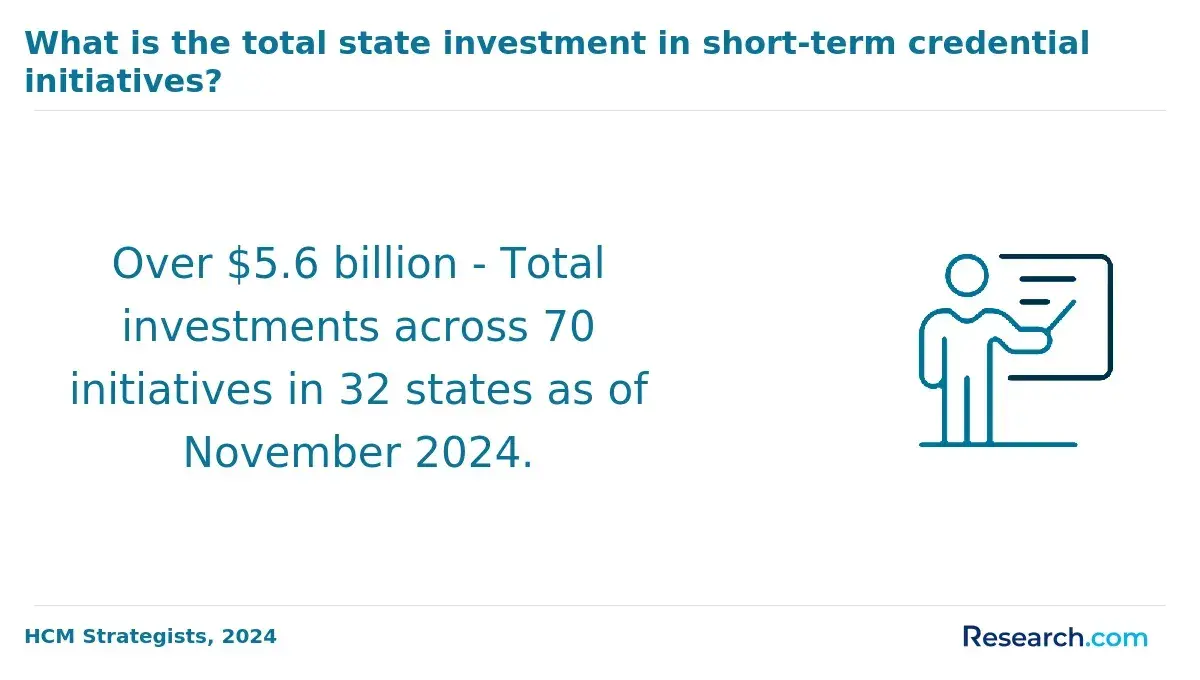
The price of an affordable business associate degree depends on the college, your residency classification, your course load, and the credits you still need. The College Board's 2024-25 figure of $4,050 is average annual published tuition and fees for in-district public two-year college students. It is not a nationwide price for a completed degree, and it does not account for every required expense.
Use these cost categories when requesting comparable estimates from colleges. They reveal why the lowest advertised tuition may not produce the lowest final bill.
| Cost measure | What it means for your comparison |
| Published tuition and mandatory fees | The stated charge for enrollment; confirm whether the quote assumes in-district, in-state, or out-of-state residency. |
| Additional required expenses | Books, software, technology, transportation, and any campus visits or proctored activities that apply. |
| Net price | What remains after applicable grants and scholarships; it is more personal than the published price. |
| Total cost to finish | The cost of all remaining required courses and expenses, including terms added by part-time study or unavailable classes. |
Most business associate pathways require roughly 60 semester credits, but requirements and time to completion vary. Ask each college for a written estimate based on your residency, expected pace, and evaluated transfer credits. Complete the Free Application for Federal Student Aid (FAFSA) and review grant eligibility before comparing net prices. Do not assume every program or student qualifies for the same aid.
Which Accreditation Should Affordable Business Associate Degrees Have?
Start with institutional accreditation from an accreditor recognized by the U.S. Department of Education. It matters when evaluating federal aid eligibility and future transfer, although accreditation alone does not guarantee that another college will apply a course to your chosen major.
Some business programs also hold specialized business accreditation. That can be an additional quality signal, but it is not a substitute for checking institutional accreditation, price, and outcomes relevant to your goal. Before enrolling, ask a prospective transfer university for a course-by-course assessment or a published articulation agreement. A common costly mistake is choosing an inexpensive AAS and later discovering that its specialized credits count only as electives in a bachelor's degree.
What Do You Learn in an Associate Business Degree Program?
A business associate degree generally combines general education - such as writing and quantitative coursework - with introductory business subjects. Depending on the major, students may study accounting, management, marketing, business communication, spreadsheets, and business technology. A supply chain track may add inventory or operations courses; office administration may emphasize document systems and workplace software.
The degree label helps describe its usual purpose, but the actual course plan matters more. An AA or AS is often designed with transfer in mind, while an AAS often prioritizes applied workforce skills; colleges can structure these differently. Check the catalog for prerequisites, course availability, and any internship or capstone. Those details affect both the skills you gain and the number of terms you will need to pay for.
Can You Earn an Affordable Business Associate Degree Online?
Yes, some colleges offer business associate degrees online. Online delivery may save commuting costs, but it is not automatically cheaper or self-paced. Compare online course and technology fees with campus charges, and ask whether classes meet live, have fixed deadlines, require proctored exams, or include any in-person activities.
For a working student, the least expensive workable format is the one whose schedule supports steady progress. A lower-priced campus program can become costly if required classes conflict with work; an online program can have the same problem if live meetings are mandatory. Confirm that every course needed to graduate is available in the advertised format and at the pace you intend to enroll.
What Are the Admission Requirements for Business Associate Degrees?
Requirements vary by college, but applicants commonly need a high school diploma or equivalent and an application. Colleges may use transcripts or placement processes to determine an appropriate starting course; some majors or courses have prerequisites. Do not infer a particular school's admission, testing, or GPA policy from a general description of community colleges.
If you have previous college credit, request an official transfer evaluation before relying on a completion estimate. Ask which credits satisfy general education and major requirements, what grade rules apply, and how many credits must be earned at the new college. Application charges also belong in a cost comparison; free online college applications can reduce that initial expense, but a waived fee says nothing about the degree's total price.
What Jobs Can You Get With an Associate Degree in Business?
Business associate coursework can support applications for administrative assistant, customer service, bookkeeping clerk, payroll clerk, and operations-support positions. Employers may also expect relevant software skills or experience. Job titles are not degree guarantees: compare local postings with the courses and work experience you will have at graduation.
Management and professional accounting positions are different targets. They commonly call for substantial experience or further education; an associate degree can be a starting point, not a direct credential for those roles. Likewise, students whose real goal is licensed clinical psychology should investigate graduate education and state requirements rather than treating business or psychology associate coursework as a shortcut to PhD online programs.
What Salaries Can Business Associate Degree Graduates Earn?
There is no single reliable salary for "business associate degree graduates." Pay depends on the occupation, location, employer, experience, and duties. As an occupational reference - not a predicted graduate salary - the U.S. Bureau of Labor Statistics reports a May 2024 median annual wage of $49,210 for bookkeeping, accounting, and auditing clerks. Some positions in that occupation require additional experience or training, and earnings vary around the median.
Use occupational wages to test whether a target job justifies the program's total cost, not to promise a return on tuition. BLS reports a May 2024 median of $81,680 for accountants and auditors, an occupation that typically requires a bachelor's degree; it should not be presented as an associate-degree outcome. If that longer path interests you, compare the highest paying bachelor degrees alongside transfer requirements and the additional cost of finishing one.
Which Certifications Improve Business Associate Degree Career Prospects?
Relevant certifications can strengthen an application when they demonstrate skills used in the target job. Options to investigate include bookkeeping credentials, payroll certifications, and recognized spreadsheet or business-software certifications. Eligibility, examinations, renewal rules, and fees differ, so a degree does not automatically confer any of them.
Before paying for an exam, review local job postings to see which credentials employers actually request. Then ask whether your college's courses prepare you for the exam and whether its price includes exam fees. A low-cost degree paired with an unnecessary certification may be a worse value than a slightly more expensive program that teaches the software and accounting tasks your intended job requires.
Other Things You Should Know About
It is often a good place to start comparing, particularly if you qualify for in-district tuition. Check mandatory fees, aid, travel, and the cost of all remaining credits before deciding that a particular college is cheapest for you.
Choose by curriculum and goal, not abbreviation alone. AA and AS pathways often suit transfer plans; an AAS often emphasizes immediate job skills. Verify the intended pathway and course applicability with the colleges involved.
It can if it reduces travel or offers a lower total price. Check online fees, residency rates, required live sessions, and whether all graduation requirements are available online before comparing it with a campus program.
Get your previous credits evaluated and obtain the degree plan before enrolling. If you intend to transfer, ask the destination college which courses will satisfy specific bachelor's requirements.
References
- Cost of Attendance (Budget) | 2025-2026 Federal Student Aid Handbook https://fsapartners.ed.gov/knowledge-center/fsa-handbook/2025-2026/vol3/ch2-cost-attendance-budget
- Recognition of Accrediting Agencies | Texas Higher Education Coordinating Board https://www.highered.texas.gov/recognition-of-accrediting-agencies/
- The Major Payoff: Evaluating Earnings and Employment Outcomes Across Bachelor's Degrees - CEW Georgetown https://cew.georgetown.edu/cew-reports/major-payoff/
- Articulation Agreements - Rivier Admissions https://www.rivier.edu/admissions/undergraduate/transfer-students/articulation-agreements/
- Transfer Opportunities | Manchester Community College https://catalog.mccnh.edu/transfer-opportunities
- How Many Credits Do You Need to Graduate College? | SNHU https://www.snhu.edu/about-us/newsroom/education/how-many-credits-to-graduate-college
- Transfer Articulation & Dual Diploma / Degree Agreements | University at Albany https://www.albany.edu/academics/transfer-articulation-dual-diploma-dual-degree
- Grants and waivers | Twin Cities One Stop Student Services https://onestop.umn.edu/finances/types-financial-aid/grants-and-waivers
- Tuition and Fees | Paying For College | College of DuPage https://cod.edu/costs/tuition/index.html
- Transfer & Articulation Agreements | atlanticcape.edu https://atlanticcape.edu/student-resources/transfer-planning/transfer-agreements.php


