2027 Best Colleges With Evening Classes

Co-Founder and Chief Data Scientist
Keeping a job while earning a degree often comes down to one question: will the required classes fit after work? Evening programs can make college possible, but an occasional night course is not the same as a degree you can finish on that schedule. The College Board reported average published tuition and fees of $11,610 for in-state students at public four-year colleges in 2024-25 - before books, travel, or lost work time. This guide compares identifiable evening options and shows working adults how to test schedule, cost, and career fit before enrolling.
Key Things You Should Know
- Compare the entire degree schedule, not a sample evening class: required courses, labs, and internships may meet during the day.
- Chicago Booth, the University of Washington Foster School, Baruch College Zicklin, and UCLA Anderson offer identifiable evening MBA pathways; their formats and eligibility differ.
- The College Board's $11,610 public four-year tuition-and-fees average is a benchmark, not an evening-program price; request a personalized total-cost estimate.
Top 10 Best Colleges With Evening Classes
Business Programs
Evening MBA programs are among the clearest options for professionals who need predictable weeknight study. Compare whether core courses and electives meet after work, not just whether the program is called "part-time." An MBA usually builds management, finance, and strategy skills for experienced professionals; a specialized master's in accounting, analytics, or finance may better suit a specific career goal. Check work-experience expectations, team-project schedules, and any weekend requirements before applying.
Healthcare Programs
Master's programs in public health, health administration, and health informatics may offer evening courses for employed students. They serve different goals: population health, organizational leadership, and health-data work, respectively. Ask whether an internship, field placement, or live online session occurs during business hours. Administrative degrees do not confer clinical licensure, and an evening classroom schedule cannot remove daytime obligations imposed by a required placement.
Information Technology Programs
Evening master's programs in information technology, cybersecurity, or information systems can suit professionals moving toward systems, security, or technical-management work. Compare technical prerequisites and access to labs or group projects outside business hours. A program marketed to working adults may still schedule required live meetings. For some roles, a focused certificate plus experience may be more useful than a full master's degree; compare both against job postings in your target field.
Computer Science Programs
A computer science master's usually emphasizes algorithms, software, and computing theory more deeply than a general IT degree. Evening study may work for employed developers, but prerequisite courses can add time for career changers. Confirm when required courses - not just electives - run, whether labs are accessible after work, and whether the program requires a thesis or substantial project. If your goal is one new programming skill, a shorter course may be a better first step.
Nursing Programs
Evening master's nursing coursework can help licensed registered nurses continue working, but clinical hours, preceptor availability, and placements may occur during the day. Compare nurse practitioner, education, leadership, and informatics tracks by their distinct practice goals. An advanced-practice track can have separate state licensure and certification requirements. Before enrolling, obtain written confirmation of placement responsibilities and whether your preferred clinical sites can accommodate your work schedule.
Psychology Programs
Evening psychology master's programs may focus on research, applied psychology, or preparation for further study. Do not assume a psychology degree qualifies you for therapist licensure: counseling and clinical pathways have specific program, supervised-practice, examination, and state requirements. Compare the exact credential against the occupation you want. Research-oriented programs may require lab or faculty meetings outside evening class hours.
Education Programs
Evening master's courses in curriculum, educational leadership, or teaching can fit educators' school-day schedules. Student teaching, classroom observations, and leadership internships may still require daytime attendance. Initial teacher licensure and advancement credentials follow different state rules, so verify that the specific track meets your goal. Also check whether summer intensives or cohort sequencing affect how quickly a part-time student can finish.
Criminal Justice Programs
Evening master's study in criminal justice or criminology may suit people in public safety, policy, or research. Look for coursework matching your intended work - such as analysis or administration - rather than assuming the degree is required for entry-level law enforcement. Shift workers should check whether "evening" means fixed weekly meetings and whether a practicum or capstone adds daytime commitments. Employer tuition assistance can matter more than a small difference in published tuition.
Engineering Programs
Professional engineering master's programs may schedule courses after work for practicing engineers. Confirm whether your specialization's required laboratories, design projects, and electives are offered at those times; a department-wide evening option may not cover every concentration. Some programs expect an engineering bachelor's degree or specified math prerequisites. A master's degree also does not replace state professional-engineer licensing requirements where a role requires that license.
Social Work Programs
Evening Master of Social Work coursework may help working students, but field education is the decisive scheduling constraint: agencies often offer placement hours during the workday. Ask whether your job can qualify as a placement under program rules; never assume it will. Students with a qualifying bachelor's in social work may be eligible for a separately defined advanced-standing pathway. Clinical practice typically requires additional supervised experience and state licensure after graduation.
What Are Evening College Classes and Who Are They For?
Evening college classes are scheduled after conventional daytime work hours. An evening degree program goes further: it offers a workable path through required courses at those times. Neither term promises that every activity - including orientation, labs, examinations, or placements - happens at night.
They can fit employed adults, caregivers with evening help, and students who need daytime hours for other commitments. But fixed weeknight meetings may be harder for shift workers or parents without evening childcare. If independent study fits your schedule better, compare an online degree - and check whether it has live attendance or fixed deadlines before treating it as more flexible.
Which Colleges Offer the Best Evening Degree Programs?
There is no single best college for everyone: the strongest choice is an accredited institution whose specific program offers a finishable evening schedule at a manageable total cost. These established evening MBA pathways give business applicants concrete starting points. They are examples, not an overall ranking, and their MBA focus should not be mistaken for evidence that every degree at each university runs at night.
The comparison identifies the evening pathway at each school and the question most likely to change a working student's decision. Confirm current course times, attendance rules, and prices directly with the program before applying.
| College and evening pathway | Potential fit | Scheduling question to verify |
| University of Chicago Booth School of Business - Evening MBA | Professionals seeking a part-time MBA in Chicago | Can your intended electives and team commitments fit your weeknight availability? |
| University of Washington Foster School of Business - Evening MBA | Seattle-area professionals seeking a cohort-based MBA | Which activities beyond scheduled classes require on-campus time? |
| Baruch College Zicklin School of Business - Evening MBA | New York City professionals comparing an evening MBA with other local options | How will your course load, fees, and available electives affect total cost and time? |
| UCLA Anderson School of Management - Fully Employed MBA | Working professionals able to consider evening or other scheduled formats | Which available format fits your workweek, and what attendance does it require? |
Outside business, compare institutions at the program and term level. Ask a healthcare, education, engineering, or social work department for a recent rotation of required courses and experiential hours. That evidence is more useful than a college-wide promise of "flexible classes."
Are Evening Classes Available Online, On Campus, or Both?
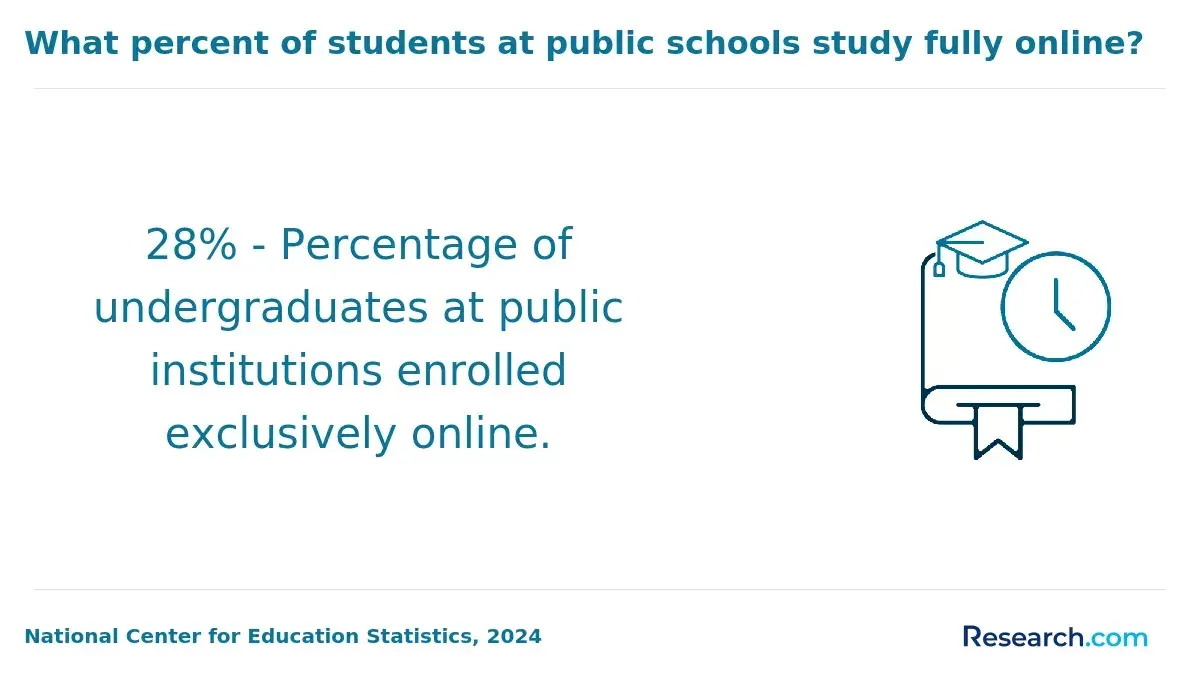
Evening classes can be on campus, live online, or hybrid. The key distinction is when you must participate, not simply where you log in. Recorded lectures may be available anytime while assignments still have fixed deadlines; live online classes may require the same weekly attendance as a classroom course.
The formats below differ in ways that matter after a work shift. Compare required travel and live participation across the entire program, including labs and placements.
| Format | What evening study may look like | Main scheduling trade-off |
| On campus | Scheduled night classes at a college location | Predictable meeting time, but commuting adds hours |
| Live online | Scheduled evening video sessions | No routine commute, but attendance time remains fixed |
| Asynchronous online | Recorded or independently accessed coursework | More control over study time, but deadlines remain |
| Hybrid | Online work plus scheduled in-person components | Fewer trips may help, but required visits still need planning |
Parents weighing an evening commute against home-based study may also want to compare best degrees for stay-at-home moms. The practical test is whether the program's live sessions, deadlines, and required placements fit the hours when care is available.
What Degree and Certificate Programs Can You Complete in the Evening?
Evening offerings can lead to certificates, associate degrees, bachelor's degrees, and master's degrees. Availability depends on the school, major, and location. Business and professional graduate programs often advertise an explicit evening pathway; in laboratory or licensure fields, night coursework may cover only part of the credential.
Choose the credential that matches your next step. A certificate can target a skill without replacing a degree that an employer or licensing board requires. An associate degree may prepare you for work or transfer, but confirm which credits satisfy the intended bachelor's major. A professional master's may support advancement, while research-focused graduate study - including eventual PhD programs - can require different preparation, faculty access, and research commitments that an evening-only schedule may not provide.
What Are the Admission Requirements for Evening College Programs?
Requirements follow the credential and program, not the time classes meet. Undergraduate applicants generally need a high school credential; transfer applicants submit previous college records. Master's programs typically require a bachelor's degree and may specify prerequisites, a GPA threshold, recommendations, work experience, or an interview. Nursing, teaching, and other professional tracks may have separate licensure or placement eligibility rules.
Request a program-specific admission checklist before paying an application fee. If you already have college credit, ask for an evaluation showing which courses meet general education, major, and elective requirements - not merely how many credits the college accepts. Do not assume undergraduate credits reduce a master's degree, or that work experience earns credit without a published assessment process.
How Long Do Evening Programs Take and What Do They Cost?
Evening enrollment does not set a standard graduation date or price. A student taking fewer courses per term may need longer than a full-time peer, while eligible transfer credit could reduce remaining undergraduate requirements. Course rotation, prerequisites, and a clinical placement or capstone can be more important than the length of an individual class.
The College Board's 2024-25 average of $11,610 in published tuition and fees for in-state public four-year students offers context, not a quote for any program in this guide. MBA tuition, graduate charges, residency status, and campus fees can differ substantially. Request a degree audit and a term-by-term estimate that includes required credits, fees, books, travel, and any placements. Check federal-aid eligibility for your enrollment level and whether employer tuition assistance requires you to remain employed after reimbursement.
For military families, relocations can make a locally scheduled evening pathway harder to finish. Compare transfer rules and location requirements with online degrees for military spouses; online access alone does not settle residency, licensure, or live-meeting questions.
Are Evening College Programs Accredited and Professionally Recognized?
Evening study does not change a college's accreditation status, but accreditation should be checked for the institution and intended program. Confirm institutional accreditation through the U.S. Department of Education's accreditation database. Where relevant, verify programmatic accreditation and state approval with the applicable accreditor or licensing board.
Professional recognition is a separate question. A nursing, social work, counseling, or teacher-preparation degree may have to meet state-specific education and fieldwork rules; graduating does not itself grant a license. If you expect to work in another state, ask the program for a written explanation of whether its pathway meets that state's requirements and what examinations or supervised hours remain.
What Careers and Salaries Can Evening Program Graduates Expect?
Evening graduates can pursue the same types of roles as graduates who attended daytime classes, but outcomes depend on their credential, experience, location, and any required license. For context, the U.S. Bureau of Labor Statistics reported a $93,600 median annual wage for registered nurses in 2024. That is an occupational figure, not an expected salary for someone who completes an evening nursing program; registered-nurse roles also require appropriate licensure.
Use occupational data to test a career goal, not to calculate a guaranteed return. For each target role, compare local job postings with the program's coursework and required credentials. Ask career services for outcomes specific to the program and student population when available, and distinguish documented employment results from access to advising or a job board.
How Can You Choose a Reputable College With Evening Classes?
Start with the occupation or advancement goal, then narrow colleges by accreditation, a complete evening pathway, and total cost. A strong program on paper is a poor fit if one required daytime course prevents you from finishing. Use the following checks with each finalist; ask for written answers or a current schedule where possible.
- Request a degree map and recent course rotation showing when every required class and elective is offered.
- Identify all live online sessions, campus visits, labs, internships, clinical hours, and student-teaching obligations.
- Obtain a personalized admission and transfer-credit review, including any minimum credits that must be completed at the college.
- Compare estimated total tuition and required fees alongside commuting, materials, aid eligibility, and employer benefits.
- Verify accreditation and, for a regulated occupation, the requirements of the licensing state before enrolling.
Two common mistakes are treating "online" as "study anytime" and treating a college's evening marketing as a guarantee for every major. A current term-by-term plan exposes both problems early - and gives you a realistic basis for choosing between evening, hybrid, and other options.
Other Things You Should Know About
Sometimes. Ask for a degree map showing evening availability for every requirement; a few night electives do not establish an evening degree pathway.
Not necessarily. Prices depend on the institution, program, residency status, course load, and fees. Compare estimated total completion costs rather than class times.
Eligible programs and students may qualify, but aid depends on factors including enrollment intensity and the credential. Confirm eligibility with the college's financial aid office.
Ask whether classes are recorded, attendance is mandatory, and required courses have alternative sections. An asynchronous option may fit better, provided its deadlines and in-person requirements are manageable.
References
- Accreditation in the U.S. | ed.gov http://www.ed.gov/laws-and-policy/higher-education-laws-and-policy/college-accreditation/accreditation-in-the-us
- Tuition and College Costs | wa.gov https://wsac.wa.gov/tuition-and-college-costs
- Transfer Credit and Degree Applicability | University of Missouri Academic Catalog https://catalog.missouri.edu/academicpolicies/transfercreditanddegreeapplicability/
- How Do Transfer Credit Equivalencies Work? | University of Bridgeport https://www.bridgeport.edu/news/how-do-transfer-credit-equivalencies-work/
- Class Formats | Ivy Tech Community College https://www.ivytech.edu/classes/class-formats/
- Know the Difference Between In-Person, Online, Virtual & Hybrid Classes | Pima Community College, Tucson, Arizona https://www.pima.edu/news/announcements/general-announcements/types-of-classes.html
- How the College Credit Transfer Process Works and How it Can Be Improved | ACE Blog https://ace.edu/blog/how-the-college-credit-transfer-process-works-and-how-it-can-be-improved/
- Adult Learners | University College https://universitycollege.temple.edu/academics/adult-learners
- Adult Education and Learning in Higher Education | schev.edu https://www.schev.edu/students/adult-learner
- Evening and Weekend Programs | Medgar Evers College Catalog https://mec.catalog.cuny.edu/academic-programs-and-support-services/evening-and-weekend-programs