
2027 Online BA in Psychology - Mental Health for Academic Advising Assistants: What to Check Before Changing Careers
Audited and Verified:
Our Editorial and Data Verification Process
Research.com uses government datasets, official education statistics and primary institutional information to support its career and degree guides. Our review process checks factual accuracy, occupational definitions, source dates and the requirements associated with the credentials discussed.
How This Article Was Fact-Checked
Our editorial team verifies salary estimates, employment projections, education requirements and program information against original data providers and official organizations. Salary figures are checked against the relevant occupational definitions and reporting periods. Information about licensure, accreditation and required in-person training is reviewed separately.
Fact-checked and verified on:

Co-Founder and Chief Data Scientist
If you already help students navigate courses, deadlines, and campus services, an online psychology BA may deepen your understanding of behavior and mental health, but it may not be the fastest route to your next job. Academic advising assistants usually provide administrative and student-support services, not counseling or treatment.
This guide helps you compare your existing skills with job requirements, identify useful coursework and experience, and decide whether a degree, targeted training, or a different professional pathway is worth the time and cost.
Key Things You Should Know
- An online psychology BA can support a move into student-facing advising work, but employers may value higher-education experience, student-information-system skills, and referral judgment more than a mental health focus.
- An advising assistant can connect students with qualified help; a psychology BA alone does not authorize diagnosis, psychotherapy, or independent crisis treatment.
- Compare the credits you still need and the program's full net cost with actual vacancies before enrolling. The Bureau of Labor Statistics does not publish a wage specifically for academic advising assistants.
What Is an Online Psychology Bachelor's Degree for Mental Health Advising Support?
It is a bachelor's degree in psychology delivered primarily online, used to prepare for nonclinical student-support work. A program might offer mental health-related electives or a formally named concentration; those are not interchangeable. Check the transcript designation and course requirements rather than assuming that a degree title signals specialized training.
For an academic advising assistant, the practical value lies in understanding development, stress, motivation, help-seeking, and the limits of psychological evidence. That knowledge can improve conversations and referrals, but it does not turn an advising appointment into a counseling session.
If your actual goal is substance-use treatment rather than campus advising, compare substance use counseling education and degree options against the credential rules in your state before choosing a general psychology BA.
Can a Psychology Bachelor's Degree Lead to Academic Advising Assistant Roles?
It can lead to advising assistant roles when an employer accepts a psychology bachelor's degree and you can demonstrate the operational skills the position requires. Assistants may schedule appointments, explain published academic procedures, update records, support outreach, and direct students to advisors or campus services.
They should not independently interpret complex degree exceptions or promise that a student qualifies for a program when institutional approval is required. If you already work in admissions, registration, tutoring, residence life, or a student-services office, that experience may make an internal move more realistic than starting over with another degree.
Compare vacancies at the institutions where you want to work: note whether a bachelor's degree is required or preferred, which software appears in the posting, and whether the duties are administrative or involve assigned advising caseloads. Community-facing support is another possible direction. An addiction recovery employment guide can help distinguish those jobs from academic advising before you commit to either path.
What Requirements Apply to Mental Health and Academic Advising Careers?
Requirements follow the job's duties and jurisdiction, not the mental health wording on a diploma. An advising assistant generally follows employer training and escalation procedures. A college may require additional education or experience for professional advisor positions, while licensed mental health roles follow separate state rules.
This comparison shows why a student-support career change and a clinical career change call for different preparation.
| Target role | Typical focus | Qualification to verify |
| Academic advising assistant | Scheduling, records, routine information, and referrals | Employer's degree, software, confidentiality, and experience requirements |
| Professional academic advisor | Degree planning and ongoing student guidance within institutional policy | Institution's education and caseload-experience requirements |
| Licensed mental health counselor | Clinical assessment and psychotherapy within licensed scope | State-approved graduate education, supervised experience, examination, and licensure |
A student describing distress may need a warm referral to a counseling center, crisis resource, or designated staff member, not informal diagnosis by an assistant. Know your institution's privacy, safeguarding, and emergency procedures.
If providing therapy is the goal, investigate a qualifying graduate program and its clinical requirements. A clinical mental health counseling master's pacing guide addresses a different pathway from the psychology BA.
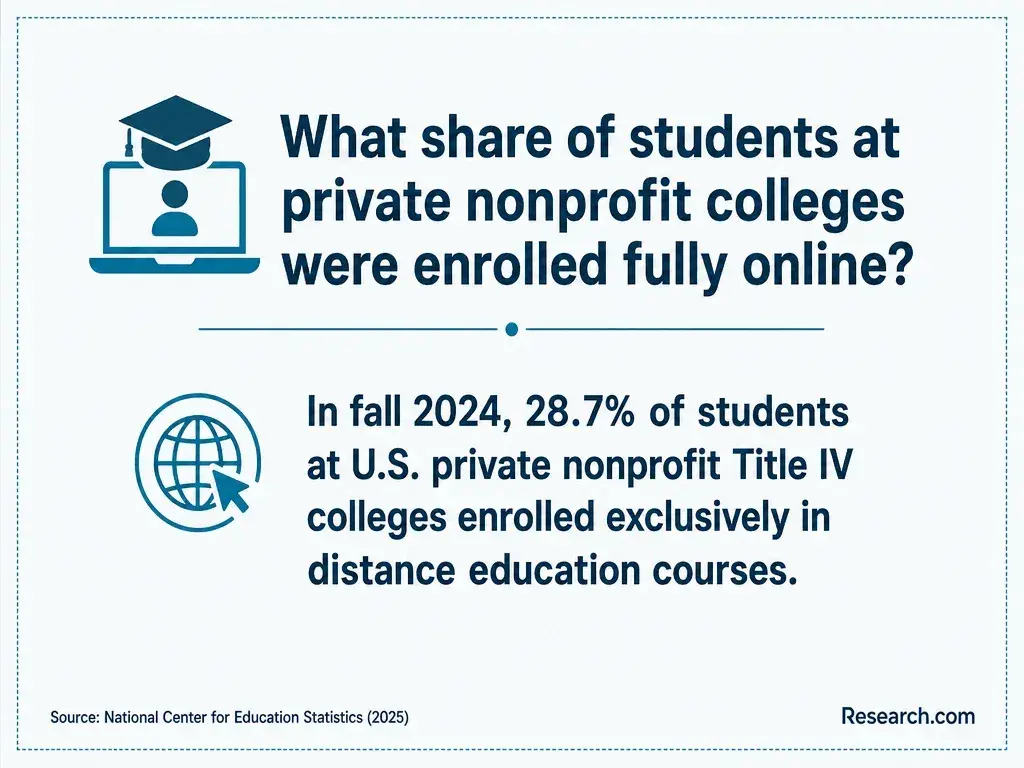
Online delivery can make coursework possible alongside a student-services job, but it does not guarantee self-paced study. Check live meetings, exam windows, group work, research participation, internships, and any campus visits.
A campus program may make it easier to build relationships with advising offices and faculty; an online program may be stronger if it provides accessible remote supervision and lets you gain relevant experience at your current workplace.
Format and speed are separate decisions. Listings of faster forensic psychology bachelor's degree pathways may be useful for comparing scheduling claims, but a forensic emphasis is not a substitute for student-services experience. For any accelerated option, ask which required courses are offered each term and whether its pace is feasible alongside your job.
Most psychology majors combine foundational psychology with statistics, research methods, and electives; exact requirements vary.
For advising support, developmental and social psychology can inform how you communicate with students, while abnormal psychology can build literacy about mental health without conferring clinical competence. Statistics and methods help you interpret student-success claims rather than treating an association as proof that a service caused better outcomes.
Prioritize courses and applied work that produce job-relevant evidence: clear writing, culturally responsive communication, ethical handling of information, and evaluation of a student-support process using appropriately authorized data. If an elective is marketed as specialized, confirm whether it is part of an official concentration.
The distinction matters in other fields too: forensic psychology admissions and education planning concerns a different academic focus, and forensic coursework would not grant clinical or investigative authority.
Expect the university to specify first-year or transfer admission rules, transcript requirements, and any separate conditions for entering the psychology major. Admission to the institution is not the same as acceptance of previous coursework toward major requirements.
If you have college credits, request a written degree audit showing which courses satisfy general education, statistics, research methods, electives, and residency requirements before estimating your completion date.
If you already hold a bachelor's degree, check whether another BA is necessary at all. An employer might accept your existing degree plus advising experience or targeted training. A graduate pivot, such as planning a forensic psychology master's in less than two years, addresses a distinct career goal, not an admissions prerequisite for an advising-assistant job.
Your remaining requirements, course availability, and study pace determine the timeline; the word "online" does not establish a shorter one. Ask for a term-by-term plan based on your evaluated credits, including prerequisites, required electives, and any applied experience. Working while studying may reduce lost earnings but extend completion time.
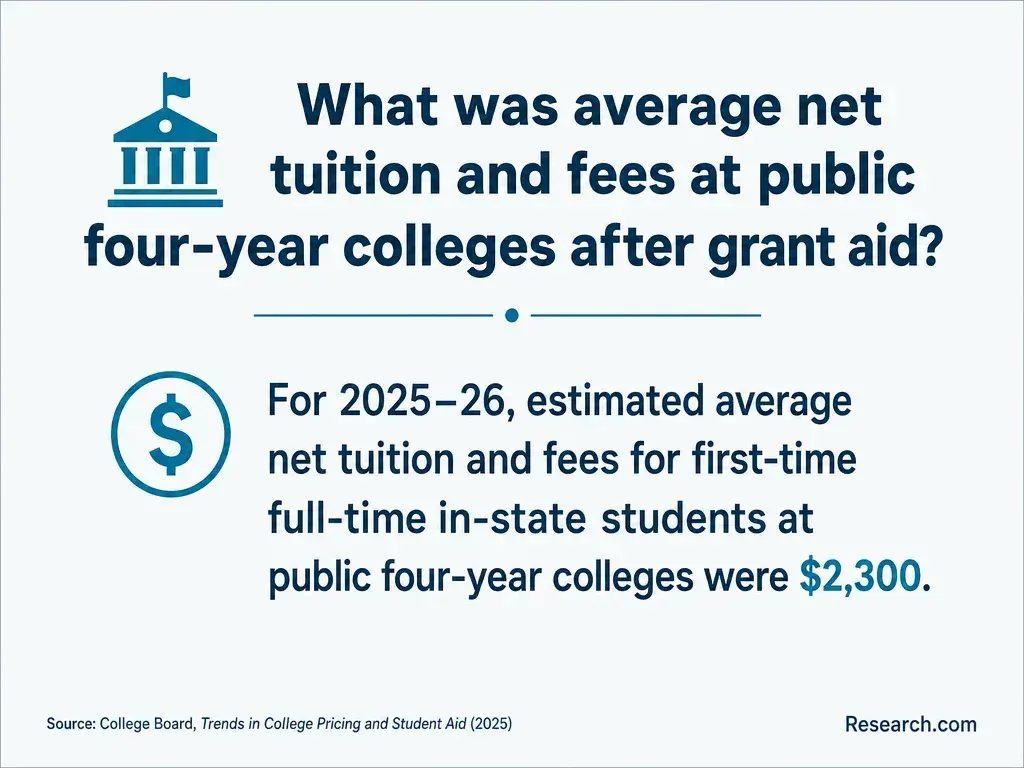
For a meaningful price comparison, calculate tuition for the credits you still need, then add mandatory fees, books or software, and any travel or unpaid placement costs. Subtract only aid or employer reimbursement you are eligible to receive.
Advertised per-credit prices do not reveal that net total; comparisons of psychology college costs for online students are a starting point, not a substitute for an individualized aid offer and degree audit.
Relevant possibilities include academic advising assistant, student-success coordinator, admissions or retention support staff, and some nonclinical human-services positions. Availability depends on the employer and your experience. The strongest applications connect the posting's tasks to evidence: accurate recordkeeping, communication with students, familiarity with institutional procedures, and appropriate referrals.
A supervised student-services project or approved internship can help you demonstrate those skills, but ask who will supervise it and whether your program accepts your current job as applied learning.
If your long-term aim is psychotherapy instead, compare the full graduate and licensure pathway rather than treating these entry-level jobs as clinical training. A guide to clinical counseling master's duration and earning potential is relevant to that separate decision, not proof of earnings after a psychology BA.
There is no single reliable national wage specifically for academic advising assistants; job titles and duties vary across colleges. The US Bureau of Labor Statistics reports a median annual wage of $65,140 in May 2024 for school and career counselors and advisors.
That broader occupation includes positions with different responsibilities and qualifications, so its median is not an expected offer for an advising assistant or a psychology BA graduate.
Use posted salary ranges for the exact jobs, institutions, and locations you are targeting. If considering licensed counseling instead, compare its likely compensation with the cost and time of qualifying education.
Evaluating the net cost of counseling education is part of that calculation. Do not justify a second bachelor's degree using wages from a profession it will not qualify you to enter.
How Can You Choose an Accredited Online Psychology Program?
Verify the institution's accreditation through the accreditor and the US Department of Education's recognized-accreditor information, then confirm the psychology degree's exact title, delivery format, transfer policy, and requirements with the school.
Institutional accreditation matters for educational quality oversight and potential federal aid eligibility; it does not establish that an undergraduate psychology program qualifies you for counseling licensure. Do not expect APA accreditation of a general psychology BA.
Before accepting an offer, ask the program for a written degree audit and a realistic course sequence. Ask career services whether online students can access student-affairs placements or employer contacts, and ask your workplace whether the degree would change your eligibility for the roles you want.
Finally, review the aid offer and reimbursement conditions. If you are comparing a substance-use-focused alternative, financial aid planning for a substance use counseling bachelor's can inform that separate cost check. Enroll only when the remaining coursework addresses a documented hiring gap that less costly experience or training cannot address as well.
Other Things You Should Know About Psychology Programs
Usually, only with appropriate workplace and instructor permission. Remove identifying student information and follow institutional rules for records and data use; a classroom assignment does not itself authorize access or publication.
It cannot replace a degree when an employer requires one, but relevant training may strengthen referral and response skills for a nonclinical role. Check the posting and your institution's approved procedures before paying for a course.
No general rule requires you to discuss personal health history to demonstrate interest in student support. You can describe relevant skills and experience while keeping private information private.
Possibly in an administrative or other approved nonclinical position, depending on the employer. Working in a counseling center does not authorize you to provide therapy or independently manage clinical cases.
- Types of Financial Aid: Grants, Work-Study, and Loans | studentaid.gov https://studentaid.gov/understand-aid/types
- Student Outcomes | THECB Data https://databridge.highered.texas.gov/outcomes/
- Cost of Attendance (Budget) | 2025-2026 Federal Student Aid Handbook https://fsapartners.ed.gov/knowledge-center/fsa-handbook/2025-2026/vol3/ch2-cost-attendance-budget
- Measuring Student Success In IPEDS: Graduation Rates (GR), Graduation Rates 200% (GR200), And Outcome Measures (OM) https://nces.ed.gov/ipeds/use-the-data/measuring-student-success-in-ipeds
- Requirements Related to the Practice of Counseling - NCBI https://www.ncbi.nlm.nih.gov/books/NBK259170/
- Institutional Accrediting Agencies | ed.gov http://www.ed.gov/laws-and-policy/higher-education-laws-and-policy/college-accreditation/institutional-accrediting-agencies
- Credit for Prior Learning: The University of Akron, Ohio https://www.uakron.edu/cpl/index.dot
- The benefits from culturally responsive community-based research partnerships | apa.org https://www.apa.org/research-practice/conduct-research/culturally-responsive-partnerships
- How Do Transfer Credits Work When You Go Back to School? | Whitworth Online https://online.whitworth.edu/news-articles/how-do-transfer-credits-work-when-you-go-back-to-school/
- Course Delivery Methods - Ways to Learn | Riverland https://www.riverland.edu/academics/course-delivery-methods-ways-to-learn/


