
2027 Best College Degrees for Low Student Debt

Co-Founder and Chief Data Scientist
The degree with the highest potential salary is not necessarily the one that leaves you in the best financial position. In 2024-25, average published tuition and fees were $11,610 at public four-year colleges for in-state students, versus $4,050 at public two-year colleges, according to the College Board.
Neither figure includes living costs, and your aid and time to completion can change the bill substantially. This guide compares degree fields, graduate options, and shorter pathways by borrowing risk, career requirements, and earning potential so you can choose a route you can afford to finish.
Key Things You Should Know
- For many students, an in-state public degree with a clear occupational path offers a better low-debt starting point than a costly program in the same field; compare net cost and completion, not the major alone.
- Associate degrees in nursing or allied health can lead toward licensed work, while bachelor's degrees in accounting, computing, and engineering can support higher-paying occupations; admission, licensure, and hiring requirements vary.
- Check each program's College Scorecard debt and earnings alongside its total price: those outcomes describe previous students, not what you will borrow or earn.
Top 10 Best College Degrees for Low Student Debt
Business Programs
An affordable bachelor's degree in accounting can be a more direct route to an identifiable occupation than a general business degree. An MBA or specialized master's may help experienced workers advance, but graduate tuition can erase the debt advantage. Compare employer tuition assistance, public-university prices, and whether the target role actually prefers a graduate credential. CPA licensure has separate state education and examination requirements; an accounting degree alone does not confer the license.
Healthcare Programs
Healthcare degrees range from associate-level diagnostic imaging and respiratory therapy to graduate clinical programs. Shorter does not automatically mean cheaper: selective admission, laboratory fees, clinical travel, and limited course availability can add cost. Choose a credential backward from the job you want, then confirm that its program meets the applicable certification or state licensing requirements. A health administration master's may suit experienced professionals, but it is not a substitute for a clinical license.
Information Technology Programs
Associate and bachelor's IT degrees can prepare students for support, networking, systems, or security-related work. A master's in IT is generally better evaluated as an advancement investment than as the cheapest entry route. Compare program cost with hands-on labs, internships, and employer-recognized skills; some entry roles may be accessible through certificates and experience instead. Security leadership jobs often require substantial work experience, regardless of degree level.
Computer Science Programs
A bachelor's in computer science provides a foundation in programming, algorithms, and systems. A master's can support specialization, but borrowing for one solely to enter software development may be unnecessary: many developer roles typically require a bachelor's degree. Compare math prerequisites, internship access, and the cost of completing the full sequence. An inexpensive program with too few advanced courses or opportunities to build software may be a poor fit despite its price.
Nursing Programs
An accredited associate degree in nursing can offer a lower-cost route toward registered nurse licensure; a bachelor of science in nursing may offer broader preparation or meet particular employers' preferences. Both require clinical training and eligibility for the NCLEX-RN and state licensure. An RN-to-BSN pathway may let licensed nurses continue while working. A master's in nursing serves different goals, including advanced practice or leadership, and may bring additional licensing requirements and substantial cost.
Psychology Programs
A bachelor's in psychology can support varied entry-level work but does not qualify someone to practice as a psychologist. That distinction matters for debt: independent clinical practice generally requires doctoral education, supervised experience, and a state license. Some counseling careers instead require a relevant master's and their own licensing steps. Compare the entire education pathway - not just undergraduate tuition - before borrowing for a clinical goal.
Education Programs
A low-cost bachelor's program leading to initial teacher certification may be financially sensible for students committed to teaching. Verify state approval, student-teaching placements, and testing requirements before enrolling, especially across state lines. A master's in education may meet a particular employer's advancement rules, but those rules and salary schedules vary. Ask the employing district whether it offers tuition assistance before financing graduate study.
Criminal Justice Programs
A criminal justice associate or bachelor's degree can introduce law, corrections, and public administration, but many public-safety jobs also require academy training and background screening. A master's may fit an experienced professional pursuing a specialized role; it is rarely a universal entry requirement. Before borrowing, read actual job postings from target employers and compare the degree with lower-cost routes such as employer training or a more specialized major.
Engineering Programs
An in-state engineering bachelor's can pair a defined technical curriculum with access to engineering occupations without requiring graduate school for every entry role. Check program-specific ABET accreditation when it matters to your intended field or professional engineer licensing route. Labs and sequenced prerequisites can make changing schools or accelerating difficult. A specialized master's may be worthwhile when an employer funds it or a target role requires deeper expertise, not simply because engineering wages are attractive.
Social Work Programs
A bachelor of social work can prepare students for certain entry-level roles; clinical social work generally requires a master of social work, supervised practice, and state licensure. Eligible BSW graduates may qualify for advanced-standing MSW programs, but admission and the amount of coursework waived vary. Compare the full cost through licensure, including field-placement time that may limit paid work. Verify Council on Social Work Education accreditation for the relevant program.
What college degrees offer the best balance of low debt and high earnings?
The best balance is a degree you can complete at a manageable net cost that also fits an occupation you would pursue. Accounting, nursing, computer science, and engineering are useful comparisons because each has recognizable career routes. No field guarantees low debt: school price, aid, transfer credit, and completion time determine much of the borrowing risk. Readers prioritizing earnings can compare highest paying online degrees, while checking whether the cited occupation requires that credential.
This comparison shows why the strongest option depends on both the intended job and the affordable route available to you. "Main cost risk" identifies an expense to investigate, not a typical debt amount.
| Degree option | Potential advantage | Main cost or career risk |
| Associate degree in nursing | Potential route toward RN licensure without first completing a bachelor's | Selective admission, clinical scheduling, and state approval |
| Bachelor's in accounting | Direct connection to accounting roles | CPA goals may require additional education and examinations |
| Bachelor's in computer science | Preparation for software-related roles | Internship access and demonstrated skills matter alongside the degree |
| Bachelor's in engineering | Preparation for technical occupations | Sequenced courses and labs can extend time to completion |
How much student debt do graduates typically borrow by degree type?
There is no reliable single "typical debt" figure for a major that applies across degree levels and schools. A program's median debt describes borrowers in a particular graduate cohort; it excludes graduates who did not borrow and may not capture every form of private or family borrowing. Federal dependent-undergraduate Direct Loan limits start at $5,500 for the first year, but a borrowing limit is not a prediction of debt.
Degree level changes what students should compare. This table identifies the most relevant debt measure for each pathway rather than assigning an unsupported national amount to a field.
| Pathway | Most useful debt comparison | Important limitation |
| Associate degree | Program-level median debt and total cost through completion | Transfer plans or clinical requirements may add later costs |
| Bachelor's degree | Same-field program debt at schools you could attend | Living expenses and extra semesters can change personal borrowing |
| Master's degree | Graduate-program debt plus existing undergraduate debt | Graduate aid, employer support, and required unpaid practice vary |
Which low-debt degrees have the strongest job outlook?
Computing and selected healthcare pathways have strong occupational demand, but a projection is not a job offer. The U.S. Bureau of Labor Statistics projects employment of information security analysts to grow 29% from 2024 to 2034. That makes security worth investigating, but the occupation commonly requires related experience; an inexpensive IT degree alone may not make a new graduate competitive.
Nursing offers another clear occupation to investigate because licensure defines the entry pathway. Compare local clinical capacity, state licensing eligibility, and employers' degree preferences. For any field, use BLS projections for the occupation you want - not the name of your major - and check local openings before committing to debt.
What degree and certificate pathways lead to low-debt careers?
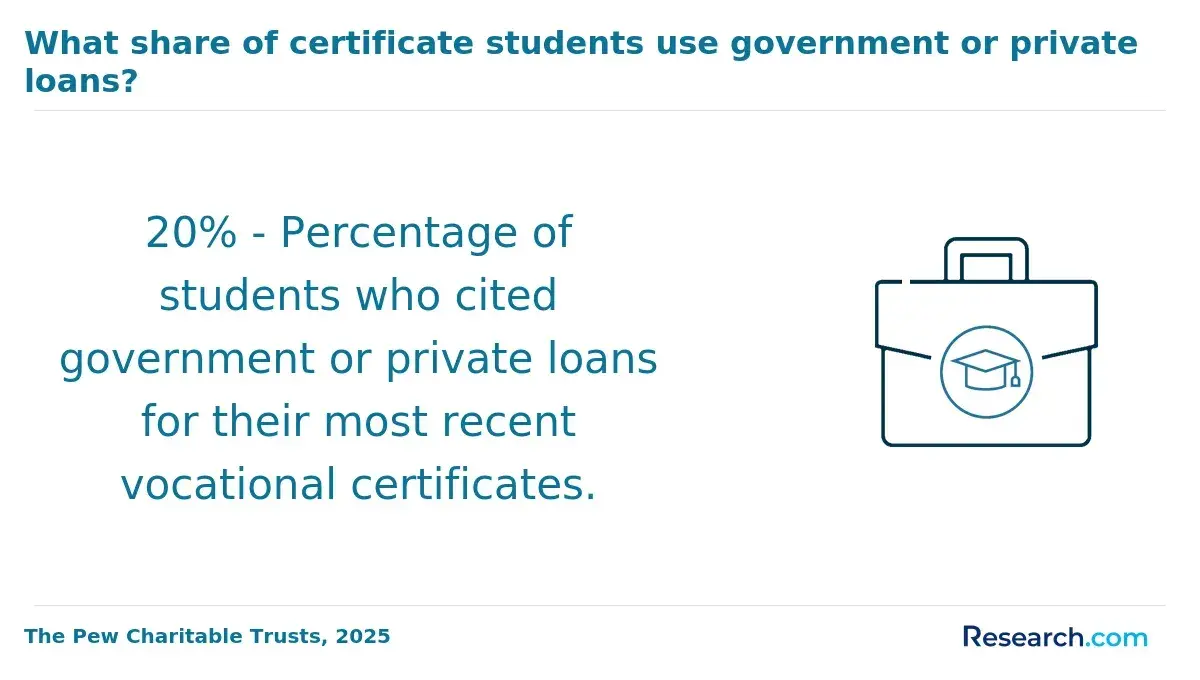
A low-debt career does not always require starting with a four-year degree. Community-college associate degrees, transfer agreements, apprenticeships, and employer-funded certificates may reduce the amount financed upfront. Explore easy associate degrees as a starting point for comparing options, but do not mistake an easier admission process for an easier job market or guaranteed transfer.
These routes suit different goals: an approved nursing associate degree can lead toward RN licensure, while a transfer associate degree is designed mainly to supply coursework toward a bachelor's. A technology certificate may demonstrate a focused skill without replacing a degree when employers require one. Confirm which credits apply to the eventual credential before enrolling.
How do online and campus programs affect total college costs?
Online study may save commuting or relocation costs, but it does not automatically lower tuition or eliminate scheduled attendance. Campus study may provide easier access to labs and local placements, while hybrid programs can combine remote coursework with required in-person training. Compare the total amount you would pay: tuition after grants and scholarships, mandatory and program fees, books, equipment, travel, and living costs.
If time away from work is your biggest expense, examine course sequencing and the assumptions behind accelerated programs. A short course term is not proof of a short degree. Ask whether part-time enrollment, transfer evaluation, clinical placements, or limited course availability would change your completion date.
What accreditation should students verify before enrolling?
First verify that the institution holds recognized institutional accreditation and that the credential is eligible for the financial aid you plan to use. Then check accreditation or state approval for the specific program when the intended occupation requires it. Examples include nursing-program and state-board requirements, CSWE accreditation for social work, and ABET accreditation where relevant to an engineering goal.
A common mistake is assuming that institutional accreditation alone establishes licensure eligibility. Ask the school which state's requirements its program meets, and confirm that answer with the licensing board where you intend to work. Online enrollment does not override state rules or eliminate in-person practice requirements.
What coursework and admission requirements do these programs include?
Requirements differ substantially even within a field. Accounting emphasizes financial reporting and auditing; computer science builds on programming and mathematics; engineering typically includes calculus and labs. Nursing and other clinical programs can require science prerequisites, selective admission, background checks, and placements. Teacher-preparation programs may require student teaching. Graduate admission can add prerequisite courses, a relevant bachelor's degree, or professional experience.
Before accepting a completion-time estimate, request a degree audit showing remaining general education, major, and experiential requirements. Ask how transferred courses apply - not just whether the college accepts them - and whether prerequisite grades or course age affect eligibility. This is especially important when changing fields or entering a graduate program with foundation coursework.
Which careers, salaries, and licenses are linked to low-debt degrees?
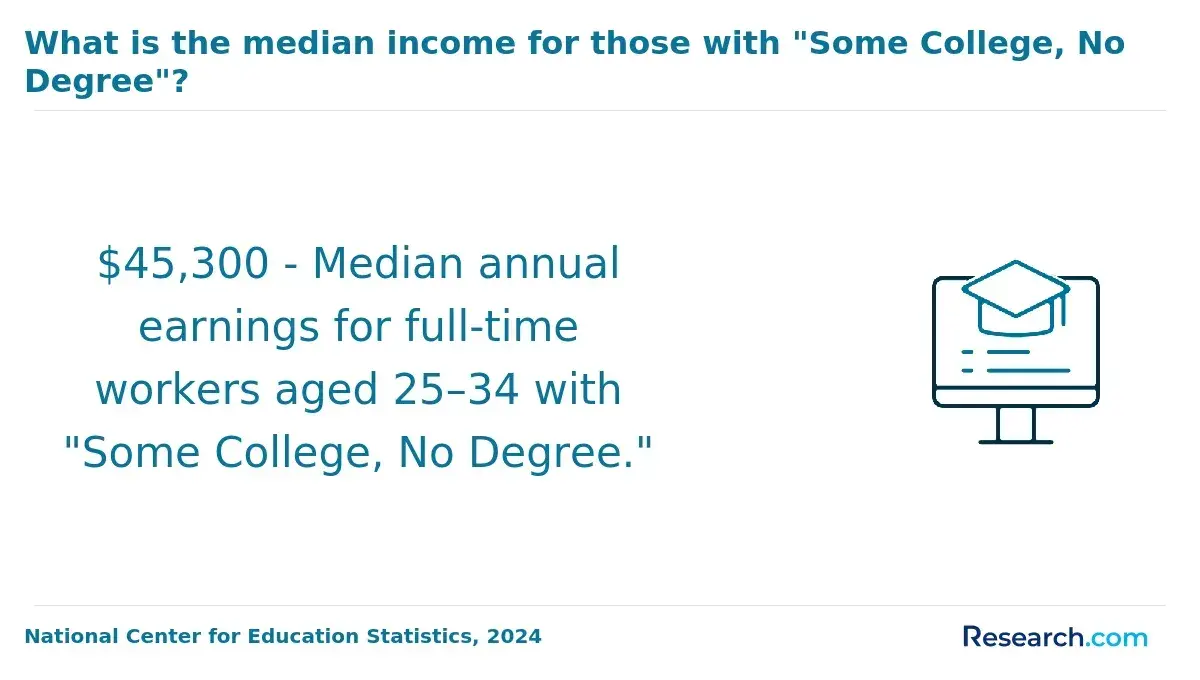
Occupational wages offer context, not a forecast of what graduates of a particular program will earn. For example, the BLS reports a 2024 median annual wage of $93,600 for registered nurses. That figure covers employed RNs with differing experience and locations; an RN applicant must still meet state licensure requirements.
The table separates education from occupational eligibility so that a promising salary does not obscure an additional credential or experience requirement.
| Career direction | Relevant education route | Additional requirement to check |
| Registered nurse | Approved nursing associate or bachelor's program | NCLEX-RN and state licensure |
| Accountant | Often an accounting bachelor's | State-specific education and exams for CPA licensure |
| Software developer | Often a computer science or related bachelor's | Employer expectations for projects and technical skills |
| Clinical social worker | Typically a relevant master's | Supervised practice and state licensure |
How can students compare programs using debt, earnings, and completion data?
Use the U.S. Department of Education's College Scorecard to compare available program-level median debt, earnings, completion information, and school costs. Compare the same credential and field across schools, then request each school's personalized aid offer and a written estimate of remaining credits. Scorecard figures may be unavailable for small programs, and reported earnings describe prior cohorts rather than your likely salary.
A practical comparison takes several steps; each catches a different reason a seemingly inexpensive degree could become expensive.
- Set a target occupation and verify its usual entry credential and any licensing rules.
- Compare accredited programs using your net price, required fees, transfer evaluation, and likely time to completion.
- Review available program debt and earnings alongside completion data; investigate missing or unusually weak outcomes.
- Estimate borrowing for your own enrollment plan, including living costs and any semester you may need beyond the standard schedule.
Application costs also belong in an upfront budget. No application fee colleges can reduce the cost of applying, but a waived fee says little about the full price of a degree.
Other Things You Should Know About
There is no universal winner. An affordable, accredited program that leads toward your chosen occupation and that you can realistically finish is a better choice than selecting a major by salary alone.
Not necessarily. It usually requires fewer credits, but living costs, required equipment, clinical scheduling, and whether credits transfer can change the total cost of your goal.
Only after checking whether your target role requires or rewards it. Compare total graduate cost and existing debt with employer assistance, licensing requirements, and realistic career opportunities.
Start with the smallest amount needed after grants, scholarships, savings, and feasible earnings from work. Estimate the payment before accepting a loan, and test whether you could manage it on an entry-level income in your intended occupation.
References
- Field of degree: Occupational Outlook Handbook | bls.gov https://www.bls.gov/ooh/field-of-degree/
- Ensuring Students Attain Credentials of Value | THECB Data https://databridge.highered.texas.gov/credentials-of-value/
- Trends in Student Loan Debt for Graduate School Completers | ed.gov https://nces.ed.gov/programs/coe/indicator/tub/graduate-student-loan-debt
- Board of Governors of the Federal Reserve System https://www.federalreserve.gov/econres/notes/feds-notes/non-completion-student-debt-and-financial-well-being-20230821.html
- Student Loans and the High Cost of Higher Education | Office of the New York City Comptroller Mark Levine https://comptroller.nyc.gov/reports/student-loans-and-the-high-cost-of-higher-education/
- Pros & Cons of Community College vs. University | mwcc.edu https://mwcc.edu/blog/community-college-vs-university/
- Student debt and default: The role of for-profit colleges | sciencedirect.com https://www.sciencedirect.com/science/article/abs/pii/S0304405X21005250
- Students who Beat the Clock Can Save Thousands | Insights https://www.schev.edu/Home/Components/News/News/678/200
- Dept. of Education's College Scorecard shows where student loans pay off... and where they don't | Brookings https://www.brookings.edu/articles/ed-depts-college-scorecard-shows-where-student-loans-pay-off-and-where-they-dont/
- The Overlooked Value of Certificates and Associate's Degrees | CEW Georgetown https://cew.georgetown.edu/resource/the-overlooked-value-of-certificates-and-associates-degrees-what-students-need-to-know-before-they-go-to-college/


