2027 Best College Programs With Career Coaching

Co-Founder and Chief Data Scientist
A master's degree can expand your options, but choosing a program without a career plan can leave you with new debt and the same job search. Career coaching may help connect coursework to internships, professional networks, and realistic next steps. The U.S. Bureau of Labor Statistics (BLS) projects 15% employment growth for software developers, quality assurance analysts, and testers from 2024 to 2034 - a reminder that opportunities vary by occupation, not simply by degree. This guide compares master's fields, explains how to evaluate coaching, and helps you choose support that fits your career goal.
Key Things You Should Know
- The best fit is a master's program that combines the right academic or licensure pathway with career coaching you can actually use - not merely access to a job board.
- Ask whether graduate students in your specific program can book individual appointments, meet field-specific coaches, and receive support while completing internships or changing careers.
- Compare the complete cost and likely career path: the BLS reports a May 2024 median wage of $133,080 for software developers, but that occupational figure is not a prediction of any program graduate's earnings.
Top 10 Best College Programs With Career Coaching
Business Programs
An MBA or specialized master's in accounting, analytics, or management can suit professionals seeking a defined career move. Look for coaching that includes employer introductions, interview preparation, and advice tailored to your experience level; an executive-career service may be less useful to a career changer seeking entry-level experience. Compare internship access and alumni connections with the program's total cost. An MBA does not itself qualify someone for a management position, and accounting licensure has separate state requirements.
Healthcare Programs
Master's programs in public health, healthcare administration, and health informatics lead toward different work. Coaching is most valuable when it helps students identify relevant employers, translate clinical experience into nonclinical skills, or secure applied projects. A healthcare administration degree generally does not confer a clinical license. Ask whether field placements are available locally, especially in online programs, and whether coaches understand your intended role rather than treating all healthcare careers alike.
Information Technology Programs
A master's in information technology may emphasize cybersecurity, cloud systems, or IT management. Seek coaching that helps you demonstrate technical work through projects and explain transferable experience to employers. Check whether the curriculum assumes programming or networking knowledge before applying. An IT degree is not interchangeable with a certification, and some roles value hands-on experience more than additional academic study. Compare project access and coaching for your target role, not just the school's employer list.
Computer Science Programs
Computer science master's programs often require stronger mathematics and programming preparation than general IT programs. A research-focused degree may suit someone considering doctoral study; a project-based option may better serve an industry job search. Useful coaching includes technical-interview practice, portfolio feedback, and guidance on recruiting timelines. Career changers should ask about prerequisite courses and whether they add time or cost. Neither a master's nor coaching substitutes for demonstrable technical ability.
Nursing Programs
Master of Science in Nursing programs can prepare registered nurses for advanced practice, education, or leadership, but the requirements differ sharply. For an advanced-practice goal, confirm the track's accreditation, clinical-placement arrangements, state eligibility, and certification pathway before assessing coaching. An RN-to-MSN route has different entry requirements from a post-BSN track. Coaching may help with specialty selection and employer contacts, but it cannot replace supervised clinical hours or required examinations.
Psychology Programs
A psychology master's can support research, behavioral-health, or further-study goals, but it does not automatically qualify graduates to practice as licensed psychologists. Some counseling occupations require a specifically designed graduate program, supervised experience, and a state license. Choose coaching that understands the distinction between research roles, counseling pathways, and doctoral preparation. Before enrolling, verify whether the degree meets requirements for the exact occupation and state you have in mind.
Education Programs
A Master of Education may focus on curriculum, instructional design, administration, or teacher preparation. Career coaching should reflect your goal: school-district hiring, a move into educational technology, or advancement within an existing license. Check whether student teaching or fieldwork is required and whether the program meets your state's rules. An education master's does not automatically grant initial teacher licensure or qualify a teacher for an administrator position.
Criminal Justice Programs
A criminal justice master's may appeal to experienced public-safety professionals or applicants interested in policy and analysis. Ask whether coaches can connect coursework to your target employer's hiring process; general résumé help may offer limited value in agencies with formal examinations or experience requirements. Compare the degree with a narrower credential or direct work experience before paying for graduate study. Agency employment, security clearances, and advancement depend on requirements beyond the degree.
Engineering Programs
Engineering master's programs may emphasize technical specialization, research, or management. The strongest coaching fit depends on the path: laboratory and research connections matter for some students, while industry projects and employer recruiting matter more for others. Confirm prerequisite and laboratory requirements, particularly if you want online study. Professional engineer licensure is governed by state rules and generally involves additional examination and experience; a master's degree alone does not confer the license.
Social Work Programs
A Master of Social Work is a practice-oriented route toward many social-work roles. Career support should address field placements, supervision opportunities, and hiring in your intended practice area. Confirm program accreditation, state licensure eligibility, and who finds or approves placements. Some applicants with an eligible bachelor's in social work may qualify for advanced standing, but eligibility and remaining requirements vary. Graduation does not by itself confer a clinical social-work license.
What Are College Programs With Career Coaching?
College programs with career coaching are academic programs whose students can receive individual guidance on career decisions and job-search preparation. The coaching may come from a university-wide career center, a graduate school, or a program-specific team. It can include goal-setting, résumé reviews, interview practice, networking plans, and internship guidance.
Access is not the same as depth. A school might advertise career services while offering graduate students only self-service resources or a limited number of appointments. For a master's applicant, the decisive question is what support is available to students in the specific program, when they can use it, and whether the coaches understand its career paths.
Which Colleges Offer the Best Career Coaching Programs?
There is no universally best college for career coaching: the right choice depends on your field, location, experience, and intended occupation. Arizona State University, Southern New Hampshire University, and Western Governors University are examples of institutions with career-support offerings worth investigating. Their inclusion is a starting point, not a verified ranking or a claim that every master's student receives the same coaching. Confirm current access directly with your prospective program.
This comparison shows why a program-level check matters more than a broad reputation for student support.
| Program feature | What to confirm | Why it matters |
| Individual coaching | Graduate eligibility, appointment availability, and coach expertise | Determines whether advice addresses your particular transition |
| Experiential support | Help finding or arranging internships, practica, or projects | Some fields require experience that a résumé review cannot replace |
| Employer connections | Relevant recruiting events and employers in your target location | A large network is less useful if it does not reach your field |
| Outcome reporting | Program-level data, definitions, and response rates | University-wide placement claims may not describe your degree |
If application expenses affect which schools you can explore, compare universities with no application fee - then independently check graduate-program fees and coaching access, which may differ from general admissions policies.
How Does Career Coaching Improve College Career Outcomes?
Career coaching can make a job search more deliberate. A coach may help a student choose relevant projects, identify skill gaps, prepare for interviews, and build a networking plan before graduation. That support is especially useful when changing fields or translating existing experience into a new role.
It is not proof of better employment outcomes by itself. Ask schools for recent, program-specific outcomes, including how many graduates responded to a survey and what counts as employment. Treat a promised job, promotion, or salary as a red flag unless the school can explain the claim and its conditions.
Are Online or Campus Career Coaching Programs Better?
Online and campus programs can both provide effective coaching. Online appointments may suit working adults, while campus recruiting and informal contacts may suit students who can attend regularly. Neither delivery format guarantees convenient access: online courses can have scheduled meetings, and coaching appointments can be limited by availability.
Check the calendar for classes, coaching, recruiting, and required in-person work separately. Short class terms are another distinct feature: 6 week courses online do not mean an entire master's degree takes six weeks. Clinical placements, laboratories, internships, and student teaching can also affect where and when you study.
What Do College Career Coaching Programs Teach?
Coaching usually teaches job-search and career-management skills rather than replacing academic coursework. Depending on the service, students may practice describing projects, tailoring applications, researching employers, negotiating an offer, or planning a transition into a licensed profession.
Ask for the actual service menu. A general workshop on résumés differs from repeated one-to-one meetings with a field specialist. For practice-based programs, find out whether coaching coordinates with faculty and placement staff; career advisers generally cannot approve clinical sites or determine licensure eligibility.
What Are the Admission Requirements for Career Coaching Programs?
Career coaching is generally a student service, not a separate credential with its own admission process. Admission is to the master's program. Schools commonly review an accredited bachelor's degree, transcripts, and evidence of preparation; particular programs may also require prerequisites, professional experience, an interview, a portfolio, or a license. Testing and GPA policies vary by program and applicant.
Ask admissions which requirements apply to your track and whether missing prerequisites can be completed before or during enrollment. For nursing, social work, teaching, and other regulated paths, also ask who verifies that your prior education qualifies you for the intended track. Do not assume an institution's general graduate policy overrides a program's selective requirements.
How Much Do Career Coaching Programs Cost and How Long Do They Take?
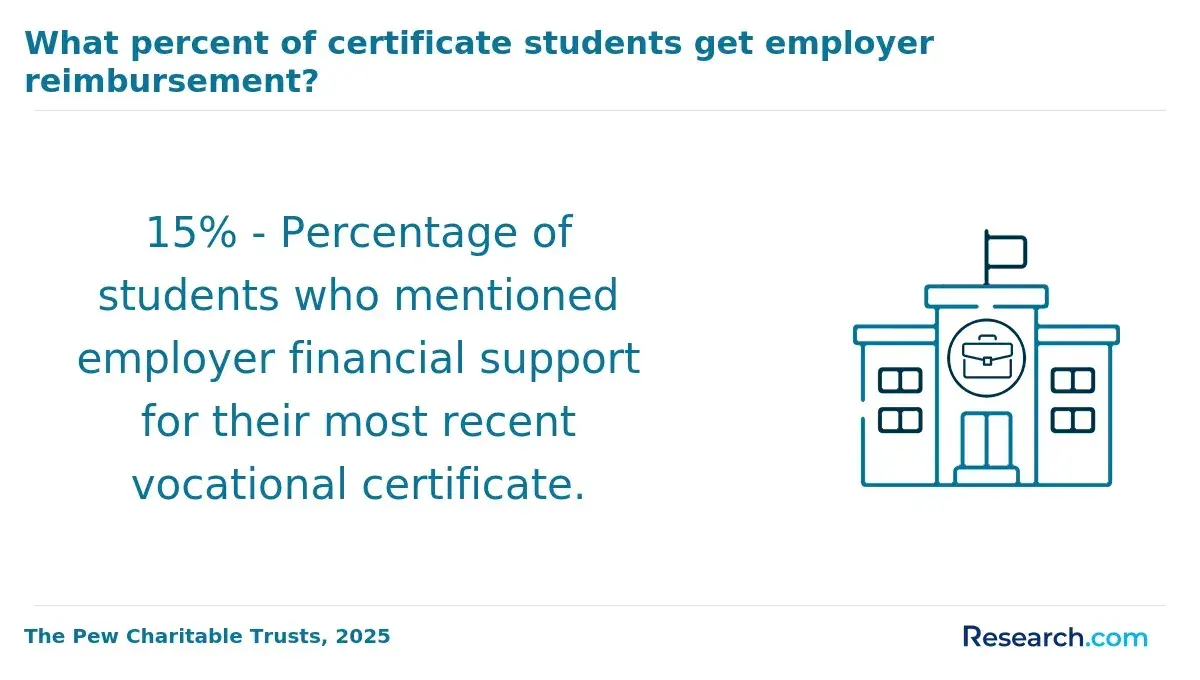
Career coaching may be included in tuition, but that does not make the degree free or the support equally available everywhere. Compare the total expected cost: required credits, tuition, mandatory and program fees, materials, travel, and any lost earnings from placements or reduced working hours. Ask whether coaching remains available after graduation and whether there are appointment limits.
Master's programs vary in length because credits, prerequisites, course sequencing, enrollment intensity, and fieldwork vary. Request a plan based on your transcript and schedule. Accepted graduate transfer credits or an eligible advanced-standing pathway may reduce remaining work, but neither applies automatically. Federal aid eligibility also depends on the institution, program, and student; compare aid offers rather than assuming the lowest tuition produces the lowest net cost.
If your long-term goal is research or a position that requires a doctorate, compare that route separately; a list of most affordable online doctoral programs is not a substitute for pricing a master's or checking its career support.
What Careers, Salaries, and Job Outlook Follow These Programs?
Career possibilities depend on the field and your preparation. Business graduates might pursue analysis or operations roles; computing graduates may seek development or security work; licensed healthcare, education, and social-work roles have additional entry rules. The BLS reports a May 2024 median wage of $93,600 for registered nurses. That is the median for the occupation - not the expected pay for someone who completes a nursing master's or uses career coaching.
Use occupational wages and BLS projections to assess a target role, then check its actual education, experience, and licensing requirements. Broader comparisons of highest paying college majors can provide context, but undergraduate-major comparisons should not be treated as earnings forecasts for graduate programs. Weigh likely opportunities against program cost and the experience you already have.
How Can You Choose an Accredited Career Coaching Program?
Start by checking institutional accreditation and, where relevant, programmatic accreditation and state authorization. Nursing, social work, teacher-preparation, counseling, and other regulated pathways require particular care: an accredited university can still offer a program that does not meet your intended state's professional requirements. Confirm status with the accreditor and the applicable licensing authority, not just a marketing page.
Before enrolling, take these steps to test whether the degree and coaching are worth the investment:
- Identify your target occupation and verify its education, experience, examination, and licensing requirements.
- Ask the program for its current curriculum, total-cost estimate, delivery schedule, and a personalized review of prerequisites or eligible prior credit.
- Ask career services to demonstrate how graduate students book coaching, which specialists serve your field, and what support exists for placements and alumni.
- Compare program-specific outcomes where available, including survey response rates, and speak with current students or recent graduates about actual access.
Two common mistakes are choosing on a school-wide ranking alone and assuming "career services" means job placement. A stronger choice is the program whose requirements lead toward your goal and whose coaching you can use throughout that path.
Other Things You Should Know About
It often comes through a school's career center, but eligibility, appointment limits, and program-specific services vary. Ask for the current policy before enrolling.
No. It can improve preparation and help students use available opportunities, but employers make hiring decisions and some occupations have additional requirements.
Many schools offer virtual services, but access varies. Confirm appointment hours, graduate eligibility, and whether recruiting or placement activities require in-person participation.
Look for coaches familiar with your target field, opportunities to gain relevant experience, and clear information about prerequisites. Compare those benefits with the degree's full cost and an alternative such as a certificate or direct work experience.
References
- Cost of Attendance (Budget) | 2025-2026 Federal Student Aid Handbook https://fsapartners.ed.gov/knowledge-center/fsa-handbook/2025-2026/vol3/ch2-cost-attendance-budget
- Academic & Career Planning | Division of Student Success | University of Tennessee, Knoxville https://studentsuccess.utk.edu/get-support/academic-and-career-planning/
- Career Coaching - UW Career & Internship Center https://careers.uw.edu/career-coaching/
- Design your future: A holistic approach to Career & Life Design at Carey | Carey Business School blog https://blog.carey.jhu.edu/career-life-design-offerings
- Frequently Asked Questions About Career Coaching - IConnect | Isenberg School of Management https://iconnect.isenberg.umass.edu/resources/why-see-a-career-coach/
- Career Outcomes for Graduate Students | Meruelo Family Center for Career Development https://careerdevelopment.nd.edu/outcomes/graduate/
- The Complementary Roles of Career Coaching and Career Advising: Striking the Balance | naceweb.org https://www.naceweb.org/career-development/best-practices/the-complementary-roles-of-career-coaching-and-career-advising-striking-the-balance