2027 Best Career Programs for Career Advancement

Co-Founder and Chief Data Scientist
A promotion, career change, or move into a specialized role may require new training - but not necessarily another full degree. Career programs range from short certificates to licensure-focused graduate degrees, and the right choice depends on the job you want next.
Demand also varies sharply: the U.S. Bureau of Labor Statistics (BLS) projects employment for nurse practitioners to grow 40% from 2024 to 2034. This guide compares ten program families and shows how to weigh career fit, credentials, cost, time, and licensing requirements before enrolling.
Key Things You Should Know
- The best career program is the least costly credible pathway that meets your target role's actual education, experience, and licensing requirements - not simply the shortest degree.
- Growth can signal opportunity, not guaranteed hiring: BLS projects 34% employment growth for data scientists from 2024 to 2034, but entry requirements and competition vary by employer.
- Before paying a deposit, confirm accreditation, total program cost, required fieldwork, and whether the credential qualifies you for the next step in your state.
Top 10 Best Career Programs for Career Advancement
Business Programs
An MBA or specialized master's in accounting, finance, analytics, or supply chain management can help experienced professionals pursue more complex responsibilities. Choose an MBA for broad management training; choose a specialized degree when a particular technical skill is the hiring requirement. Compare employer tuition assistance, projects with real organizations, and graduates' relevant experience - not just a school's reputation. An expensive MBA may be a poor fit if your target role mainly requires industry experience or a specific accounting credential. Accounting licensure has separate state education and examination rules.
Healthcare Programs
Master's programs in healthcare administration, public health, and health informatics prepare students for different work. Administration emphasizes operations and leadership; public health focuses on population-level practice; informatics connects clinical workflows and data systems. Match coursework and internships to your intended setting, whether a hospital, health department, or technology team. Management jobs generally require relevant experience as well as education. A healthcare management degree does not authorize clinical practice, and applicants to clinical tracks should check separate professional admission and licensing rules.
Information Technology Programs
Master's programs in cybersecurity, information systems, and IT management can support advancement into architecture, security, or technology leadership. Look for hands-on labs, current tools, and coursework that fits your background; some programs expect programming or networking foundations. A focused certificate plus demonstrated experience may be a better investment than a master's for a narrowly defined skill gap. Professional certifications can complement a degree but do not replace employer-required experience. For security roles, examine whether projects reflect the systems and risks used in your target industry.
Computer Science Programs
A master's in computer science is most useful when a target role calls for deeper computing knowledge, such as algorithms, software systems, or artificial intelligence. Research-oriented programs may favor a thesis; professional programs may offer a project or capstone. Career changers should check prerequisite math and programming courses, which can add time and cost. If your goal is an entry-level development role, a bachelor's, substantial portfolio, or employer-supported training may be more appropriate. A computer science degree alone does not establish readiness for every specialized engineering or AI position.
Nursing Programs
RN-to-BSN programs serve licensed nurses seeking a bachelor's credential; MSN and Doctor of Nursing Practice pathways can prepare eligible nurses for advanced practice, education, or leadership. These are not interchangeable routes. Nurse practitioner preparation requires an appropriate graduate program, clinical training, national certification, and state authorization. Verify the population focus, placement arrangements, and your state's requirements before applying. An online nursing program may still require local clinical hours. Nurses seeking leadership rather than advanced clinical practice should compare administration tracks with the positions they want.
Psychology Programs
Master's programs in psychology can strengthen research, organizational, or behavioral-science skills, but they do not all lead to independent clinical practice. Industrial-organizational psychology may fit workplace research and assessment; counseling-oriented programs follow different accreditation and licensing pathways. Aspiring psychologists generally need doctoral education and state licensure. Ask whether a program's curriculum and supervised experience satisfy the rules for the exact occupation and state you have in mind. If they do not, treat the master's as academic or career development - not a shortcut to a clinical license.
Education Programs
Master's programs in curriculum and instruction, educational leadership, and special education serve different advancement goals. Experienced teachers might pursue instructional design or school leadership; career changers seeking initial teaching licensure need an approved preparation route instead. Check whether field placements and examinations are required and whether the program aligns with your state's certification rules. A master's may affect a district's pay schedule, but increases are not universal. Teachers considering a nonclassroom role should verify that the degree develops the skills employers request for that role.
Criminal Justice Programs
A master's in criminal justice, criminology, or homeland security may suit professionals pursuing policy, analysis, or supervisory work. Compare research methods, legal coursework, and practical projects against actual job postings. For sworn law-enforcement positions, agency selection, academy training, and experience typically matter more than a graduate degree alone. Some federal or analytical roles may favor specialized technical skills instead. Choose this program family when it fills a documented advancement requirement, not because the degree title sounds broadly applicable to every justice career.
Engineering Programs
Engineering master's programs can deepen expertise in fields such as electrical, mechanical, civil, or systems engineering. A technical master's may fit design or research goals; engineering management better suits professionals moving toward budgets and teams. Many programs expect an engineering or closely related quantitative background, and laboratory or thesis requirements affect scheduling. For work requiring a professional engineer license, check your state board's education, examination, and experience rules. A graduate degree does not itself grant the license, and a management-focused program may not substitute for technical preparation.
Social Work Programs
A Master of Social Work (MSW) prepares students for advanced social work practice, with field education forming a substantial part of training. Graduates of eligible Bachelor of Social Work programs may qualify for advanced standing, but schools determine eligibility and remaining requirements. Compare clinical and community-practice concentrations with your intended work. Independent clinical practice generally requires additional supervised experience, an examination, and state licensure after graduation. Confirm that both the program and placement options meet your state's rules; "online" coursework does not eliminate in-person fieldwork.
What Are the Best Career Programs for Professional Advancement?
The best program for professional advancement is the one that removes a specific barrier between your current qualifications and your next role. That barrier might be a license, graduate-level technical knowledge, management experience, or a demonstrable skill. A higher credential is not automatically the better answer.
The comparison below separates common advancement goals from the program types most likely to address them. Use it to narrow your search before comparing individual schools.
| Advancement goal | Program to consider | Key trade-off |
| Meet a regulated practice requirement | State-aligned nursing, teaching, counseling, or social work pathway | Clinical or field hours can limit flexibility |
| Deepen an established technical specialty | Relevant IT, computer science, or engineering master's | Prerequisites and technical projects may add time |
| Move toward organizational leadership | MBA, healthcare administration, or engineering management | Experience may matter more than the degree alone |
| Fill a narrow, immediate skill gap | Focused certificate, certification preparation, or employer training | Less breadth than a degree |
Start with several job descriptions for the position you want. Separate mandatory credentials from preferred qualifications, then choose programs that address the requirements you lack. If speed and cost are important, compare a quickest cheapest master's degree option with a certificate - but verify what each actually prepares you to do.
Which Career Programs Offer the Fastest Job Growth and Salary Potential?
Healthcare advanced practice and data science stand out for projected employment growth, but no field combines fast growth, high pay, and easy entry for every applicant. BLS occupational figures describe jobs held across the labor market, not salaries or placement rates for graduates of a particular program.
These BLS projections show where demand may expand. The entry-path column is just as important as the growth figure when deciding whether a program is realistic for you.
| Occupation | Projected U.S. employment growth, 2024-2034 | Important entry-path consideration |
| Nurse practitioner | 40% | Requires nursing preparation, graduate clinical education, certification, and state authorization |
| Data scientist | 34% | Requires substantial statistical, computing, and analytical skills; employer expectations vary |
Growth rates measure change from an occupation's starting employment level; they do not tell you how many suitable openings exist locally or whether a master's is required. Compare regional postings and their experience requirements with your background before investing in training.
What Education and Training Pathways Lead to Career Advancement?
Career advancement can come through a certificate, bachelor's completion program, master's degree, professional certification, apprenticeship, or supervised practice. The right level depends on what employers or licensing boards require and what you already hold. For instance, an experienced analyst seeking one new tool may need a certificate, while a nurse pursuing advanced practice needs a qualifying graduate clinical pathway.
To compare realistic routes, follow this sequence before committing to an application.
- Identify the exact occupation and state in which you plan to work, then document mandatory credentials and typical experience requirements.
- Inventory your degree, licenses, transferable coursework, and employer-supported training; ask schools to evaluate applicable credit rather than assuming it will count.
- Compare the remaining courses, experiential requirements, total cost, and likely schedule for each eligible route.
Some one year online masters programs may suit applicants who already meet all prerequisites and can sustain an intensive course load. A one-year timeline does not erase clinical hours, sequencing, or eligibility requirements.
How Do You Choose an Accredited Career Program?
Start by confirming that the institution holds recognized institutional accreditation. Then check whether your intended occupation requires or strongly favors specialized program accreditation or approval. This distinction is critical in fields such as nursing, social work, teaching, counseling, and engineering: institutional accreditation alone may not establish eligibility for a particular license.
Before enrolling, review the program's official catalog and ask the relevant state licensing board whether the specific credential and delivery arrangement meet its requirements. Obtain written clarification about required placements, examinations, and any restrictions on applicants living outside the school's state. A warning sign is a program that promises licensure without identifying the applicable state or explaining requirements after graduation.
Are Online or Campus-Based Career Programs Better?
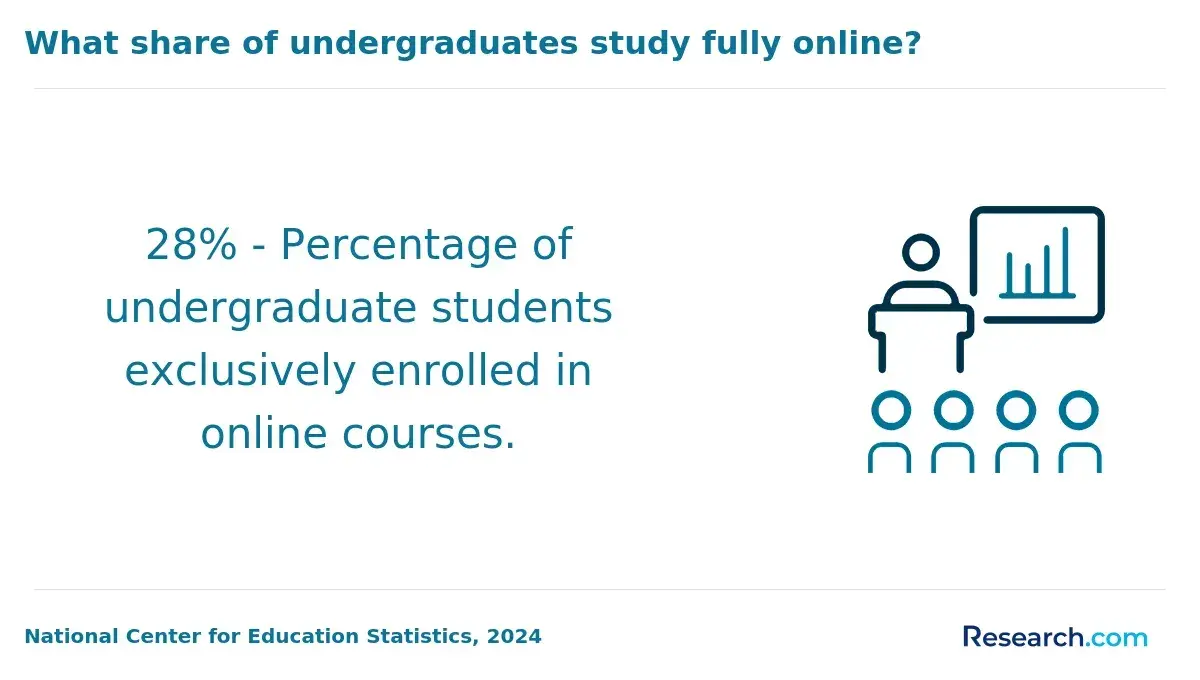
Online study can reduce travel and help working adults keep their jobs, while campus study may offer easier access to laboratories, local placements, and in-person collaboration. Neither format is inherently better for advancement. The deciding question is whether you can complete every required course, project, and field experience while maintaining your other obligations.
Check whether online classes have live meetings and fixed deadlines, and who arranges internships, clinical hours, or student teaching. For roles that can be performed remotely, work from home degrees can help you explore relevant fields, but remote coursework does not guarantee a remote job. Choose the format that lets you finish the required training - not merely the one that looks most convenient on a program page.
What Do Career Programs Teach and How Long Do They Take?
Career programs teach a mix of foundational knowledge, occupational methods, and applied work. Business students may complete strategy projects; computing students may build software or analyze data; clinical and education students often must complete supervised placements. A thesis, capstone, residency, or practicum can materially change the workload even when two programs award similarly named degrees.
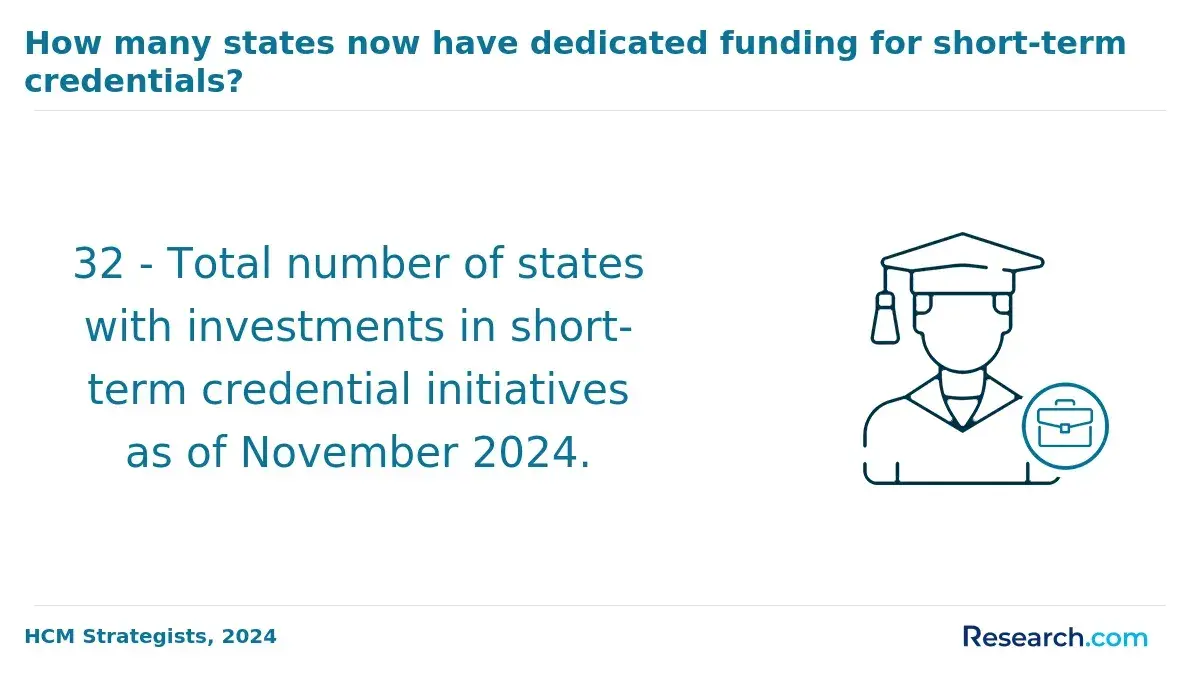
Duration depends on required credits, enrollment intensity, prerequisites, course sequencing, and experiential work. A certificate can be shorter than a degree, while a master's may require multiple academic terms or longer when taken part time. Advanced-standing and bridge timelines apply only to applicants who meet their eligibility rules. Ask for a term-by-term plan based on your transcript and intended course load rather than relying on an advertised fastest-possible completion time.
What Are the Admission Requirements and Costs for Career Programs?
Admission usually starts with evidence of prior education; graduate programs may also require prerequisites, a résumé, recommendations, a portfolio, or professional licensure. Requirements vary by program. A nursing bridge, for example, is not open to applicants without the qualifying nursing credential simply because the university has general graduate admission. Request a review of missing prerequisites and transferable credits before accepting an offer.
Compare total completion cost, not tuition alone: include mandatory fees, books and equipment, travel, placement expenses, and any income you expect to forgo. Ask whether employer tuition assistance, scholarships, or federal financial aid apply to the exact program. If you still need an undergraduate credential, compare a cheapest online bachelor's degree pathway by remaining requirements and total cost - not published tuition alone. A low-priced program that delays eligibility for your target job may offer poor value.
Which Careers Require Licensure or Professional Certification?
Licensure is legally required for many nursing, teaching, clinical social work, counseling, psychology, and professional engineering roles. The degree is usually one step in a longer process involving approved education, examinations, supervised experience, or state authorization. Requirements differ by occupation and state; even related jobs within a field can have different rules.
Professional certification is different: it may be employer-preferred, industry-recognized, or required for a particular role without being a state license. IT security certifications are one example of credentials to evaluate against job postings. Before enrolling, identify the exact license or certification named by employers, confirm eligibility with its governing body, and check whether the program includes - or only prepares you for - the remaining requirements.
How Do Career Program Graduates Compare Job Outcomes and Salaries?
Compare outcomes at three levels: the occupation's labor market, the program's documented results, and your likely starting position. BLS wages and projections give occupational context; they cannot establish what graduates of a particular school earn or prove that a degree caused a promotion. School-reported employment figures are more useful when they disclose the graduating class, response rate, job definition, and reporting period.
Ask programs for field-specific completion and employment information, then compare it with tuition and debt estimates. Also inspect job postings for experience requirements and speak with employers or professionals in your intended role. A common mistake is treating a senior occupation's median wage as an entry-level graduate salary. A stronger return-on-investment test asks whether the credential addresses a real hiring barrier at a cost and schedule you can sustain.
Other Things You Should Know About
It can when you already meet the role's degree requirements and need a specific skill. It will not replace an educational credential required for licensure or explicitly required by an employer.
Not always. Compare job postings: many management roles emphasize relevant experience, while some favor graduate education or a specialized credential.
Possibly, but online delivery alone says nothing about eligibility. Check program approval, placements, and your state licensing board's rules before enrolling.
Choose a target job, verify its actual entry requirements, and have prospective schools evaluate your prior education. Then compare the remaining time and total cost of eligible pathways.
References
- Understanding College Costs | studentaid.gov https://studentaid.gov/resources/prepare-for-college/students/choosing-schools/consider-costs
- Recognition of Accrediting Agencies | Texas Higher Education Coordinating Board https://www.highered.texas.gov/recognition-of-accrediting-agencies/
- Programmatic Accrediting Agencies | U.S. Department of Education http://www.ed.gov/laws-and-policy/higher-education-laws-and-policy/college-accreditation/programmatic-accrediting-agencies
- Fastest Growing Occupations | bls.gov https://www.bls.gov/ooh/fastest-growing.htm
- Cost of Attendance (Budget) | 2025-2026 Federal Student Aid Handbook https://fsapartners.ed.gov/knowledge-center/fsa-handbook/2025-2026/vol3/ch2-cost-attendance-budget
- Student Right to Know | ACE https://ace.edu/about/student-right-to-know/
- Identifying Pathways to Good Jobs | RAND https://www.rand.org/education-employment-infrastructure/focus-areas/workforce-development/identifying-pathways-good-jobs.html