2027 Best Accredited Online Health Communication Degree Programs: Compare Tuition, Admissions, and Career Outcomes

Co-Founder and Chief Data Scientist
Choosing an online health communication degree is a cost, time, and career decision-not just an academic one. Health systems increasingly need professionals who can translate medical information, manage public messaging, and build trust with patients. The U. S. Bureau of Labor Statistics projects employment for health education specialists to grow 7% from 2023 to 2033, faster than the average for all occupations. This guide is for prospective bachelor's and master's students comparing accredited online programs, tuition, admissions, flexibility, and career outcomes so they can choose a program that fits their goals and budget.
Key Things You Should Know
- The best value usually comes from accredited programs that combine reasonable per-credit tuition, transferable credits, strong advising, and coursework in public health messaging, digital media, ethics, and healthcare systems.
- Recent BLS data places median pay at $62,860 for health education specialists and $66,750 for public relations specialists, so ROI depends heavily on role, location, experience, and whether the degree is paired with healthcare, analytics, or leadership skills.
- Students should verify institutional accreditation first, then compare total program cost, online format, admissions requirements, internship or capstone options, and career support instead of relying only on rankings or tuition.
Which Accredited Online Health Communication Degree Programs Offer the Best Overall Value?
The best overall value in an accredited online health communication program is not always the lowest advertised tuition. A stronger value is a program that helps you finish efficiently, build employer-relevant skills, and avoid unnecessary debt while keeping the credential credible for graduate study or career advancement.
Health communication is the study and practice of creating, delivering, and evaluating messages about health, medicine, wellness, risk, policy, and patient behavior. Online programs may be offered as a dedicated health communication degree, a communication degree with a healthcare concentration, or a public health or strategic communication program with health-focused coursework.
The table below compares common value profiles students encounter when evaluating accredited online options. It focuses on decision factors rather than ranking schools by a single number, because the "best" program depends on whether you are a first-time student, transfer student, working adult, or graduate applicant.
| Program value profile | Best fit | What to compare carefully | Possible trade-off |
| Lower-cost public online program | Budget-conscious students and in-state residents | Resident versus nonresident tuition, online fees, transfer rules | May have less individualized career coaching or fewer specialized electives |
| Private nonprofit online program | Working adults who need frequent start dates and structured advising | Scholarships, employer tuition benefits, transfer credit acceptance | Sticker price may be higher before aid |
| Dedicated health communication master's program | Students targeting healthcare marketing, patient engagement, public health messaging, or leadership roles | Curriculum depth, capstone quality, faculty expertise, alumni outcomes | May be less flexible for students who want a broader communication degree |
| General communication degree with health electives | Students who want broader career mobility across media, PR, nonprofit, and healthcare settings | Availability of health-focused courses, internship access, portfolio support | May require careful elective planning to build a healthcare specialization |
For many students, the strongest combination is an institutionally accredited online program with transparent tuition, generous transfer credit policies, asynchronous coursework, and a required capstone or portfolio.
Students already working in healthcare may benefit more from a flexible master's program, while first-time undergraduates often get more value from a bachelor's program that accepts prior college credit and includes writing, research, and digital communication training.
A common mistake is treating "online" as a single category. Two accredited online programs can differ sharply in weekly workload, faculty interaction, internship expectations, and how much help students receive with resumes and job searches.
Before applying, ask whether the program has recent graduate outcomes, sample syllabi, and examples of student projects related to healthcare campaigns, patient education, or risk communication.
What Accreditation Should Students Look for in an Online Health Communication Degree Program?
Students should first confirm institutional accreditation from a recognized accreditor. Institutional accreditation is the core quality marker that affects federal financial aid eligibility, transfer credit, employer recognition, and admission to many graduate programs.
Health communication usually does not have a single required programmatic accreditor in the same way that clinical healthcare degrees often do. That means students should look beyond a logo and review whether the curriculum includes healthcare ethics, research methods, audience analysis, health literacy, public health communication, crisis communication, and digital strategy.
Use this checklist before you submit an application or enrollment deposit. It helps you avoid the red flag of choosing a program that sounds healthcare-related but lacks recognized accreditation or sufficient health-focused coursework.
- Confirm the institution is accredited by an accreditor recognized by the U.S. Department of Education or the Council for Higher Education Accreditation.
- Check whether the specific degree name on the school website matches what will appear on the transcript.
- Review the curriculum to see how many courses are specifically focused on health, healthcare systems, public health, or patient communication.
- Ask whether online students have the same faculty access, library resources, career services, and academic support as campus students.
- Verify whether credits are likely to transfer if you later pursue a graduate degree, certificate, or related healthcare credential.
Students comparing health communication with clinical healthcare pathways should be especially careful. A communication degree can support healthcare marketing, public health education, patient engagement, nonprofit outreach, and policy messaging, but it does not prepare graduates for pharmacist licensure in the way accredited PharmD programs are designed to do.
The main accreditation red flag is vague language. If a school says it is "approved," "licensed," or "authorized" but does not clearly identify a recognized institutional accreditor, ask for clarification before applying. Authorization to operate is not the same as accreditation.
How Do Tuition Costs Compare Across Accredited Online Health Communication Degree Programs?
Tuition varies widely because health communication programs can be housed in public universities, private nonprofit universities, professional studies divisions, or continuing education colleges. Students should compare total cost, not just per-credit tuition, because online fees, technology fees, books, residency requirements, and transfer credit rules can change the final price.
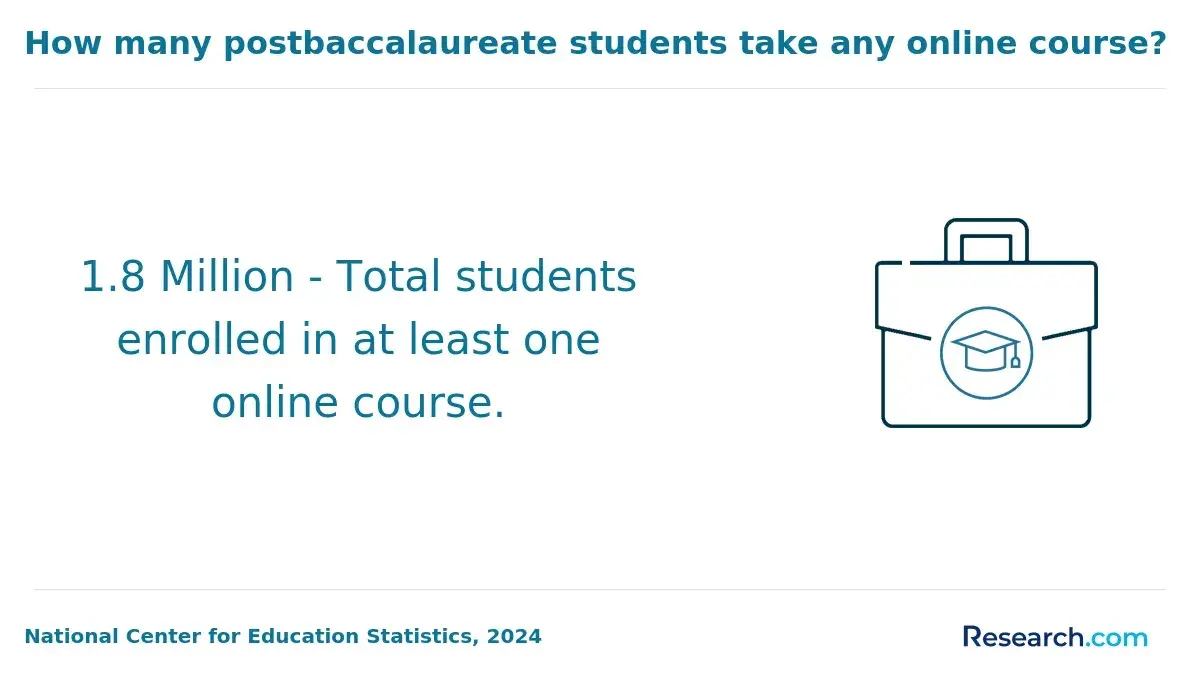
NCES data released in 2024 shows that average undergraduate tuition and fees were substantially lower at public four-year institutions for in-state students than at private nonprofit four-year institutions.
For online health communication students, that means public programs can be especially attractive when in-state pricing or reduced online tuition applies, but private programs may still be competitive after scholarships, employer benefits, or transfer credits.
The table below shows the cost categories students should request from each school. It is designed to help you compare real out-of-pocket cost rather than relying on the most visible tuition number.
| Cost factor | Why it matters | Question to ask |
| Per-credit tuition | Determines the baseline cost before fees and aid | Is online tuition the same for in-state and out-of-state students? |
| Required credits | A lower per-credit price may not save money if the program requires more credits | How many credits are required after transfer evaluation? |
| Online and technology fees | Fees can add meaningful cost across multiple terms | Are fees charged per course, per credit, or per semester? |
| Books and digital materials | Some communication courses require software, media tools, or digital platforms | Are course materials included in tuition or billed separately? |
| Transfer credit limits | Accepted credits can shorten time to completion and lower total cost | What is the maximum number of transfer credits accepted? |
| Residency or campus visits | Even limited in-person requirements can add travel costs | Can the entire degree be completed online? |
At the bachelor's level, the most affordable route is often a regionally accredited public university or an online degree-completion program that accepts a large block of transfer credits. At the master's level, cost comparisons should include program length and employer reimbursement, because a shorter, career-focused curriculum may cost less overall even when the per-credit rate is higher.
Do not assume a higher-priced program has better outcomes, and do not assume the cheapest program is the best investment. A moderately priced program with strong writing feedback, applied projects, and active career support may offer better long-term value than a cheaper program that leaves students without a portfolio or professional network.
How Competitive Is Admission to Accredited Online Health Communication Degree Programs?
Admission competitiveness depends on degree level and institution type. Many online bachelor's programs are designed for access and transfer mobility, while master's programs may review undergraduate GPA, writing ability, professional experience, recommendations, and fit with health communication goals.
Online health communication programs are rarely as admissions-restrictive as clinical healthcare programs with lab placements or licensure caps. However, students should not confuse admissions flexibility with weak academics. A program can be accessible and still require substantial writing, research, campaign planning, and data interpretation.
The table below summarizes typical admissions expectations by program level. Requirements vary by school, so use this as a planning guide rather than a universal rule.
| Program level | Common admissions requirements | Best applicant profile | Potential concern to clarify |
| Bachelor's degree | High school diploma or equivalent, transcripts, possible transfer credit review | First-time students, transfer students, healthcare workers seeking a nonclinical degree | Whether prior credits apply to major, elective, or general education requirements |
| Bachelor's completion program | Prior college credits, minimum GPA, official transcripts | Adults with associate degrees or unfinished bachelor's credits | Whether the school requires a minimum number of credits completed in residence |
| Master's degree | Bachelor's degree, transcripts, statement of purpose, resume, recommendations in some cases | Professionals in communication, healthcare, public health, nonprofit, or policy roles | Whether applicants without communication coursework need prerequisites |
| Graduate certificate | Bachelor's degree or current graduate enrollment, depending on school policy | Professionals who want focused skills without a full degree | Whether certificate credits can later apply to a master's degree |
Students who want a shorter path should ask whether the school offers accelerated terms, prior learning assessment, or transfer-friendly degree completion. If speed is a major priority, compare health communication options with broader fast track degrees so you understand how accelerated calendars affect workload and cost.
A practical admissions strategy is to apply only after reviewing a sample degree plan. This helps you see whether you can realistically complete courses while working, whether writing-heavy classes are clustered in the same term, and whether prerequisites could delay graduation.
Which Learning Formats Offer the Greatest Flexibility in Online Health Communication Degree Programs?
The most flexible online health communication programs are usually asynchronous, meaning students can complete weekly coursework without attending live class at a fixed time. This format is often best for working adults, caregivers, military students, and students in different time zones.
Flexibility should not be judged only by whether a program is "online." Students should compare pacing, deadlines, group work, internship requirements, and whether courses are offered every term or only once a year.
The table below explains how common online formats affect scheduling and learning experience. This can help you choose a format that fits your work schedule and preferred level of interaction.
| Online format | How it works | Best for | Watch for |
| Asynchronous courses | Students complete weekly modules, discussions, and assignments on their own schedule | Working adults and students with unpredictable schedules | Requires strong time management and self-direction |
| Synchronous online courses | Students attend live virtual class meetings at scheduled times | Students who want real-time discussion and faculty interaction | May be difficult across time zones or shift schedules |
| Hybrid or low-residency format | Most work is online, with occasional campus or intensive sessions | Students who want networking or applied workshops | Travel costs and time away from work |
| Accelerated terms | Courses run in shorter sessions, often requiring faster weekly progress | Students who can handle concentrated workloads | Less recovery time between assignments and terms |
| Self-paced or competency-based options | Students progress by demonstrating mastery, where available | Experienced professionals with strong independent learning skills | May offer less peer interaction or structured faculty pacing |
Health communication coursework often includes writing campaigns, analyzing audiences, creating digital materials, and reviewing public health messaging. Even in asynchronous programs, expect deadlines and collaboration. A fully online program can still require video presentations, team projects, interviews, or community-based assignments.
The best format depends on your risk factors. If you have irregular work hours, prioritize asynchronous courses. If you learn best through discussion, a synchronous or hybrid format may be worth the schedule constraints. If you are returning to school after a long break, ask whether the first term includes orientation, writing support, and technology onboarding.
What Student Support Services Improve Success in Online Health Communication Degree Programs?
Strong student support can make the difference between enrolling and actually finishing. Online health communication students often juggle work, family responsibilities, and writing-intensive coursework, so advising, tutoring, and career services should be part of the value calculation.
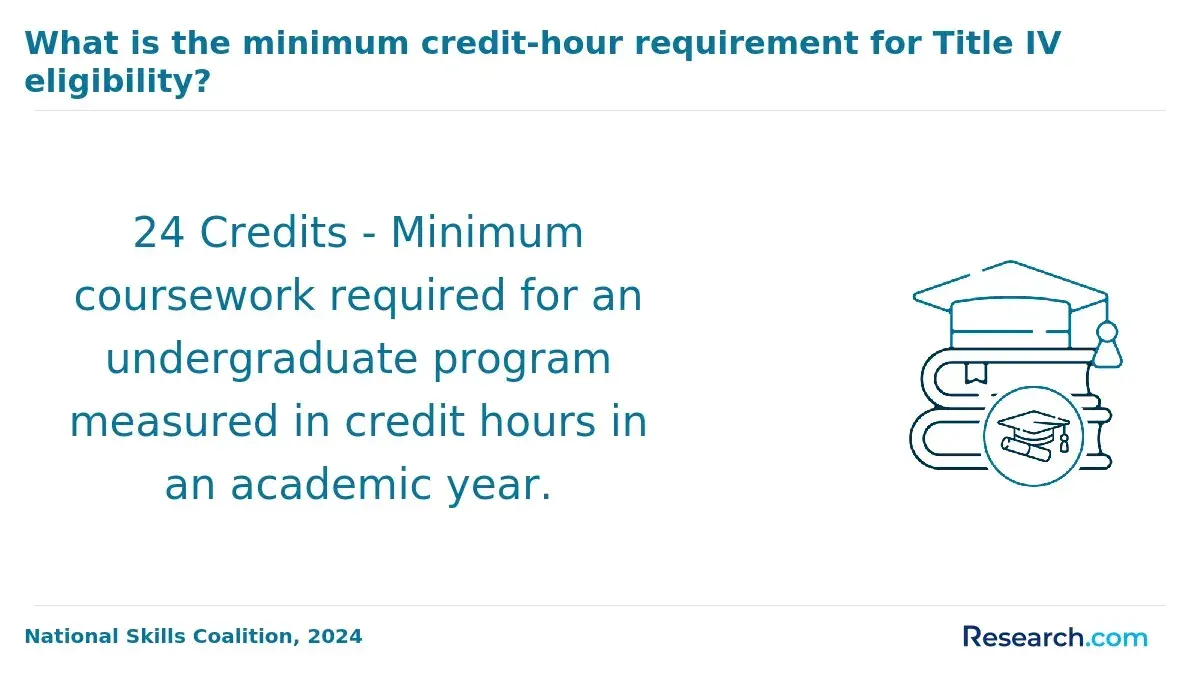
In 2024, federal student aid data continued to show that many undergraduates rely on financial aid and loans to complete college, which makes retention support especially important. Dropping out after borrowing is one of the biggest ROI risks because students may carry debt without earning the credential they planned to use for advancement.
Before enrolling, look for support services that are accessible to online students, not just campus-based students. The following services are especially relevant for health communication majors because the field rewards writing quality, strategic thinking, and portfolio evidence.
- Dedicated academic advising that maps out remaining credits, transfer credits, prerequisites, and expected graduation date.
- Online writing center support for campaign plans, research papers, grant-style proposals, and professional communication samples.
- Career coaching for healthcare communication, public relations, nonprofit outreach, public health, and patient education roles.
- Portfolio or capstone support that helps students create work samples for employers.
- Library access to health, communication, and public policy databases for evidence-based assignments.
- Technology help desk coverage during evenings or weekends, especially for students completing coursework outside business hours.
- Internship, practicum, or applied project guidance for students who need experience but cannot leave full-time jobs.
A red flag is a program that offers online admission but vague online support. Ask whether online students can book advising appointments virtually, access the writing center remotely, attend career workshops online, and participate in alumni networking events.
Support services matter most for students entering from outside communication or healthcare. A nurse, medical assistant, nonprofit worker, or marketing professional may bring useful experience but still need guidance on academic writing, research methods, or communication theory.
Which Financial Aid Options Are Available for Accredited Online Health Communication Degree Students?
Students in accredited online health communication degree programs may qualify for many of the same aid options as campus students, as long as the institution participates in federal student aid programs and the student meets eligibility requirements. The key is to compare net price after grants, scholarships, employer benefits, and transfer credits-not just advertised tuition.
The 2024 FAFSA cycle brought major changes to federal aid processing, reminding students to start financial planning early and monitor school deadlines closely. For online learners, delays or missing documents can affect registration, course access, and payment plans.
Use the following steps to compare aid offers in a practical way. This sequence helps you avoid accepting a higher-cost option simply because the first award letter looks easier to understand.
- Submit the FAFSA as early as possible and list every school you are seriously considering.
- Ask each school for a full cost of attendance that includes tuition, fees, books, technology, and any residency costs.
- Compare grants and scholarships separately from loans because grants and scholarships usually do not need to be repaid.
- Ask whether employer tuition reimbursement can be applied before or after school-based scholarships.
- Request a transfer credit evaluation before committing, because accepted credits can reduce both time and borrowing.
- Check whether scholarships are renewable and whether they require a minimum GPA or course load.
- Calculate estimated debt at graduation under each offer before choosing a program.
Students working in healthcare settings should also ask human resources about tuition assistance. Hospitals, insurers, public health agencies, and nonprofit systems may support degrees related to patient communication, community education, health equity, or organizational messaging.
If you are comparing multiple healthcare education pathways, remember that aid eligibility and program costs can vary sharply by credential level. For example, students exploring clinical entry routes such as online associate nursing programs should compare different accreditation, clinical, and aid requirements than students pursuing nonclinical health communication degrees.
Which Career Outcomes Are Associated With Accredited Online Health Communication Degree Programs?
Accredited online health communication degrees can lead to roles in healthcare marketing, public relations, patient education, public health outreach, nonprofit communication, health policy messaging, digital content strategy, and internal communication for healthcare organizations. Outcomes depend on degree level, prior experience, location, portfolio quality, and industry connections.
BLS data published in 2024 reports median pay of $66,750 for public relations specialists and $62,860 for health education specialists. These figures are useful benchmarks, but they are not promises; health communication graduates may enter roles above or below these medians depending on experience, employer type, region, and job responsibilities.
The table below connects common health communication career paths with the skills programs should help students develop. Use it to evaluate whether a curriculum aligns with the jobs you are targeting.
| Career direction | Typical responsibilities | Relevant program skills | Degree level often preferred |
| Healthcare public relations specialist | Prepare media materials, manage reputation, coordinate campaigns, support crisis messaging | Strategic writing, media relations, crisis communication, ethics | Bachelor's or master's |
| Health education or outreach specialist | Create educational materials, support community programs, evaluate message effectiveness | Health literacy, audience research, public health communication, evaluation | Bachelor's; master's for advanced roles |
| Patient engagement or experience coordinator | Improve communication between organizations, patients, and families | Plain language writing, cultural competence, healthcare systems, survey analysis | Bachelor's |
| Healthcare content strategist | Plan digital content for hospitals, insurers, wellness brands, or public health organizations | Digital media, SEO basics, analytics, health misinformation awareness | Bachelor's or master's |
| Communication manager in healthcare | Lead messaging strategy, supervise staff, coordinate executive or internal communication | Leadership communication, research, campaign planning, measurement | Master's often helpful |
Students should choose courses and projects that produce evidence of ability. Employers may value a polished portfolio that includes a patient education flyer, campaign brief, social media plan, crisis response memo, and evaluation report more than a transcript alone.
This degree is a strong fit for students who enjoy writing, translating complex information, working with diverse audiences, and improving how organizations communicate health information.
It may not be the right fit for students who want direct patient diagnosis, prescribing authority, or advanced clinical practice; those students may be better served by clinical graduate routes such as online MSN to DNP programs.
How Do Online and Campus-Based Health Communication Degree Programs Compare?
Online and campus-based health communication programs can lead to similar academic credentials when they are offered by accredited institutions and use comparable curricula. The main differences usually involve scheduling, networking, access to local internships, classroom interaction, and student support delivery.
Online learning has become a mainstream option for adult and graduate students, but it is not automatically easier. Health communication courses often require sustained reading, writing, peer review, and project revisions. Students should choose the format that matches their schedule and learning style rather than assuming one format is universally better.
The table below compares practical differences that affect student experience and ROI. It can help you decide whether flexibility or in-person access matters more for your goals.
| Factor | Online program | Campus-based program | Decision point |
| Schedule | Often more flexible, especially when asynchronous | Usually requires set class times and commuting | Choose online if work or family scheduling is the main barrier |
| Networking | May rely on virtual events, discussion boards, and remote career services | Often provides easier access to campus events and local employer visits | Choose campus if local networking is central to your plan |
| Internships and projects | May allow students to complete projects in their own community or workplace | May have established local placements near campus | Ask both formats how students secure applied experience |
| Cost | Can reduce commuting and relocation costs but may include online fees | May include transportation, parking, housing, or campus fees | Compare full cost of attendance, not tuition alone |
| Learning style | Requires self-management and comfort with digital tools | Provides more face-to-face structure | Choose the format that improves your likelihood of finishing |
Hybrid programs can be a useful middle ground for students who want online convenience with occasional in-person workshops or networking. However, even short residencies can add travel costs, so students should confirm requirements before enrolling.
Students comparing communication degrees with advanced clinical healthcare programs should remember that clinical pathways may require supervised placements regardless of online coursework. For example, accelerated PMHNP programs have very different clinical expectations than nonclinical health communication programs.
How Should Students Choose the Best Accredited Online Health Communication Degree Program?
Students should choose the best accredited online health communication degree program by matching program quality, total cost, flexibility, and career fit to a specific goal. A program that is excellent for a hospital marketing professional may not be ideal for a first-time undergraduate or a public health worker seeking leadership roles.
Start with your intended outcome. If you want an entry-level communication role, a bachelor's degree with strong writing, digital media, and internship support may be enough. If you already have professional experience and want advancement into strategy, leadership, or specialized healthcare communication, a master's degree may provide stronger value.
Follow this decision process before applying. It is designed to prevent the most common mistakes: comparing only tuition, ignoring accreditation, overlooking transfer limits, and choosing a format that does not match your life.
- Define your target role, such as healthcare PR specialist, patient education coordinator, health content strategist, or public health communication manager.
- Verify institutional accreditation and confirm the exact degree title.
- Compare total cost after transfer credits, scholarships, employer benefits, and required fees.
- Review the curriculum for health-specific courses, research methods, ethics, digital communication, and applied projects.
- Ask whether online students receive advising, writing support, career coaching, and library access.
- Check whether the program requires internships, practicums, capstones, or portfolio projects.
- Compare class format, term length, weekly workload, and whether courses are asynchronous or live.
- Request recent career outcome information, alumni examples, or employer connections where available.
- Speak with an admissions counselor and a current student or graduate if possible.
- Choose the program that gives you the best chance of finishing with manageable debt and job-relevant evidence of skill.
Paying more can make sense if the program offers a recognized brand, strong faculty access, specialized healthcare coursework, and career support that aligns with your goals. Paying more does not make sense if the added cost only buys convenience or prestige without better fit, stronger support, or clearer outcomes.
The best choice is usually the program that balances affordability, credibility, and completion likelihood. For working adults, that often means an accredited online format with predictable scheduling. For transfer students, it often means a school that accepts the most applicable credits. For career changers, it often means a program with applied projects that can become a portfolio.
Other Things You Should Know About Health Communication
No. Public health is a broad field focused on population health, prevention, policy, and community well-being. Health communication is more focused on creating, delivering, and evaluating messages about health topics. The two fields often overlap in campaigns, education, risk communication, and community outreach.
Usually no. Many programs accept students from communication, marketing, public health, healthcare administration, journalism, nonprofit work, or unrelated undergraduate majors. A clinical background can be helpful for certain healthcare roles, but it is not normally required for nonclinical health communication programs.
Many programs can be completed fully online, especially nonclinical bachelor's, master's, and certificate programs. Students should still confirm whether the program requires synchronous meetings, internships, campus visits, or capstone presentations.
Students should build writing samples, basic data interpretation skills, digital content experience, presentation skills, and familiarity with health literacy principles. A portfolio with real or simulated healthcare communication projects can strengthen applications for internships and jobs.
References
- CCNE Accreditation https://www.aacnnursing.org/ccne-accreditation
- chea newsroom https://www.chea.org/
- Online College Costs: A Breakdown of Tuition and Fees | OnlineColleges.net https://www.onlinecolleges.net/for-students/online-college-costs/
- Cost of an Online Degree: Calculate the Cost of Your Higher Education https://www.edumed.org/articles/cost-of-an-online-degree/
- Accredited Online Studies UK - United Kingdom | Online Studies https://int-edulink.com/online-studies/
- Who Accredits MHA Programs? https://www.mhaonline.com/faq/who-accredits-online-mha-programs
- Accreditation Commission for Health Care https://achc.org/
- Communications Degree Job Outlook 2026: Career Tips & Data https://www.mastersincommunications.org/communications-degree-job-outlook/
- All Master's in Health Communication Programs (2025 Update) https://www.mastersincommunications.com/specializations/health-communication