2027 Addiction Treatment Nurse Workday: Patient Mix, Responsibilities, and Teamwork
Audited and Verified:
Our Editorial and Data Verification Process
Research.com uses government datasets, official education statistics and primary institutional information to support its career and degree guides. Our review process checks factual accuracy, occupational definitions, source dates and the requirements associated with the credentials discussed.
How This Article Was Fact-Checked
Our editorial team verifies salary estimates, employment projections, education requirements and program information against original data providers and official organizations. Salary figures are checked against the relevant occupational definitions and reporting periods. Information about licensure, accreditation and required in-person training is reviewed separately.
Fact-checked and verified on:

Co-Founder and Chief Data Scientist
An addiction treatment nursing job can mean monitoring withdrawal overnight, supporting medication treatment in a clinic, or coordinating care after a hospital visit. Those workdays require different skills and offer different schedules. If you are a nursing student, new graduate, or RN considering the specialty, this guide shows how patient mix and teamwork shape the role. It also explains what preparation employers may expect, how to evaluate a position, and where salary and career data have important limits.
Key Things You Should Know
- The workday depends on the setting: withdrawal-management units emphasize repeated assessment and escalation, while outpatient clinics emphasize treatment follow-up, education, and coordination.
- RN roles generally require an active RN license; addiction-specific certification is a separate credential and does not replace supervised orientation or employer competency checks.
- The U.S. Bureau of Labor Statistics reported a $93,600 median annual wage for all registered nurses in May 2024 - not a specialty-specific figure - and projected 5% RN employment growth from 2024 to 2034.
What does an addiction treatment nurse do during a typical workday?
An addiction treatment nurse cares for people with substance use disorders and related medical or behavioral health needs. In an inpatient withdrawal-management unit, an RN may begin with a handoff about symptoms, recent medications, safety concerns, and pending transfers. The shift then involves assessments, medication administration under orders and policy, documentation, patient education, and communication when a patient's condition changes. Reassessment matters: a person who appeared stable at handoff may need a different level of care later.
In an outpatient treatment program, the day may center on intake, follow-up visits, medication-treatment workflows, screening for other health needs, and helping patients navigate referrals. Hospital addiction consult teams may instead move between units, helping bedside staff address withdrawal risks and prepare a safe discharge. These are examples, not a universal schedule; prescribing authority, staffing, and protocols determine who performs each task.
Before accepting a position, ask which duties occur on a typical shift, how many patients one nurse covers, who is available for urgent escalation, and how orientation progresses. An RN completing a bachelor's degree does not necessarily need a new specialty degree to enter this work; BSN completion pathways with alternative practice experiences may be worth considering for broader academic goals, but their format does not substitute for addiction-treatment onboarding.
What types of patients do addiction treatment nurses care for?
Patients may be seeking help with alcohol, opioid, stimulant, sedative, or multiple substance use disorders. Some also live with depression, anxiety, chronic pain, infection, pregnancy-related concerns, or unstable housing. A nurse assesses the person's immediate needs without assuming that every patient wants, needs, or can access the same treatment.
The setting is often a better predictor of the day's clinical demands than the job title. This comparison shows the patient mix a prospective nurse should ask about during an interview.
| Setting | Common patient needs | What the RN role may emphasize |
| Withdrawal-management unit | Changing symptoms and possible medical complications | Frequent assessment, ordered treatment, and prompt escalation |
| Outpatient addiction clinic | Ongoing treatment, recurrence of use, and barriers to follow-up | Education, monitoring, and care coordination |
| Hospital consult service | Substance use needs alongside an acute illness or injury | Coordination with the treating unit and discharge team |
Patients with complex medical needs may require a hospital rather than a stand-alone treatment facility. A nurse considering future family NP practice should evaluate that as a separate career decision; a guide to family NP clinical placement support addresses an educational issue, not a requirement for staff RN addiction-treatment work.
What education and license are required to become an addiction treatment nurse?
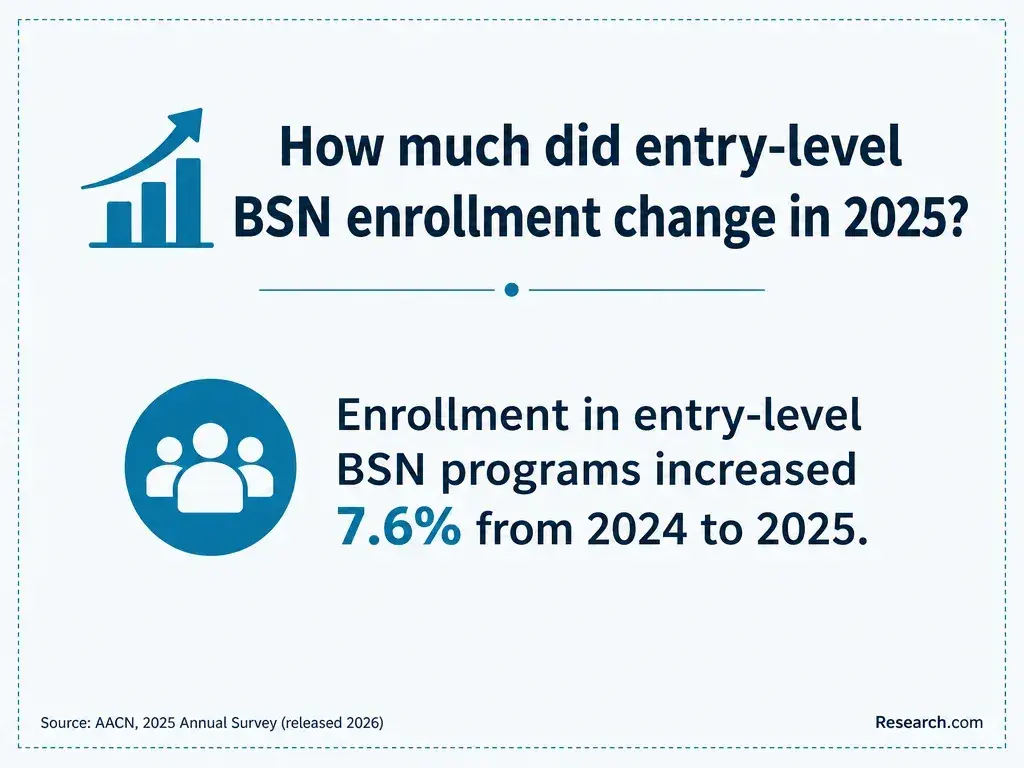
For an RN position, the usual starting point is completion of an approved prelicensure nursing program, eligibility to take the NCLEX-RN, passage of that exam, and an active RN license issued by the appropriate state board. An associate degree or BSN can provide an entry route to RN licensure; a degree alone does not authorize practice. Employers may prefer a BSN or prior behavioral health, emergency, medical-surgical, or community health experience, but requirements differ by job.
Some facilities also hire LPNs/LVNs for duties permitted by state law and employer policy. Their license and responsibilities are not interchangeable with an RN's. A licensed practical nurse seeking RN positions can examine online and hybrid LPN-to-RN pathways, while verifying the program's actual length, required in-person clinical work, state approval, and NCLEX-RN eligibility.
New graduates should look for structured orientation, observed assessments, medication-safety training, and clear escalation support. Graduation and licensure establish a foundation; they do not establish independent competence with every withdrawal presentation or treatment protocol.
Addiction care is team-based because nursing observations, medical decisions, counseling, and practical discharge needs intersect. RNs share changes in symptoms and treatment response with physicians, advanced practice clinicians, and pharmacists. They coordinate with therapists, social workers, case managers, and peer recovery specialists about engagement, safety planning, appointments, transportation, and other barriers - while respecting privacy rules and each discipline's role.
A useful handoff separates observations from interpretations: what the patient reported, what the nurse assessed, what treatment was given under an order, and what still needs follow-up. Teamwork also means recognizing when a patient's medical or psychiatric needs exceed the site's resources and using its escalation or transfer process.
An RN interested in later becoming a psychiatric-mental health nurse practitioner can review psychiatric NP certificate coursework options. That is a distinct advanced-practice pathway with its own admission, clinical, certification, and state authorization requirements - not a prerequisite for effective RN teamwork.
Across settings, common RN responsibilities include assessing physical and mental status, identifying changes that require escalation, administering prescribed medications within scope and policy, monitoring response, teaching patients about their care, documenting accurately, and arranging continuity of care. Nurses also use nonjudgmental communication: a patient's return to substance use is clinically relevant information, not a reason to withhold respectful care.
Employers should define the boundaries of these duties. For example, an RN may participate in a medication-treatment program without independently diagnosing a substance use disorder or prescribing treatment. Screening tools and protocols support assessment but do not replace judgment about the individual patient.
If a nurse wants to move from these RN responsibilities into psychiatric advanced practice, accelerated MSN preparation in psychiatric nursing is a separate educational comparison. A shorter advertised timeline should be weighed against supervised clinical placement, population-focus preparation, and the nurse's ability to meet program requirements.
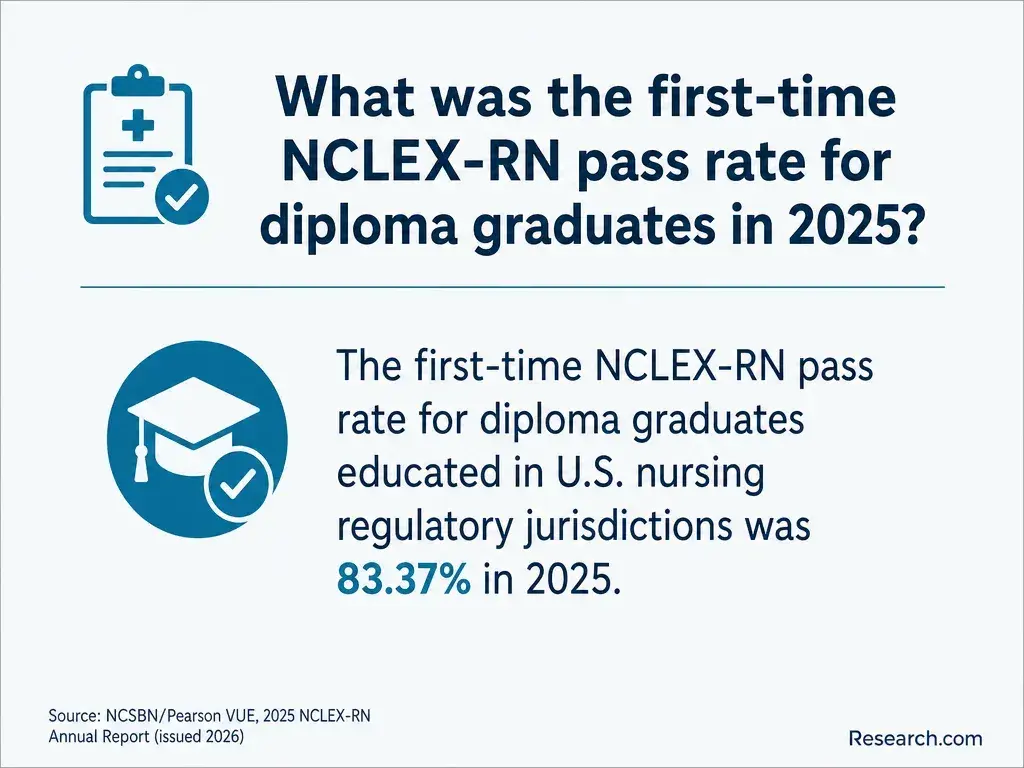
There is no single required "addiction treatment nursing degree" for staff RN practice. A prelicensure ADN or BSN can lead toward initial RN licensure; the stronger choice depends on state eligibility, total cost, clinical access, employer preferences, and the student's circumstances. An accelerated BSN may suit someone who already holds a non-nursing bachelor's degree, but its prerequisites and intensive schedule need careful review. An RN-to-BSN program serves an already-licensed RN and does not provide initial RN preparation.
For a prospective student, admission-focused nursing school comparisons can be a starting point, not evidence that a program will fit this specialty. Confirm state board approval, applicable program accreditation, clinical arrangements, NCLEX eligibility, and whether behavioral health experiences are available. For a licensed RN already working in addiction care, employer training or targeted continuing education may be more direct than another degree.
Foundational nursing courses in health assessment, pharmacology, pathophysiology, and mental health provide the basis for recognizing changing patient needs and giving medications safely. Particularly relevant learning includes substance use disorder concepts, withdrawal assessment, co-occurring psychiatric conditions, trauma-informed communication, infection prevention, motivational interviewing principles, and discharge planning. Clinical instruction and supervised practice are essential for applying that knowledge; a course title alone cannot demonstrate competence.
Students can ask programs where substance use care appears in the curriculum and whether supervised clinical experiences include behavioral health or relevant community settings. Working RNs can ask an employer which assessments, medications, documentation workflows, and emergency responses its orientation validates.
Graduate study is a different decision. Lower-cost mental health advanced practice study may matter to an RN pursuing a PMHNP role, but tuition should be considered alongside clinical requirements and total expenses; it is not necessary simply to gain stronger staff RN skills.
The U.S. Bureau of Labor Statistics does not publish a separate national wage figure for "addiction treatment nurse." Its median annual wage for all registered nurses was $93,600 in May 2024. That is a reference point across many settings and experience levels, not an expected offer for an addiction-treatment RN, a new graduate, or a particular degree holder.
Compare actual offers by base pay, shift differentials, benefits, required on-call time, schedule, and local cost of living. An outpatient role with predictable hours and an inpatient role with night or weekend differentials may have different total compensation and markedly different workdays. Ask whether a posted salary range applies to your license, experience, and shift.
Further education should be evaluated against its full cost rather than an assumed raise. For an RN considering graduate study, planning the cost of a BSN-to-MSN transition can help frame that separate decision; an MSN is not required for most staff RN addiction-treatment positions.
BLS projected employment of registered nurses to grow 5% from 2024 to 2034. That projection covers the entire RN occupation, not addiction treatment specifically; it cannot predict openings at a particular clinic or guarantee a new graduate a specialty position. Local employers' staffing needs, turnover, service lines, and hiring standards are more useful for a personal job search.
Look at postings across the settings you would actually accept. Compare whether they require prior behavioral health experience, offer a new-graduate residency, provide structured addiction-specific orientation, or expect independent work from the start. An RN weighing future primary care practice might explore accelerated family NP study options, but FNP employment is a different role and should not be inferred from the RN outlook figure.
Which certifications advance an addiction treatment nursing career?
The Addictions Nursing Certification Board offers addiction nursing credentials, including the Certified Addictions Registered Nurse (CARN) credential. Specialty certification can help an experienced RN demonstrate focused knowledge, but it is not an RN license, does not expand state scope of practice, and does not replace employer orientation. Eligibility, examination, and renewal rules should be checked directly with the certifying body before paying or planning study time.
Choose a credential for the role you intend to perform. An RN should compare its practice requirements with documented experience and ask employers whether certification is required, preferred, or supported financially. An advanced practice credential involves different eligibility. Likewise, post-master's FNP certificate completion timelines concern preparation for a different advanced-practice population focus; an FNP certificate is not an addiction nursing certification.
Other Things You Should Know About Nursing
Some care-coordination and telehealth positions allow remote work, but bedside assessment, medication administration, and on-site monitoring do not. Check the posting's location requirements and the rules governing practice where the patient is located.
It can be. Inpatient roles may require long periods on foot and responses to changing patient conditions; outpatient roles may involve less lifting but sustained assessment, documentation, and emotionally demanding conversations.
Ask about staffing, training for behavioral emergencies, access to medical backup, transfer procedures, and how incidents are reported and reviewed. The answers reveal more than a general assurance that the facility is safe.
Yes. Employers assess professional qualifications, communication, judgment, and readiness to learn - not whether a nurse has a personal history with substance use. Respect for patients and appropriate boundaries matter in every case.
- Alcohol Withdrawal in Hospitalized Patients - NCBI Bookshelf https://www.ncbi.nlm.nih.gov/books/NBK604324/
- Inpatient Transitions of Care: Challenges and Safety Practices | PSNet https://psnet.ahrq.gov/primer/inpatient-transitions-care-challenges-and-safety-practices
- Treatment Types for Mental Health, Drugs and Alcohol | samhsa.gov https://www.samhsa.gov/find-support/learn-about-treatment/types-of-treatment
- Nurses' Time Allocation and Multitasking of Nursing Activities | nih.gov https://pmc.ncbi.nlm.nih.gov/articles/PMC6371290/
- Finding Help for Co-Occurring Substance Use and Mental Disorders - National Institute of Mental Health (NIMH) https://www.nimh.nih.gov/health/topics/substance-use-and-mental-health
- Substance Use and Addictions Nursing Certificate | University of Maryland School of Nursing https://www.nursing.umaryland.edu/academics/certificates/substance-use-and-addictions-nursing/
- Number of Substance Use Treatment Facilities, By Type of Care | KFF State Health Facts https://www.kff.org/mental-health/state-indicator/number-of-substance-use-treatment-facilities-by-type-of-care/
- How to Run a Detox Facility: Operations Guide | Behave Health https://behavehealth.com/blog/how-to-run-a-detox-facility