2027 A Second BS in Business Administration After a Bachelor's in Software Engineering: Credits, Cost, and Alternatives
Audited and Verified:
Our Editorial and Data Verification Process
Research.com uses government datasets, official education statistics and primary institutional information to support its career and degree guides. Our review process checks factual accuracy, occupational definitions, source dates and the requirements associated with the credentials discussed.
How This Article Was Fact-Checked
Our editorial team verifies salary estimates, employment projections, education requirements and program information against original data providers and official organizations. Salary figures are checked against the relevant occupational definitions and reporting periods. Information about licensure, accreditation and required in-person training is reviewed separately.
Fact-checked and verified on:

Co-Founder and Chief Data Scientist
A software engineering degree can qualify you for technical work without teaching every business function involved in running a product, team, or company. If you want to move into operations, finance, product work, or management, a second BS in Business Administration is one option - but it may require more new coursework than the number of transferred credits suggests.
This guide explains how to evaluate the remaining degree requirements and total cost, then compares the degree with shorter routes so you can choose education that fits your target role.
Key Things You Should Know
- A previous bachelor's may satisfy general education requirements, but only the receiving school can determine which credits fulfill its business core, concentration, and residency rules.
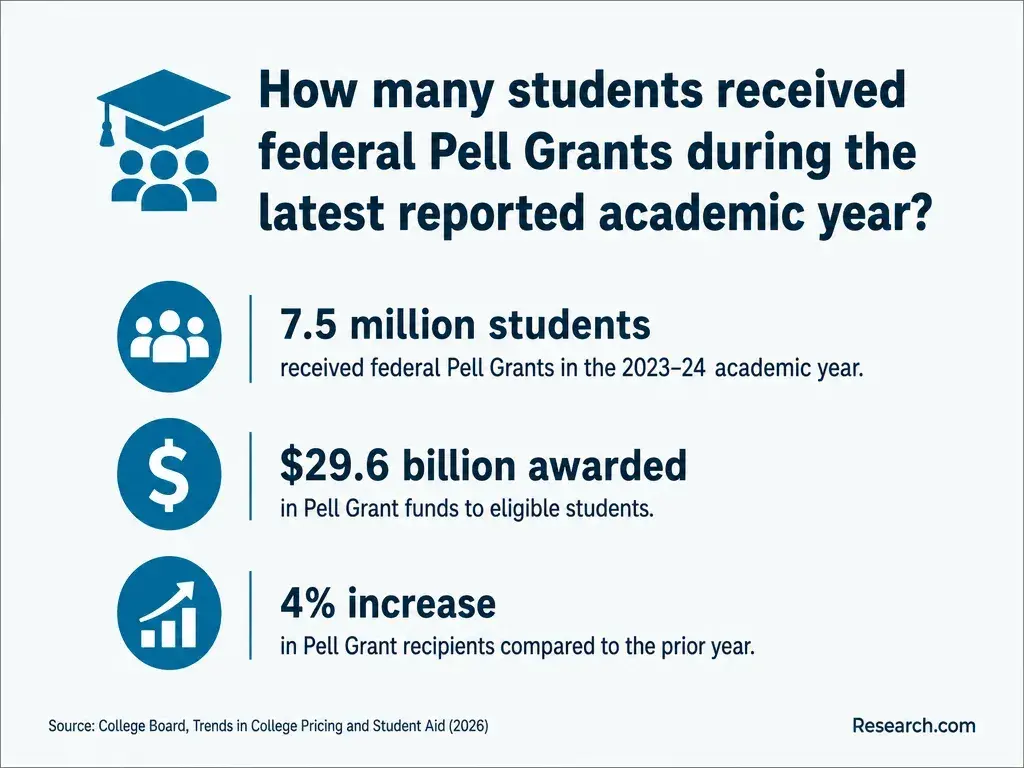
- Compare the cost of remaining required courses, not the advertised price of a full bachelor's; second-degree students generally cannot rely on Pell Grants.
- A second BS is most defensible when a target role or structured career change calls for broad undergraduate business study; targeted courses, experience, or graduate study may be more direct.
Is a second bachelor's in business administration worthwhile after software engineering?
It can be worthwhile if you need systematic instruction across accounting, finance, marketing, operations, and management, and a school's official audit shows a manageable path to graduation. Your engineering background already supplies technical problem-solving and, potentially, project experience. The value of a second degree therefore depends on the business knowledge and recruiting access it adds, not on obtaining another bachelor's credential for its own sake.
Start with a target role. A software engineer moving toward technical product work may need customer research, pricing, and stakeholder communication more than an entire business core. Someone pursuing a substantial move into business operations may benefit more from structured coursework and an approved applied project. If the goal is leading an engineering team, documented leadership responsibility and employer-supported development may matter more than another undergraduate degree. Compare the second BS with faster bachelor's routes in organizational leadership only after checking whether either credential fills a requirement your existing bachelor's does not.
How many credits transfer toward a second business administration bachelor's degree?
There is no reliable universal number. A school might accept substantial coursework from your first degree while still requiring most of its business major. Accepted credits appear on a transfer record; applicable credits satisfy specific requirements on the new degree audit. Graduation also depends on minimum in-residence coursework and any second-degree rules.
The distinction is particularly important for software engineering graduates. The following categories show where prior courses may help - and where a course title alone is insufficient evidence.
| Previous study | Possible application | What the school must check |
| Writing, humanities, and social sciences | General education or electives | Whether the first bachelor's fulfills general education as a block |
| Calculus, statistics, or quantitative methods | Math or business-statistics requirement | Required topics, credit level, grades, and course recency |
| Software development and databases | Information systems coursework or electives | Whether business-specific outcomes are required |
| Engineering projects | Possibly electives | Whether a separately approved business capstone remains mandatory |
Send official transcripts and, where requested, course descriptions or syllabi to the transfer office. Ask the business adviser for a written audit identifying general education, business-core, concentration, elective, and residency requirements separately. Request a substitution review for plausible matches; do not assume an engineering statistics course automatically replaces business statistics. When comparing low-cost shorter business administration programs, compare their audited remaining requirements, not just the credits they accept.
How much does a second bachelor's in business administration cost?
The decision-relevant price is the cost to finish your approved degree plan. Calculate required credits or courses multiplied by the school's actual tuition rate, then add mandatory fees, materials, technology, travel, and any extra term caused by course sequencing. Check whether tuition is charged per credit or per term and whether enrollment status changes the rate. Time spent away from paid work is an opportunity cost even when it does not appear on a tuition bill.
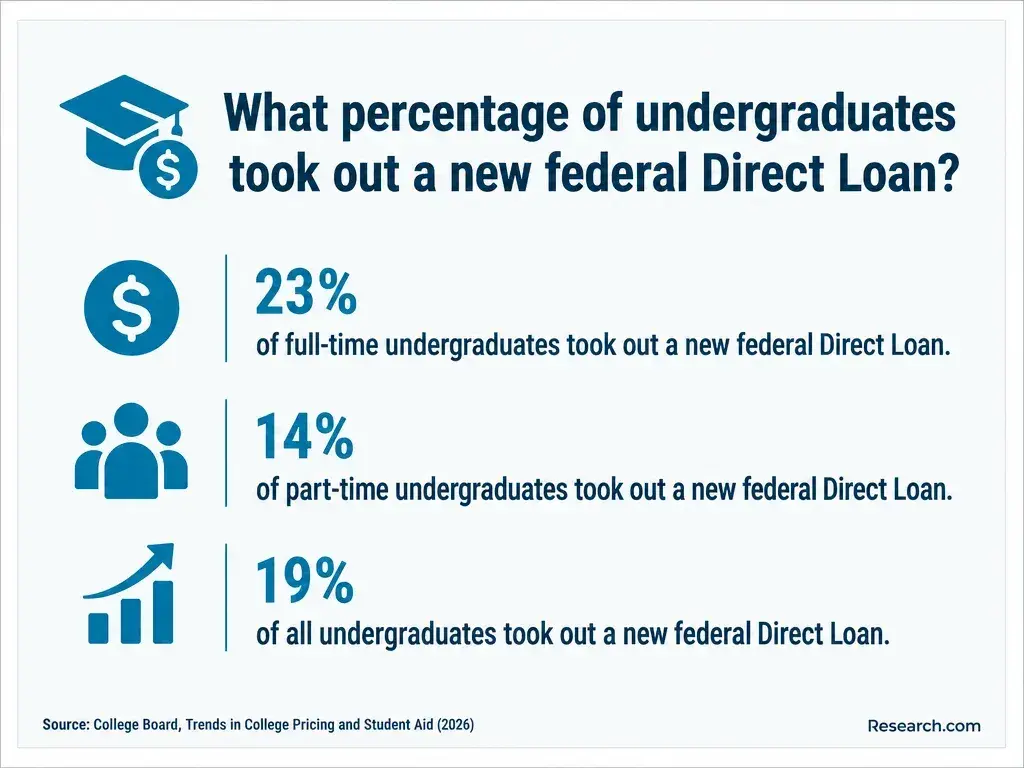
Ask financial aid for a second-degree eligibility review before treating an advertised net price as yours. Students who already hold a bachelor's generally are not eligible for a federal Pell Grant. Federal loans may remain available if the student and program qualify, but prior borrowing, aggregate limits, and satisfactory academic progress can restrict access. A listing of business administration colleges participating in federal aid programs is a starting point, not confirmation of your personal aid eligibility.
Obtain a term-by-term estimate that includes required courses the school offers infrequently. Compare that total with the price and forgone earnings associated with a certificate, individual courses, or graduate study. If an employer offers tuition assistance, verify whether it covers a second bachelor's, when reimbursement arrives, and whether repayment is required after leaving.
Choose the smallest credible pathway that closes the gap between your engineering experience and the responsibilities you want. The alternatives differ in depth, admission requirements, and the evidence of skill they can produce.
| Pathway | Best fit | Main limitation to check |
| Targeted business courses or certificate | A defined gap, such as accounting or marketing fundamentals | May not provide recruiting access or a full business credential |
| Employer project or internal move | Product, operations, or technical leadership adjacent to current work | Requires genuine responsibility, mentorship, and measurable work |
| MBA or specialized master's | Graduate-level business study after relevant professional experience | Admission expectations and cost vary; an MBA is not a substitute for experience |
| Second BS in Business Administration | Broad undergraduate preparation or a substantial functional change | May repeat general education or require extensive business-core coursework |
If your destination is supply chain, a specialized curriculum may offer more functional depth than general business electives; examine fast undergraduate routes into supply chain management against your existing degree and audited transfer options. If you want to launch a product or move into product operations, an approved customer-research or budgeting project may give an employer clearer evidence than another diploma alone. Do not use confidential workplace data in a class or portfolio without permission.
First confirm that the institution admits applicants who already hold a bachelor's into its undergraduate business program. Institutional admission, admission to the business major, and eligibility to complete a second degree can have different rules. Schools may request all prior college transcripts, a minimum academic standing, and specific prerequisite courses; requirements vary by program.
Ask admissions whether your engineering degree satisfies general entry requirements and whether accounting, economics, statistics, or other courses must be completed before entering the major. Ask the registrar which catalog and second-degree residency rules would apply to you. An application-fee saving is useful but should not outrank degree fit; free application options at accredited online schools still need a full academic and cost review.
A BS in Business Administration usually combines a business core with general education, electives, and sometimes a formal concentration. The core may cover financial and managerial accounting, economics, finance, marketing, management, operations, business law, and quantitative analysis. A capstone may require students to integrate those subjects. Exact courses and prerequisites belong to the school's catalog - not to the degree title alone.
For an engineering graduate, the most valuable courses often explain decisions outside software delivery: interpreting financial statements, evaluating customer demand, budgeting an initiative, and managing organizational constraints. Check what to check before applying for a business administration degree, then compare those requirements with your transcripts. An analytics or information-systems concentration may overlap heavily with existing skills; a different concentration could add more, but an elective cluster is not automatically an officially awarded concentration.
Neither format is inherently better. Online study may make it easier to retain a software engineering job, while campus study may offer easier access to local recruiting, classmates, and scheduled faculty interaction. What matters is whether the format lets you complete required courses and gain relevant business experience without an unsustainable workload.
Before choosing an online program, confirm live-session times, exam proctoring, group projects, internship or capstone rules, and required campus visits. Ask whether required courses run often enough for your intended pace. Business administration programs supporting continued employment are worth examining, but "online" does not necessarily mean asynchronous or self-paced. For a major career change, also compare each program's access to business internships, employer projects, and career services.
Verify the institution's recognized accreditation through the accreditor's or U.S. Department of Education's records, then check whether any claimed AACSB, ACBSP, or IACBE accreditation covers the relevant business school or program. Institutional accreditation and business-specific accreditation answer different questions; neither establishes that your credits will apply or that a job will follow.
Use ranked US college pathways in online business to identify candidates, then request evidence directly from each school: a second-degree policy, a preliminary credit evaluation, a sample course schedule, total required fees, and career-service access for online or second-degree students. If a program publishes outcomes, check who was counted and whether the figures describe second-degree career changers rather than all business graduates.
Your existing software experience makes adjacent roles - such as product operations, technical project coordination, business analysis, or operations work at a technology company - more plausible first moves than an immediate jump into senior management. For each target posting, compare its actual tasks with evidence from your engineering work, business coursework, and any approved project. A second degree does not replace experience in budgeting, customer research, supervising staff, or owning business outcomes.
For salary context, the U.S. Bureau of Labor Statistics reports a $75,940 median annual wage for human resources specialists in May 2025. That is an occupation-wide median, not an expected starting salary for a business administration graduate or a software engineer changing fields. HR is also a distinct function: candidates need to assess its hiring, employee-relations, and compliance tasks rather than assume general management classes prepare them for every HR role.
Compare prospective earnings with the audited cost of the education you would actually complete, not with a hoped-for management salary. When reviewing affordable colleges for online business degrees, weigh their access to relevant projects and recruiting alongside tuition. A cheaper degree that does not help you demonstrate the target function may offer little advantage over focused training.
Which certifications or licenses do business administration graduates need?
There is no general license required simply to hold a business administration degree or work in many business roles. Credentials become relevant when a specific occupation, employer, or regulated activity calls for them. For example, CPA licensure is governed by state accountancy boards and involves requirements a general business degree may not meet. Financial-services activities may require separate registrations or licenses; project management and HR certifications have their own eligibility rules.
If HR is your destination, understanding human resources degree levels can help distinguish academic preparation from a separately awarded professional certification. Ask employers which credential they recognize, then check the issuing organization's current eligibility rules before paying for additional coursework. A business concentration, course, or capstone is not itself a professional license.
Other Things You Should Know About Business Administration
No. The new degree would be an additional credential. You can present both on a résumé, emphasizing the one most relevant to the role.
Often, but ask whether the school permits nondegree enrollment and whether that course would later count toward its business major. Admission to a course does not guarantee admission to the degree.
Possibly. Credit-by-exam acceptance and application to the business core vary by school. Get written confirmation for the specific exam and requirement before registering.
Eligible loans may qualify for in-school deferment if you enroll at least half time at an eligible school. Confirm enrollment reporting and each loan's terms with your servicer; interest may continue to accrue.
- Types of Financial Aid: Grants, Work-Study, and Loans | studentaid.gov https://studentaid.gov/understand-aid/types
- .14 Evaluation and Review Process for Transfer of Courses and Credits. | Library of Maryland Regulations https://regs.maryland.gov/us/md/exec/comar/13B.06.02.14
- Tuition and Fees - Rutgers School of Business - Camden https://business.camden.rutgers.edu/prospective-students/tuition_fees/
- What Jobs Can You Get With a Business Degree? | snhu.edu https://www.snhu.edu/about-us/newsroom/business/what-jobs-can-you-get-with-a-business-degree
- Transfer Equivalencies Explained | morgan.edu https://www.morgan.edu/office-of-the-registrar/transfer-evaluation-and-articulation-services/transfer-evaluation-system/transfer-equivalencies-explained
- Jobs That Require an MBA: Career Paths and Salaries | Touro University Worldwide https://www.tuw.edu/business/21-jobs-require-mba/
- Programs of Study | rutgers.edu https://catalogs.rutgers.edu/generated/nb-ug_1113/pg1042.html
- Degree Credit and Residency Policy | SUNY Empire https://sunyempire.edu/policies/degree-credit-and-residency-policy.html
- Second Bachelor's Degree-seeking Students | University of Illinois Springfield https://www.uis.edu/financial-aid/applying-aid/second-bachelors-degree-seeking-students
- Eligibility Requirements - Office of Student Financial Aid https://financialaid.iastate.edu/getting-started/qualifying-for-aid/eligibility-requirements/